
 期次管理
期次管理


 课程介绍
课程介绍
 教学团队
教学团队

庞中兰
外国语学院 山西大同大学
主要简历
庞中兰,1972年8月,女,汉族,山西大同人。山西师范大学英语专业本科毕业,获学士学位,山西师范大学外国语言学及应用语言学硕士研究生。现任山西大同大学外国语学院英语系副教授。具有29年一线教学经验。主持和参与多项项省部级、校级科研和教改课题,国内外权威期刊发表论文多篇,出版专著一部。多次受到学校和学院的表彰,深受学生喜欢。
职业信念
有理想信念、有道德情操、有扎实学识、有仁爱之心
研究领域
英汉语篇对比分析研究,英美文学教学与研究
主讲课程
《高级英语》 《英语语篇分析》 《英语文学导论》 《中学英语课程教学论》
科研项目
1.2010年大同大学校级青年科研项目“英语专业学生隐喻能力发展研究”,同大科字【2008】5号,(课题编号:2008Q17),经费6000,2008年7月-2010年。结题(5-5).
2.2016年1月结题项目:“初中英语有效阅读教学的课堂观察研究”中国教育学会外语专业委员会“十二五”规划课题,外专委【2012】49号,(课题编号:NAFLE0312010),经费自筹,2012年9月-2016年1月。结题(7-7)
3.2016年完成大同大学校级青年科研项目“基于模因论的大学生英语演讲能力研究”,同大科字【2011】6号,(课题编号:2011Q23),经费5000元,2011年6月-2016年10月。结题(5-3)
4.2018年4月完成大同大学校级教改项目“《英语教学法》课程“翻转课堂”教学模式的构建”,同大教【2015】7号,(课题编号:XJG2015217),经费3000元,2015年5月-2018年4月。结题(6-5)
5.2018年10月完成大同大学校级科研项目“角色定位视域下的语篇连贯研究”.同大科字【2013】8号,(课题编号:2013Q18),经费6000元,2013年7月-2018年10月。结题(4-4)
6.2019年4月完成教育部教育管理信息中心“‘互联网+’背景下的混合式学习研究”课题“混合式学习背景下移动技术在英语听说教学中的应用”.(教信息中心【2018】23号,EIJYB-059),经费4000元,2017年5月-2019年4月。结题(4-3)
7.2019年2月完成大同大学青年科研项目“医患冲突性话语的语用分析与缓和策略”.同大科【2015】3号,(课题编号:2015Q30),经费5000元,2015年6月-2019年2月。结题(5-3)
8.2020完成大同大学科研项目“基于语料库从介词IN的翻译看英汉空间认知异同”.同大科【2015】3号,(课题编号:2015Q26),经费5000元,2015年6月-2020年10月。结题(5-4)
9.2020年12月完成大同大学校级教改重点项目““地方院校汉语言文学教育实习改革与实践研究--以山西省本科院校为例”,同大教【2017】14号,(课题编号:XJG2017104),经费5000元。结题(4-3)
10.2017年9月-2020年12月,2018年山西省高等学校教改创新项目“地方院校汉语言文学教育实习改革与实践研究--以山西省本科院校为例”,晋教高【2018】6号,(课题编号:J2018149),经费10000元,2018年6月-2020年12月。结题(4-3)
11.2020年8月主持山西省高等学校精品共享建设课程《《英语语篇分析》线上线下混合式一流课程》立项,晋教高【2020】2号,(课题编号:K2020283),经费10000元,2020年5月-2023年6月。在研(4-1)
12.2020年12月主持校级精品共享认定课程《《英语语篇分析》线上线下混合式一流课程》立项,经费30000元,2020年12月-2025年12月。在研(4-1)
13. 2020年12月31日主持山西大同大学校级教改创新项目“立德树人理念下《高级英语》课程思政教学体系构建与实施”立项,同大教【2020】40号,(课题编号:XJG2020238),经费3000元,2020年6月30日-2022年8月15日。在研(5-1)
14.2020年12月山西省社会科学联合会高校外语教学与研究专项课题“城市语言景观在《英语写作》教学中的应用研究”立项,晋社联字【2020】34号,(课题编号:SSKLYY2020047),自筹经费,2020年12月-2022年12月。在研(5-5)
15.2020年主持大同大学校级云冈专项科研项目“基于多模态话语分析模型的云冈石窟造像研究”立项,2021年3月文件,(课题编号:2020YGZX066),经费10000元,2021年1月-2024年1月。在研(5-1)
论文与著作
1.对英语小句的主述位结构分析. 山西大同大学学报(社会科学版),2007,(03).
2.丘吉尔《关于希特勒入侵(前)苏联的广播演说》的修辞赏析.山西大同大学学报(社会科学版),2008,(04).
3.从语篇视点看英汉语篇互译.山西大同大学学报(社会科学版). 2010,24(01).
4.英语专业学生议论文的主位推进模式分析.山西大同大学学报(社会科学版),2010,24(02).
5.《震撼世界的审判》中的概念隐喻认知.长春工业大学学报(社会科学版),2012,24(02).
6.浅析新视角下女性形象的构建——以《华伦夫人的职业》为例.长春工业大学学报(社会科学版),2014,26(06).
7.女性主义视野下的《简·爱》解读. 山西大同大学学报(社会科学版),2014,28(05).
8.杰克·凯鲁亚克《在路上》的女性形象解读. 齐齐哈尔大学学报(哲学社会科学版), 2015.02.
9.试论网络语体中的语用修辞如何控效——基于修辞谐音飞白的简要分析.渤海大学学报(哲学社会科学
版),2015.02.
10.论索尔·贝娄小说创作的文化源头.山西大同大学学报(社会科学版),2015.04.
11.《更加完善的联邦》演说辞的语言艺术.齐齐哈尔大学学报(哲学社会科学版),2015.11.
12.英语专业学生议论文的语篇衔接手段分析.齐齐哈尔大学学报(哲学社会科学版),2016.02.
13.《翻译目的论在《京华烟云》英汉版本中的实用性》.山西大同大学学报(社会科学版),2019.06.
14.《对中美关系和平基础的回顾与展望》.理论与评论,2019.07.
15. 走进大同—从民族融合出发优化景区翻译策略.文化学刊,2021.4.
著作
《语篇语言学-语篇分析概要》 中国商业出版社2013.4
荣誉与奖励
1.2012、2013年度校级优秀班主任,2013年度山西省优秀辅导员(班主任),2009-2014年度校级模范教师;
2.2011、2013、2014、2020年度教师教学业务考核获优秀;
3.2020年度人事绩效考核优秀;
4.2015年12月第五届“华文杯”全国师范院校师范生(英语)教学技能大赛指导学生杨亭亭获一等奖;指导秦青、梁宇靖获三等奖;
5.2016年12月第六届“华文杯”全国师范院校师范生(英语)教学技能大赛指导学生暴笑瑜获三等奖;
6.2017年6月指导学生关晓月毕业论文《翻转课堂模式下的高中英语语法教学》获大同大学教务处校级优秀论文;
7.2018年论文《更加完善的联邦演说辞的语言艺术》获得“立足本土 面向全球:语言、翻译与比较文学跨学科研究国际研讨会”青年学术论文优秀奖;
8.2019年论文《翻译目的论在《京华烟云》英汉版本中的实用性》获得第三届许渊冲大赛青年学术论文优秀奖;
9.2019年论文《英语专业学生议论文的语篇衔接手段分析》获得第三届许渊冲大赛青年学术论文三等奖;
10. 2021年6月山西省高等学校教改创新项目“地方院校汉语言文学教育实习改革与实践研究--以山西省本科院校为例”成果获得校级 “教学成果一等奖”;
11. 2021年6月山西省精品共享课程《英语语篇分析》线上线下混合式一流课程获得校级”教学成果三等奖”.
查看更多

赵莉
国际交流中心 山西大同大学
研究领域
文学翻译与大学英语教学研究。
科研项目
2016年山西省教育厅教育教学改革课题《校企合作模式下翻译第二课堂教学实践的改革研究》(J2016087);
2019年度山西省高校外语教学与研究专项课题《地方应用型高校英语专业毕业论文质量管理体系建设研究》(SXYYZDKT2019004);
参与山西省哲学社会科学规划《山西改革开放40周年对外文化交流实务研究》(2018B131)
山西省高等学校教学改革创新项目《“新文科”视阈下地方院校翻译专业人才实践能力培养模式研究》(J2020253)
论文与著作
1.赵莉,许荣.论归异化之战到翻译策略的多元融合互动态势[J] 昌吉学院学报. 2018,(06)
2.刘飞,赵莉. 生态学视角下翻译第二课堂的研究[J] 山西大同大学学报(社会科学版). 2020,34(01)
2018年出版论著《英语翻译的创新思维与应用研究》;
荣誉与奖励
2018年获得山西省教学成果奖二等奖。
查看更多
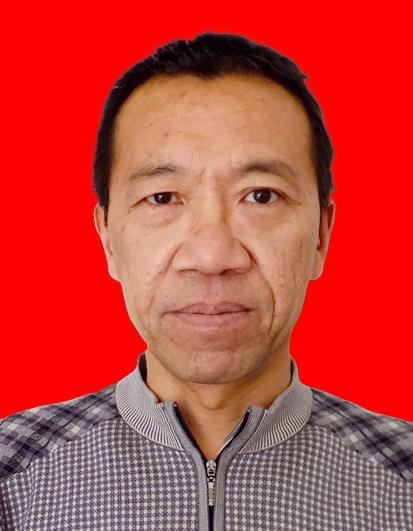
赵刚松
外国语学院 山西大同大学
研究领域
英美文学教学与研究
科研项目
2018年主持校级教改重点项目“基于师范专业认证及《国标》的大同大学英语专业人才培养方案研究”;
2019年12月主持山西省社科联高校外语教学与研究专项课题“ 马克·吐温其人、其作品的研究”;
2020年8月参与省级精品共享建设课程“《英语语篇分析》线上线下混合式一流课程”,第三参与人;
2020年8月参与省级精品共享培育课程“《英国文学史》线上一流课程”,第三参与人;
校级项目《学习共同体模式下英语专业学生思辨能力的创新研究》结题,第三参与者。
论文与著作
论文《关于高校本科生导师制实施的相关思考》,西部素质教育,第二作者。
荣誉与奖励
2021年获得“双带头人”党支部优秀党员
查看更多

张晓光
外国语学院 山西大同大学
研究领域
英语语言学教学与研究
科研项目
[1]参与项目:依托项目的“互联网+”高职英语听力和口语教学研究. 河北省教育科学研究“十三五”规划项目,(1602052) 河北省教育厅,2017年5月.
[2]参与项目:万里茶道山西段变迁研究.山西省哲学社会科学规划课题( 2019B286), 晋规办,2019年8月.
[3]主持项目:《语音学》课程混合式教学模式研究.山西大同大学教学改革创新项目,(XJG201922),山西大同大学教务处,2019年10月.
[4]参与2020年8月省级精品共享建设课程“《英语语篇分析》线上线下混合式一流课程”(K2020283),第四参与人.
[5]参与2020年8月省级精品共享培育课程“《英国文学史》线上一流课程”(K2020415),第四参与人.
论文与著作
[1]英语专业学生跨文化交际能力培养研究.山西大同大学学报, 2015, 29(4):90-93.
[2]介词OVER多义性的认知分析研究. 山西大同大学学报, 2018, 32(6):67-70.
[3]中国学习者习得英语节奏的策略. 探究立足本土 面向全球:语言、翻译与比较文学跨学科研究国际研讨会2018.09.15
[4]基于3T理论的英语专业学生英语语调能力提升研究. 翻译与比较文化跨学科研究研讨会 2019.09.14
[5]布拉格学派信息流处理方法对语篇翻译的启示.齐齐哈尔大学学报, 2021, 287(1):146-149.
职业信念
以教师之诚,换学生之心;以教师之德,育学生之信
查看更多
导出数据
数据统计规则
 课程评审
课程评审
课程资源(根据所选期次展示)
授课视频
0个

视频总时长
0分钟

非视频资源
0个

课程资料
0个

课程公告
0次

选课人数
课堂活动
测验和作业
线上互动
考核(试)
通过人数 数据更新约有4个小时延迟
 课程图谱
课程图谱
- 知识图谱
- 课程体系
- 知识图谱资源
- 知识关系
- 课程统计