目录

  • 1 Starting out
    • 1.1 An Introduction about Listening(课程导入)
    • 1.2 Inside view(课程内容)
    • 1.3 English Names(第一小节知识补充)
    • 1.4 Outside view (课程内容)
    • 1.5 Oxford University (第二小节知识补充)
    • 1.6 Listening in(课程内容)
    • 1.7 The IVY league(第三小节知识补充)
    • 1.8 Pronunciation(语音练习)
    • 1.9 Ideological and Political Elements of the Unit(单元思政元素挖掘)
    • 1.10 Video Clip of Language and Cultural Point(教师单元知识点精讲视频)
    • 1.11 Language Output of the Unit(语言产出任务布置)
    • 1.12 Peer Assessment(同伴互评)
    • 1.13 Scripts for Unit 1(听力原文)
    • 1.14 Cultural Awareness(文化意识提升)
    • 1.15 Quiz (单元测试)
  • 2 Food, glorious food
    • 2.1 Differences in Food Culture(课程导入)
    • 2.2 Inside view (课程内容)
    • 2.3 Translation for Eight Chinese Cuisines(第一小节知识补充)
    • 2.4 Outside view (课程内容)
    • 2.5 Listening in(课程内容)
    • 2.6 Differences between Western and Chinese Table Manners(第三小节知识补充)
      • 2.6.1 BBC: Table manners I(课外知识补充)
      • 2.6.2 BBC: Table manners II(课外知识补充)
    • 2.7 Pronunciation(语音练习)
    • 2.8 Ideological and Political Elements of the Unit (单元思政元素挖掘)
    • 2.9 Video Clip of Language and Cultural Point(教师单元知识点精讲视频)
    • 2.10 Language Output of the Unit(语言产出任务布置)
    • 2.11 Peer Assessment(同伴互评)
    • 2.12 Sripts for Unit 2(听力原文)
    • 2.13 Cultural Awareness(文化意识提升)
    • 2.14 Quiz(单元测试)
  • 3 Learning to think
    • 3.1 Six Thinking Hats(课程导入)
    • 3.2 Inside view(课程内容)
    • 3.3 Memory (第一小节知识补充)
    • 3.4 Outside view(课程内容)
    • 3.5 Mind maps(第二小节知识补充)
    • 3.6 Listening in (课程内容)
    • 3.7 Backgroung information about Nursery school(第三小节知识补充)
    • 3.8 Pronunciation(语音练习)
    • 3.9 Ideological and Political Elements of the Unit (单元思政元素挖掘)
    • 3.10 Video Clip of Language and Cultural Point(教师单元知识点精讲视频)
    • 3.11 Language Output of the Unit(语言产出任务布置)
    • 3.12 Peer Assessment(同伴互评)
    • 3.13 Scripts for Unit 3(听力原文)
    • 3.14 Quiz(单元测试)
  • 4 Family affairs
    • 4.1 Family Education(课程导入)
    • 4.2 Inside view(课程内容)
    • 4.3 Parents' Roles in Family Education(第一小节知识补充)
    • 4.4 Outside view(课程内容)
    • 4.5 The changing role of fathers(第二小节知识补充)
    • 4.6 Listening in(课程内容)
    • 4.7 Nature and Nurture(第三小节知识补充)
    • 4.8 Pronunciation(语音练习)
    • 4.9 Ideological and Political Elements of the Unit (单元思政元素挖掘)
    • 4.10 Language Output of the Unit(语言产出任务布置)
    • 4.11 Students‘ Language Output Presentation(学生语言产出成果展示)
    • 4.12 Peer Assessment(同伴互评)
    • 4.13 Scripts for Unit 4(听力原文)
    • 4.14 Cultural Awareness(文化意识提升)
    • 4.15 Quiz(单元测试)
  • 5 Revision and Exam(期中测试)
    • 5.1 Test paper (测试样题)
  • 6 News 24/7
    • 6.1 Background information about News(课程导入)
    • 6.2 Inside view(课程内容)
    • 6.3 News(第一小节知识补充)
    • 6.4 Outside view (课程内容)
    • 6.5 Life story about Dianna (第二小节知识补充)
    • 6.6 Listening in(课程内容)
    • 6.7 Reality TV Program(第三小节知识补充)
    • 6.8 Pronunciation(语音练习)
    • 6.9 Language Output of the Unit(语言产出任务布置)
    • 6.10 Students‘ Language Output Presentation(学生语言产出成果展示)
    • 6.11 Peer Assessment(同伴互评)
    • 6.12 Scripts for the Unit (听力原文)
    • 6.13 Key to exercises(参考练习答案)
    • 6.14 Cultural Awareness(文化意识提升)
    • 6.15 Quiz(单元测试)
  • 7 Arrivals and departures
    • 7.1 Modern Beijing Self-Guided Tour (课程导入)
    • 7.2 Inside view (课程内容)
    • 7.3 Preparation for Hiking(第一小节知识补充)
    • 7.4 Outside view (课程内容)
    • 7.5 The Trip to Australia(第二小节知识补充)
    • 7.6 Listening in (课程内容)
    • 7.7 The Trip to the USA(第三小节知识补充)
    • 7.8 Pronunciation(语音练习)
    • 7.9 Ideological and Political Elements of the Unit(单元思政元素挖掘)
    • 7.10 Language Output of the Unit(语言产出任务布置)
    • 7.11 Students‘ Language Output Presentation(学生语言产出成果展示)
    • 7.12 Peer Assessment(同伴互评)
    • 7.13 Scripts for the unit (听力原文)
    • 7.14 Key to exercises(参考练习答案)
    • 7.15 Cultural Awareness(文化意识提升)
    • 7.16 Quiz (单元测试)
  • 8 All you need is love
    • 8.1 Love(课程导入)
    • 8.2 Inside view(课程内容)
    • 8.3 Dating(第一小节知识补充)
    • 8.4 Outside view(课程内容)
    • 8.5 Listening in (课程内容)
    • 8.6 True Love(第三小节知识补充)
    • 8.7 Pronunciation(语音练习)
    • 8.8 Ideological and Political Elements of the Unit (单元思政元素挖掘)
    • 8.9 Language Output of the Unit(语言产出任务布置)
    • 8.10 Students‘ Language Output Presentation(学生语言产出成果展示)
    • 8.11 Peer Assessment(同伴评价)
    • 8.12 Scripts for the unit(听力原文)
    • 8.13 Cultural Awareness(文化意识提升)
    • 8.14 Quiz(单元测试)
  • 9 Body and mind
    • 9.1 What is Health?(课程导入)
    • 9.2 Inside view(课程内容)
    • 9.3 Factors for good health(第一小节知识补充)
    • 9.4 Outside view(课程内容)
    • 9.5 Preserving Health(第二小节知识补充)
    • 9.6 Listening in (课程内容)
    • 9.7 The China Health and Nutrition Survey (第三小节知识补充)
    • 9.8 Pronunciation(语音练习)
    • 9.9 Ideological and Political Elements of the Unit (单元思政元素挖掘)
    • 9.10 Language Output of the Unit(语言产出任务布置)
    • 9.11 Students‘ Language Output Presentation(学生语言产出成果展示)
    • 9.12 Peer Assessment(同伴互评)
    • 9.13 Scripts for the unit(听力原文)
    • 9.14 Key to exercises(参考练习答案)
    • 9.15 Cultural Awareness (文化意识提升)
    • 9.16 Quiz (单元测试)
  • 10 Revision and Final Examination (学期测试)
    • 10.1 Exam Paper(测试样题)
Ideological and Political Elements of the Unit (单元思政元素挖掘)

Ideological and Political Elements in the Unit


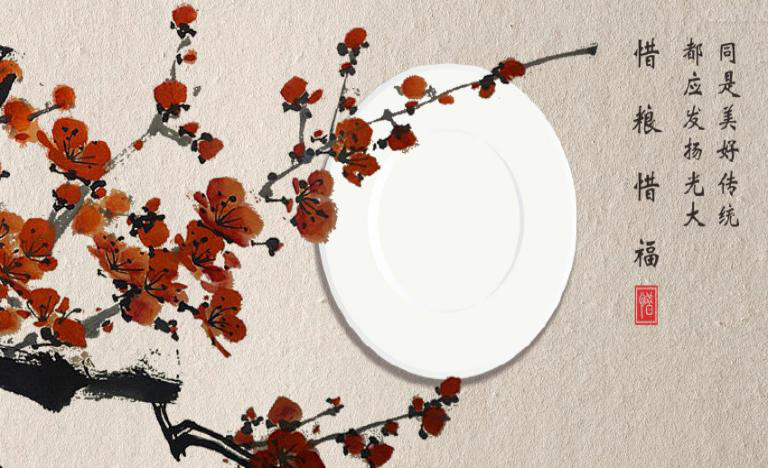
I. To cherish the food and clear your plates for each dinner.

II. Explaination about "Obituary" to students.

                                           Obituary

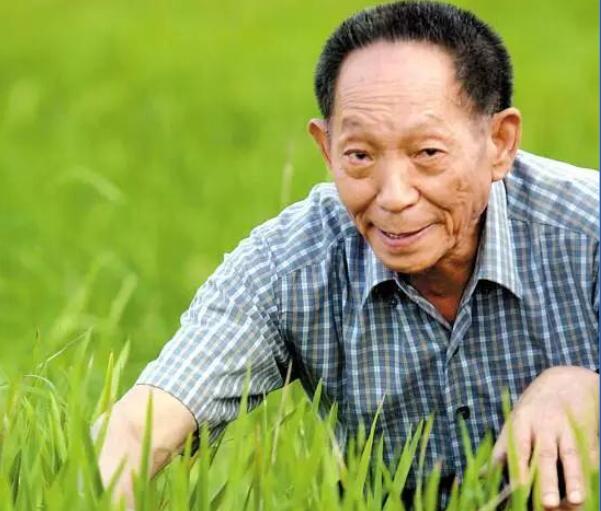
Yuan Longping:To feed the world

Yuan Longping, developer of hybrid rice, died on May 22nd, aged 90.

He was wandering in a ricefield of dreams. The plants were tall as sorghum, taller than a man.

Their panicles hung full as brooms, and each grain was as big as a peanut.

After walking a while he lay down in the leaf-shade with a friend, quite hidden.

A rest was a good idea, because the wonder-plants went on and on. In fact, they covered the world.
ecoo210602.jpg

Then Yuan Longping woke up, laughing.

The rice plants he had tended for decades at Anjiang and then Changsha in Hunan province, sowing and nurturing them, visiting daily on his motorbike to inspect them, were not quite there yet.

But they still deserved their name of super rice.

The leaves were straighter and taller than ordinary, and the grains plumper.

They had all the vigour of the wild strain that he and his team had found, after much searching, beside a railway line in Hainan in 1970 and had cross-bred, over careful years, with the domesticated variety.

Sceptics told him he was wasting his time, since rice was a self-pollinator.

He believed that cross-breeding was universal and, besides, that it always made the offspring stronger.

The figures spoke for themselves. With his new hybrid rice the annual yield was 20-30% higher.

This meant that at least 60m more people could be fed every year. In Yunnan province more than 17,000 kilograms had been produced per hectare.

China’s rice crop had risen from 57m tonnes in 1950 to 195m in 2017; from food deficiency, to food security.

III. Discussion

Discuss the following questions with your group.

1. What does this picture imply?

2. Regarding it, how do you do it in your daily life?