
目录

  • 1 Starting out
    • 1.1 An Introduction about Listening(课程导入)
    • 1.2 Inside view(课程内容)
    • 1.3 English Names(第一小节知识补充)
    • 1.4 Outside view (课程内容)
    • 1.5 Oxford University (第二小节知识补充)
    • 1.6 Listening in(课程内容)
    • 1.7 The IVY league(第三小节知识补充)
    • 1.8 Pronunciation(语音练习)
    • 1.9 Ideological and Political Elements of the Unit(单元思政元素挖掘)
    • 1.10 Video Clip of Language and Cultural Point(教师单元知识点精讲视频)
    • 1.11 Language Output of the Unit(语言产出任务布置)
    • 1.12 Peer Assessment(同伴互评)
    • 1.13 Scripts for Unit 1(听力原文)
    • 1.14 Cultural Awareness(文化意识提升)
    • 1.15 Quiz (单元测试)
  • 2 Food, glorious food
    • 2.1 Differences in Food Culture(课程导入)
    • 2.2 Inside view (课程内容)
    • 2.3 Translation for Eight Chinese Cuisines(第一小节知识补充)
    • 2.4 Outside view (课程内容)
    • 2.5 Listening in(课程内容)
    • 2.6 Differences between Western and Chinese Table Manners(第三小节知识补充)
      • 2.6.1 BBC: Table manners I(课外知识补充)
      • 2.6.2 BBC: Table manners II(课外知识补充)
    • 2.7 Pronunciation(语音练习)
    • 2.8 Ideological and Political Elements of the Unit (单元思政元素挖掘)
    • 2.9 Video Clip of Language and Cultural Point(教师单元知识点精讲视频)
    • 2.10 Language Output of the Unit(语言产出任务布置)
    • 2.11 Peer Assessment(同伴互评)
    • 2.12 Sripts for Unit 2(听力原文)
    • 2.13 Cultural Awareness(文化意识提升)
    • 2.14 Quiz(单元测试)
  • 3 Learning to think
    • 3.1 Six Thinking Hats(课程导入)
    • 3.2 Inside view(课程内容)
    • 3.3 Memory (第一小节知识补充)
    • 3.4 Outside view(课程内容)
    • 3.5 Mind maps(第二小节知识补充)
    • 3.6 Listening in (课程内容)
    • 3.7 Backgroung information about Nursery school(第三小节知识补充)
    • 3.8 Pronunciation(语音练习)
    • 3.9 Ideological and Political Elements of the Unit (单元思政元素挖掘)
    • 3.10 Video Clip of Language and Cultural Point(教师单元知识点精讲视频)
    • 3.11 Language Output of the Unit(语言产出任务布置)
    • 3.12 Peer Assessment(同伴互评)
    • 3.13 Scripts for Unit 3(听力原文)
    • 3.14 Quiz(单元测试)
  • 4 Family affairs
    • 4.1 Family Education(课程导入)
    • 4.2 Inside view(课程内容)
    • 4.3 Parents' Roles in Family Education(第一小节知识补充)
    • 4.4 Outside view(课程内容)
    • 4.5 The changing role of fathers(第二小节知识补充)
    • 4.6 Listening in(课程内容)
    • 4.7 Nature and Nurture(第三小节知识补充)
    • 4.8 Pronunciation(语音练习)
    • 4.9 Ideological and Political Elements of the Unit (单元思政元素挖掘)
    • 4.10 Language Output of the Unit(语言产出任务布置)
    • 4.11 Students‘ Language Output Presentation(学生语言产出成果展示)
    • 4.12 Peer Assessment(同伴互评)
    • 4.13 Scripts for Unit 4(听力原文)
    • 4.14 Cultural Awareness(文化意识提升)
    • 4.15 Quiz(单元测试)
  • 5 Revision and Exam(期中测试)
    • 5.1 Test paper (测试样题)
  • 6 News 24/7
    • 6.1 Background information about News(课程导入)
    • 6.2 Inside view(课程内容)
    • 6.3 News(第一小节知识补充)
    • 6.4 Outside view (课程内容)
    • 6.5 Life story about Dianna (第二小节知识补充)
    • 6.6 Listening in(课程内容)
    • 6.7 Reality TV Program(第三小节知识补充)
    • 6.8 Pronunciation(语音练习)
    • 6.9 Language Output of the Unit(语言产出任务布置)
    • 6.10 Students‘ Language Output Presentation(学生语言产出成果展示)
    • 6.11 Peer Assessment(同伴互评)
    • 6.12 Scripts for the Unit (听力原文)
    • 6.13 Key to exercises(参考练习答案)
    • 6.14 Cultural Awareness(文化意识提升)
    • 6.15 Quiz(单元测试)
  • 7 Arrivals and departures
    • 7.1 Modern Beijing Self-Guided Tour (课程导入)
    • 7.2 Inside view (课程内容)
    • 7.3 Preparation for Hiking(第一小节知识补充)
    • 7.4 Outside view (课程内容)
    • 7.5 The Trip to Australia(第二小节知识补充)
    • 7.6 Listening in (课程内容)
    • 7.7 The Trip to the USA(第三小节知识补充)
    • 7.8 Pronunciation(语音练习)
    • 7.9 Ideological and Political Elements of the Unit(单元思政元素挖掘)
    • 7.10 Language Output of the Unit(语言产出任务布置)
    • 7.11 Students‘ Language Output Presentation(学生语言产出成果展示)
    • 7.12 Peer Assessment(同伴互评)
    • 7.13 Scripts for the unit (听力原文)
    • 7.14 Key to exercises(参考练习答案)
    • 7.15 Cultural Awareness(文化意识提升)
    • 7.16 Quiz (单元测试)
  • 8 All you need is love
    • 8.1 Love(课程导入)
    • 8.2 Inside view(课程内容)
    • 8.3 Dating(第一小节知识补充)
    • 8.4 Outside view(课程内容)
    • 8.5 Listening in (课程内容)
    • 8.6 True Love(第三小节知识补充)
    • 8.7 Pronunciation(语音练习)
    • 8.8 Ideological and Political Elements of the Unit (单元思政元素挖掘)
    • 8.9 Language Output of the Unit(语言产出任务布置)
    • 8.10 Students‘ Language Output Presentation(学生语言产出成果展示)
    • 8.11 Peer Assessment(同伴评价)
    • 8.12 Scripts for the unit(听力原文)
    • 8.13 Cultural Awareness(文化意识提升)
    • 8.14 Quiz(单元测试)
  • 9 Body and mind
    • 9.1 What is Health?(课程导入)
    • 9.2 Inside view(课程内容)
    • 9.3 Factors for good health(第一小节知识补充)
    • 9.4 Outside view(课程内容)
    • 9.5 Preserving Health(第二小节知识补充)
    • 9.6 Listening in (课程内容)
    • 9.7 The China Health and Nutrition Survey (第三小节知识补充)
    • 9.8 Pronunciation(语音练习)
    • 9.9 Ideological and Political Elements of the Unit (单元思政元素挖掘)
    • 9.10 Language Output of the Unit(语言产出任务布置)
    • 9.11 Students‘ Language Output Presentation(学生语言产出成果展示)
    • 9.12 Peer Assessment(同伴互评)
    • 9.13 Scripts for the unit(听力原文)
    • 9.14 Key to exercises(参考练习答案)
    • 9.15 Cultural Awareness (文化意识提升)
    • 9.16 Quiz (单元测试)
  • 10 Revision and Final Examination (学期测试)
    • 10.1 Exam Paper(测试样题)
Ideological and Political Elements of the Unit (单元思政元素挖掘)

Ideological and Political Elements in Unit 3

I. Facing the differences between Chinese and the Western culture, to judge them objectively, taking the essence and removing the dross.

II. Explaination about Top six cultural differences between China and the US

Top six cultural differences between China and the US

Living in a culture that is different from your own can be both an exciting and challenging experience.

You have to learn different cultural practices and try to adapt to them. Following are the top six cultural differences between China and the US.

1.Privacy

Chinese people do not have the same concept of privacy as Americans do. They talk about topics such as ages, income or marital status, which Americans think is annoying and intrusive.

2.Family

In China, elders are traditionally treated with enormous respect and dignity while the young are cherished and nurtured.

In America, the goal of the family is to encourage independence, particularly that of the children. Unlike the Chinese, older Americans seldom live with their children.

3.Friends

Chinese people have different meanings to define friends. Just hanging out together time to time is not friendship. Friendship means lifelong friends who feel deeply obligated to give each other whatever help might seem required.

Americans always call people they meet friends, so the definition of friends is general and different. There are work friends, playing friends, school friends and drinking friends.
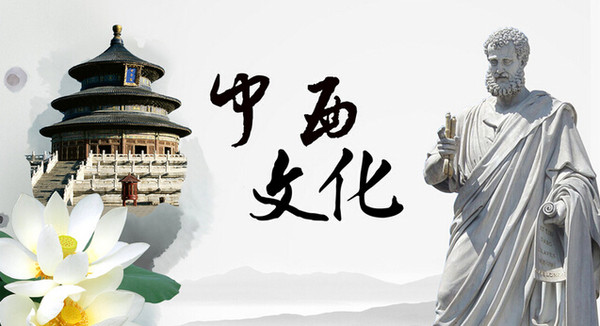
盘点中国和美国之间的6大文化差异

4.Money

As is well known, the Chinese like to save. They are always conservative when they are planning to spend money.

It is different in the USA, where far fewer families are saving money for emergencies and education than their Chinese counterparts.

5.Education

Chinese people value education and career more than Americans, who in turn put more emphasis on good character and faith.

6.Collectivism vs. Individualism

Basically China values the community and the US values the individual. If you achieve something in the US, it's because you were great.

While in China, if you achieve something in China it's because the team, or family, or company is great.

Everything you do gets attributed to the greater whole, while in America individual merits are celebrated.