
目录

  • 1 Starting out
    • 1.1 An Introduction about Listening(课程导入)
    • 1.2 Inside view(课程内容)
    • 1.3 English Names(第一小节知识补充)
    • 1.4 Outside view (课程内容)
    • 1.5 Oxford University (第二小节知识补充)
    • 1.6 Listening in(课程内容)
    • 1.7 The IVY league(第三小节知识补充)
    • 1.8 Pronunciation(语音练习)
    • 1.9 Ideological and Political Elements of the Unit(单元思政元素挖掘)
    • 1.10 Video Clip of Language and Cultural Point(教师单元知识点精讲视频)
    • 1.11 Language Output of the Unit(语言产出任务布置)
    • 1.12 Peer Assessment(同伴互评)
    • 1.13 Scripts for Unit 1(听力原文)
    • 1.14 Cultural Awareness(文化意识提升)
    • 1.15 Quiz (单元测试)
  • 2 Food, glorious food
    • 2.1 Differences in Food Culture(课程导入)
    • 2.2 Inside view (课程内容)
    • 2.3 Translation for Eight Chinese Cuisines(第一小节知识补充)
    • 2.4 Outside view (课程内容)
    • 2.5 Listening in(课程内容)
    • 2.6 Differences between Western and Chinese Table Manners(第三小节知识补充)
      • 2.6.1 BBC: Table manners I(课外知识补充)
      • 2.6.2 BBC: Table manners II(课外知识补充)
    • 2.7 Pronunciation(语音练习)
    • 2.8 Ideological and Political Elements of the Unit (单元思政元素挖掘)
    • 2.9 Video Clip of Language and Cultural Point(教师单元知识点精讲视频)
    • 2.10 Language Output of the Unit(语言产出任务布置)
    • 2.11 Peer Assessment(同伴互评)
    • 2.12 Sripts for Unit 2(听力原文)
    • 2.13 Cultural Awareness(文化意识提升)
    • 2.14 Quiz(单元测试)
  • 3 Learning to think
    • 3.1 Six Thinking Hats(课程导入)
    • 3.2 Inside view(课程内容)
    • 3.3 Memory (第一小节知识补充)
    • 3.4 Outside view(课程内容)
    • 3.5 Mind maps(第二小节知识补充)
    • 3.6 Listening in (课程内容)
    • 3.7 Backgroung information about Nursery school(第三小节知识补充)
    • 3.8 Pronunciation(语音练习)
    • 3.9 Ideological and Political Elements of the Unit (单元思政元素挖掘)
    • 3.10 Video Clip of Language and Cultural Point(教师单元知识点精讲视频)
    • 3.11 Language Output of the Unit(语言产出任务布置)
    • 3.12 Peer Assessment(同伴互评)
    • 3.13 Scripts for Unit 3(听力原文)
    • 3.14 Quiz(单元测试)
  • 4 Family affairs
    • 4.1 Family Education(课程导入)
    • 4.2 Inside view(课程内容)
    • 4.3 Parents' Roles in Family Education(第一小节知识补充)
    • 4.4 Outside view(课程内容)
    • 4.5 The changing role of fathers(第二小节知识补充)
    • 4.6 Listening in(课程内容)
    • 4.7 Nature and Nurture(第三小节知识补充)
    • 4.8 Pronunciation(语音练习)
    • 4.9 Ideological and Political Elements of the Unit (单元思政元素挖掘)
    • 4.10 Language Output of the Unit(语言产出任务布置)
    • 4.11 Students‘ Language Output Presentation(学生语言产出成果展示)
    • 4.12 Peer Assessment(同伴互评)
    • 4.13 Scripts for Unit 4(听力原文)
    • 4.14 Cultural Awareness(文化意识提升)
    • 4.15 Quiz(单元测试)
  • 5 Revision and Exam(期中测试)
    • 5.1 Test paper (测试样题)
  • 6 News 24/7
    • 6.1 Background information about News(课程导入)
    • 6.2 Inside view(课程内容)
    • 6.3 News(第一小节知识补充)
    • 6.4 Outside view (课程内容)
    • 6.5 Life story about Dianna (第二小节知识补充)
    • 6.6 Listening in(课程内容)
    • 6.7 Reality TV Program(第三小节知识补充)
    • 6.8 Pronunciation(语音练习)
    • 6.9 Language Output of the Unit(语言产出任务布置)
    • 6.10 Students‘ Language Output Presentation(学生语言产出成果展示)
    • 6.11 Peer Assessment(同伴互评)
    • 6.12 Scripts for the Unit (听力原文)
    • 6.13 Key to exercises(参考练习答案)
    • 6.14 Cultural Awareness(文化意识提升)
    • 6.15 Quiz(单元测试)
  • 7 Arrivals and departures
    • 7.1 Modern Beijing Self-Guided Tour (课程导入)
    • 7.2 Inside view (课程内容)
    • 7.3 Preparation for Hiking(第一小节知识补充)
    • 7.4 Outside view (课程内容)
    • 7.5 The Trip to Australia(第二小节知识补充)
    • 7.6 Listening in (课程内容)
    • 7.7 The Trip to the USA(第三小节知识补充)
    • 7.8 Pronunciation(语音练习)
    • 7.9 Ideological and Political Elements of the Unit(单元思政元素挖掘)
    • 7.10 Language Output of the Unit(语言产出任务布置)
    • 7.11 Students‘ Language Output Presentation(学生语言产出成果展示)
    • 7.12 Peer Assessment(同伴互评)
    • 7.13 Scripts for the unit (听力原文)
    • 7.14 Key to exercises(参考练习答案)
    • 7.15 Cultural Awareness(文化意识提升)
    • 7.16 Quiz (单元测试)
  • 8 All you need is love
    • 8.1 Love(课程导入)
    • 8.2 Inside view(课程内容)
    • 8.3 Dating(第一小节知识补充)
    • 8.4 Outside view(课程内容)
    • 8.5 Listening in (课程内容)
    • 8.6 True Love(第三小节知识补充)
    • 8.7 Pronunciation(语音练习)
    • 8.8 Ideological and Political Elements of the Unit (单元思政元素挖掘)
    • 8.9 Language Output of the Unit(语言产出任务布置)
    • 8.10 Students‘ Language Output Presentation(学生语言产出成果展示)
    • 8.11 Peer Assessment(同伴评价)
    • 8.12 Scripts for the unit(听力原文)
    • 8.13 Cultural Awareness(文化意识提升)
    • 8.14 Quiz(单元测试)
  • 9 Body and mind
    • 9.1 What is Health?(课程导入)
    • 9.2 Inside view(课程内容)
    • 9.3 Factors for good health(第一小节知识补充)
    • 9.4 Outside view(课程内容)
    • 9.5 Preserving Health(第二小节知识补充)
    • 9.6 Listening in (课程内容)
    • 9.7 The China Health and Nutrition Survey (第三小节知识补充)
    • 9.8 Pronunciation(语音练习)
    • 9.9 Ideological and Political Elements of the Unit (单元思政元素挖掘)
    • 9.10 Language Output of the Unit(语言产出任务布置)
    • 9.11 Students‘ Language Output Presentation(学生语言产出成果展示)
    • 9.12 Peer Assessment(同伴互评)
    • 9.13 Scripts for the unit(听力原文)
    • 9.14 Key to exercises(参考练习答案)
    • 9.15 Cultural Awareness (文化意识提升)
    • 9.16 Quiz (单元测试)
  • 10 Revision and Final Examination (学期测试)
    • 10.1 Exam Paper(测试样题)
Ideological and Political Elements of the Unit(单元思政元素挖掘)

Ideological and Political Elements of the Unit 


I. Achieving cultural self-confidence and cultural identity.

II. Explanation on "Pride of a generation".

Pride of a generation

中国年轻人有多爱国?

Celebrating Western holidays, following K-pop bands and going abroad to study ... 

过洋节,追韩团,出国留学……

Many young people are thought to be not as patriotic as their parents or grandparents.

很多年轻人都被认为不像他们父母或祖父母那样爱国。

But data has shown that young Chinese people have demonstrated a growing sense of national pride and patriotism in recent years. 

但数据显示,近年来,中国年轻人更有民族自豪感,也更爱国了。

Each post related to topics such as national unity, patriotism and the country’s development has received thousands of comments and “likes”.

每一条有关民族团结、爱国主义和国家发展话题的帖子都收获了数千条评论和点赞。

On March 5, the league wrote a post celebrating the 123rd anniversary of the birth of China’s first premier, Zhou Enlai, 

3月5日,共青团中央发微博纪念新中国第一任总理周恩来诞辰123周年,

with thousands of young internet users leaving comments expressing how lucky and happy they felt to be living in the country.

数千名年轻网民留言,感慨生活在中国是多么幸运幸福。 

One user, “Xu Baobao”, posted: “We’ll contribute our young energy to national rejuvenation.” Another wrote, “May we use our youth to protect China.”

一位昵称为“徐宝宝”的网友评论道:“我们将为民族复兴注入青春活力。”另一位网友写道“愿以吾辈之青春,护卫这盛世之中华。”
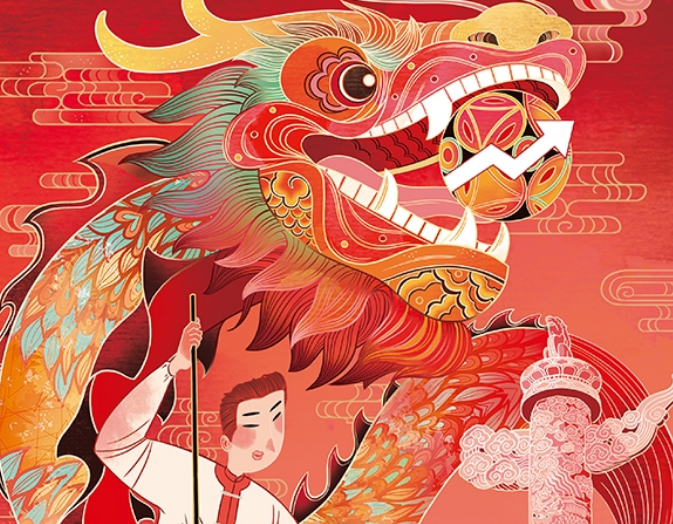
 

Young people not only expressed their patriotism in words, but also through action.

年轻人不仅用言语,也通过实际行动来表达爱国情怀。

Chinese youths’ patriotism may actually be stronger than ever, and with good reason.

有充分的理由证明,实际上,中国年轻人的爱国情怀可能比以往更强烈。

Guo Yuanyuan, associate dean of the School of Culture and Communication at Capital University of Economics and Business,said, “The great material improvement can give young people more room for spiritual life.

首都经济贸易大学文化与传播学院副院长郭媛媛表示,“物质生活的极大改善可以使年轻人的精神世界更加丰富。”

“Our older generations experienced a very difficult time, and before reform and opening-up, the economy was far behind those in the West. 

“我们上一辈经历了一段非常困难的时期,在改革开放之前,中国经济也远落后于西方。

Now, with China rising to become the second-largest economy in the world, making us roughly on par with the West in many respects, young people’s patriotic sentiment has naturally risen.”

现在,随着中国成为世界第二大经济体,我们在许多方面与西方国家不相上下,年轻人的爱国之情自然也就提高了。”

III. Discussion

Discuss the following questions with your group.

1. Have you ever had the experience of studying or living abroad?

2. Have you heard the terms of cultural self-confidence and cultural identity? And how much do you know about these two terms?