
目录

  • Introduction
    • ● What Is an Operating System?
    • ● History of Operating Systems
    • ● Operating System Concepts
  • Process Description and Control
    • ● Introduction to Processes
      • ● Pocess Image
      • ● Classical IPC Problems
    • ● Concurrency
      • ● Mutal Exclusion
      • ● Synchronization
      • ● Classical Co-operation Problems
  • Scheduling
    • ● Job Scheduling
    • ● Process Scheduling
    • ● Realtime Schdeduling
    • ● Deadlock
    • ● Deadlock avoidance
    • ● Deadlock detection
  • Memory Management
    • ● Swapping
    • ● Basic Memory Management
      • ● Partitionning
      • ● Paging
      • ● Segmation
    • ● Multi-level Page Table
    • ● Virtual Memory
      • ● concepts
      • ● Page Replacement Algorithm
  • Input / Output
    • ● Principles of IO Hardware
    • ● Principles of IO software
    • ● RAM Disks
  • File System
    • ● Files
    • ● Directories
    • ● File System Implementation
    • ● Physical Structure of File
  • Operating system experiment projects
    • ● Linux System Calls
    • ● Message Mechanism And Process Scheduling
    • ● Memory Management
    • ● Process Concurrence
  • 习题课(Practices)
    • ● Practice One
      • ● Practice Two
        • ● Practice Three
Principles of IO Hardware

教学目的及要求

Aims:Generally understand the architecture and principles of input/output hardware; Master the principles and structure of I/O software layering, the function each layer plays, and the interface among layers.

教学重点及难点

Emphasizing: The layer method of I/O software, function each layer plays.

Difficulties: the relationship and interface different layers.

教学方法

State by example;Multimedia presentation;Discussion.  

教学内容
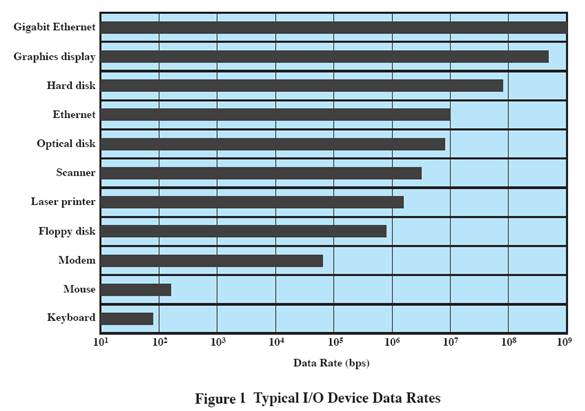
•Maybe massive difference between the data transfer rates of devices