-
1 问题类型
-
2 研究方法
-
3 case1:HMS vs...
-
4 lnternet+
-
5 case2:COVID-19
-
6 麦肯锡中国报告
-
7 315调查
-
8 WorldafterCovid19
-
9
QS:
WHAT?
WHY?
HOW to do?
how much/many
WHO?
WHEN?
WHERE?
1 基本问题辨识:
(1)国际服务贸易的性质与特点
(2)国际服务贸易方式
(3)国际服务贸易分类
2 热点问题研究:【见后】
理论与实践相结合,探讨疫情、战争、制裁、技术、文化、法律、政策、人口和气候等诸多因素对全球国际服务贸易发展的影响及其对策
Q1 : COVID-19 vis ITS
Q2 : Trade war vis ITS
Q3: 乌克兰危机
Q4: 经济制裁
Q5: 数字技术1:Internet+)
Q6: 数字技术2:AI(esp.ChatGPT)+
Q7:非物质文化遗产:语言+
Q8: 经济治理:国际法与国内法
Q9: 经济全球化:贸易自由化与贸易保护主义
Q10: 国际货币:美元、人民币与数字加密货币
Q11: 老龄化、少子化、移民与难民
Q12:双碳+
这两类问题见后面的案例研究1和2.
定性研究与定量研究
实证研究与规范研究
实证分析与经验分析
统计口径与统计检验
案例研究与统计分析
案例Case1: 华为HMS对阵Google GMS
背景资料:US-CN TRADE WAR
世界贸易组织|World Trade Organization - Home page - Global trade
U.S. Department of Commerce https://www.commerce.gov/
Entity List | U.S. Department of Commerce https://www.commerce.gov/tags/entity-list
Department of Commerce Announces the Addition of Huawei Technologies Co. Ltd. to the EntityList | U.S. Department of Commerce
U.S. Department of Commerce Extends Huawei Temporary General License | U.S. Department of Commerce
Department of Commerce Issues Limited Exemptions on Huawei Products | U.S. Department of Commerce
美国封杀的261个实体名单背后,写满了中国科研的壮志和傲骨!_风闻社区
美国出口管制实体清单制度ENTITY LIST 深度解析报告! - 知乎https://zhuanlan.zhihu.com/p/87962305
事件进展Events Development
华为 - 构建万物互联的智能世界 https://www.huawei.com/cn/
Huawei - Building a Fully Connected, Intelligent World https://www.huawei.com/en/
华为要向 Google 动手了?_凤凰网科技_凤凰网 https://tech.ifeng.com/c/7uMMSY5hkFM
华为HMS未来几何?_凤凰网科技_凤凰网 https://tech.ifeng.com/c/7uN8D4o555e
What is Google Mobile Services (GMS)? - Definition from WhatIs.com
谷歌移动服务_百度百科
谷歌坐不住了,向美国政府申请与华为合作_凤凰网科技_凤凰网 https://tech.ifeng.com/c/7uRK2UcYdv3
Google_百度百科 https://baike.baidu.com/item/Google/86964?fr=aladdin
系列问题Q:
WHAT?
WHY?
HOW?

- 暂无内容
案例2:COVID-19 ( the novel coronavirus ) vs 经济全球化pk本地化
背景资料:Coronavirus disease (COVID-19) outbreak
 WHO | World Health Organization
The UN Coronavirus Communications Team | United Nations
"The recovery from the COVID-19 crisis must lead to a different economy" | United Nations
Coronavirus: Features, transmission, symptoms and mortality rate - Chinadaily.com.cn
Graphic: Report of the WHO-China joint mission on COVID-19 - Chinadaily.com.cn
比尔·盖茨:新冠肺炎可能成为百年不遇的大流行病_凤凰网科技_凤凰网 Http://tech.ifeng.com/c/7uSFpzzhzSi
WHO:新冠非“全球大流行病”,气候与病毒传播或无关联_凤凰网科技_凤凰网
国医大师邓铁涛震撼讲话:医疗费那么贵,中国强的了吗?
钱学森:21世纪医学发展的方向是中医
胡镜清:将中医药纳入公共突发事件救治体系
世卫组织(WHO)专家考察疫情:传统方法了不起!
事件发展:
Worldometer: Coronavirus Update (Live): 307,725 Cases and 13,054 Deaths from COVID-19 Virus Outbreak -
https://www.worldometers.info/coronavirus/#coronavirus-cases-linear
WTO | COVID-19 and world trade
中华人民共和国商务部网站 http://www.mofcom.gov.cn/
教育服务 VS 信息服务VS 医疗服务VS研发服务VS软件服务VS交通服务VS 餐饮服务VS物流服务······
WHO details protective measures against novel coronavirus - Chinadaily.com.cn
Key questions about novel coronavirus - Chinadaily.com.cn
Coronavirus Battle in China: What effect is the epidemic likely to have on China's economy? - Chinadaily.com.cn
英首相出院后首次发推“报平安”:感谢NHS拯救了我的性命_凤凰网资讯_凤凰网
顶级期刊复盘武汉疫情92天:5阶段,2月前医护感染风险高_凤凰网科技_凤凰网
Key measures set to shore up economy - Chinadaily.com.cn
Cutting-edge technologies to help battle coronavirus epidemic - Chinadaily.com.cn
Govt works to curb imports of infections - Chinadaily.com.cn
Research paper predicts outbreak will level off in late April - Chinadaily.com.cn
参考视点丨韩国“发明”引世界关注,新加坡并非“佛系”……关于国外抗疫,你的想法该更新了!
历史性时刻!3月23日,中美各发生了一件大事
G G20 should enhance policies to stave off recession: Xi
G20特别峰会声明全文 ow has most coronavirus cases
UN chief to G20: 'We are at war … and not winning'
11位全球智库学者速读:G20特别峰会传递哪些信号?_凤凰网财经_凤凰网
拯救大衰退:让地球“停转”30天,是否为时已晚?
三重危机迫近,疫情过后世界经济格局会重新洗牌吗?_凤凰网财经_凤凰网
全球知名思想家预测:新冠疫情大流行后的世界会怎样_《参考消息》官方网站
全球知名思想家预测:新冠疫情大流行后的世界会怎样(2)_《参考消息》官方网站
全球知名思想家预测:新冠疫情大流行后的世界会怎样(3)_《参考消息》官方网站
全球知名思想家预测:新冠疫情大流行后的世界会怎样(4)_《参考消息》官方网站
全球知名思想家预测:新冠疫情大流行后的世界会怎样(5)_《参考消息》官方网站
全球知名思想家预测:新冠疫情大流行后的世界会怎样(7)_《参考消息》官方网站
全球知名思想家预测:新冠疫情大流行后的世界会怎样(8)_《参考消息》官方网站
全球知名思想家预测:新冠疫情大流行后的世界会怎样(9)_《参考消息》官方网站
How the World will look after the Coronavirus pandemic – Ya Libnan
12位全球顶尖思想家预测:新冠疫情之后,世界秩序将何去何从?_凤凰网资讯_凤凰网
Pandemic calls for global unity, not lies about China - Opinion - Chinadaily.com.cn
史上最昂贵实验!如果中国不复工,世界经济会受到哪些影响?(一个视频看懂)
魏建国:疫情后,全球供应链将发生“四个东移”***
刘元春:应对4-6月外部环境变化带来的超级冲击,中国必须提前布局***
西媒:“新冠病毒被认为发挥了世界大战的功效”
纽约时报:特朗普在危机时刻放弃美全球领导地位
英媒:美国学生被要求在家学习 但22%家庭没有互联网_凤凰网资讯_凤凰网
刘鹤执笔研究报告:两次全球大危机的比较(全文)_大风号_凤凰网***
两次全球性大危机的共同特点 ***
金刻羽:为什么说1930年代的经济萧条可能重演?
BBC纪录片:美国1929年的股市大崩盘_凤凰网视频_凤凰网
央行副行长陈雨露:全球金融危机要看三个特征,目前判定还尚早_凤凰网财经_凤凰网
孙明春:全球性的金融危机其实已经来了!
桥水做空欧股获利40亿欧元 大佬准备撤退
2万亿新刺激计划谈妥!美前高官详解为何出手救这些行业?
刘俏:没有什么比正确地回答错误的问题更危险的_网易财经
张军:疫情难以改变全球对中国的经济依赖_网易财经
Consumption rebounds amid signs of recovery - Chinadaily.com.cn
Transport services returning to normal in Wuhan - Chinadaily.com.cn
Policies released to stimulate auto market recovery - Chinadaily.com.cn
Targeted relief moves versus blunt-force stimulus measures - Chinadaily.com.cn
Steps China must take to pre-empt meltdown - Chinadaily.com.cn
东京奥运会延期全解读|银行业赞助商投入巨大,是否会引发恶性循环?_凤凰网财经_凤凰网
慕再、瑞再回应:确实承保奥运会,但判断理赔损失尚早_凤凰网财经_凤凰网
数据点评 | 唐建伟、刘学智:疫情冲击超预期 一季度经济或现负增长
对话梁建章:疫情全球蔓延应严防一刀切式对外隔离 警惕经济脱钩风险_凤凰网科技_凤凰网
刘元春:世界疫情大爆发或致全球经济深度衰退,中国经济政策需再调整_凤凰网财经_凤凰网
疫情后"报复性"旅游会有吗?11000家旅游企业已倒闭_网易财经
任泽平:新基建该不该干?谁来干?怎么干?_凤凰网财经_凤凰网
中国战“疫”获高度评价 哪些科技力量功不可没?_凤凰网视频_凤凰网***
美国小伙称疫情后全世界要学中文:中国证明了自己的威力_凤凰网视频_凤凰网
中国万亿美债引关注!任泽平建议减持:没必要为美国过度消费和举债买单_凤凰网财经_凤凰网
远程办公:只是短期“宅经济”,还是疫后新变革?_凤凰网文化读书_凤凰网***
不再“朝九晚五”? 疫情之后,远程办公是否会成为新风尚
全球离“口罩自由”还有多远?一张图读懂_凤凰网文创_凤凰网
认证费用飙升,客户担心被截胡!口罩出口没想象中赚钱?_凤凰网财经_凤凰网
对话隔离点的回国人员:有人害怕在国外戴口罩挨打_凤凰网资讯_凤凰网
用户涌入、市值增加,新冠疫情下的在线教育能火多久?_凤凰网文创_凤凰网***
共抗疫情,同克时艰_华为云市场-华为云
美媒称西方大学对中国学生吸引力降低:抗疫举措不力 种族主义抬头
专家复盘不明原因肺炎上报失灵的背后_凤凰网资讯_凤凰网
钟南山院士团队:如管控措施迟5天实施,疫情规模预估将扩大至3倍_网易订阅
美国女议员当场算账步步紧逼 迫使疾控中心承诺免费检测_凤凰网视频_凤凰网
战疫:观察与镜鉴 | 莫斯科紧急医疗救护“免费且高效”
系列问题Q:
WHAT?
WHO?
WHY?
HOW?
WHEN?
WHERE?
China | McKinsey & Company
China and the world: Inside a changing economic relationship | McKinsey
Report - McKinsey Global Institute
China and the world: Inside the dynamics of a changing relationship
– The relationship between China and the rest of the world is changing, and a great deal of value could be at stake depending on...
Report - McKinsey Global InstituteGlobalization in transition: The future of trade and value chains
Outperformers: High-growth emerging economies and the companies that propel them
China Brief: The state of the
ReportChina consumer report 2020: The many faces of the Chinese consumer
– Five trends emerged in the latest research from our Chinese Consumer Survey, offering insight into what over 5,000 consumers in...
What’s driving the Chinese economy in 2020?
– The Chinese consumer continues to power economic growth.
The innovations behind China’s Singles Day shopping phenomenon
– Live video streaming and young consumers in smaller cities are powering growth of the world’s largest online shopping event.
How technology can improve the patient experience: A view from Tencent’s Alex Ng
– Alexander Ng, vice president of Tencent Healthcare, shares his vision for hospital care in 2030.
How Chinese airlines can brace for impending turbulence
– The coming years could prove challenging for Chinese airlines, which are already battling economic losses. They should focus on...
The innovations behind China’s Singles Day shopping phenomenon
– Live video streaming and young consumers in smaller cities are powering growth of the world’s largest online shopping event.
China digital consumer trends in 2019
– New research from a survey of 4,300 Chinese consumers suggests a path forward for brands and marketers seeking the next wave of...
Three long-term trends changing business in China
– An aging population, automation, and the democratization of people’s jobs will be crucial factors for companies in China...
麦肯锡中国报告(完整收藏版)
2019麦肯锡报告《中国与世界》完整版_政务_澎湃新闻-The Paper
凤凰网315大调查: 智行、飞猪和去哪儿因发生买票退票等成被投诉最多公司_凤凰网财经_凤凰网
How the World will look after the Coronavirus pandemic
– Ya Libnan
https://yalibnan.com/2020/03/24/how-the-world-will-look-after-the-coronavirus-pandemic/
How the World will look after the Coronavirus pandemic
March 24, 2020
by yalibnan
0 comments
Like the fall of the Berlin Wall or the collapse of Lehman Brothers, the coronavirus pandemic is a world-shattering event whose far-ranging consequences we can only begin to imagine today. This much is certain: Just as this disease has shattered lives, disrupted markets and exposed the competence (or lack thereof) of governments, it will lead to permanent shifts in political and economic power in ways that will become apparent only later.
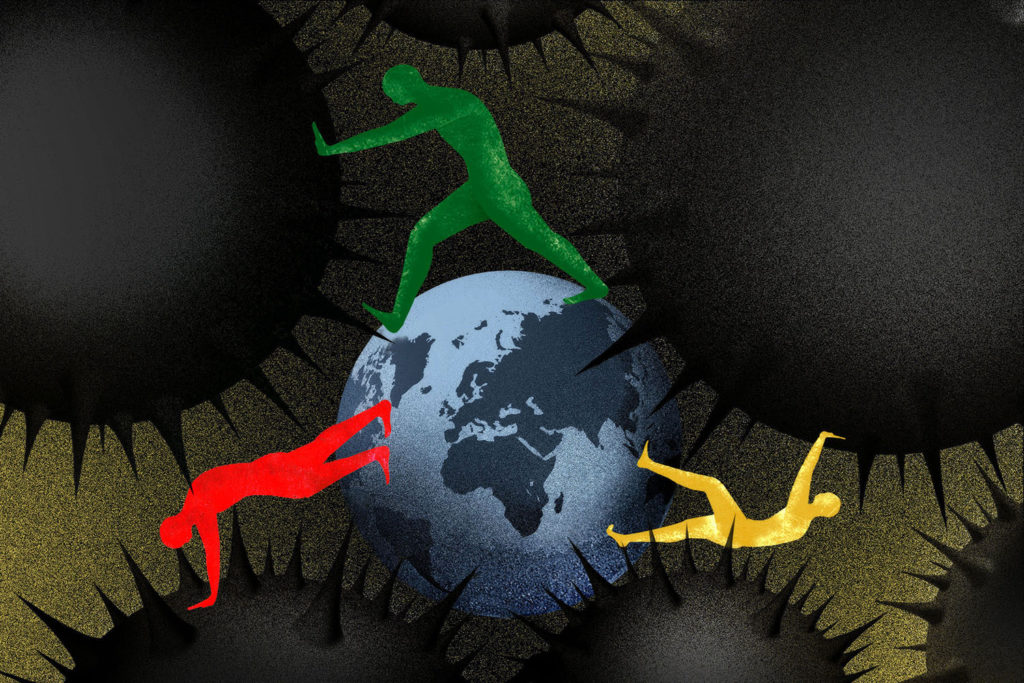
To help us make sense of the ground shifting beneath our feet as this crisis unfolds, Foreign Policy asked 12 leading thinkers from around the world to weigh in with their predictions for the global order after the pandemic.
A World Less Open, Prosperous, and Free
The pandemic will strengthen the state and reinforce nationalism. Governments of all types will adopt emergency measures to manage the crisis, and many will be loath to relinquish these new powers when the crisis is over.
COVID-19 will also accelerate the shift in power and influence from West to East. South Korea and Singapore have responded best, and China has reacted well after its early mistakes. The response in Europe and America has been slow and haphazard by comparison, further tarnishing the aura of the Western “brand.”
What won’t change is the fundamentally conflictive nature of world politics. Previous plagues—including the influenza epidemic of 1918-1919—did not end great-power rivalry nor usher in a new era of global cooperation. Neither will COVID-19. We will see a further retreat from hyperglobalization, as citizens look to national governments to protect them and as states and firms seek to reduce future vulnerabilities.
In short, COVID-19 will create a world that is less open, less prosperous, and less free. It did not have to be this way, but the combination of a deadly virus, inadequate planning, and incompetent leadership has placed humanity on a new and worrisome path.
The End of Globalization as We Know It
The coronavirus pandemic could be the straw that breaks the camel’s back of economic globalization.
The coronavirus pandemic could be the straw that breaks the camel’s back of economic globalization.
China’s growing economic and military power had already provoked a bipartisan determination in the United States to decouple China from U.S.-sourced high technology and intellectual property and try to force allies to follow suit. Increasing public and political pressure to meet carbon emissions reduction targets had already called into question many companies’ reliance on long-distance supply chains. Now, COVID-19 is forcing governments, companies, and societies to strengthen their capacity to cope with extended periods of economic self-isolation.
It seems highly unlikely in this context that the world will return to the idea of mutually beneficial globalization that defined the early 21st century. And without the incentive to protect the shared gains from global economic integration, the architecture of global economic governance established in the 20th century will quickly atrophy. It will then take enormous self-discipline for political leaders to sustain international cooperation and not retreat into overt geopolitical competition.
Proving to their citizens that they can manage the COVID-19 crisis will buy leaders some political capital. But those who fail will find it hard to resist the temptation to blame others for their failure.
A More China-Centric Globalization
The COVID-19 pandemic will not fundamentally alter global economic directions. It will only accelerate a change that had already begun: a move away from U.S.-centric globalization to a more China-centric globalization.
It will only accelerate a change that had already begun: a move away from U.S.-centric globalization to a more China-centric globalization.
Why will this trend continue? The American population has lost faith in globalization and international trade. Free trade agreements are toxic, with or without U.S. President Donald Trump. By contrast, China has not lost faith. Why not? There are deeper historical reasons. Chinese leaders now know well that China’s century of humiliation from 1842 to 1949 was a result of its own complacency and a futile effort by its leaders to cut it off from the world. By contrast, the past few decades of economic resurgence were a result of global engagement. The Chinese people have also experienced an explosion of cultural confidence. They believe they can compete anywhere.
Consequently, as I document in my new book, Has China Won?, the United States has two choices. If its primary goal is to maintain global primacy, it will have to engage in a zero-sum geopolitical contest, politically and economically, with China. However, if the goal of the United States is to improve the well-being of the American people—whose social condition has deteriorated—it should cooperate with China. Wiser counsel would suggest that cooperation would be the better choice. However, given the toxic U.S. political environment toward China, wiser counsel may not prevail.
Democracies Will Come out of Their Shell
In the short term, the crisis will give fuel to all the various camps in the Western grand strategy debate. The nationalists and anti-globalists, the China hawks, and even the liberal internationalists will all see new evidence for the urgency of their views. Given the economic damage and social collapse that is unfolding, it is hard to see anything other than a reinforcement of the movement toward nationalism, great-power rivalry, strategic decoupling, and the like.
But just like in the 1930s and ’40s, there might also be a slower-evolving countercurrent, a sort of hardheaded internationalism similar to the one that Franklin D. Roosevelt and a few other statesmen began to articulate before and during the war. The 1930s collapse of the world economy showed how connected modern societies were and how vulnerable they were to what FDR called contagion. The United States was less threatened by other great powers than by the deep forces—and Dr. Jekyll and Mr. Hyde character—of modernity. What FDR and other internationalists conjured was a postwar order that would rebuild an open system with new forms of protection and capacities to manage interdependence. The United States couldn’t simply hide within its borders, but to operate in an open postwar order required the building of a global infrastructure of multilateral cooperation.
So the United States and other Western democracies might travel through this same sequence of reactions driven by a cascading sense of vulnerability; the response might be more nationalist at first, but over the longer term, the democracies will come out of their shells to find a new type of pragmatic and protective internationalism.
Lower Profits, but More Stability
COVID-19 is undermining the basic tenets of global manufacturing. Companies will now rethink and shrink the multistep, multicountry supply chains that dominate production today.
Global supply chains were already coming under fire—economically, due to rising Chinese labor costs, U.S. President Donald Trump’s trade war, and advances in robotics, automation, and 3D printing, as well as politically, due to real and perceived job losses, especially in mature economies. COVID-19 has now broken many of these links: Factory closings in afflicted areas have left other manufacturers—as well as hospitals, pharmacies, supermarkets, and retail stores—bereft of inventories and products.
On the other side of the pandemic, more companies will demand to know more about where their supplies come from and will trade off efficiency for redundancy. Governments will intervene as well, forcing what they consider strategic industries to have domestic backup plans and reserves. Profitability will fall, but supply stability should rise.
This Pandemic Can Serve a Useful Purpose
It is early days yet, but three things seem apparent. First, the coronavirus pandemic will change our politics, both within states and between them. It is to the power of government that societies—even libertarians—have turned. Government’s relative success in overcoming the pandemic and its economic effects will exacerbate or diminish security issues and the recent polarization within societies. Either way, government is back. Experience so far shows that authoritarians or populists are no better at handling the pandemic. Indeed, the countries that responded early and successfully, such as Korea and Taiwan, have been democracies—not those run by populist or authoritarian leaders.
Secondly, this is not yet the end of an interconnected world. The pandemic itself is proof of our interdependence.
But in all polities, there is already a turning inward, a search for autonomy and control of one’s own fate. We are headed for a poorer, meaner, and smaller world.
Finally, there are signs of hope and good sense. India took the initiative to convene a video conference of all South Asian leaders to craft a common regional response to the threat. If the pandemic shocks us into recognizing our real interest in cooperating multilaterally on the big global issues facing us, it will have served a useful purpose.
American Power Will Need a New Strategy
In 2017, U.S. President Donald Trump announced a new national security strategy that focuses on great-power competition. COVID-19 shows this strategy to be inadequate. Even if the United States prevails as a great power, it cannot protect its security by acting alone.
Even if the United States prevails as a great power, it cannot protect its security by acting alone.
As Richard Danzig summarized the problem in 2018: “Twenty-first century technologies are global not just in their distribution, but also in their consequences. Pathogens, AI systems, computer viruses, and radiation that others may accidentally release could become as much our problem as theirs. Agreed reporting systems, shared controls, common contingency plans, norms, and treaties must be pursued as means of moderating our numerous mutual risks.”
On transnational threats like COVID-19 and climate change, it is not enough to think of American power over other nations. The key to success is also learning the importance of power with others. Every country puts its national interest first; the important question is how broadly or narrowly this interest is defined. COVID-19 shows we are failing to adjust our strategy to this new world.
The History of COVID-19 Will Be Written by the Victors
by John Allen
As it has always been, history will be written by the “victors” of the COVID-19 crisis. Every nation, and increasingly every individual, is experiencing the societal strain of this disease in new and powerful ways. Inevitably, those nations that persevere—both by virtue of their unique political and economic systems, as well as from a public health perspective—will claim success over those who experience a different, more devastating outcome. To some, this will appear as a great and definitive triumph for democracy, multilateralism, and universal health care. To others, it will showcase the clear “benefits” of decisive, authoritarian rule.
Either way, this crisis will reshuffle the international power structure in ways we can only begin to imagine. COVID-19 will continue to depress economic activity and increase tension between countries. Over the long term, the pandemic will likely significantly reduce the productive capacity of the global economy, especially if businesses close and individuals detach from the labor force. This risk of dislocation is especially great for developing nations and others with a large share of economically vulnerable workers. The international system will, in turn, come under great pressure, resulting in instability and widespread conflict within and across countries.
A Dramatic New Stage in Global Capitalism
The fundamental shock to the world’s financial and economic system is the recognition that global supply chains and distribution networks are deeply vulnerable to disruption. The coronavirus pandemic will therefore not only have long-lasting economic effects, but lead to a more fundamental change.
The coronavirus pandemic will therefore not only have long-lasting economic effects, but lead to a more fundamental change.
Globalization allowed companies to farm out manufacturing all over the world and deliver their products to markets on a just-in-time basis, bypassing the costs of warehousing. Inventories that sat on shelves for more than a few days were considered market failures. Supply had to be sourced and shipped on a carefully orchestrated, global level. COVID-19 has proven that pathogens can not only infect people but poison the entire just-in-time system.
Given the scale of financial market losses the world has experienced since February, companies are likely to come out of this pandemic decidedly gun-shy about the just-in-time model and about globally dispersed production. The result could be a dramatic new stage in global capitalism, in which supply chains are brought closer to home and filled with redundancies to protect against future disruption. That may cut into companies’ near-term profits but render the entire system more resilient.
More Failed States
Permanent is not a word I am fond of, as little or nothing is, but I would think the coronavirus crisis will at least for a few years lead most governments to turn inward, focusing on what takes place within their borders rather than on what happens beyond them. I anticipate greater moves toward selective self-sufficiency (and, as a result, decoupling) given supply chain vulnerability; even greater opposition to large-scale immigration; and a reduced willingness or commitment to tackle regional or global problems (including climate change) given the perceived need to dedicate resources to rebuild at home and deal with economic consequences of the crisis.
I would expect many countries will have difficulty recovering from the crisis, with state weakness and failed states becoming an even more prevalent feature of the world. The crisis will likely contribute to the ongoing deterioration of Sino-American relations and the weakening of European integration. On the positive side, we should see some modest strengthening of global public health governance. But overall, a crisis rooted in globalization will weaken rather than add to the world’s willingness and ability to deal with it.
The United States Has Failed the Leadership Test
by Kori Schake
The United States will no longer be seen as an international leader because of its government’s narrow self-interest and bungling incompetence. The global effects of this pandemic could have been greatly attenuated by having international organizations provide more and earlier information, which would have given governments time to prepare and direct resources to where they’re most needed. This is something the United States could have organized, showing that while it is self-interested, it is not solely self-interested. Washington has failed the leadership test, and the world is worse off for it.
In Every Country, We See the Power of the Human Spirit
The COVID-19 pandemic is the greatest global crisis of this century. Its depth and scale are enormous. The public health crisis threatens each of the 7.8 billion people on Earth. The financial and economic crisis could exceed in its impact the Great Recession of 2008-2009. Each crisis alone could provide a seismic shock that permanently changes the international system and balance of power as we know it.
To date, international collaboration has been woefully insufficient. If the United States and China, the world’s most powerful countries, cannot put aside their war of words over which of them is responsible for the crisis and lead more effectively, both countries’ credibility may be significantly diminished. If the European Union cannot provide more targeted assistance to its 500 million citizens, national governments might take back more power from Brussels in the future. In the United States, what is most at stake is the ability of the federal government to provide effective measures to stem the crisis.
In every country, however, there are many examples of the power of the human spirit—of doctors, nurses, political leaders, and ordinary citizens demonstrating resilience, effectiveness, and leadership. That provides hope that men and women around the world can prevail in response to this extraordinary challenge.
READ MORE
Sorry, America, the Full Lockdown Is Coming
Politicians won’t admit it yet, but it’s time to prepare—physically and psychologically—for a sudden stop to all life outside your home.
John Allen is president of the Brookings Institution, a retired U.S. Marine Corps four-star general, and former commander of the NATO International Security Assistance Force and U.S. Forces in Afghanistan.
Nicholas Burns is a professor at the Harvard Kennedy School of Government, and a former under secretary for political affairs in the U.S. State Department.
Laurie Garrett is a former senior fellow for global health at the Council on Foreign Relations and a Pulitzer Prize winning science writer.
Richard Haass is the president of the Council on Foreign Relations and the author of The World: A Brief Introduction, to be published in May by Penguin.
Kishore Mahbubani, a distinguished fellow at the National University of Singapore’s Asia Research Institute, is the author of Has China Won? The Chinese Challenge to American Primacy.
Shivshankar Menon is a distinguished fellow at Brookings India, and a former national security advisor to Indian Prime Minister Manmohan Singh.
Robin Niblett is the director and chief executive of Chatham House.
Joseph S. Nye Jr. is a university distinguished service professor at Harvard University and the author of Do Morals Matter? Presidents and Foreign Policy from FDR to Trump.
Kori Schake is the deputy director general of the International Institute for Strategic Studies.
Stephen M. Walt is the Robert and Renée Belfer professor of international relations at Harvard University.
FOREIGN POLICY
12位全球顶尖思想家预测:新冠疫情之后,世界秩序将何去何从?_凤凰网资讯_凤凰网
12位全球顶尖思想家预测:新冠疫情之后,世界秩序将何去何从?
2020年03月29日 11:58:06
来源:国政学人
简介
与柏林墙倒塌或雷曼兄弟倒闭一样,新冠疫情是一个震惊世界的事件,其深远的后果我们今天仅能开始想象。但有一点是肯定的:它将导致政治和经济权力的永久性转变。
为了帮助我们理解在这场危机爆发之际我们脚下这片土地正在发生的变化,Foreign Policy邀请了来自世界各地的12位思想家谈一谈他们对疫情后全球秩序的预测。
来源:“How the World Will Look After the Coronavirus Pandemic.” Foreign Policy, March 20, 2020.
本期编委
【编译】董骁天 李源 金琳 房宇馨 刘潇昱 刘瑛琛
【审校】董骁天 李源 金琳 房宇馨 刘潇昱 刘瑛琛
【排版】高佳美
文章目录
1. 斯蒂芬·沃尔特:一个开放、繁荣与自由皆倒退的世界
2. 罗宾·尼布雷特:经济全球化的终点
3. 马凯硕:更加以中国为中心的全球化
4. 约翰·伊肯伯里:民主国家将走出窠臼
5. 香农·奥尼尔:更低的利润,更多的稳定
6. 希夫山卡·梅农:新冠疫情对于未来全球共同应对危机将产生有益启示
7. 约瑟夫·奈:美国权力需要一种新战略
8. 约翰·艾伦:新冠疫情的历史将由胜利者书写
9. 劳里·加勒特:全球资本主义戏剧性的新阶段
10. 理查德·哈斯:更多的失败国家
11. 科里·舍克:美国未能通过这场领导力测试
12. 尼古拉斯·伯恩斯:在每个国家中,我们都见证了人性的力量
1.
一个开放、繁荣与自由皆倒退的世界
【题目】A World Less Open, Prosperous, and Free
【作者】斯蒂芬·沃尔特(Stephen M. Walt),哈佛大学肯尼迪政府学院贝尔福科学与国际事务中心教授。
【内容】
新冠疫情将强化国家权力、加强民族主义。疫情之下,各种类型的政府都会采取紧急措施以管控危机。而当这场危机结束时,它们中的许多将不情愿交出这些新得到的权力。
新冠疫情也将加速权力和影响力由西方向东方的转移。在这场疫情中,韩国和新加坡两国应对得最为出色,中国也在早期的失误之后作出了良好反应。相比之下,欧洲和美国则反应迟缓、应对失策,这进一步损害了西方的“形象”。
不变的则是世界政治最为根本的冲突本质。
以往的疫情(包括1918-1919年大流感在内)并没有终结大国间的敌对或者开启全球合作的新时代。
本次新冠疫情也同样不会。由于公民期待本国政府能够保护他们、国家和公司会寻求降低未来的脆弱性,我们将看到当前如火如荼的全球化进一步消退。
总之,新冠疫情将会创造出一个不再那么开放、繁荣与自由的世界。事情本可以不必如此,但是致命病毒、计划不周与无能领导这三者的结合已经使人类走上了一条全新的、但却令人担忧的道路。
【编译】 刘瑛琛
【校对】 李源 董骁天
2.
经济全球化的终点
【题目】The End of Globalization as We Know It
【作者】罗宾·尼布莱特(Robin Niblett),英国皇家国际事务研究所所长。
【内容】
新冠疫情可能是压垮经济全球化的最后一根稻草。
中国不断增长的经济和军事实力已经激起了美国两党与其斗争的决心,意图强行推动中国与美国高科技和知识产权的脱钩,并试图迫使盟国仿效。为实现碳减排目标而施加的社会和政治压力不断增加,已经使许多公司对长距离供应链的依赖受到质疑。目前,新冠疫情正在迫使政府、企业和社会加强长期应对经济孤立的能力。
在这样的背景下,世界几乎不可能回到21世纪初那种互利共赢的全球化状态。一旦各国再无意愿保护全球经济一体化所带来的共同利益,那么20世纪建立起的全球经济治理架构将迅速萎缩。届时,政治领导人将需要极大的自我克制来维持国际合作,并防止向公开地缘政治竞争的方向倒退。
向公民们证明自己可应对疫情危机将使领导人获得一些政治资本,而那些无力管控疫情的领导人只会极力推卸责任。
【编译】房宇馨
【校对】董骁天
3.
更加以中国为中心的全球化
【题目】A More China-Centric Globalization
【作者】马凯硕(Kishore Mahbubani),新加坡国立大学亚洲研究所特聘研究员。
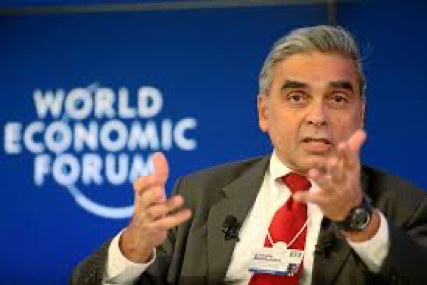
【内容】
COVID-19的疫情不会从根本上改变全球经济方向。
它只会加速已经开始的变化:从以美国为中心的全球化转向更以中国为中心的全球化。
为什么这种趋势会持续下去?因为美国人对全球化和国际贸易失去了信心,不管有没有美国总统唐纳德·特朗普,美国人认为自由贸易协定都是有害的。相比之下,中国并没有丧失信心。这存在一些深层次的历史原因。中国领导人很清楚,从1842年到1949年的百年屈辱是自满和领导人试图闭关锁国的恶果。相比之下,中国过去几十年的经济复苏是参与全球化的结果。中国人民也经历了文化自信的大爆发,更加相信自己的竞争力。
因此,正如马凯硕在《中国赢了吗?》一书中提及美国将面临两种选择。如果美国的首要目标是保持全球领先地位,那么它将不得不与中国展开一场政治和经济上的零和地缘政治竞赛。然而,如果美国的目标是改善社会状况不断恶化下美国人民的福利,那么美国应该与中国合作。明智的建议是选择合作,然而,鉴于美国对中国不利的政治环境,该建议可能不会被采纳。
【编译】金琳
【校对】刘潇昱
4.
民主国家将走出窠臼
【题目】Democracies Will Come out of Their Shell
【作者】约翰·伊肯伯里(G. John Ikenberry),普林斯顿大学政治与国际事务系和伍德罗·威尔逊公共与国际事务学院教授。
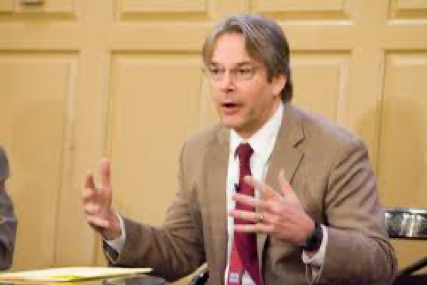
【内容】
短期内,这场疫情将为西方大战略辩论中的所有不同阵营注入动力。民族主义者、反全球主义者、对华鹰派,甚至自由国际主义者都将看到证明他们观点紧迫性的新证据。随着经济的破坏和社会的崩溃,除了民族主义、大国对抗、战略脱钩等类似的趋势得到强化以外,很难看到其他任何东西。
但就像20世纪30年代和40年代一样,可能也会出现一种缓慢演变的逆流。
一种类似于富兰克林·罗斯福和其他一些政治家在战前和战时阐述的那种国际主义。上世纪30年代世界经济的崩溃表明,现代社会之间的联系十分紧密,它们在罗斯福所谓的“传染(contagion)”面前非常脆弱。与其说美国受到了其他大国的威胁,不如说受到了现代性深层力量的威胁。罗斯福和其他国际主义者所设想的是一种战后秩序,这种秩序将以新的保护形式和管理相互依存的能力重建一个开放的体系。美国不能只躲在自己的边界内,要想在开放的战后秩序中运作,就需要建立全球性的多边合作的基础设施。
因此,美国和其他西方民主国家可能会经历同样的一系列反应,这些反应是由一连串的脆弱感所驱动的。一开始,人们的反应可能更倾向于民族主义,但从长远来看,民主国家将会摆脱困境,找到一种新的实用主义和保护性的国际主义。
【编译】金琳
【校对】刘潇昱
5.
更低的利润,更多的稳定
【题目】Lower Profits, but More Stability
【作者】香农·奥尼尔(Shannon K. O’Neil),美国外交关系协会(Council on Foreign Relations)副主席和拉美研究方向的高级研究员。

【内容】
COVID-19疫情正在破坏全球制造业的基本原则。主导企业生产的供应链往往具有多个阶段,并分布在不同国家,如今企业将要重新思考并收缩它们。
全球供应链已经受到经济和政治的双重打击。
经济上,全球供应链面临中国劳动力成本上升、美国总统特朗普发动的贸易战以及机器人技术、自动化和3D打印技术的进步带来的挑战;而政治上,尤其是在成熟的经济体中,实际和可感知到的的失业增长也对其造成了影响。COVID-19疫情现在已经打破了全球供应链中的许多联系:受疫情影响地区的工厂关闭使得其他制造商以及医院、药店、超市和零售店的库存和产品短缺。
另一方面,越来越多的企业要求更加详细地了解供应来源,并以效率为代价换取稳定充足的库存。各国政府也将进行干预,迫使它们认为具有战略价值的行业制定国内后备计划并进行储备。这样做虽然盈利能力会下降,但供应稳定度将会上升。
【编译】刘潇昱
【校对】金琳
6.
新冠疫情对于未来全球共同应对危机将产生有益启示
【题目】This Pandemic Can Serve a Useful Purpose
【作者】希夫山卡·梅农(Shivshankar Menon),原印度国家安全顾问、原印度驻中国大使、驻巴基斯坦高级专员。
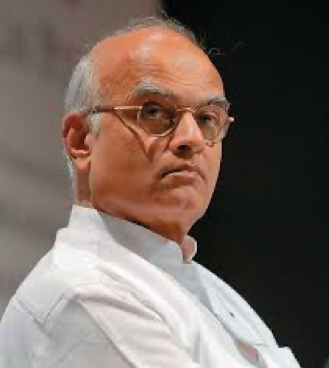
【内容】
判断新型冠状病毒的全球性流行最终会带来怎样的影响还为时尚早,但目前有三种趋势已较为明显。
首先,新型冠状病毒的全球性流行将改变当前的国内及国际的政治生态。包括自由主义者在内的整个社会都仰赖于政府权力,以管控当下的公共卫生危机。政府在克服新冠疫情及其导致的经济下滑方面成功与否,将会影响社会安全问题及社会分化趋势。无论政府是否能够成功的解决疫情及其引发的经济问题,总之,这是政府在社会治理中的回归。当前的经验表明,威权主义者或民粹主义者在应对新冠疫情方面并不擅长。及时且成功应对疫情的国家,例如韩国,一直是民主国家,而不是由民粹主义者或威权领导人统治的国家。
第二,新冠疫情并不代表世界各国间相互关联的终结。流行病本身就是人类相互依存的证明。但是,在所有国家中现在都已出现了向内转向的趋势,以寻求对本国命运的自主权和控制权。不可否认,我们正在走向一个更差强人意、更锱铢必较且不断变小的世界。
最后,世界也可以从新冠疫情的流行中感受到一丝希望和理智。印度在疫情爆发后发起了一次由所有南亚领导人参加的视频会议,以制定一项共同应对危机的区域政策。
如果这次疫情能够让我们警醒并意识到在应对重大全球性事件时多边合作的真正利好,这场危机也算起到了积极正面的影响。
【编译】房宇馨
【校对】董骁天
7.
美国权力需要一种新战略
【作者】约瑟夫·奈(Joseph S. Nye, Jr.),世界著名国际政治学者、哈佛大学肯尼迪政府学院教授、前院长。曾出任卡特政府助理国务卿、克林顿政府国家情报委员会主席和助理国防部长。
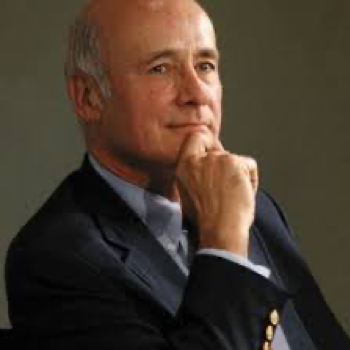
【内容】
2017年,美国总统唐纳德·特朗普宣布了一项聚焦大国竞争的新国家安全战略。
此次的COVID-19疫情表明该战略的不足,美国即使作为一个世界大国在竞争中占据上风,也无法独善其身。
正如理查德·丹泽(Richard Danzig)在2018年总结的那样:“21世纪的技术不仅在分布上是全球性的,而且在后果上也是全球性的。病原体、人工智能系统、计算机病毒以及可能被意外释放的辐射,也许将成为所有人都要面临的问题。我们必须采用商定的报告系统、共享控制、共同的应急计划、规范和条约作为缓解众多共同风险的手段。”
在应对COVID-19和气候变化等跨国威胁时,仅仅考虑美国对其他国家行使权力是不够的,成功的关键是认识到与其他国家一同行使权力的重要性。每个国家都把国家利益放在首位,重要的问题是,对这种利益的定义是广义还是狭义的。这次COVID-19的疫情表明,美国未能调整战略以适应这个新世界。
【编译】刘潇昱
【校对】金琳
8.
新冠疫情的历史将由胜利者书写
【题目】The History of COVID-19 Will Be Written by the Victors
【作者】约翰·艾伦(John Allen),布鲁金斯学会主席、前美国海军陆战队上将。
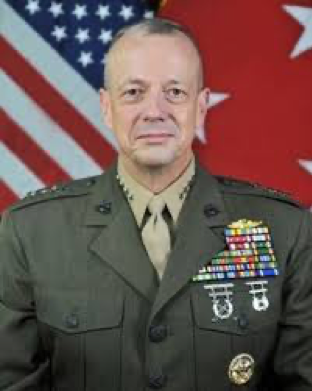
【内容】
一如既往,新冠疫情危机的历史将由胜利者书写。每个国家的越来越多的个体正以各种前所未有而令人冲击的方式感受着这场疫情所带来的社会紧张。不可避免的是,那些凭借其独特的政治经济体制抑或是公共卫生政策观点而得以保全的国家,将会对其余那些经历毁灭性打击的国家宣告胜利。
这将会是民主、多边主义和全民医保的伟大胜利。而对另一些国家来说,这将清楚地展现果断的威权主义统治的好处。
不管怎样,这次危机将以一种前所未有的方式将国际权力结构重新洗牌。新冠疫情将持续抑制经济活动并加剧国家间的紧张态势。长远来看,在企业倒闭、劳动力失业的情况下,这次疫情很可能重创全球经济产出能力。这种混乱的风险对发展中国家和其他贫穷工人比重较大的国家来说影响尤为巨大。国际体系将由此承受巨大的压力,并导致国家内部和国家间不稳定且广泛的冲突。
【编译】董骁天
【校对】房宇馨
9.
全球资本主义戏剧性的新阶段
【题目】A Dramatic New Stage in Global Capitalism
【作者】劳里·加勒特(Laurie Garrett),曾任美国对外关系委员会全球卫生高级研究员,普利策奖得主。

【内容】
本次新冠疫情对世界金融与经济体系的根本性冲击在于使人们认识到全球供应链与分销网络极易遭到破坏。
因此,新冠疫情不仅会带来长期的经济影响,而且会导致更为根本性的变化。
全球化使得企业能够在全球范围内组织生产,并及时地将产品投入市场,从而降低了仓储成本。库存若搁置超过几天,便会被认为是市场的失灵。(产品的)供应经过精心设计,在全球范围内进行采购与运输。新冠病毒却向世人证明,病原体不仅会感染人类,而且能够破坏整个实时生产系统(just-in-time system)。
鉴于全球二月以来在金融市场所经受的损失规模,企业可能会以对实时生产模式和全球分散生产的保守态度,走出这场疫情。其结果便是全球资本主义可能会进入一个戏剧性的新阶段:为了免于未来遭受破坏,供应链会更加靠近国内且充斥着剩余。这可能会降低企业的短期利润,但也会使得整个系统更具弹性。
【编译】李源
【校对】刘瑛琛
10.
更多的失败国家
【题目】More Failed States
【作者】理查德·哈斯(Richard N. Haass),美国对外关系委员会会长。
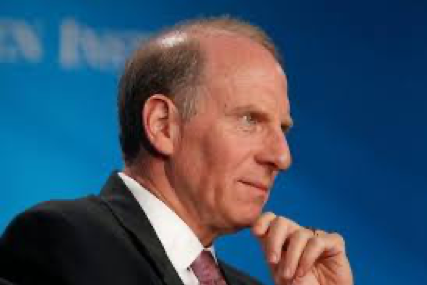
【内容】
尽管理查德·哈斯并不喜欢用“持久”一词作论断,但他认为新冠病毒危机至少会在几年内促使大多数国家内顾,更加关注国内事务,而非境外之事。哈斯预计,由于供应链的脆弱性,国家将朝着选择性的自给自足(以及随之而来的脱钩)迈出更大的步伐。国家还会表现出对大规模移民更强烈的反对。同时,鉴于资源需要被用于国内重建和应对这场危机的经济后果,国家对处理地区或全球问题(包括气候变化)将具有更少的意愿或做出更少的承诺。
许多国家将难以从这场危机中恢复过来,国家贫弱与失败国家将在世界上更加普遍。
这场危机很可能会加剧中美关系的持续恶化以及欧洲一体化的衰退。就其积极一面来说,全球公共卫生治理可能会有所加强。但总的来说,根植于全球化的危机将削弱而非增强世界应对危机的意愿与能力。
【编译】李源
【校对】刘瑛琛
11.
美国未能通过这场领导力测试
【题目】The United States Has Failed the Leadership Test
【作者】科里·舍克(Kori Schake),美国国际战略研究所副所长。

【内容】
由于美国政府的狭隘自私与无能为力,美国将不再被视为国际领导者。
这场疫情的全球影响本可以通过国际组织提供更加丰富有效的信息,以便给各国政府更多时间进行准备并调配资源到最需要的地方而被极大削弱。通过国际组织提供更加丰富有效的信息,以便给各国政府更多时间进行准备并调配资源到最需要的地方,这场疫情的全球影响本可以得到极大削弱。这也是美国本应当组织的事情,以此显示美国虽自私自利但也不尽然如此。
但在这场领导力测试中,美国“挂科”了,世界也会因此而更加糟糕。
【编译】刘瑛琛
【校对】李源
12.
在每个国家中,我们都见证了人性的力量
【题目】In Every Country, We See the Power of the HumanSpirit
【作者】尼古拉斯·伯恩斯(Nicholas Burns),哈佛大学肯尼迪政府学院教授。

【内容】
新冠肺炎疫情是目前本世纪最大的全球危机,其造成了广泛深刻的巨大影响。这次公共卫生危机威胁着全球78亿人中的每一个个体。由此产生的金融和经济危机可能超过08-09年间全球经济大衰退(the Great Recession)所造成的影响。每场危机本身就足以造成一场大地震,永久性地改变我们所认知的国际体系和力量平衡。
迄今为止的国际合作严重不足。如果世界上最强大的两个国家——美国和中国——不能搁置谁应该为这场危机负责的口水战并转而更有效地发挥领导作用,那么这两个国家的信誉可能都会受到严重损害。如果欧盟不能为其五亿民众提供更多有针对性的援助,欧洲各国政府可能会在未来从布鲁塞尔收回其所让渡的权力。而在美国,最紧要的是联邦政府是否有能力提供有效措施来遏制危机。
然而,在每个国家都有许多体现人类精神力量的鲜活事迹:医生、护士、政治领导人乃至于普通民众都展示出了人的韧性、效率和领导力。这为世界各地的人们应对并最终战胜这一异常挑战带来了希望。
- 暂无内容

