少儿英语教学法与实训

钟丽、徐佳、范维、朱丽、谢媛媛、乐斯斯、彭奕

目录

  • 1 Language Teaching Theories  教学理论
    • 1.1 Learning Orientation 学习导航
    • 1.2 Behaviorist Theory 行为主义理论
    • 1.3 Cognitive Theory 认知主义理论
    • 1.4 Teaching Methodologies 1 教学流派 1
    • 1.5 Teaching Methodologies 2 教学流派 2
    • 1.6 章节测试
  • 2 Teaching Organization 教学组织
    • 2.1 Learning Orientation 学习导航
    • 2.2 Lesson Planning  教案编写
      • 2.2.1 Classifications  and Framework 分类与框架
      • 2.2.2 Teaching Procedures 教学步骤
    • 2.3 Classroom Language 课堂用语
    • 2.4 Classroom Management 课堂管理
    • 2.5 章节测试
  • 3 Classroom  Activities 课堂活动
    • 3.1 Learning Orientation 学习导航
    • 3.2 English Games 英语游戏
      • 3.2.1 Games for Teaching Letters 字母教学游戏
      • 3.2.2 Games for Teahcing Vocabulary 词汇教学游戏
    • 3.3 English Songs 英文儿歌
    • 3.4 English Pantomime 英文童话剧
      • 3.4.1 Skills of Story-telling 讲故事的技巧
      • 3.4.2 Skills of Role-play 角色扮演的技巧
    • 3.5 章节测试
  • 4 Teaching Letters 字母教学
    • 4.1 Learning Orientation 学习导航
    • 4.2 Alphabetic Pronunciation Teaching 字母发音教学
    • 4.3 Alphabetic Writing Teaching 字母书写教学
    • 4.4 Alphabetic Consolidation 字母巩固教学
    • 4.5 章节测试
  • 5 Teaching Pronunciation 语音教学
    • 5.1 Learning Orientation 学习导航
    • 5.2 Perception Practice 发音感知训练
    • 5.3 Production Practice 发音输出训练
    • 5.4 Teaching Pronunciation Items 发音项目教学
    • 5.5 章节测试
  • 6 Teaching Vocabulary 词汇教学
    • 6.1 Learning Orientation 学习导航
    • 6.2 Presenting New Words  词汇呈现
    • 6.3 Practicing New Words  词汇练习
    • 6.4 Consolidating New Words 词汇巩固
    • 6.5 章节测试
  • 7 Teaching Grammar 语法教学
    • 7.1 Learning Orientation 学习导航
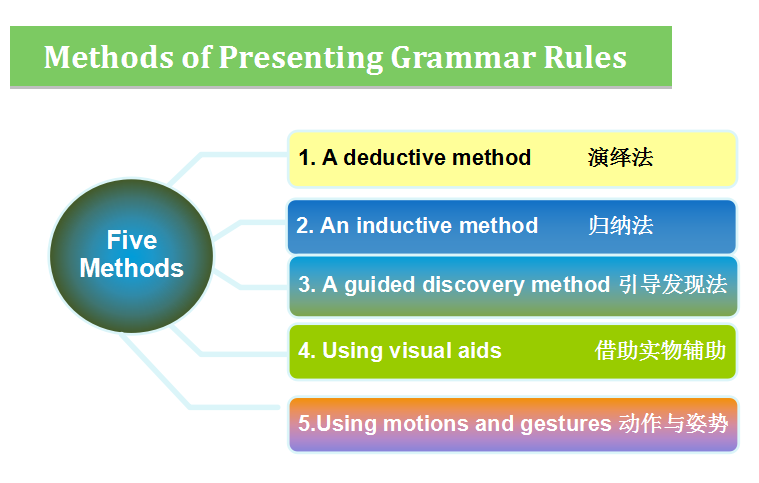
    • 7.2 Presenting Grammar Rules  呈现规则
    • 7.3 Mechanical Practice 机械操练
    • 7.4 Meaningful Practice 意义操练
    • 7.5 章节测试
  • 8 Teaching Listening and Speaking 听说教学
    • 8.1 Learning Orientation 学习导航
    • 8.2 Teaching listening 听力教学
    • 8.3 Teaching Speaking  口语教学
    • 8.4 Teaching Integrated Skills 综合技能教学
    • 8.5 章节测试
  • 9 Teaching Reading and Writing 阅读与写作教学
    • 9.1 Learning Orientation 学习导航
    • 9.2 Pre-reading Activities 阅读前活动
    • 9.3 While-reading Activities 阅读中活动
    • 9.4 Post-reading  Activities 阅读后活动
    • 9.5 章节测试
  • 10 Assessment and  Adapting Textbooks 语言评价与教材选取
    • 10.1 Learning Orientation 学习导航
    • 10.2 Assessment in Language Teaching 语言教学评价
    • 10.3 Adapting Textbooks 教材的评估与选取
    • 10.4 章节测试
Presenting Grammar Rules  呈现规则
  • 1 学习重点
  • 2 授课视频
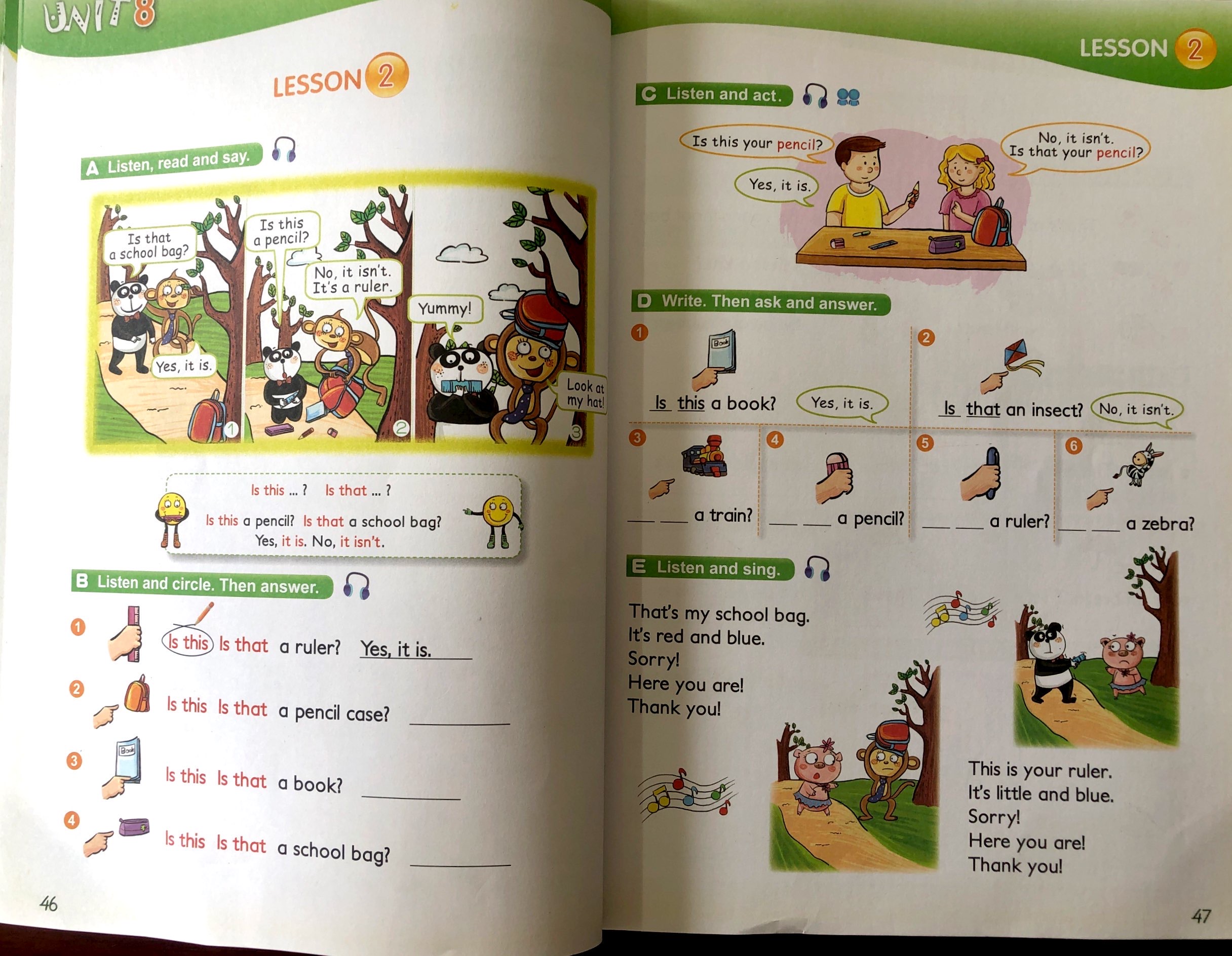
  • 3 实训教学

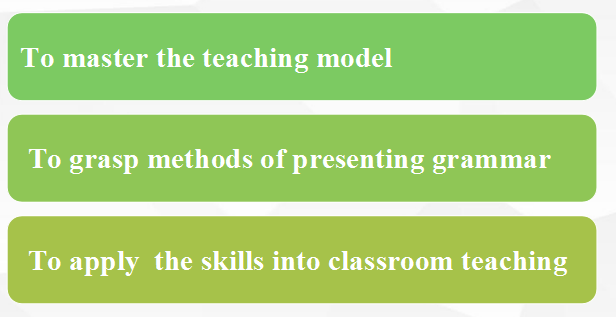
1. 学习目标

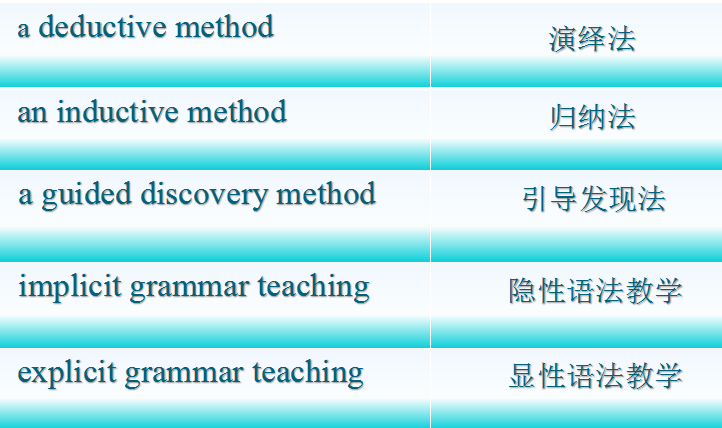
2.核心词汇

3.教学技能

The Power of the Perfect Handshake


查看源图像

“Handshaking is a valuable form of nonverbal communication. It is a form of interactive body language that offers insights into how the other person views the world, him or herself, and you. It is a vital, if usually subconscious, part of creating a first impression and sending a parting message.”

                                          -Robert E. Brown and Dorothea Johnson, “The Power of Handshaking”


How to Master the Powerful Handshake

  1. Always be prepared for a handshake by making sure your right hand is always free to shake hands. Shift anything you are carrying to your left hand—particularly cold drinks which can make your hands feel cold and clammy.

  1. Never shake hands with your left hand in your pocket. Both hands should be visible.

  1. Always stand for a handshake—man or woman.

  1. Make eye contact and smile warmly. Beware of smiling too much since it will make you appear over-eager. Tip: Make eye contact long enough to note the color of the person’s eyes.

  1. Keep your head straight and face the other person shoulder-to-shoulder, heart-to-heart. Keep about 18” between you and the other person.

  1. Flex knees; move right foot 2” ahead of the left as you extend your right hand.

  1. Extend your hand vertically with the thumb up and fingers out. Avoid palm down (dominant) or palm up (submissive). And don’t extend your hand with the thumb up and fingers curled. Angle your thumb straight to the ceiling.

  1. Don’t begin your handshake until you have connected web-to-web and the palms of your hands are touching.

  1. Shake from the elbow, not the wrist or shoulder, with two smooth pumps.

  1. Squeeze until you feel their muscles tighten, and then stop. Match the other person’s grip.