目录

  • 1 Career Planning and Preparation
    • 1.1 PPT
    • 1.2 Lead-in
    • 1.3 Words and Expressions
    • 1.4 Clip One How to Make a Career Plan
    • 1.5 Clip Two Career Plan Mistakes to Avoid
    • 1.6 Speaking and Further Learning
    • 1.7 Extension
    • 1.8 BEC Oral English
    • 1.9 Teamwork
  • 2 Job Interview
    • 2.1 PPT
    • 2.2 Lead-in
    • 2.3 Words and Expressions
    • 2.4 Clip One How to Prepare for a Job Interview
    • 2.5 Clip Two Tips for Coping With Job Interview Anxiety
    • 2.6 Speaking and Further Learning
    • 2.7 Teamwork
    • 2.8 Extension
  • 3 Workplace Personality
    • 3.1 PPT
    • 3.2 Lead-in
    • 3.3 Words and Expressions
    • 3.4 Clip One How Personality Affects Work Behavior
    • 3.5 Clip Two Personality Types in Workplace
    • 3.6 Speaking and Further Learning
    • 3.7 Extension
  • 4 Creativity
    • 4.1 PPT
    • 4.2 Lead-in
    • 4.3 Words and Expressions
    • 4.4 Clip One The Importance of Creativity in Business
    • 4.5 Clip Two How to Foster Creativity Within Your Organization
    • 4.6 BEC Oral English
    • 4.7 Extension
  • 5 Teamwork
    • 5.1 PPT
    • 5.2 Lead-in
    • 5.3 Words and Expressions
    • 5.4 Clip One Ten Tips for Quality Teamwork
    • 5.5 Clip Two Important Teamwork Skills That Employers Value
    • 5.6 Extension
  • 6 Leadership
    • 6.1 PPT
    • 6.2 Lead-in
    • 6.3 Words and Expressions
    • 6.4 Clip One Want to Be a Better Business Leader? Do These Five Things
    • 6.5 Clip Two Lewin's Leadership Styles
  • 7 Advertising
    • 7.1 PPT
    • 7.2 Lead-in
    • 7.3 Words and Expressions
    • 7.4 Clip One What is Industrial Advertising
    • 7.5 Clip Two How to Create an Advertising Plan
    • 7.6 BEC: Advertising
  • 8 Brand
    • 8.1 PPT
    • 8.2 Clip One Picking the Best Brand Strategy
    • 8.3 BEC: branding
    • 8.4 Reading
  • 9 CSR
    • 9.1 Clip One The Era of Corporate Sustainability
    • 9.2 Clip Four CSR at DHL
    • 9.3 Reading: Leadership theories
    • 9.4 BEC Oral English
    • 9.5 Extension
  • 10 Business Communication
    • 10.1 PPT PDF
    • 10.2 Words and Expressions
    • 10.3 Clip 1 Business Relations
    • 10.4 Clip 2 Business Card
    • 10.5 Exercise II: Teamwork
    • 10.6 TEM4
    • 10.7 Extension
  • 11 Commercial Trade
    • 11.1 PPT PDF
    • 11.2 Lead-in
    • 11.3 Words and Expressions
    • 11.4 Clip 1 Small Business
    • 11.5 Clip 2 Foreign Trade
    • 11.6 Extension
  • 12 Payment
    • 12.1 PPT PDF
    • 12.2 Lead-in
    • 12.3 Words and Expressions
    • 12.4 Buying on the Installment Plan
    • 12.5 The Pros and Cons of Credit Cards
    • 12.6 Teamwork
  • 13 Exhibition Preparation
    • 13.1 PPT PDF
    • 13.2 Lead-in
    • 13.3 Words and Expressions
    • 13.4 A History of Exhibition and World's Fairs
    • 13.5 How to Drive More Attendees to Exhibition Booths
    • 13.6 BEC: Trade Fairs and Exhibitions
    • 13.7 Teamwork
  • 14 Energy
    • 14.1 PPT PDF
    • 14.2 Lead-in
    • 14.3 Words and Expressions
    • 14.4 China's Top 500 Outperformed US Rivals in 2008
    • 14.5 China's Gasoline Imports Soar in August
    • 14.6 numbers, graphs
    • 14.7 Teamwork
  • 15 Environmental Protections
    • 15.1 PPT PDF
    • 15.2 Lead-in
    • 15.3 Words and Expressions
    • 15.4 Sustainable Agriculture in China: Then and Now
    • 15.5 China Can Lead Global Green Trade Drive
    • 15.6 Teamwork
  • 16 Artificial Intelligence
    • 16.1 PPT PDF
    • 16.2 The Impact of Artificial Intelligence on International Trade
    • 16.3 Five Ways How AI Has Transformed the Finance Industry
    • 16.4 Teamwork
  • 17 Corporate Social Responsibility
    • 17.1 Clip One Corporate Social Responsibility
    • 17.2 Clip Two CSR at Emerson
    • 17.3 Clip Three Why Does CSR Matter
    • 17.4 Extension
  • 18 Unit 1 Educational Investment
    • 18.1 Preparatory Activities
    • 18.2 Clip 1 Higher education in the US: what does it cost?
    • 18.3 Clip 2 How to fund a college education
    • 18.4 Clip 3 How to responsibly finance your college education
    • 18.5 Clip 4 Which college grads get paid the most?
    • 18.6 Clip 5 Are elite colleges worth the cost?
    • 18.7 Reading expansion
  • 19 Unit 2 Starting a Business
    • 19.1 Preparatory activities
    • 19.2 Clip 1 How to be a successful entrepreneur?
    • 19.3 Clip 2 How to be a great boss
    • 19.4 Clip 3
    • 19.5 Clip 4 How to start a business
    • 19.6 Clip 5
    • 19.7 Clip 6 T-shirt Designer_ A Young Entrepreneur to Watch
  • 20 Unit 3 Human Resources
    • 20.1 Preparatory Activities
    • 20.2 Clip 1 Headhunters and recruiters
    • 20.3 Clip 2 How to train your staff
    • 20.4 Clip 3 How to motivate employees
    • 20.5 Clip 4 How to fire someone
  • 21 Unit 4 Advertising
    • 21.1 Preparatory Activities
    • 21.2 Clip 1 Invisifence
    • 21.3 Clip 2 Emotional Appeals
    • 21.4 Clip 3 Australia-A Different Light
    • 21.5 Clip 4 Ilta-Sanomat-the Way It Was Meant to Be
    • 21.6 Clip 5 How to Maximize Your Advertising Campaign Performance
    • 21.7 Clip 6 Cigarette Ads
    • 21.8 Clip 7 Advertising: A form of Lying?
    • 21.9 Clip 8 TV & Obesity
  • 22 Unit 5 Banking
  • 23 Unit 6 Marketing
    • 23.1 Preparatory Activities
    • 23.2 Clip 1 How to Understand the Basics of Marketing
    • 23.3 Clip 2 How to Develop a Marketing Mix
    • 23.4 Clip 3 Marketing and Advertising
    • 23.5 Clip 4 What Is Branding
    • 23.6 Clip 5 How to Write a Slogan That Sticks
  • 24 Unit 7 PR
  • 25 Unit 8 Estate
  • 26 Job Hunting
    • 26.1 Clip One Job Search Strategies and Tactics
    • 26.2 Clip Two How to Write a Great Two-page Resume
    • 26.3 Oral Practices
    • 26.4 BEC Oral English
  • 27 Unit 9 New Tech
    • 27.1 Preparatory Activities
    • 27.2 Clip 1 A Kitchen That Talks
    • 27.3 Clip 2 Apple's Revolutionary iPad Goes on Sale in the US
    • 27.4 Clip 3 Apple's Key to Success: Turning Tech into Lifestyle
    • 27.5 Clip 4 Biotechnology
    • 27.6 Clip 5 Solar Plane Sets Energy Example
    • 27.7 Clip 6 IBM's Five-in-Five List
    • 27.8 Clip 7 Students Bring Innovation to Global Technology Competition
  • 28 Unit 10 环境问题
    • 28.1 Preparatory Activities
    • 28.2 Clip 1 Global Warming and Climate Change
    • 28.3 Clip 2 Causes of Global Warming
    • 28.4 Clip 3 Green the workplace
    • 28.5 Clip 4 How to Make Your Bathroom Eco-friendly
    • 28.6 Clip 5 How to Drive Green
    • 28.7 Clip 6 Skyscrapers and Environment
    • 28.8 Clip 7 Nuclear Energy
  • 29 Unit 11 Car
    • 29.1 Clip 1 Morgan Cars
    • 29.2 Clip 2 2012 Ford Focus
    • 29.3 Clip 3 BMW 335D
    • 29.4 Clip 4 Self-driving Car
    • 29.5 Clip 5 Men or Women- Who Drives Better
    • 29.6 Clip 6 As gas Prices Rise, Natural Gas Vehicles Get a Boost
Reading: Leadership theories

https://zhuanlan.zhihu.com/p/34990571

哈喽,Everyone~


明代的一位大思想家、哲学家、军事家、文学家(这真的只是一个人,不是四个人),曾在给学生们上课时首次提出了知行合一的概念。


这位集大成者就是阳明先生王守仁,文能悟道著书办学堂,武能带兵打仗安四方。在小日本,有一位号称军神、东方纳尔逊的东乡平八郎都声称要一生俯首拜阳明。


武功秘籍中,心法固元,吐纳间做到了然于心。本期分享围绕着领导理论的相关内容,深谙心法修炼之道,让大家能够知其然并知其所以然,早日达到传说中天人合一的境界。



Begin


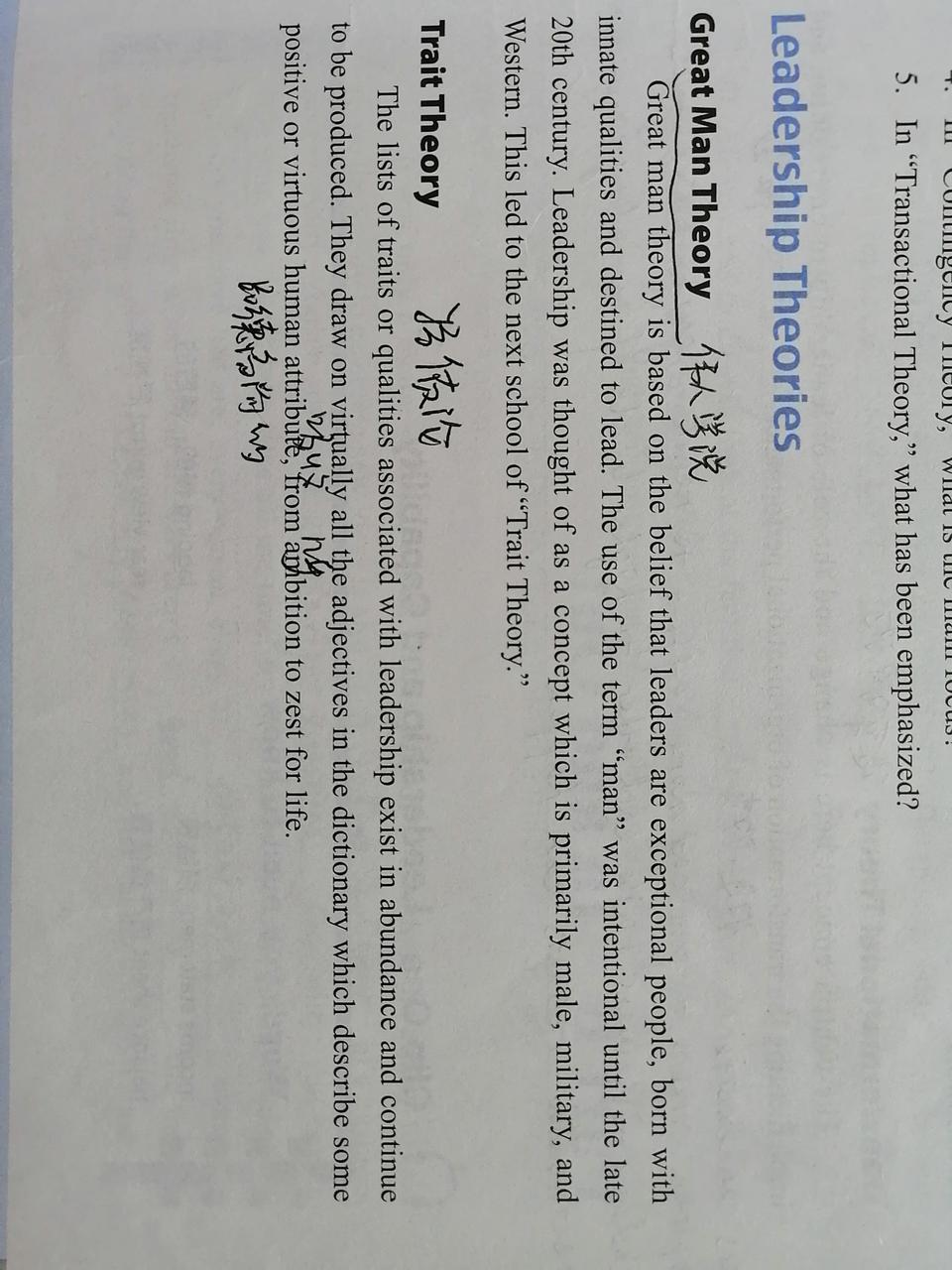
所谓特质就是对人格特点的描述。领导特质理论常被称之为伟人理论,在20世纪40年代之前曾风靡一时,也是最早尝试对领导活动及行为进行系统研究的。


领导特质理论研究代表人物:吉伯、斯托格迪尔、吉色列


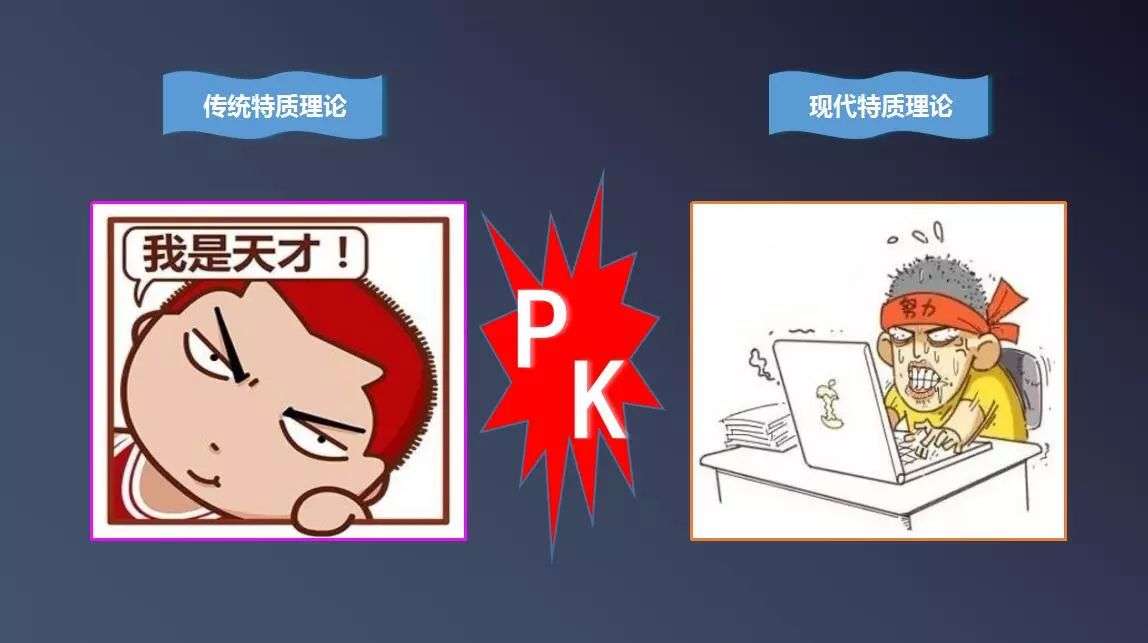
特质理论分为两个流派:传统特质理论 & 现代特质理论。


传统特质理论:主要观点是天赋决定论,那些头顶着blingbling的光环、在业内拥有绝对地位的领导者们,他们身上所具备的某些特点是天生具有的。正是依靠这些与生具有的特质,他们才获得了成功,有点类似于火影忍者里的血继限界。


现代特质理论:主要观点是后天养成论,总有一些小人物在默默滴打怪升级,通过不断的努力学习、疯狂工作、适应环境、在一定的实践过程中脱颖而出,成为万众瞩目的佼佼者,他们的成功与后天的成长与培养密不可分。
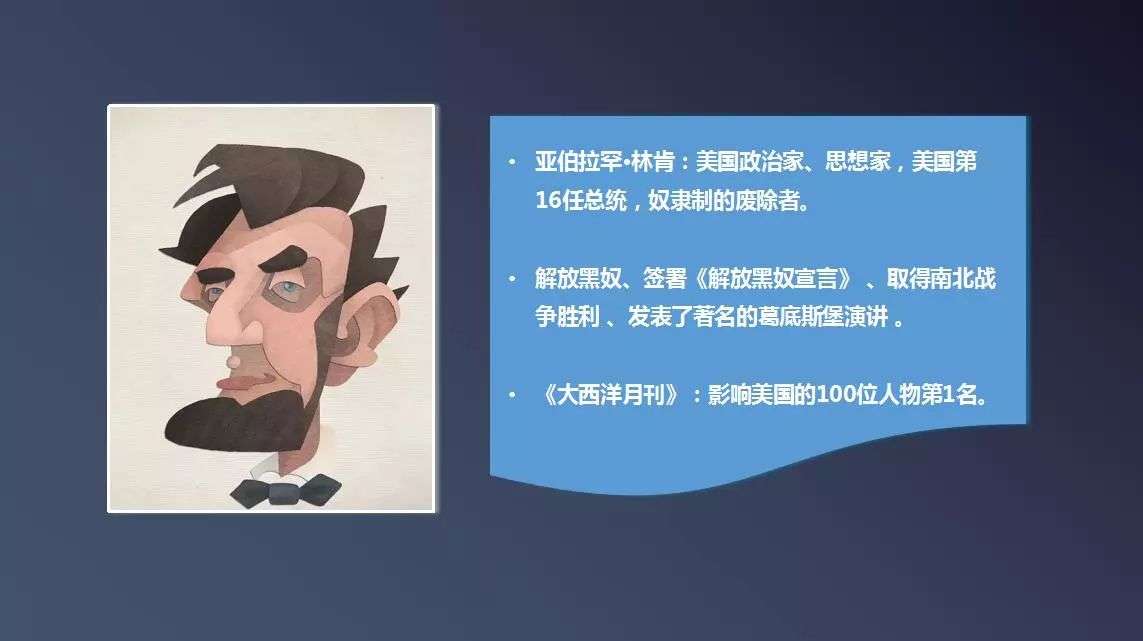

小故事:林肯-美国历史上伟大的总统,他在竞选总统前是没有留胡子的。在竞选之前林老大收到了一封来自11岁小姑凉的信。


信中提到:大叔你太瘦了,如果你留上一脸络腮胡,就会收获一大波女粉丝,甚至她们的朋友、家人、丈夫都会为你投票。


果不其然,林老大进行了认真地反思,并留下了著名的林大叔式络腮胡,让自己看上去更像一位智者并值得大家信任,在迷妹们的支持下,林大叔顺利当选为总统。


领导特质理论并没有也无法列出一个比较权威的领导特征表,而且这些特质的确定存在主观因素的影响。


大量的研究表明,具备某些特质确实能够提高成功的可能性,但没有任何一种特质一定就是成功的保障。


  • NO2. 领导作风理论


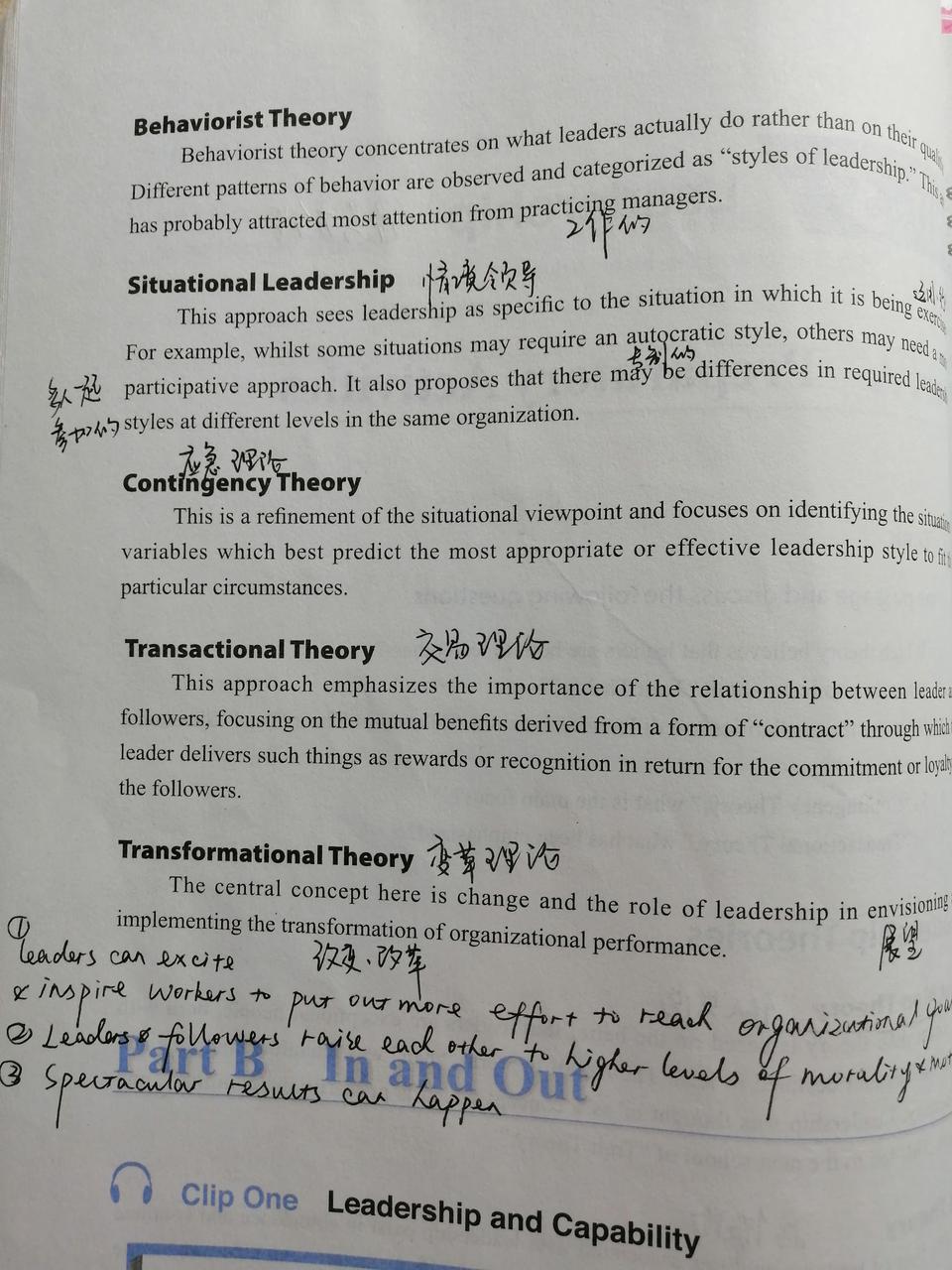
领导作风理论也被称之为领导风格理论,是指领导者在思想、工作和生活等方面表现出来的比较稳定的style或swag。不同类型的领导风格对团队成员的工作绩效存在不同的影响。

领导作风理论研究代表人物:勒温、李克特


领导作风理论定位于权利的下放层级,根据权利控制所处的不同level对应于不同类型的领导风格。


勒大大认为:领导作风分为三类,即专制型、民主型和放任型。


专制型:领导权力控制在最高层手中,拥有绝对的控制权。


此类型的领导仅注重目标的实现,关心工作的任务和效率,对团队成员的关心较弱,领导者与被领导者之间的心理距离比较大。


民主型:领导权力授权于部分团队成员,下属在次要问题上拥有决定权。


此类型的领导注重对团队成员的关心,会关注成员的需要并进行鼓励与协助,领导者与被领导者之间的心理距离比较近。


放任型:完全的不管不顾不闻不问,自由自在各行其是的无政府领导。


与其他两种领导类型的团队相比,无论是工作效率还是工作成果都存在不确定性,但在这种领导模式下的团队很少发生摩擦。


  • NO3. 领导行为理论


领导作风理论的发展让研究者开始反思,领导者是否成功最重要的不是他们所具备某些特质,而是他们采取何种领导方式、行为表现来影响团队,换言之就是领导行为与他们的领导效率之间肯定存在某些耐人探究的关系。


领导行为理论研究代表:密西根大学的领导行为研究、俄亥俄州立大学的领导行为四分图、德克萨斯州立大学布莱克/莫顿的领导方格理论、日本学者三隅二不二的PM领导行为研究。


领导行为理论划分标准分为两个:按权力归属划分(与领导作风理论中勒大大的模型类似) & 按关注人与事的程度划分(分为任务型和关系型)。


密西根大学的研究:领导行为以员工导向生产导向两个维度进行确立。


员工导向中领导者关注员工的需要,对他们进行鼓励支持与相互促进。


生产导向中领导者强调目标的实现,注重高效率低成本以及按进度促进工作的完成。


该项研究认为这两种领导行为模式是完全对立的,领导者只能进行二选一而不能同时兼顾。


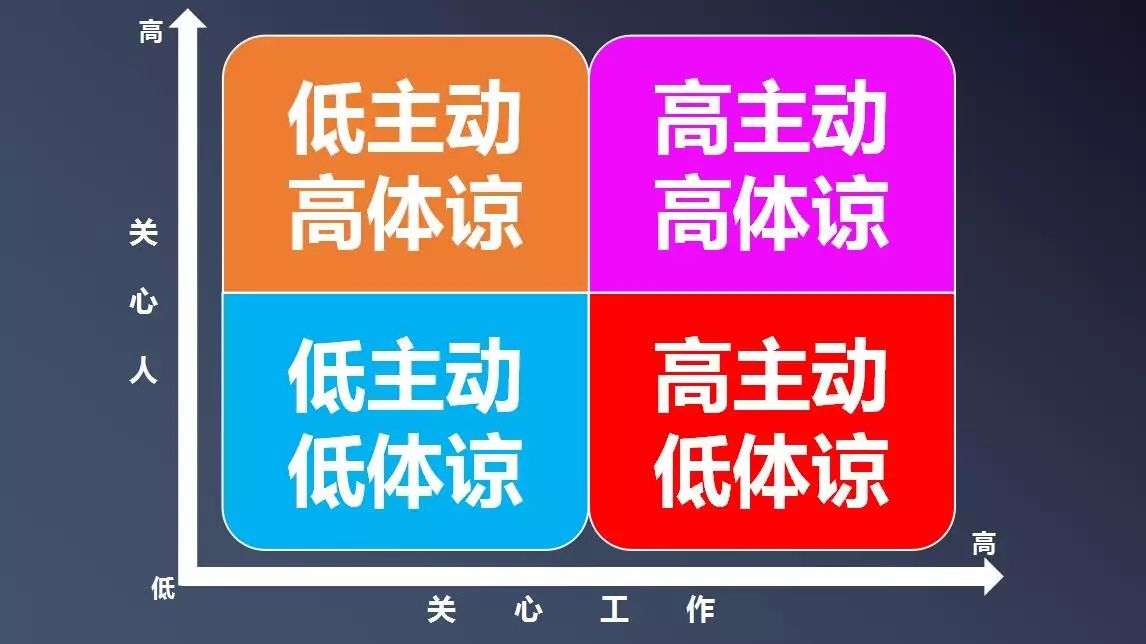
领导行为四分图:以关心人与关心工作的强弱程度划分为四个象限两种结构,体谅型结构和主动型结构。


体谅型结构以关心人核心,主动型结构以关心工作为核心。


与密歇根大学的研究不同,俄亥俄州立大学的研究认为两种结构的行为类型不是相互对立的,一个领导者的行为可同时关心人与工作,只是强弱程度不同而已。

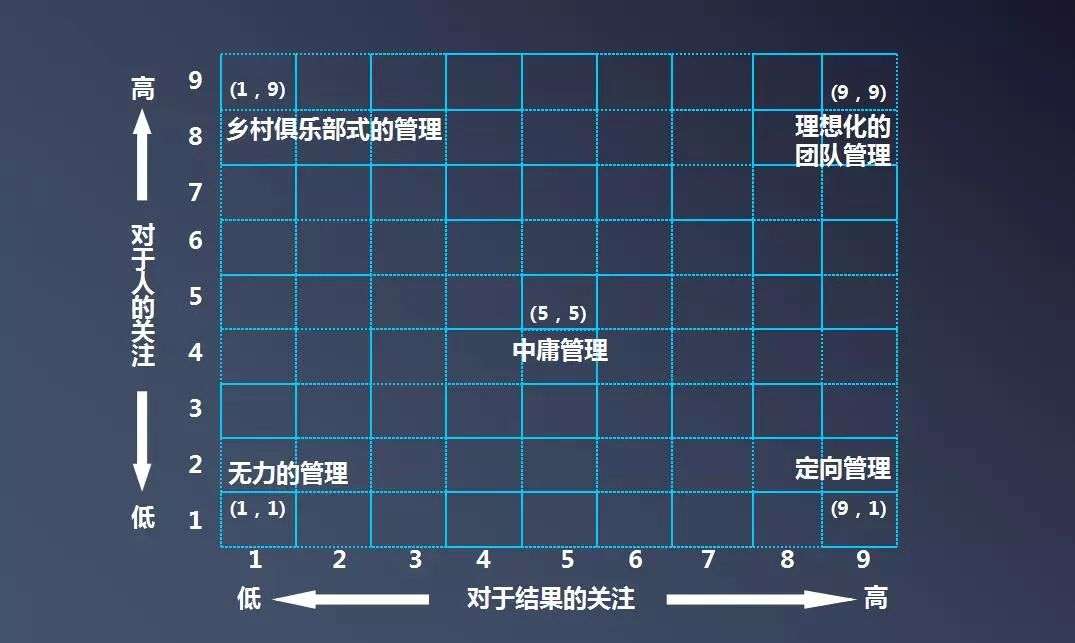
领导方格理论:布莱克与莫顿在密歇根大学的研究和领导行为四分图的研究基础上进行了更加细致、变态的划分。


将对人的关心程度与对工作的关心程度呈现到一个9 X 9的二维平面上,根据所处的不同方格将领导类型划分为5个。


(1,1)型对人与工作都漠不关心、(1,9)型对人极为关心、(5,5)型兼顾对人与工作的关心、(9,1)型对工作极为关心、(9,9)型对人与工作都极为关心。
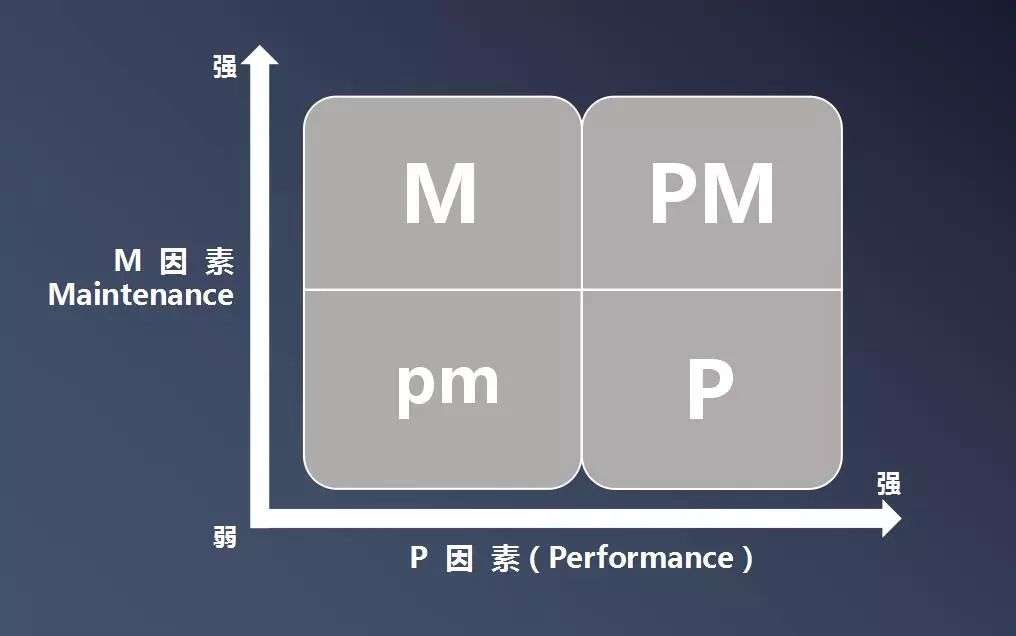
PM领导行为研究:三隅二不二比较聪明的借用了领导行为四方图的研究而且还充分发挥了英文字母大小写的区别。


将对工作的关心程度变身为P型(Performance)、对人的关心程度转变为M型(Maintenance),其强弱程度表现为:pm、P、M、PM,重新画个四象限图就变成了PM领导行为。
领导行为理论的研究重心发生了变化,从个性特质转移到领导行为中。


虽然将领导行为划分为工作导向型与人员导向型,却无法找到一个适用于各种环境中的通用领导行为,双强关心模式的下领导行为缺少普遍性的支撑。


Summarize


既不存在普适的理想领导特质,也不存在一种万能的领导行为方式。领导力的研究中至今未形成放之四海而皆准的通用指导。


随着时间的推移与研究的深入,领导力相关的研究可谓是百家争鸣,群芳争艳。


比较有代表性的理论研究有:领导权变理论、变革型领导理论、领导魅力理论、领导者成员交换理论、领导归因理论。


领导权变理论:该研究认为领导活动是一个过程,可以根据情境的不同而发生变化。


代表性研究:费德勒的权变模型、情景领导理论、生命周期理论、路径目标理论、决策参与模型。


因篇幅原因,本期文章就不进行详细的介绍了,有兴趣的大大们可自行研究。


最后,借阳明先生的毕生总结:求理于吾心,知行合一。