以下内容来自
https://www.thoughtco.com/insect-antennae-and-their-forms-1968065
仅供学习使用
The 13 Forms of Insect Antennae
:max_bytes(150000):strip_icc():format(webp)/GettyImages-128112104-570c02643df78c7d9ef84f26.jpg)
Antennae are movable sensory organs on the head of most arthropods. All insects have a pair of antennae, but spiders have none. Insect antennae are segmented, and usually located above or between the eyes.
Shapes
Because antennae serve different functions, their forms vary greatly. In all, there are about 13 different antennae shapes, and the form of an insect's antennae may be an important key to its identification.
Aristate
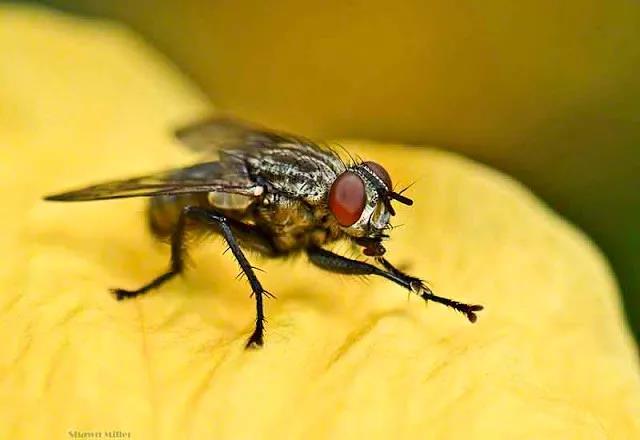
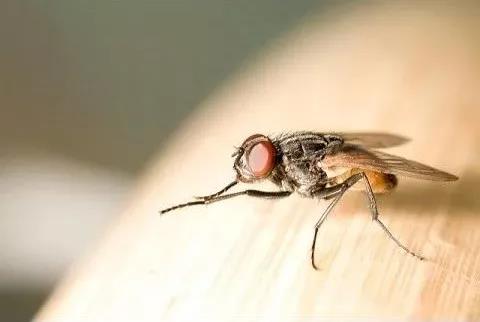
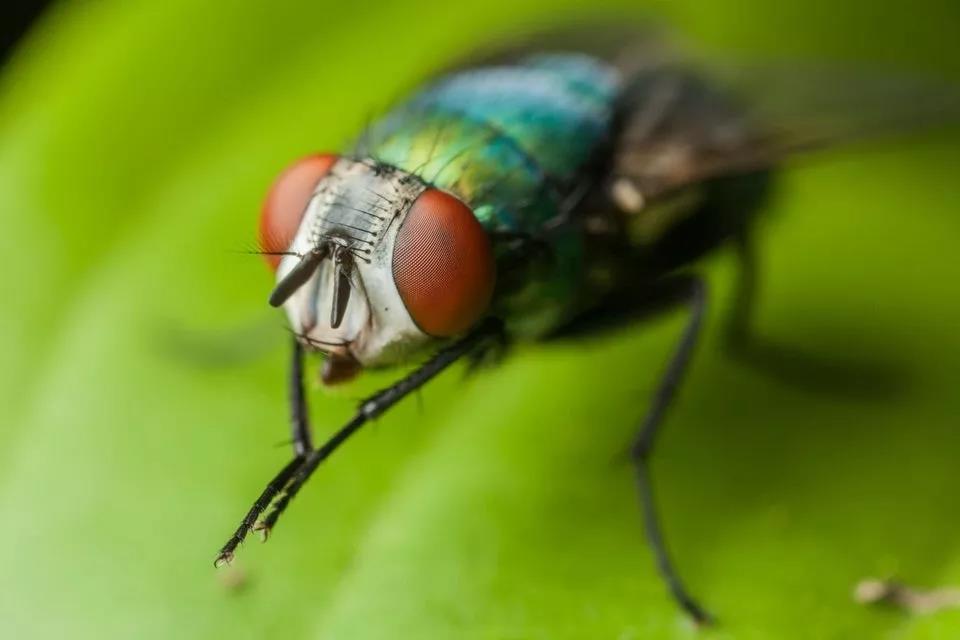
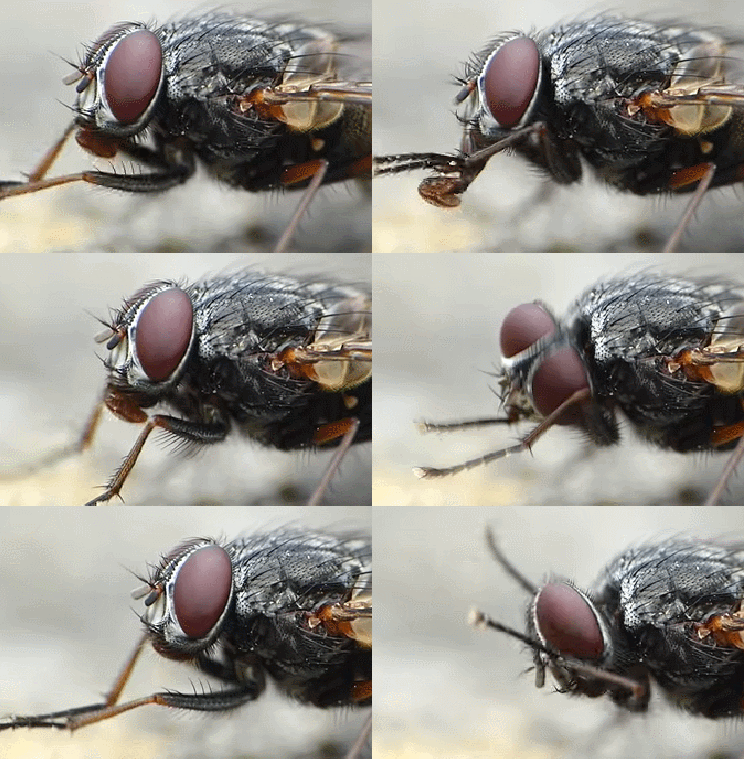
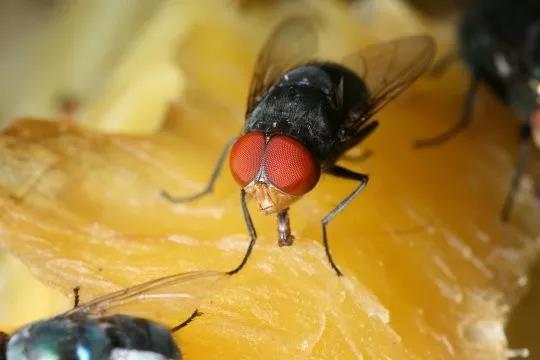
Aristate antennae are pouch-like, with a lateral bristle. Aristate antennae are most notably found in the Diptera (true flies.)
Capitate
Capitate antennae have a prominent club or knob at their ends. The term capitate derives from the Latin caput, meaning head. Butterflies (Lepidoptera) often have capitate form antennae.
Clavate
The term clavate comes from the Latin clava, meaning club. Clavate antennae terminate in a gradual club or knob (unlike the capitate antennae, which end with an abrupt, pronounced knob.) This antennae form is found most often in beetles, such as in carrion beetles.
Filiform
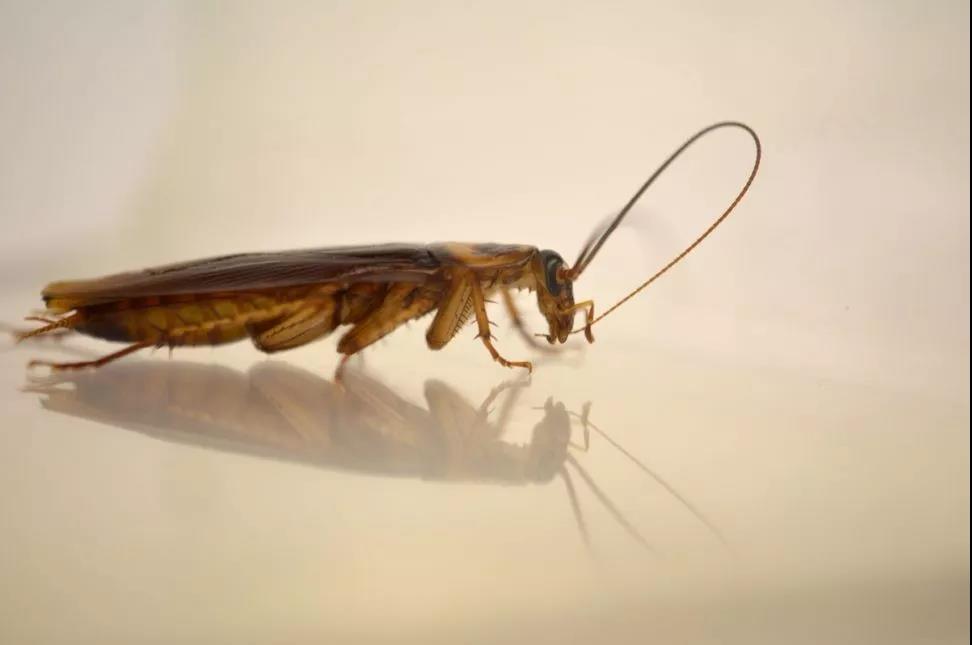
The term filiform comes from the Latin filum, meaning thread. Filiform antennae are slender and thread-like in form. Because the segments are of uniform widths, there is no taper to filiform antennae.
Examples of insects with filiform antennae include:
rock crawlers (order Grylloblattodea)
gladiators (order Mantophasmatodea)
angel insects (order Zoraptera)
cockroaches (order Blattodea)
Flabellate
Flabellate comes from the Latin flabellum, meaning fan. In flabellate antennae, the terminal segments extend laterally, with long, parallel lobes that lie flat against one another. This feature looks like a folding paper fan. Flabellate (or flabelliform) antennae are found in several insect groups within the Coleoptera, the Hymenoptera, and the Lepidoptera.
Geniculate
Geniculate antennae are bent or hinged sharply, almost like a knee or elbow joint. The term geniculate derives from the Latin genu, meaning knee. Geniculate antennae are found mainly in ants or bees.
Lamellate
The term lamellate comes from the Latin lamella, meaning a thin plate or scale. In lamellate antennae, the segments at the tip are flattened and nested, so they look like a folding fan. To see an example of lamellate antennae, look at a scarab beetle.
Monofiliform
Monofiliform comes from the Latin monile, meaning necklace. Moniliform antennae look like strings of beads. The segments are usually spherical, and uniform in size. Termites (order Isoptera) are a good example of insects with moniliform antennae.
Pectinate
The segments of pectinate antennae are longer on one side, giving each antennae a comb-like shape. Bipectinate antennae look like two-sided combs. The term pectinate derives from the Latin pectin, meaning comb. Pectinate antennae are found in some beetles and sawflies.
Plumose
The segments of plumose antennae have fine branches, giving them a feathery appearance. The term plumose derives from the Latin pluma, meaning feather. Insects with plumose antennae include some of the true flies, such as mosquitoes, and moths.
Serrate
The segments of serrate antennae are notched or angled on one side, making the antennae look like a saw blade. The term serrate derives from the Latin serra, meaning saw. Serrate antennae are found in some beetles.
Setaceous
The term setaceous comes from the Latin seta, meaning bristle. Setaceous antennae are bristle-shaped and tapered from the base to the tip. Examples of insects with setaceous antennae include mayflies (order Ephemeroptera) and dragonflies and damselflies (order Odonata).
Stylate
Stylate comes from the Latin stylus, meaning pointed instrument. In stylate antennae, the final segment terminates in a long, slender point, called a style. The style may be hairlike but will extend from the end and never from the side. Stylate antennae are found most notably in certain true flies of the suborder Brachycera (such as robber flies, snipe flies, and bee flies.)
Source:
Triplehorn, Charles A. and Johnson, Norman F. Borror and DeLong's Introduction to the Study of Insects. 7th Edition. Cengage Learning, 2004, Boston.