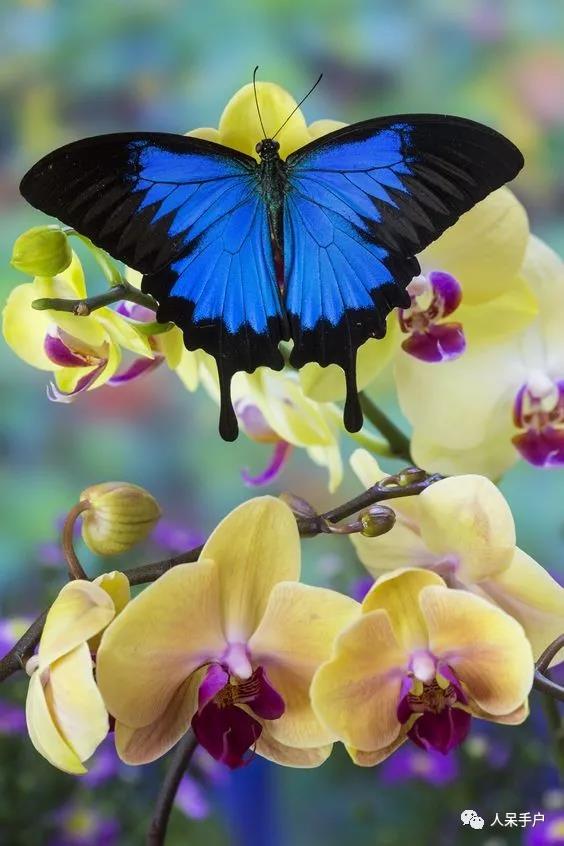
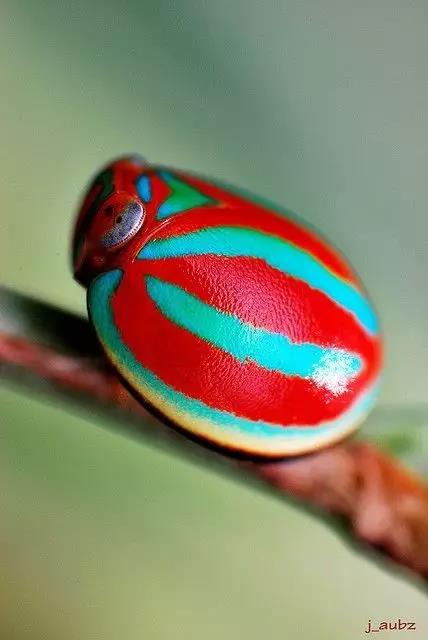
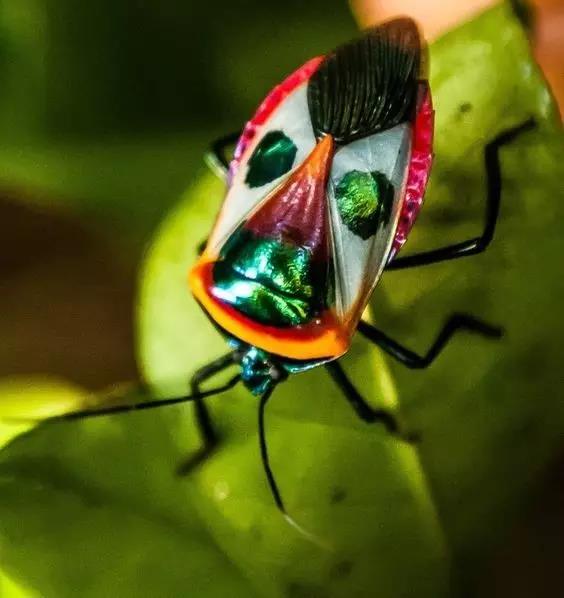
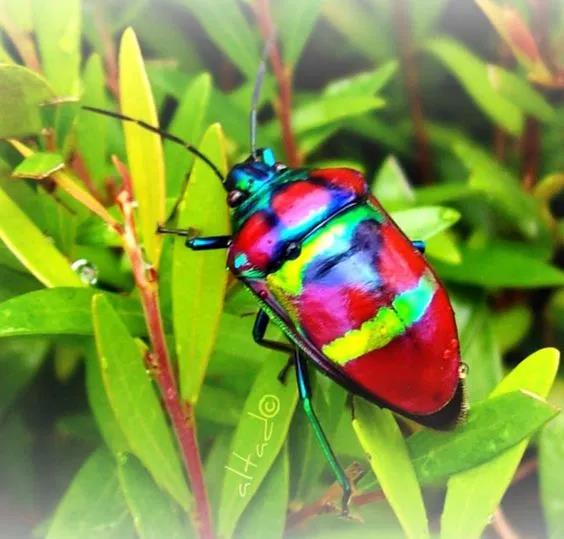
有毒任性,天敌来了也懒得跑路
【听力音频】
【听力全文】
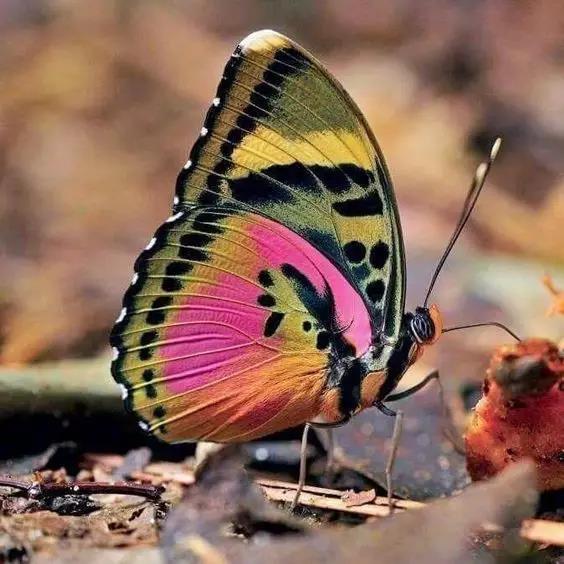
About 12,000 species of tiger moth exist on Earth. Some of them swoop and dive out of harm’s way when a hungry bat tries to make them a meal. But other tiger moth species are more blasé—they just don’t bother to flee from the hungry bats.
“And I really just wanted to know why. Why the difference? What factors might be influencing whether a species is more or less likely to perform these evasive maneuvers?”
Wake Forest University behavioral ecologist Nick Dowdy. He says it’s a matter of taste—some of the moths are delicious, but others are toxic and taste terrible. When the airborne predators catch these unappetizing moths, they’ll spit them out, giving the insects a new lease on life.
In a field experiment, Dowdy and his colleague William Conner filmed how five different species of tiger moths responded to bat attacks.
“And what we found was that those species which were really toxic—so when the bats captured them, they almost never ate them—those species were much more likely to be what we call nonchalant, species that do not perform evasive maneuvers very often. On the other hand, species that were really palatable were much more likely to perform those evasive maneuvers, almost, in a sense, sort of hedging their bets. Because if they don’t make that escape, if they are captured by a bat, those species are more likely to be eaten.”
Another factor is that evasive maneuvers have their own set of risks, which may be why unpalatable moths tend to avoid them. For example, diving away from bats burns fuel, gives the insects less time to seek out mates and could expose them to other perils, such as getting stuck in water.
“Or there could be predators on the ground like mice and other mammals.”
The study is in the journal Frontiers in Ecology and Evolution. [Nicolas J. Dowdy and William E. Conner, Nonchalant flight in tiger moths (Erebidae: Arctiinae) is correlated with unpalatability]
Dowdy is now trying to identify the chemical compounds responsible for making some tiger moths taste bad. Once those findings are in, chemical analysis of museum specimens could help reveal how rare, endangered or even extinct insects have behaved around predators.
“We can still study animal behavior even without a living organism. That’s, I think, pretty amazing.”
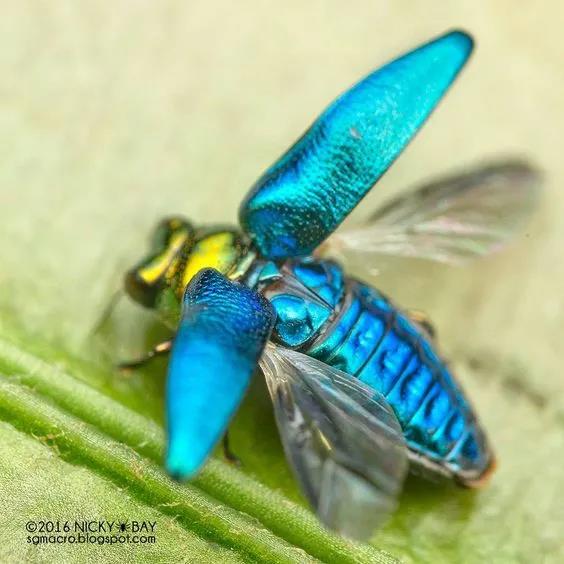
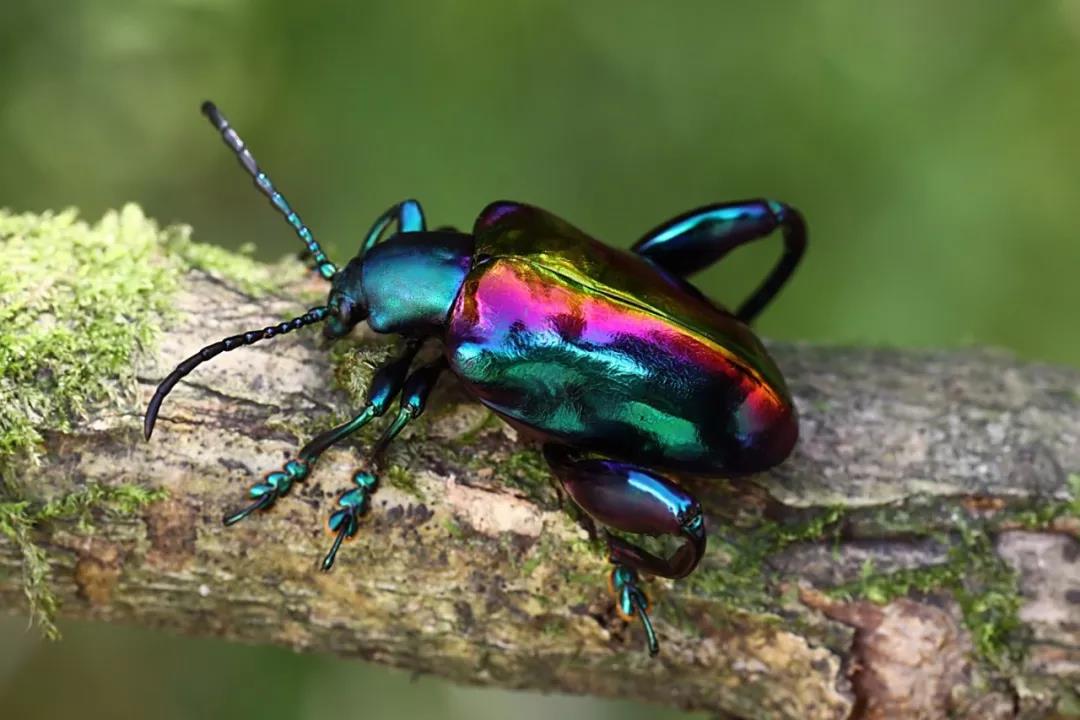
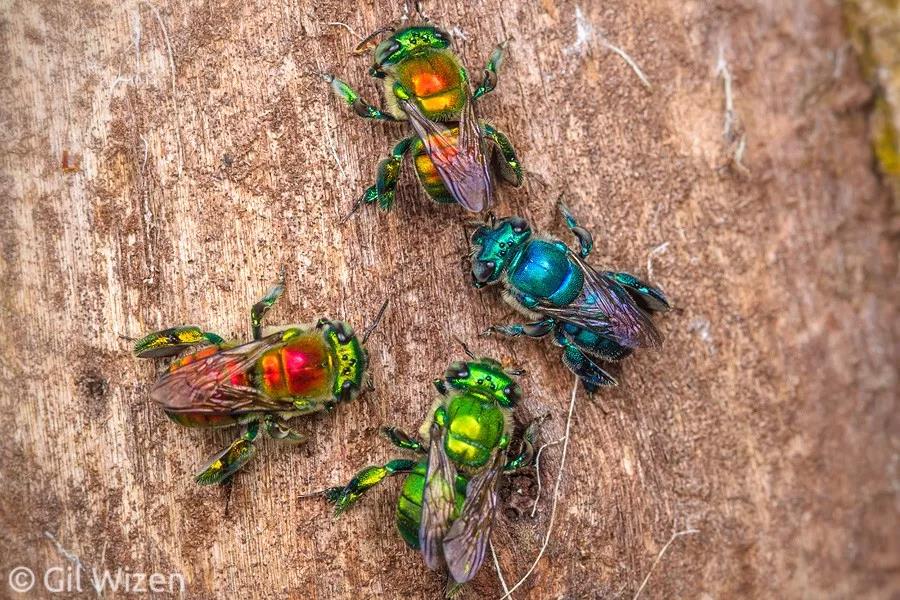
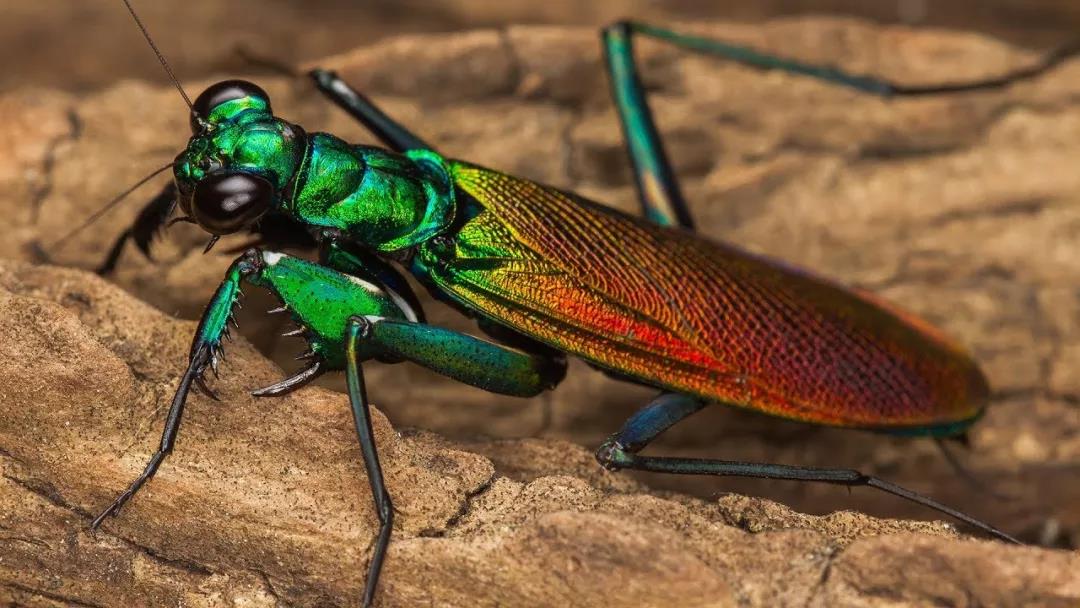
Other animals with conspicuous warning signals, such as garishly colored poison dart frogs and foul-smelling skunks are also known to be slow movers. Perhaps if you’re deadly, toxic or just plain stink, it can pay to be lazy.
—Susanne Bard
【重点词汇】
swoop: v. 俯冲;突然袭击
tiger moth: n. 虎蛾,学名Agaristidae
blasé: adj. 满不在乎的,无动于衷的,司空见惯的
evasive: adj. 回避的,逃离的
maneuver: n. 机动动作;策略;演习
nonchalant: adj. 冷淡的,漠不关心的
to hedge one’s bets: 避免明确表态;对冲止损
peril: n. 危险;危害
conspicuous: adj. 显著的;显眼的,引人注目的
garishly: adv. 花里胡哨地
poison dart frog: n. 箭毒蛙,世界上外表最美丽的青蛙,同时也是毒性最强的物种之一
skunk: n. 臭鼬;臭鼬皮;讨厌的人
【参考译文】
地球上存在大约一万两千种虎蛾。当饥肠辘辘的蝙蝠想要大吃特吃时,有些虎蛾会乱作一团,纷纷逃离险境,而另一些则表现得满不在乎,面对饥饿的蝙蝠,它们基本上懒得逃跑。
“我真的很想知道为什么。为什么会不一样?哪些因素可能会影响一个物种采取不同程度的逃跑策略?”维克森林大学(Wake Forest Universtiy)的行为生态学家尼克·道迪(Nick Dowdy)说道。他表示味道是其中一个因素,有些飞蛾很美味,但还有些身怀剧毒、食之如啮檗吞针。当“空中猎手”吞入这些倒胃口的飞蛾时,它们会吐出来,让这些昆虫重获生机。
在野外实验中,道迪和同事威廉·康纳(William Conner)拍摄了5种不同种类虎蛾面对蝙蝠袭击的反应。
“我们发现,那些真正有毒的飞蛾,蝙蝠抓住它们以后几乎不会吃下去,这些飞蛾很大可能就是我们所说的倒蝙蝠胃口的种类,它们通常不怎么逃跑。另一方面,真正的‘美味佳肴’则更有可能逃跑,从某种意义上来说算是孤注一掷。因为如果它们不跑,一旦被抓住,很有可能就会被掉。”
而另一因素则是逃跑策略为本身也有风险,这也可能是“倒胃口”的飞蛾会尽量避免逃跑的原因。比如说,逃离蝙蝠需要消耗身体能量、削减了它们寻找配偶的时间,还有可能让它们面临其他危险,例如困入水中。
“又或者,它们可能要面对地面上可能的捕食者,比如老鼠和其他哺乳动物。”
该研究发表于《生态学与进化前沿》杂志(Frontiers in Ecology and Evolution)。
道迪现在尝试鉴别出让某些虎蛾口味变差的化学物质。一旦有所发现,对博物馆动物标本的化学分析就能有助于揭示那些稀有、濒危甚至灭绝的昆虫面对捕食者时的行为。
“即使没有活着的样本,我们仍然能够研究动物行为。我认为这相当神奇。”
其他带有明显警告信号的动物,比如色彩鲜艳的毒箭蛙和气味难闻的臭鼬,也出了名的“不爱动”。也许如果你本身就足够致命、有毒或者只是臭味明显,懒点也无妨。
翻译 阿金
以上内容来自
https://www.linkresearcher.com/careers/b9ee08a0-c117-4a9d-a9c0-d9da415b08ed