-
1 主页
-
2 教学
6. 毛茛科——RANUNCULACEAE
1、多年生或一年生草本,少有灌木或木质藤本。
2、叶通常互生或基生,少数对生,单叶或复叶,通常掌状分裂,无托叶;叶脉掌状,偶尔羽状,网状连结,少有开放的两叉状分枝。
3、花两性,少有单性,雌雄同株或雌雄异株,辐射对称,稀为两侧对称,单生或组成各种聚伞花序或总状花序。花瓣存在或不存在,常有蜜腺并常特化成分泌器官,
4、果实为蓇葖或瘦果,少数为蒴果或浆果。种子有小的胚和丰富胚乳。
约50属,2000余种,在世界各洲广布,主要分布在北半球温带和寒温带。我国有42属(包含引种的1个属,黑种草属),约720种,在全国广布,大多数属、种分布于西南部山地。
毛茛科植物含有多种化学成分,许多种植物是药用植物(详见下“毛茛科植物的化学成分和疗效”),在我国使用历史悠久,医药卫生上不可缺少的黄连、附子、乌头、丹皮、赤芍、白芍、升麻、木通等的原植物均属毛茛科;
在耧斗菜属、铁线莲属、银莲花属、翠雀属、乌头属、金莲花属、毛茛属、唐松草属等属中有不少种值得在庭园中引种栽培。
Ranunculaceae is a family of over 2,000 known species of flowering plants in 43 genera, distributed worldwide. The largest genera are Ranunculus, Delphinium, Thalictrum, Clematis, and Aconitum.
The Ranunculaceae are representative of early evolved flowering plants, much like Magnolias, and this can be understood when looking at Buttercup flower parts. Unlike families that arose in more recent evolutionary time, the flowers of this family display ancestral characteristics – all perianth (petals plus sepals) and reproductive parts of are all distinct and not fused in any way. Moreover, reproductive parts are often of an indefinite number as compared to other families with predictable numbers of three, four, or five-merous stamens and pistils.[In this way, botanists declare members of the Ranunculaceae to have “simple” flowers, however this label does not dictate that they do not display highly intricate forms. Columbines, Delphiniums, and Clematis are all members of this family, yet all appear to display incredibly elaborate blossoms as a result of coevolution with their pollinators.
一. 芍药属——Paeonia L.
灌木、亚灌木或多年生草本。
根圆柱形或具纺锤形的块根。当年生分枝基部或茎基部具数枚鳞片。
叶通常为二回三出复叶,小叶片不裂而全缘或分裂、裂片常全缘。
单花顶生、或数朵生枝顶、或数朵生茎顶和茎上部叶腋,有时仅顶端一朵开放,大型,直径4厘米以上;苞片2-6,披针形,叶状,大小不等,宿存;萼片3-5,宽卵形,大小不等;花瓣5-13(栽培者多为重瓣),倒卵形;雄蕊多数,离心发育,花丝狭线形,花药黄色,纵裂;花盘杯状或盘状,革质或肉质,完全包裹或半包裹心皮或仅包心皮基部;心皮多为2-3,稀4-6或更多,离生,有毛或无毛,向上逐渐收缩成极短的花柱,柱头扁平,向外反卷,胚珠多数,沿心皮腹缝线排成2列。
蓇葖成熟时沿心皮的腹缝线开裂;种子数颗,黑色、深褐色,光滑无毛。
约35种,分布于欧、亚大陆温带地区。我国有11种,主要分布在西南、西北地区,少数种类在东北、华北及长江两岸各省也有分布。牡丹 P. suffruticosa、芍药 P. lactiflora 为我国主要药材之一,全几国不少地区都有栽培,尤以四川(垫江、渠县、中江)、河南(洛阳)、山东(菏泽)、安徽(铜陵、亳县)、浙江(东阳、临安、余姚)最为著名。
在我国分布的种类中,多数种类的根、根皮供药用,有镇痉、止痛、凉血散瘀之效。
1.灌木或亚灌木;花盘发达,革质或肉质,包裹心皮达1/3以上。(2)牡丹组
1.多年生草本;花盘不发达,肉质,仅包裹心皮基部。(8)芍药组
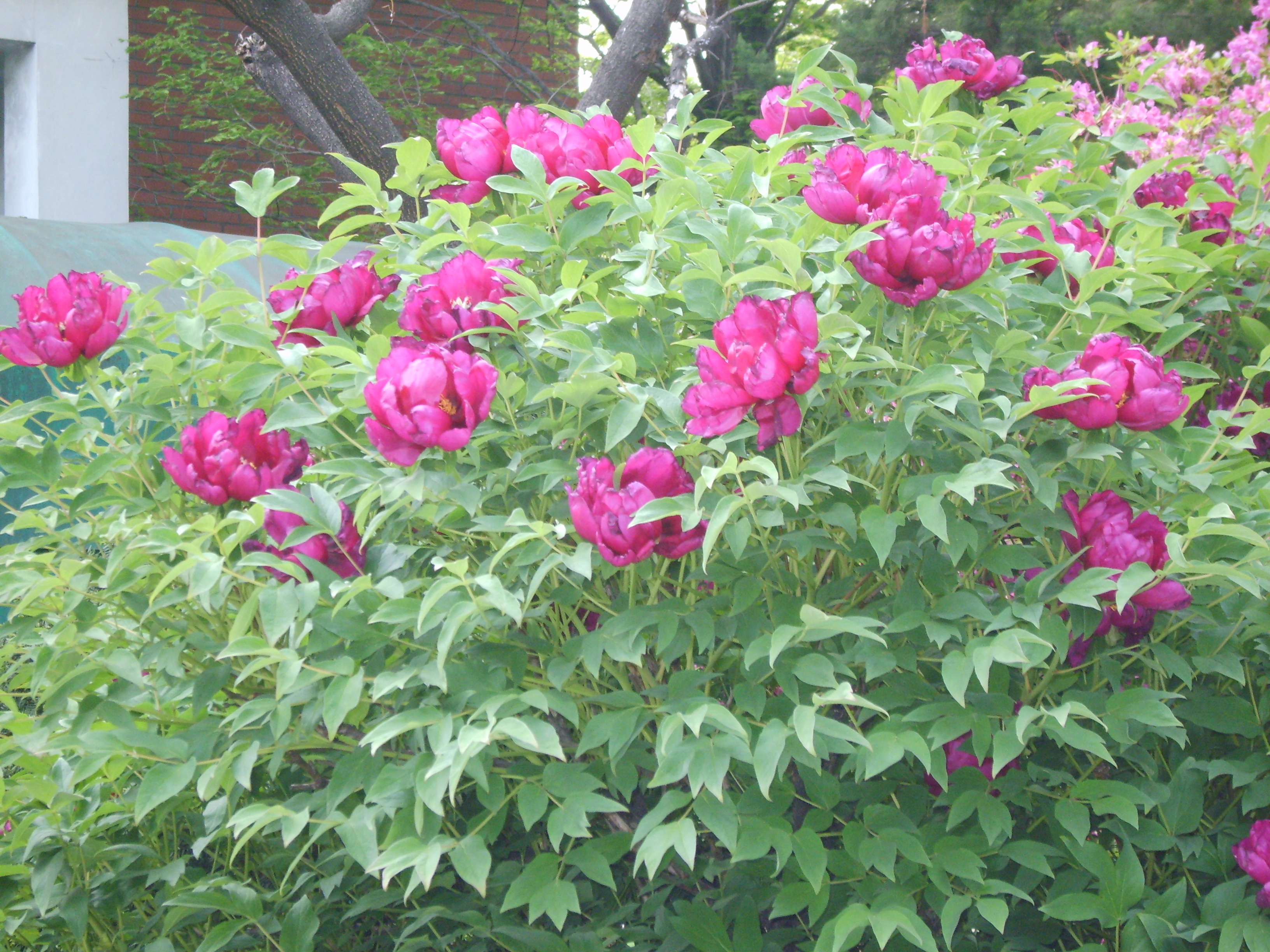
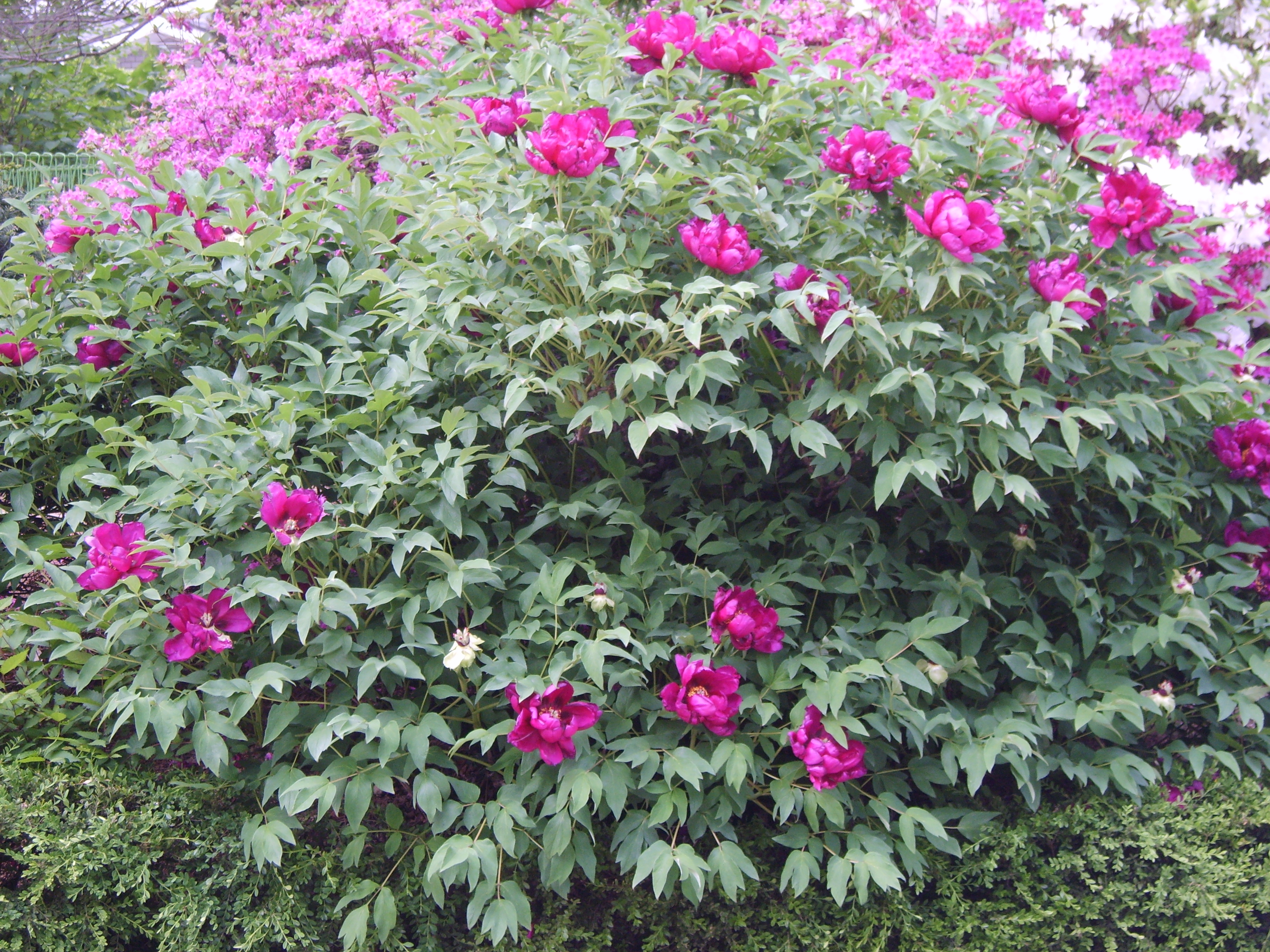
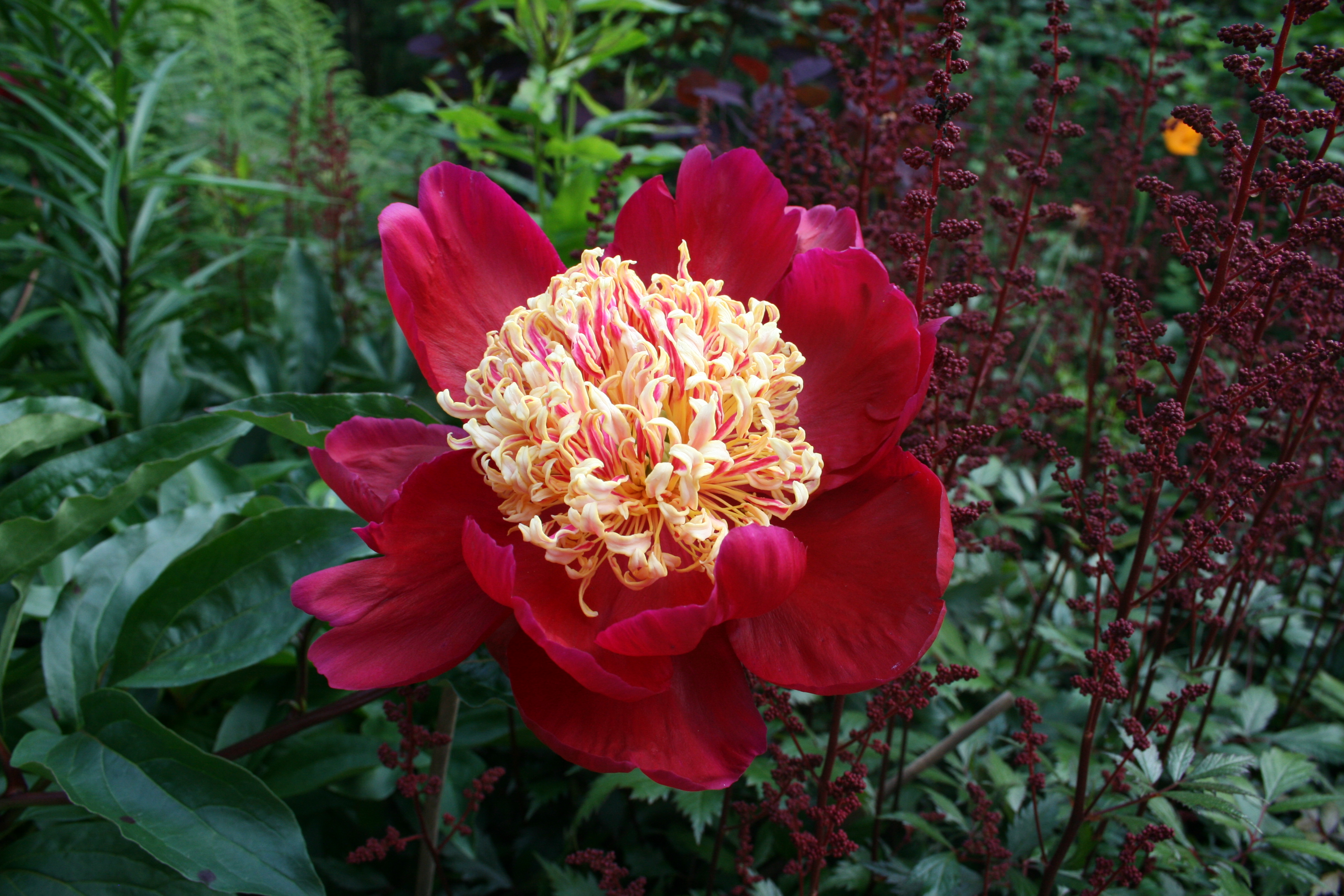
牡丹:Paeonia suffruticosa
Paeonia × suffruticosa is a name used for a group of cultivars of tree peonies that are the result of hybridisation with species exclusively belonging to the subsection Vaginatae. The common name used in China is mǔdān. Plants belonging to this group have been cultivated for millennia(千喜) in China, initially only as a source of traditional Chinese medicine particularly the skin of its roots. Already early on the plant was also cultivated for its ornamental value, and it is highly revered in Chinese culture.
Paeonia suffruticosa
Common Name(s): Tree PeoniaTree Peony
Description
Tree Peony, despite its name, is an erect and coarsely branched flowering deciduous shrub that grows up to 6.5' tall. This plant blooms in mid to late spring and is gigantic. Too much shade or competition from tree roots inhibits flowering. Stems are brittle and need to be staked or protected from the wind. One specimen plant can produce 75-100 blossoms during the 2 month flowering period. This plant is not very hardy in the southernmost part of its hardiness area (zones 4-7). This plant is tolerant of partial shade, alkaline soils, heat, deer, and rabbit browsing. It requires moist, well-drained and fertile soils. It is intolerant of drought and has pest and disease problems. Prune this plant back only to shape; do not cut all the way to the ground like other peonies after flowering.
Insects, Diseases,and Other Plant Problems: Ants commonly seen on peonies are harmless. Can get canker, leaf blight and stem wilt occasionally.
Quick ID Hints:
Deciduous shrub with decompound, lobed leaves
Gigantic, fragrant flowers on slender, brittle stems
Stamen filament is violet-red, and there are many concave petals

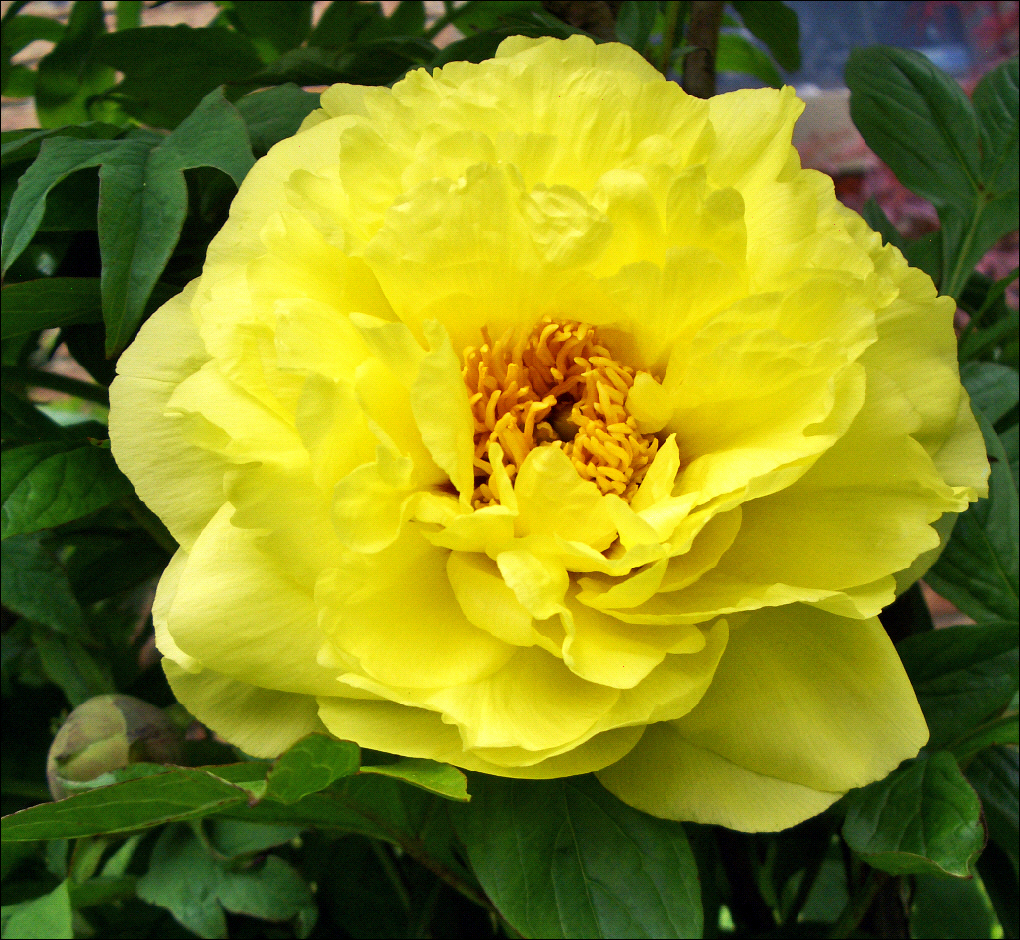
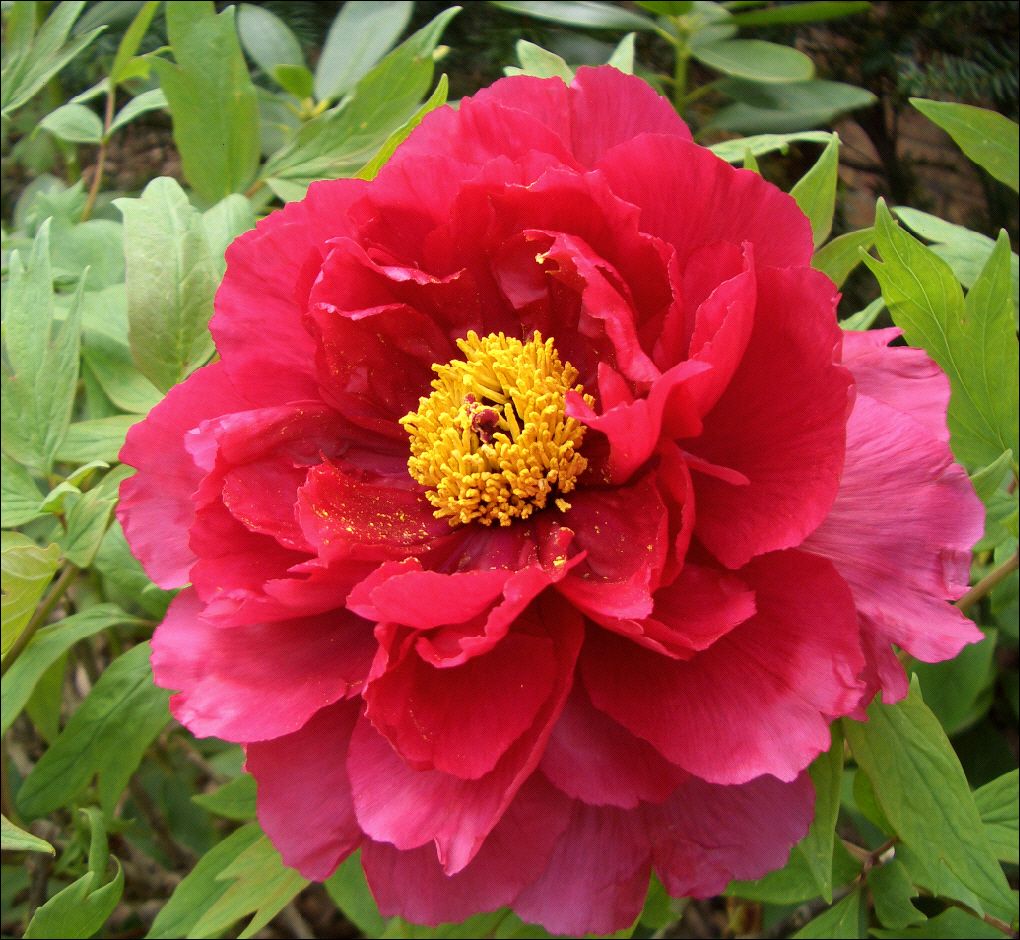

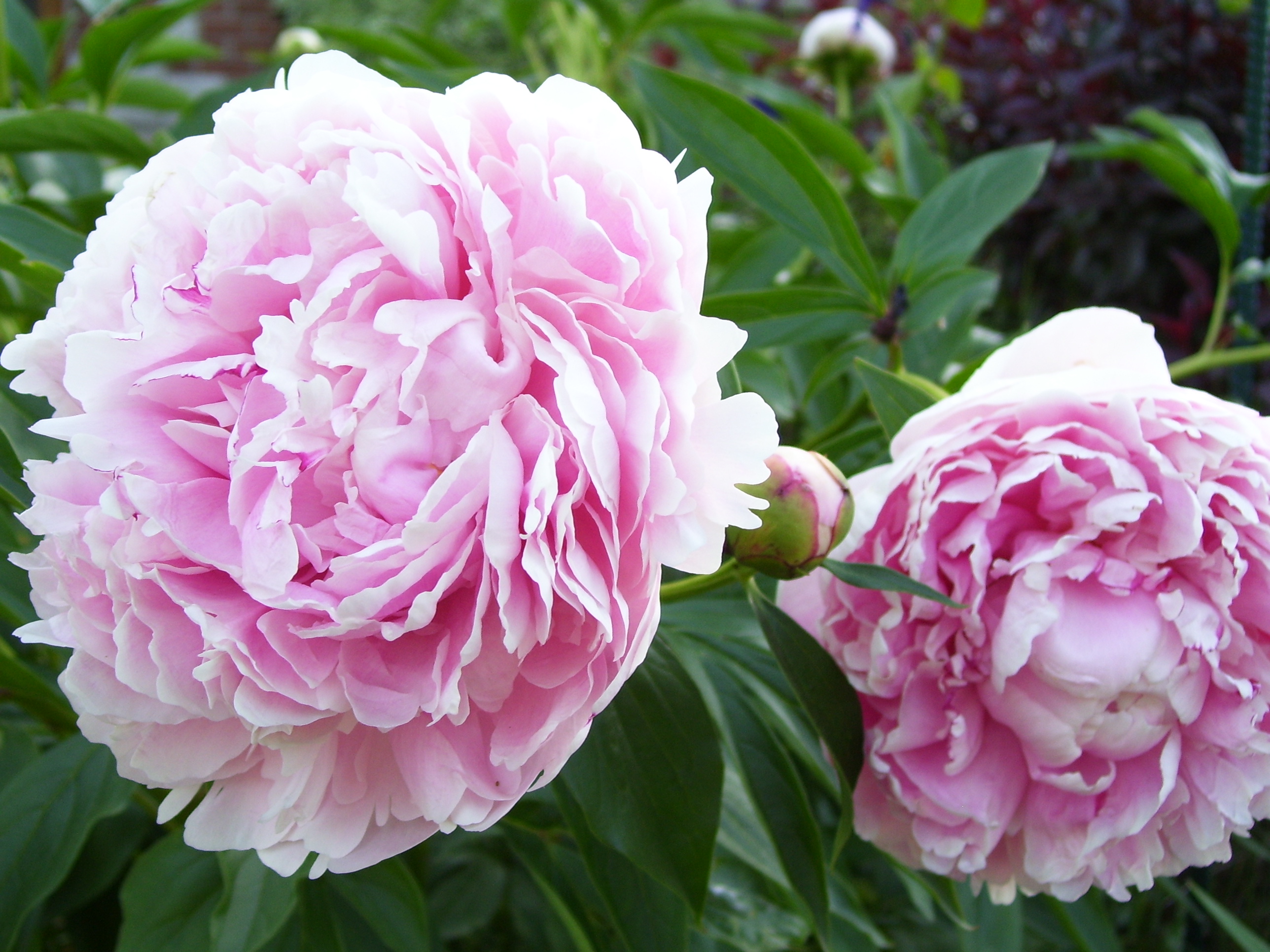
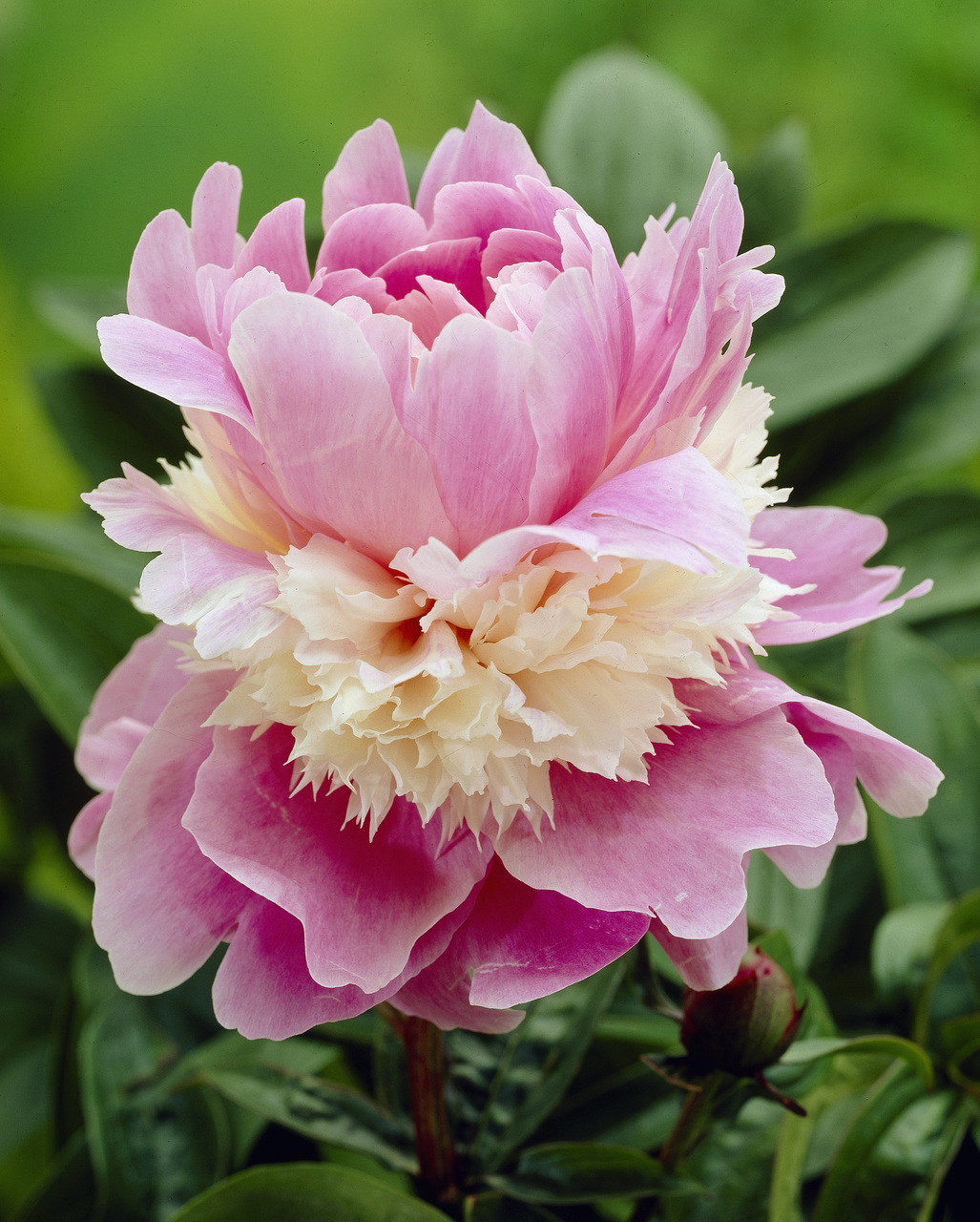
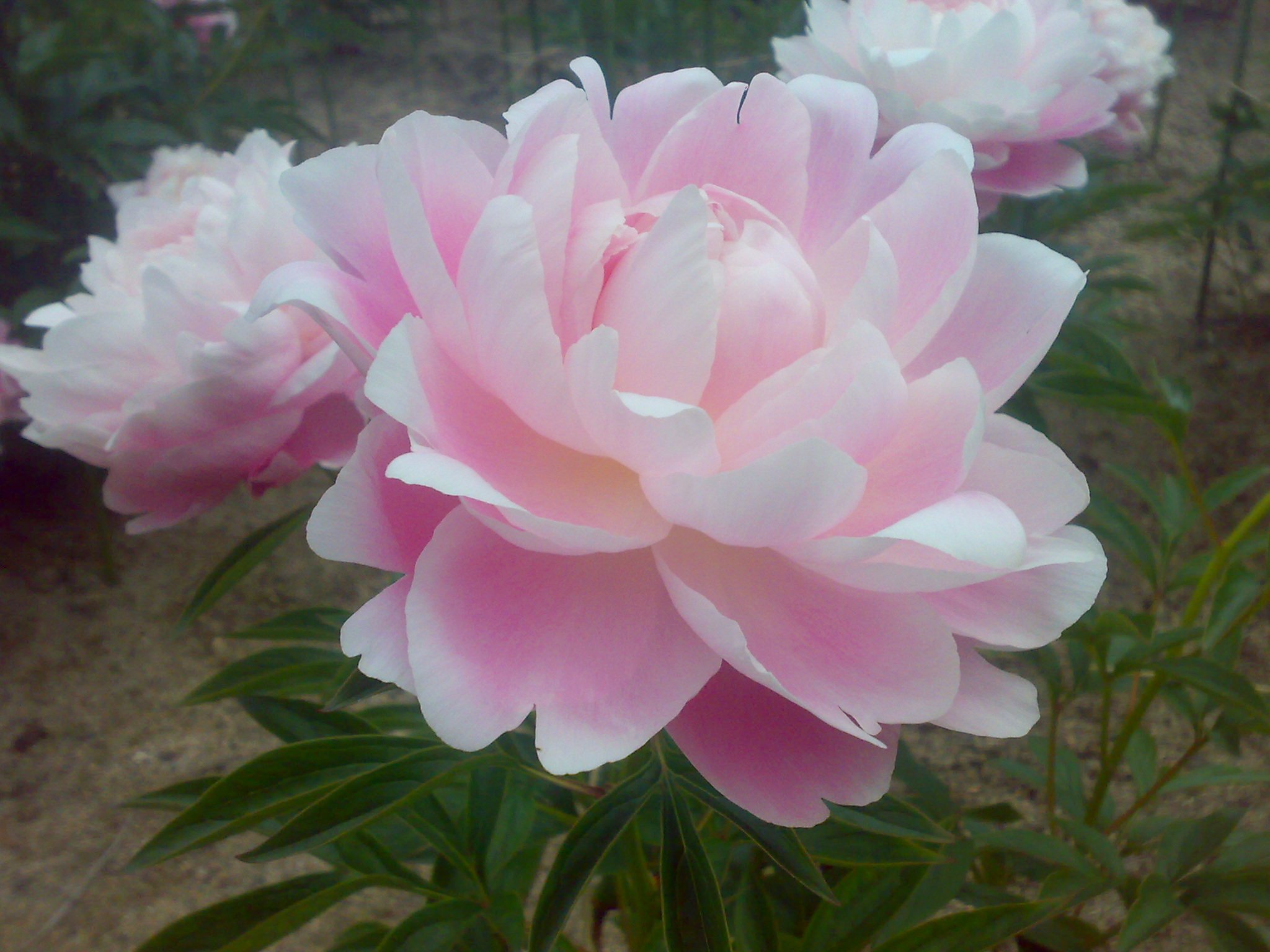
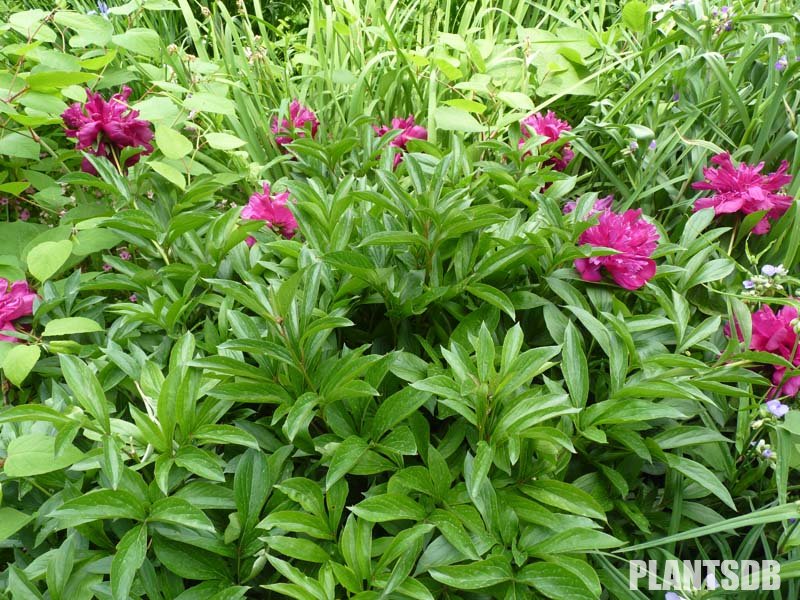
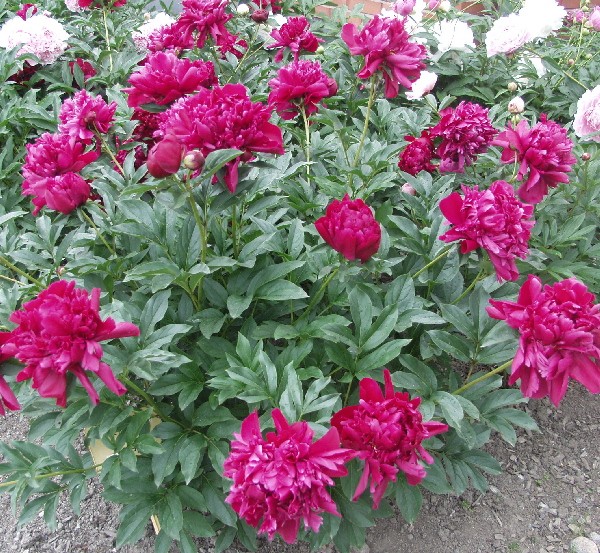
芍药:Paeonia lactiflora
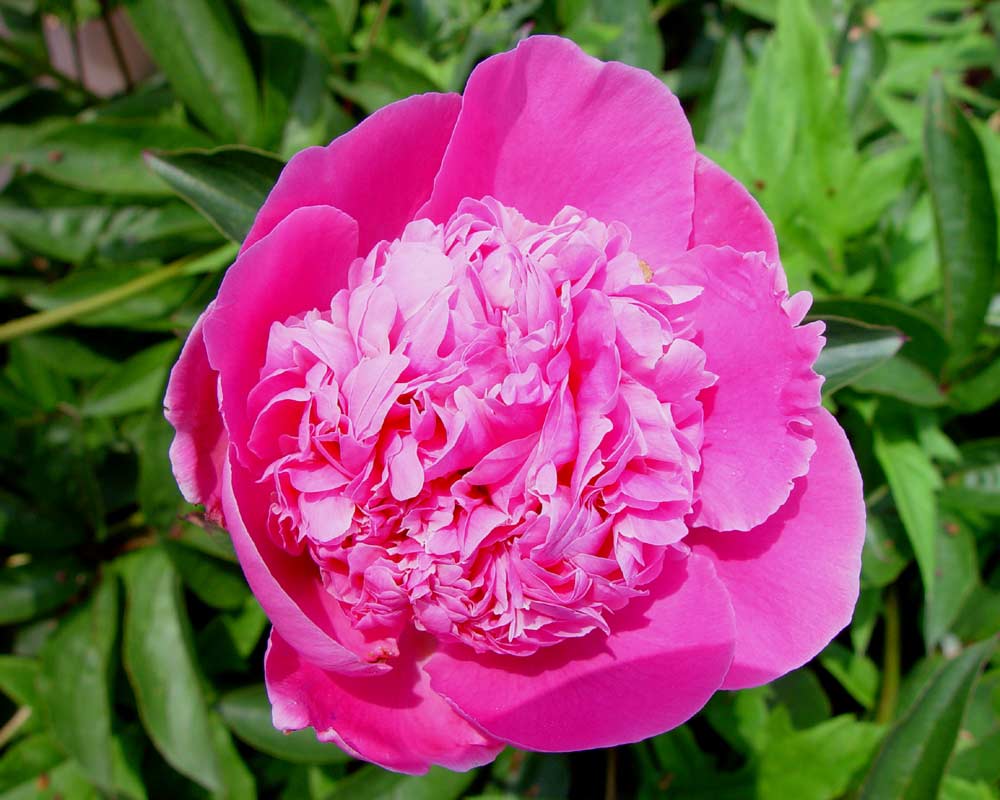
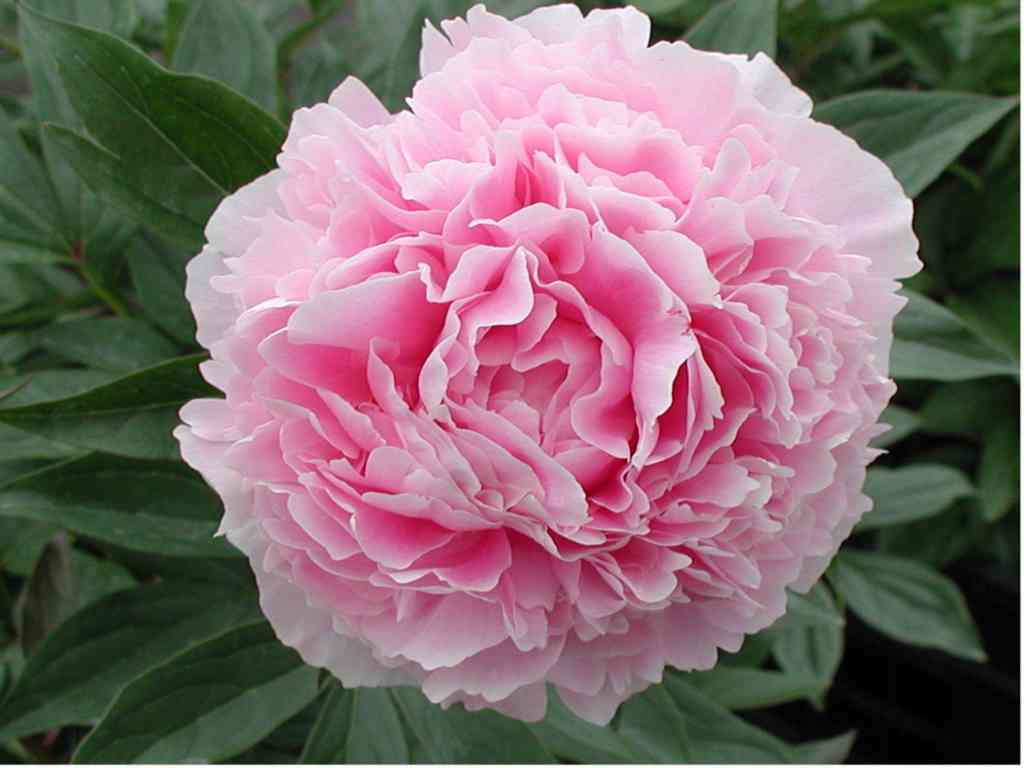
Paeonia lactiflora
Common Name(s): Chinese PeonyGarden Peony
Description
Garden Peony is an herbaceous pernnial flower native to China and Sibera. The spring-blooming flowers are large, showy and fragrant and this plants leaves are attractive even when the flowers are spent. The plants have thickened rhizomes and can be quite long-lived once established. Plant in full sun to partial shade in rich well-draining soil. Plant them in the middle or back of a perennial border, as a specimen, in small groups or part of a cutting garden. It can also be grown along sidewalks, driveways and other hardscape elements or up against fences.
2、乌头属——Aconitum L.
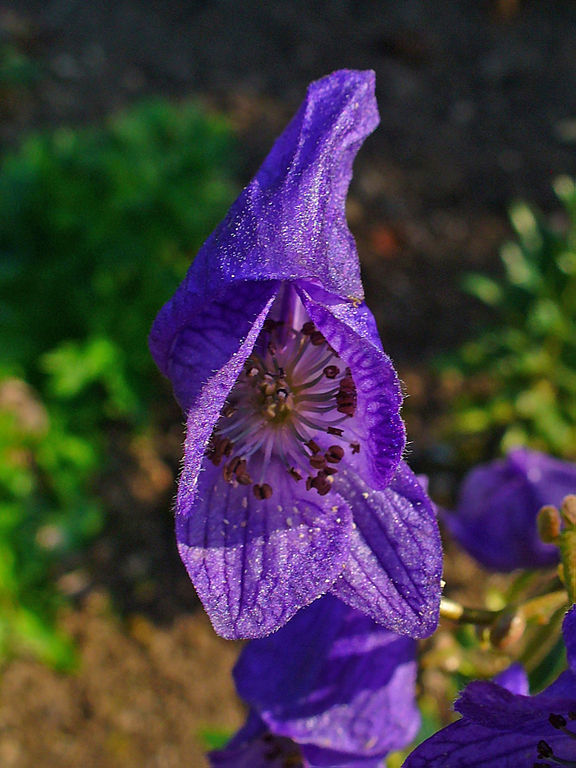
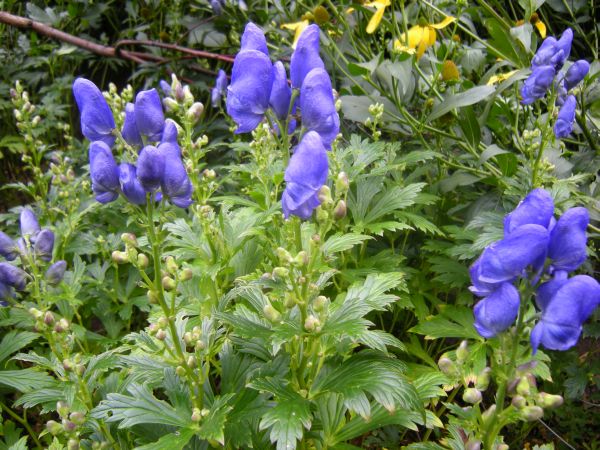
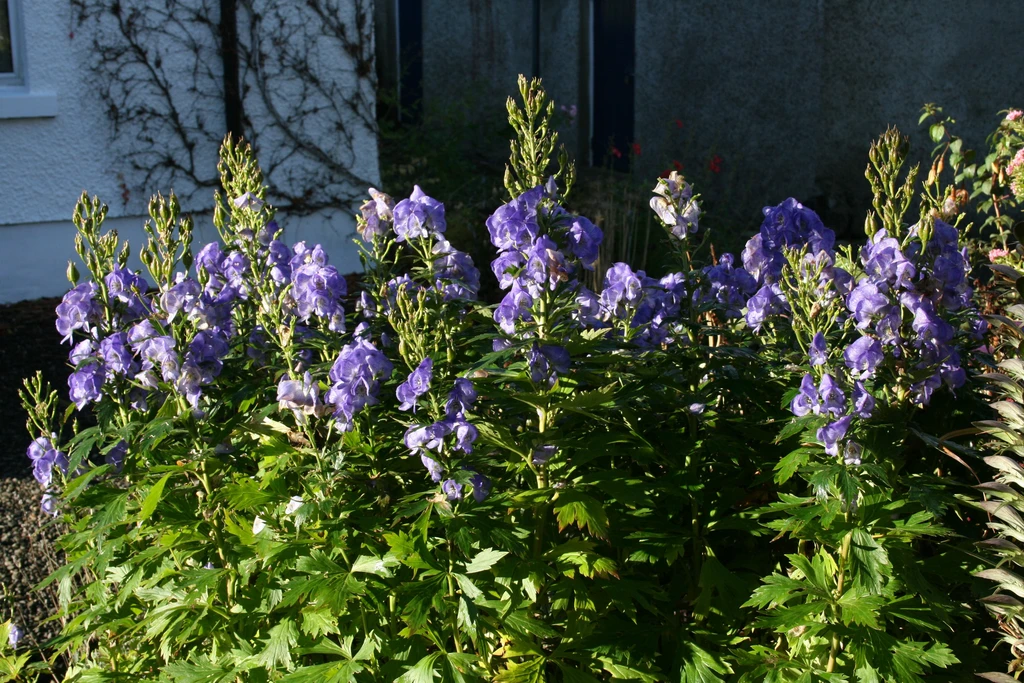
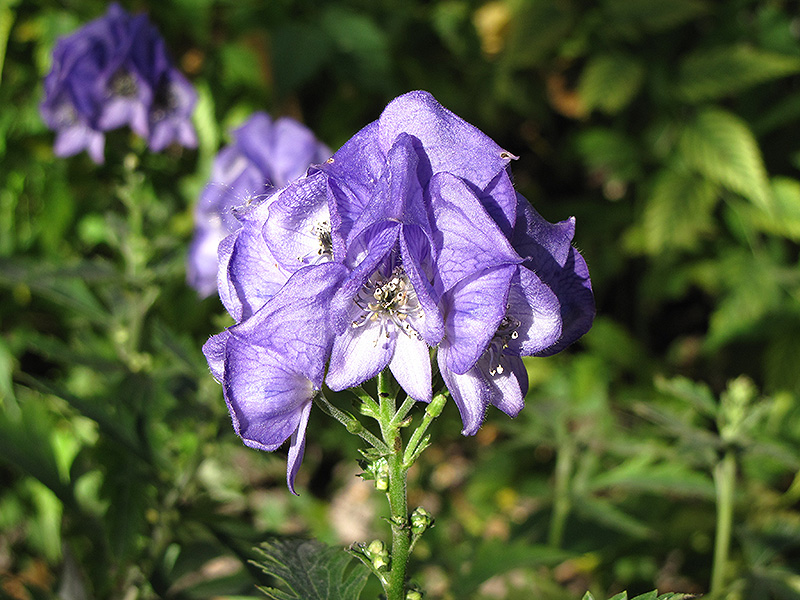
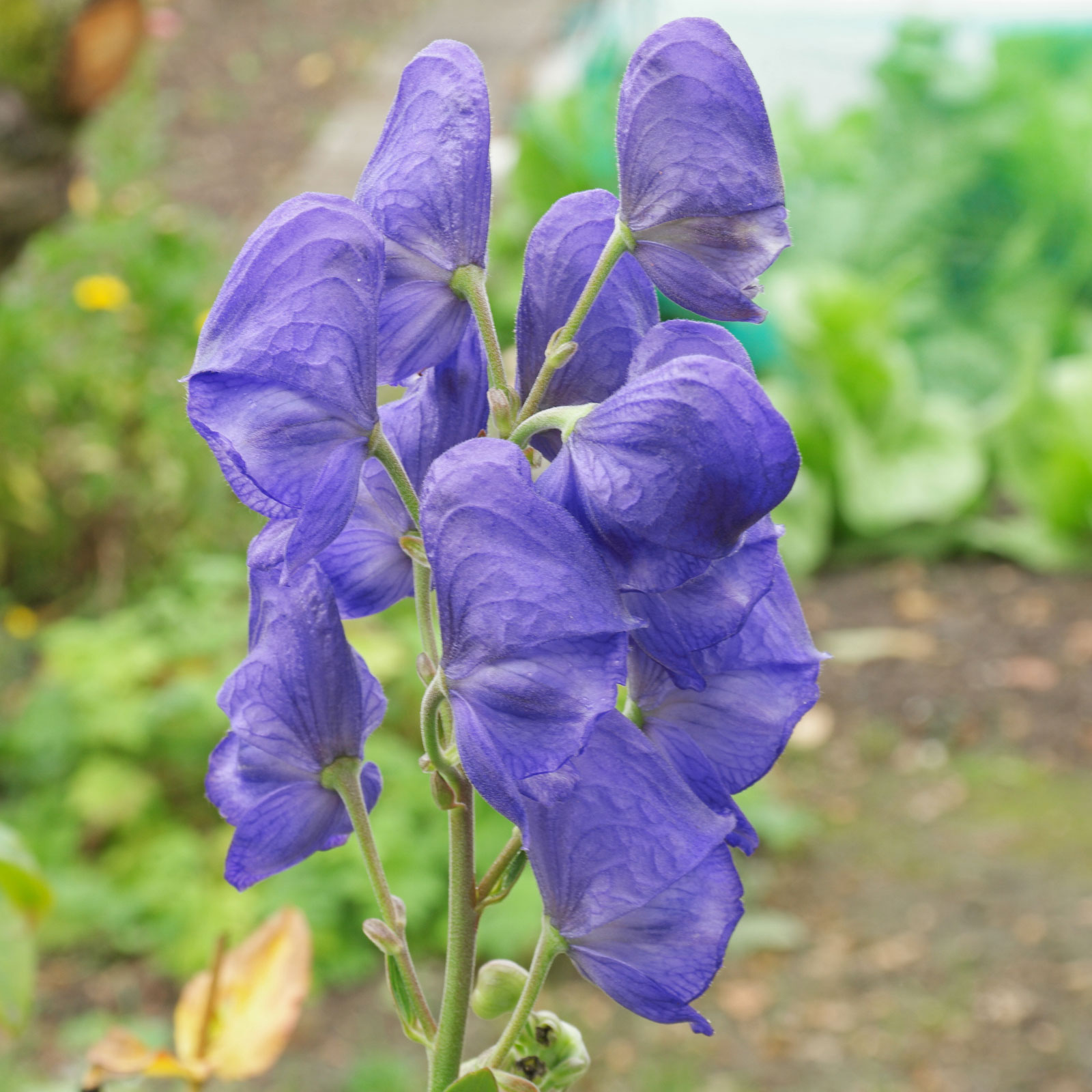
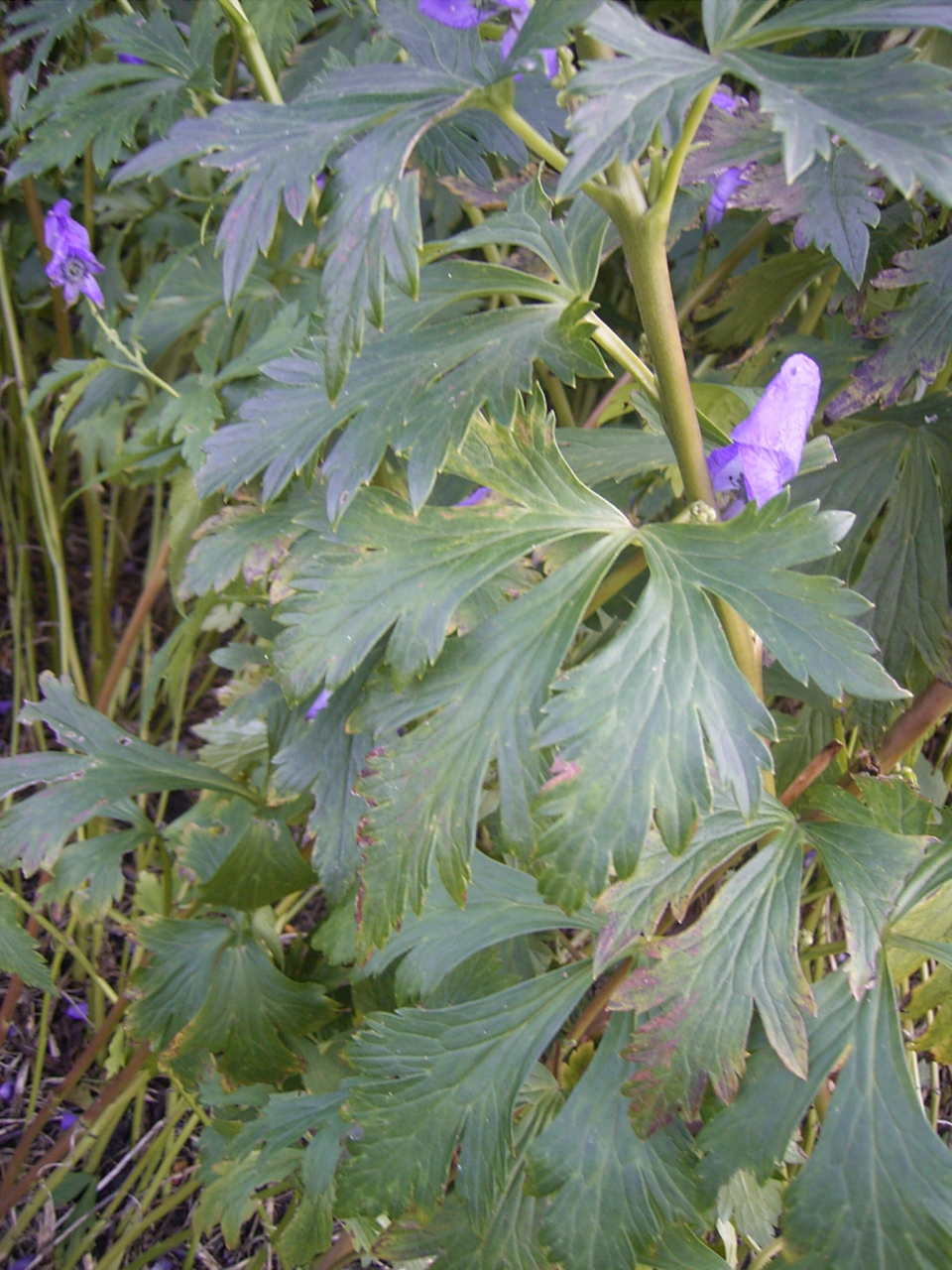
乌头 Aconitum carmichaelii
多年生至一年生草本。根为多年生直根,或由2至数个块根形成,或为一年生直根。茎直立或缠绕。
叶为单叶,互生,有时均基生,掌状分裂,少有不分裂。
花序通常总状;花梗有2小苞片。花两性,两侧对称。萼片5,花瓣状,紫色、蓝色或黄色,上萼片1,船形、盔形或圆筒形,侧萼片2,近圆形,下萼片2,较小,近长圆形。花瓣2枚,有爪,瓣片通常有唇和距,通常在距的顶部、偶而沿瓣片外缘生分泌组织。退化雄蕊通常不存在。雄蕊多数,花药椭圆球形,花丝有1纵脉,下部有翅。心皮3-5(-6-13),花柱短,胚珠多数成二列生于子房室的腹缝线上。
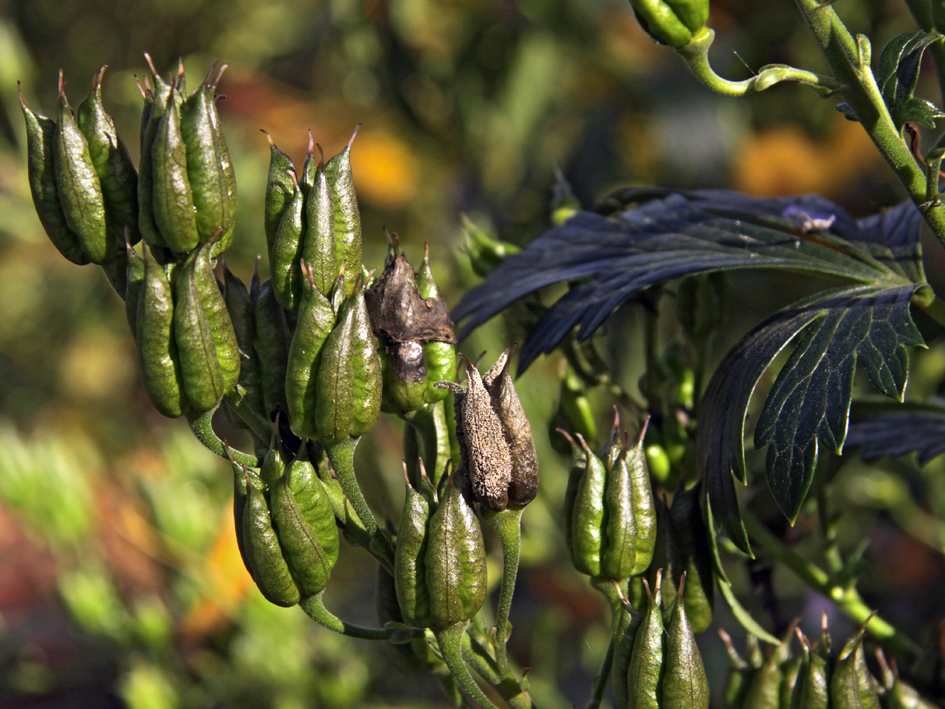
蓇葖有脉网,宿存花柱短,种子四面体形,只沿稜生翅或同时在表面生横膜翅。
约有350种,分布于北半球温带,主要分布于亚洲,其次在欧洲和北美洲。我国约有167种,除海南岛外,在我国台湾和大陆各省区都有分布,大多数分布于云南北部、四川西部和西藏东部的高山地带,其次在东北诸省也有不少种类。
乌头属植物含乌头碱等生物碱,多数种类的块根有剧毒,民间常用来制造箭毒以猎射野兽。在我国本属的种类中约有36种可供药用,中药中的草乌、关白附等都是本属植物,块根有镇痉、镇痛、祛风湿和解热等作用。从紫乌头 A. episcopale 块根中提取的紫草乌碱已证明有良好的局部麻醉作用,此外,乌头经炮制后的块根(附子),毒性减低,可作强心剂;因为本属植物多有剧毒,所以在服用时,块根均须加炮制。本属植物的块根也可作土农药,防治病虫害,消灭蚊蝇幼虫等。本属植物的花多美丽,可供观赏。
Aconitum carmichaelii is a species of flowering plant of the genus Aconitum, family Ranunculaceae. It is native to East Asia and eastern Russia. It is commonly known as Chinese aconite(乌头), Carmichael's monkshood or Chinese wolfsbane(付子). In Mandarin Chinese, it is known as fùzǐ and as wūtóu and in Japanese as torikabuto(狼毒).
This species is closely related to Aconitum fischeri (薄叶乌头)and considered to be part of that species by some botanists.
The genus Aconitum worldwide is notorious(臭名昭著) for complex patterns of morphologic intergradation that blur(模糊) the lines between taxa. Aconites from different regions may be morphologically distinct but connected by a series of intermediate races. There have been huge differences of opinion between botanists as to how to define a species in this genus, with the Flora of N. America recognizing around 100 species worlwide, whilst the Flora of China recognizes 211 species in China alone and around 400 species worldwide. We are following the proposed treatment in the 'World Checklist of Selected Plant Families', which is still under review, but currently (2016) recognizes about 320 distinct species (391 including hybrids and infraspecific同物种的 forms) and over 1,000 synonyms.
+ Synonym
Common Name: Japanese Aconite
Aconitum carmichaelii
General Information
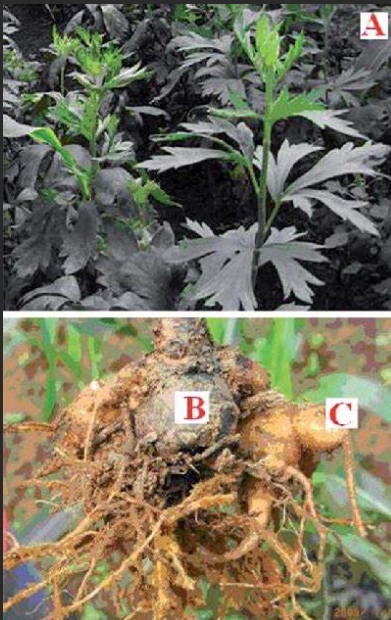
Aconitum carmichaelii is a herbaceous perennial plant with an erect, branched stem that usually grows from 60 - 150cm tall, occasionally to 200cm. The plant spreads by forming new tubers块茎 each year and can eventually form quite large clumps.
The plant is harvested from the wild, and also cultivated for its roots, which are used medicinally. A very ornamental plant, there are some named forms grown in gardens.
Known Hazards
The whole plant is highly toxic - simple skin contact has caused numbness in some people.
The aconites have been of interest since ancient times because they contain diterpene alkaloids(二萜类生物碱) that range from relatively nontoxic to deadly poisonous. In various parts of the world they have been used medicinally and as a source of poisons throughout history. The use of Aconitum alkaloids(生物碱) in modern Western medicine was largely discontinued by the late 1930's and early 1940's, though the roots are still widely used in traditional medicine, especially in Asia.

黄连属——Coptis Salisb.
Salisb. Traps. Linn. Soc. 8: 305. 1807.
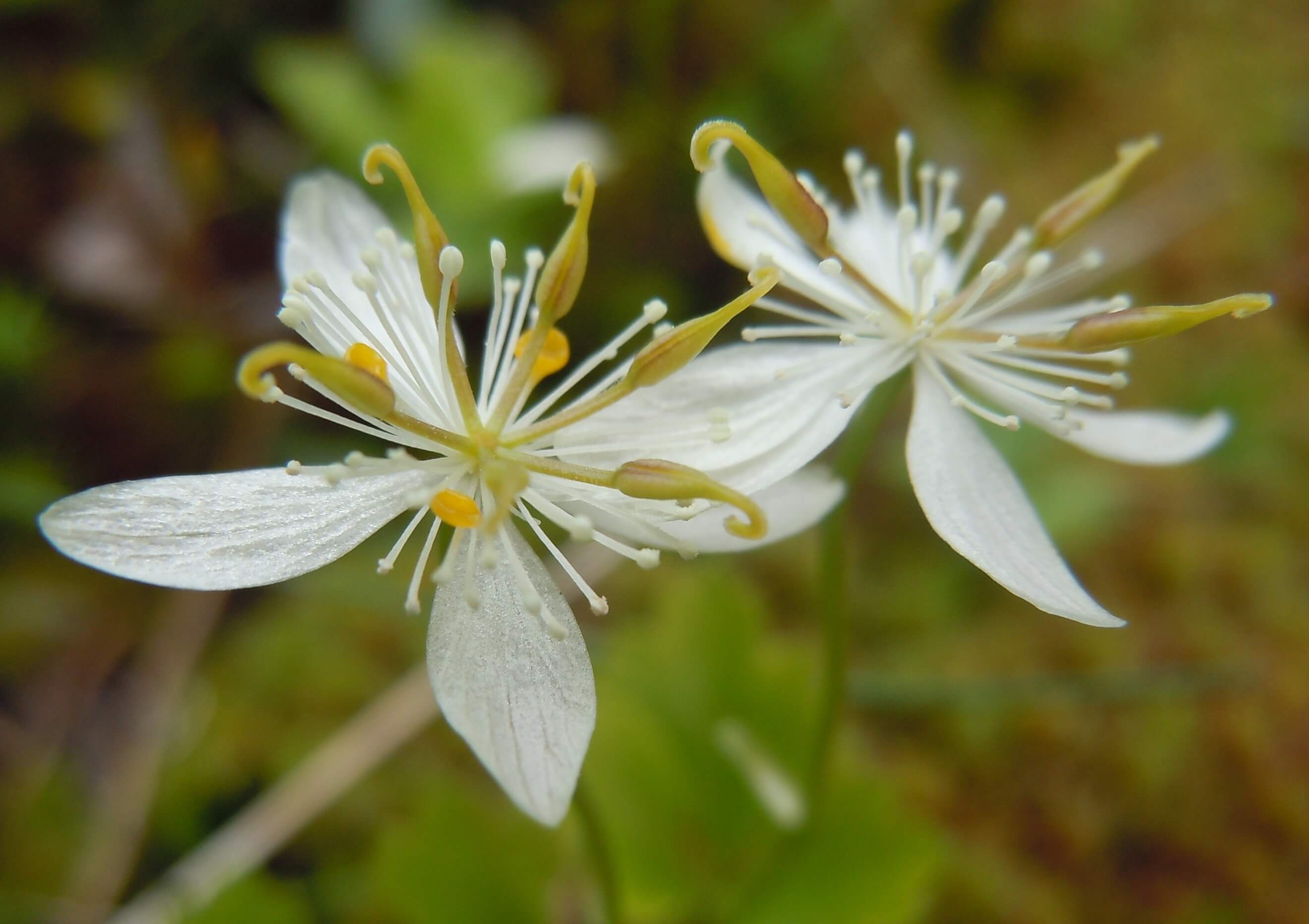
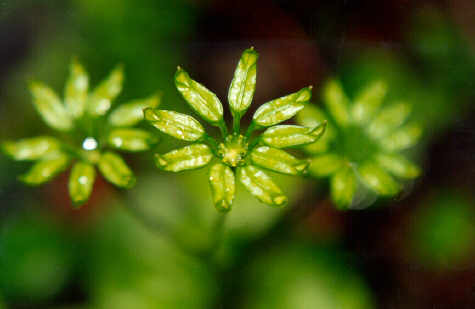
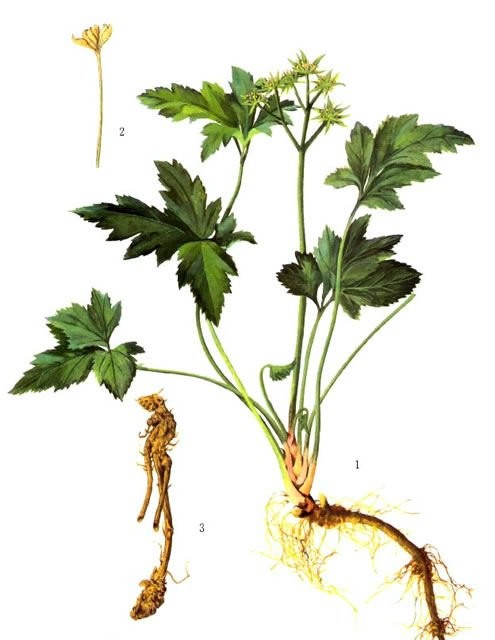
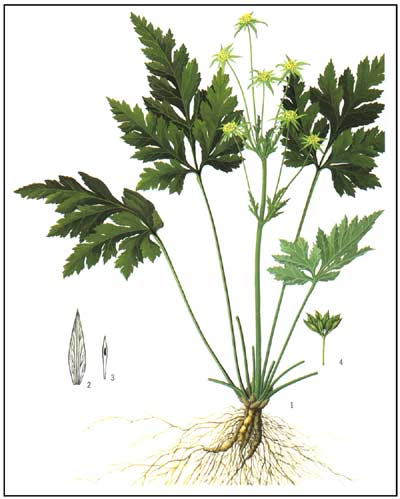
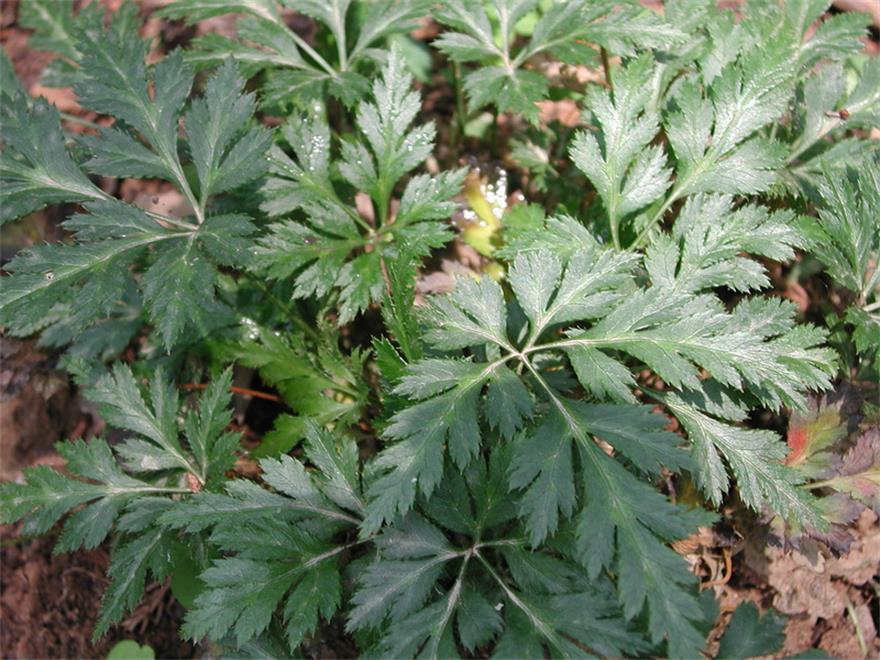
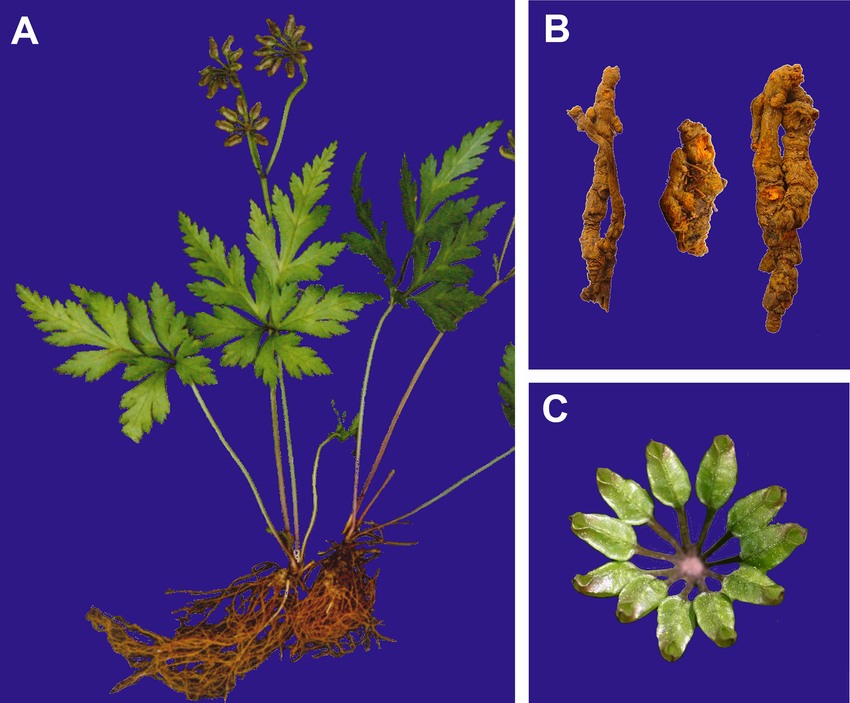
多年生草本。根状茎黄色,生多数须根。叶全部基生,有长柄,三或五全裂(全裂片不裂或再作羽状深裂),有时为一至三回三出复叶。花葶1-2条,直立;花序为单歧、二歧或多歧聚伞花序,或只含单花;苞片披针形,通常羽状分裂。花小,辐射对称。萼片5,黄绿色或白色,花瓣状,椭圆形。花瓣比萼片短,倒披针形或匙形,基部有时下延成爪,中央具或不具蜜槽。雄蕊多数,花药宽椭圆形,黄色,花丝丝形。心皮5-14,基部有明显的柄,花柱微弯。蓇葖具柄,柄被有短毛,在花托顶端作伞形状排列;种子少数,长椭圆球形,褐色,有光泽,具不明显的条纹。
约16种,分布于北温带,多数分布于亚洲东部。我国有6种,分布于西南、中南、华东和台湾。
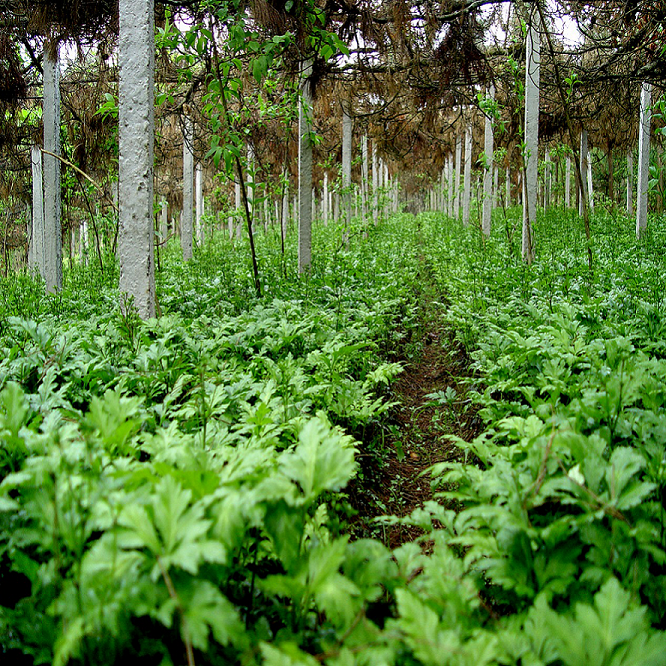
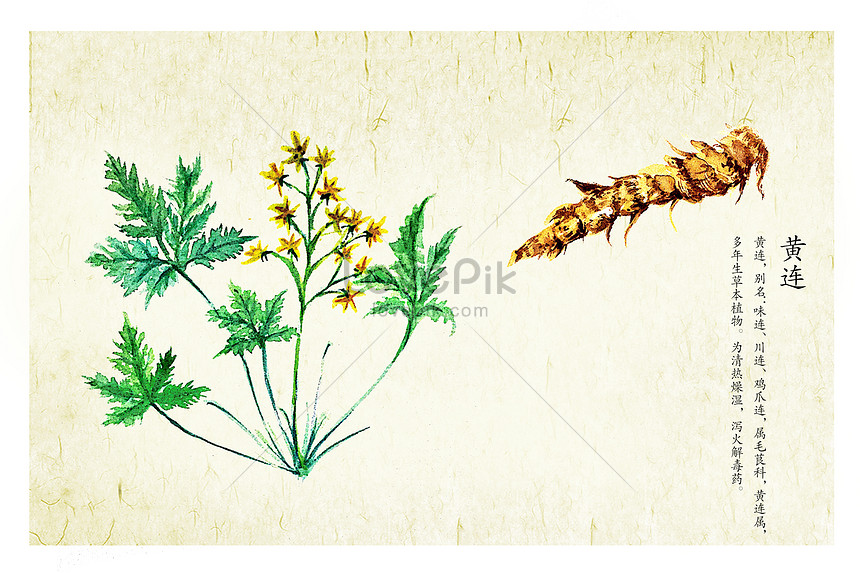
本属植物的地下部分含小檗碱,供药用,其中黄连是我国著名的中药之一。
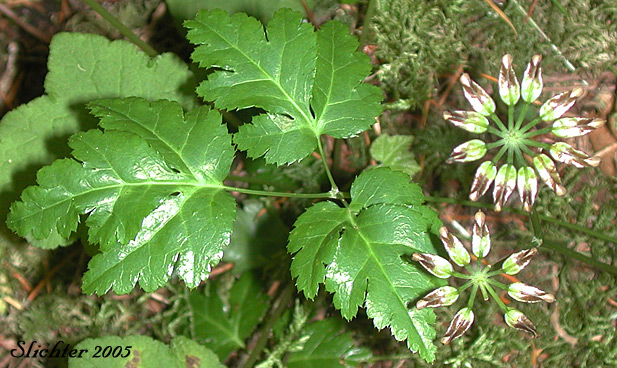
黄连(Coptis Chinensis)
俗名:鸡爪连、川连、味连
茎: 根状茎即黄连;
叶: 叶具长柄,叶薄革质,卵状五角形,基部心形,3全裂,全裂片具柄,中裂片菱状卵形,羽状深裂,小齿具细刺尖,侧裂片斜卵形,不等2深裂;
花: 花葶高达25厘米;花序具3-8花;苞片窄长,羽状分裂;萼片黄绿色,披针形,长0.9-1.2厘米:花瓣线状披针形,长5-6.5毫米;雄蕊长3-6毫米;心皮8-12;
果: 朞荚长6-8毫米,心皮柄与朞萸近等长;种子长2毫米;
Coptis chinensis, the Chinese goldthread, is a species of goldthread flowering plant native to China.
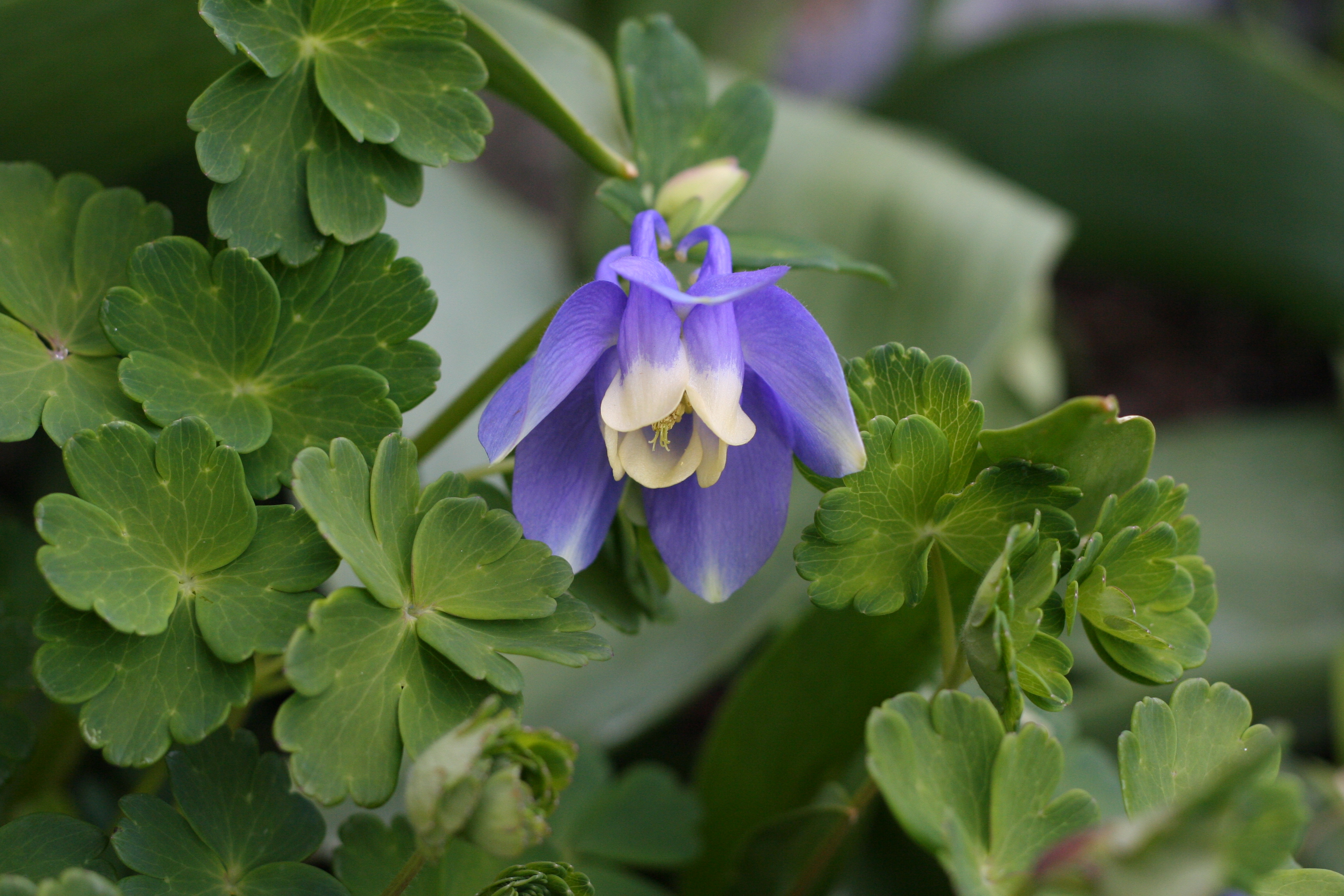
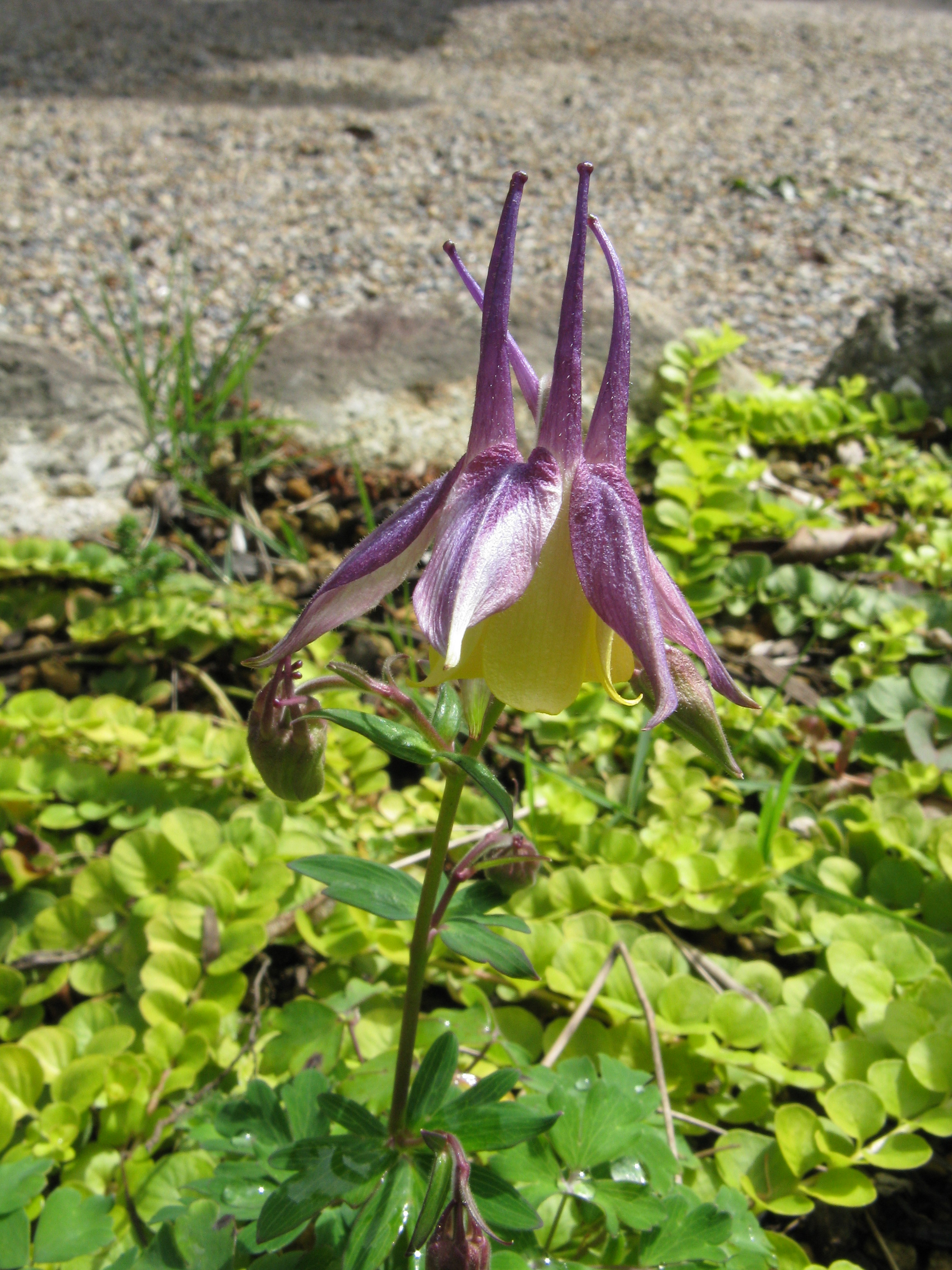
耧斗菜属——Aquilegia L.
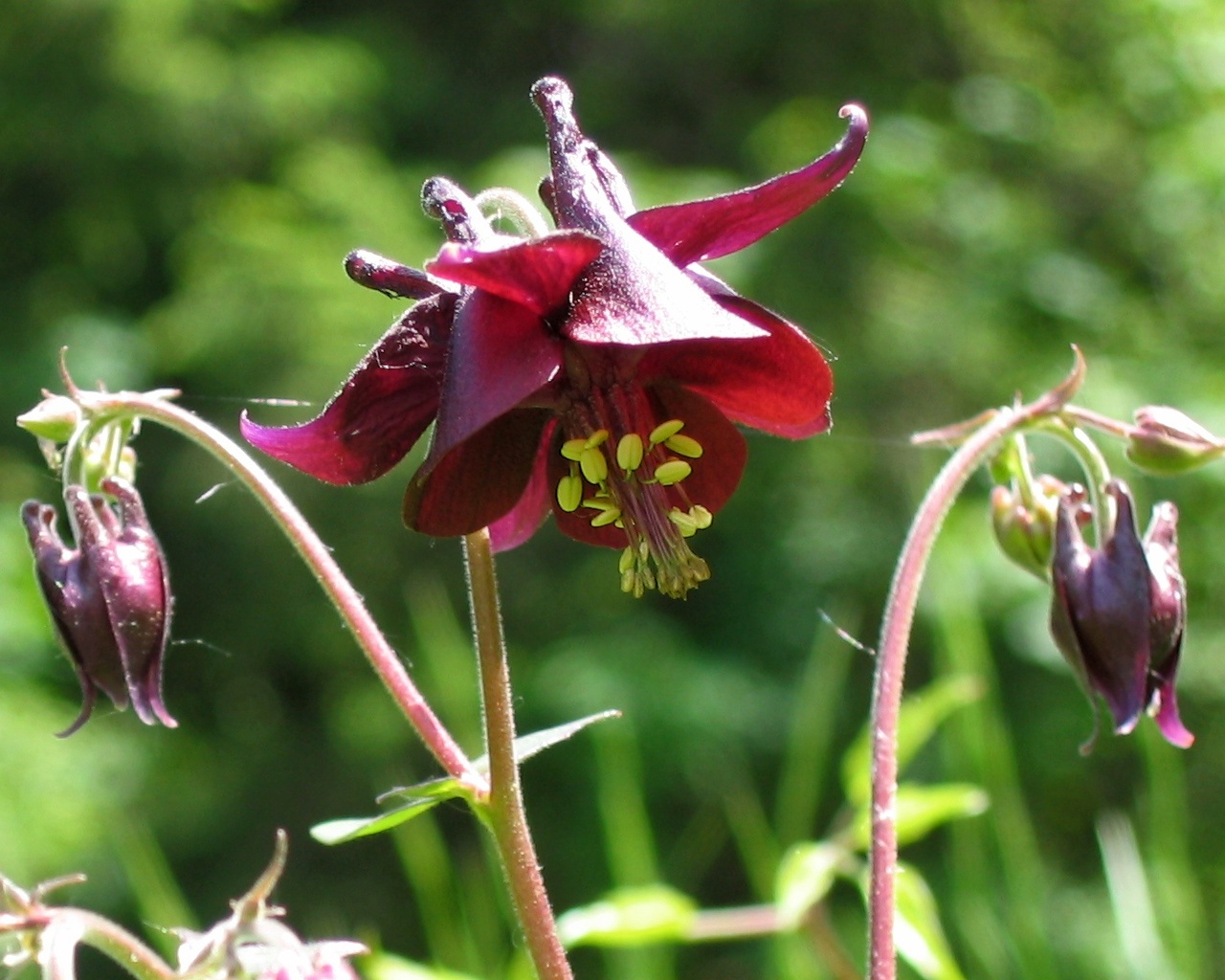
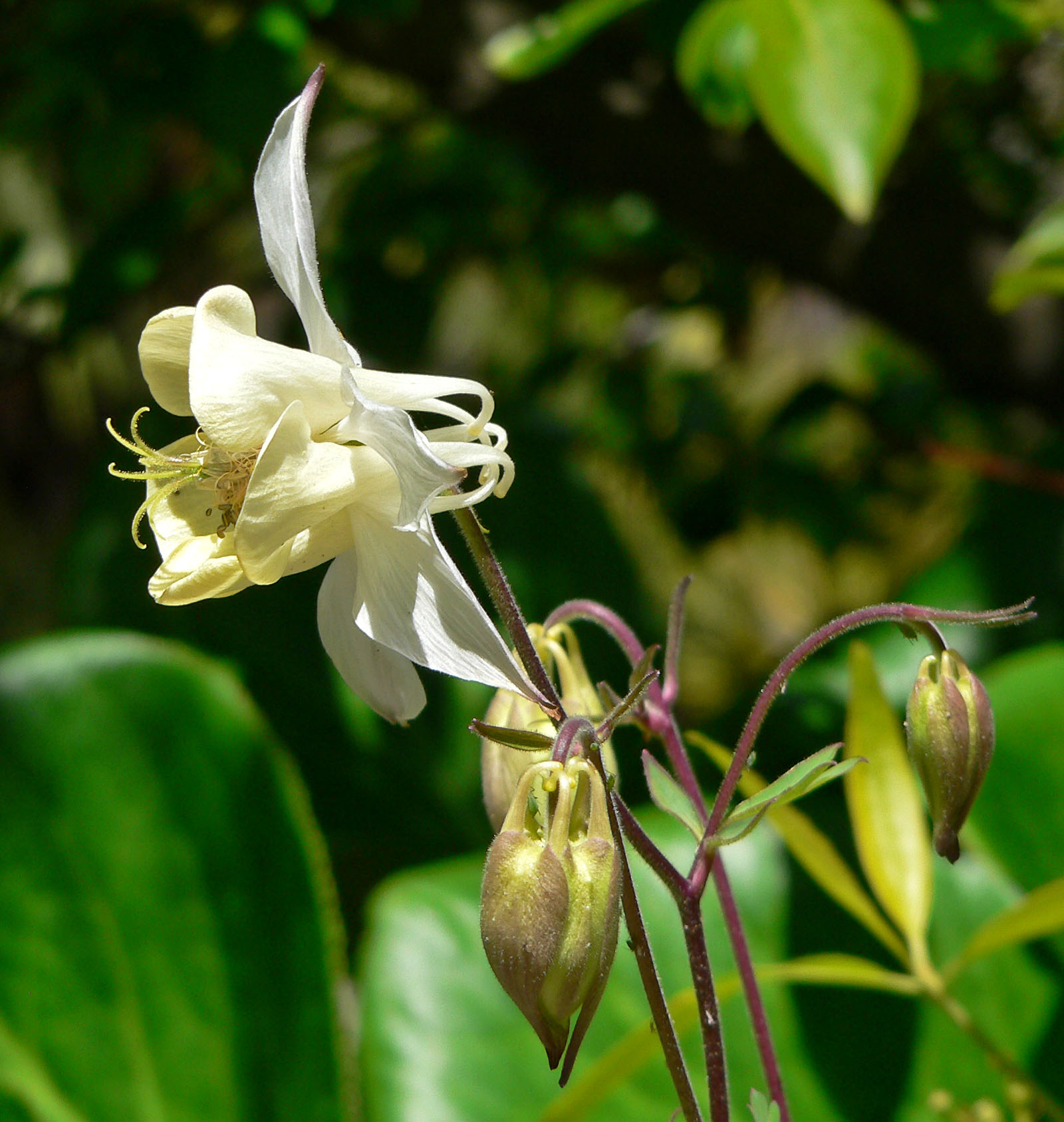
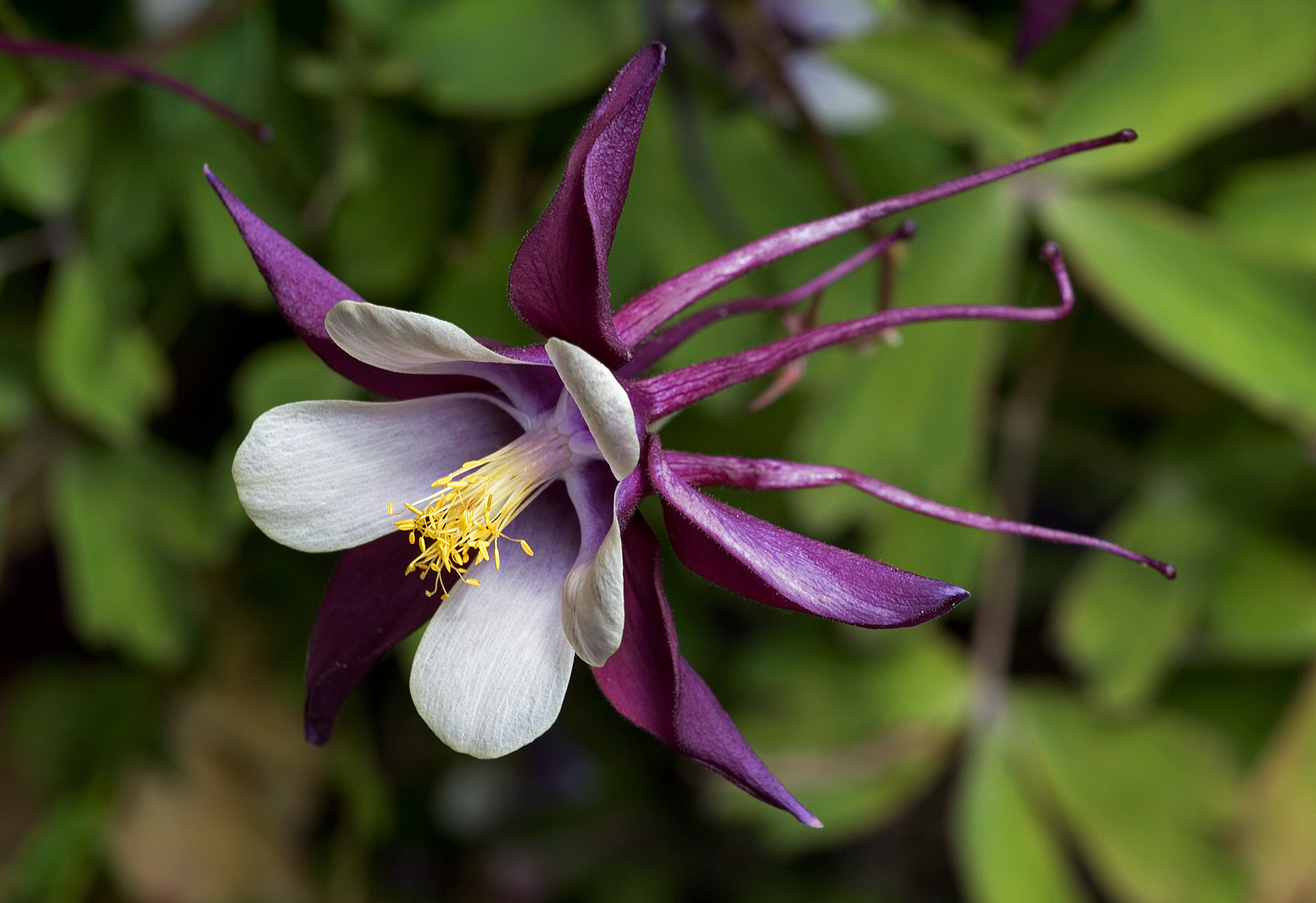
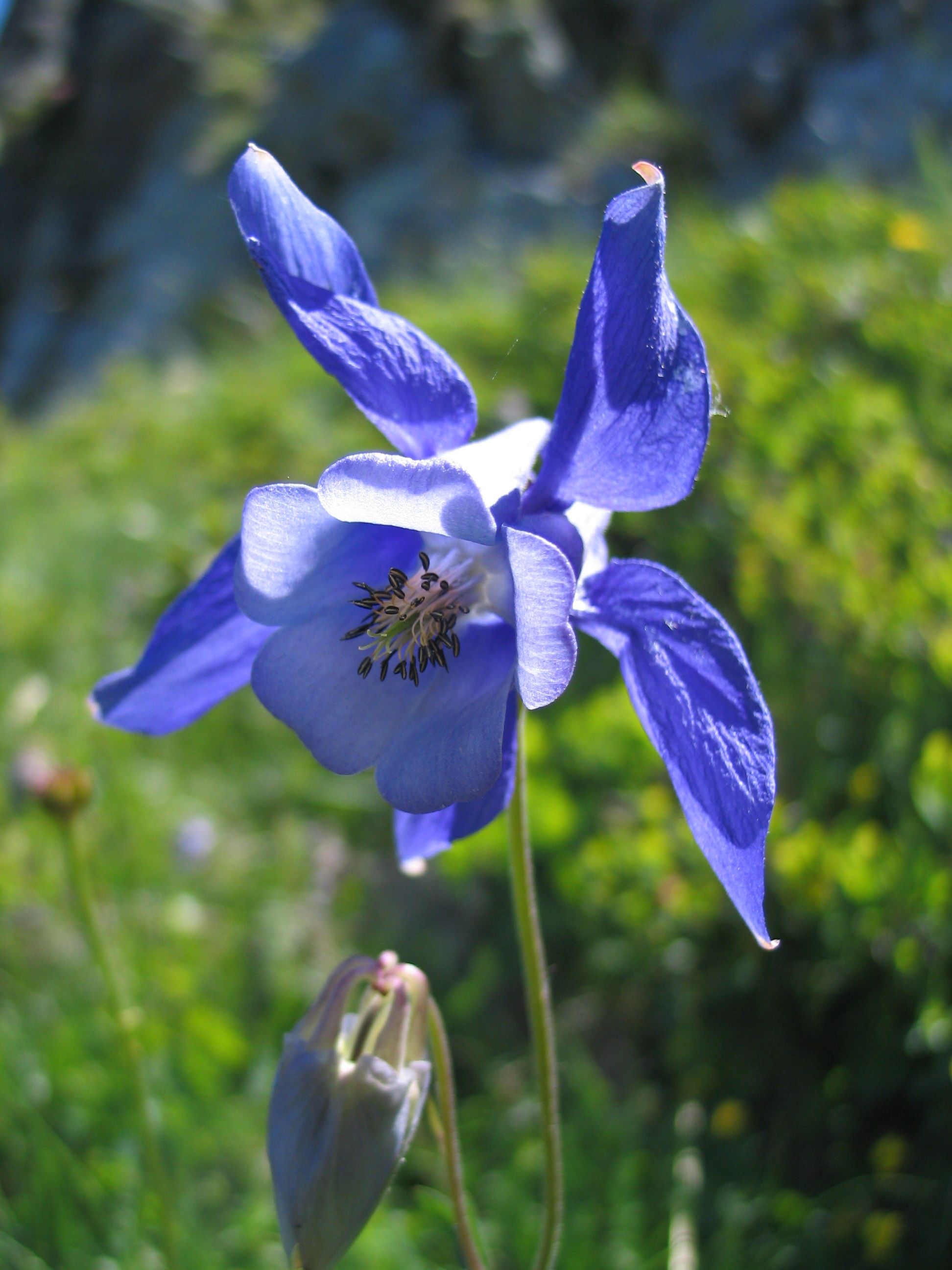
多年生草本。从茎基生出多数直立的茎。基生叶为二至三回三出复叶,有长柄,叶柄基部具鞘;小叶倒卵形或近圆形,中央小叶三裂,侧面小叶常二裂;茎生叶通常存在,比基生叶小,有短柄或近无柄。花序为单歧或二歧聚伞花序。花辐射对称,中等大或较大,美丽。萼片5,花瓣状,紫色、堇色、黄绿色或白色。花瓣5,与萼片同色或异色,瓣片宽倒卵形、长方形或近方形,罕近缺如,下部常向下延长成距,距直或末端弯曲呈钩状,稀呈囊状或近不存在。雄蕊多数,花药椭圆形,黄色或近黑色,花丝狭线形,上部丝形,中央有1脉。退化雄蕊少数,线形至披针形,白膜质,位于雄蕊内侧。心皮5(-10),花柱长约为子房之半;胚珠多数。蓇葖多少直立,顶端有细喙,表面有明显的网脉;种子多数,通常黑色,光滑,狭倒卵形,有光泽。
约70种,分布于北温带。我国有13种,分布于西南、西北、华北及东北。
秦岭耧斗菜A. incurvata、小花耧斗菜 A. parviflora等少数种类可供药用。华北耧斗菜 A. yabeana 的根含糖类,可制饴糖。本属植物的花美丽,可供观赏。
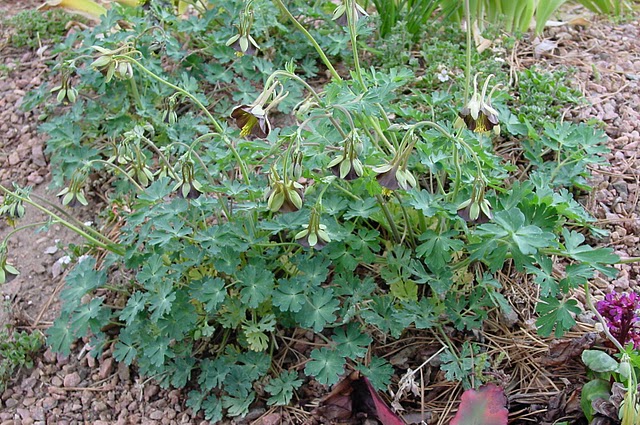
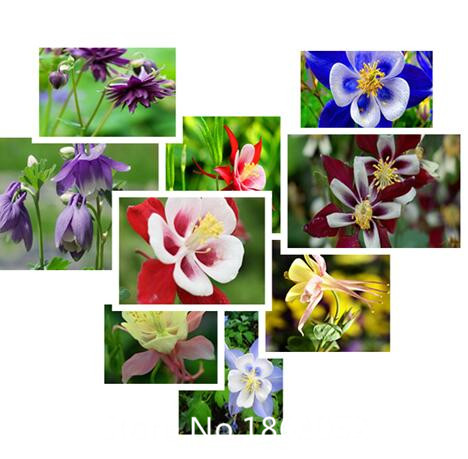
Aquilegia is a genus of about 60–70 species of perennial plants that are found in meadows, woodlands, and at higher altitudes throughout the Northern Hemisphere, known for the spurred petals of their flowers.
耧斗菜(救荒本草)
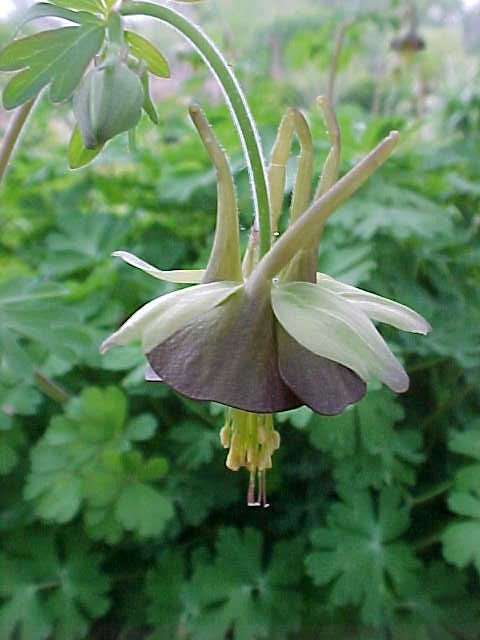
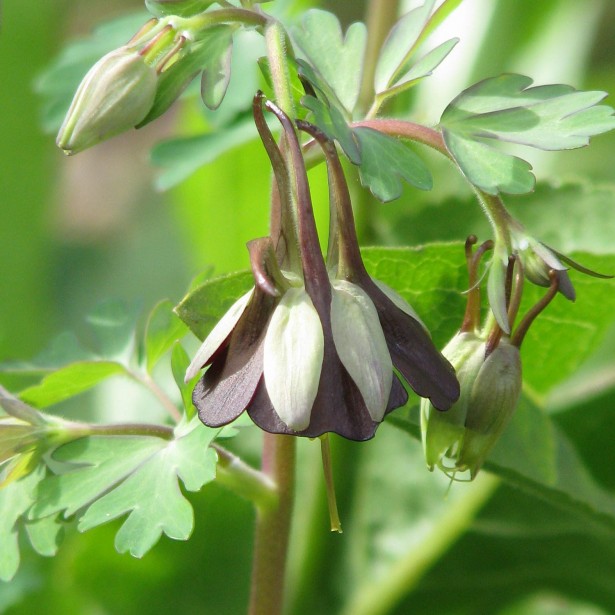
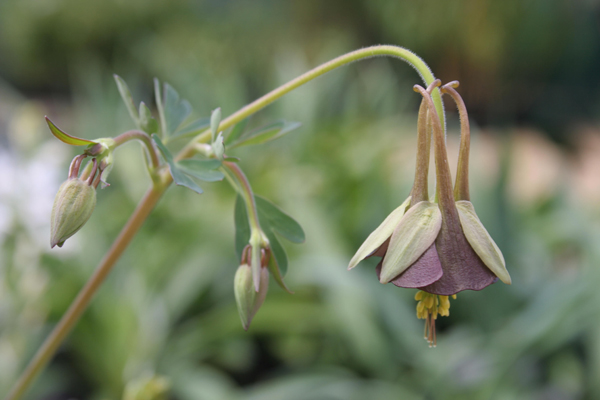
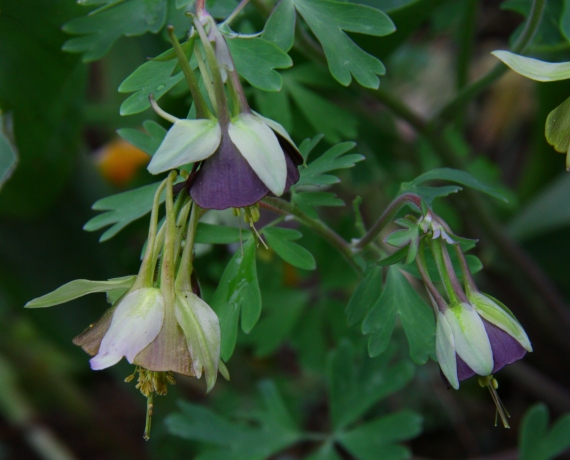
Aquilegia viridiflora Pall.
形态特征:
茎: 茎高达50厘米,被柔毛或腺毛;
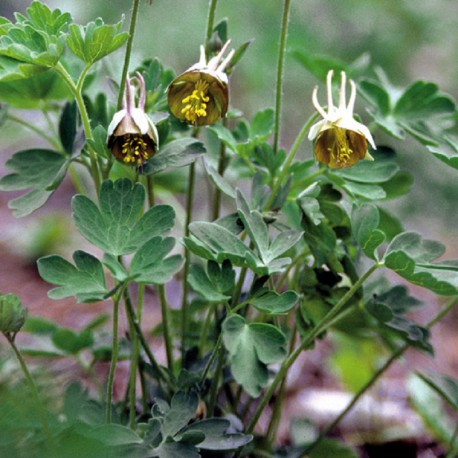
叶: 基生叶具长柄,二回三出复叶;小叶楔状倒卵形,长1.5-3厘米,宽长近相等或更宽,3裂,疏生圆齿,上面无毛,下面被短柔毛或近无毛;茎生叶较小;
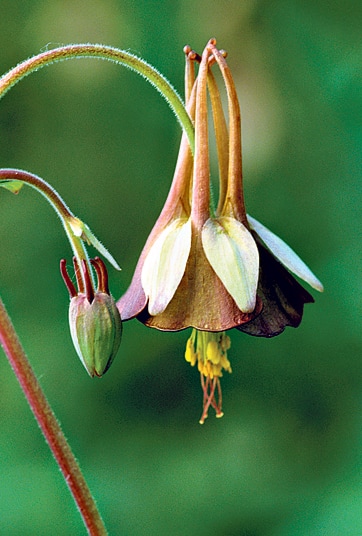
花: 花序具3-7花;花梗长2-7厘米;萼片黄绿色,窄卵形,长1.2-1.5厘米;花瓣黄绿色,瓣片宽长圆形,与萼片近等长,距长1.2-1.8厘米,直或稍弯;雄蕊长达2厘米,伸出花外,退化雄蕊长7-8毫米;心皮(4)5(6),子房密被腺毛;
果: 蓇葖果长2-2.5厘米;
Aquilegia viridiflora
Common Name(s): Columbine、Green Columbine
Description:
Green columbine is a compact perennial flower that reaches one to three feet in height and one foot in spread. It grows easily in average, well-drained soil, in full sun to partial shade. It is intolerant of dry soils.
It has showy fragrant flowers that bloom late spring to early summer, color of carotenoid or anthocyanin pigments; utilized in borders, massing, natural settings, and cut flowers; light shade prolongs blooming season; apply a systemic insecticide in early spring as preventative. It is resistant to damage by deer and rabbits.
Quick ID Hints:
Flowers with 5 elongate spurs
Leaves 1-3 ternately compound
Erect herbs with basal mound of leaves, flowering apex





铁线莲属Clematis L.
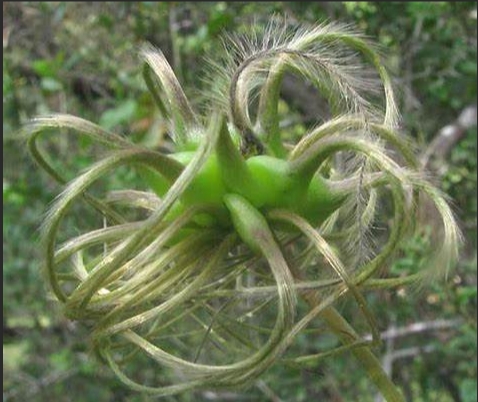
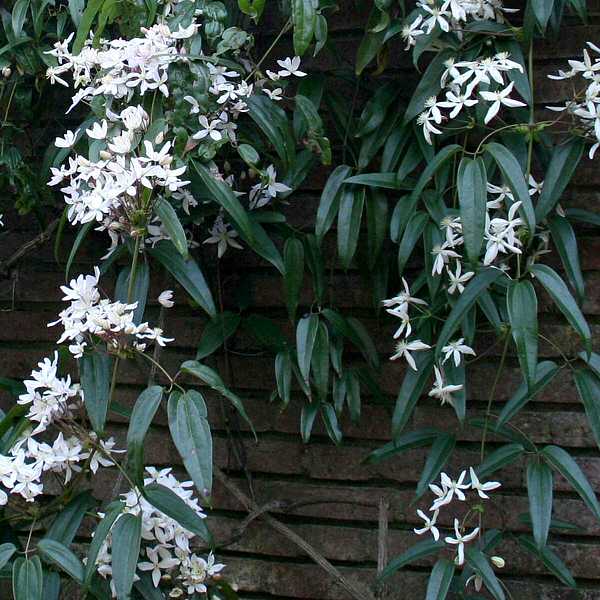
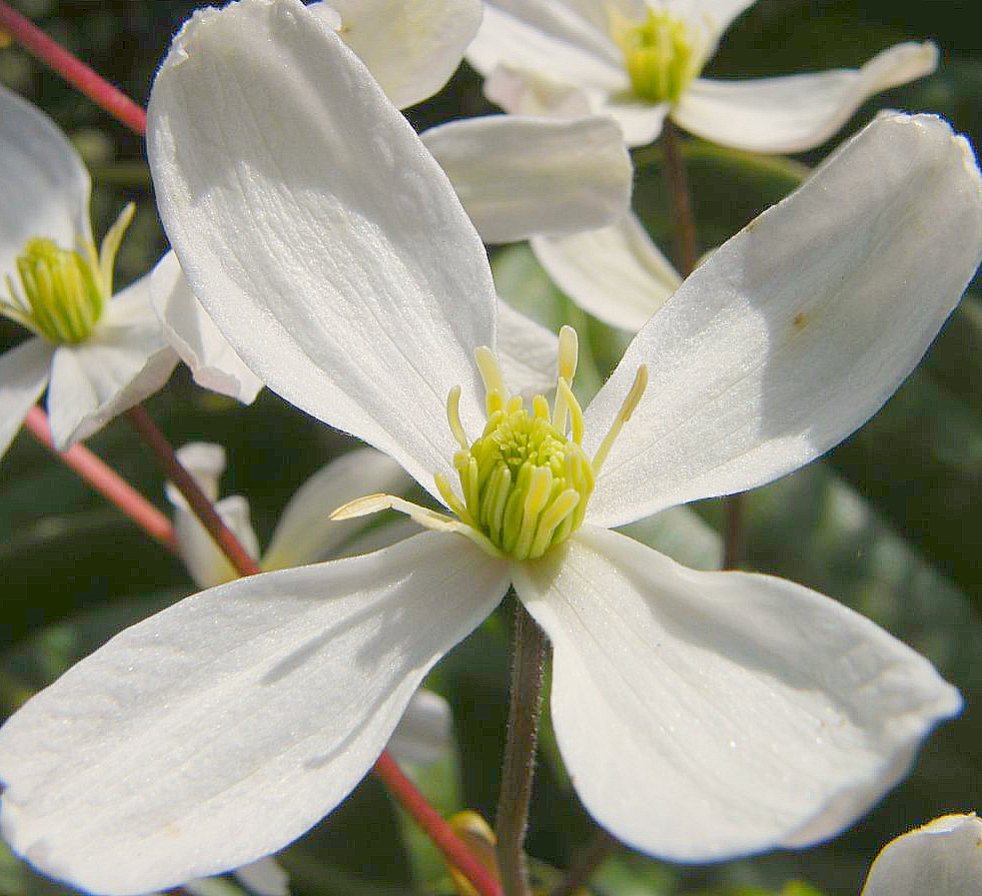
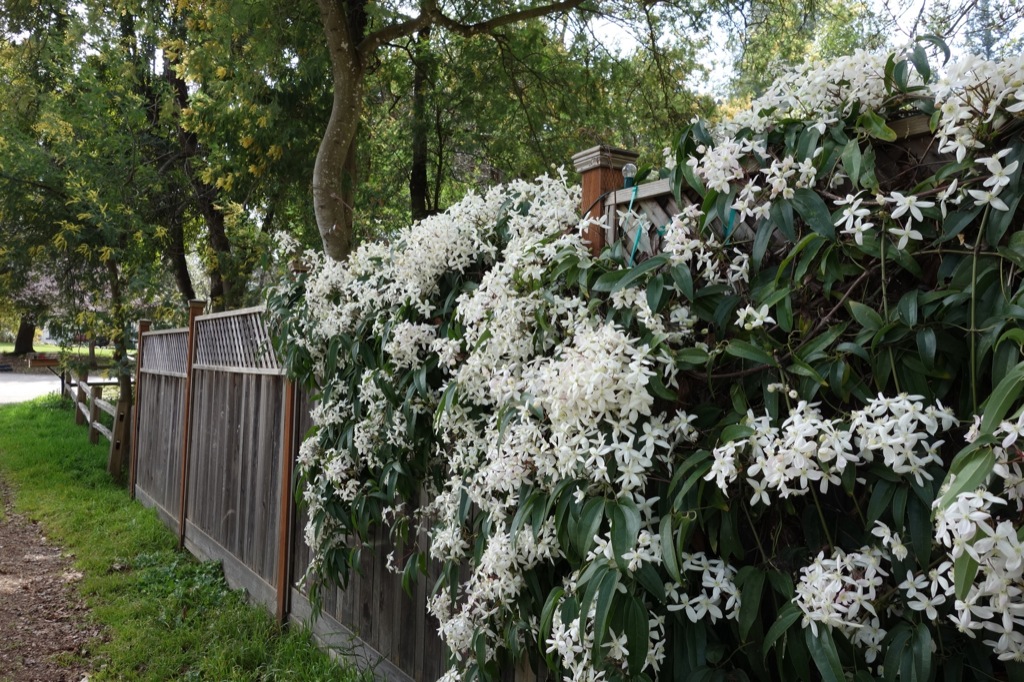
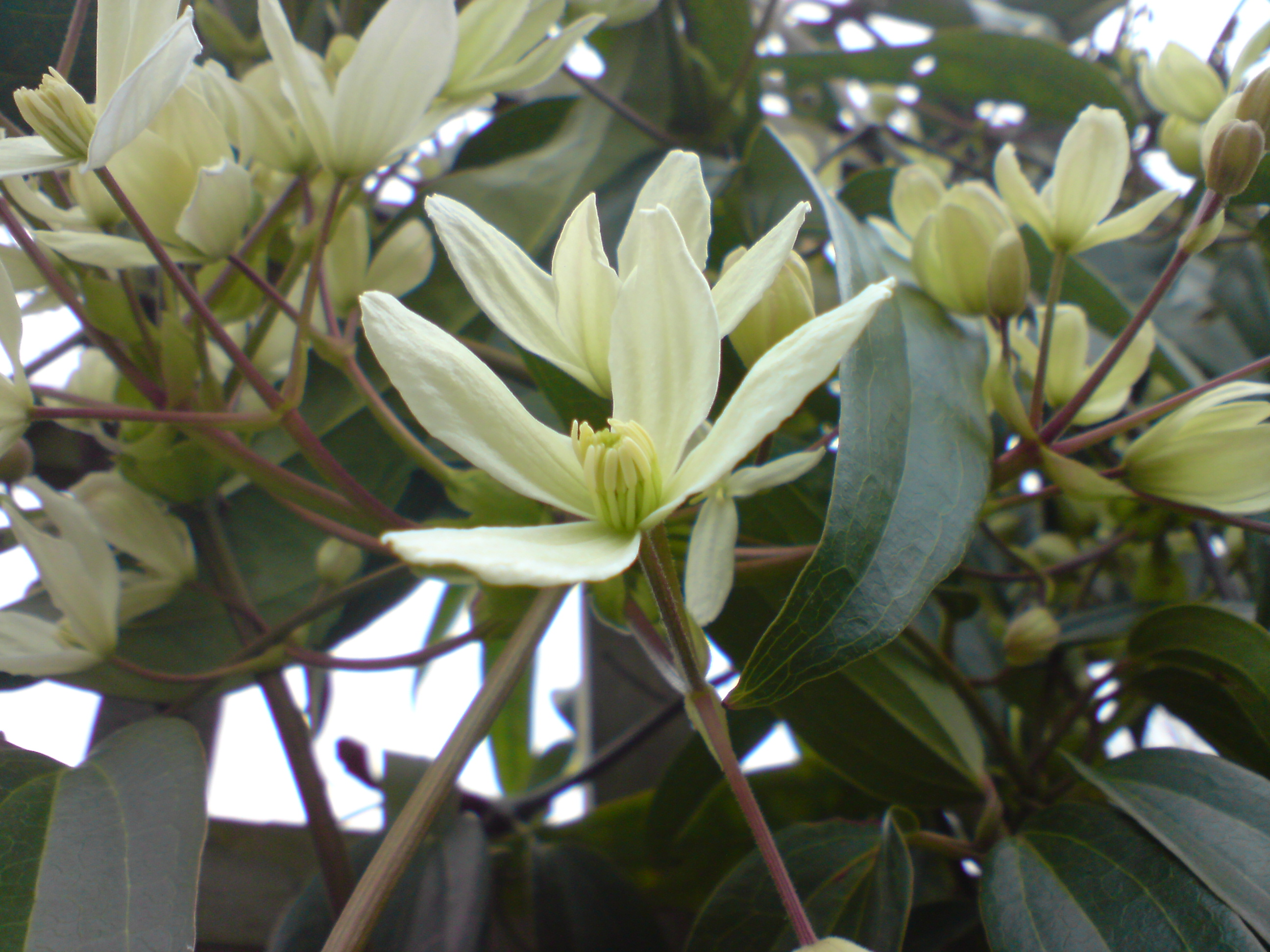
多年生草本或木本,攀缘或直立。叶对生,单叶或羽状复叶,花常呈聚伞或圆锥状花序,稀单生,多为两性花;无花瓣;萼片花瓣状,大而呈各种颜色,4~8枚;雄蕊多数;心皮多数、离生。瘦果,通常有宿存之羽毛状花柱。
约300种,分布于全球。我国110余种,广布于全国,以西南地区最多。
分种检索表
1.叶全缘或有少数浅缺刻;萼片6枚,白色………………………铁线莲
1.叶缘有锯齿;萼片4枚,紫红色……………………………………小木通
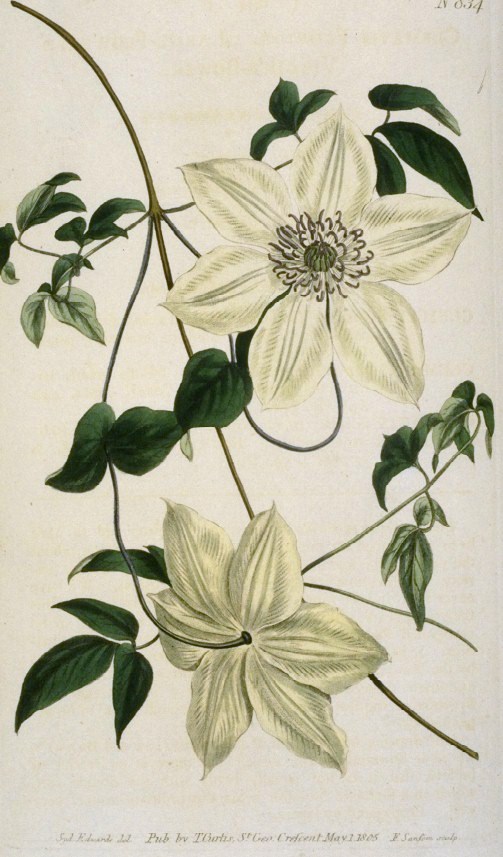
1.铁线莲Clematis fridaThunb.
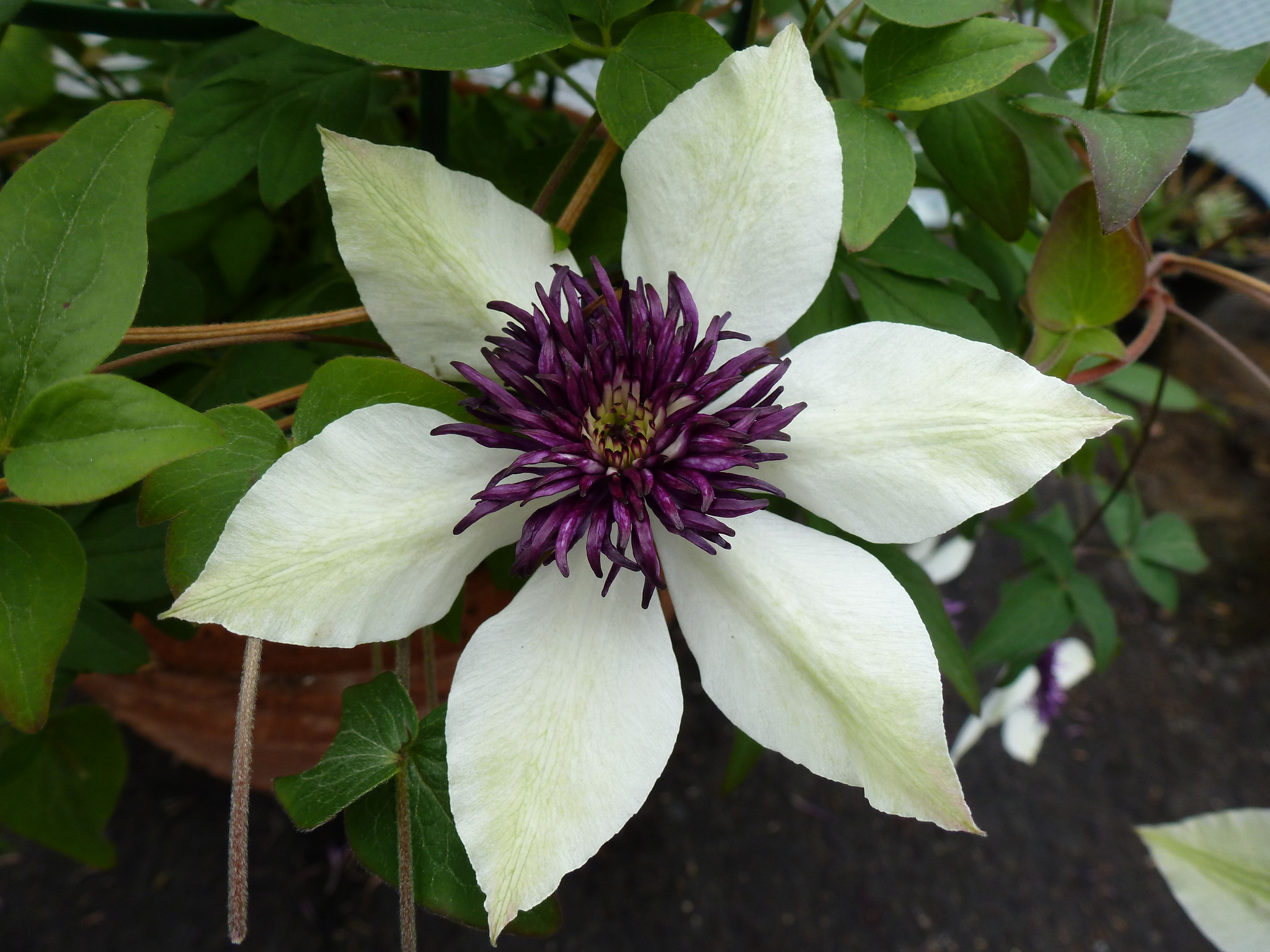
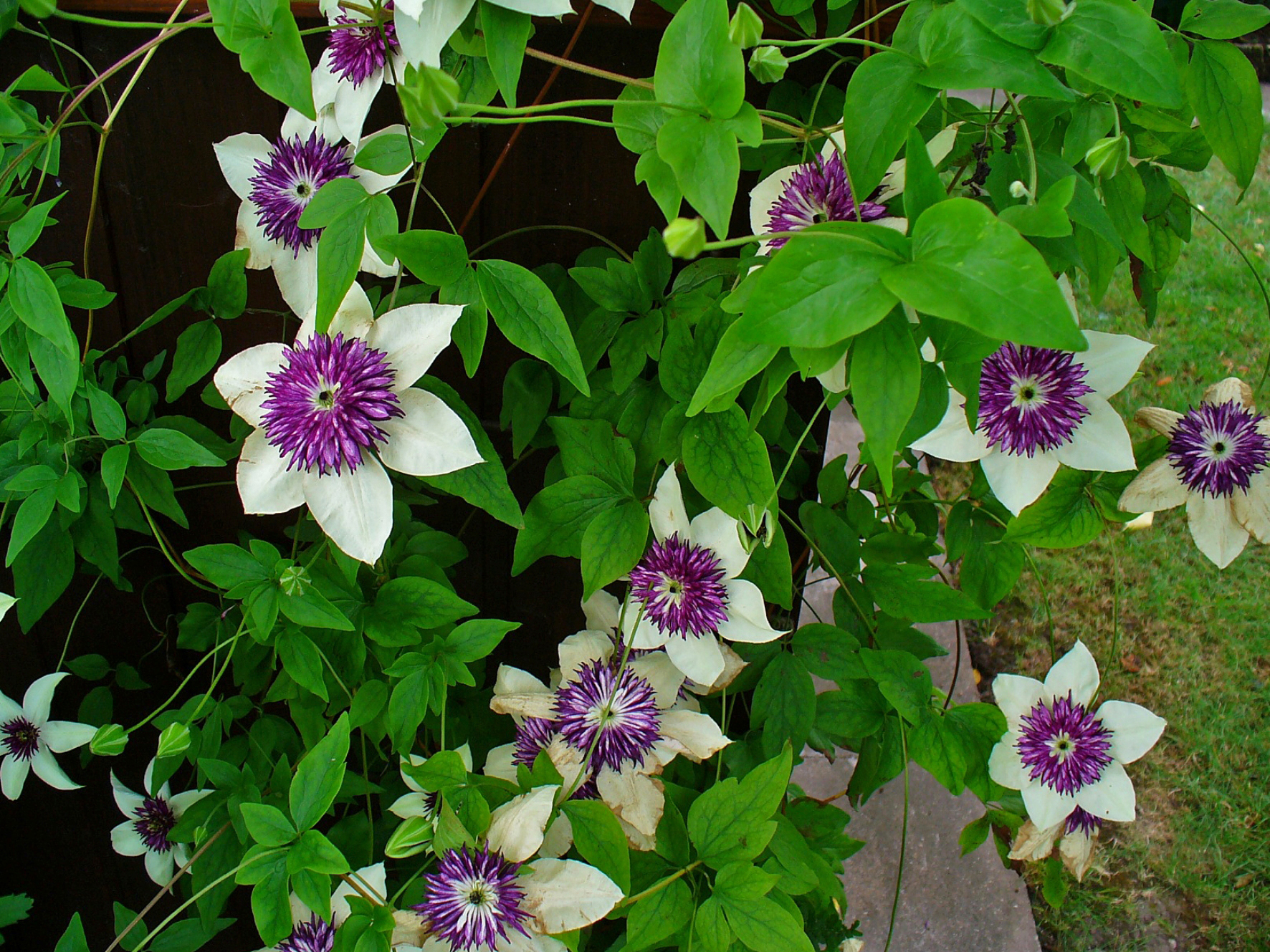
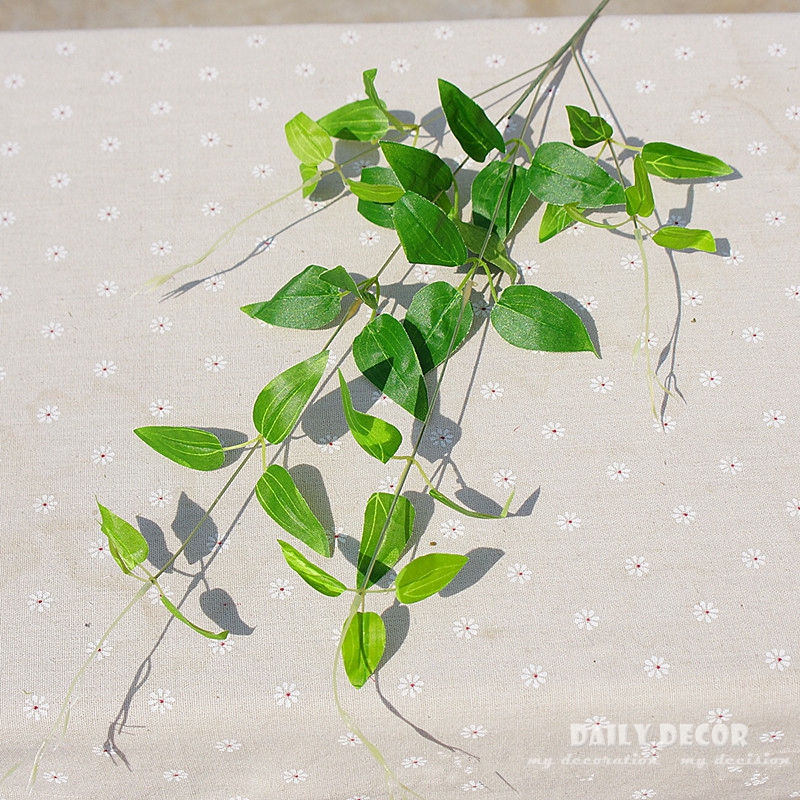
【形态】:落叶或半常绿藤本。叶常为2回羽状复叶,小叶卵形或卵状披针形,长2~125px,全缘或有少数浅缺刻,叶背疏生短毛或近无毛,网脉明显。花单生于叶腋,无花瓣;花梗细长,于近中部处有2枚对生的叶状苞片;萼片花瓣状,常6枚,乳白色,背有绿色条纹,径5~200px;雄蕊暗紫色无毛;子房有柔毛,花柱上部无毛。花期夏季。
【分布】:产于我国长江中下游地区至华南地区。
【习性】:喜光,侧方庇荫生长更好;喜疏松、排水良好的石灰质土壤;耐寒性较差。
【繁殖】:播种、压条、分株或扦插繁殖。
【用途】:花大而美丽,叶色浓绿,花期长,是优美的垂直绿化材料,适宜于点缀园墙、棚架、凉亭、门廊、假山等处,效果甚佳。
Clematis is a genus of about 300 species within the buttercup family, Ranunculaceae. Their garden hybrids have been popular among gardeners, beginning with Clematis × jackmanii, a garden standby since 1862; more hybrid cultivars are being produced constantly. They are mainly of Chinese and Japanese origin. Most species are known as clematis in English, while some are also known as traveller's joy, a name invented for the sole British native, C. vitalba, by the herbalist John Gerard; virgin's bower for C. terniflora, C. virginiana, and C. viticella; old man's beard, applied to several with prominent seedheads; leather flower for those with fleshy petals; or vase vine for the North American Clematis viorna.
Clematis florida — Asian virgin's-bower
Facts
Asian virgin's-bower is native to Asia and introduced in North America. In New England -- and indeed in North America -- it is found only in Connecticut, on roadsides and waste areas. It is a deciduous, twining vine that produces large flowers with showy white sepals. var. seiboldiana has dramatic purple stamens and is sometimes cultivated for the garden.
Habitat
Flower petal color:
Leaf type:the leaves are compound (made up of two or more discrete leaflets
Leaf arrangement:opposite: there are two leaves per node along the stem
Leaf blade edges:the edge of the leaf blade is entire (has no teeth or lobes)
Flower symmetry:there are two or more ways to evenly divide the flower (the flower is radially symmetrical)
Number of sepals, petals or tepals:there are six petals, sepals, or tepals in the flower
Fusion of sepals and petals:both the petals and sepals are separate and not fused
Stamen number:13 or more
Fruit type (general):the fruit is dry but does not split open when ripe




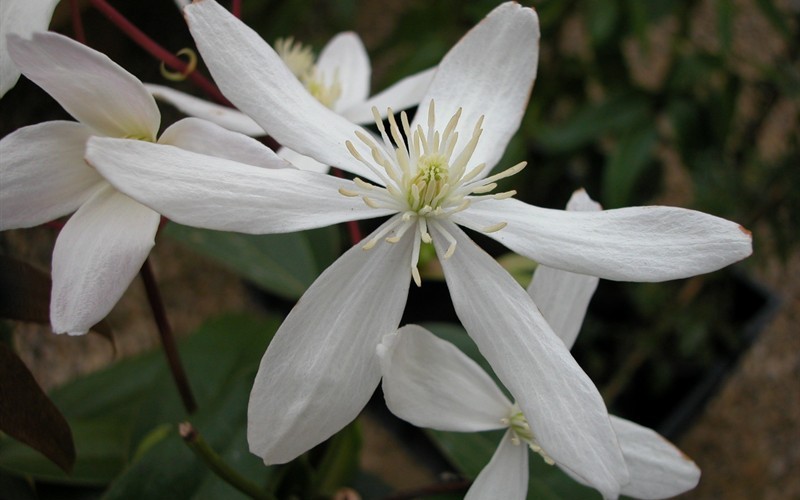
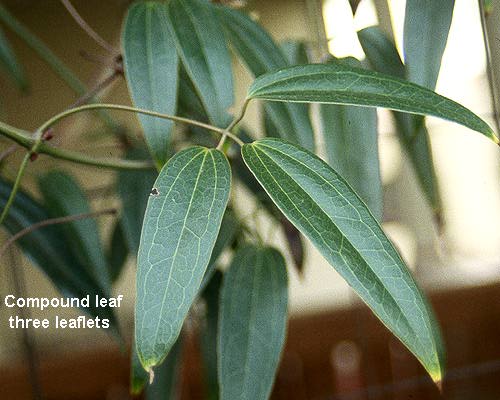
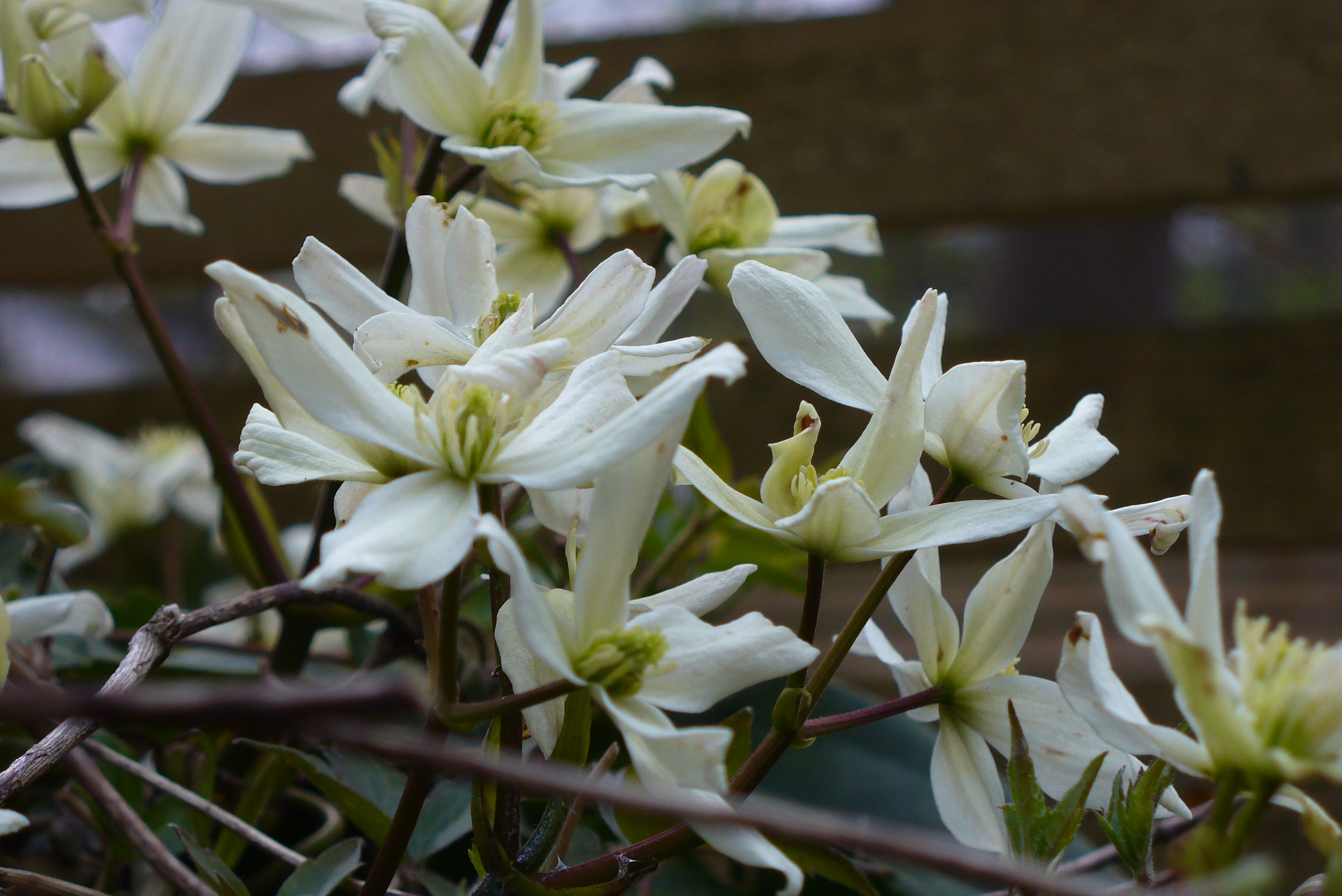
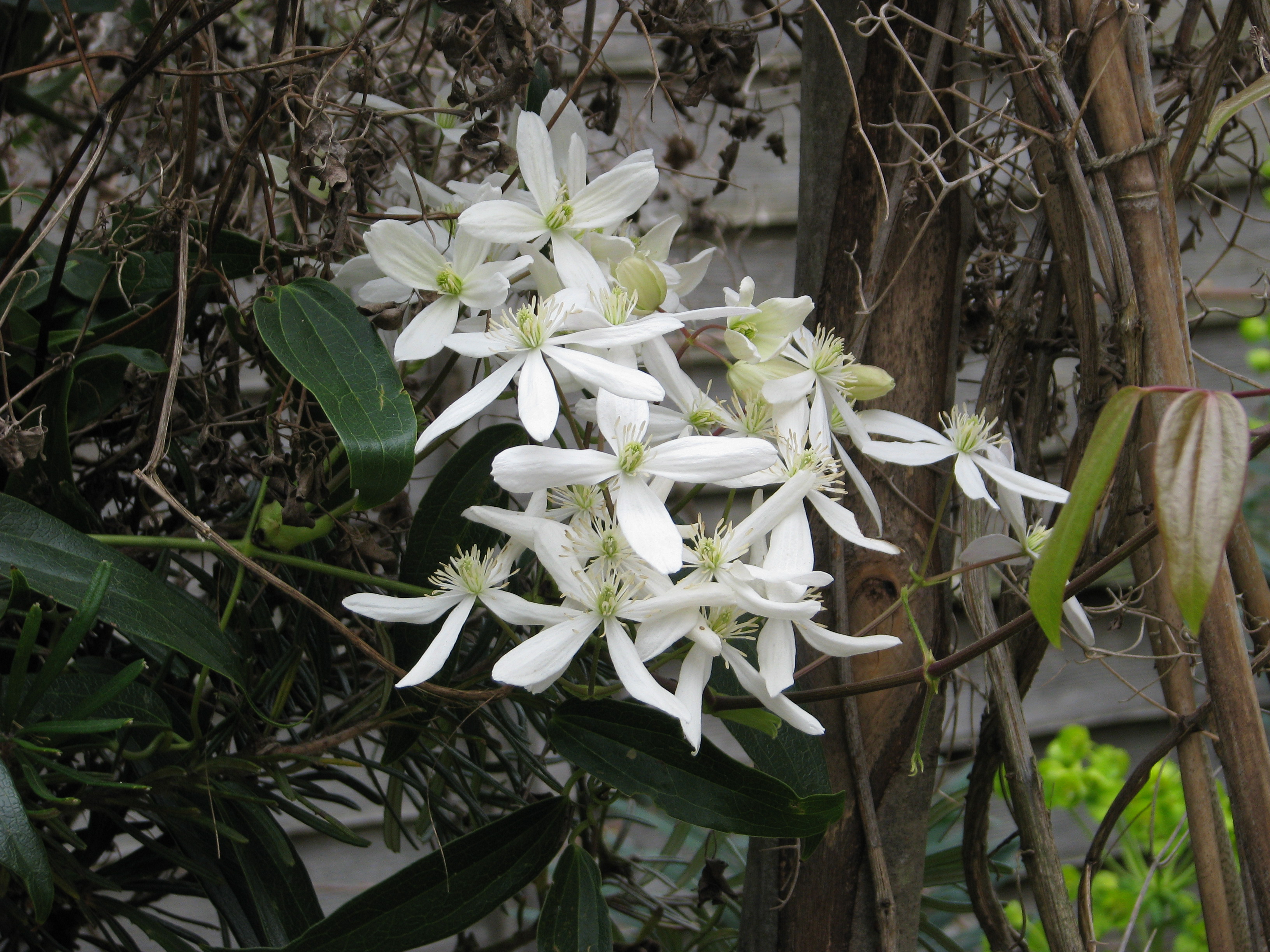
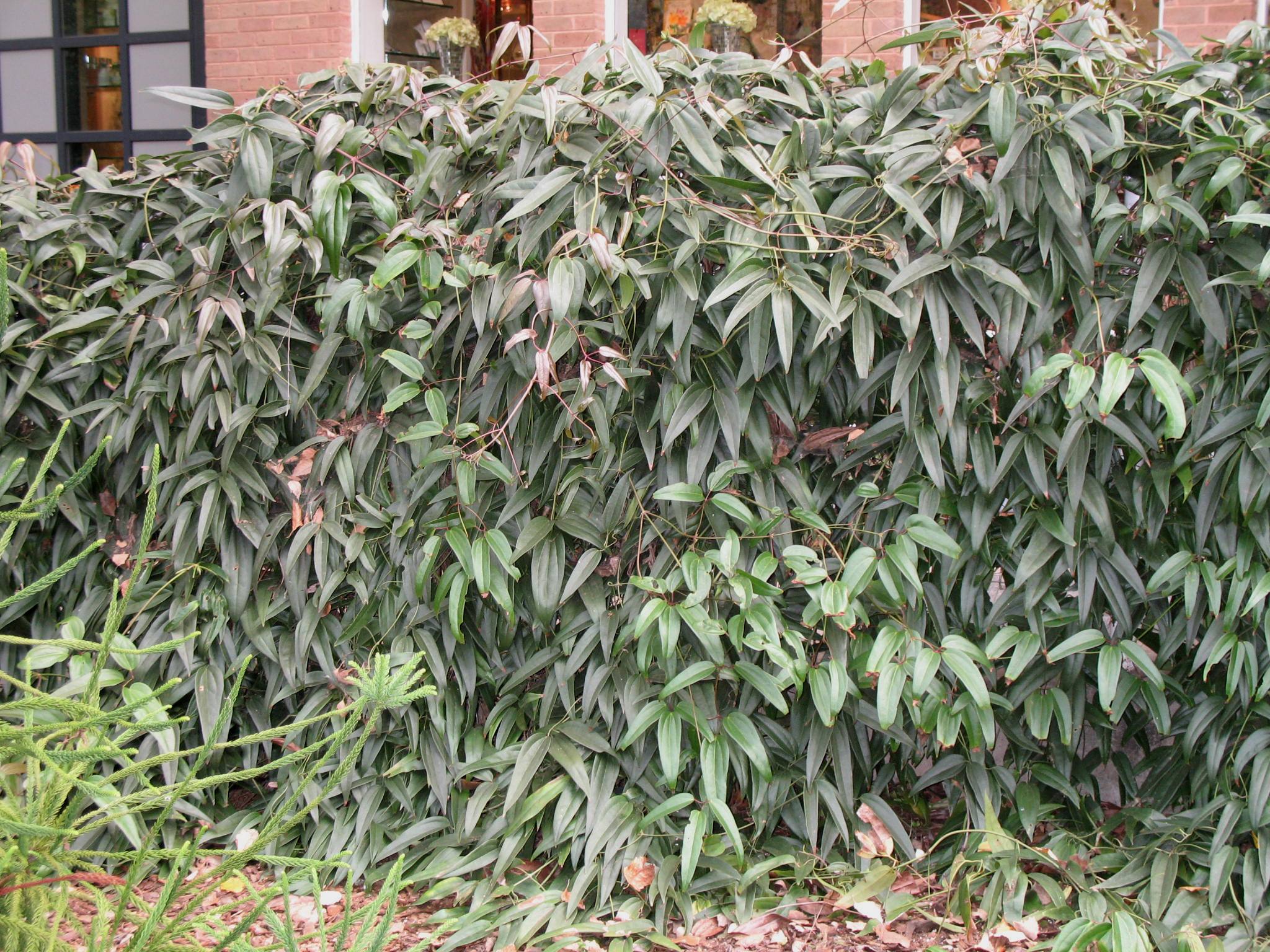
2.小木通(毛蕊铁线莲、过山龙)Clematisar-mandii Franch.
【形态】:藤本。茎节稍膨大。叶对生,2回羽状复叶,羽叶通常2对,最下部的具3小叶;小叶卵形至披针形,先端渐尖,边缘有锯齿。聚伞花序l~3朵;苞片披针形;花钟形,紫红色,萼片4,狭卵形,外面无毛,边缘有短绒毛;无花瓣;雄蕊多数,与萼片等长,花丝条形,密生长柔毛;花柱密被向上长毛。椭圆形瘦果扁,有短毛。花期8~9月。
【分布】:分布长江流域,南达广东北部,北达甘肃、陕西,生于山地灌丛中。

唐松草属
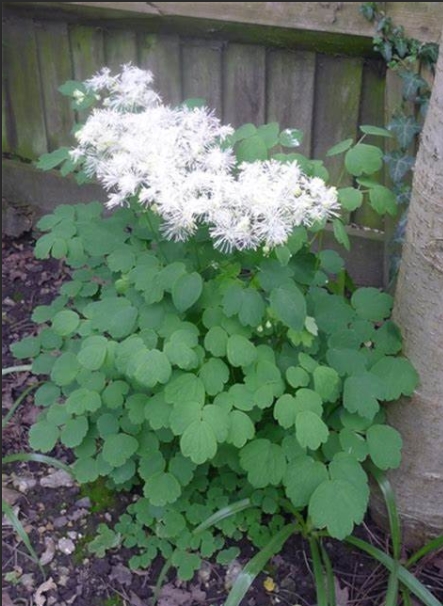
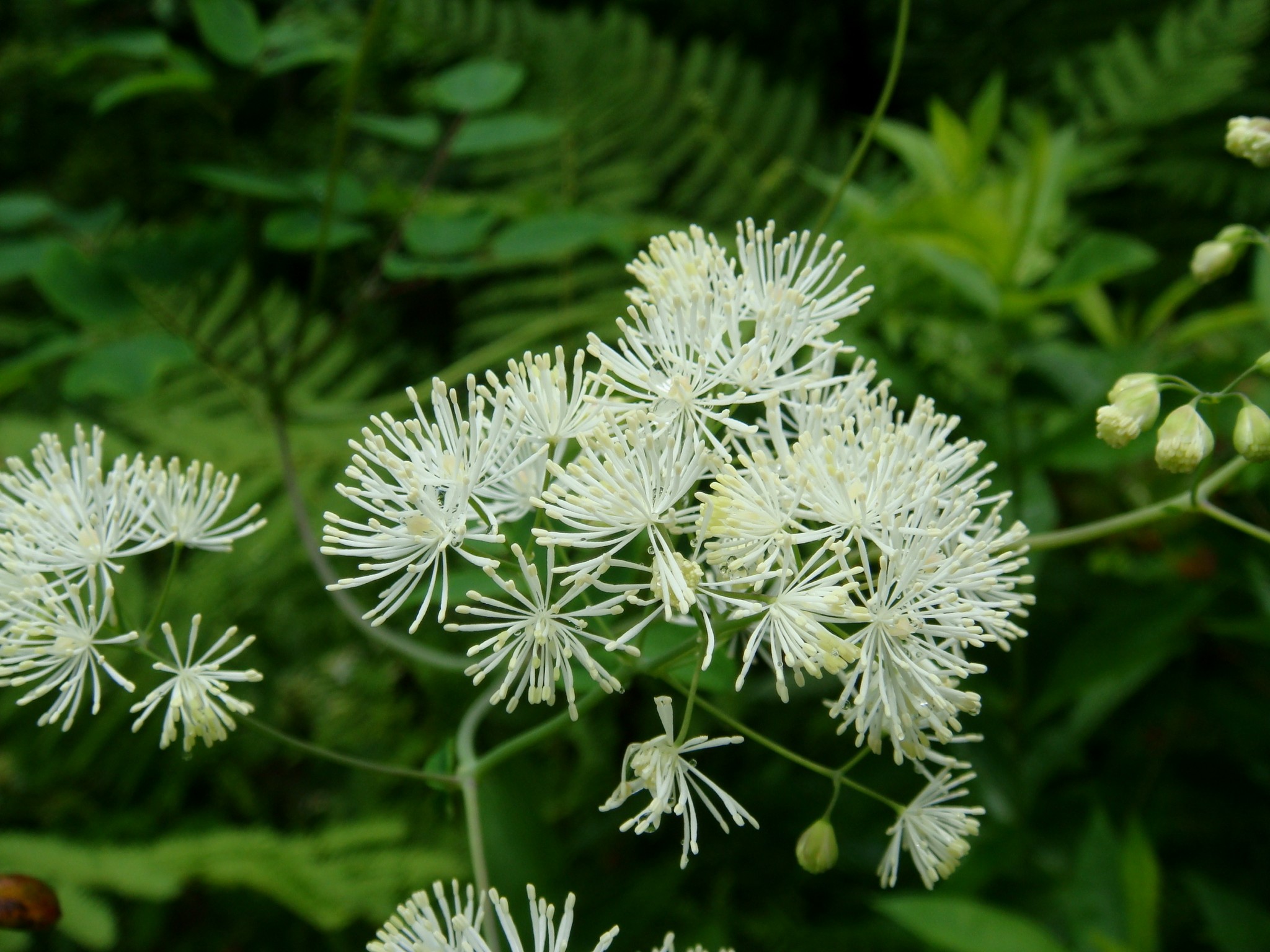
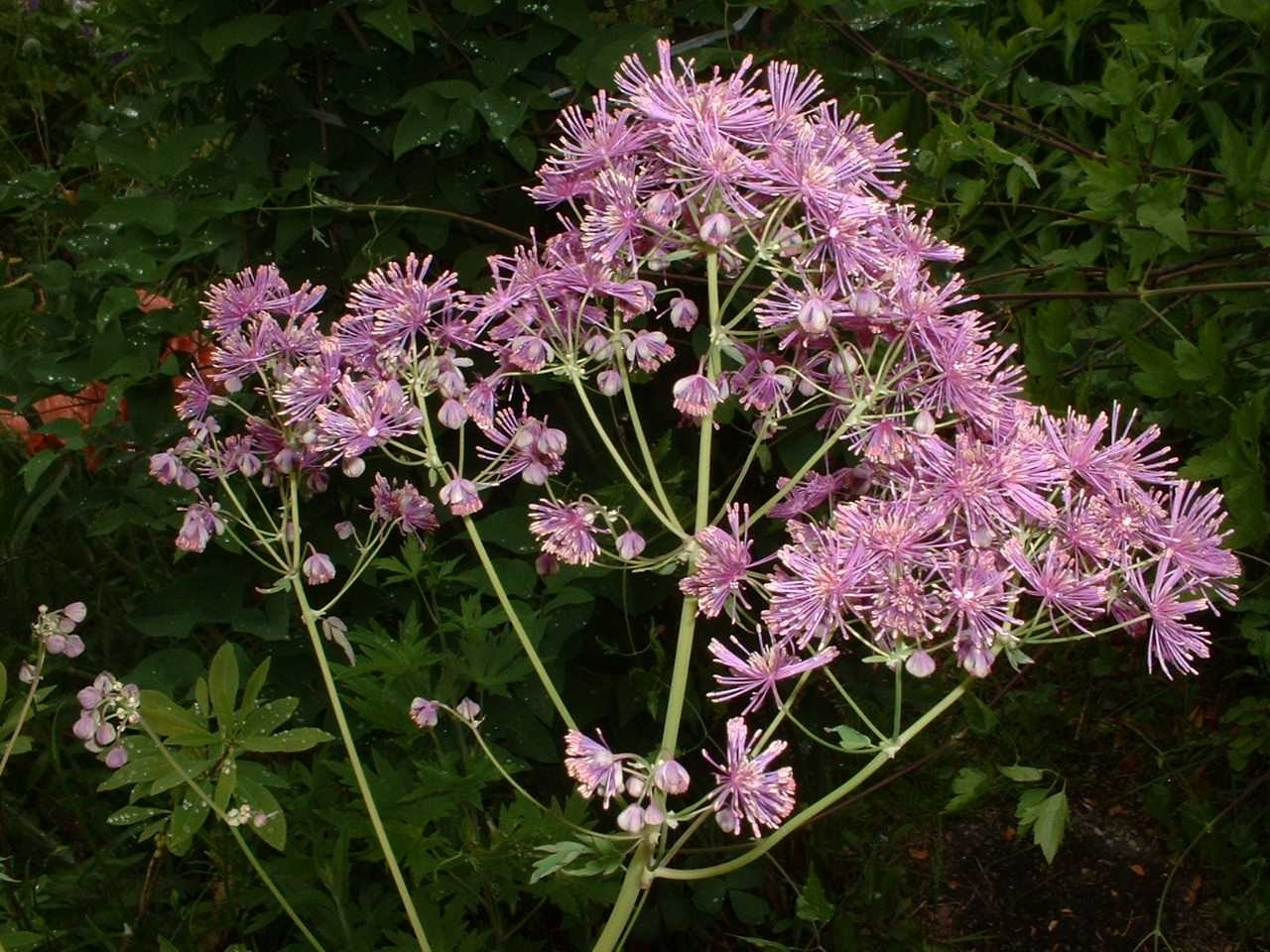
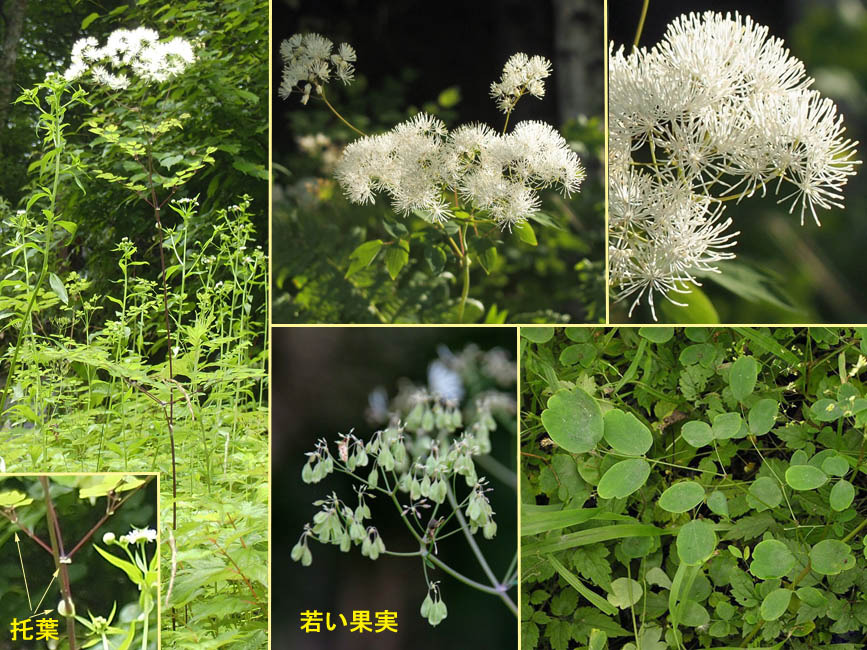
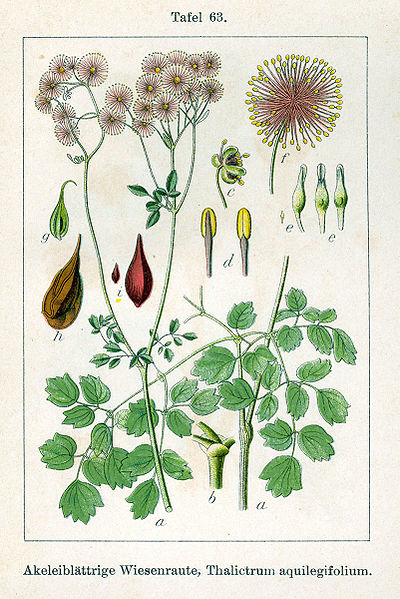
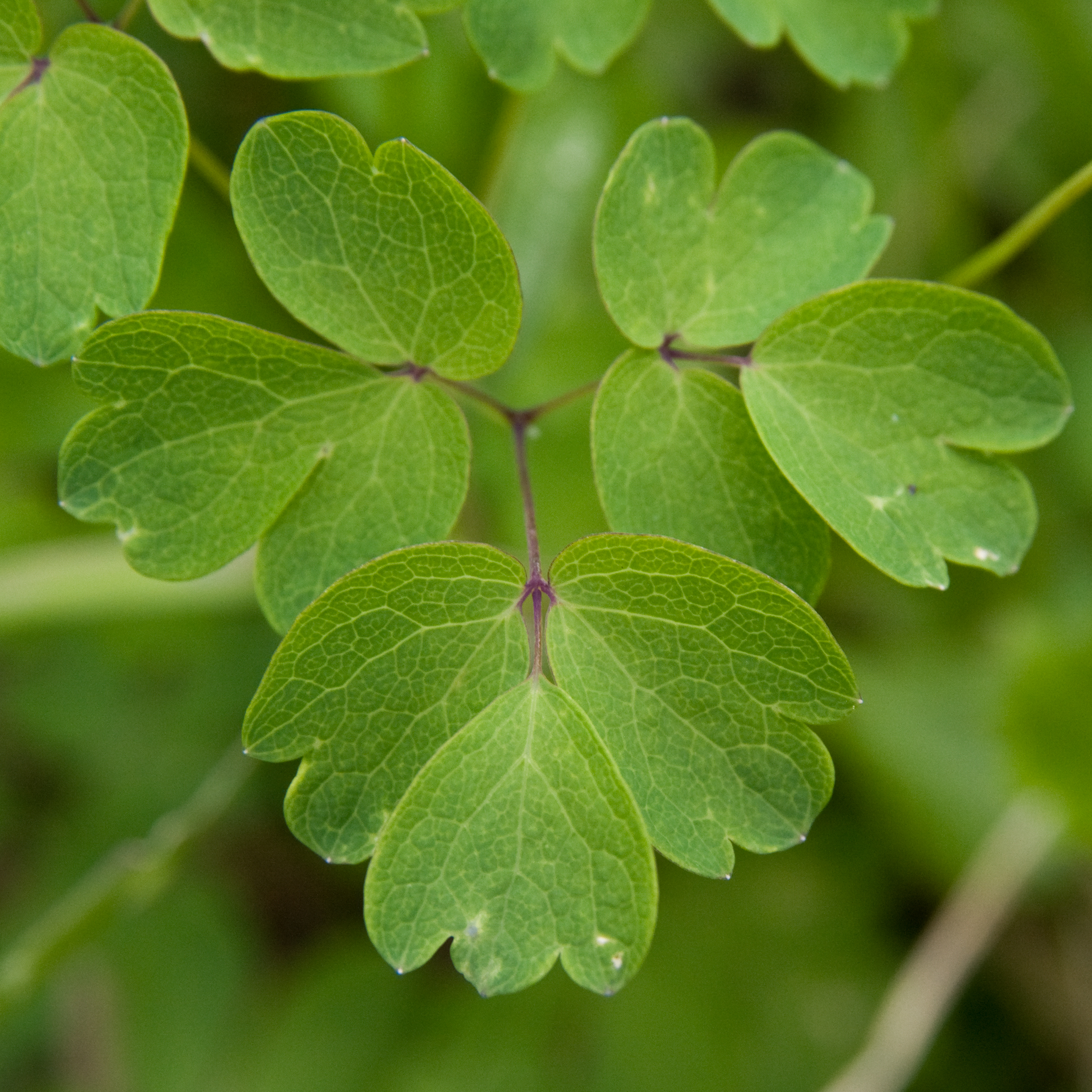
唐松草(Thalictrum aquilegiifolium var. sibiricum)
草黄连、马尾连、黑汉子腿、紫花顿(山东),土黄连(内蒙古)
植株全部无毛。茎粗壮,高60-150厘米,粗达1厘米,分枝。基生叶在开花时枯萎。
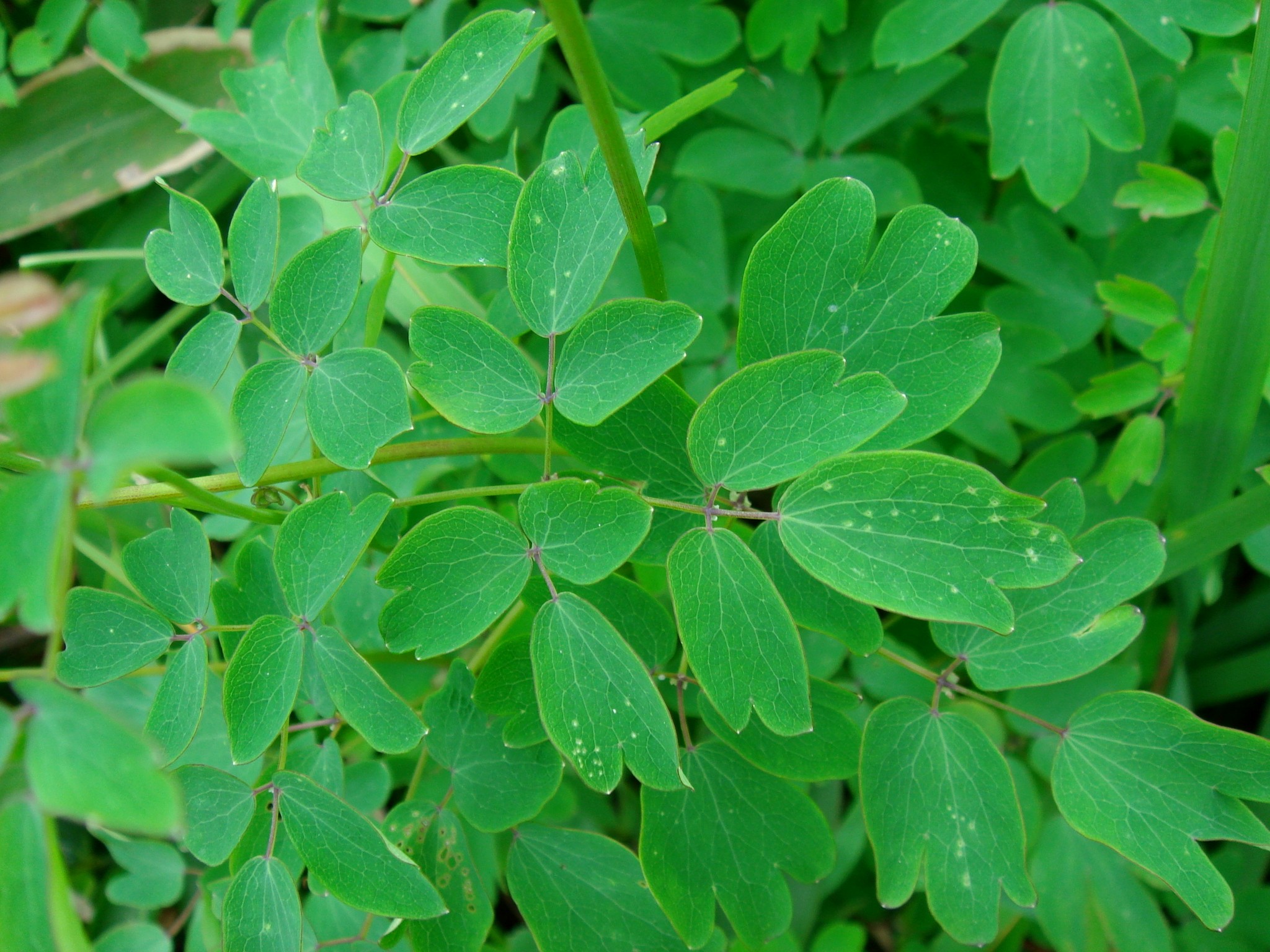
茎生叶为三至四回三出复叶;叶片长10-30厘米;小叶草质,顶生小叶倒卵形或扁圆形,长1.5-2.5厘米,宽1.2-3厘米,顶端圆或微钝,基部圆楔形或不明显心形,三浅裂,裂片全缘或有1-2牙齿,两面脉平或在背面脉稍隆起;叶柄长4.5-8厘米,有鞘,托叶膜质,不裂。
圆锥花序伞房状,有多数密集的花;花梗长4-17毫米;萼片白色或外面带紫色,宽椭圆形,长3-3.5毫米,早落;雄蕊多数,长6-9毫米,花药长圆形,长约1.2毫米,顶端钝,上部倒披针形,比花药宽或稍窄,下部丝形;心皮6-8,有长心皮柄,花柱短,柱头侧生。
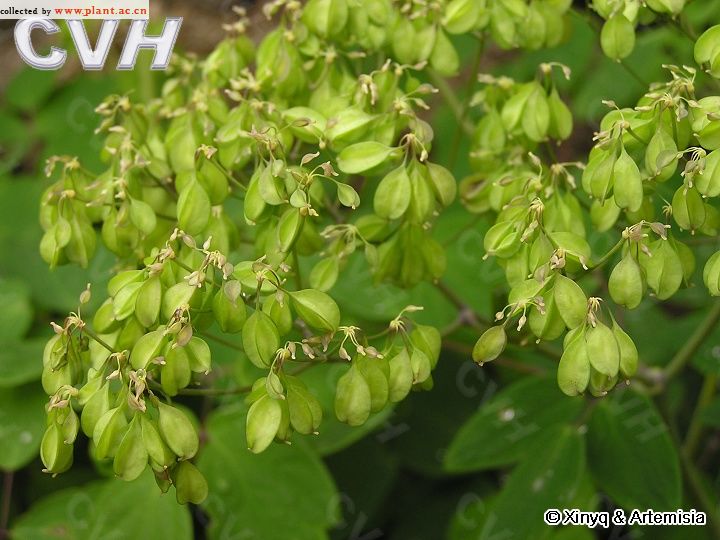
瘦果倒卵形,长4-7毫米,有3条宽纵翅,基部突变狭,心皮柄长3-5毫米,宿存柱头长0.3-0.5毫米。7月开花。
在我国分布于浙江(天目山)、山东、河北、山西、内蒙古、辽宁、吉林、黑龙江。生海拔500-1800米间草原、山地林边草坡或林中。在朝鲜、日本、苏联西伯利亚地区也有分布。
Thalictrum aquilegiifolium is a species of flowering plant in the buttercup family Ranunculaceae. It is known by the common names Siberian columbine meadow-rue, columbine meadow-rue, French meadow-rue, and greater meadow-rue. Its native range extends through Europe and temperate Asia, with a naturalized distribution in North America limited to New York and Ontario.