葫芦科——CUCURBITACEAE
主要特征:
1、一年生或多年生草质或木质藤本,极稀为灌木或乔木状;
2、一年生植物的根为须根,多年生植物常为球状或圆柱状块根;
3、茎通常具纵沟纹,匍匐或借助卷须攀援。具卷须或极稀无卷须,卷须侧生叶柄基部,单1,或2至多歧,大多数在分歧点之上旋卷,少数在分歧点上下同时旋卷,稀伸直、仅顶端钩状。
4、叶互生,通常为2/5叶序,无托叶,具叶柄;叶片不分裂,或掌状浅裂至深裂,稀为鸟足状复叶,边缘具锯齿或稀全缘,具掌状脉。
5、花单性(罕两性),雌雄同株或异株,单生、簇生、或集成总状花序、圆锥花序或近伞形花序。
雄花:花萼辐状、钟状或管状,5裂,裂片覆瓦状排列或开放式;花冠插生于花萼筒的檐部,基部合生成筒状或钟状,或完全分离,5裂,裂片在芽中覆瓦状排列或内卷式镊合状排列,全缘或边缘成流苏状;雄蕊5或3,插生在花萼筒基部、近中部或檐部,花丝分离或合生成柱状,花药分离或靠合,药室在5枚雄蕊中,全部1室,在具3枚雄蕊中,通常为1枚1室,2枚2,室或稀全部2室,药室通直、弓曲或S形折曲至多回折曲,药隔伸出或不伸出,纵向开裂,花粉粒圆形或椭圆形;退化雌蕊有或无。
雌花:花萼与花冠同雄花;退化雄蕊有或无;子房下位或稀半下位,通常由3心皮合生而成,极稀具4-5心皮,3室或1 (-2) 室,有时为假4-5室,侧膜胎座,胚珠通常多数,在胎座上常排列成2列,水平生、下垂或上升呈倒生胚珠,有时仅具几个胚珠、极稀具1枚胚珠;花柱单1或在顶端3裂、稀完全分离,柱头膨大,2裂或流苏状。
6、果实大型至小型,常为肉质浆果状或果皮木质,不开裂或在成熟后盖裂或3瓣纵裂,1室或3室。种子常多数,稀少数至1枚,扁压状,水平生或下垂生,种皮骨质、硬革质或膜质,有各种纹饰,边缘全缘或有齿;无胚乳;胚直,具短胚根,子叶大、扁平,常含丰富的油脂。
约113属800种,大多数分布于热带和亚热带,少数种类散布到温带。我国有32属154种35变种,主要分布于西南部和南部,少数散布到北部。
Cucurbitaceae, the gourd family of flowering plants, belonging to the order Cucurbitales and containing 98 genera and about 975 species of food and ornamental plants. Members of the family are annual or perennial herbs native to temperate and tropical areas and include cucumbers, gourds, melons, squashes, and pumpkins. Most species are extremely sensitive to temperatures near freezing, a factor that limits their geographic distribution and area of cultivation. Cucurbits have a generally low nutrient content, one exception being the winter squashes (certain varieties of Cucurbita maxima, C. moschata, and C. pepo). See also list of plants in the family Cucurbitaceae.Most species are fast-growing prostrate or climbing vines with long-stalked palmate leaves that alternate along the stem. At the side of the leafstalk in annual species there is a simple, often branched, spirally coiled tendril. It is generally regarded by most botanists to be a modified shoot and serves to support the vining stems. Most species have unisexual flowers that are borne in the leaf axils and have five white or yellow petals. There are five sepals in each flower; male flowers have up to five anthers, often fused or joined in a complex way, and female flowers usually have three carpels. Known as a pepo, the fruit in most species is a fleshy many-seeded berry with a tough rind, often attaining considerable size. The seeds are flattened and some, such as those produced by the Javan cucumber (Alsomitra macrocarpa), have beautiful wings to aid in dispersal.
一、冬瓜属——Benincasa Savi
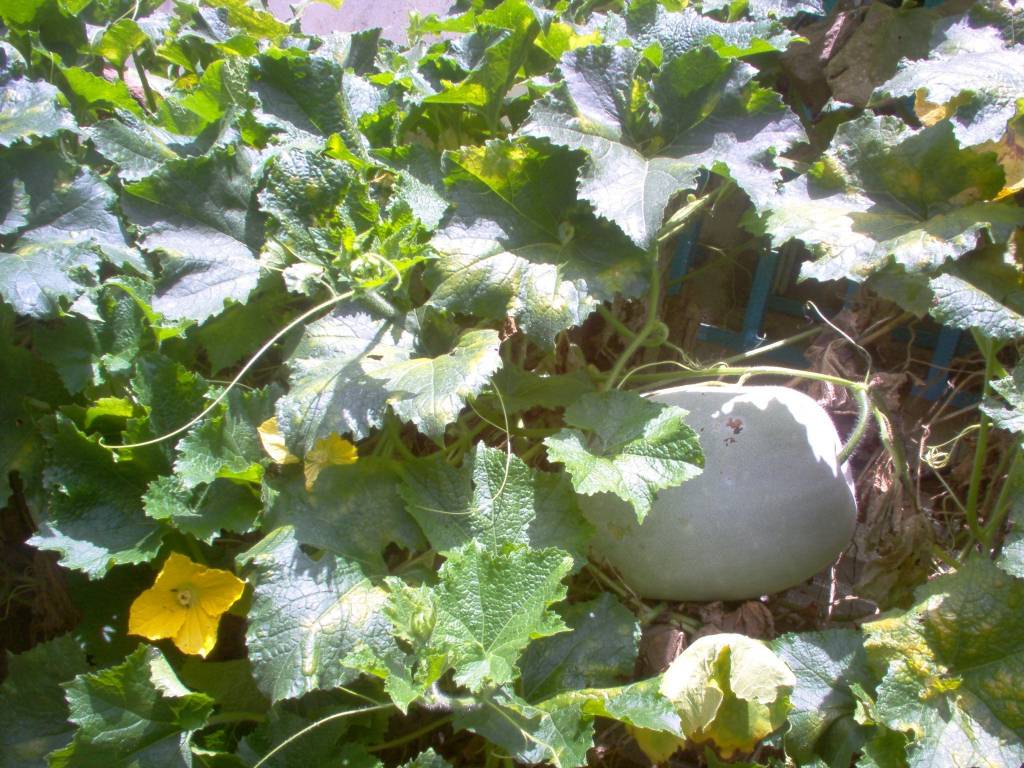
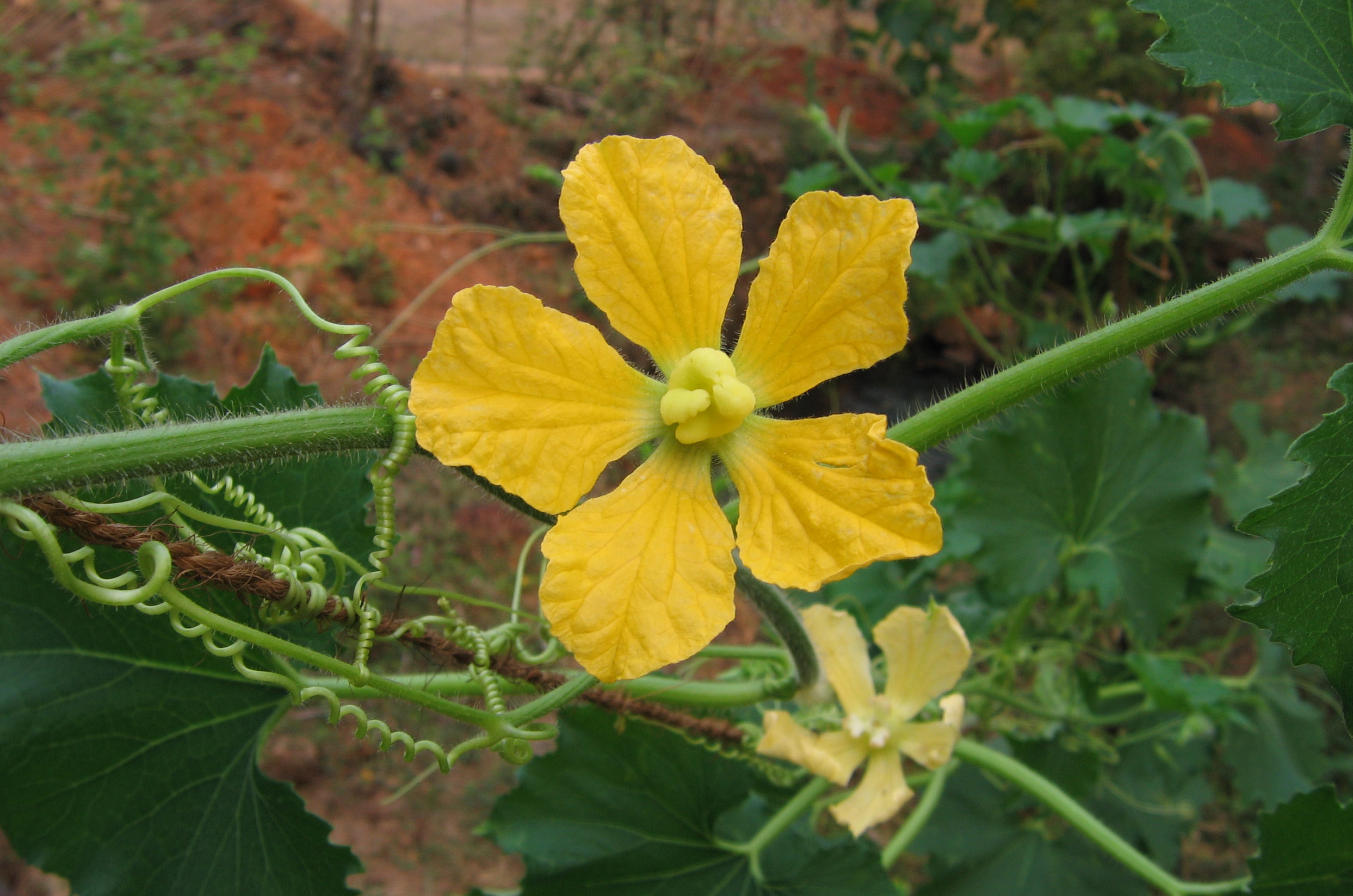
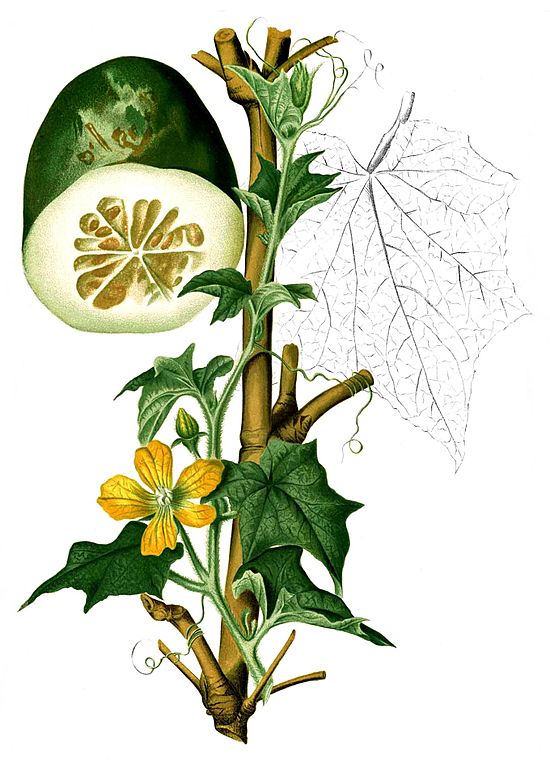
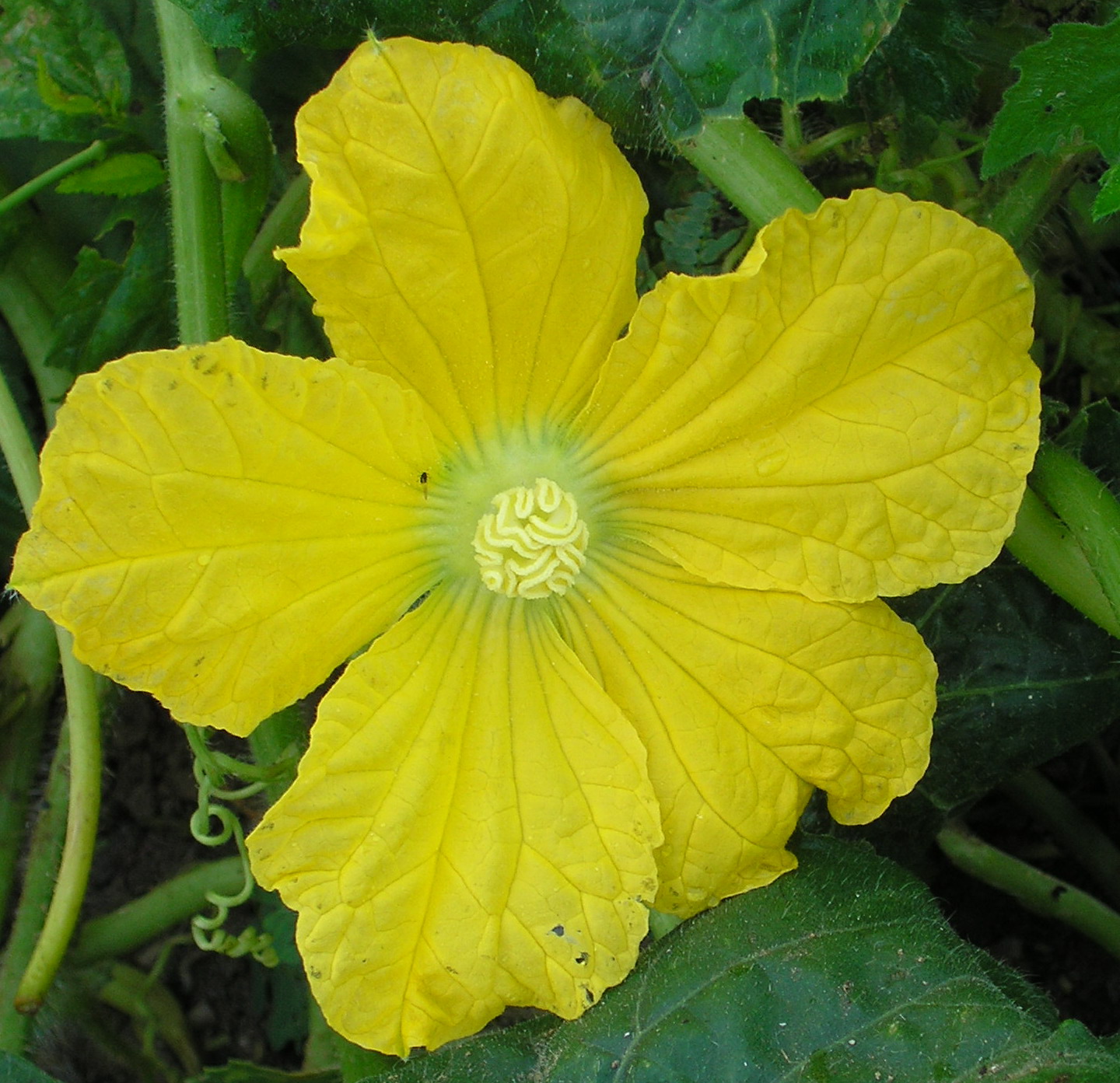
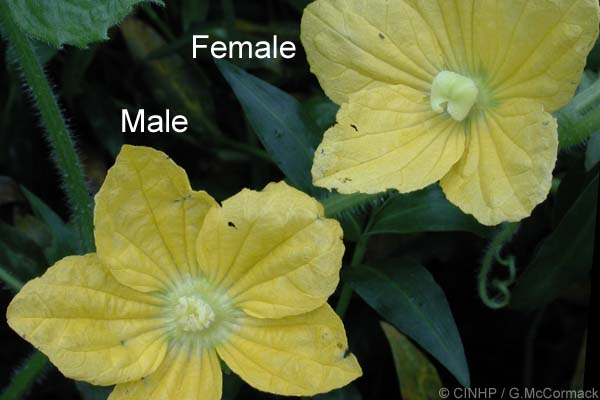
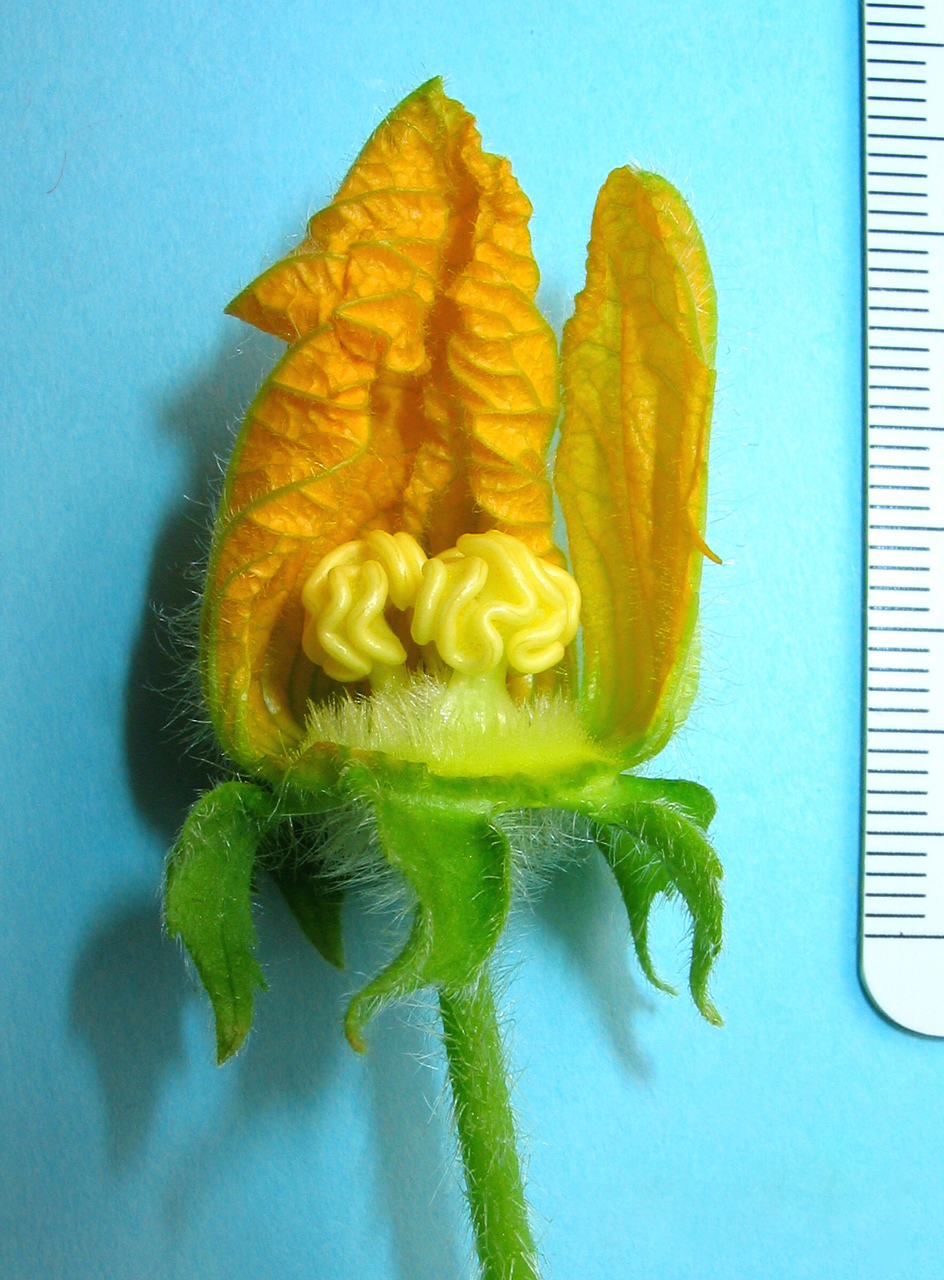
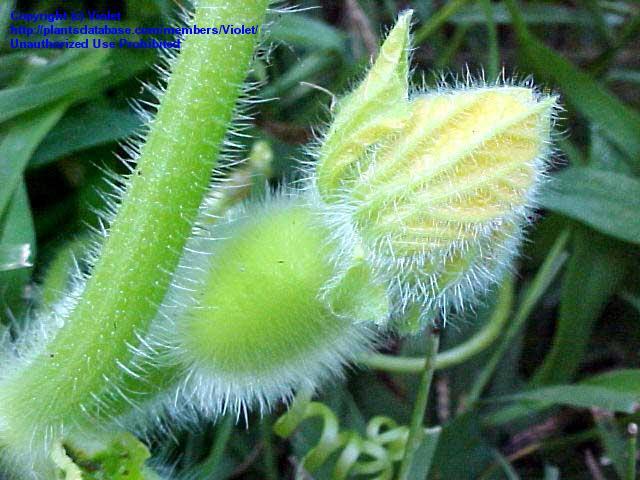
一年生蔓生草本,全株密被硬毛。叶掌状5浅裂,叶柄无腺体。卷须2-3歧。花大型,黄色,通常雌雄同株,单独腋生。雄花花萼筒宽钟状,裂片5,近叶状,有锯齿,反折;花冠辐状,通常5裂,裂片倒卵形,全缘;雄蕊3,离生,着生在花被筒上,花丝短粗,花药1枚1室,其它2室,药室多回折曲,药隔宽;退化子房腺体状。雌花花萼和花冠同雄花;退化雄蕊3;子房卵珠状,具3胎座,胚珠多数;水平生,花柱插生在盘上,柱头3,膨大,2裂。果实大型,长圆柱状或近球状,具糙硬毛及白霜,不开裂,具多数种子。种子圆形,扁,边缘肿胀。
1种,栽培于世界热带、亚热带和温带地区。我国各地普遍栽培。
1a. 冬瓜(原变种) Benincasa hispida (Thunb.) var. hispida
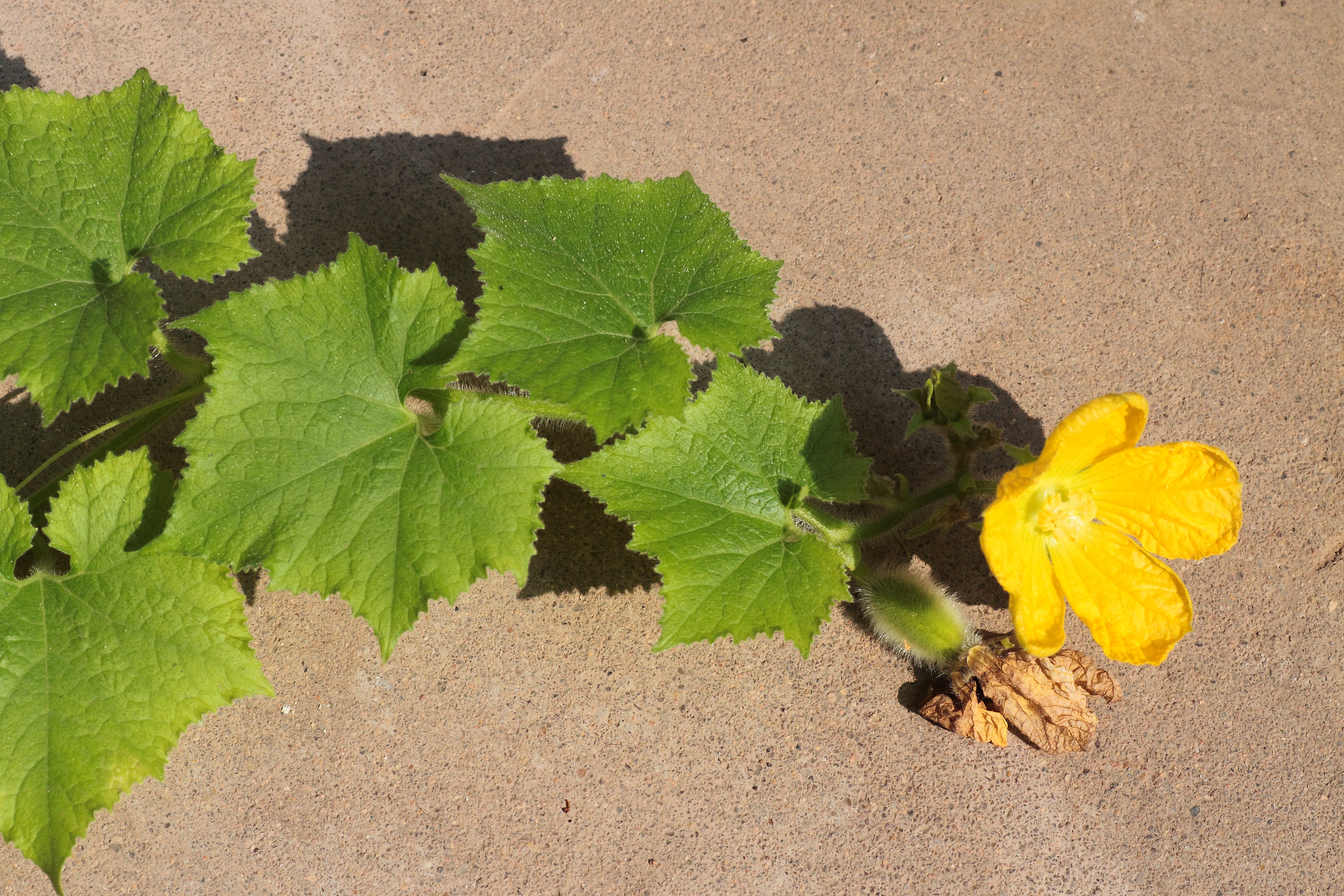
俗名:广瓜、枕瓜、白瓜、扁蒲、大瓠子,瓠子瓜、蒲瓜、葫芦瓜、瓠子、节瓜一年生蔓生或架生草本;茎被黄褐色硬毛及长柔毛,有棱沟。
叶柄粗壮,长5-20厘米,被黄褐色的硬毛和长柔毛;叶片肾状近圆形,宽15-30厘米,5-7浅裂或有时中裂,裂片宽三角形或卵形,先端急尖,边缘有小齿,基部深心形,弯缺张开,近圆形,深、宽均为2.5-3.5厘米,表面深绿色,稍粗糙,有疏柔毛,老后渐脱落,变近无毛;背面粗糙,灰白色,有粗硬毛,叶脉在叶背面稍隆起,密被毛。卷须2-3歧,被粗硬毛和长柔毛。
雌雄同株;花单生。
雄花梗长5-15厘米,密被黄褐色短刚毛和长柔毛,常在花梗的基部具一苞片,苞片卵形或宽长圆形,长6-10毫米,先端急尖,有短柔毛;花萼筒宽钟形,宽12-15毫米,密生刚毛状长柔毛,裂片披针形,长8-12毫米,有锯齿,反折;花冠黄色,辐状,裂片宽倒卵形,长3-6厘米,宽2.5-3.5厘米,两面有稀疏的柔毛,先端钝圆,具5脉;雄蕊3,离生,花丝长2-3毫米,基部膨大,被毛,花药长5毫米,宽7-10毫米,药室3回折曲,
雌花梗长不及5厘米,密生黄褐色硬毛和长柔毛;子房卵形或圆筒形,密生黄褐色茸毛状硬毛,长2-4厘米;花柱长2-3毫米,柱头3,长12-15毫米,2裂。
果实长圆柱状或近球状,大型,有硬毛和白霜,长25-60厘米,径10-25厘米。种子卵形,白色或淡黄色,压扁,有边缘,长10-11毫米,宽5-7毫米,厚2毫米。
我国各地有栽培。云南南部(西双版纳)有野生者,果远较小。主要分布于亚洲其他热带、亚热带地区,澳大利亚东部及马达加斯加也有。
Benincasa hispida, the wax gourd, also called ash gourd, white gourd, winter gourd, tallow gourd, ash pumpkin, winter melon, Chinese preserving melon and Puhul, is a vine grown for its very large fruit, eaten as a vegetable when mature.
Common Name: Wax Gourd(葫芦)
General Information
Benincasa hispida is a robust, annual climbing plant producing stems up to 6 metres long that scramble over the ground or climb into other plants, supporting themselves by means of tendrils. The plant can produce such enormous fruits that it either needs to be really well supported when climbing or be grown as a ground-cover crop.he plant is a rather important market vegetable in subtropical and tropical Asia, and the immature fruits are increasingly popular in city markets. It is frequently cultivated, especially in the Old World tropics, for its edible fruit. It is also often used medicinally, especially in China.


二、西瓜属——Citrullus Schrad.
一年生或多年生蔓生草本;茎、枝稍粗壮,粗糙。卷须2-3歧,稀不分歧,极稀变为刺状。叶片圆形或卵形,3-5深裂,裂片又羽状或2回羽状浅裂或深裂。雌雄同株。雌、雄花单生或稀簇生,黄色。雄花:花萼筒宽钟形,裂片5;花冠辐状或宽钟状,深5裂,裂片长圆状卵形,钝;雄蕊3,生在花被筒基部,花丝短,离生,花药稍靠合,1枚1室,其余的2室,药室线形,折曲,药隔膨大,不伸出;退化雌蕊腺体状。雌花:花萼和花冠与雄花同;退化雄蕊3,刺毛状或舌状;子房卵球形,3胎座,胚珠多数,水平着生,花柱短,柱状,柱头3,肾形,2浅裂。果实大,球形至椭圆形,果皮平滑,肉质,不开裂。种子多数,长圆形或卵形,压扁,平滑。
9种,分布于地中海东部、非洲热带、亚洲西部。我国栽培1种。
1. 西瓜(日用本草)寒瓜(陶弘景注)
Citrullus lanatus (Thunb.)
一年生蔓生藤本;
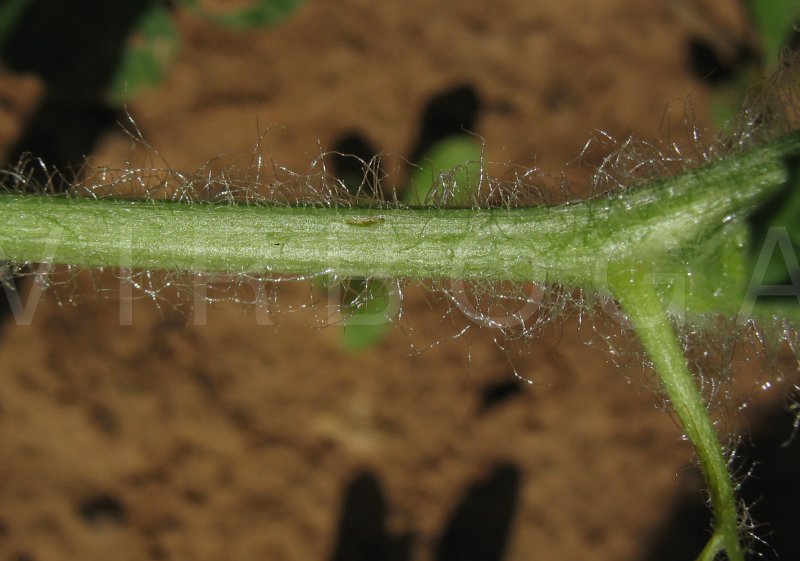
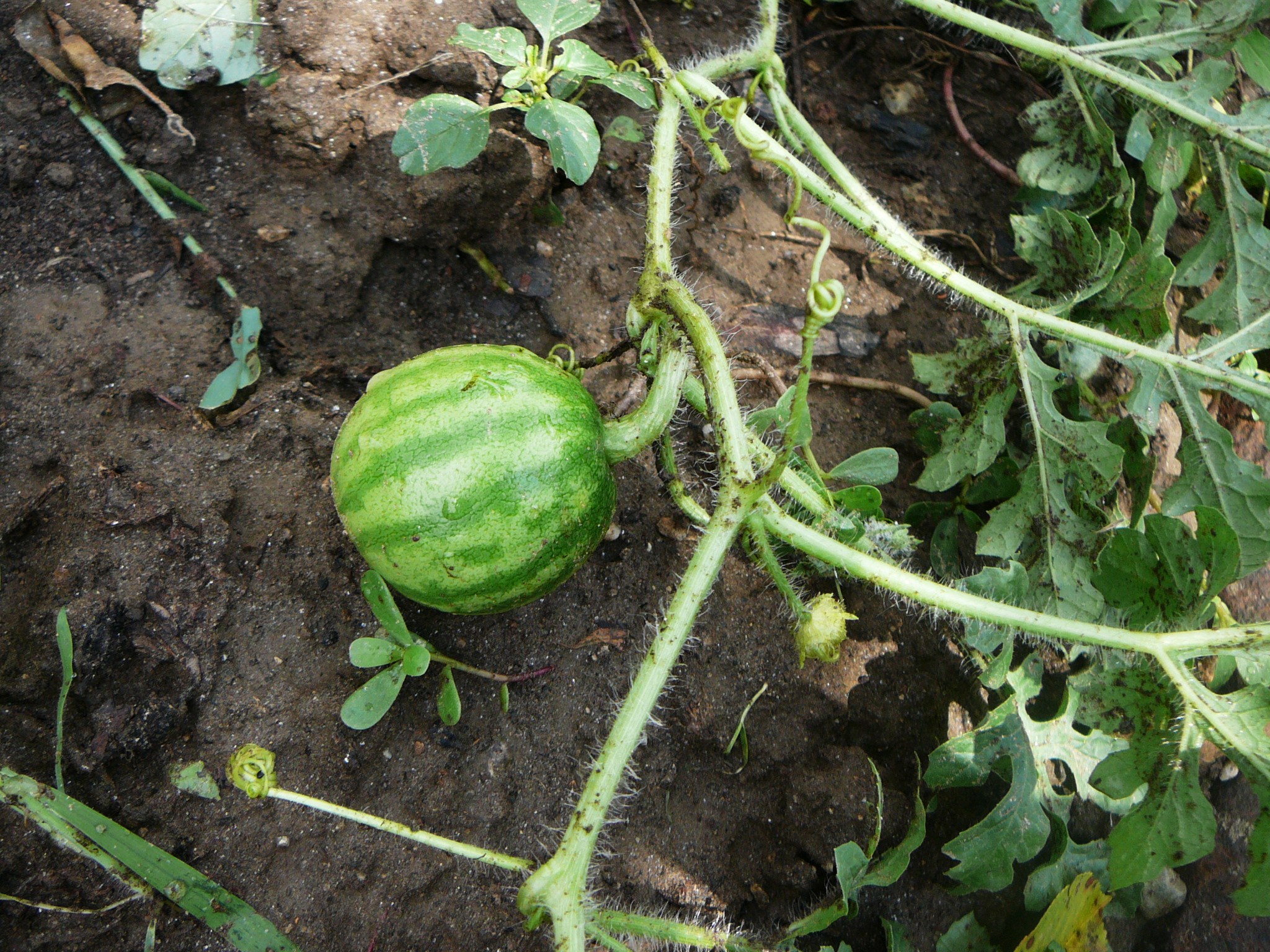
茎、枝粗壮,具明显的棱沟,被长而密的白色或淡黄褐色长柔毛。卷须较粗壮,具短柔毛,2歧,
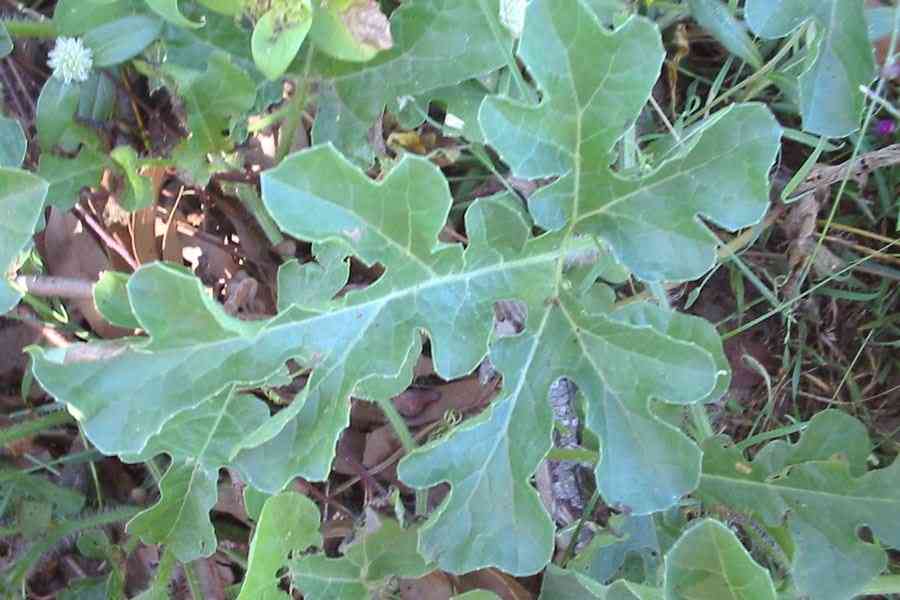
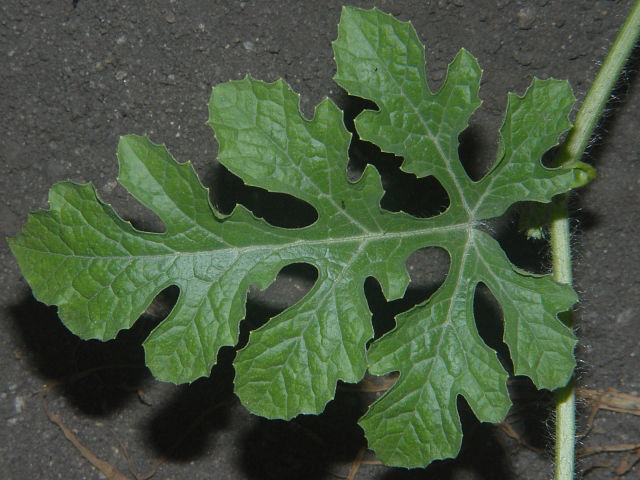
叶柄粗,长3-12厘米,粗0.2-0.4厘米,具不明显的沟纹,密被柔毛;叶片纸质,轮廓三角状卵形,带白绿色,长8-20厘米,宽5-15厘米,两面具短硬毛,脉上和背面较多,3深裂,中裂片较长,倒卵形、长圆状披针形或披针形,顶端急尖或渐尖,裂片又羽状或二重羽状浅裂或深裂,边缘波状或有疏齿,末次裂片通常有少数浅锯齿,先端钝圆,叶片基部心形,有时形成半圆形的弯缺,弯缺宽1-2厘米,深0.5-0.8厘米。
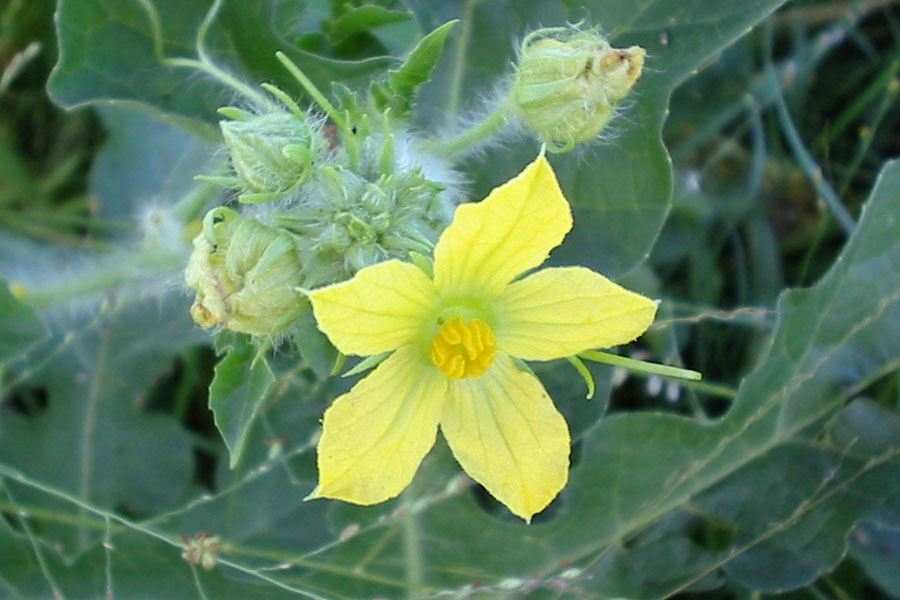
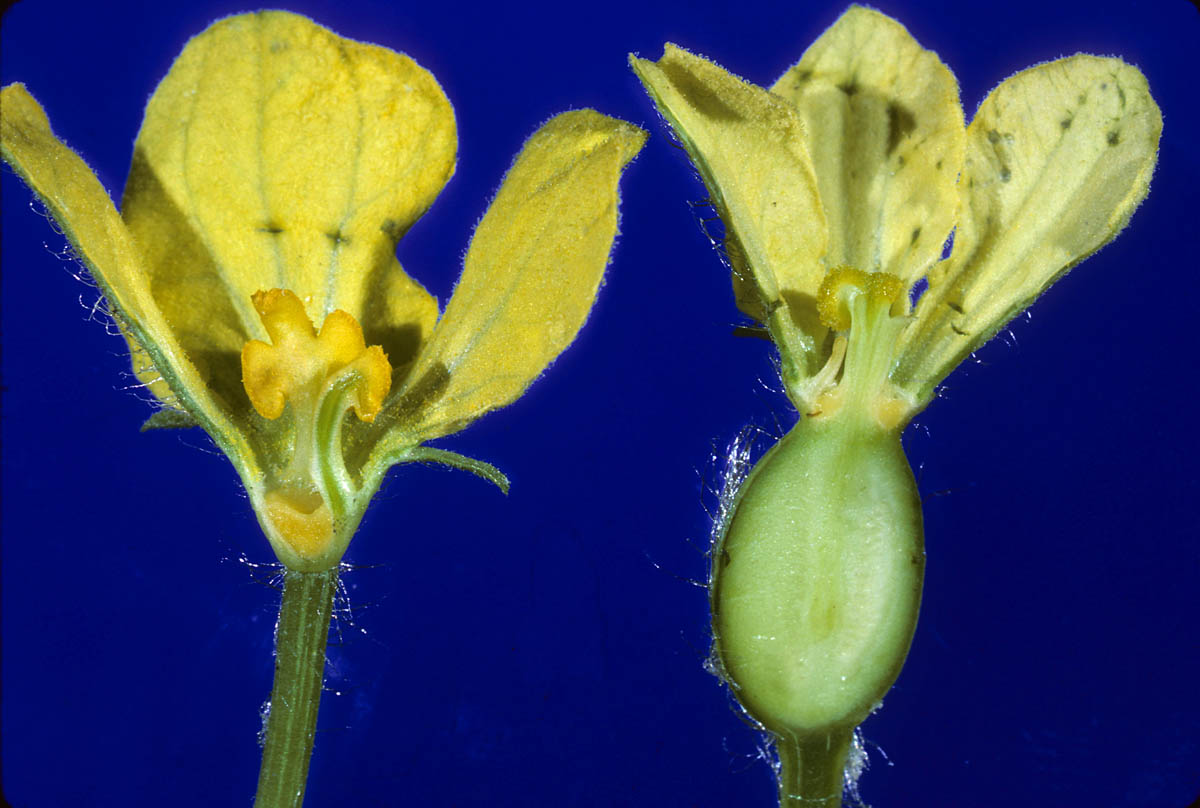
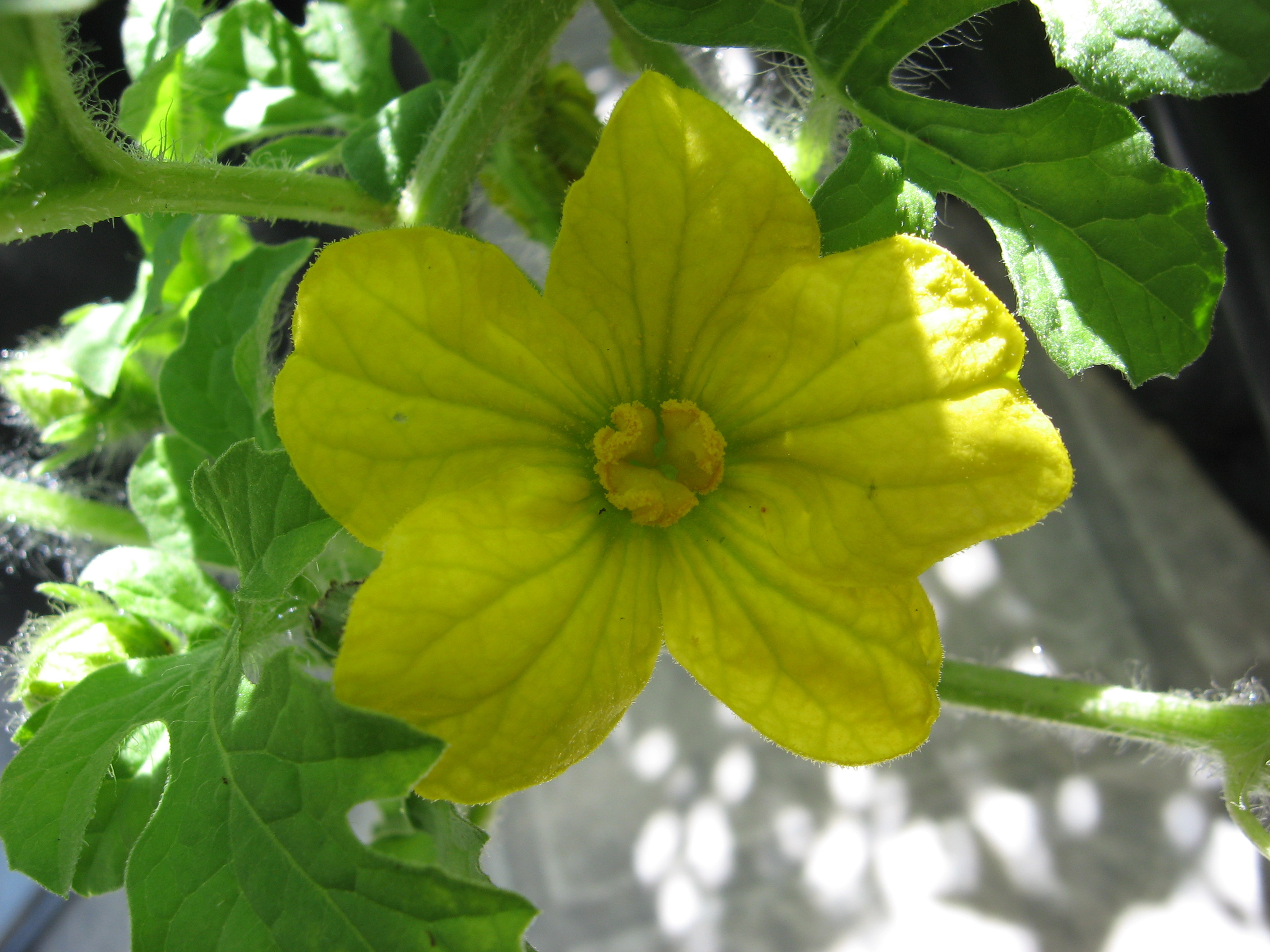
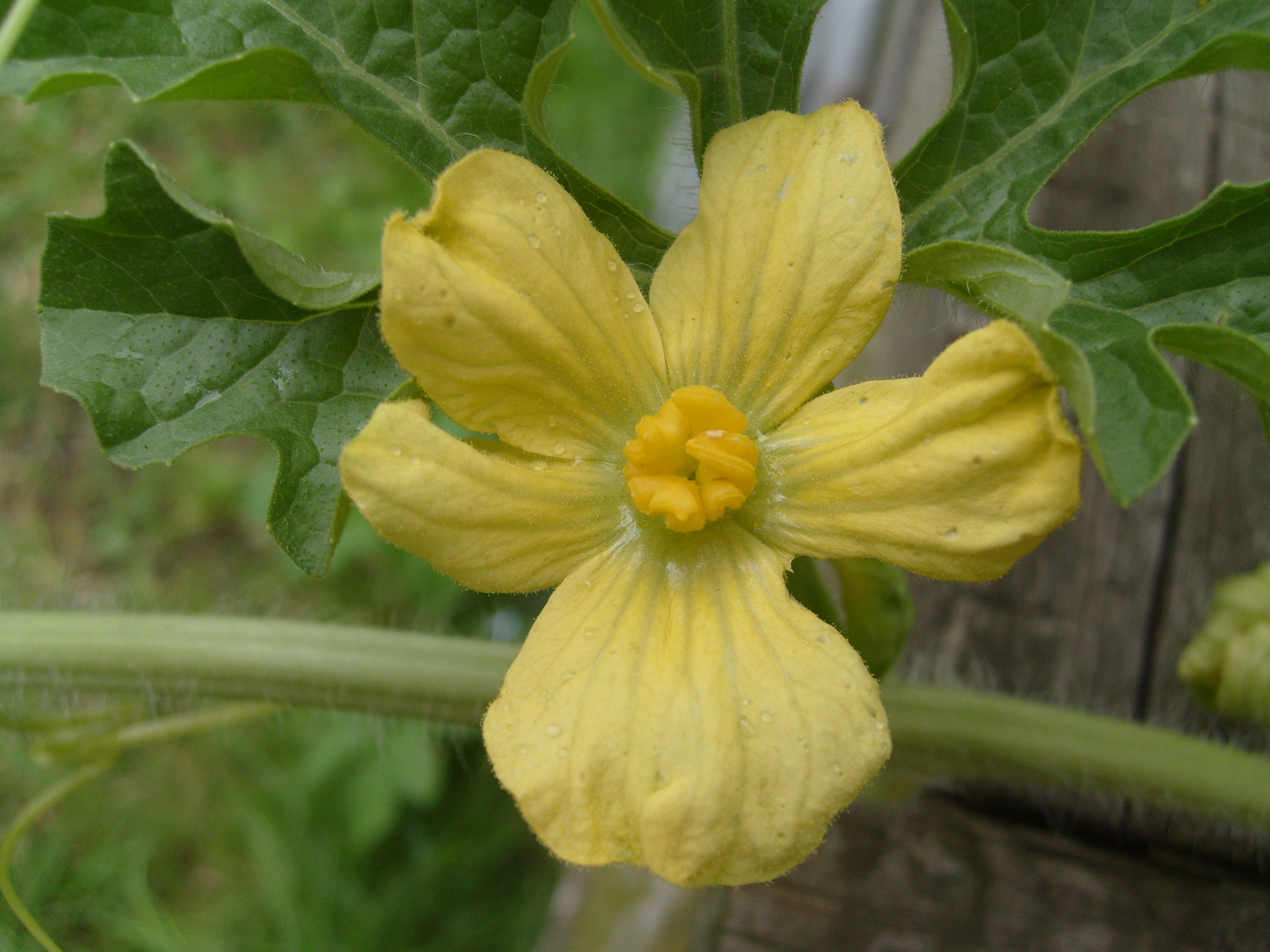
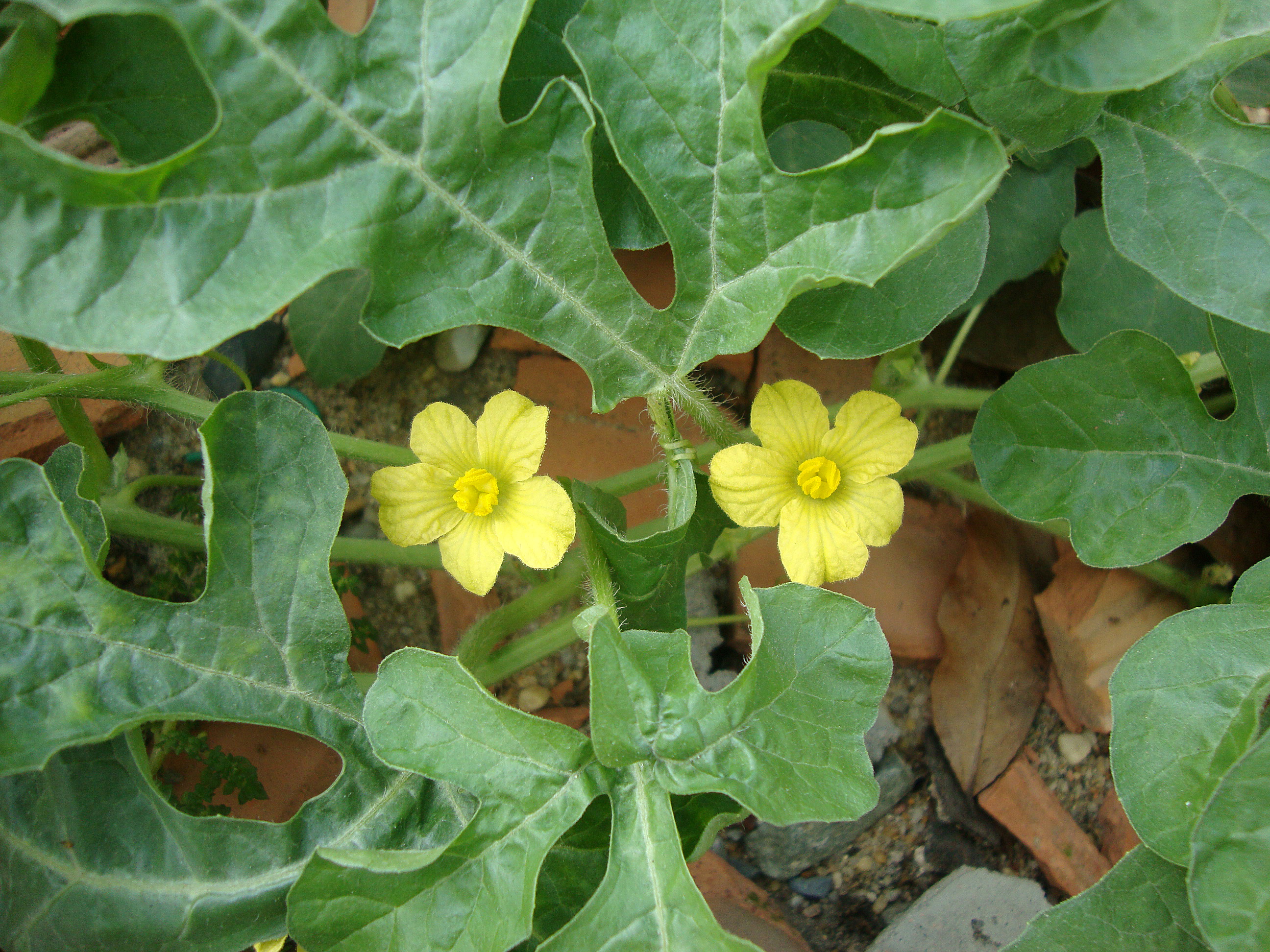
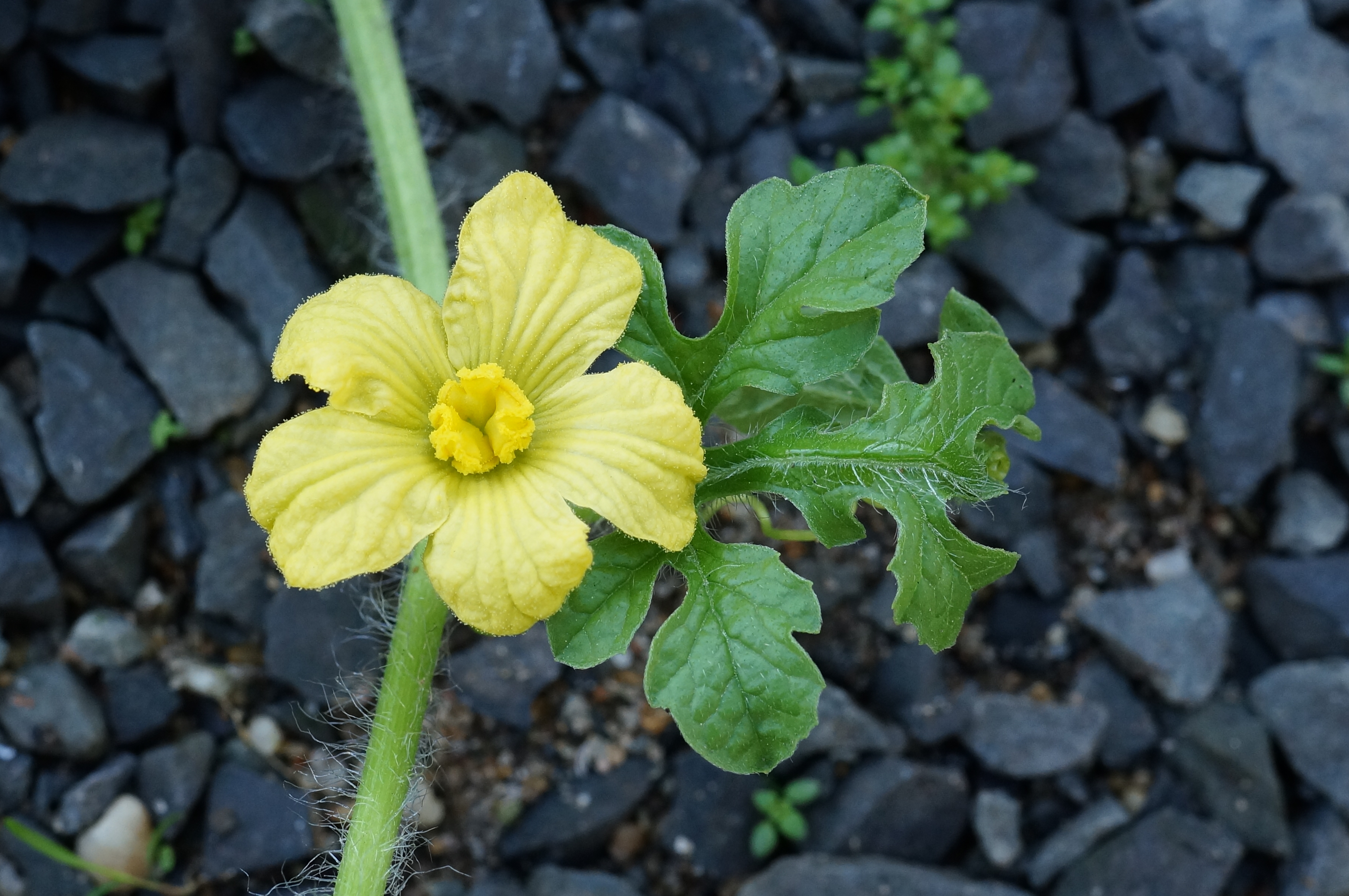
雌雄同株。雌、雄花均单生于叶腋。雄花:花梗长3-4厘米,密被黄褐色长柔毛;花萼筒宽钟形,密被长柔毛,花萼裂片狭披针形,与花萼筒近等长,长2-3毫米;花冠淡黄色,径2.5-3厘米,外面带绿色,被长柔毛,裂片卵状长圆形,长1-1.5厘米,宽0.5-0.8厘米,顶端钝或稍尖,脉黄褐色,被毛;雄蕊3,近离生,1枚1室,2枚2室,花丝短,药室折曲。
雌花:花萼和花冠与雄花同;子房卵形,长0.5-0.8厘米,宽0.4厘米,密被长柔毛,花柱长4-5毫米,柱头3,肾形。
果实大型,近于球形或椭圆形,肉质,多汁,果皮光滑,色泽及纹饰各式。种子多数,卵形,黑色、红色,有时为白色、黄色、淡绿色或有斑纹,两面平滑,基部钝圆,通常边缘稍拱起,长1-1.5厘米,宽0.5-0.8厘米,厚1-2毫米,花果期夏季。
我国各地栽培,品种甚多,外果皮、果肉及种子形式多样,以新疆、甘肃兰州、山东德州、江苏溧阳等地最为有名。其原种可能来自非洲,久已广泛栽培于世界热带到温带,金、元时始传入我国。
本种果实为夏季之水果,果肉味甜,能降温去暑;种子含油,可作消遣食品;果皮药用,有清热、利尿、降血压之效。
Citrullus lanatus
Common Name(s): WatermelonWatermelons
Watermelon is an annual, prostrate卧倒的, vining vegetable that produces large, spherical to oval, edible, wet, fleshy fruits. It is a member of the Cucurbitaceae (cucumber) family and originated in Africa.
Watermelon is easily grown from seed and does best in areas with long warm summers. Plant after all chance of frost has passed and the ground is warm. Choose a site that receives full sun and has loamy soil with a neutral pH. Keep the soil moist but not soggy湿透的. Harvest the fruit only when ripe.
There are more than 1000 watermelon cultivars available. Vines can be up to 10 feet wide. The juicy fruits mature late summer and can weigh 6 to 60 pounds or more. The fruit is generally red with seeds but can also be pink or yellow. Seedless varieties are available.
Insects, Diseases, and Other Plant Problems: Plants are susceptible to mites(螨), squash vine borers, aphids, squash bugs, stink bugs, cutworms, pickleworm, cucumber beetles, downy and powdery mildews, bacterial wilt, fusarium wilt, blossom end rot, and anthracnose. Pollination may be hindered by cold rainy weather. Stress from heat, excessive water ,or poor pollination may result in poor fruit set.
三、黄瓜属——Cucumis Linn.
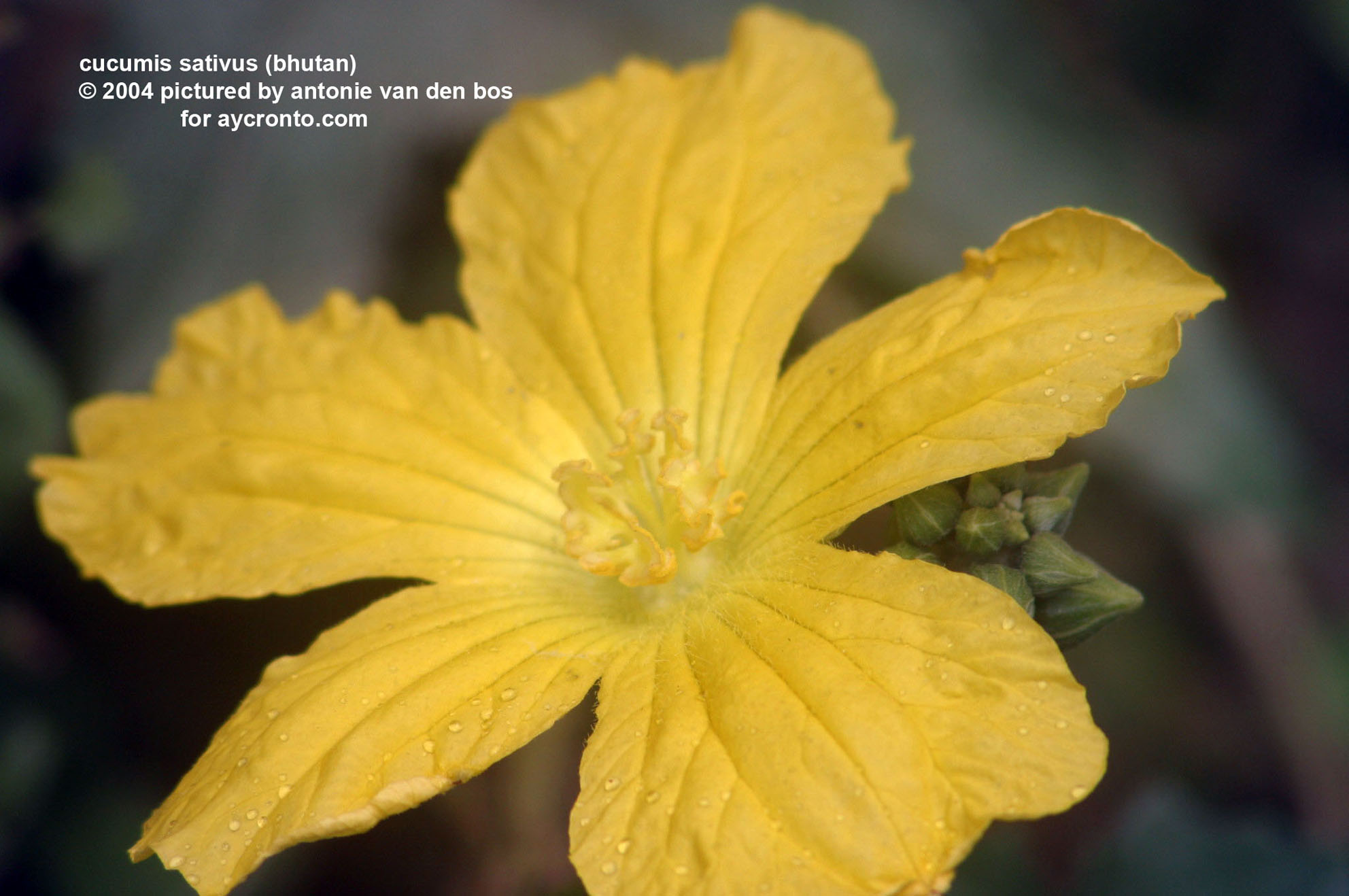
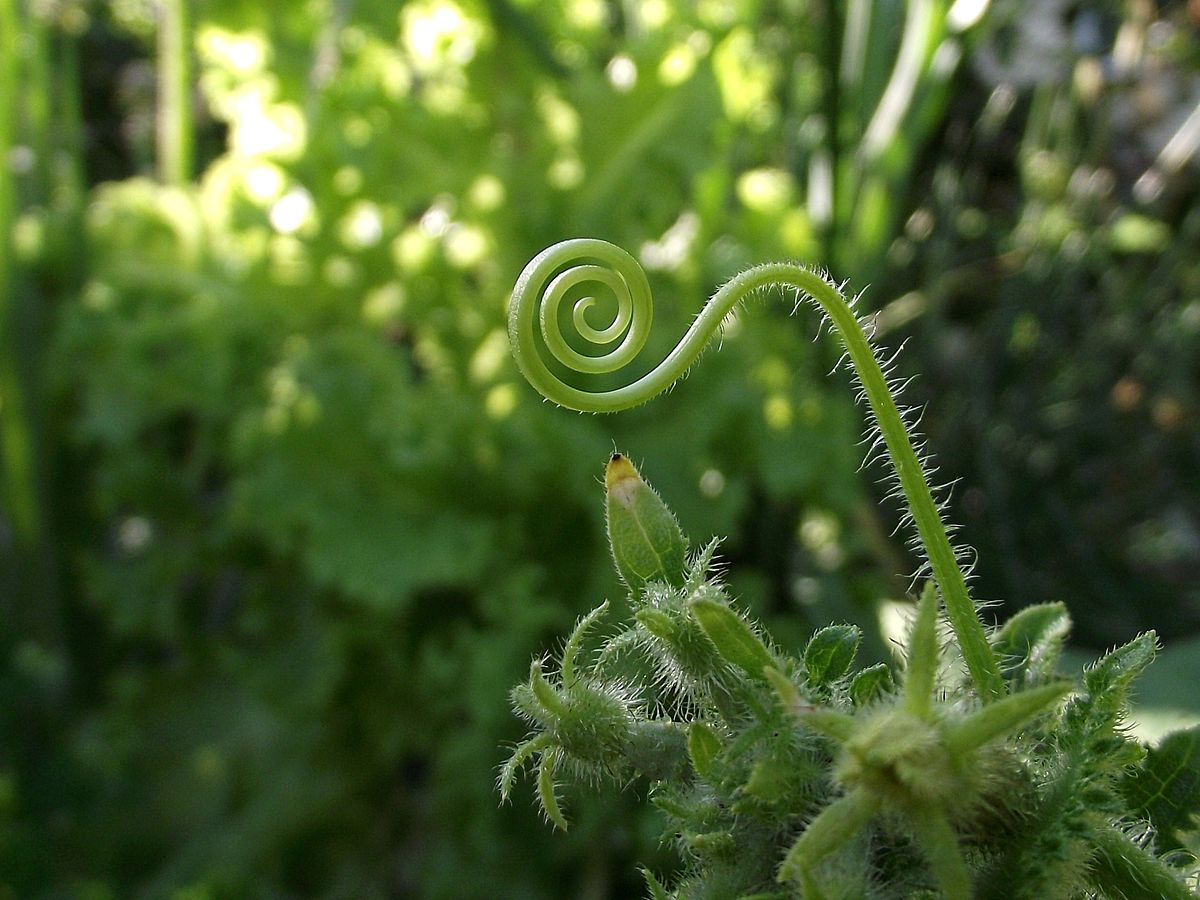
一年生攀援或蔓生草本;茎、枝有棱沟,密被白色或稍黄色的糙硬毛。卷须纤细,不分歧。叶片近圆形、肾形或心状卵形,不分裂或3-7浅裂,具锯齿,两面粗糙,被短刚毛。雌雄同株,稀异株。雄花:簇生或稀单生;花萼筒钟状或近陀螺状,5裂,裂片近钻形;花冠辐状或近钟状,黄色,5裂,裂片长圆形或卵形;雄蕊3,离生,着生在花被筒上,花丝短,花药长圆形,1枚1室,2枚2室,药室线形,折曲或稀弓曲,药隔伸出,成乳头状;退化雌蕊腺体状。雌花单生或稀簇生;花萼和花冠与雄花相同;退化雄蕊缺如;子房纺锤形或近圆筒形,具3-5胎座,花柱短,柱头3-5,靠合;胚珠多数,水平着生。果实多形,肉质或质硬,通常不开裂,平滑或具瘤状凸起。种子多数,扁压,光滑,无毛,种子边缘不拱起。
约70种,分布于世界热带到温带地区,以非洲种类较多。我国4种3变种。
黄瓜(原变种)图版52: 11
Cucumis sativus Linn
一年生蔓生或攀援草本;
茎、枝伸长,有棱沟,被白色的糙硬毛。卷须细,不分歧,具白色柔毛。
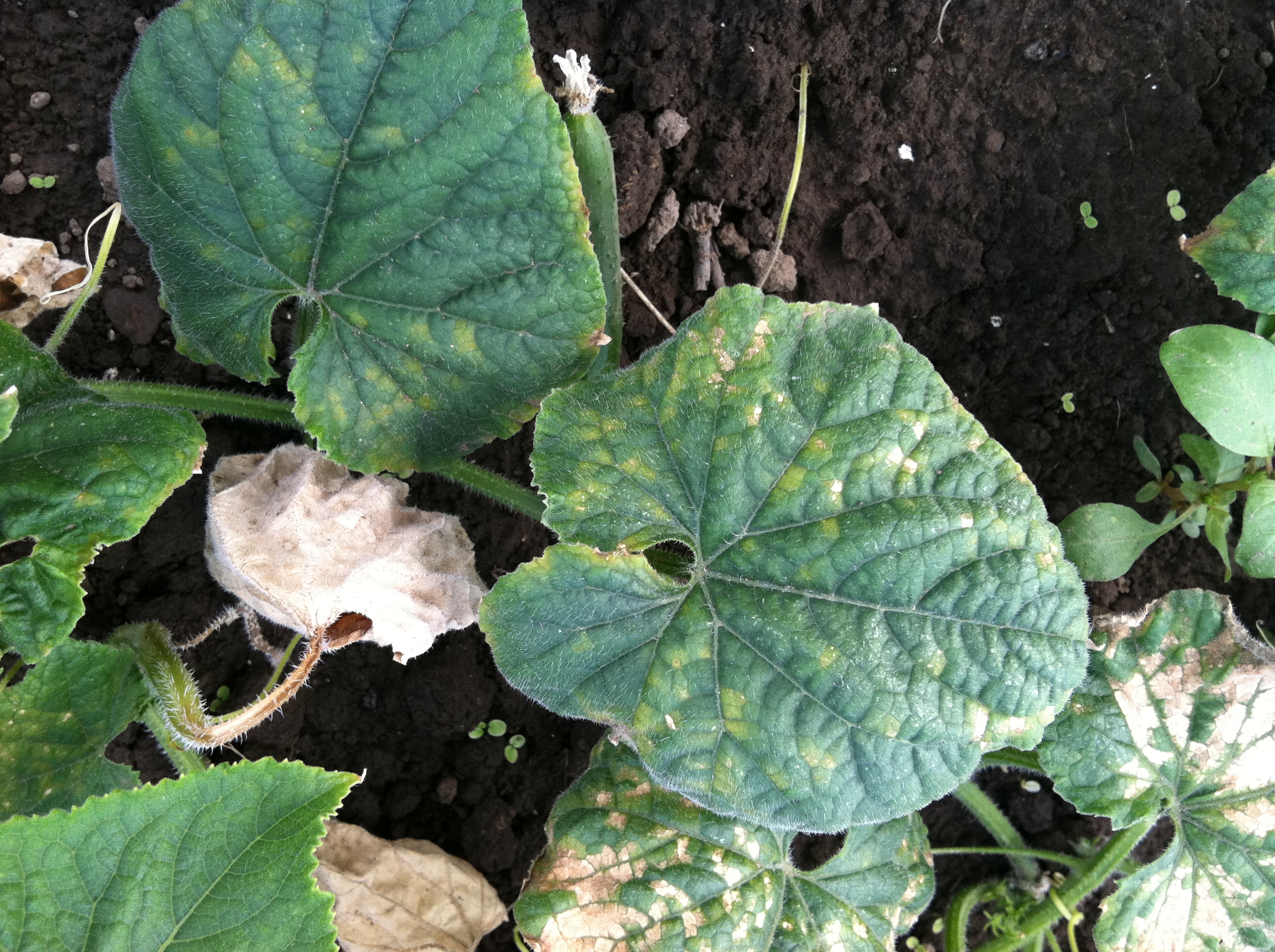
叶柄稍粗糙,有糙硬毛,长10-16 (-20) 厘米;叶片宽卵状心形,膜质,长、宽均7-20厘米,两面甚粗糙,被糙硬毛,3-5个角或浅裂,裂片三角形,有齿,有时边缘有缘毛,先端急尖或渐尖,基部弯缺半圆形,宽2-3厘米,深2-2.5厘米,有时基部向后靠合。
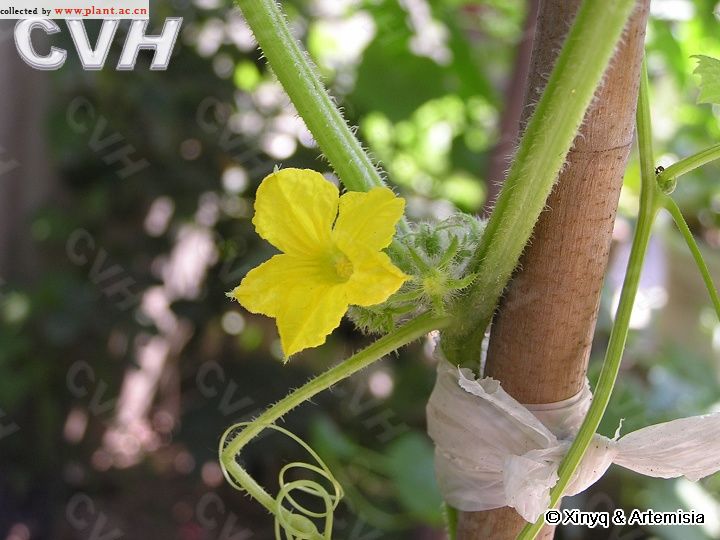
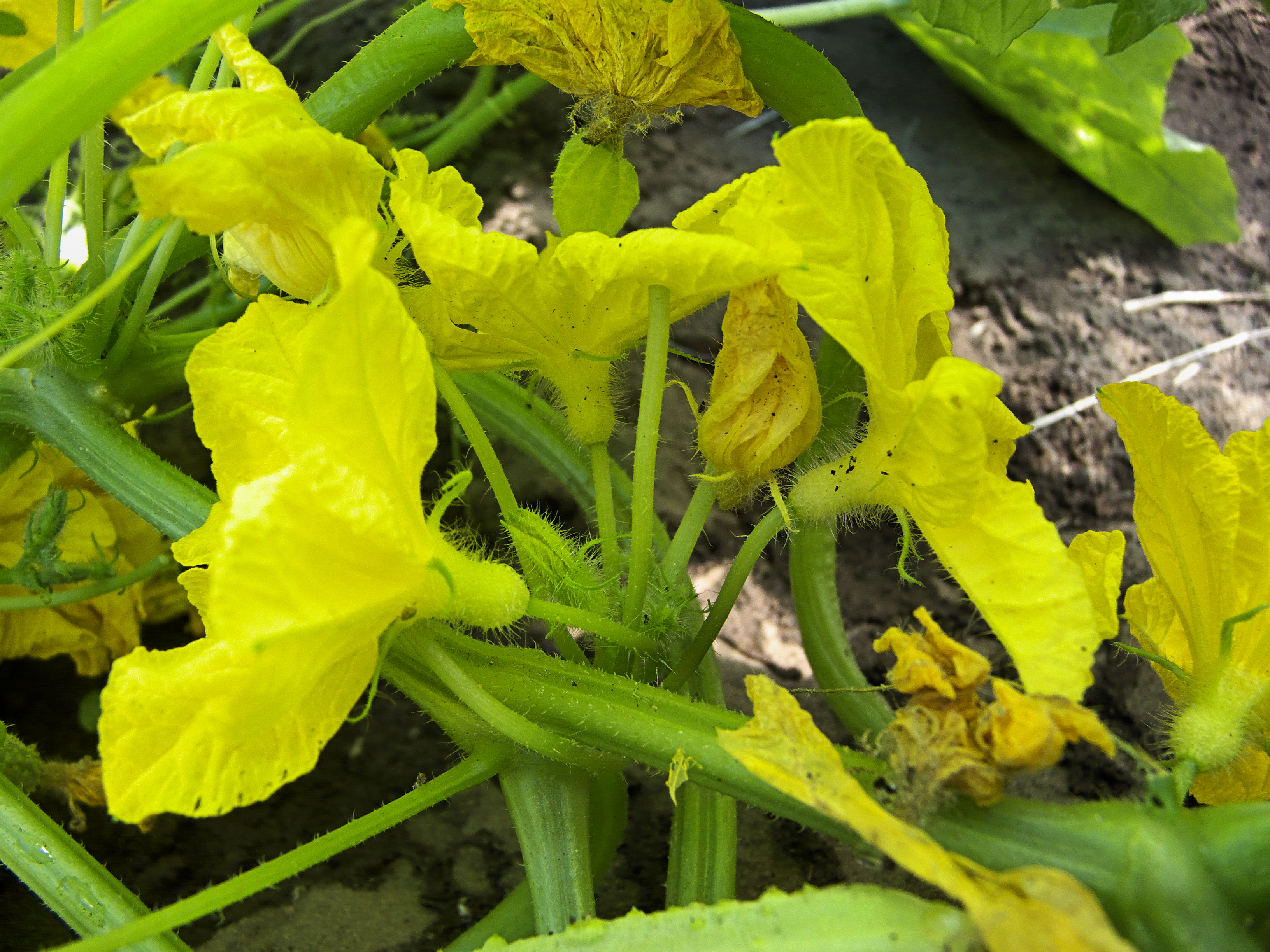
雌雄同株。雄花:常数朵在叶腋簇生;花梗纤细,长0.5-1.5厘米,被微柔毛;花萼筒狭钟状或近圆筒状,长8-10毫米,密被白色的长柔毛,花萼裂片钻形,开展,与花萼筒近等长;花冠黄白色,长约2厘米,花冠裂片长圆状披针形,急尖;雄蕊3,花丝近无,花药长3-4毫米,药隔伸出,长约1毫米。雌花:单生或稀簇生;花梗粗壮,被柔毛,长1-2厘米;子房纺锤形,粗糙,有小刺状突起。果实长圆形或圆柱形,长10-30 (-50) 厘米,熟时黄绿色,表面粗糙,有具刺尖的瘤状突起,极稀近于平滑。种子小,狭卵形,白色,无边缘,两端近急尖,长约5-10毫米。花果期夏季。
我国各地普遍栽培,且许多地区均有温室或塑料大棚栽培;现广泛种植于温带和热带地区。
果为我国各地夏季主要菜蔬之一。茎藤药用,能消炎、祛痰、镇痉。
Cucumbers originated in India and other parts of Western Asia.
There arerelatives of the cucumber that can be found in the foothills of the Himalaya Mountains,but cannot be used agriculturally because of bitter fruit, mainly dormant seeds and delayed maturity. Other relatives of the cucumber can be found in China and the Near and Middle East, however cucumbers were most likely domesticated in Asia. Cultivation of the vegetable as a food source began roughly 3000 years ago. From India,the cucumber was carried to Greece and Italy, where it played a pivotal role in the Roman Empire. From Rome, it spread to China and southern Russia. Literature suggests there was cultivation of cucumber in classical Rome by the first century. Spread to the rest of Europe by the Romans, the cucumber was later dispersed to the New World through colonialism and indigenous trade. The first records of cucumber cultivation were found in France in the 9th century, Great Britain in the 14th century, Caribbean by late 15th century and North America by mid 16th century. Cucumbers first arrived in the New World in Haiti (Hispaniola) by way of the Columbus and the Spanish in 1494. The crop spread up to Florida and then out to the Great Plains through Native American tribes. Native American tribes such as the Iroquois adopted the cucumbers into their gardens soon after their introduction to the continent. Domestic versions of the cucumber were first found in North America in the 19th century and nclude: Arlington White Spine, Boston Pickling and Chicago Pickling.




四、南瓜属——Cucurbita Linn.
一年生蔓生草本;茎、枝稍粗壮。叶具浅裂,基部心形。卷须2一多歧。雌雄同株。花单生,黄色。雄花:花萼筒钟状,稀伸长,裂片5,披针形或顶端扩大成叶状;花冠合瓣,钟状,5裂仅达中部;雄蕊3枚,花丝离生,花药靠合成头状,1枚1室,其它2室,药室线形,折曲,药隔不伸长;无退化雌蕊。雌花:花梗短;花萼和花冠同雄花,退化雄蕊3,短三角形;子房长圆状或球状,具3胎座;花柱短,柱头3,具2浅裂或2分歧,胚珠多数,水平着生。果实通常大型,肉质,不开裂。种子多数,扁平,光滑。
约30种,分布于热带及亚热带地区,在温带地区栽培。我国栽培3种。
1、南瓜(学圃杂疏) 倭瓜,番瓜,饭瓜,番南瓜,北瓜
Cucurbita moschata (Duch. ex Lam.)
一年生蔓生草本;茎常节部生根,伸长达2-5米,密被白色短刚毛。
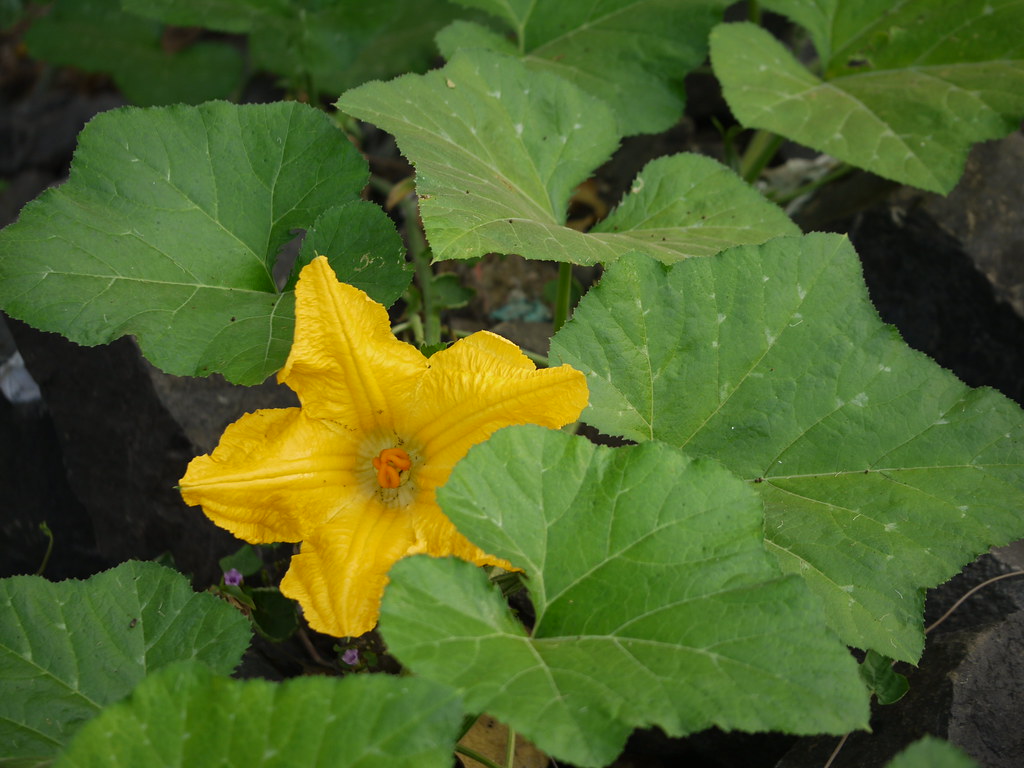
叶柄粗壮,长8-19厘米,被短刚毛;叶片宽卵形或卵圆形,质稍柔软,有5角或5浅裂,稀钝,长12-25厘米,宽20-30厘米,侧裂片较小,中间裂片较大,三角形,上面密被黄白色刚毛和茸毛,常有白斑,叶脉隆起,各裂片之中脉常延伸至顶端,成一小尖头,背面色较淡,毛更明显,边缘有小而密的细齿,顶端稍钝。卷须稍粗壮,与叶柄一样被短刚毛和茸毛,3-5歧。
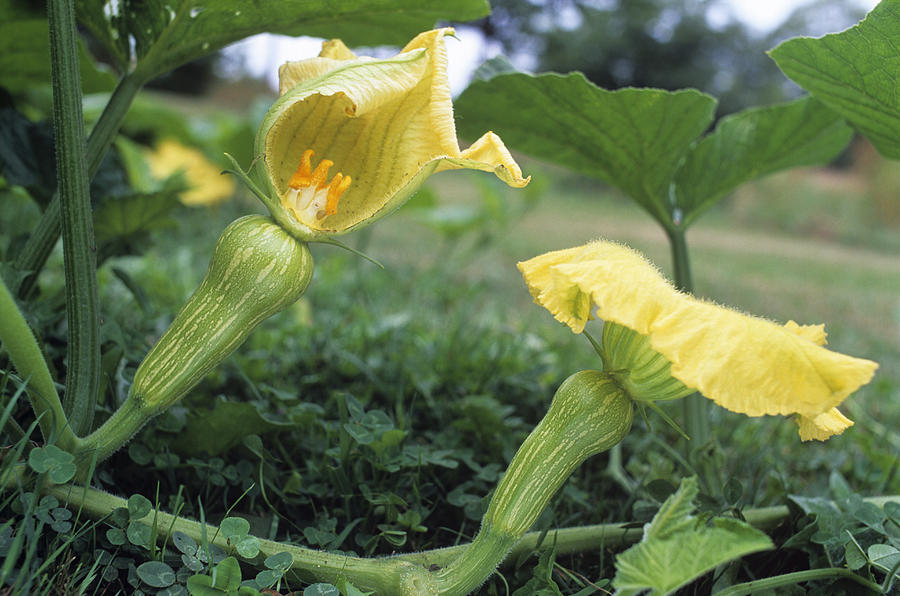
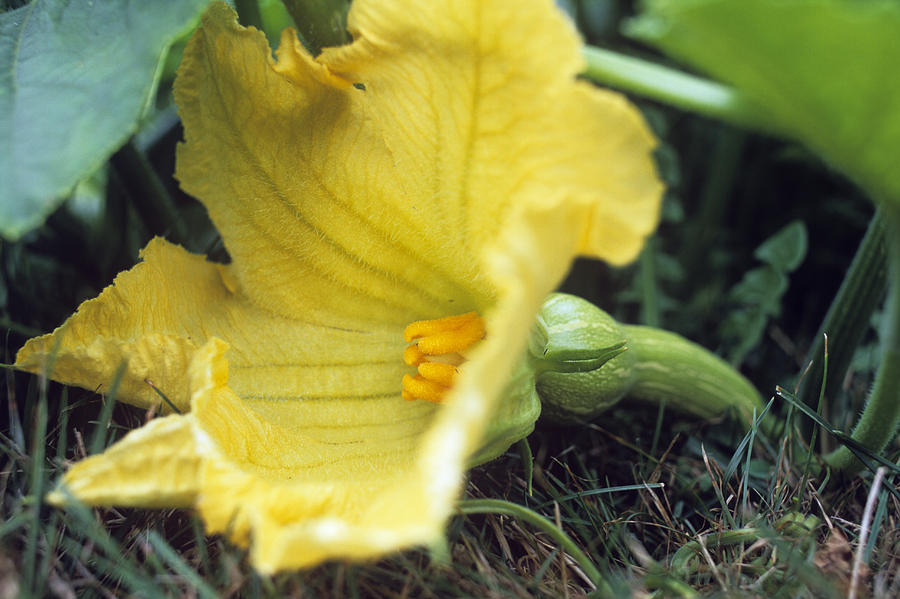
雌雄同株。雄花单生;花萼筒钟形,长5-6毫米,裂片条形,长1-1.5厘米,被柔毛,上部扩大成叶状;花冠黄色,钟状,长8厘米,径6厘米,5中裂,裂片边缘反卷,具皱褶,先端急尖;雄蕊3,花丝腺体状,长5-8毫米,花药靠合,长15毫米,药室折曲。雌花单生;子房1室,花柱短,柱头3,膨大,顶端2裂。
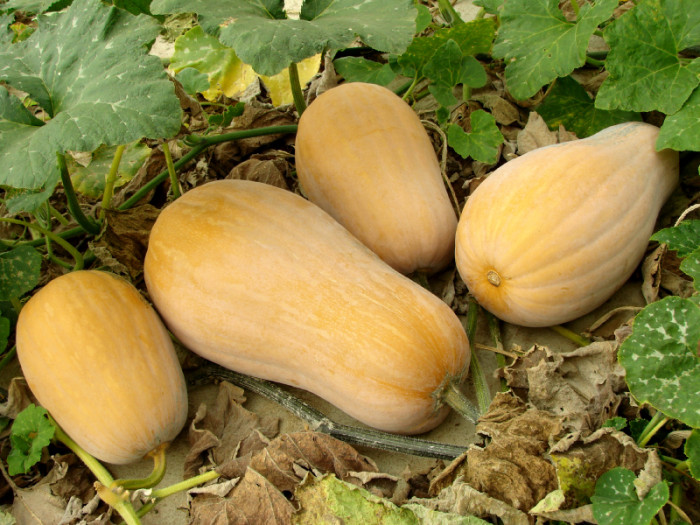
果梗粗壮,有棱和槽,长5-7厘米,瓜蒂扩大成喇叭状;瓠果形状多样,因品种而异,外面常有数条纵沟或无。种子多数,长卵形或长圆形,灰白色,边缘薄,长10-15毫米,宽7-10毫米。
原产墨西哥到中美洲一带,世界各地普遍栽培。明代传入我国,现南北各地广泛种植。
本种的果实作肴馔,亦可代粮食。全株各部又供药用,种子含南瓜子氨基酸,有清热除湿、驱虫的功效,对血吸虫有控制和杀灭的作用,藤有清热的作用,瓜蒂有安胎的功效,根治牙痛。
Cucurbita moschata is a species originating in either Central America or northern South America. It includes cultivars known as squash or pumpkin. C. moschata cultivars are generally more tolerant of hot, humid weather than cultivars of C. maxima or C. pepo. They also generally display a greater resistance to disease and insects, especially to the squash vine borer.南瓜蔓吉丁虫 Commercially made pumpkin pie mix is most often made from varieties of C. moschata. The ancestral species of the genus Cucurbita were present in the Americas before the arrival of humans. Evolutionarily speaking the genus is relatively recent in origin as no species within the genus is genetically isolated from all the other species. C. moschata acts as the genetic bridge within the genus and is closest to the genus' progenitor祖先.

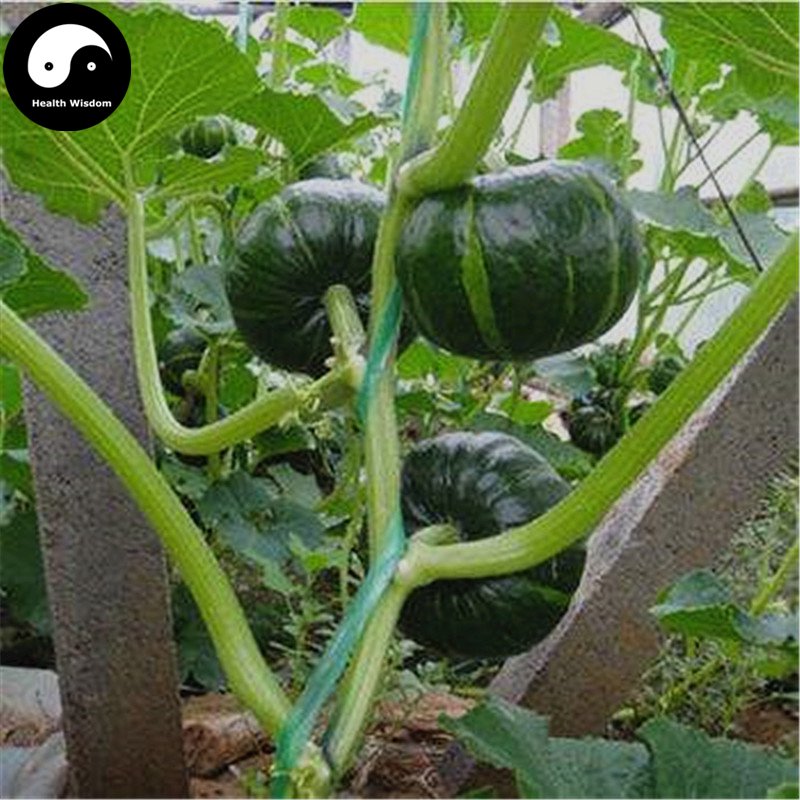

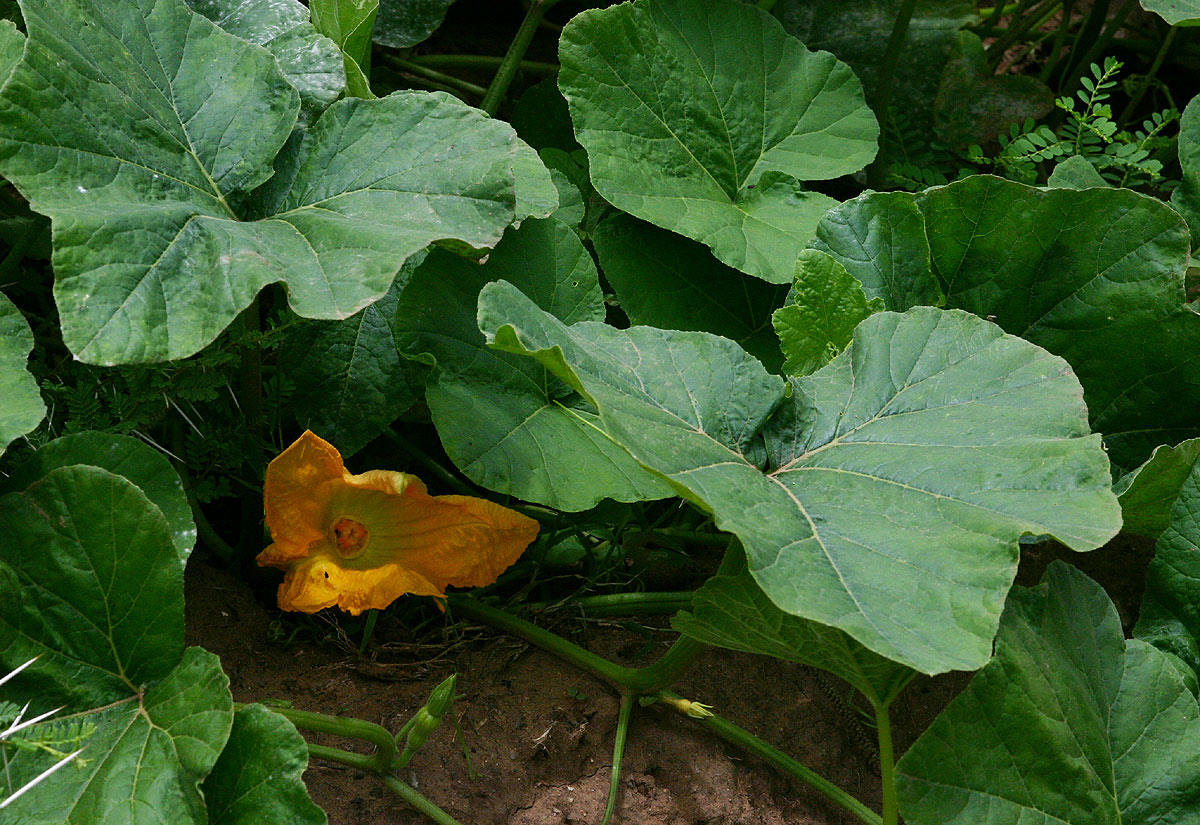
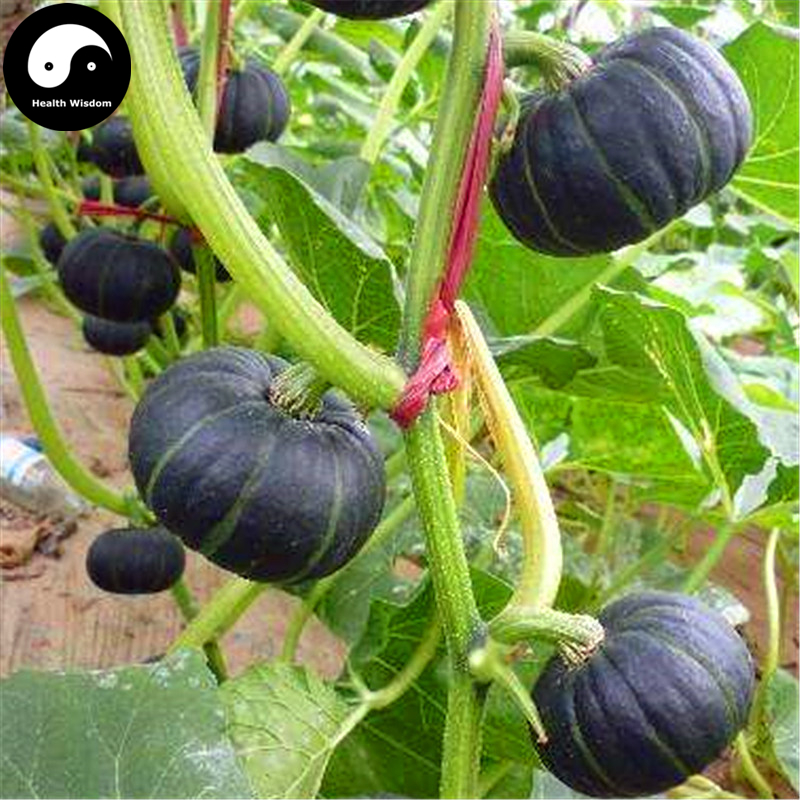

2、西葫芦(植物名实图考)
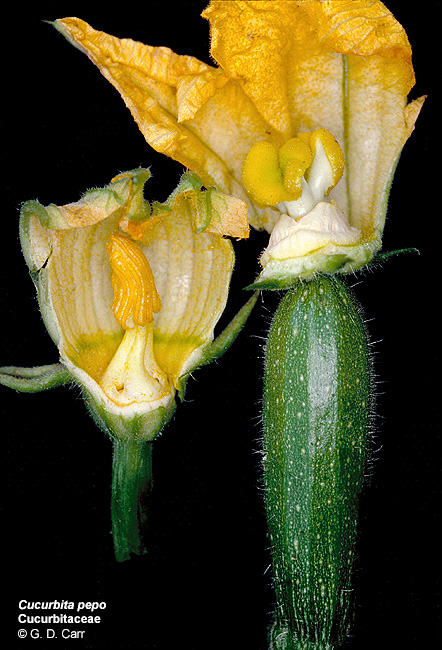
Cucurbita pepo Linn.
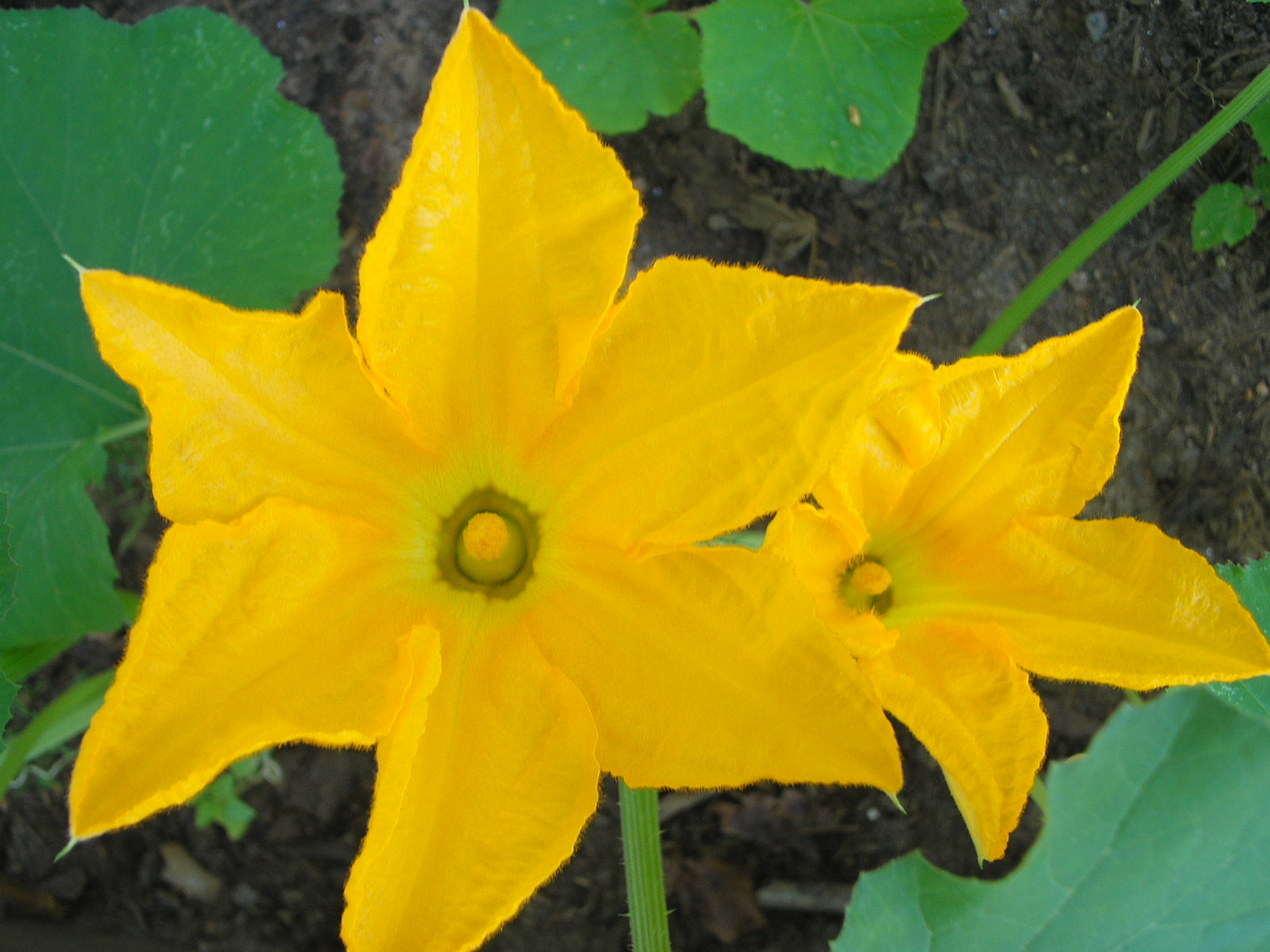
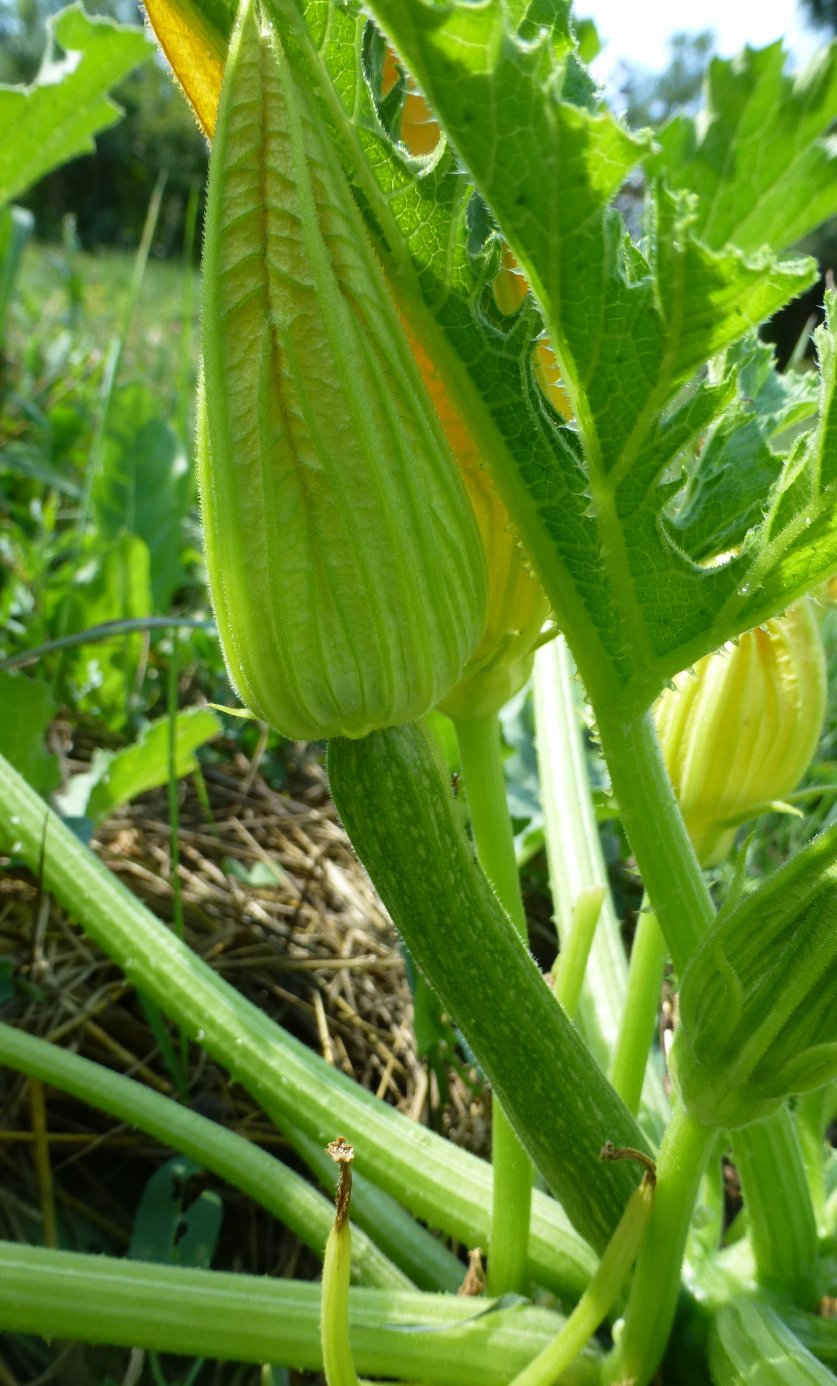
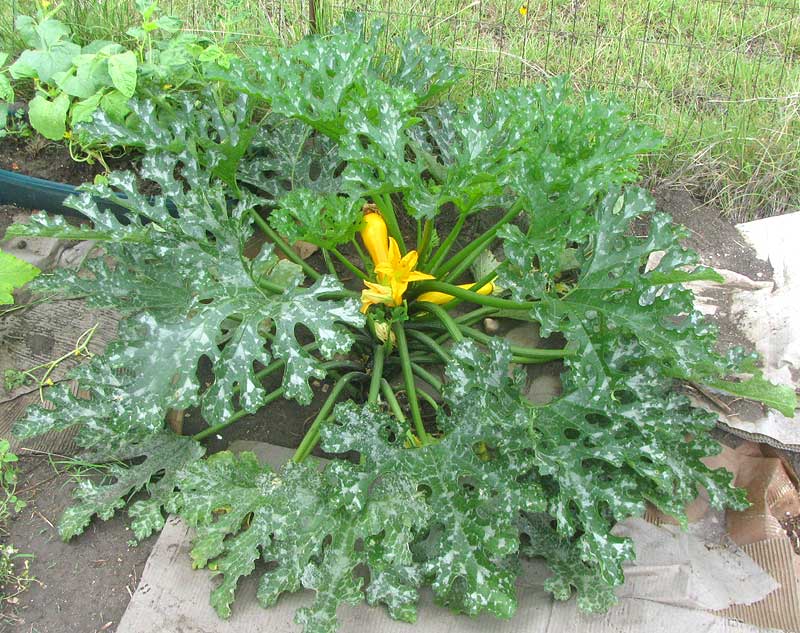
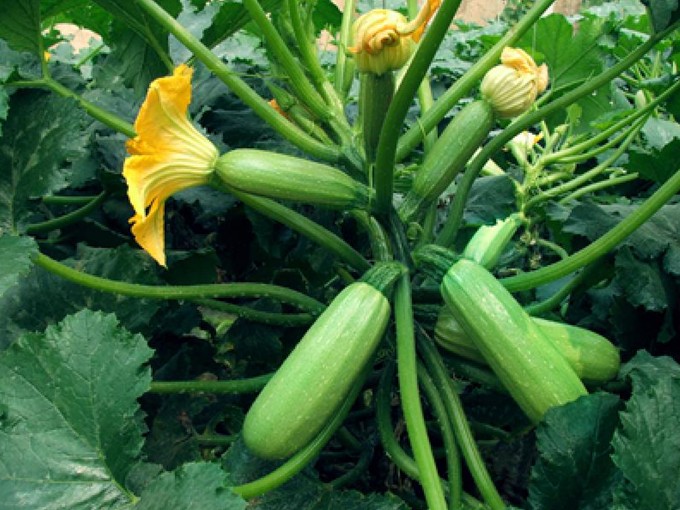
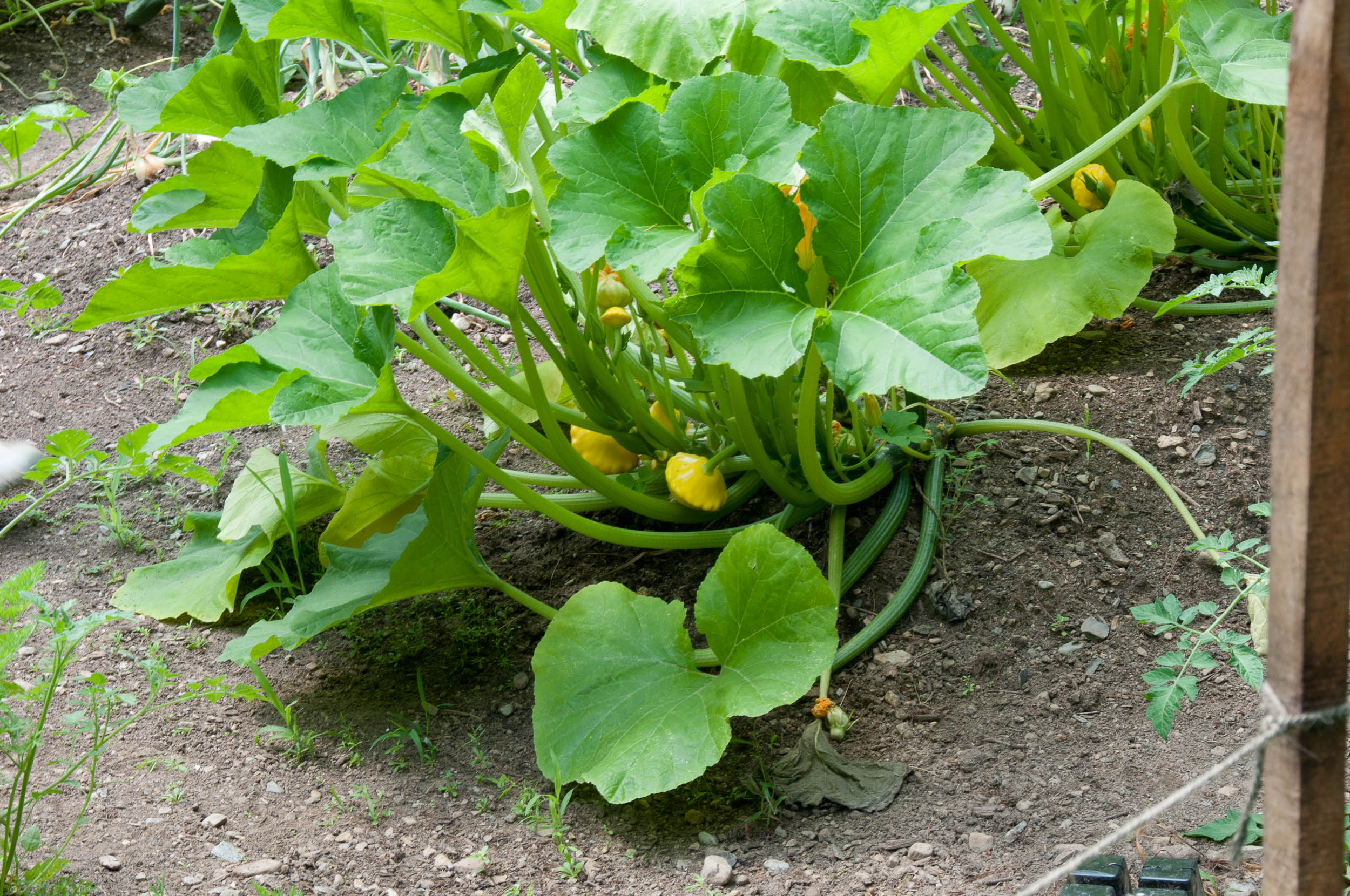
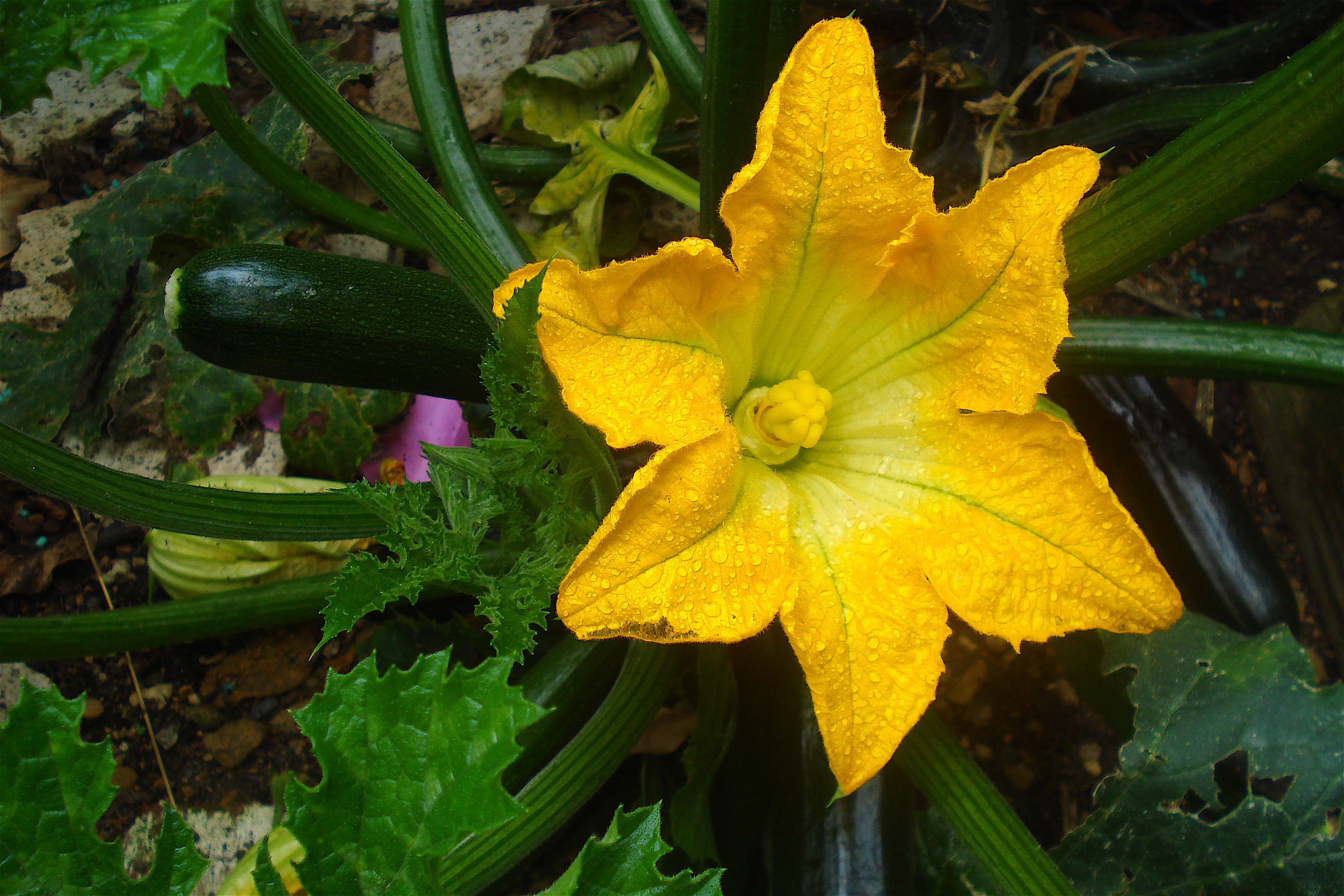
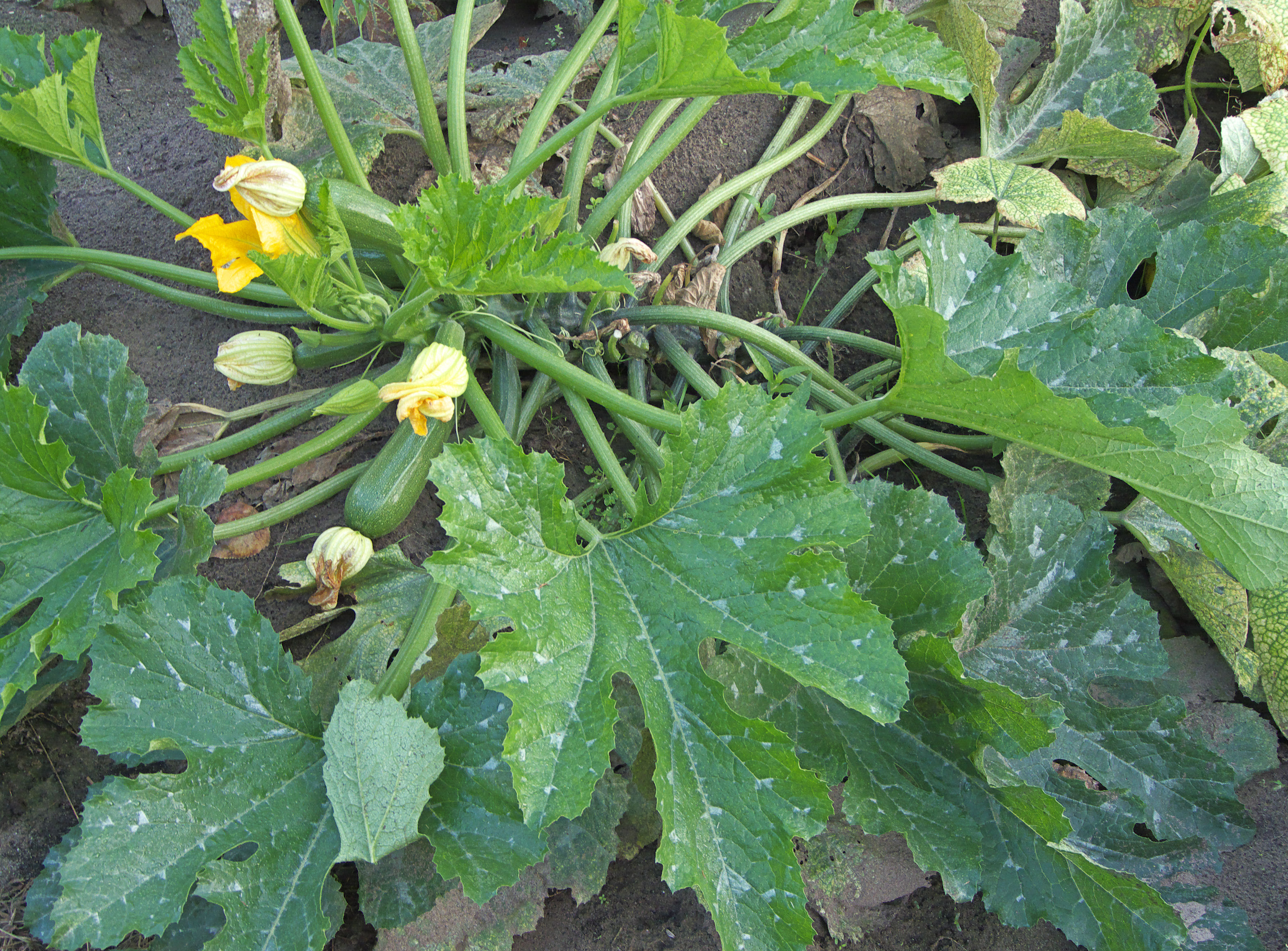
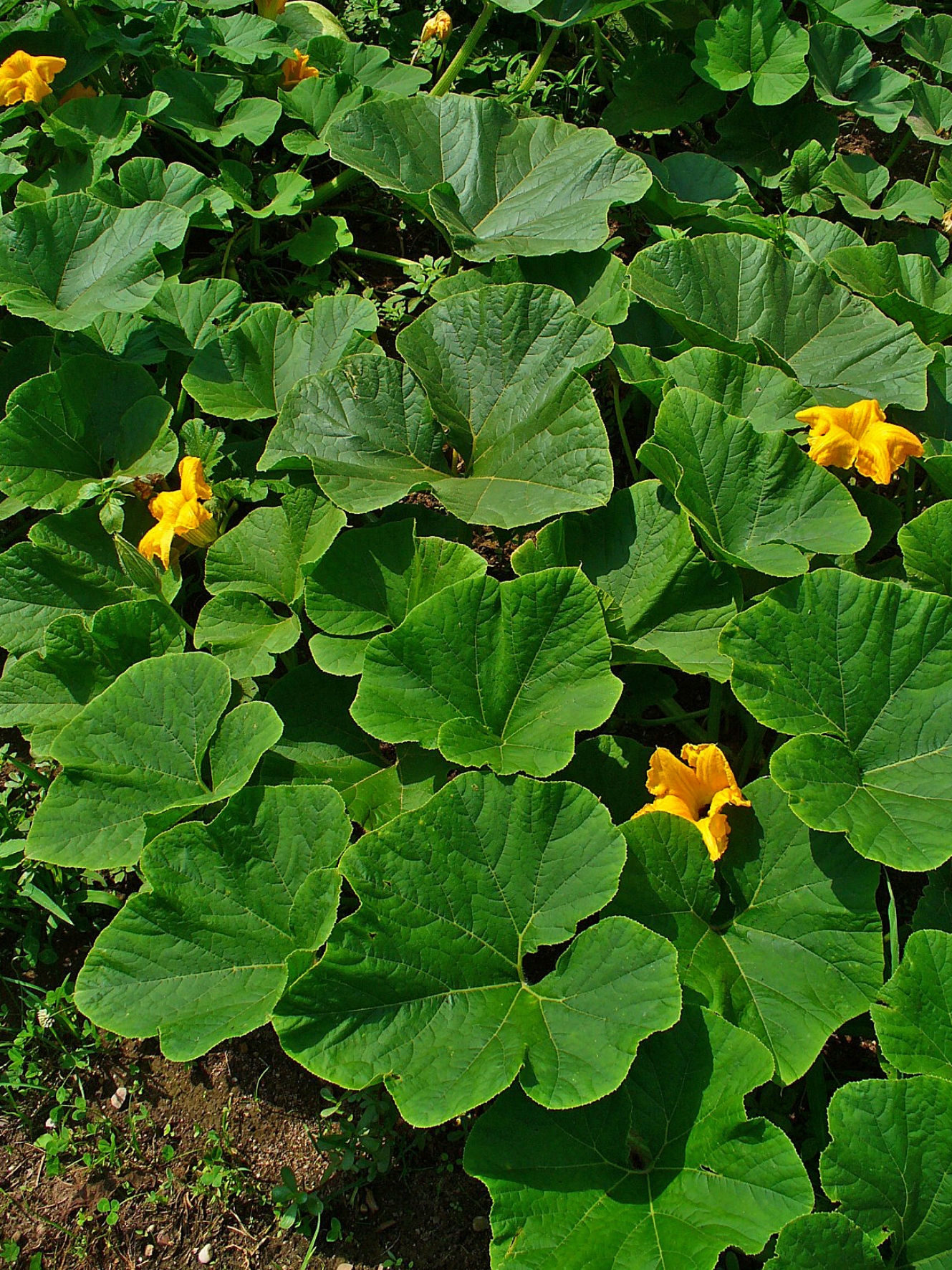
一年生蔓生草本;茎有棱沟,有短刚毛和半透明的糙毛。叶柄粗壮,被短刚毛,长6-9厘米;叶片质硬,挺立,三角形或卵状三角形,先端锐尖,边缘有不规则的锐齿,基部心形,弯缺半圆形,深0.5-1厘米,宽3-4厘米,上面深绿色,下面颜色较浅,叶脉在背面稍凸起,两面均有糙毛。卷须稍粗壮,具柔毛,分多歧。雌雄同株。雄花单生;花梗粗壮,有棱角,长3-6厘米,被黄褐色短刚毛;花萼筒有明显5角,花萼裂片线状披针形;花冠黄色,常向基部渐狭呈钟状,长5厘米,径3厘米,分裂至近中部,裂片直立或稍扩展,顶端锐尖;雄蕊3,花丝长15毫米,花药靠合,长10毫米。雌花单生,子房卵形,1室。果梗粗壮,有明显的棱沟,果蒂变粗或稍扩大,但不成喇叭状。果实形状因品种而异;种子多数,卵形,白色,长约20毫米,边缘拱起而钝。
世界各国普遍栽培;我国清代始从欧洲引入,现各地均有栽培
Historical Cultivation and Usage
Cucurbita pepo L. is native to the America (originating from northeastern Mexico and Texas), where it has been cultivated for several thousand years.3 Pumpkins were dispersed to other countries by transoceanic voyagers at the turn of the 16th century. The image Quegourdes de turquie (completed no later than 1508) represents the earliest-known representation of C. pepo in Europe.4 Native Americans dried strips of pumpkin and wove them into mats. They also roasted long strips of pumpkin and ate them. Galen, Hippocrates, Plinius, and Dioscorides used pumpkin seeds in form of compresses against swelling. Later, pumpkin was used for management of nephritis, tuberculosis, and internal worms and parasites.5 A famous painting entitled Fruittivendola (The Fruit Seller), located in Milan and painted in 1580, depicts the flower buds of C. pepo which were used for culinary purposes.
Habitat and Description
Cucurbita pepo is an annual, monoecious climber native to Mexico and cultivated worldwide for its edible fruits. The stems are fleshy, stout, setose and develop series of multifid tendrils. The leaves are simple. The petiole is stout, fleshy, setose and up to 10 cm long. The blade is triangular, 20–30 cm across, irregularly five-lobed, setose, cordate at base, dentate at base and acute at apex. The flowers are massive and solitary on a 2–20-cm-long, setose pedicel. The corolla is orangish, membranaceous, infundibuliform and five-lobed and can grow up to 10 cm long. In male flowers the calyx is campanulate and develops five linear segments which are 1–2.5 cm long. The androecium includes three stamens with 1.5-cm-long filaments. Female flowers present a reduced calyx and an ovary which is ovoid and unilocular. The fruiting pedicel is robust and pentagonal. The fruit is a berry which has a multitude of shapes and colors according to the varieties. The seeds are ovoid, flattened, 1–1.5 cm × 0.5–1 cm, white and smooth .
五、葫芦属——Lagenaria Ser.
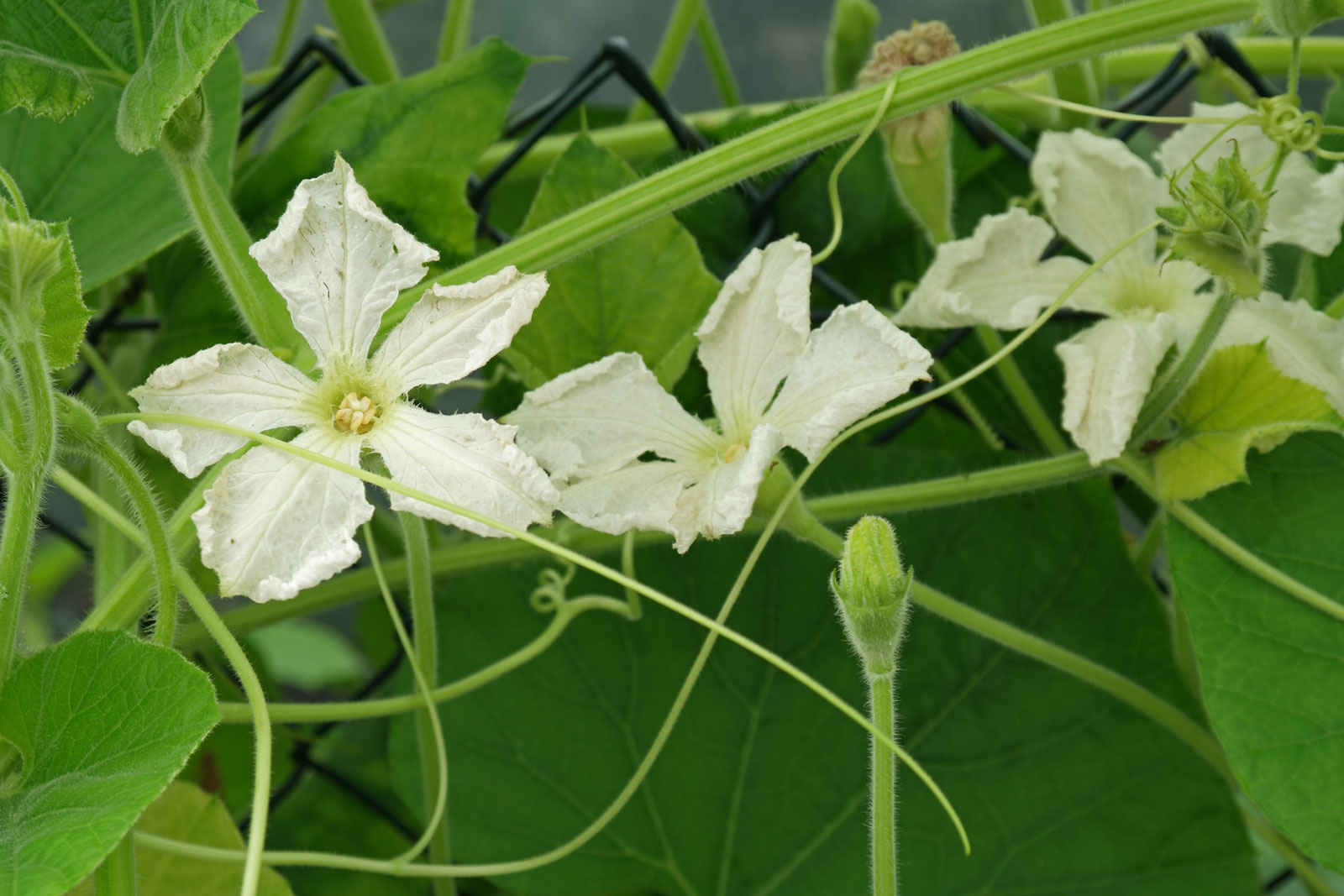
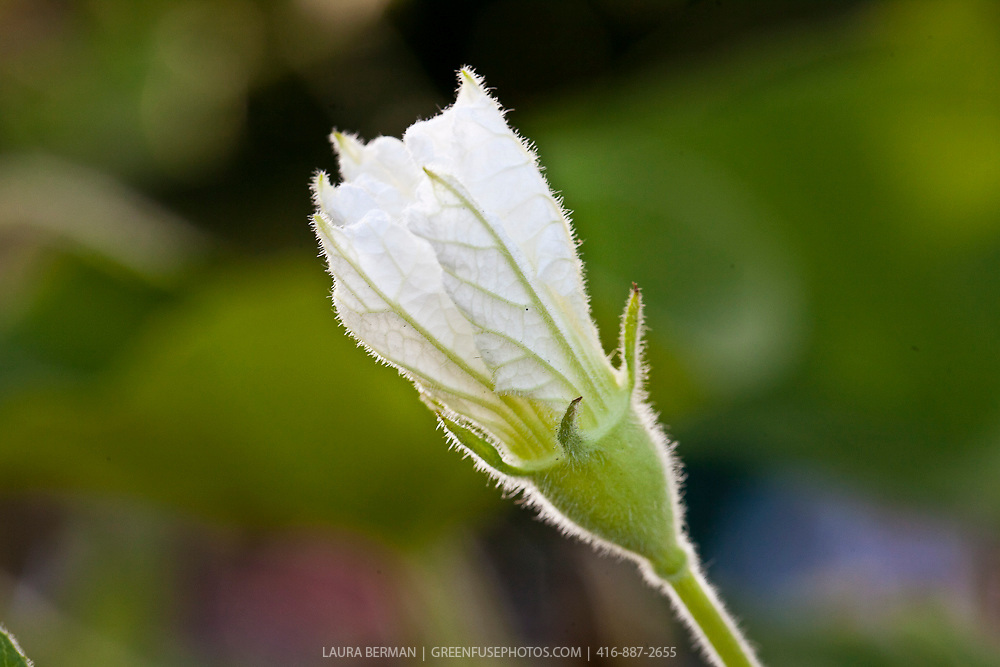
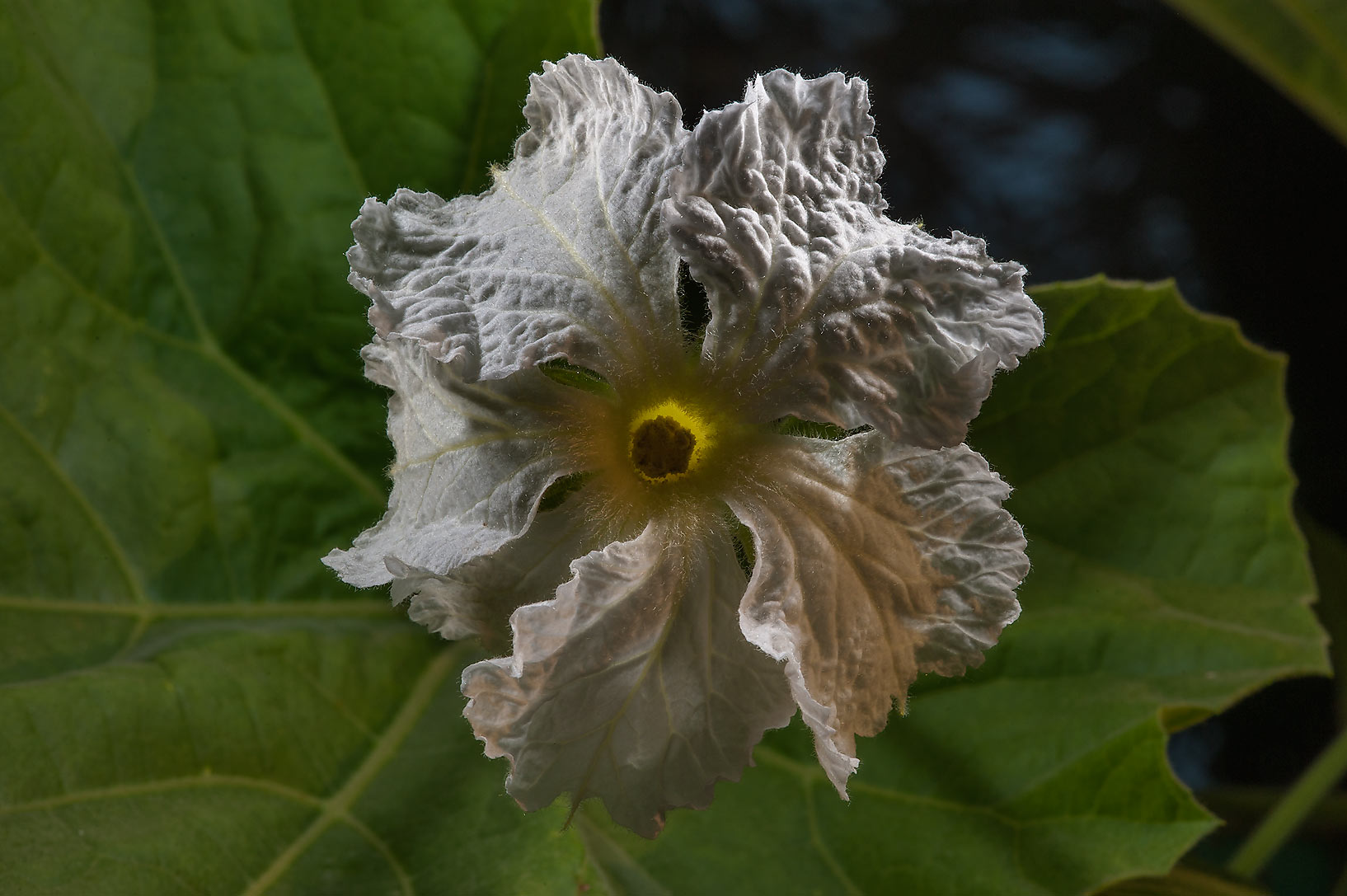
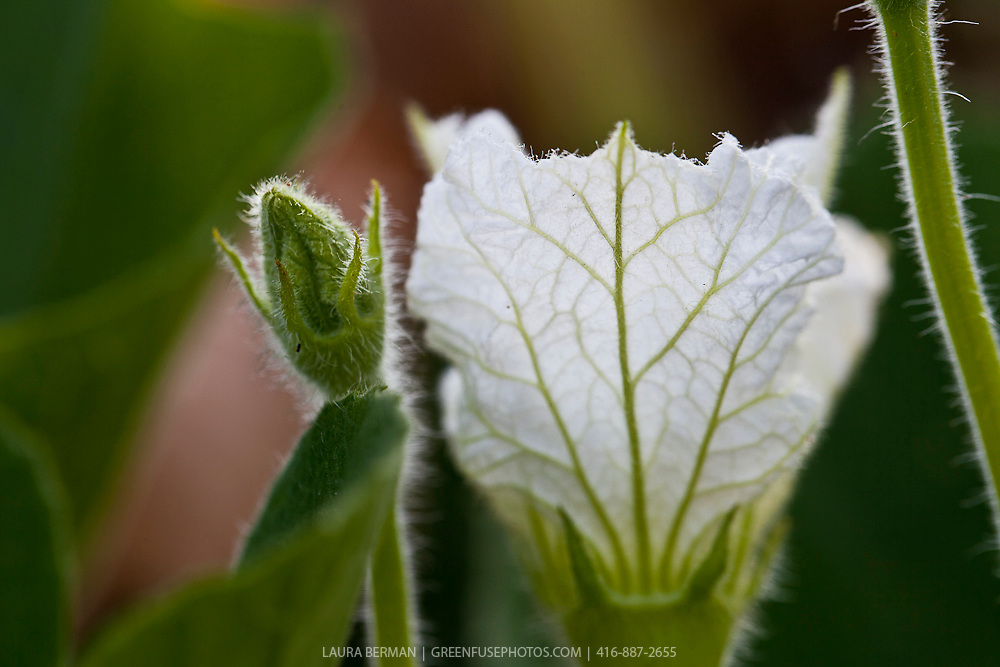
攀援草本;植株被粘毛。叶柄顶端具一对腺体;叶片卵状心形或肾状圆形。卷须2歧。雌雄同株,花大,单生,白色。雄花:花梗长;花萼筒狭钟状或漏斗状,裂片5,小;花冠裂片5,长圆状倒卵形,微凹;雄蕊3,花丝离生;花药内藏,稍靠合,长圆形,1枚1室,2枚2室,药室折曲,药隔不伸出;退化雌蕊腺体状。雌花花梗短;花萼筒盃状,花萼和花冠同雄花;子房卵状或圆筒状或中间缢缩,3胎座,花柱短,柱头3,2浅裂;胚珠多数,水平着生。果实形状多型,不开裂,嫩时肉质,成熟后果皮木质,中空。种子多数,倒卵圆形,扁,边缘多少拱起,顶端截形。
6种,主要分布于非洲热带地区。我国栽培1种及3变种。
葫芦(原变种)Lagenaria siceraria (Molina) Standl
俗名:瓠、瓠瓜、大葫芦、小葫芦、瓠瓜
一年生攀援草本;
茎、枝具沟纹,被粘质长柔毛,老后渐脱落,变近无毛。
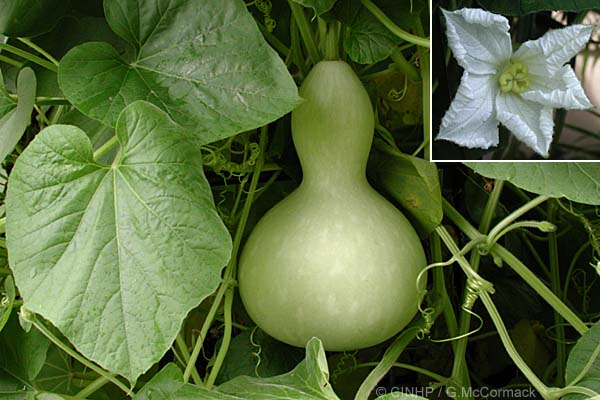
叶柄纤细,长16-20厘米,有和茎枝一样的毛被,顶端有2腺体;叶片卵状心形或肾状卵形,长、宽均10-35厘米,不分裂或3-5裂,具5-7掌状脉,先端锐尖,边缘有不规则的齿,基部心形,弯缺开张,半圆形或近圆形,深1-3厘米,宽2-6厘米,两面均被微柔毛,叶背及脉上较密。卷须纤细,初时有微柔毛,后渐脱落,变光滑无毛,上部分2歧。
雌雄同株,雌、雄花均单生。雄花:花梗细,比叶柄稍长,花梗、花萼、花冠均被微柔毛;花萼筒漏斗状,长约2厘米,裂片披针形,长5毫米;花冠黄色,裂片皱波状,长3-4厘米,宽2-3厘米,先端微缺而顶端有小尖头,5脉;雄蕊3,花丝长3-4毫米,花药长8-10毫米,长圆形,药室折曲。
雌花花梗比叶柄稍短或近等长;花萼和花冠似雄花;花萼筒长2-3毫米;子房中间缢细,密生粘质长柔毛,花柱粗短,柱头3,膨大,2裂。
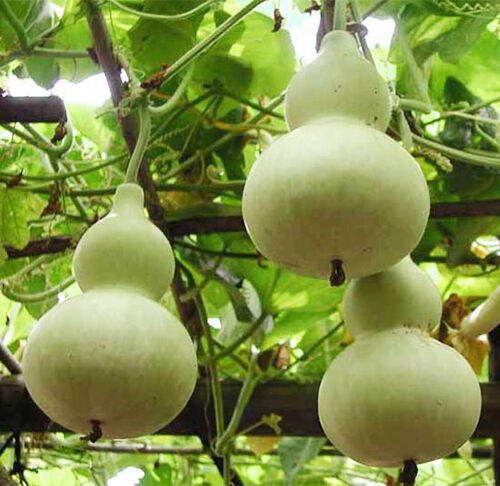
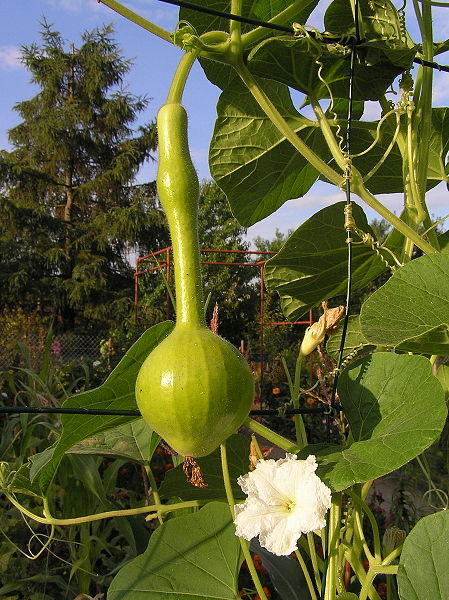
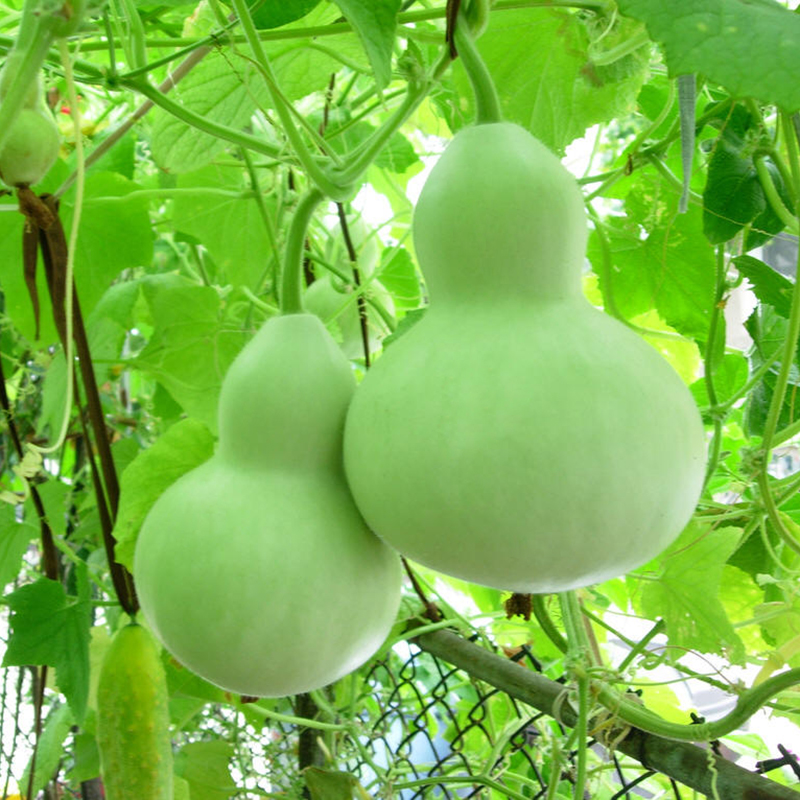
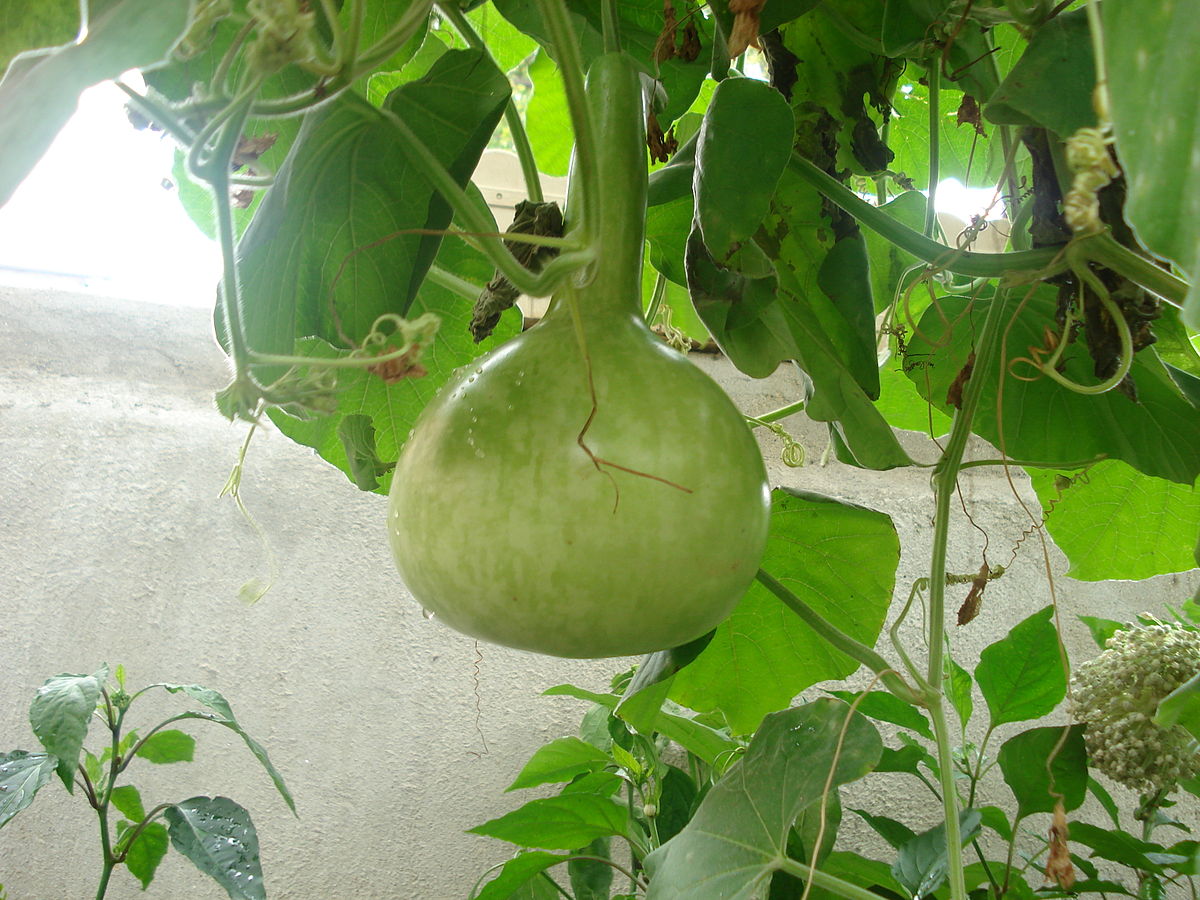
果实初为绿色,后变白色至带黄色,由于长期栽培,果形变异很大,因不同品种或变种而异,有的呈亚铃状,中间缢细,下部和上部膨大,上部大于下部,长数十厘米,有的仅长10厘米(小葫芦),有的呈扁球形、棒状或构状,成熟后果皮变木质。种子白色,倒卵形或三角形,顶端截形或2齿裂,稀圆,长约20毫米。花期夏季,果期秋季。
我国各地栽培。亦广泛栽培于世界热带到温带地区。
幼嫩时可供菜食,成熟后外壳木质化,中空,可作各种容器,水瓢或儿童玩具;也可药用。
Calabash, also known as bottle gourd, white-flowered gourd, long melon, birdhouse gourd, New Guinea bean and Tasmania bean, is a vine grown for its fruit. It can be either harvested young to be consumed as a vegetable, or harvested mature to be dried and used as a utensil, container, or a musical instrument. When it is fresh, the fruit has a light green smooth skin and white flesh.
Lagenaria siceraria
Common Name(s): Bottle Gourd、Calabash Gourd、Gourds
Description
Bottle gourd (aka calabash) is an annual, vining member of the squash family that is widely cultivated for its interestingly shaped fruits; the genus name derives from the Greek word, lagenos, for "vase." When dry, the fruits can be used as containers, pipes, rattles, and many other uses. The large white flowers open at night and fruit set is enhanced by hand-pollination. Seeds, leaves, flowers, and young stems are all edible. Direct seed outdoors after the danger of frost has passed; fruit should not be harvested until the skin has hardened

六、罗汉果属——Siraitia Merr.
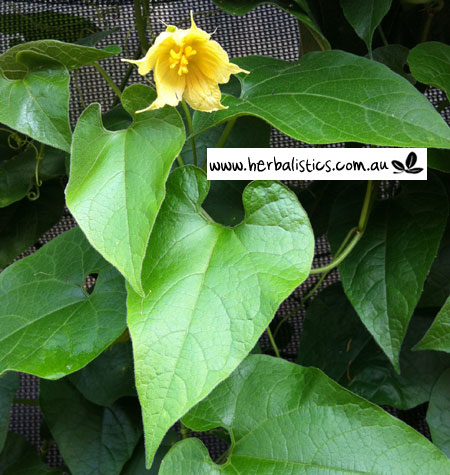
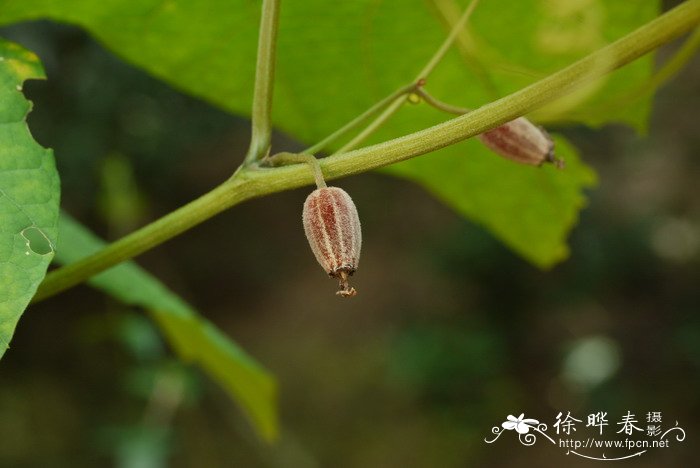
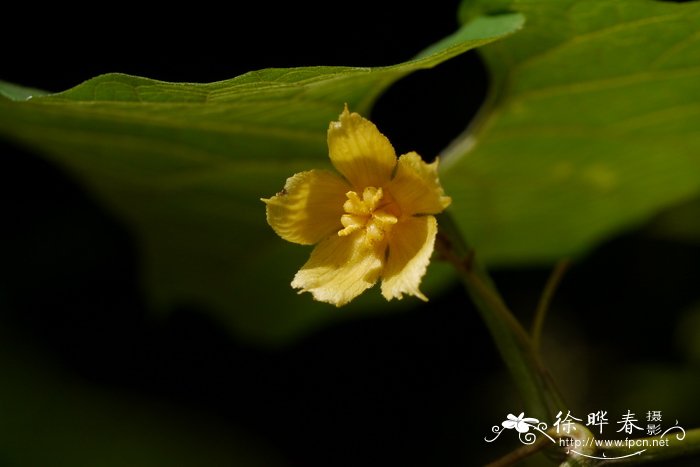
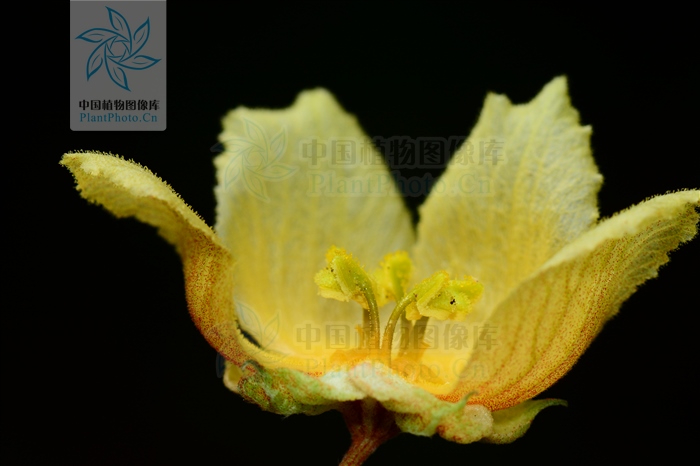
攀援草本;根肥大,多年生;茎、枝有棱沟,常被红色或黑色疣状腺鳞,或者无腺鳞。叶具长柄,像叶背面一样密布红色或黑色疣状腺鳞或稀无腺鳞;叶片膜质或纸质,卵状心形或长卵状心形,不分裂、稀有不规则波状浅裂或极稀3浅裂,边缘有稀疏小齿;卷须分2叉,或极稀不分叉,在分叉点上下同时旋卷。雌雄异株。雄花序总状或圆锥状,常具1-2枚叶状苞片;花萼筒短钟状或杯状,裂片5,扁三角形、三角状披针形至披针形;花冠黄色,裂片5,长圆形或卵状披针形,显著长于花萼裂片或稀近等于花萼裂片,基部常具3-5枚鳞片;雄蕊5,两两基部靠合,1枚分离,花丝基部膨大,花药1室,药室S形折曲或弓曲。雌花单生、双生或数朵生于一总梗顶端;退化雄蕊3-5枚,腺体状;花萼裂片和花冠裂片形状似雄花但较之为大;子房卵球形或长卵形,花柱短粗,3浅裂,柱头膨大,2裂;胚珠多数,水平生。果实球形、扁球形或长圆形;果梗较粗壮。种子多数,水平生,近圆形或卵形,表面具沟纹或平滑,无翅或稀具木栓质翅。
1. 罗汉果 光果木鳖
Siraitia grosvenorii (Swingle) C.
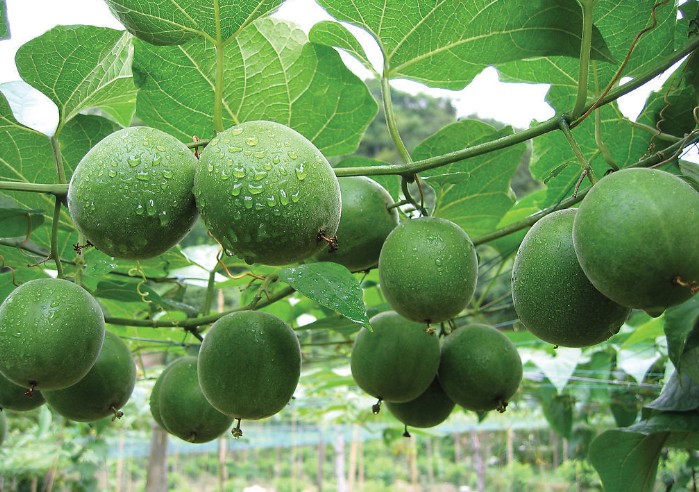
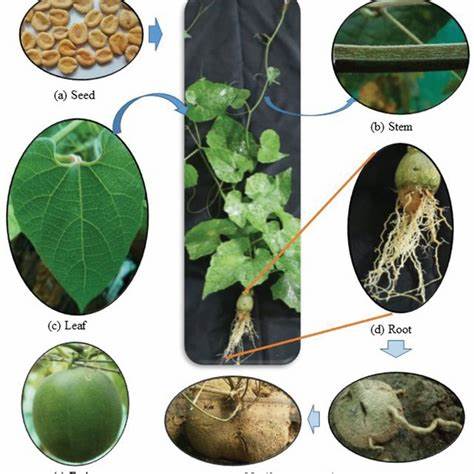
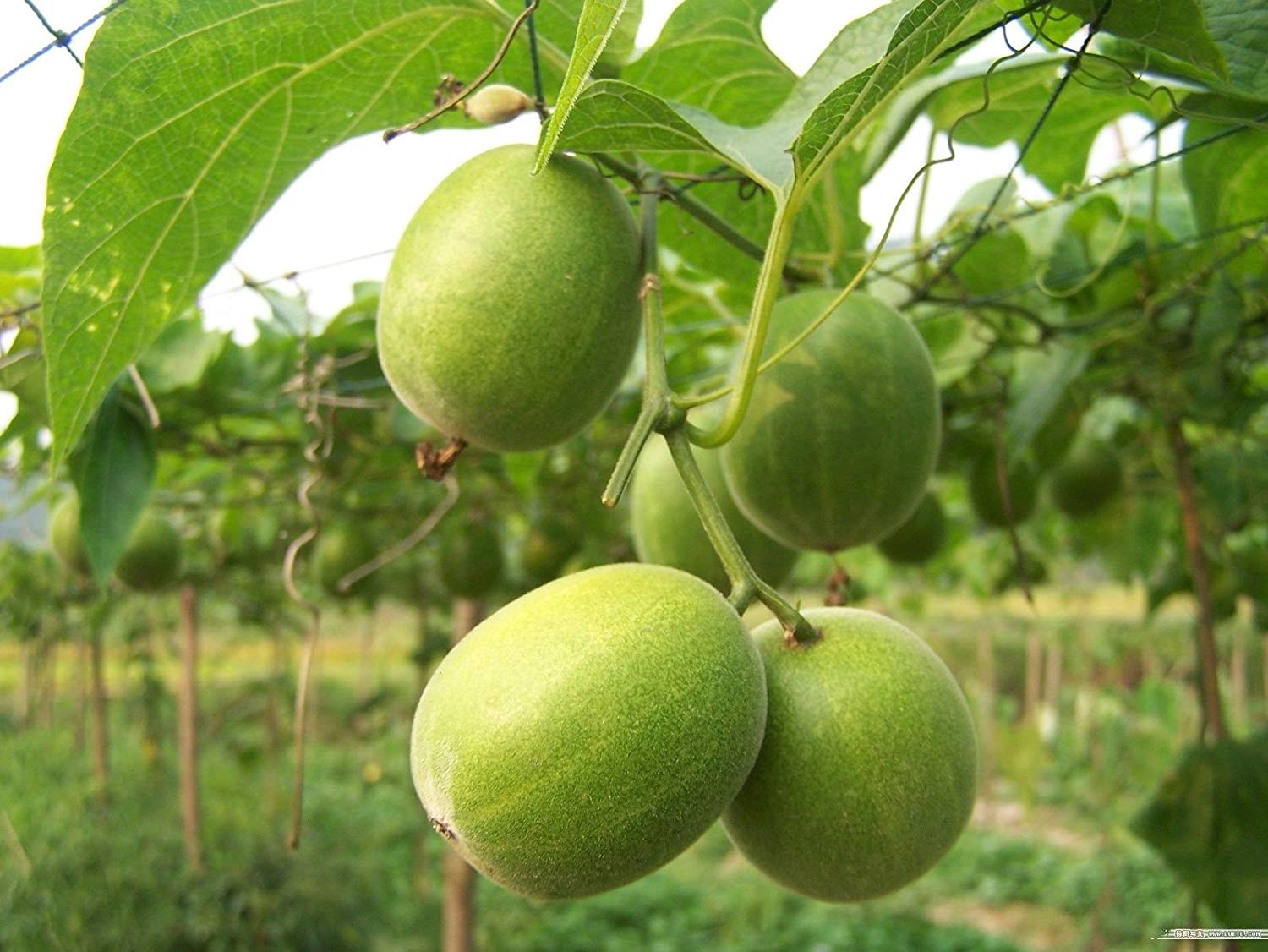
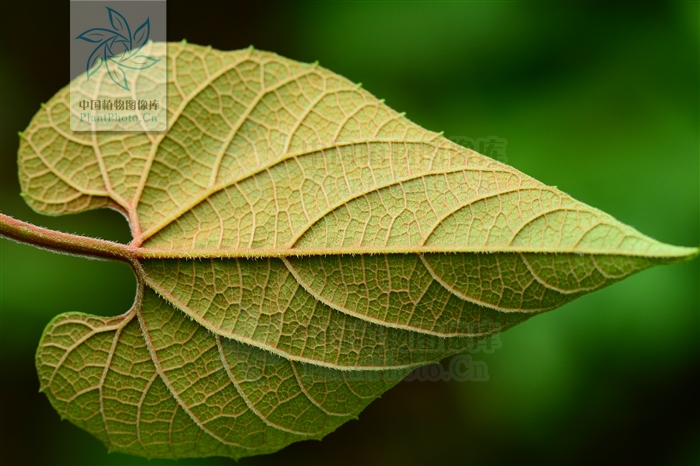
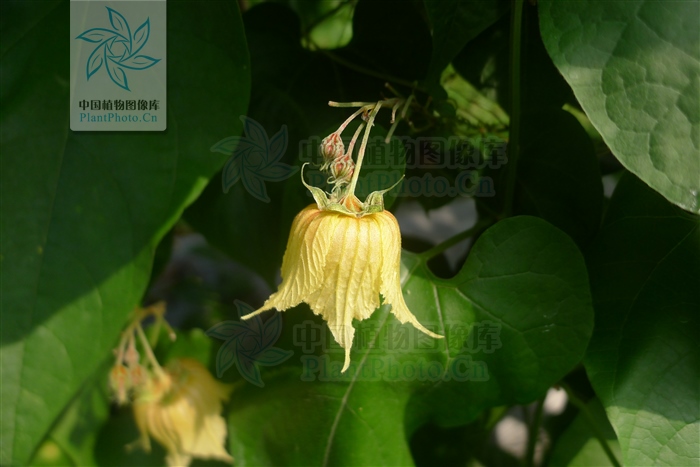
攀援草本;根多年生,肥大,纺锤形或近球形;茎、枝稍粗壮,有棱沟,初被黄褐色柔毛和黑色疣状腺鳞,后毛渐脱落变近无毛。叶柄长3-10厘米,被同枝条一样的毛被和腺鳞;叶片膜质,卵形心形、三角状卵形或阔卵状心形,长12-23厘米,宽5-17厘米,先端渐尖或长渐尖,基部心形,弯缺半圆形或近圆形,深2-3厘米,宽3-4厘米,边缘微波状,由于小脉伸出而有小齿,有缘毛,叶面绿色,被稀疏柔毛和黑色疣状腺鳞,老后毛渐脱落变近无毛,叶背淡绿,被短柔毛和混生黑色疣状腺鳞;卷须稍粗壮,初时被短柔毛后渐变近无毛,2歧,在分叉点上下同时旋卷。雌雄异株。雄花序总状,6-10朵花生于花序轴上部,花序轴长7-13厘米,像花梗、花萼一样被短柔毛和黑色疣状腺鳞;花梗稍细,长5-15毫米;花萼筒宽钟状,长4-5毫米,上部径8毫米,喉部常具3枚长圆形、长约3毫米的膜质鳞片,花萼裂片5,三角形,长约4.5毫米,基部宽3毫米,先端钻状尾尖,具3脉,脉稍隆起;花冠黄色,被黑色腺点,裂片5,长圆形,长1-1.5厘米,宽7-8毫米,先端锐尖,常具5脉;雄蕊5,插生于筒的近基部,两两基部靠合,1枚分离,花丝基部膨大,被短柔毛,长约4毫米,花药1室,长约3毫米,药室S形折曲。雌花单生或2-5朵集生于6-8厘米长的总梗顶端,总梗粗壮;花萼和花冠比雄花大;退化雄蕊5枚,长2-2.5毫米,成对基部合生,1枚离生;子房长圆形,长10-12毫米,径5-6毫米,基部钝圆,顶端稍缢缩,密生黄褐色茸毛,花柱短粗,长2.5毫米,柱头3,膨大,镰形2裂,长1.5毫米。果实球形或长圆形,长6-11厘米,径4-8厘米,初密生黄褐色茸毛和混生黑色腺鳞,老后渐脱落而仅在果梗着生处残存一圈茸毛,果皮较薄,干后易脆。种子多数,淡黄色,近圆形或阔卵形,扁压状,长15-18毫米,宽10-12毫米,基部钝圆,顶端稍稍变狭,两面中央稍凹陷,周围有放射状沟纹,边缘有微波状缘檐。花期5-7月,果期7-9月。
产广西、贵州、湖南南部、广东和江西。常生于海拔400-1400米的山坡林下及河边湿地、灌丛;广西永福、临桂等地已作为重要经济植物栽培。
Siraitia grosvenorii, also known as monkfruit or luohan guo, is a herbaceous perennial vine of the gourd family, Cucurbitaceae. It is native to southern China and northern Thailand. The plant is cultivated for its fruit extract, called mogrosides, which creates a sweetness sensation 250 times stronger than sucrose. Mogroside extract has been used as a low-calorie sweetener for drinks and in traditional Chinese medicine.
This plant is a member of the Cucurbitaceae Family, native to southwest China, and is cultivated for its fruit. It is a caudex-forming, herbaceous, perennial vine that climbs or creeps via tendrils. Requires rich, well-drained soil and germinates in a tropical shade environment (or greenhouse), at temperatures between 70-75 degrees F (21-24 C). Germination is said to take between 3 to 6 weeks, but 3 of the 7 I planted were up in 2 weeks. It can be grown successfully in containers with very fast-draining soil. Maturation is said to occur 240 days after planting. It loves humidity. The plants are male or female (dioecious), and one of each is required for the plant to set fruit, so it is recommended to grow at least 3 together in order to assure fruits. The vine is said to be hardy to 30 degrees F (0 degrees C) although it should be protected from frost. Fruits are very sweet, can be substituted for Stevia, and are eaten both fresh and dried. The rind is often prepared as a tea. Other medicinal properties have been attributed to the fruit of this plant.
Common names for this plant are Luo Han Guo Fruit, Arhat Fruit, Monk Fruit. Momordica grosvenorii is a synonym.

七、栝楼属——Trichosanthes Linn.
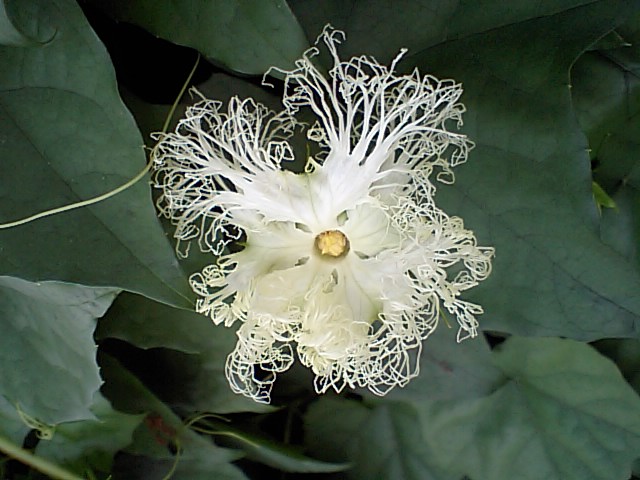
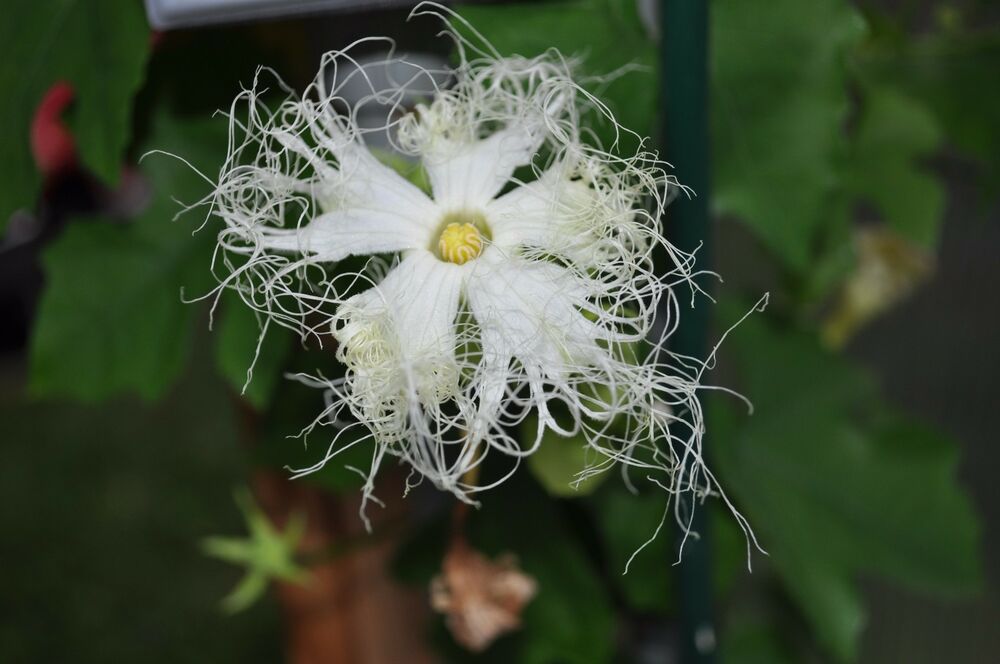
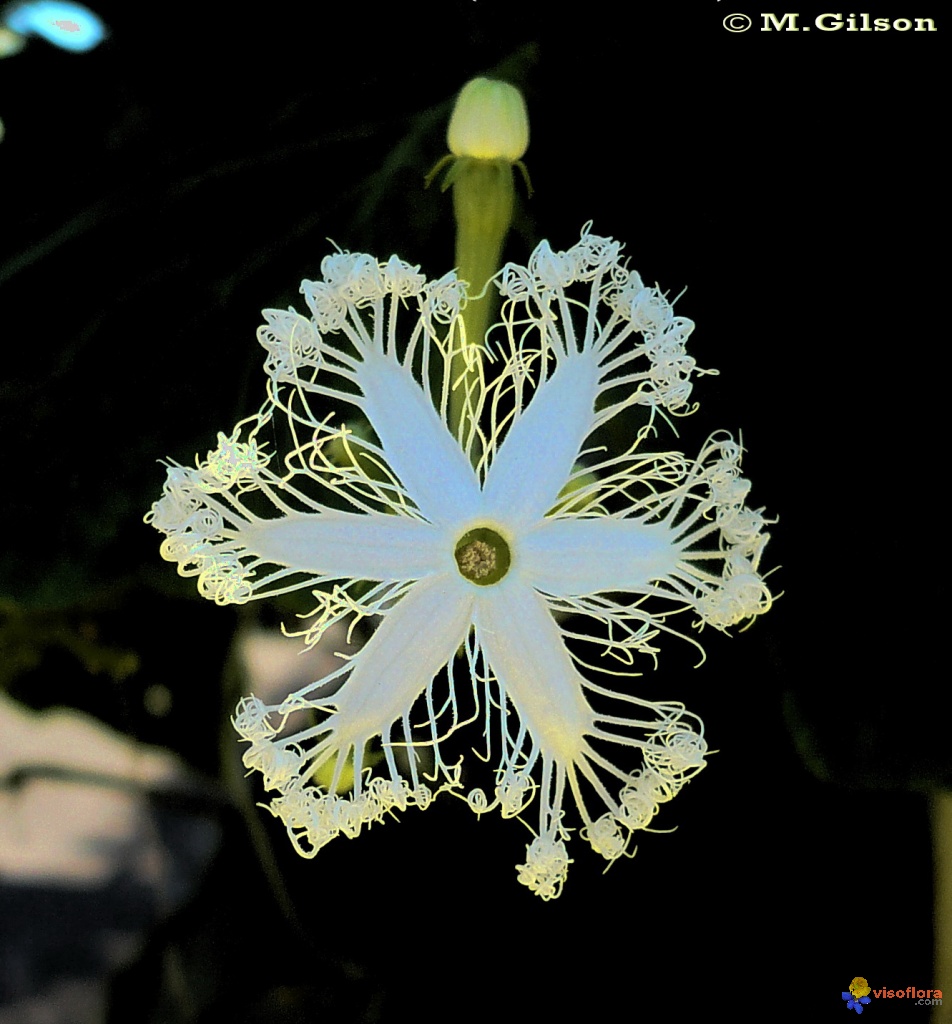
一年生或具块状根的多年生藤本;茎攀援或匍匐,多分枝,具纵向棱及槽。单叶互生,具柄,叶片膜质,纸质或革质,叶形多变,通常卵状心形或圆心形,全缘或3-7 (-9) 裂,边缘具细齿,稀为具3-5小叶的复叶。卷须2-5歧,稀单一。花雌雄异株或同株。雄花通常排列成总状花序,有时有1单花与之并生,或为1单花;通常具苞片,稀无;花萼筒筒状,延长,通常自基部向顶端逐渐扩大,5裂,裂片披针形,全缘、具锯齿或条裂;花冠白色,稀红色,5裂,裂片披针形、倒卵形或扇形,先端具流苏;雄蕊3,着生于花被筒内,花丝短,分离,花药外向,靠合,1枚1室,2枚2室,药室对折,药隔狭,不伸长;花粉粒球形,无刺,具3槽,3-4孔。雌花单生,极稀为总状花序;花萼与花冠同雄花;子房下位,纺锤形或卵球形,1室,具3个侧膜胎座,花柱纤细,伸长,柱头3,全缘或2裂;胚珠多数,水平生或半下垂。果实肉质,不开裂,球形、卵形或纺锤形,无毛且平滑,稀被长柔毛,具多数种子。种子褐色,1室,长圆形、椭圆形或卵形,压扁,或3室,臌胀,两侧室空。
约50种,分布于东南亚,由此向南经马来西亚至澳大利亚北部,向北经中国至朝鲜、日本。我国有34种和6变种,分布于全国各地,而以华南和西南地区最多。
栝楼 瓜萎、瓜楼、药瓜
Trichosanthes kirilowii Maxim.
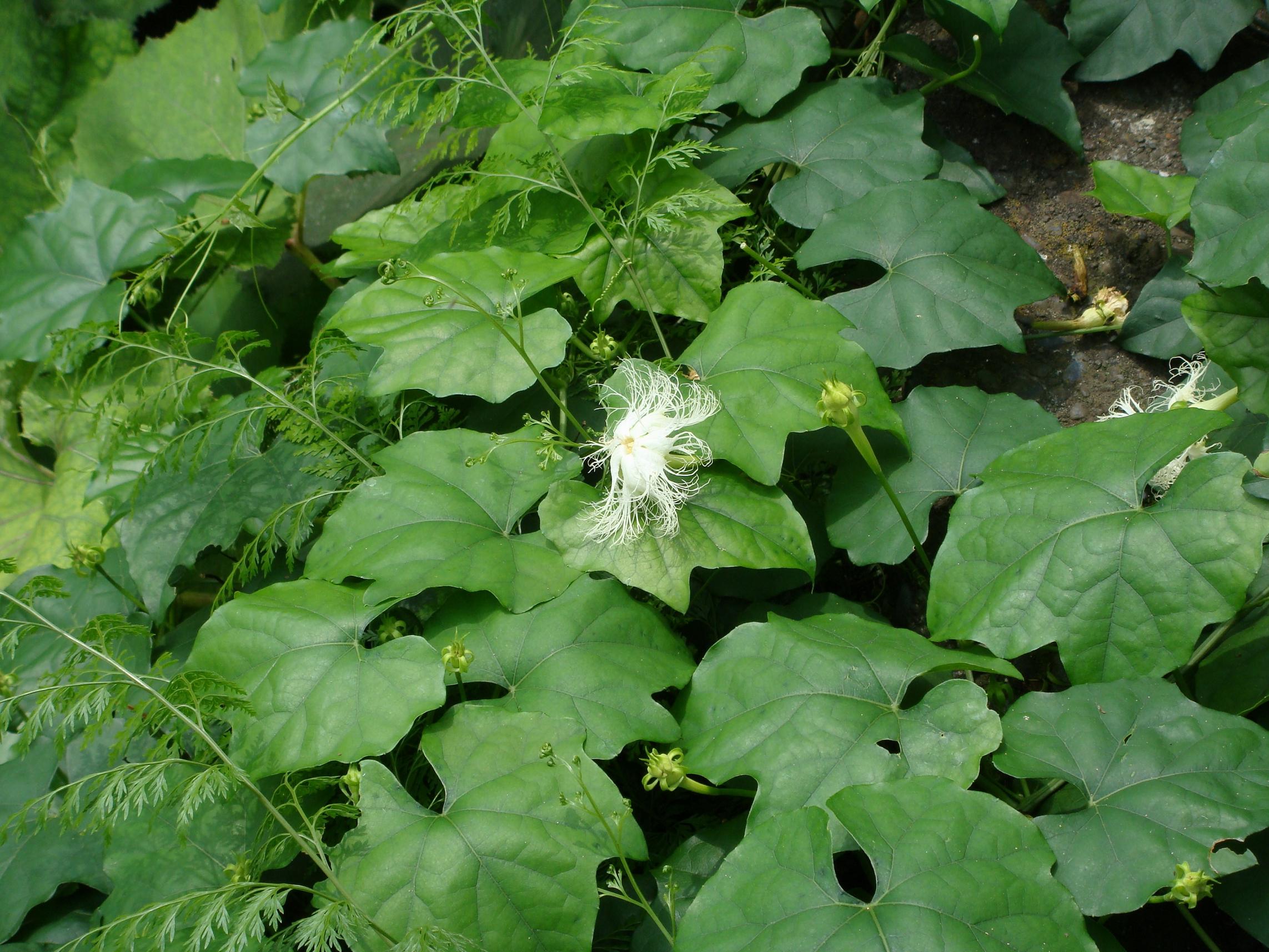
攀援藤本,长达10米;块根圆柱状,粗大肥厚,富含淀粉,淡黄褐色。茎较粗,多分枝,具纵棱及槽,被白色伸展柔毛。叶片纸质,轮廓近圆形,长宽均约5-20厘米,常3-5 (-7) 浅裂至中裂,稀深裂或不分裂而仅有不等大的粗齿,裂片菱状倒卵形、长圆形,先端钝,急尖,边缘常再浅裂,叶基心形,弯缺深2-4厘米,上表面深绿色,粗糙,背面淡绿色,两面沿脉被长柔毛状硬毛,基出掌状脉5条,细脉网状;叶柄长3-10厘米,具纵条纹,被长柔毛。卷须3-7歧,被柔毛。花雌雄异株。雄总状花序单生,或与一单花并生,或在枝条上部者单生,总状花序长10-20厘米,粗壮,具纵棱与槽,被微柔毛,顶端有5-8花,单花花梗长约15厘米,花梗长约3毫米,小苞片倒卵形或阔卵形,长1.5-2.5 (-3) 厘米,宽1-2厘米,中上部具粗齿,基部具柄,被短柔毛;花萼筒筒状,长2-4厘米,顶端扩大,径约10毫米,中、下部径约5毫米,被短柔毛,裂片披针形,长10-15毫米,宽3-5毫米,全缘;花冠白色,裂片倒卵形,长20毫米,宽18毫米,顶端中央具1绿色尖头,两侧具丝状流苏,被柔毛;花药靠合,长约6毫米,径约4毫米,花丝分离,粗壮,被长柔毛。雌花单生,花梗长7.5厘米,被短柔毛;花萼筒圆筒形,长2.5厘米,径1.2厘米,裂片和花冠同雄花;子房椭圆形,绿色,长2厘米,径1厘米,花柱长2厘米,柱头3。果梗粗壮,长4-11厘米;果实椭圆形或圆形,长7-10.5厘米,成熟时黄褐色或橙黄色;种子卵状椭圆形,压扁,长11-16毫米,宽7-12毫米,淡黄褐色,近边缘处具棱线。花期5-8月,果期8-10月。
产辽宁、华北、华东、中南、陕西、甘肃、四川、贵州和云南。生于海拔200-1800米的山坡林下、灌丛中、草地和村旁田边。因本种为传统中药天花粉和栝楼,故在其自然分布区内、外,广为栽培。分布于朝鲜、日本、越南和老挝。
Trichosanthes kirilowii is a flowering plant in the family Cucurbitaceae found particularly in Henan, Shandong, Hebei, Shanxi, and Shaanxi. It is one of the 50 fundamental herbs used in traditional Chinese medicine, where it shares the name guālóu with the related T. rosthornii. It is known as "Chinese cucumber" and "Chinese snake gourd" in English.
Trichosanthes kirilowii (scientific name: Trichosanthes kirilowii var. japonica) is endemic to Japan and is a perennial vine of the cucurbitaceae family.
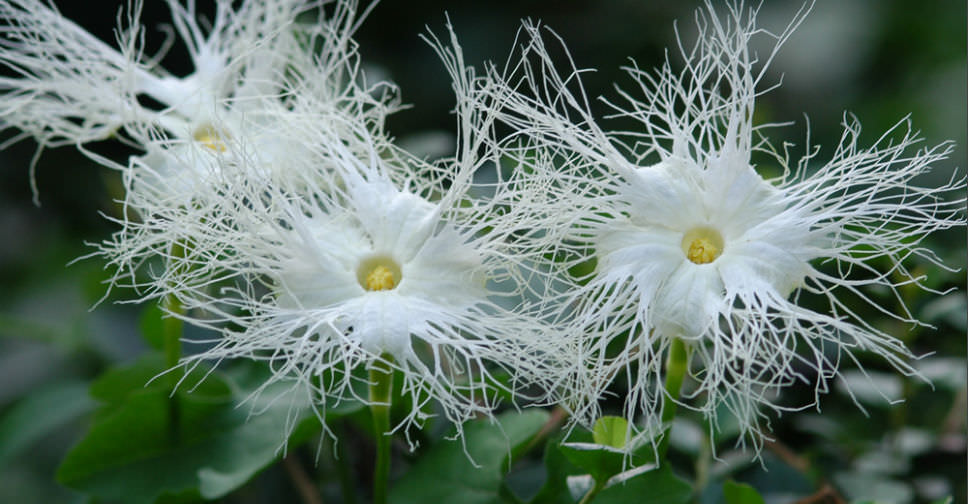
It is dioecism雌雄异株 and lengthen raceme总状花序 from a flower stalk, and a thin string of the laciness花边 appears a lot from the tip of each petal which the flower tube tip of the high cup form corolla made a 3-5 incision切口. Fruit and a tuberous root are considered to be a crude drug. Difference between Trichosanthes kirilowii andTrichosanthes(scientific name:Trichosanthes cucumeroides王瓜) is below.
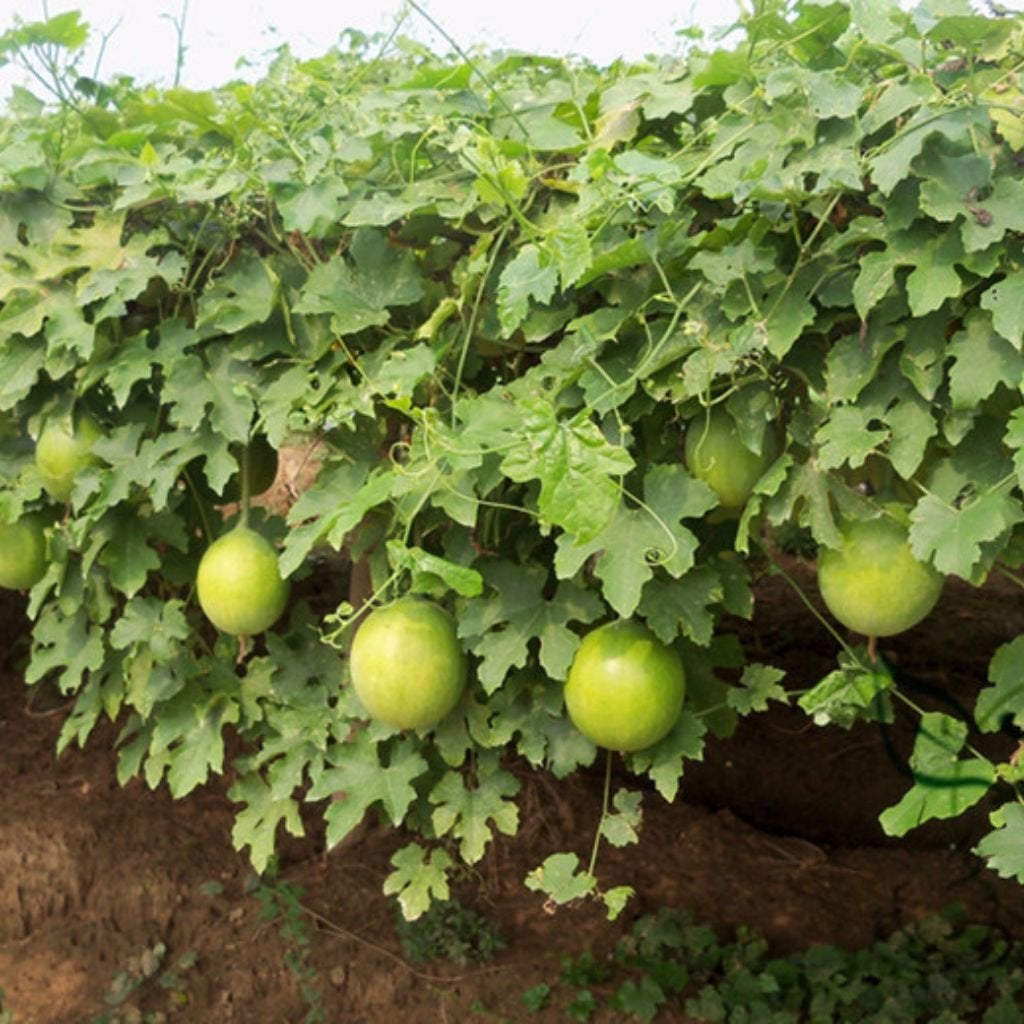
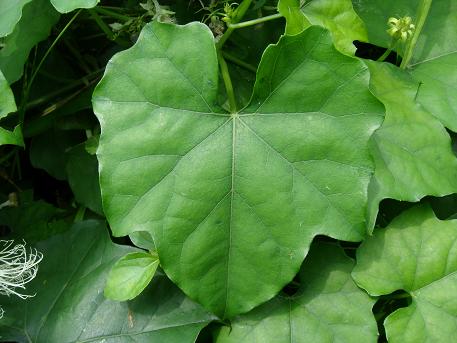
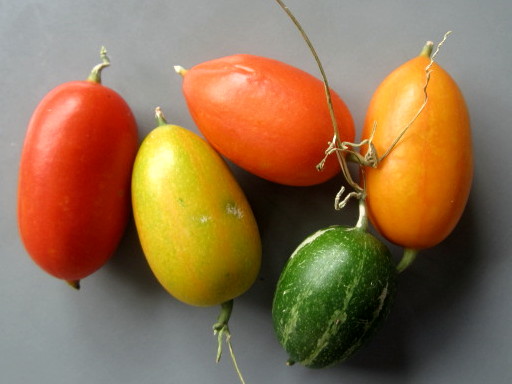
(1) Fluit of trichosanthes kirilowii is yellow and ones of trichosanthes trichosanthes kirilowii is red.
(2) Trichosanthes kirilowii leaves are very rounded and smooth ,but trichosanthes(王瓜)leaves are sharp with hairs on the surface and similar to the morning glory's leaves .
(3)Trichosanthes kirilowii let bloom flower from night until early in the morning, but trichosanthes are not untill morning.
八、丝瓜属——Luffa Mill.
一年生攀援草本,无毛或被短柔毛、卷须稍粗糙,2歧或多歧。叶柄顶端无腺体,叶片通常5-7裂。花黄色或白色,雌雄异株。雄花生于伸长的总状花序上;花萼筒倒锥形,裂片5,三角形或披针形;花冠裂片5,离生,开展,全缘或啮蚀状;雄蕊3或5,离生,若为3枚时,1枚1室,2枚2室,5枚时,全部为1室,药室线形,多回折曲,药隔通常膨大;退化雌蕊缺或稀为腺体状。雌花单生,具长或短的花梗;花被与雄花同;退化雄蕊3,稀4-5;子房圆柱形,柱头3,3胎座,胚珠多数,水平着生。果实长圆形或圆柱状,未成熟时肉质,熟后变干燥,里面呈网状纤维,熟时由顶端盖裂。种子多数,长圆形,扁压。
约8种,分布于东半球热带和亚热带地区。我国通常栽培2种。
1. 丝瓜(滇南本草)
Luffa cylindrica (Linn.) Roem.
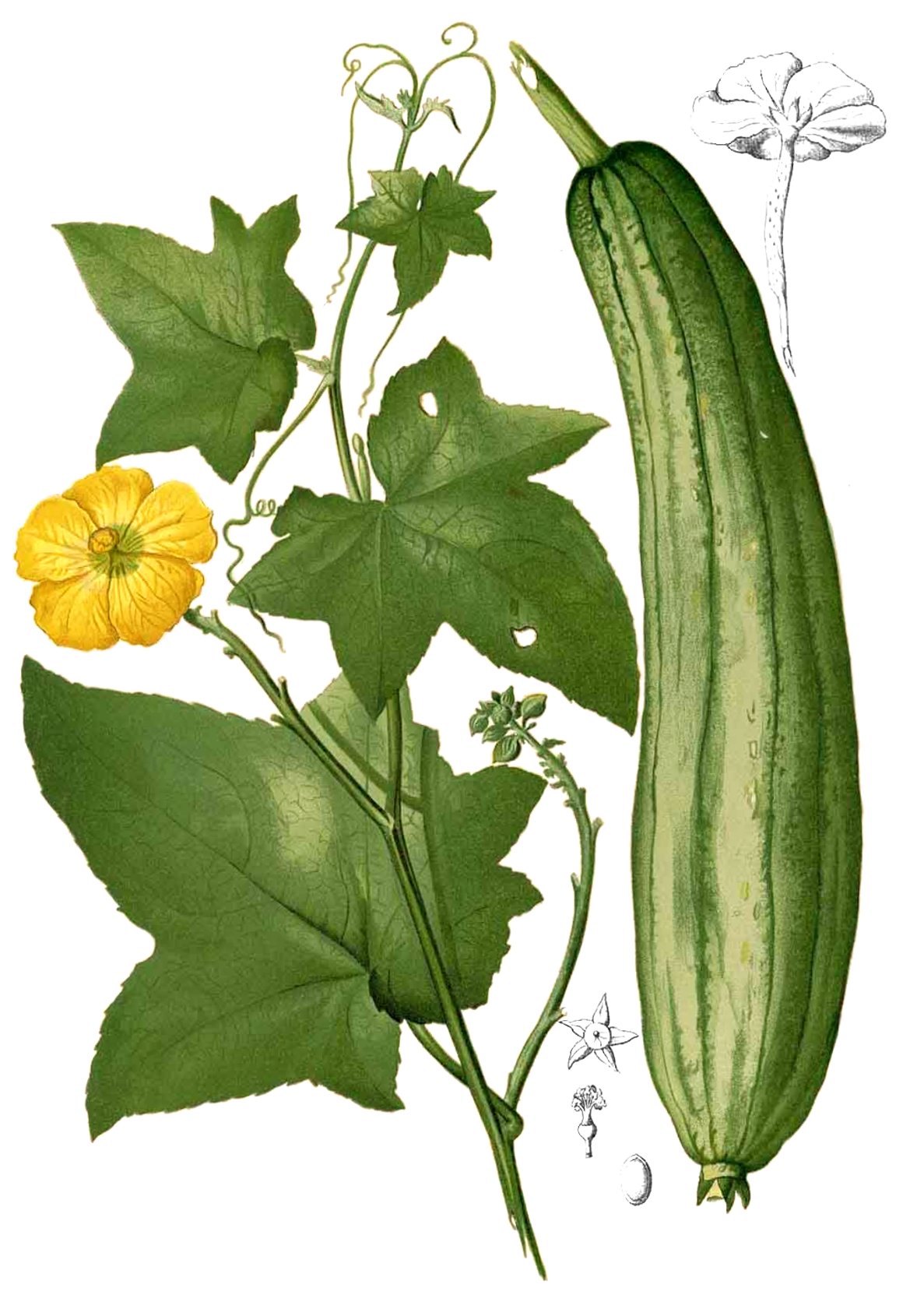
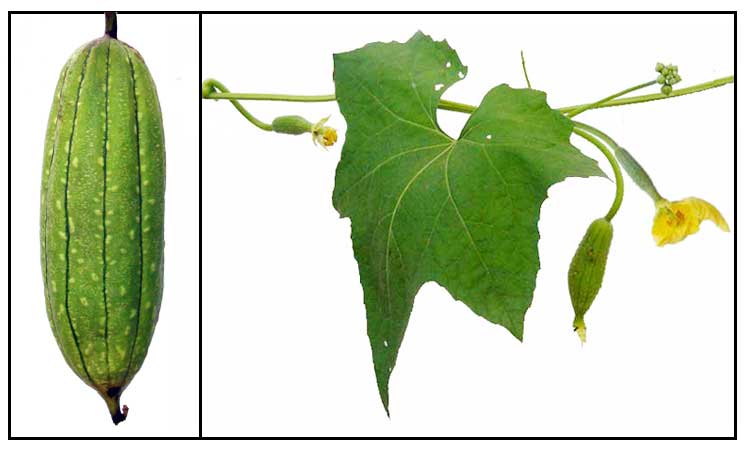
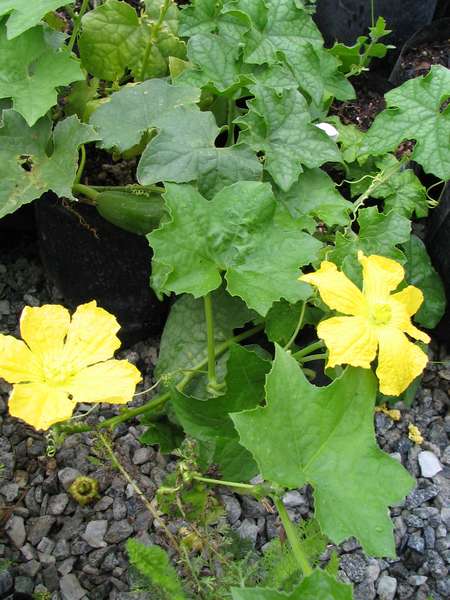
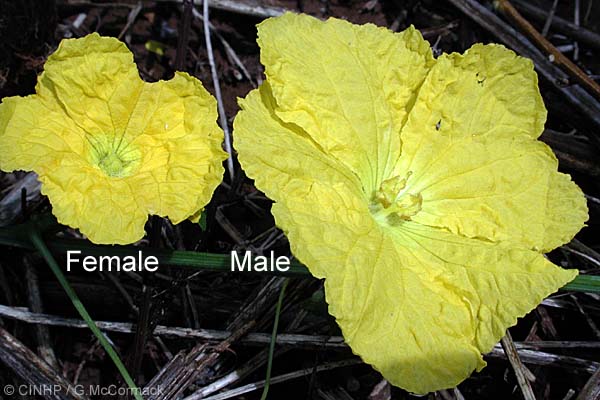
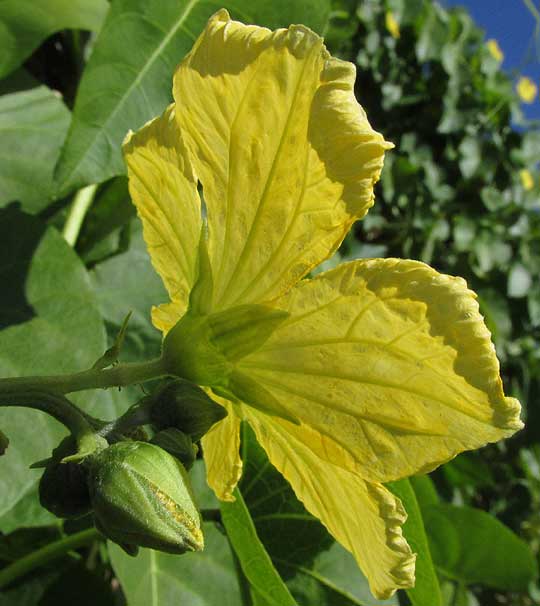
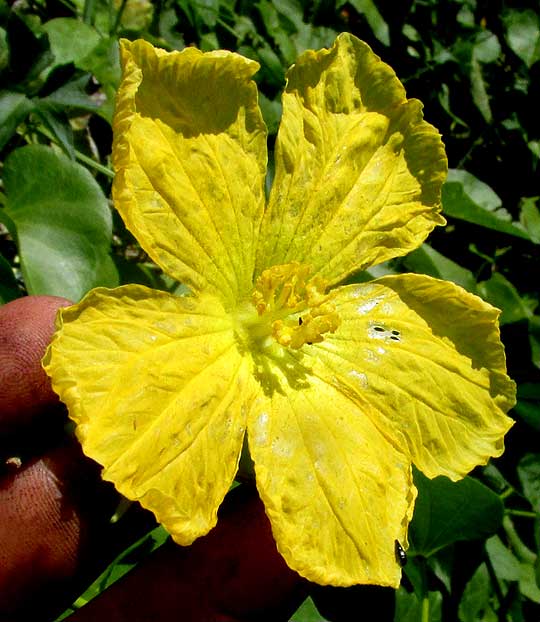
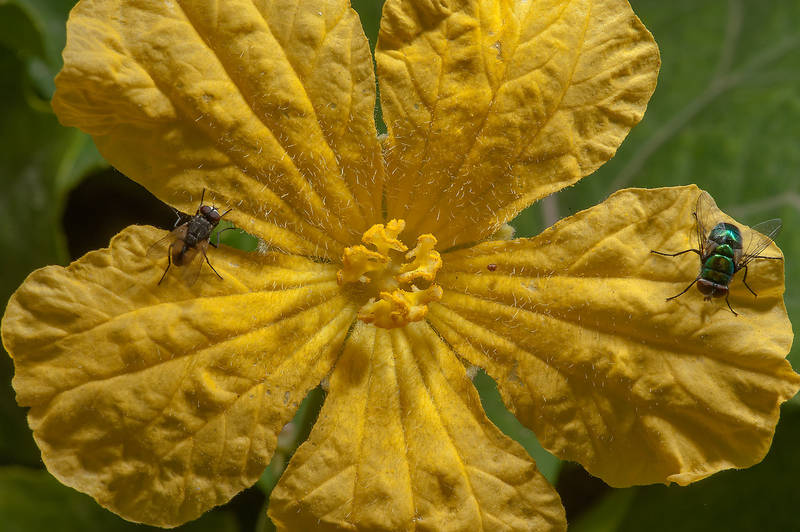
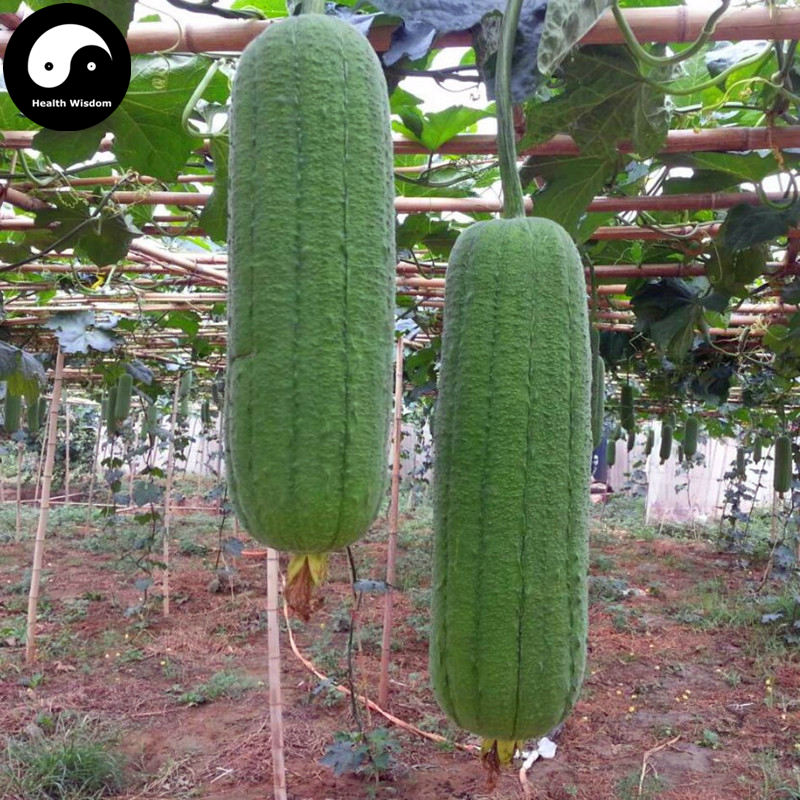
一年生攀援藤本;茎、枝粗糙,有棱沟,被微柔毛。卷须稍粗壮,被短柔毛,通常2-4歧。叶柄粗糙,长10-12厘米,具不明显的沟,近无毛;叶片三角形或近圆形,长、宽约10-20厘米,通常掌状5-7裂,裂片三角形,中间的较长,长8-12厘米,顶端急尖或渐尖,边缘有锯齿,基部深心形,弯缺深2-3厘米,宽2-2.5厘米,上面深绿色,粗糙,有疣点,下面浅绿色,有短柔毛,脉掌状,具白色的短柔毛。雌雄同株。雄花:通常15-20朵花,生于总状花序上部,花序梗稍粗壮,长12-14厘米,被柔毛;花梗长1-2厘米,花萼筒宽钟形,径0.5-0.9厘米,被短柔毛,裂片卵状披针形或近三角形,上端向外反折,长约0.8-1.3厘米,宽0.4-0.7厘米,里面密被短柔毛,边缘尤为明显,外面毛被较少,先端渐尖,具3脉;花冠黄色,辐状,开展时直径5-9厘米,裂片长圆形,长2-4厘米,宽2-2.8厘米,里面基部密被黄白色长柔毛,外面具3-5条凸起的脉,脉上密被短柔毛,顶端钝圆,基部狭窄;雄蕊通常5,稀3,花丝长6-8毫米,基部有白色短柔毛,花初开放时稍靠合,最后完全分离,药室多回折曲。雌花:单生,花梗长2-10厘米;子房长圆柱状,有柔毛,柱头3,膨大。果实圆柱状,直或稍弯,长15-30厘米,直径5-8厘米,表面平滑,通常有深色纵条纹,未熟时肉质,成熟后干燥,里面呈网状纤维,由顶端盖裂。种子多数,黑色,卵形,扁,平滑,边缘狭翼状。花果期夏、秋季。
我国南、北各地普遍栽培。也广泛栽培于世界温带、热带地区。云南南部有野生,但果较短小。
果为夏季蔬菜,成熟时里面的网状纤维称丝瓜络,可代替海绵用作洗刷灶具及家具;还可供药用,有清凉、利尿、活血、通经、解毒之效。
Luffa cylindrica, the sponge gourd, Egyptian cucumber or Vietnamese luffa, is an annual species of vine cultivated for its fruit, native to South and Southeast Asia.
Luffa aegyptiaca
Common Name(s): LoofahLuffa SpongeSponge Gourd
Description
Luffah sponge gourd (also spelled loofah), is commonly used as a bath sponge, but young fruits that are less than 7 inches long and green can be eaten as squash or fresh cucumber substitute. As common as loofas are, most people don’t realize that they are made from a plant, and that plant can be grown right here in North Carolina! These cucurbit vegetables need at least 6 hours of full sun, well-drained soil, good air circulation, and a good, sturdy 稳固的trellis(格子) to thrive. Mature luffas can be harvested in the fall when the gourds are tan, light and dry, and the seeds shake inside when rattled. To make your own “loofa,” simply soak the fruit in warm water for 5-20 minutes until the skin can be easily stripped off. When the skin is off, remove the seeds and excess pulp and rinse冲洗 in a 10% chlorine bleach漂白剂 solution to lighten the sponges.