-
1 主页
-
2 教学
2.30杨柳科Salicaceae
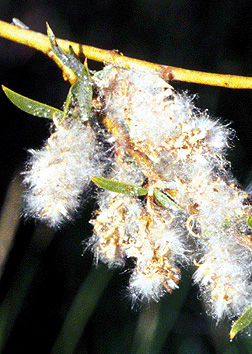
落叶乔木或灌木。单叶互生,稀对生,有托叶,常早落。花单性,葇荑花序,花无被,常先叶开放,生于苞腋,具杯状花盘或腺体;雄蕊多数2~5;柱头2~4裂。蒴果,2~4瓣裂。种子细小,多数,基部有白色丝状长毛。
3属,约500余种,产于亚热带至寒带。中国产3属310种,全国各地有分布。
分属检索表
1.有顶芽,芽鳞多数;髓心五角形;叶柄较长,叶片较宽;花序下垂,苞片有缺裂,具花
盘,风媒传粉………………………………………………………………………………杨属
l1无顶芽,芽鳞1枚;髓心圆形;叶柄较短,叶片较窄;花序直立,苞片全缘,无花盘,
有腺体,虫媒传粉…………………………………………………………………………柳属
The Salicaceae is the willow family of flowering plants. The traditional family included the willows, poplar, aspen, and cottonwoods. Genetic studies summarized by the Angiosperm Phylogeny Group have greatly expanded the circumscription(界限) of the family to contain 56 genera and about 1220 species, including the Scyphostegiaceae紫花苜蓿科 and many of the former Flacourtiaceae(大风子科).
The Salicaceae consist of hermaphroditic to dioecious, trees or shrubs.
The Salicaceae as recognized currently are much expanded from the traditional family delimitation and encompasses the former Flacourtiaceae. Chase et al. (2002) studied phylogenetic系统性的 relationships within the complex and proposed a tentative classification in which the family is split into nine tribes, with the traditional Salicaceae s.s. being equivalent to tribe Saliceae.
Members of the Salicaceae are distributed mostly worldwide, from tropical to cold-temperate climates. Economic importance includes timber trees, fruit trees, and ornamental cultivars, including Azara金柞属, Idesia山桐子属, Olmediella (Guatemalan-holly), Populus (cottonwoods or poplars) and Salix (willows); the bark of willows (Salix) was the original source of salicin水杨苷, the chemical modification of which is aspirin (acetyl-salicylic acid). The Samydaceae天料木科 and Scyphostegiaceae紫花苜蓿科 have been merged into the Salicaceae in APG III (2009).
2.30.1杨属PopulusL.
乔木。小枝粗壮,髓心五角形,有顶芽,芽鳞多数,常有树脂。花序下垂,苞片不规则缺刻,杯状花盘。
约100余种,我国约60种。各地广泛分布作行道树、防护林及速生用材树种。
分种检索表
1.叶两面为灰蓝色,叶形多样,有披针形、卵形、扁圆形、肾形………………胡杨
1.叶两面不为灰蓝色……………………………………………………………………………2
2.长枝的叶片背面密被白色或灰白色绒毛;芽有柔毛………………………………3
2.叶背无毛或仅有短柔毛;芽无毛…………………………………………………………4
3.长枝叶不裂,叶缘具粗锯齿……………………………………………………………毛白杨
3.长枝叶掌状3~5裂,叶缘具波状齿或浅裂………………………………………银白杨
4.叶柄圆柱形……………………………………………………………………………………5
4.叶柄扁形………………………………………………………………………………………6
5.小枝有棱脊;叶菱状倒卵形,叶缘不透明…………………………………………小叶杨
5.小枝圆或幼时有棱脊;叶卵形……………………………………………………………青杨
6.叶圆形或卵圆形,叶柄端无腺体…………………………………………………………山杨
6.叶三角形或三角状卵形,叶基或叶柄端有腺体………………………………………7
7.叶近正三角形,基部有时具2腺体,叶缘半透明,具圆钝锯齿…………………加杨
7.叶三角状卵形,叶柄端具2大腺体,叶缘不透明,具腺质浅钝锯齿……………响叶杨
1.胡杨populus caphratica Oiiv.
俗名:幼发拉底杨
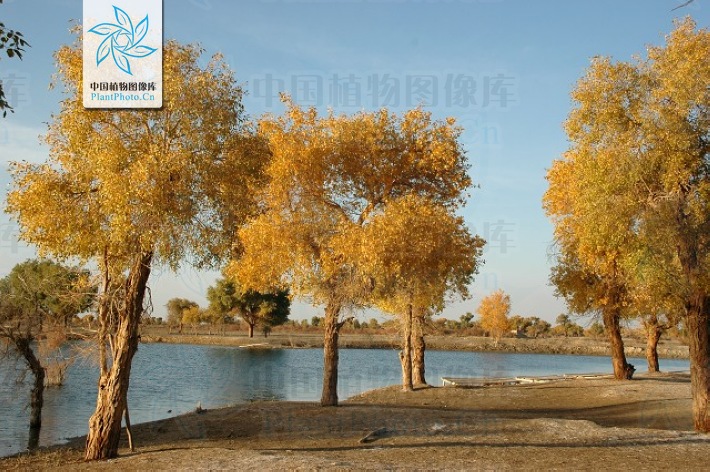
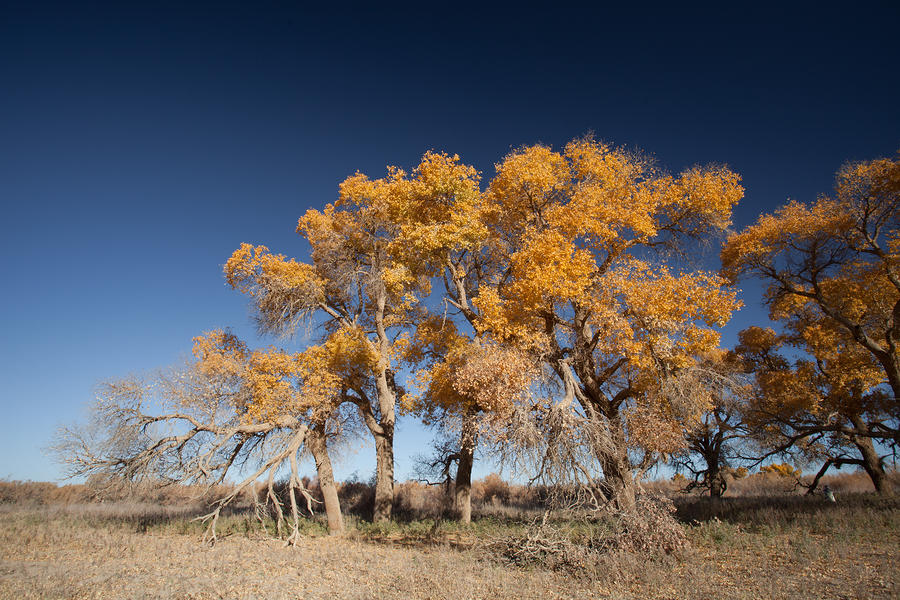
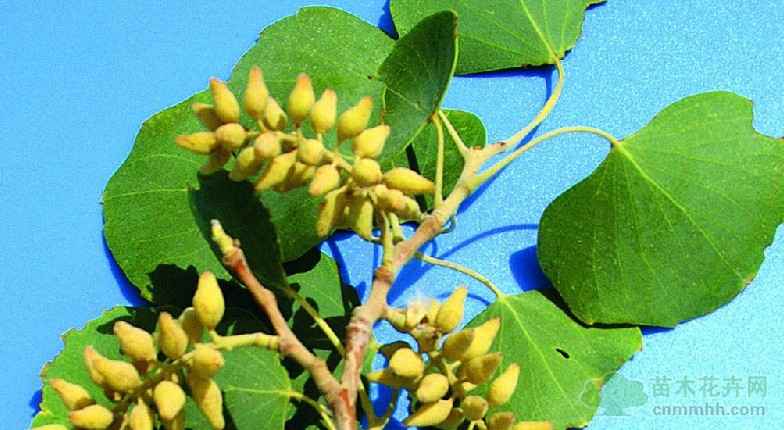
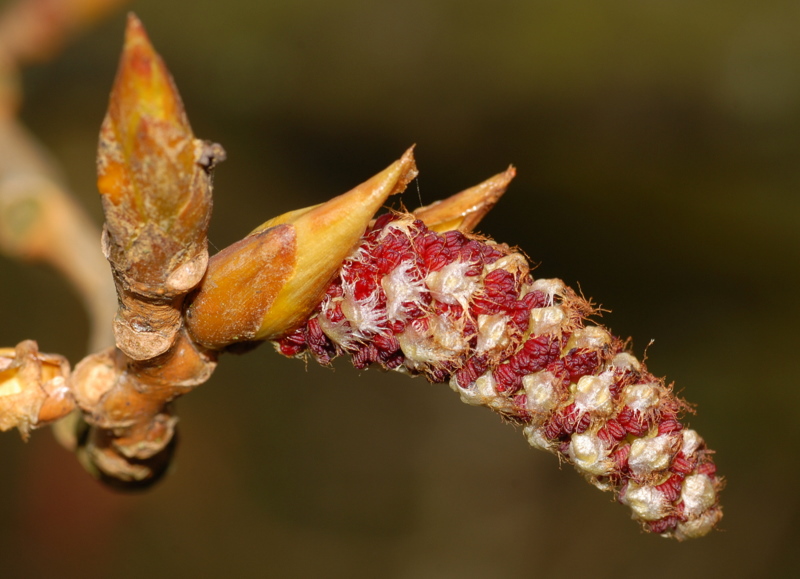
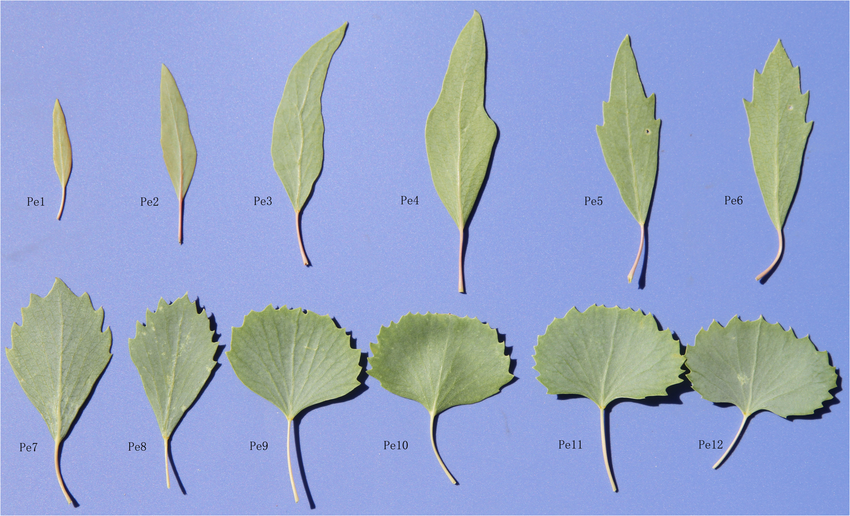
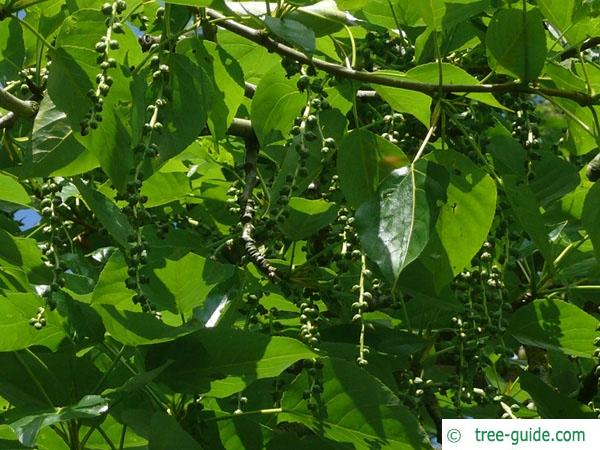
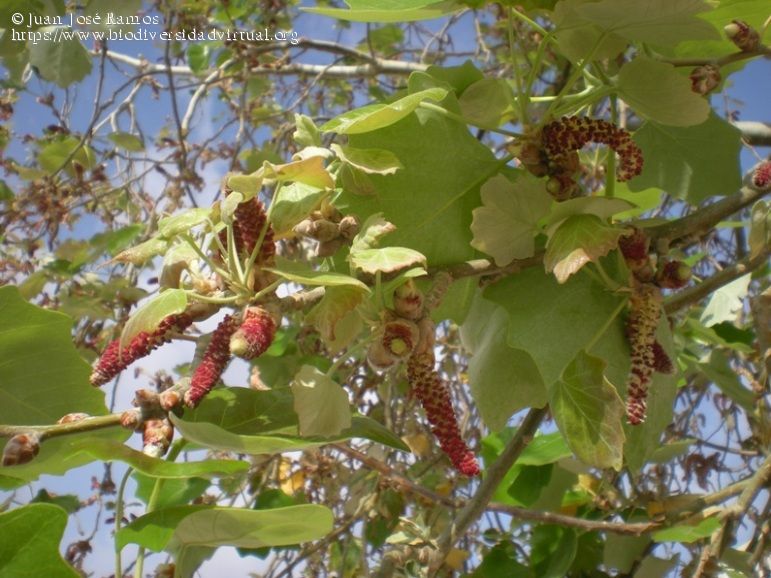
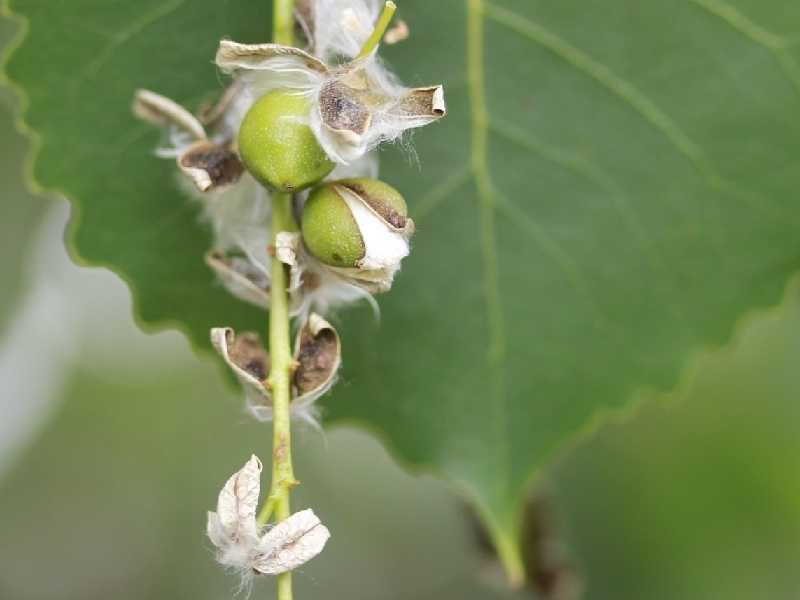
【形态】:乔木,稀成灌木状,树冠球形。树皮厚,淡黄色,基部条裂。叶形多变化,幼树和萌条叶披针形,全缘或l~2疏齿;成年树上的叶卵圆形、扁圆形或肾形,先端有粗齿牙,基部楔形或平截,有2腺点,两面同为灰蓝或灰绿色。花期5月,果期6~7月。。
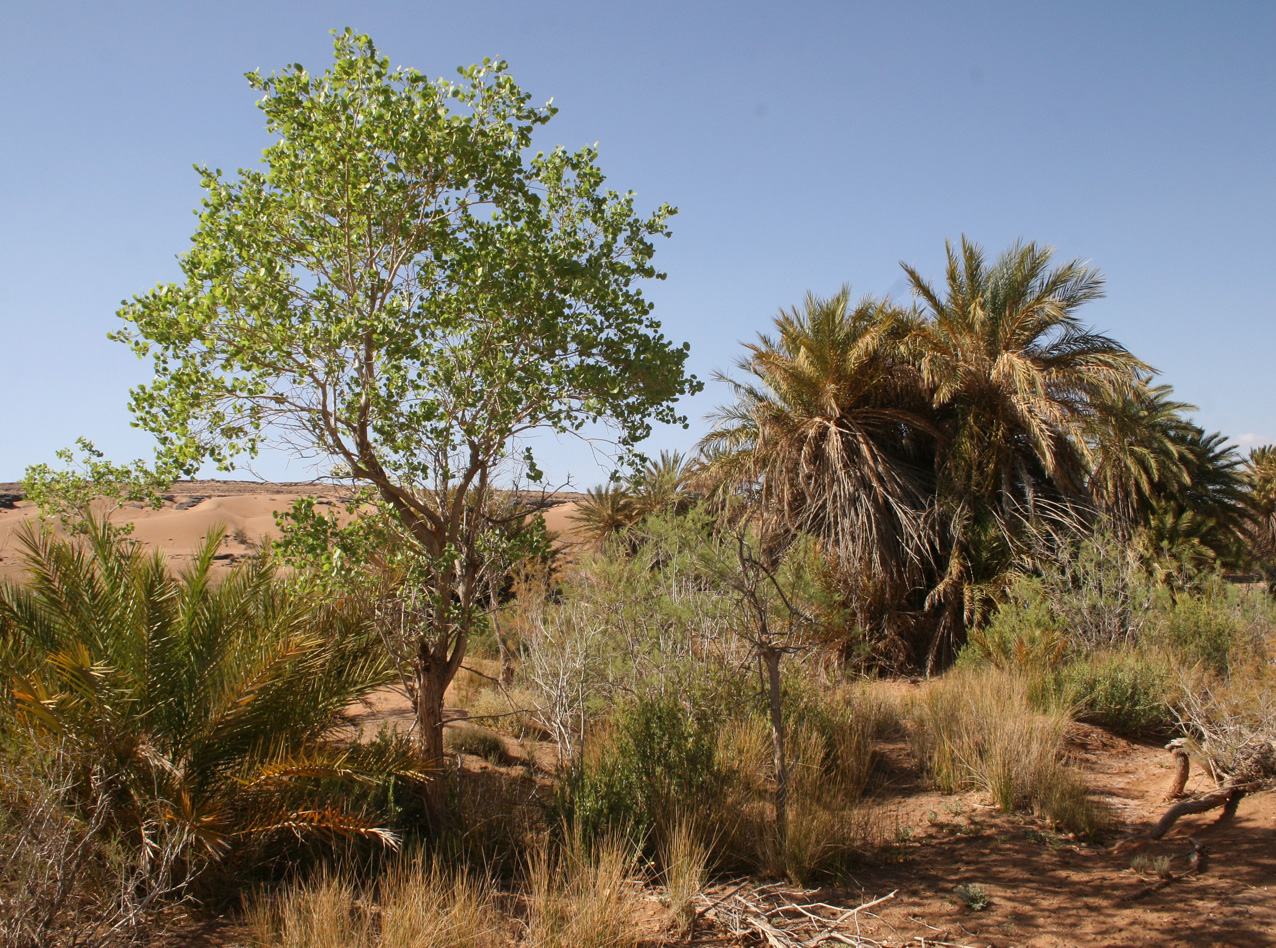
【分布】:产内蒙古西部、甘肃、青海、宁夏、新疆等地。常生于荒漠、河滩沿岸。
【习性】:喜光,抗热,抗大气干旱,抗盐碱,抗风。根萌蘖性强,要求砂质土壤。
【繁殖】:扦插、播种繁殖。
【用途】:沙荒地、盐碱地的重要绿化树种,是沙漠地区绿洲的主要树种。
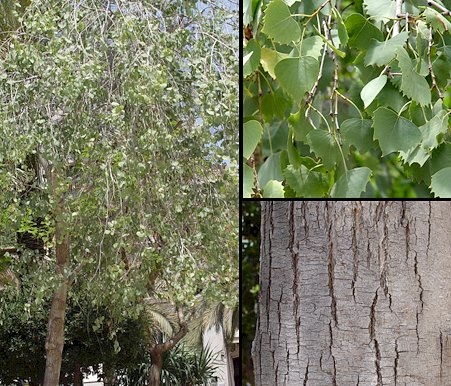
Populus euphratica, commonly known as the Euphrates poplar, desert poplar, diversiform-leaved poplar, or poplar diversifolia, is a species of poplar tree in the willow family.
Populus euphratica is a deciduous Tree growing to 15 m (49ft 3in) at a fast rate.The species is dioecious (individual flowers are either male or female, but only one sex is to be found on any one plant so both male and female plants must be grown if seed is required). and is pollinated by Wind. The plant is not self-fertile.
Suitable for: light (sandy), medium (loamy) and heavy (clay) soils and prefers well-drained soil. Suitable pH: mildly acid, neutral and basic (mildly alkaline) soils. It cannot grow in the shade. It prefers moist or wet soil.
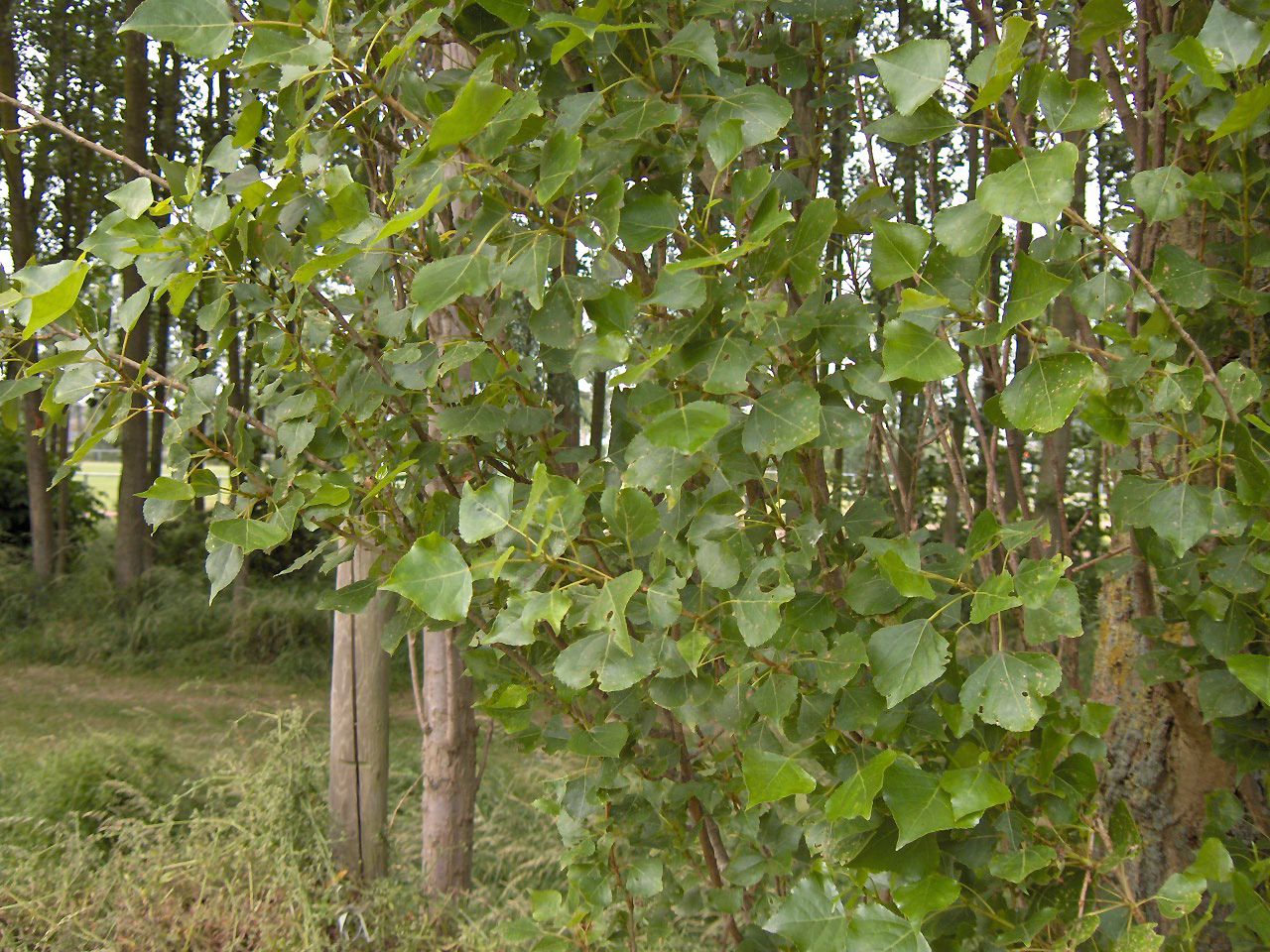
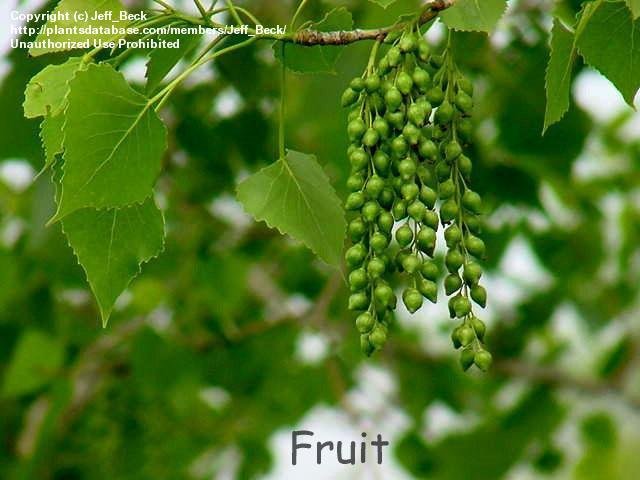

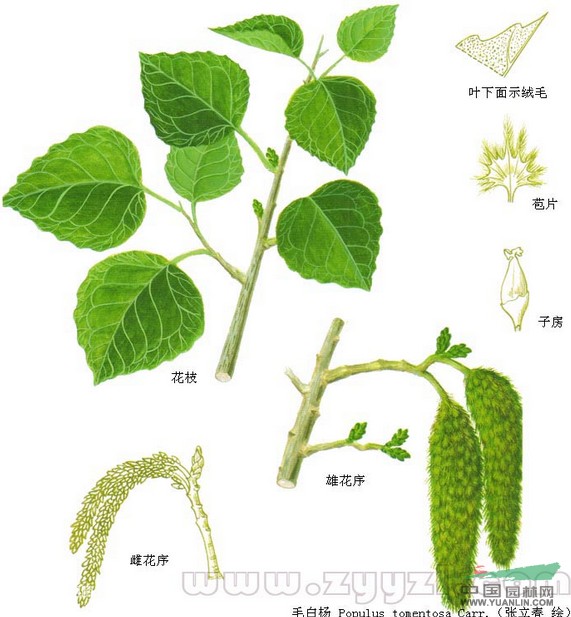
2.毛白杨Populus tomentosa Carr.
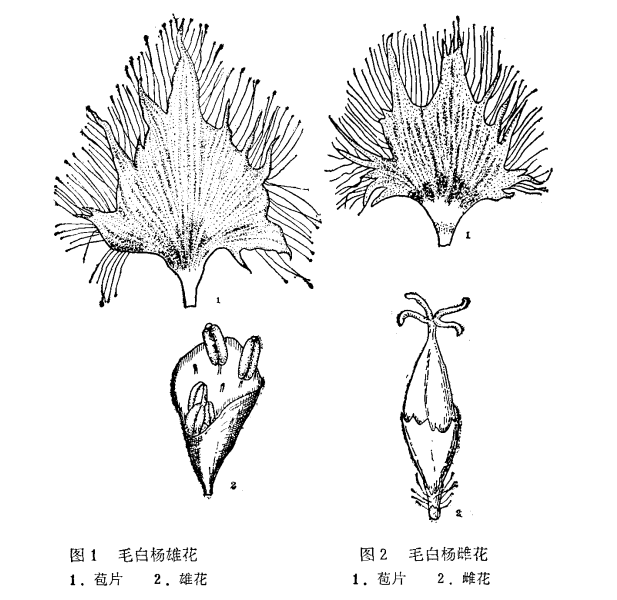
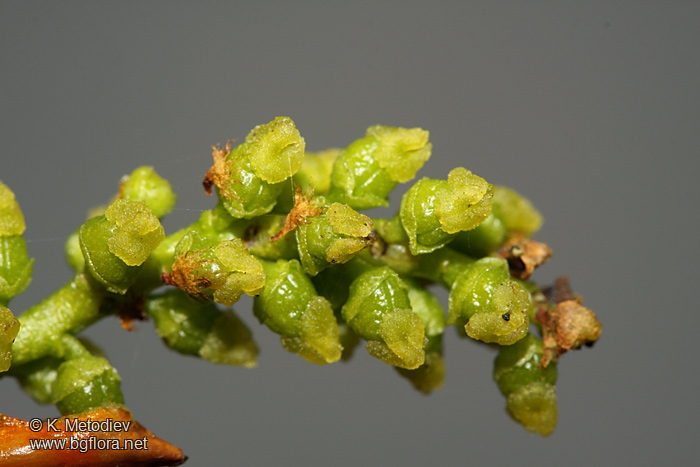
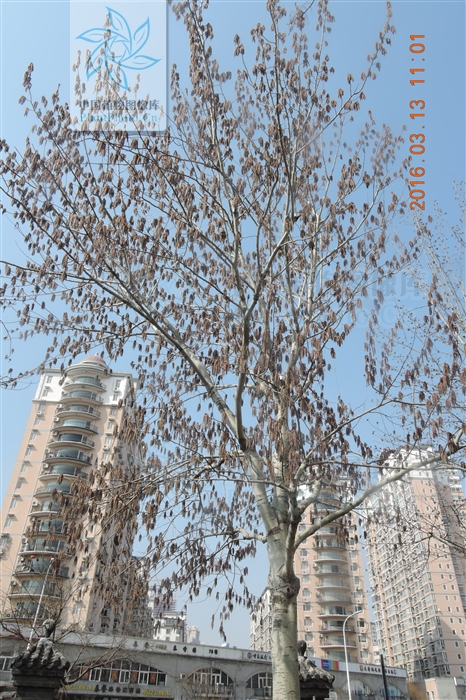
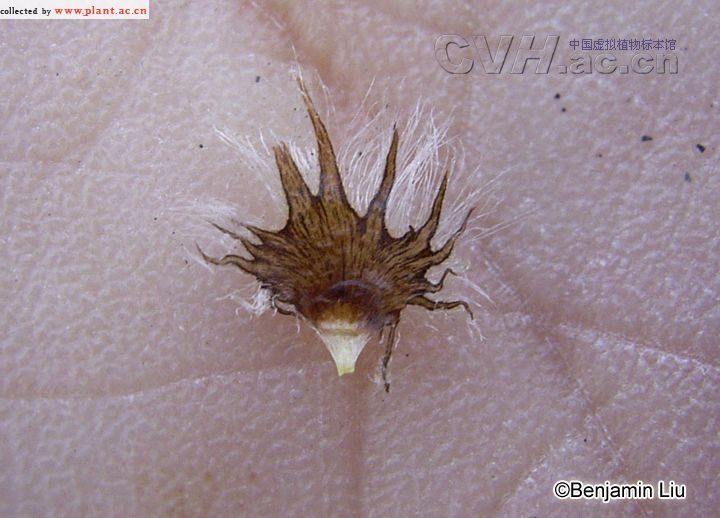
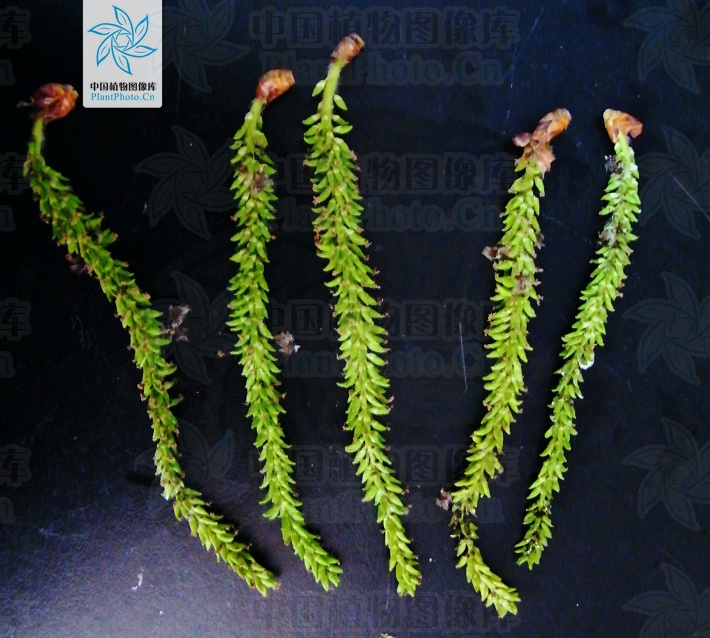
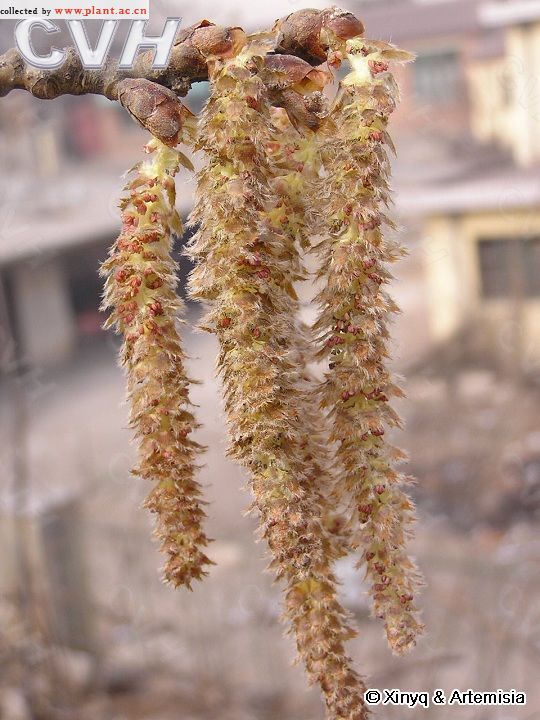
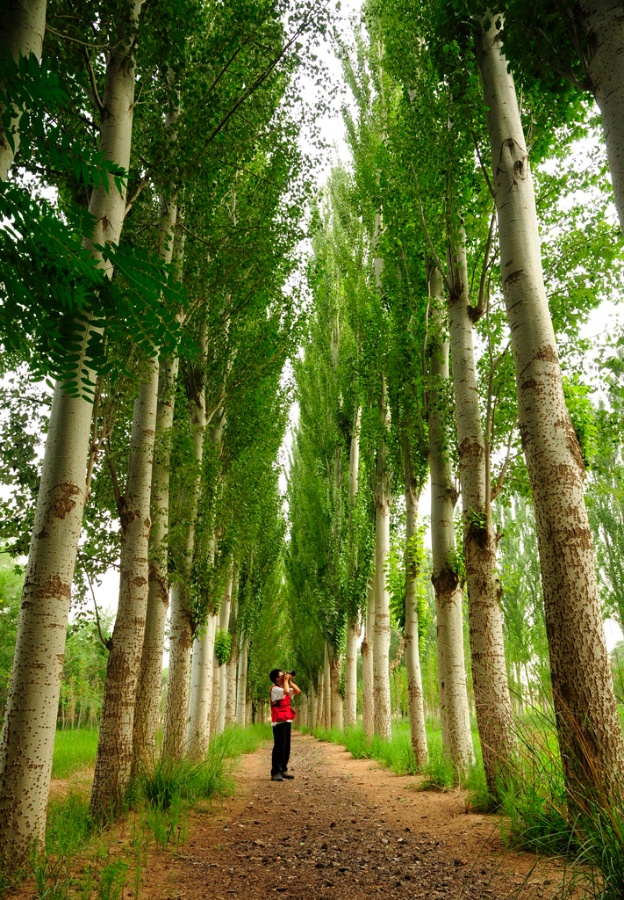
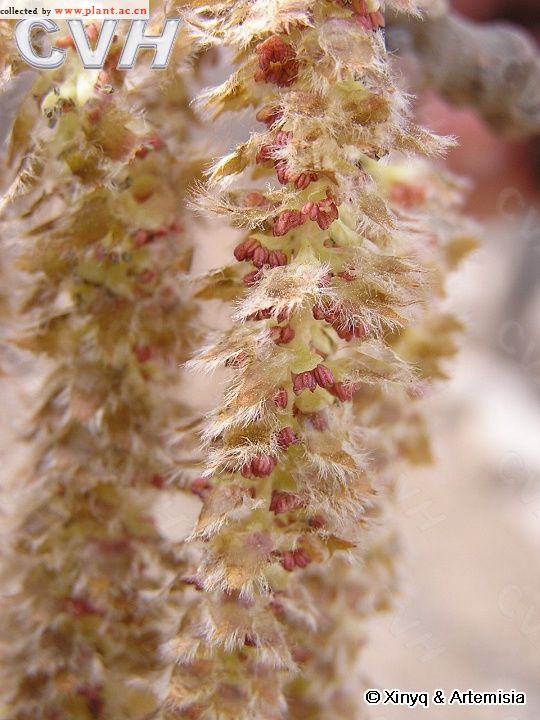
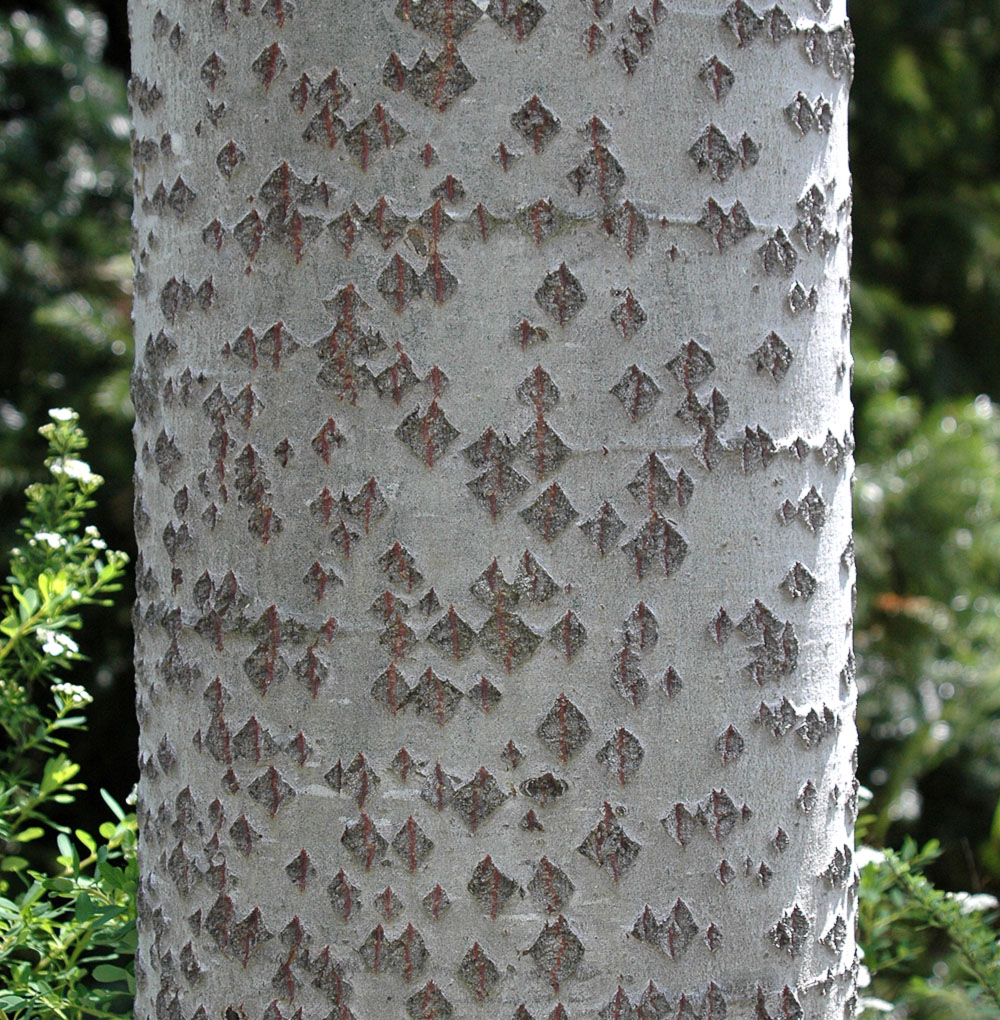
【形态】:落叶乔木,高可达30m,树冠卵圆形或卵形。树皮青白色,皮孔菱形;老树基部黑灰色,纵裂。嫩枝密被灰白色绒毛,逐渐脱落。长枝及幼叶三角状卵形,先端渐尖,基部心形或截形,叶缘缺刻或有锯齿;叶柄扁平,先端常具腺体。短枝上叶三角状卵圆形,叶缘波状缺刻,叶背初被短绒毛,后近无毛;叶柄常无腺体。花期3月,果期4~5月。
【分布】:我国特有,主要分布在黄河流域,北起辽宁南部,南到江苏、浙江,西至甘肃东部,西南至云南均有。
【习性】:喜光,凉爽气候,对土壤要求不严,适于排水良好的中性至微碱性土壤,但深厚、肥沃、湿润的土壤生长最好。寿命较长,可达200年。抗烟尘和污染能力强。
【繁殖】:营养繁殖,主要采用埋条、扦插、嫁接、留根、分蘖等方法繁殖。
【用途】:树干灰白端直,树形高大宽阔,气概雄伟,大形的叶片在微风吹拂时能发出欢快的响声。园林中适宜作行道树、庭荫树,可孤植于草坪上,列植广场、干道两侧,也是厂区绿化、“四旁”绿化及防护林、用材林的重要树种。雄花序可药用。
Populus tomentosa Carr., also known as populus, is a large deciduous tree of the Populus family. It grows fast and has straight trunks, and is widely used in urban and rural greening. Populus tomentosa Carr. has strong adaptability, with well-developed main and lateral roots, dense branches, and leaves. It is a good plant species for fast-growing timber forests, shelter forests, roads, and canals. Populus tomentosa Carr. has straight texture, high fiber content, easy to dry, easy to process, good to paint and has good cementation performance, Populus tomentosa Carr. can be used as materials for construction, furniture, box board, matchsticks, papermaking, etc. It is also the raw material of man-made fibers. In order to further improve the wood properties of Populus tomentosa Carr., speed up the growth time, and optimize the structure of lignin, many genetic modifications have been applied.
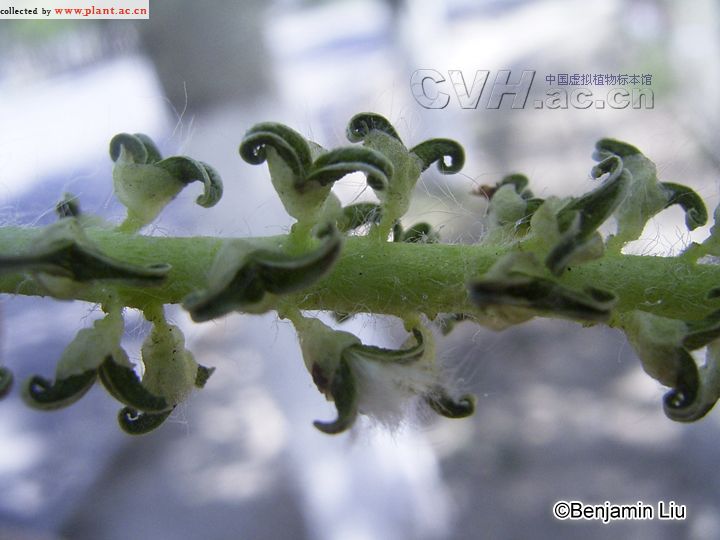
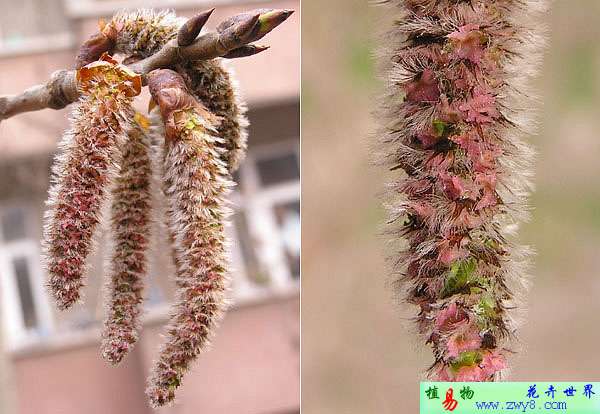
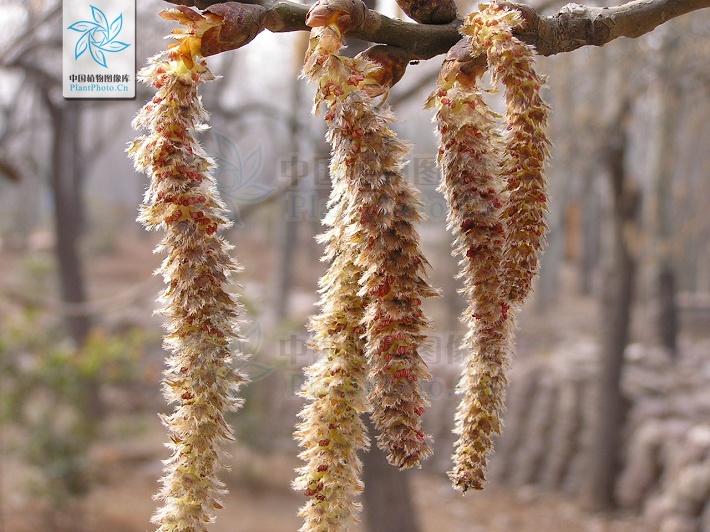
3.银白杨Populus aiba L.
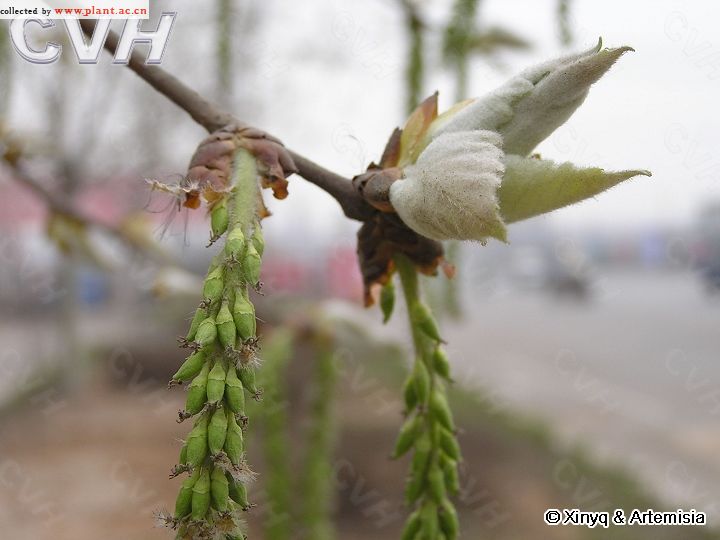
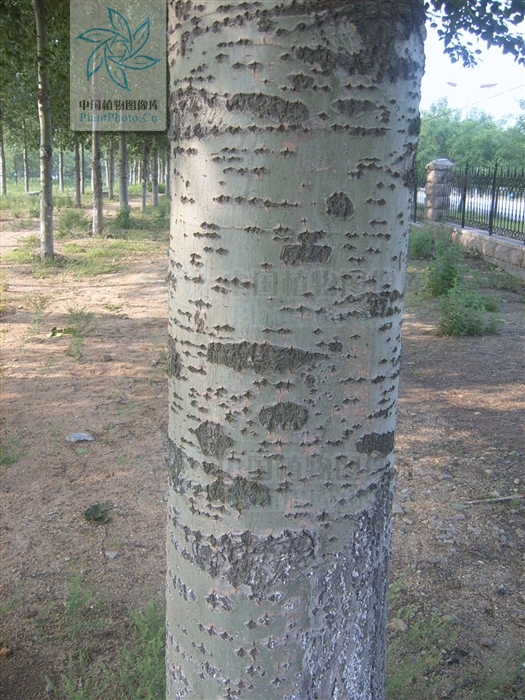
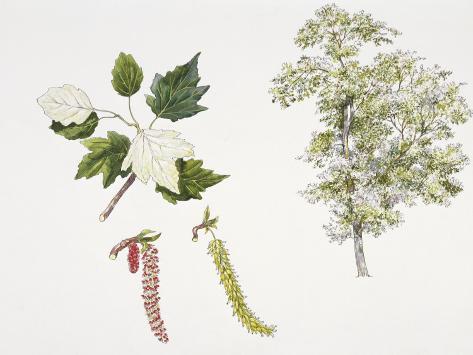
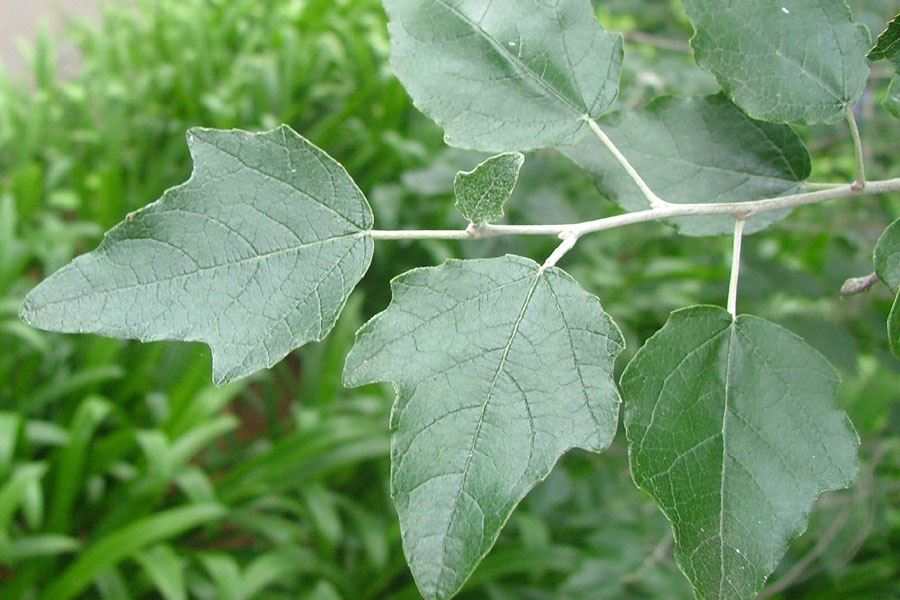
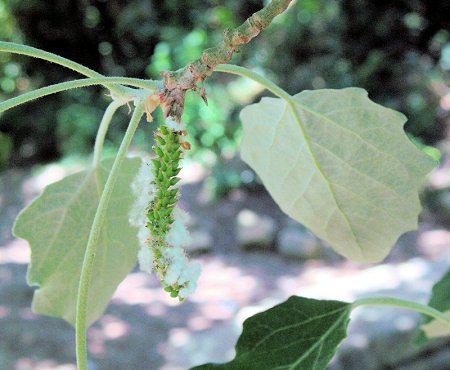
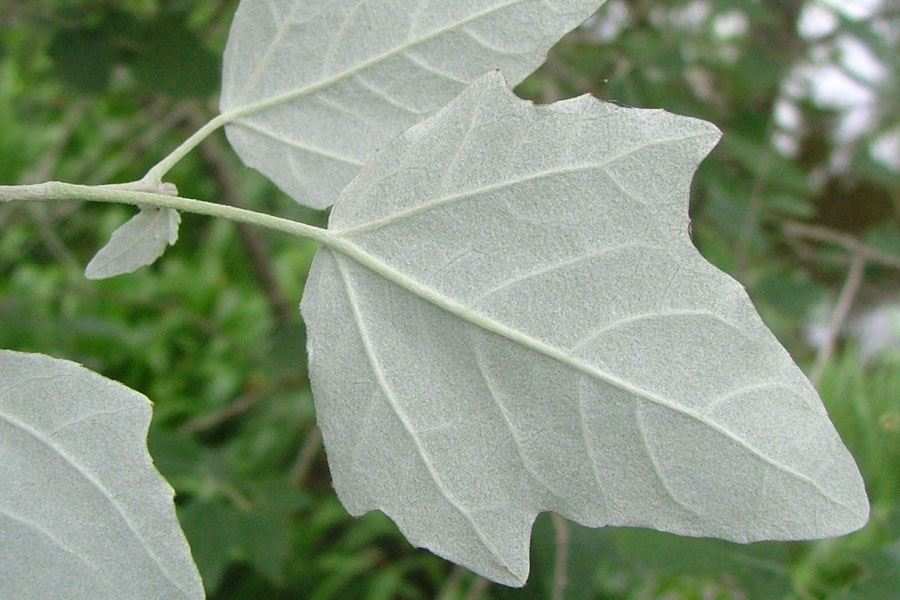
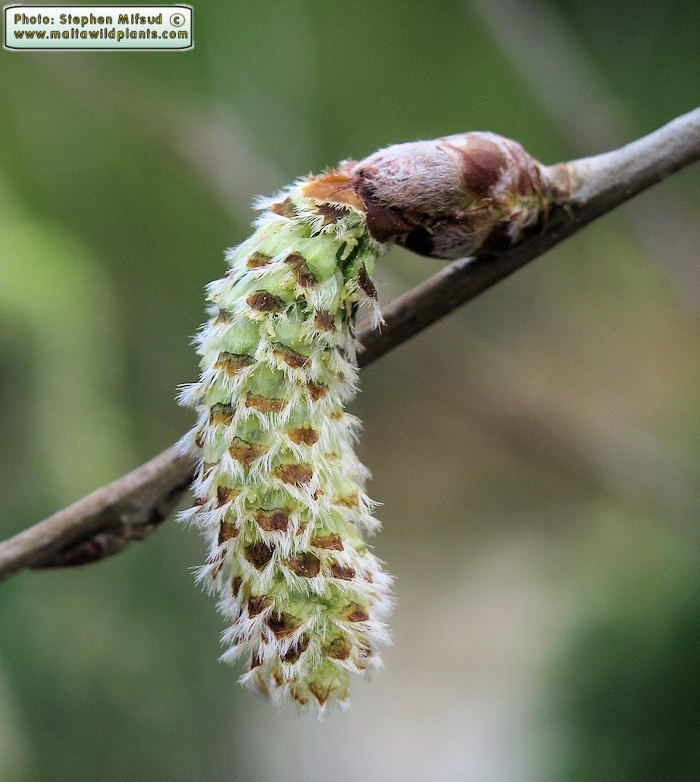
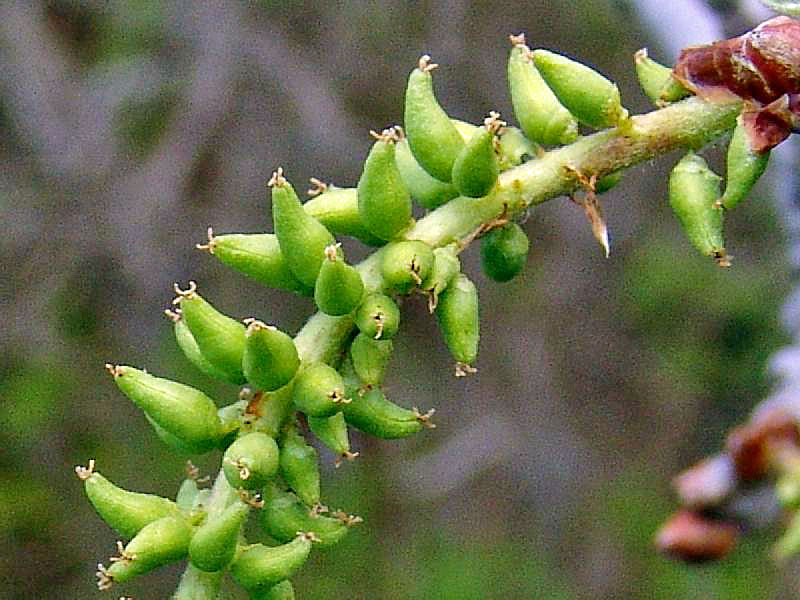
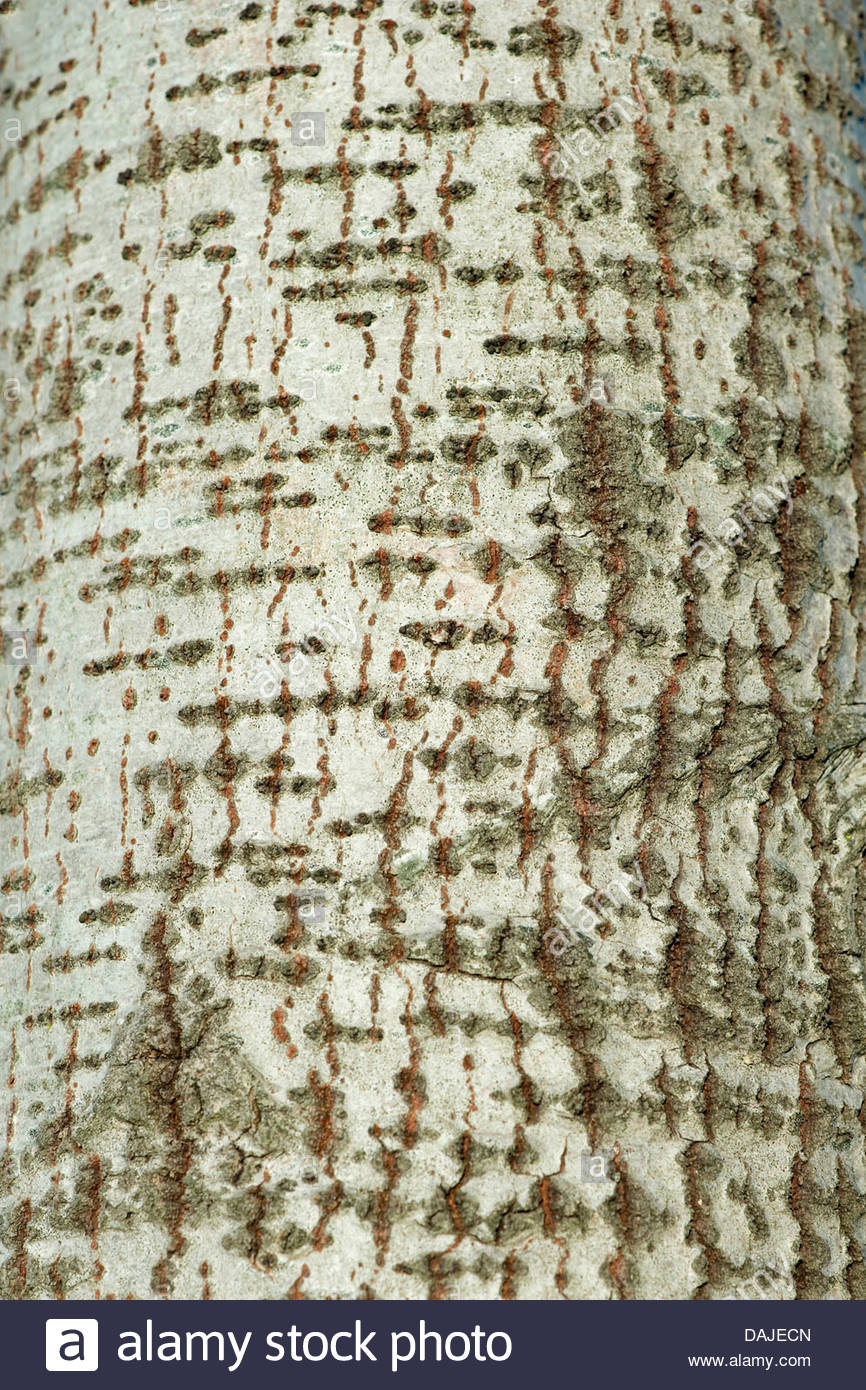
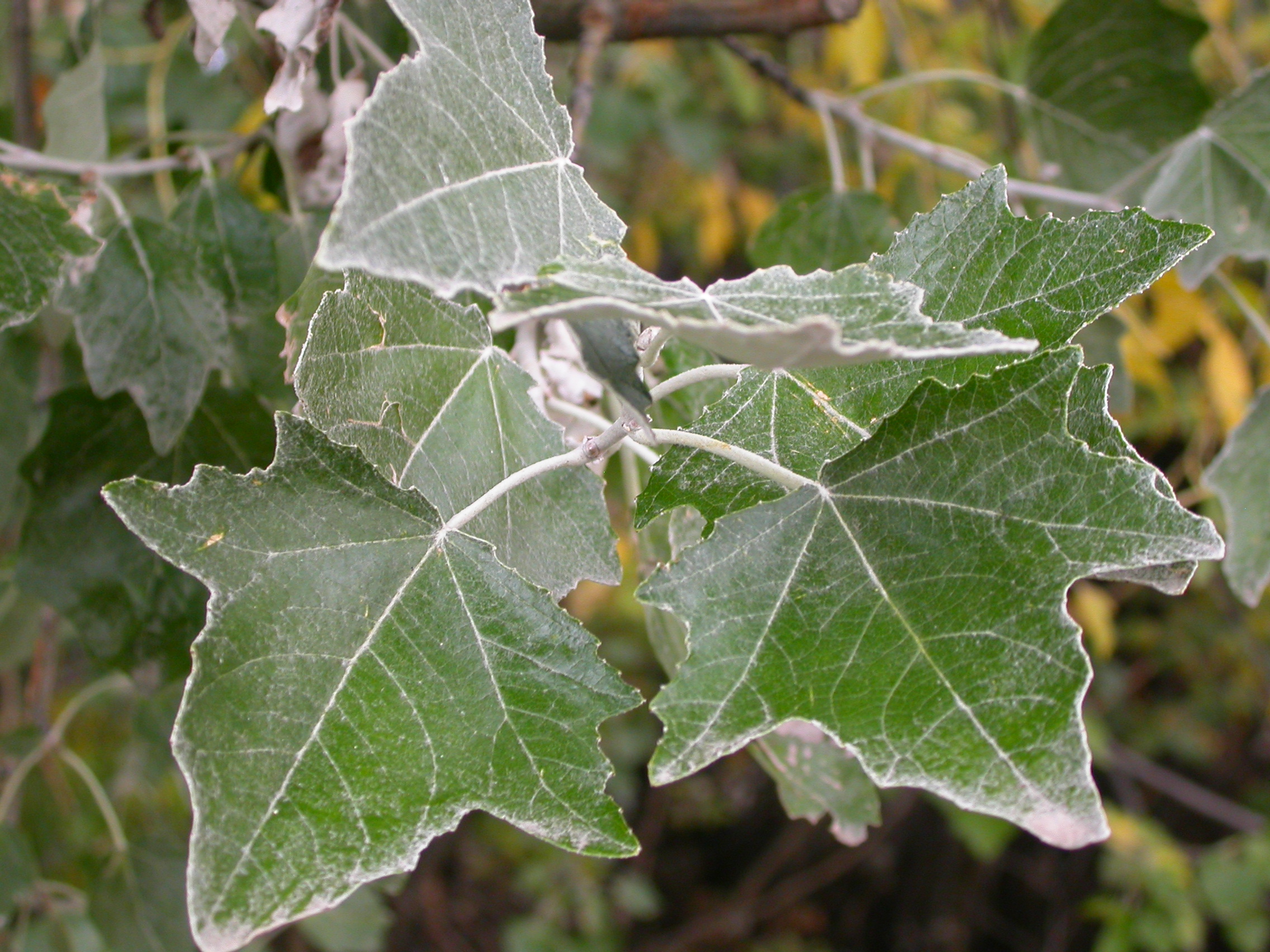
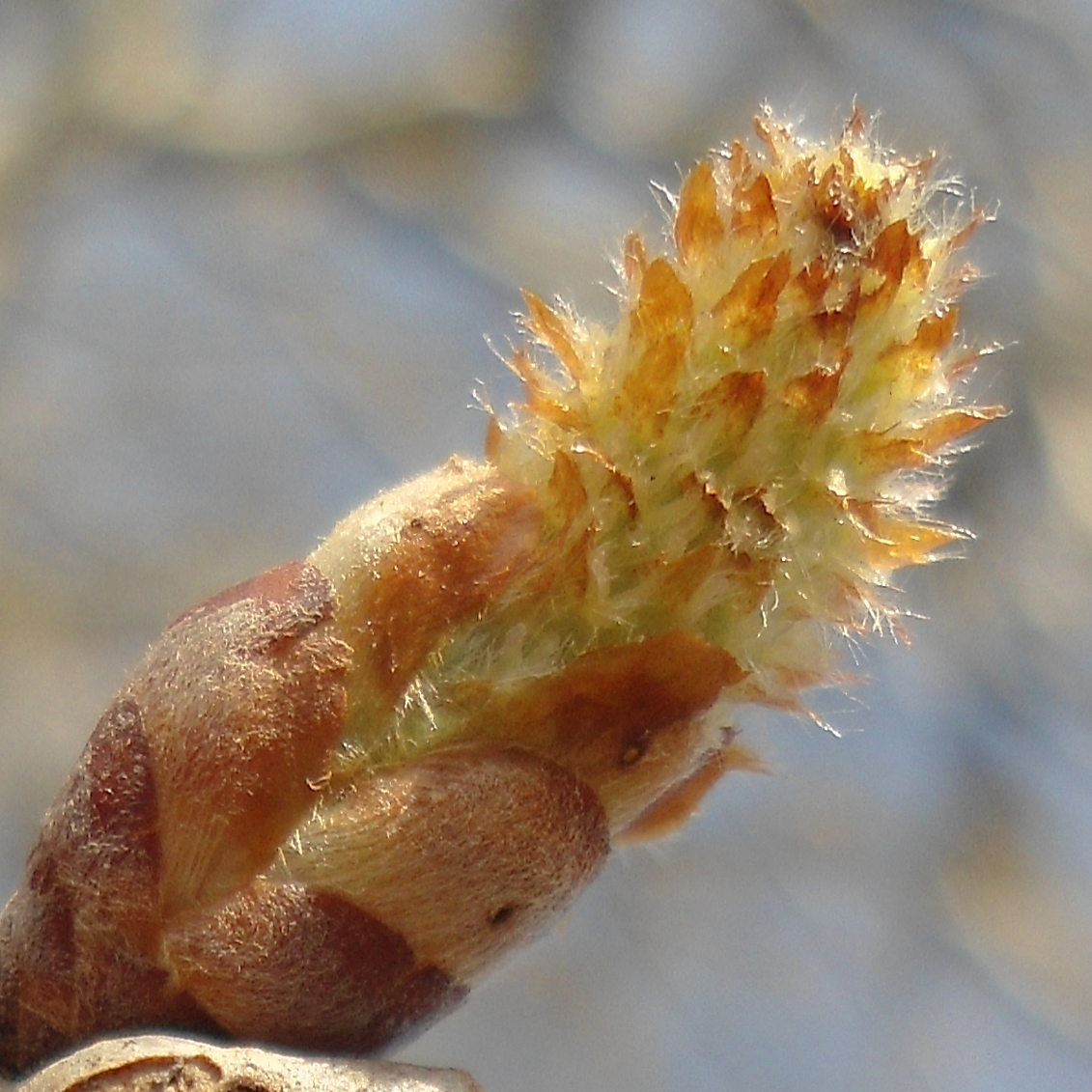
【形态】:乔木,高达30m,树冠广卵形或圆球形。树皮灰白色,光滑,老时基部纵深裂。幼枝叶及芽密被白色绒毛。长枝之叶广卵形至三角状卵形,掌状3~5裂,缘有粗齿或缺刻;基部截形或近心形;短枝之叶较小,卵形或椭圆状卵形,缘有不规则波状钝齿;叶柄微扁,老叶背面及叶柄密被白色绒毛。蒴果长圆锥形,2裂。花期3~4月,果熟期4~5月。
【分布】:分布于东北南部、华北、西北等地。
【习性】:喜光,不耐荫;抗寒性强,耐干旱,不耐湿热。喜湿润、肥沃、排水良好的砂质土壤,也能在较贫瘠的沙荒及轻碱地上生长。深根性,根系发达,根萌蘖力强。
【繁殖】:播种、分蘖、扦插等方法繁殖。
【用途】:银白色的叶片在微风中飘动有特殊的闪烁效果,树干灰白,树形高大,可用作庭荫树、行道树,或于草坪上孤植、丛植均适宜。也可用作固沙、保土、护岸固堤及荒沙造林树种。
Populus alba, commonly called silver poplar, silverleaf poplar, or white poplar, is a species of poplar, most closely related to the aspens. It is native to Morocco and then Portugal through central Europe to central Asia. It grows in moist sites, often by watersides, in regions with hot summers and cold to mild winters.
Populus alba
Common name: White Poplar、European White Poplar、Silver Poplar
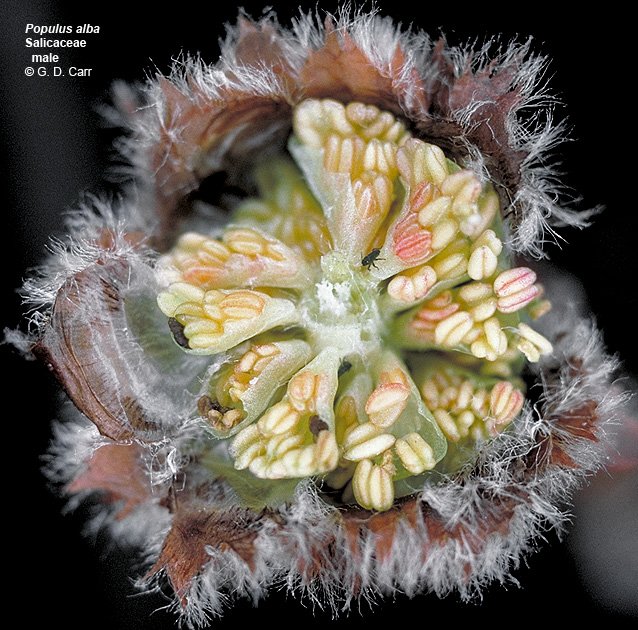
Deciduous, large tree, 40-70 ft (12-21 m) tall with a similar spread. Bud and twigs covered with short white hairs. Bark is initially smooth and whitish gray, becoming rough and dark with age. Leaves alternate, simple, on long shoots 3-5 lobes, coarsely toothed, 5-13 cm long, dark green above, silvery gray and densely woolly underneath, on short branches smaller, only 2.5-5 cm, oval to elliptic-oblong. Male and female trees (dioecious), small flowers in catkins, male catkins 5-7 cm long, female catkins 7-10 cm long. Fruit catkins are made up of small, green pods that splits open when ripe and spread cottony seeds by wind.
Sun. Easy to grow. Does best in moist, deep loam. Messy and has brittle branches.
Hardy to USDA Zone 3 Native to Europe, western Siberia, and central Asia. One of the first trees introduced from Europe to North America, where it has since hybridized with several native Populus species. Listed as an invasive species in some states.
alba: Latin, whitish, a reference to the color of the underside of the leaves.

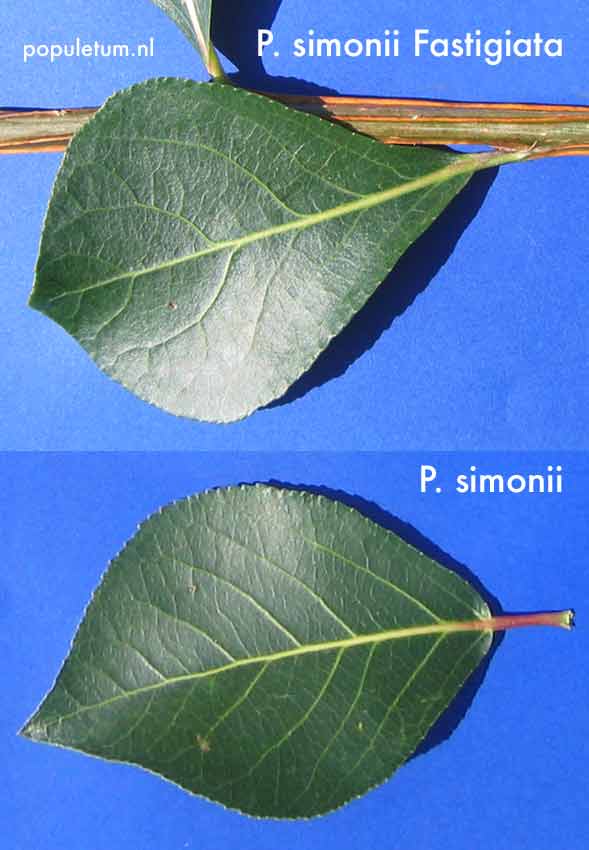
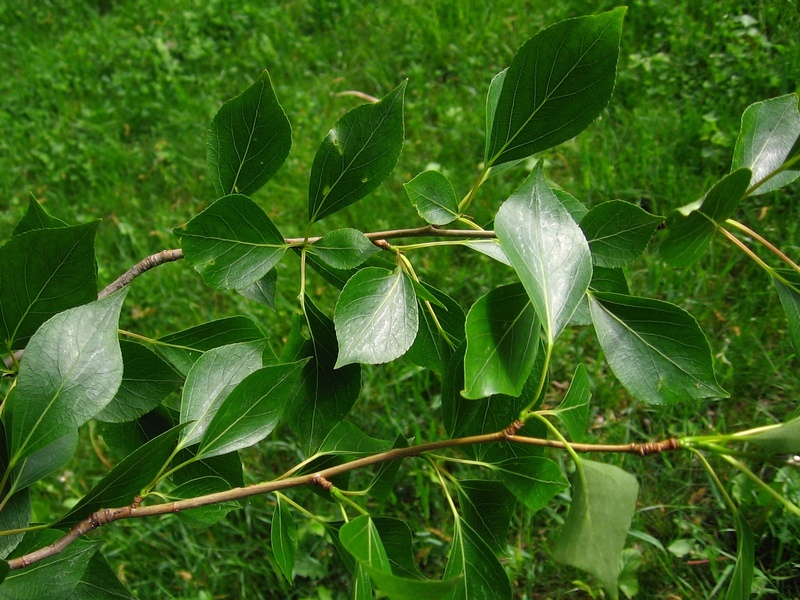
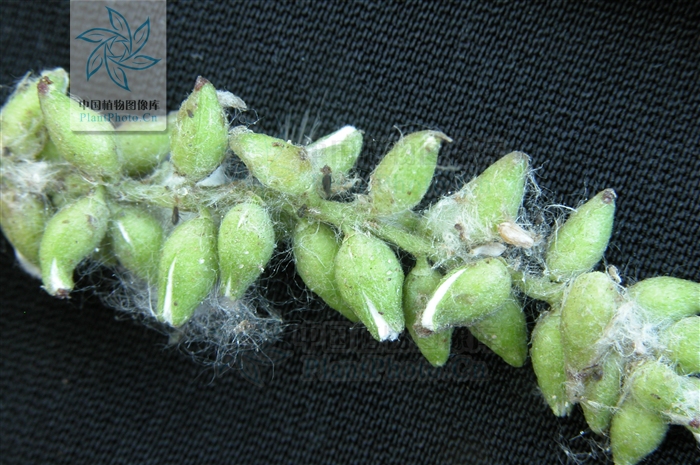
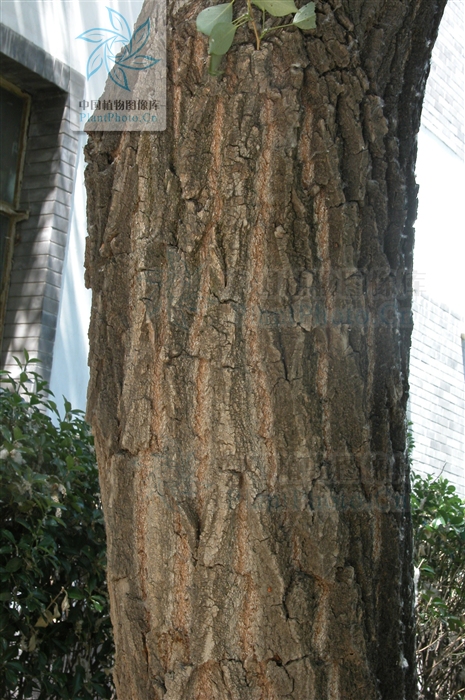
4.小叶杨(南京白杨)Populus simonii Carr.
【形态】:乔木,高达20m,树冠广卵形。树干往往不直,树皮灰褐色,老时有纵裂。小枝光滑,长枝有显著棱角;冬芽瘦而尖,有黏胶。叶菱状到卵状或菱状椭圆形,基部楔形,先端短尖,缘具细锯齿;叶柄短而不扁,常带红色,无腺体。花期3~4月,果熟期4~5月。
【分布】:产于中国及朝鲜。中国分布很广,哈尔滨至长江流域,西至青海、四川等地。
【习性】:喜光,耐寒,亦能耐热;喜肥沃湿润土壤,亦能耐干旱、瘠薄和盐碱土壤。生长较快,寿命较短。根系发达,但主根不明显。萌芽力强。
【繁殖】:播种、扦插、埋条等方法繁殖。
【用途】:小叶杨是良好的防风固沙、保持水土、固堤护岸及绿化观赏树种;城郊可选作行道树和防护林。木材易加工,可供建筑、家具、造纸、火柴杆等用。
Populus simonii, Simon's poplar, Simon poplar, or Chinese cottonwood, is a species of poplar native to northeast China and to Mongolia, and commonly planted as a street tree in cool temperate areas of Europe. There have been introductions into North America, South Africa, Australia and New Zealand.
A medium-sized tree with slender branches and elegant habit, bursting into leaf early; young shoots glabrous, prominently angled. Leaves diamond-shaped or obovate, tapering about equally to both ends, sometimes more abruptly towards the apex; minutely and regularly blunt-toothed, 2 to 5 in. long, 11⁄4 to 31⁄2 in. wide, dark green above, very pale beneath, glabrous on both sides; stalks 1⁄2 to 1 in. long (shorter on the leaves of long shoots). Male catkins 3⁄4 to 11⁄4 in. long; stamens eight.
Native of north and west-central China; discovered by Eugène Simon in 1862 N.E. of Peking and introduced by him at the same time by means of plants sent to the Paris Museum and to the Simon-Louis nursery at Plantières near Metz. It is one of the balsam group breaking into leaf early, and fragrant then. Its distinguishing characters are its angular young shoots devoid of down, and the variable but often very short leaf-stalk. The original tree at Plantières had a trunk white almost as a birch.
P. simonii is represented at Kew by a tree planted in 1899, measuring 48 × 23⁄4 ft (1967). It is, however, a very rare tree in this country, probably because of its susceptibility to bacterial canker.

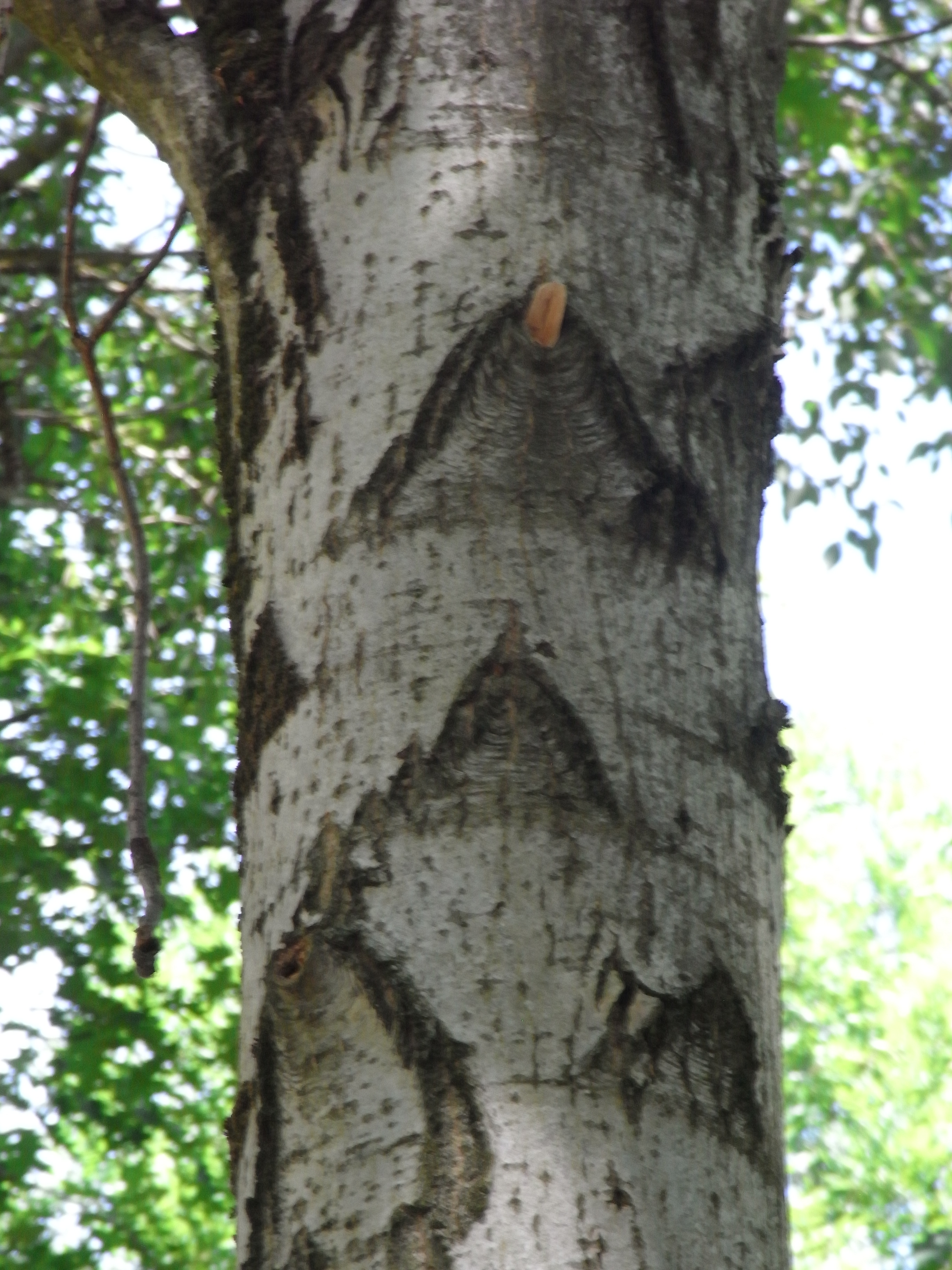
5.青杨Populus cathayana Rehd.
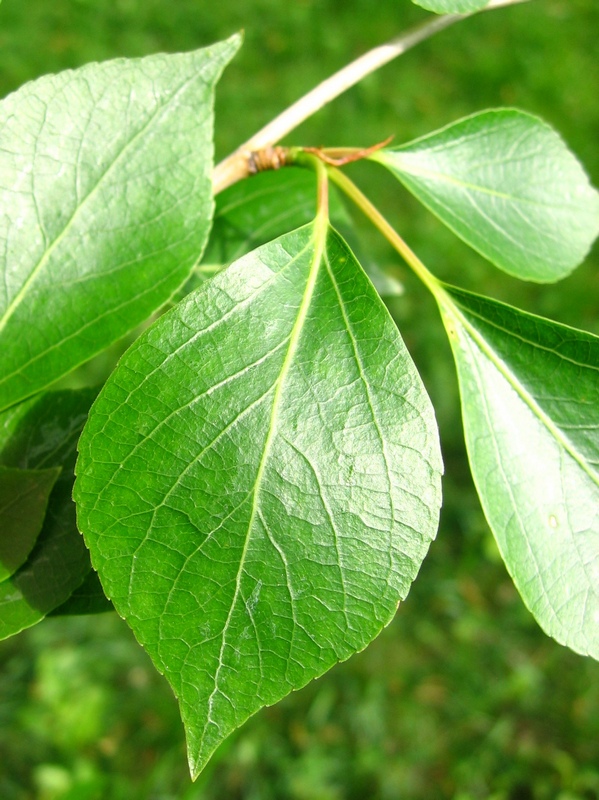
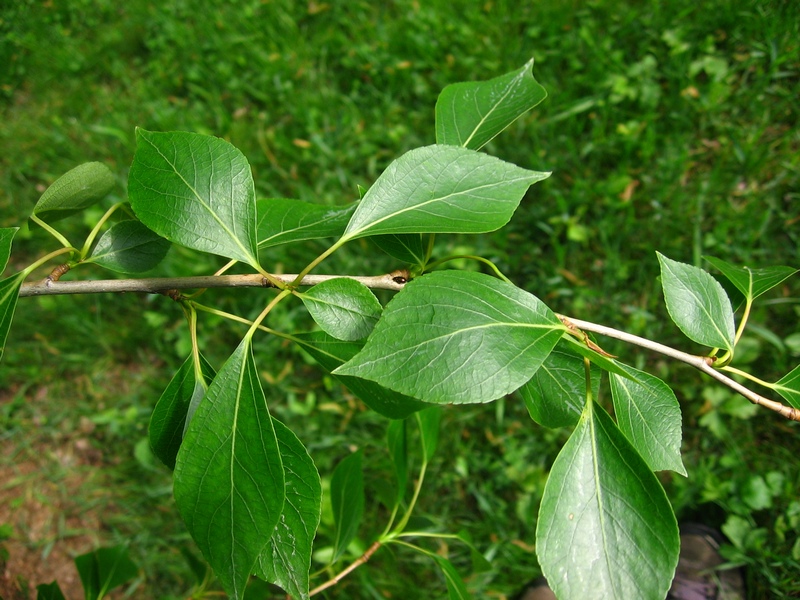
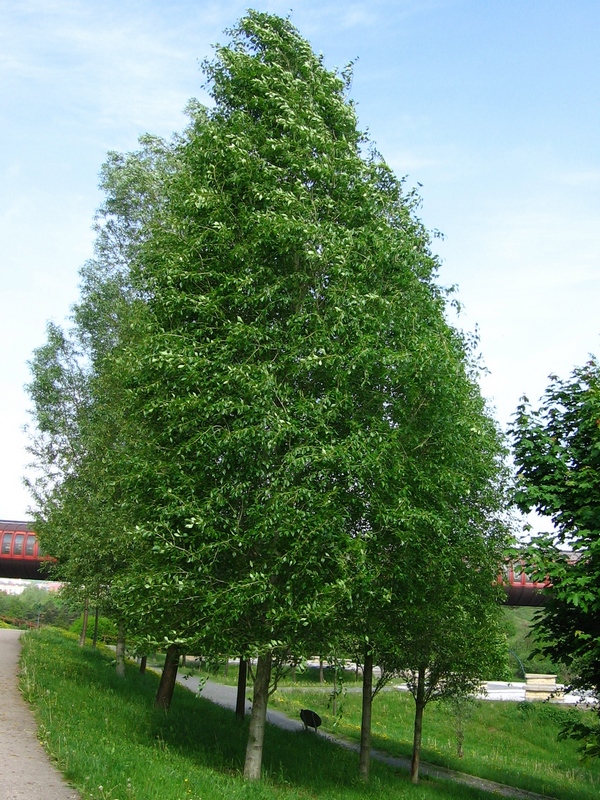
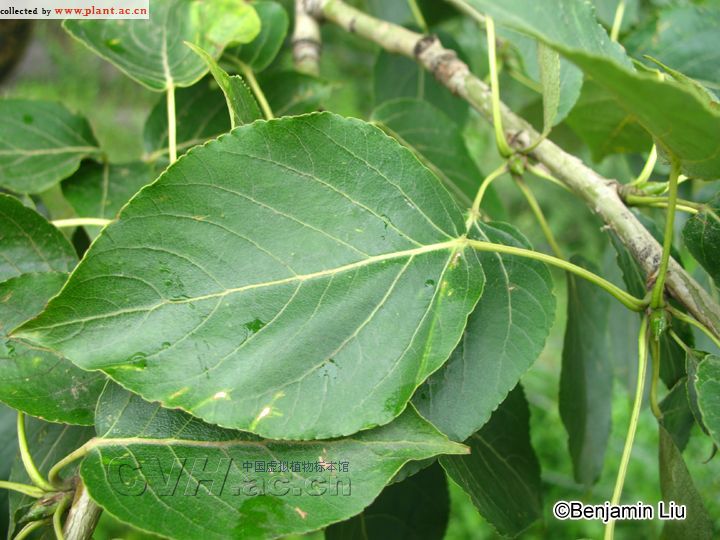
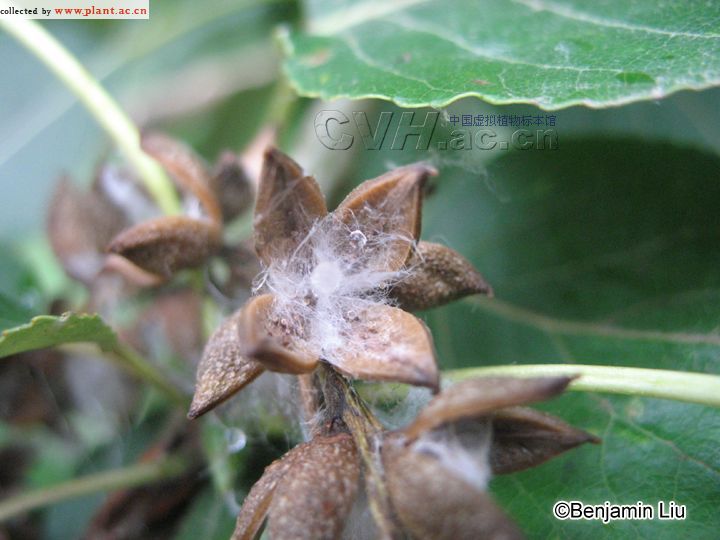
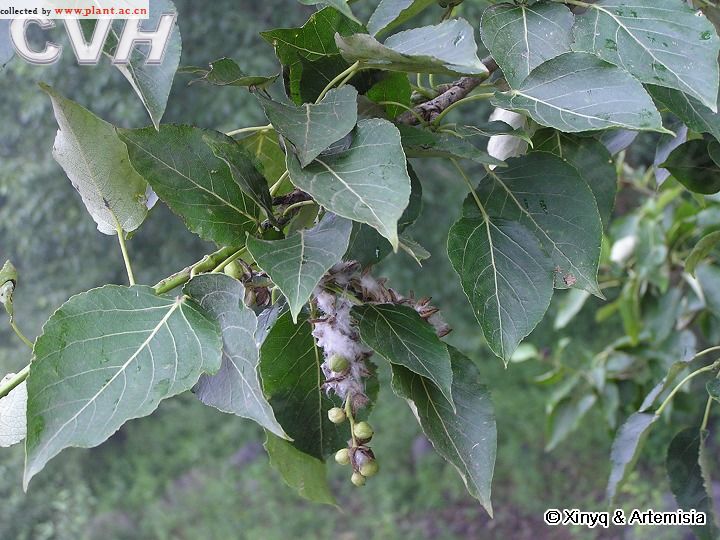
【形态】:落叶乔木,高达30m树冠卵形。树皮幼时灰绿色,光滑,老时灰白色,浅纵裂。小枝圆柱形,冬芽多黄色黏胶。枝叶均无毛。叶卵形或卵状椭圆形,基部圆形或近心形,先端长尖,缘有细锯齿,背面绿白色;叶柄圆而较细长,无腺体。花期3月下旬,果熟期4~5月。
【分布】:中国特产,分布在东北南部、华北、西北至西南各省区。多生于溪边、沟谷及阴坡。
【习性】:喜光,稍耐阴;喜温凉湿润的气候,较耐寒,但在暖地生长不良。对土壤要求不严,能耐干旱,但不耐水淹,不耐盐碱,生长快,萌蘖性强。
【繁殖】:扦插、播种繁殖。扦插容易成活,成活率高。播种实生苗性状分离现象严重,生长量小而参差不齐,故播种法不常使用。
【用途】:青杨展叶极早,新叶嫩绿光亮,给人以春光早临之感,加之树冠卵形,干高皮青,倍感清丽。可作行道树、庭荫树、防护林、用材林及固岸护堤、河滩绿化用树种。是西北高寒荒漠地区重要的庭荫树、行道树,常和沙棘造林,可提高其生长量。
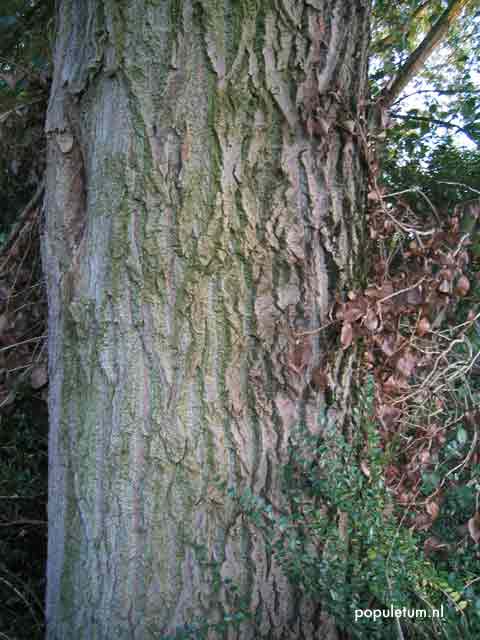
This species, called “Manchurian poplar” in Finnish, apparently has no English common name. It is one of the group of balsam poplars with scented leaves, growing in the river valleys of its natural range into a large tree up to 30m, but remains smaller in Finland. It has rising branches and a narrow crown, with fluttering light green leaves and, like many Asian poplars, it is healthy. It does not produce root suckers.
The Mustila specimens are from a south-eastern Manchurian source, the Baishilazhin nature reserve, received via the Helsinki University Botanical Garden and planted in 2006. Winter hardiness has so far been excellent.

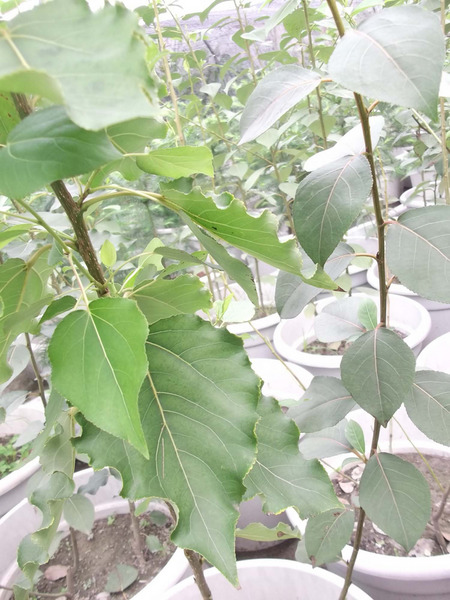
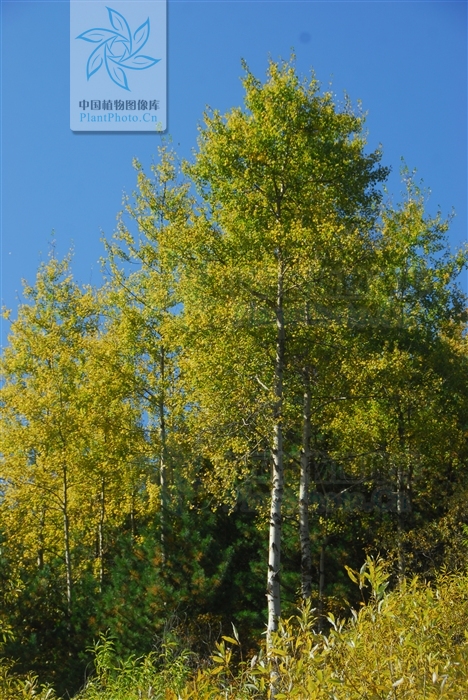
6.山杨Populus davidiana Dode.
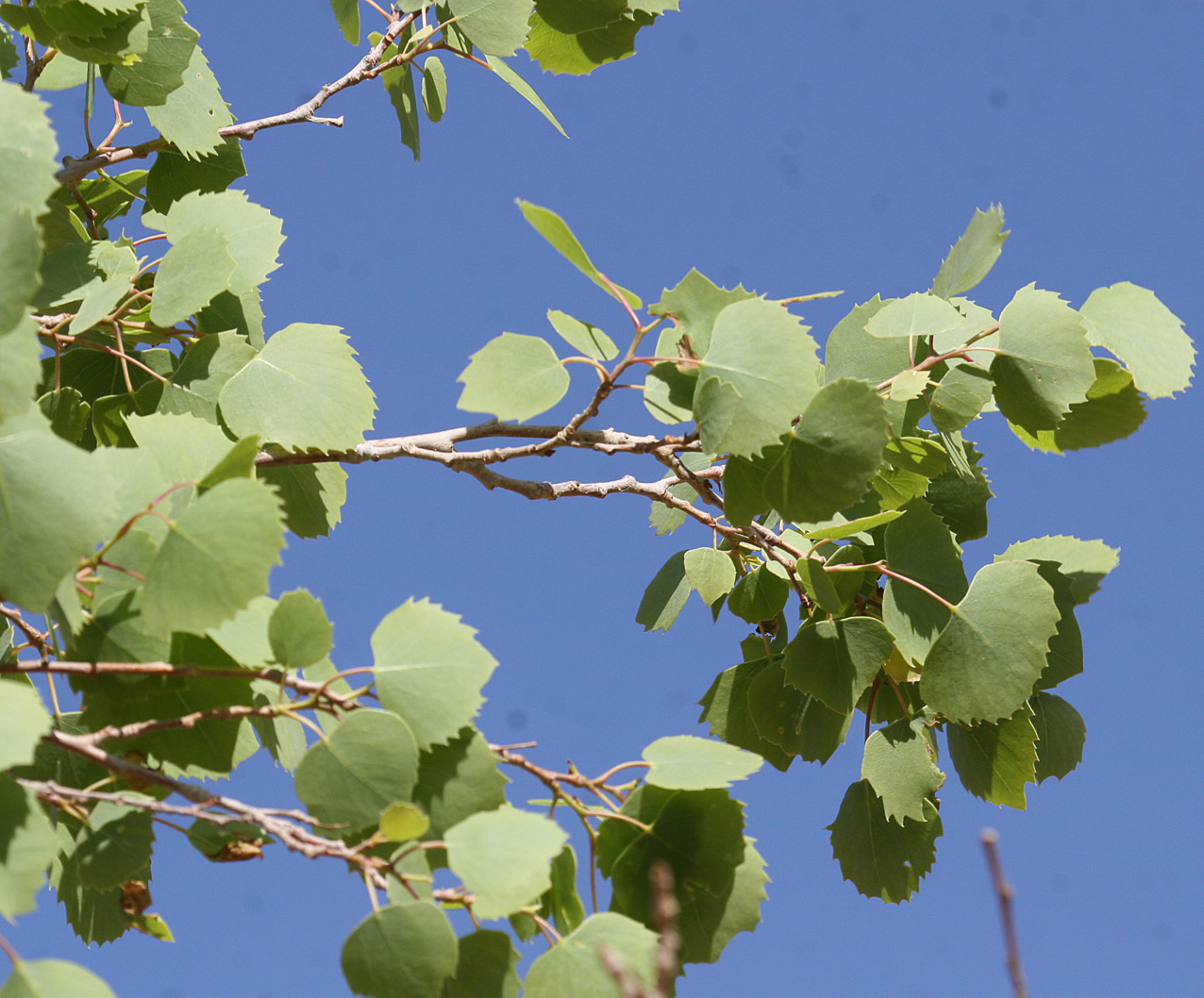
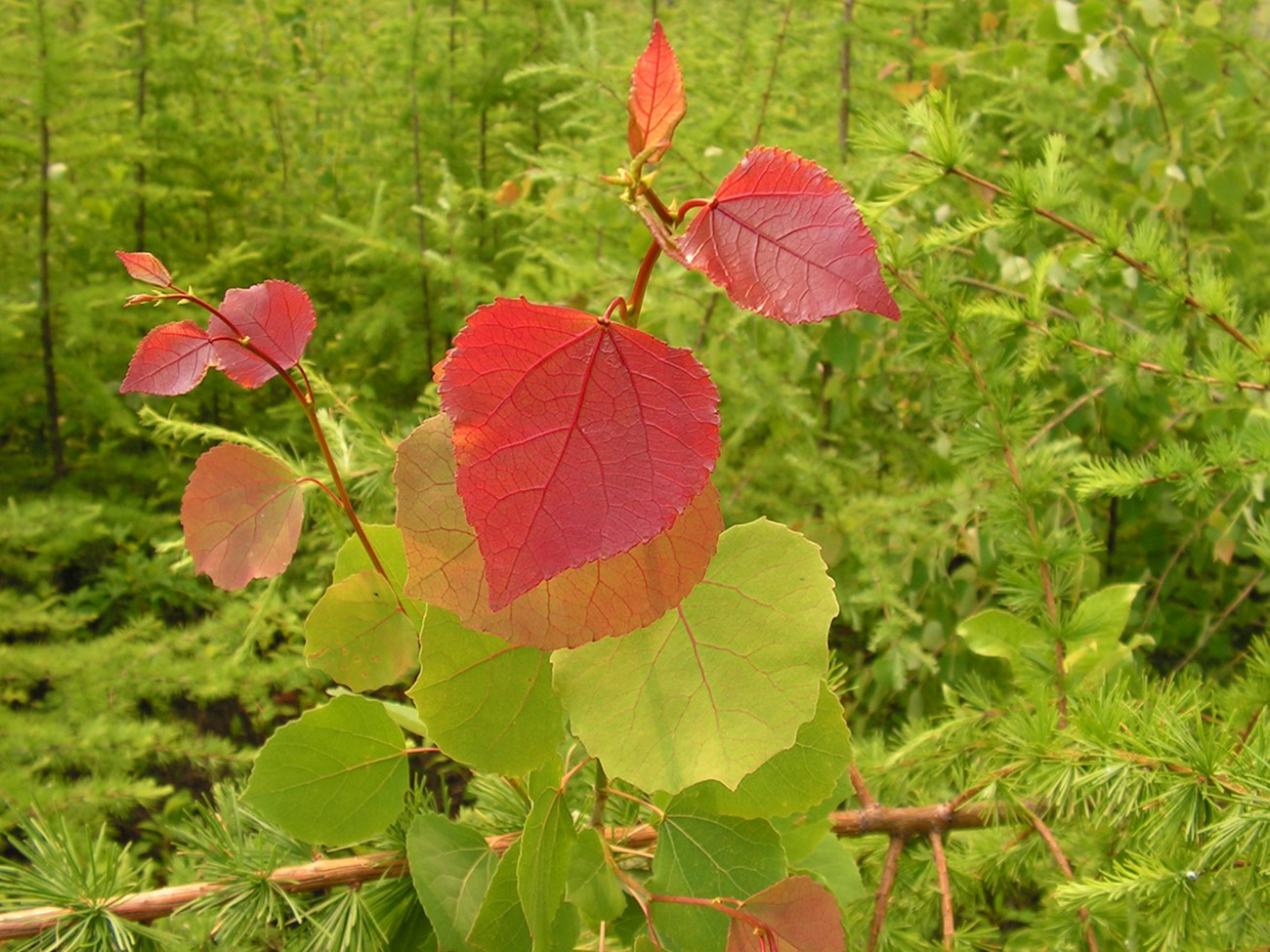
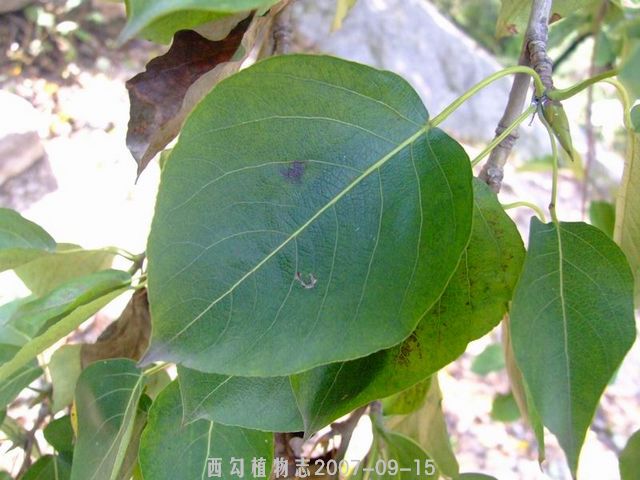
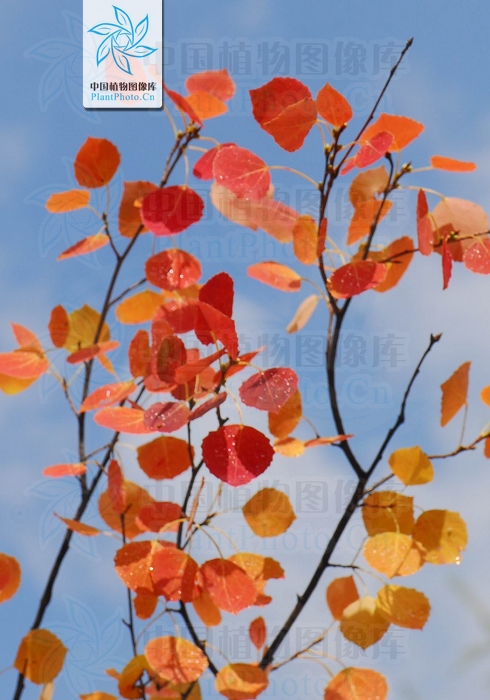
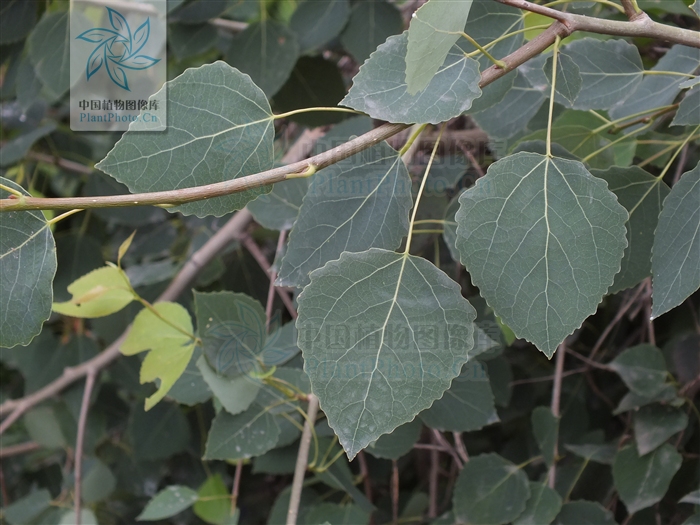
【形态】:落叶乔木,木材白色,成年植株高度可达25m。叶子形近圆形,具波状钝齿。雌雄异株,花药红色,苞片深裂,裂缘有毛。蒴果2裂。
【分布】:分布于东北大兴安岭、小兴安岭、长白山及黄河中下游地区。
【习性】:喜光,生长快。
【繁殖】:扦插、埋条等方法繁殖。
【用途】:白皮类型树皮白色,与白桦不相上下;早春幼叶暗红,观赏价值较高。由于其叶片与叶柄构成的平面相互垂直,应用中有很好的“光影效果”。萌条可编制筐篮;也可在造纸、家具、建筑等方面使用。
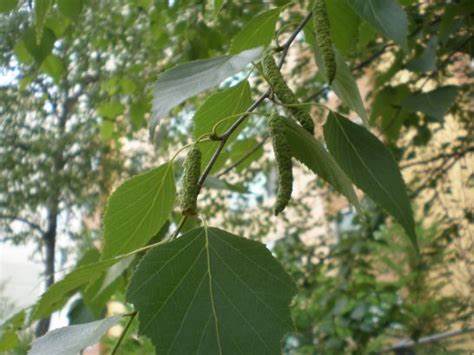
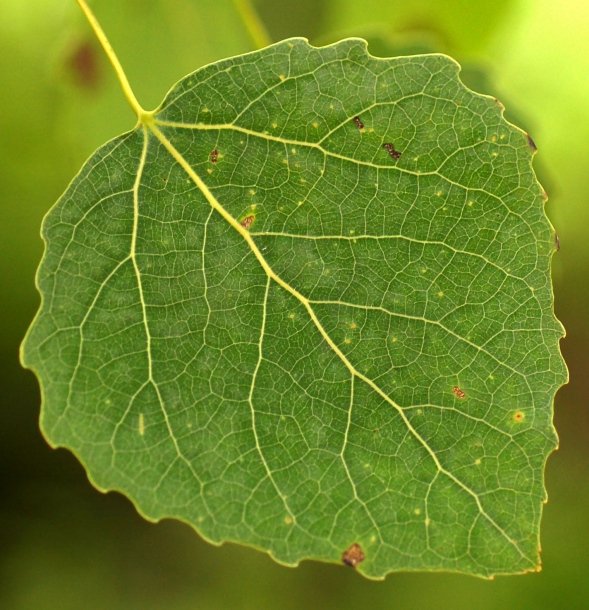
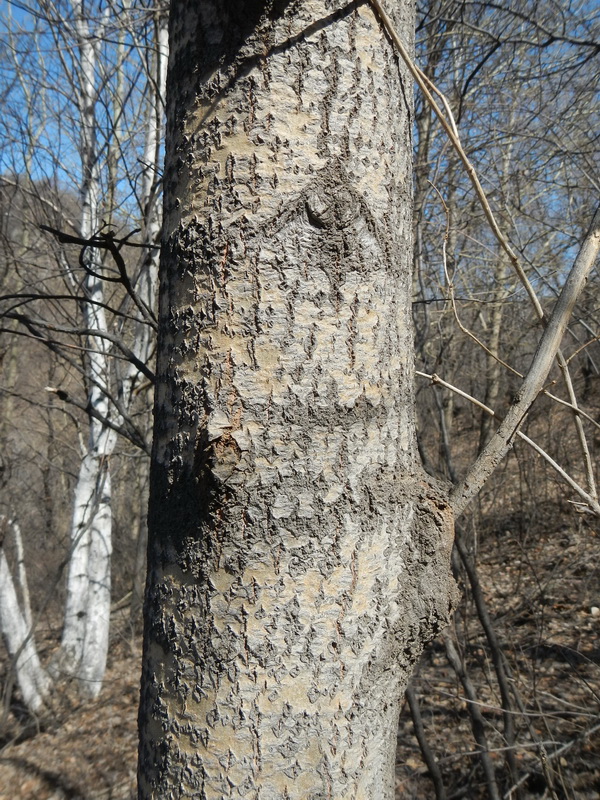
7.加杨(加拿大杨)Populus canadensis Moench.
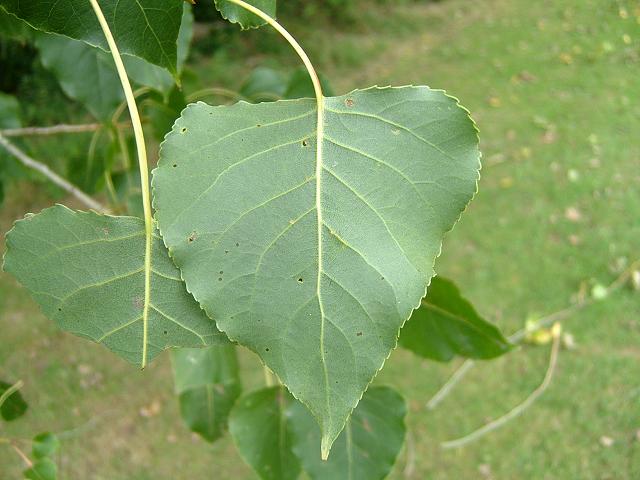
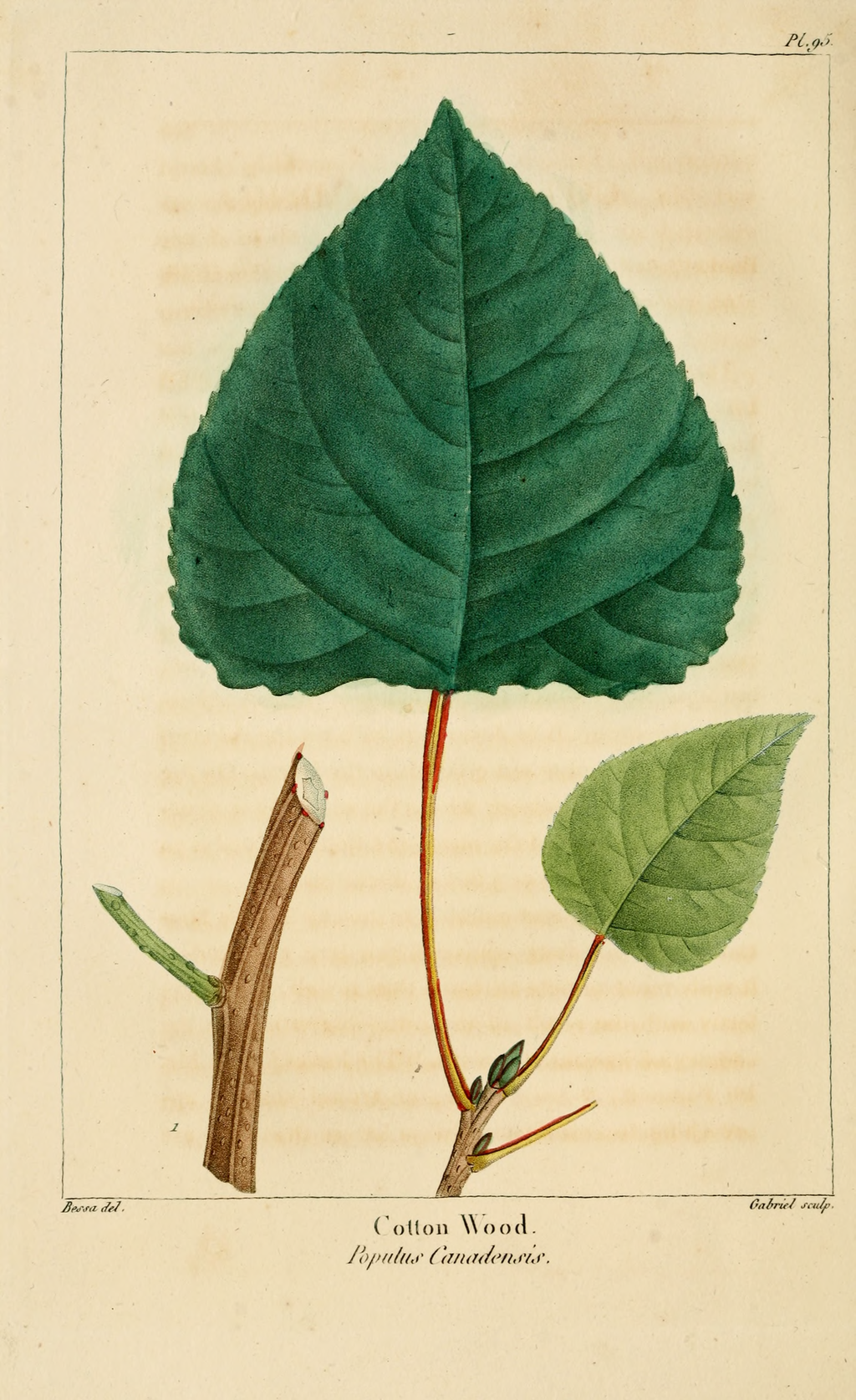
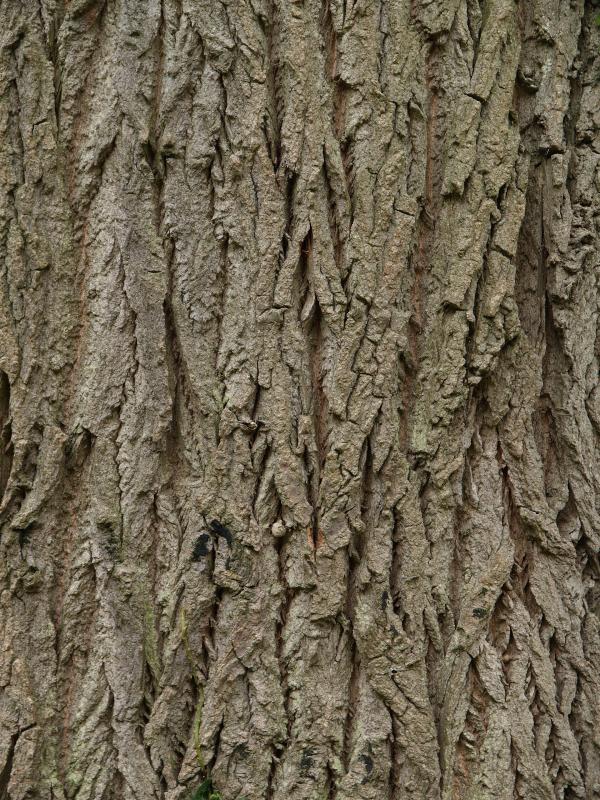
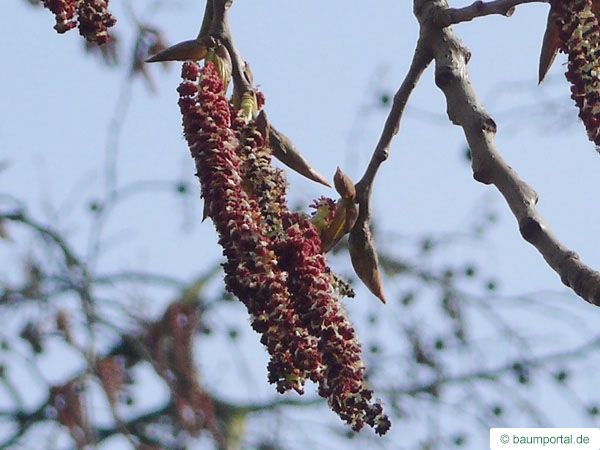
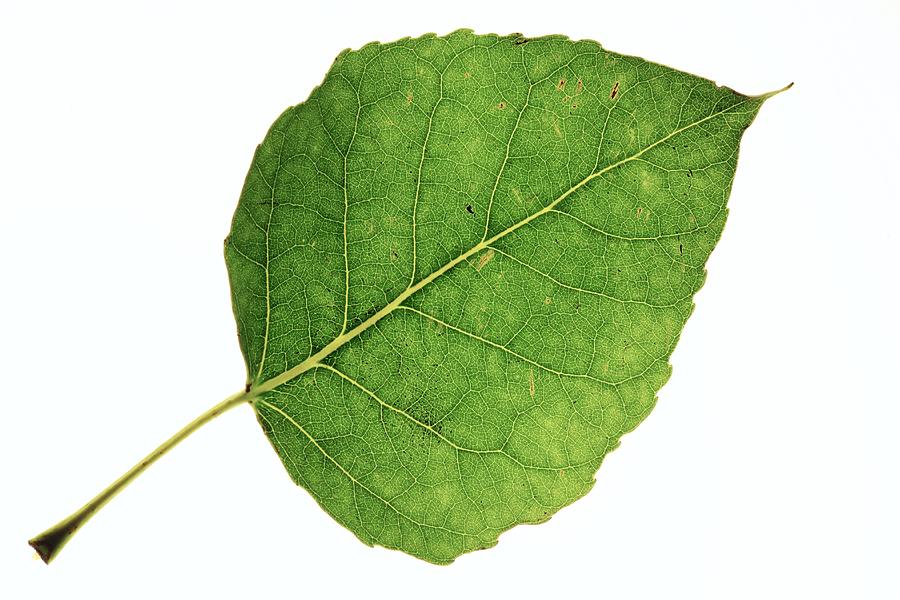
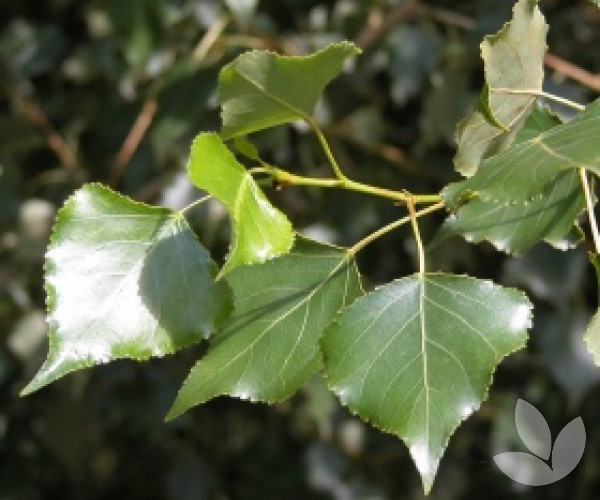
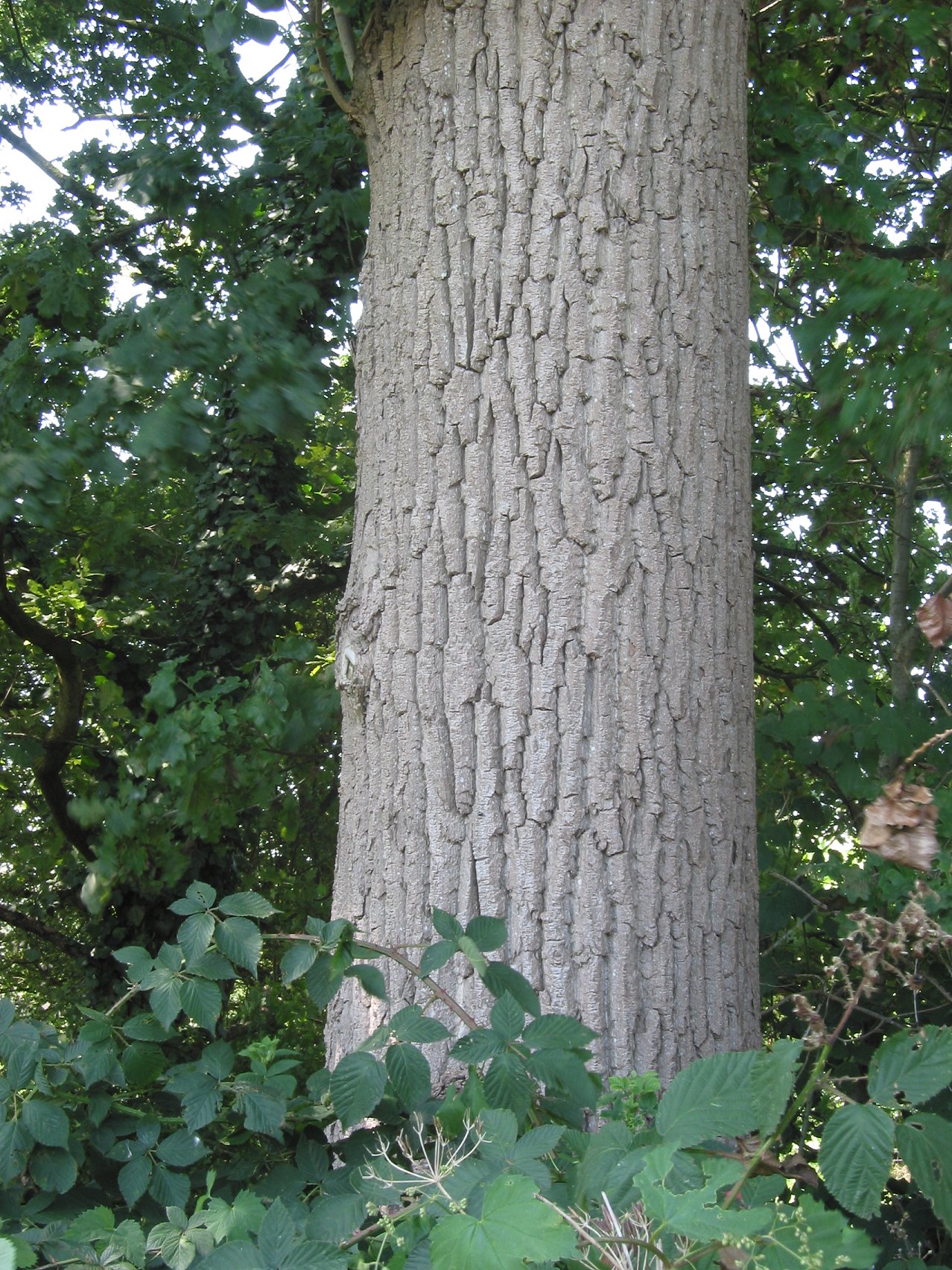
【形态】:乔木,高达30m,树冠开阔。树皮灰褐色,粗糙,纵裂。小枝在叶柄下具3条棱脊。叶近正三角形,长7~250px,先端渐尖,基部截形,具圆钝锯齿;叶柄扁平而长,顶端有时具1~2个腺体。花期4月,果熟期5月。。
【分布】:本种为美洲黑杨与欧洲黑杨的杂交种,现广植于欧洲、亚洲和美各洲。19世纪引入我国,南岭以北普遍栽培,而以华北、东北及长江流域最多。
【习性】:杂种优势明显,生长势和适应性都较强。喜光,较耐寒,喜湿润而排水良好的土壤,对水涝、盐碱和瘠薄土壤均有一定耐性,对SO。抗性强。寿命较短。
【繁殖】:种子或扦插繁殖,扦插繁殖为主。
【用途】:枝叶茂密,适应能力强,适作行道树、庭荫树和防护林带。也是厂矿区和“四旁”绿化的良好树种。由于它具有适应性强、生长快等特点,已成为我国华北及江淮平原最常见的绿化树种之一。
Populus × canadensis, known as Canadian poplar or Carolina poplar, is a naturally occurring hybrid of Populus nigra(黑杨) and Populus deltoides(美洲黑杨). It is a vigorous, broadly columnar, deciduous tree growing to 40 m, which is commonly used by landscape architects. Cultivars include 'Robusta' and 'Aurea', which has won the Royal Horticultural Society's Award of Garden Merit.
An important group of hybrids deriving from the European black poplar P. nigra and its relative of eastern N. America P. deltoides, the earliest of which arose spontaneously in western Europe soon after the introduction of the American species. Being more vigorous than either patent, and easily propagated by cuttings, these hybrids were widely planted from the second half of the 18th century onwards. See further under ‘Serotina’, ‘Marilandica’, and ‘Regenerata’, which are the oldest existing clones in this group. It is probable that the poplar described by Moench as P. canadensis was ‘Serotina’, which was at one time often sold under that name.
These hybrids show the characters of the parental species in various combinations. In the American parent, P. deltoides, the leaves are always ciliate(纤毛的) and there are two, sometimes more, glands at the junction of the petiole with the leaf-blade. In the European black poplar the leaf-margins are glabrous and the glands are absent. The hybrids usually have ciliate leaf-margins, at least on the youngest leaves, and glands are usually present on some leaves. Further, in P. deltoides the leaves on the strong shoots are truncate, rounded or slightly cordate at the base, in P. nigra cuneate. Some of the hybrids, notably ‘Eugenei’ and ‘Marilandica’, are nearer to P. nigra in this respect, while ‘Serotina’, ‘Regenerata’, and ‘Gelrica’ have the leaves on the strong shoots more or less truncate.
It was Augustine Henry who, among his many other achievements, first clearly distinguished the black poplar hybrids from the two parent species, and gave a comprehensive account of them in: Elwes and Henry, Trees of Great Britain and Ireland, Vol. 7 (1913), pp. 1841-51, and in Gardeners’ Chronicle, Vol. 56 (1914), pp. 47 and 66-7. The most recent work in English is: G. S. Cansdale, The Black Poplars (1938).

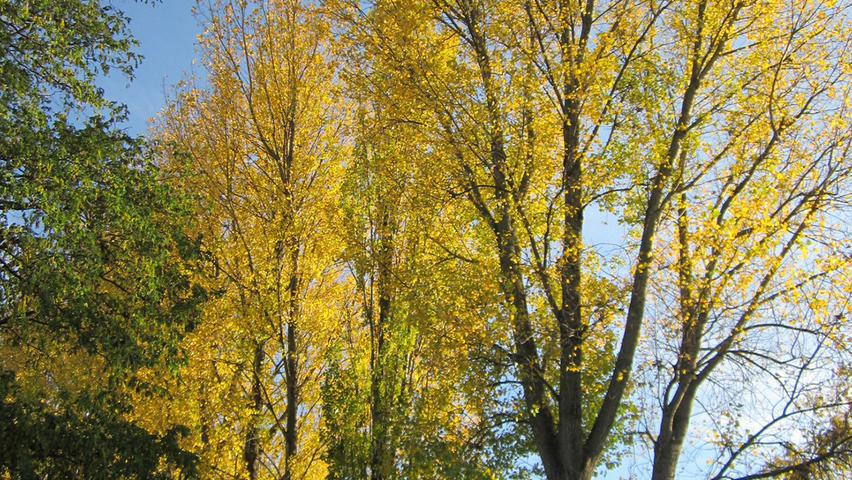
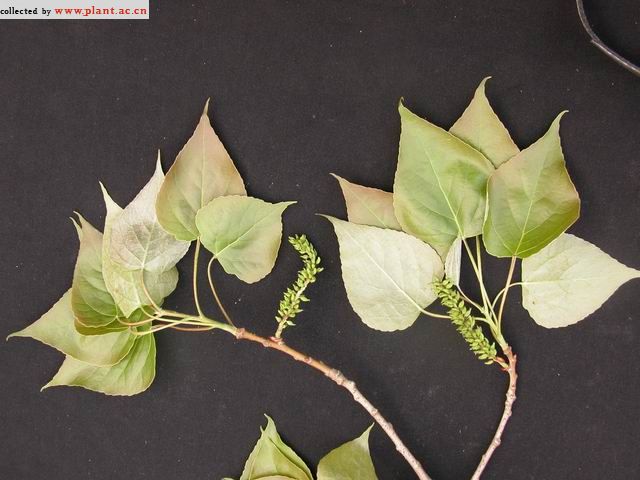
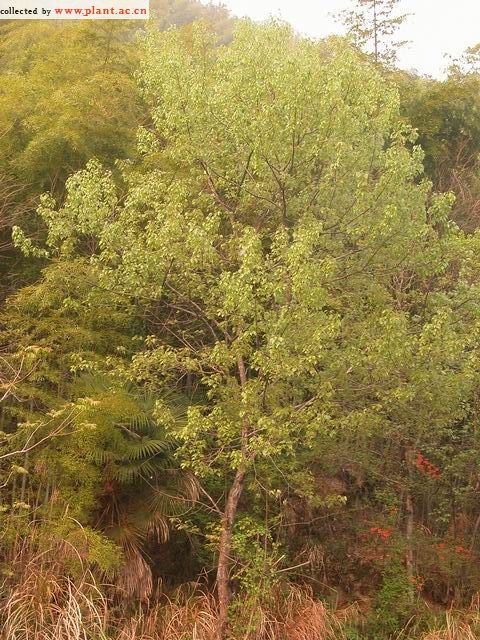
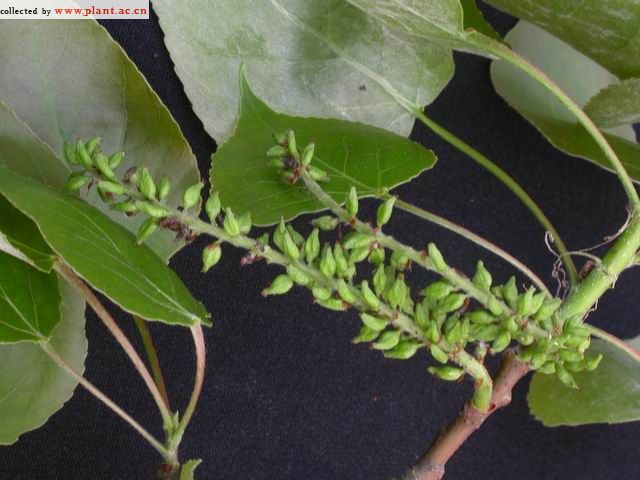
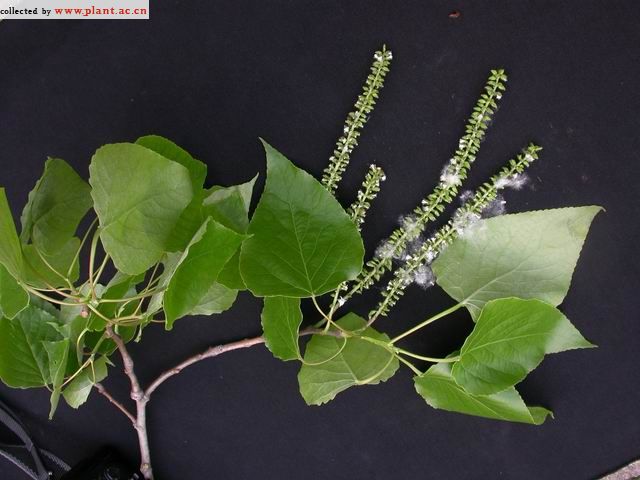
8.响叶杨(风响树、团叶白杨)Populus adenopoda Maxim.
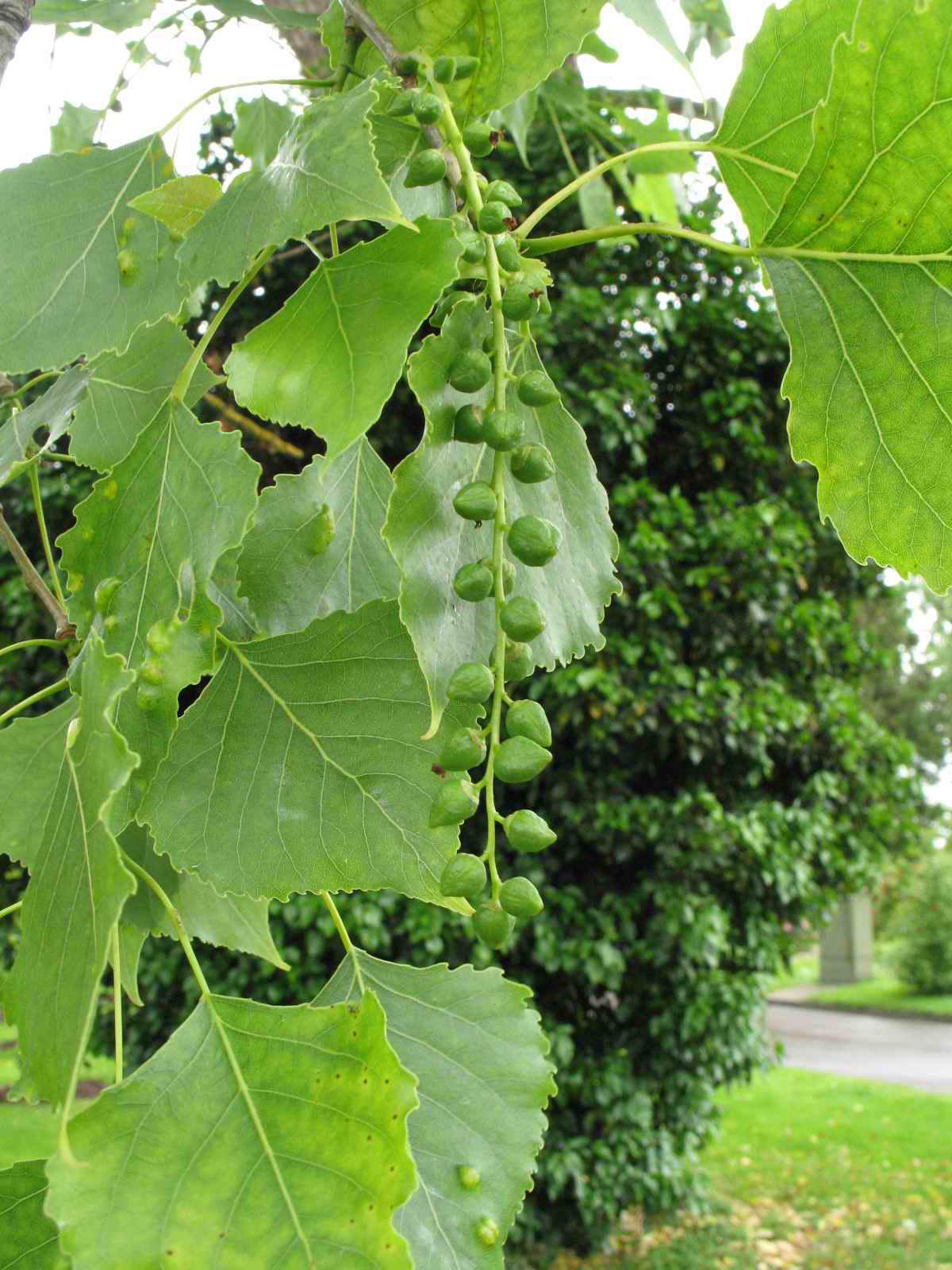
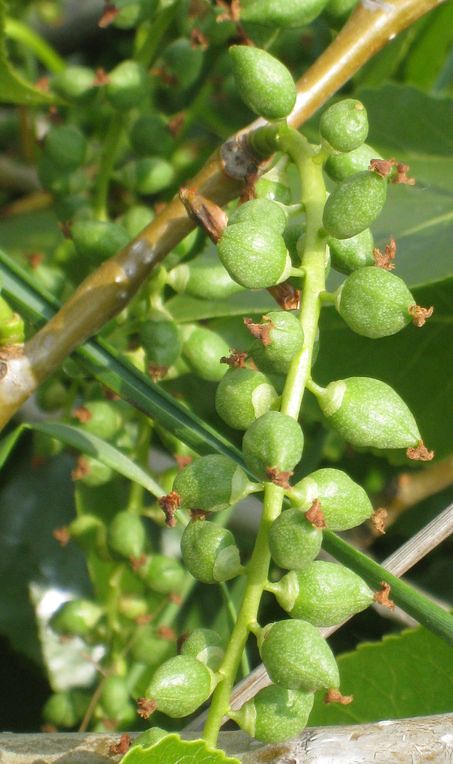
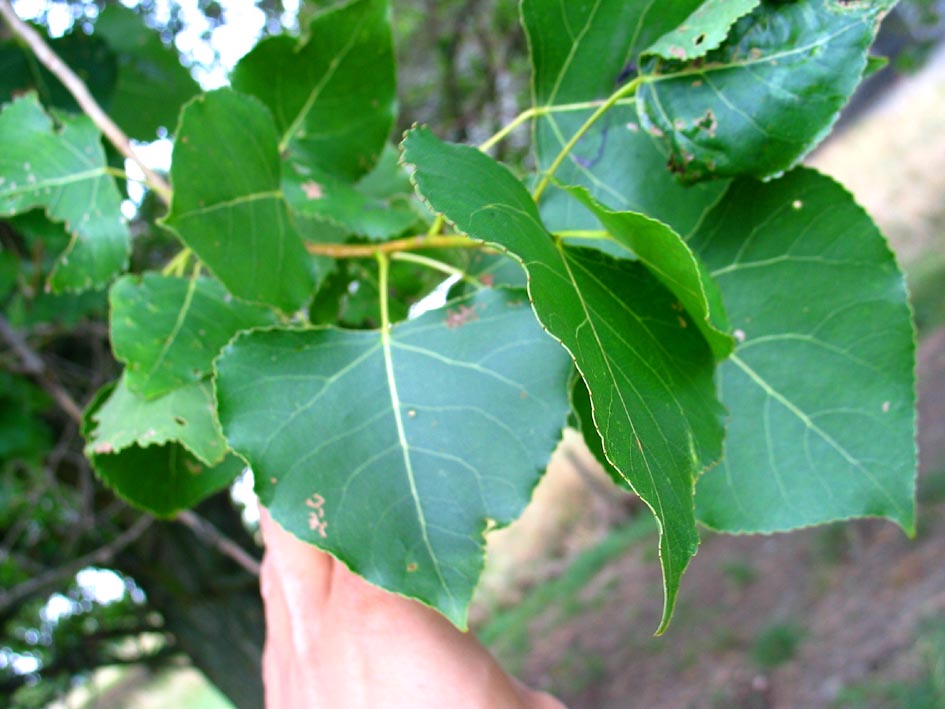
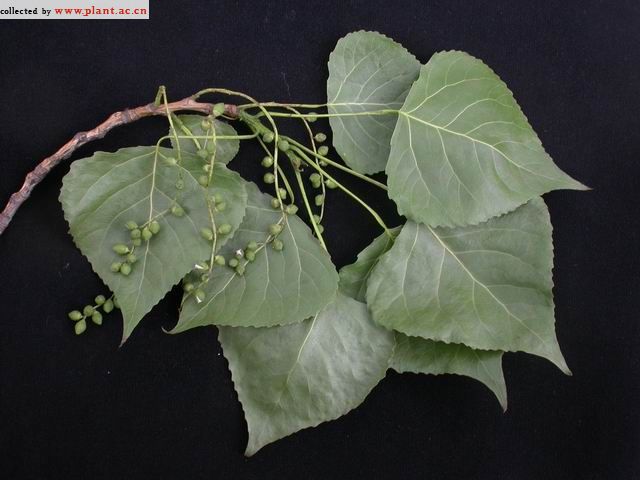
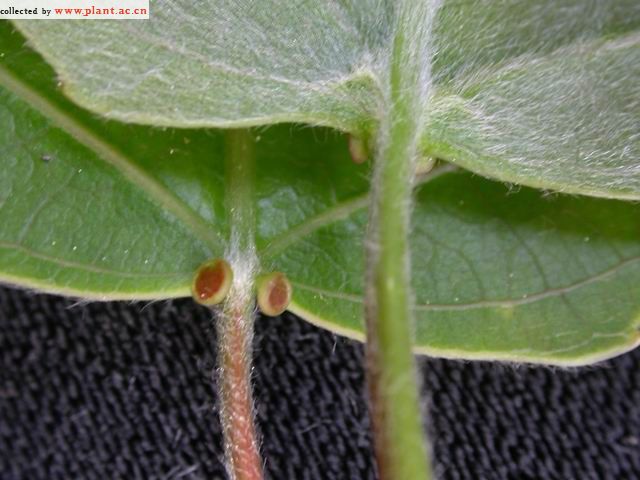
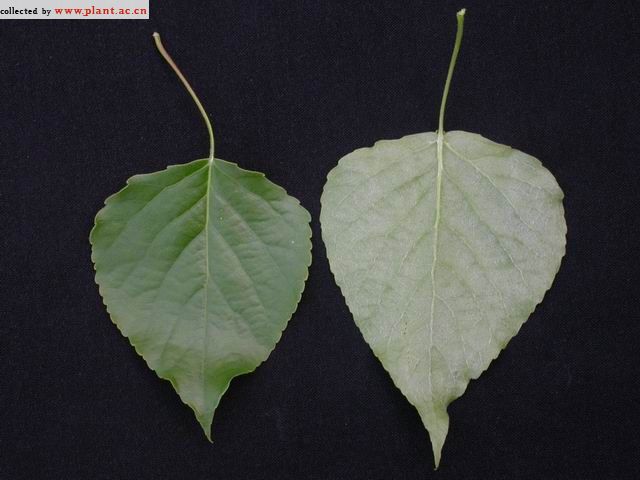
【形态】:乔木,树高可达30m。幼树灰绿色树皮,无裂;大树树皮深灰色,纵裂。幼枝被柔毛,叶片卵状三角形或卵圆形,长5~500px,先端渐尖,基部宽截形或近圆形,叶缘浅钝锯齿且具腺点,近叶基部有2个显著腺体,多呈红色。
【分布】:华东、华中、西南及陕西、甘肃100~2500m的山地。
【习性】:喜光,喜温暖湿润,生长快。
【繁殖】:播种、扦插繁殖。
【用途】:园林应用,也可用于造林。
Populus adenopoda, known commonly as the Chinese aspen(山杨), is a species of poplar found in China. The trees can reach a maximum height of 30 metres, and occur on mountain slopes at elevations of 300–2500 metres. Wood from the trees is used in construction and furniture production, as well as timber, farm tools, and wood pulp(浆).
This is a Chinese ally of the aspen, differing from ordinary P. tremula (欧洲山杨)in the long drawn-out apex(顶端) of the leaves of mature trees and in the shallower undulations(波动) of the margin. There are also two conspicuously large glands where the blade joins the stalk which are distinctive (in P. tremula these are found only on the leaves of long shoots). The species is a native of Central and W. China and first appeared in cultivation about 1906 as “P. Silvestrii”. These early plants were more persistently downy(绒毛的) in leaf and young shoot than later ones. Wilson observed that wild trees varied in this character but that on old trees the leaves were always glabrous at maturity.
Another E. Asiatic aspen is P. sieboldii Miq., a native of Japan and Sakhalin, which is well distinguished from P. tremula by the whitish down on the young shoots and the well-developed glands at the base of all the leaf-blades (as in P. adenopoda). In was in cultivation by 1887, when Messrs Simon-Louis offered it under the erroneous name “P. rotundifolia”. Both these aspens are rare in cultivation.
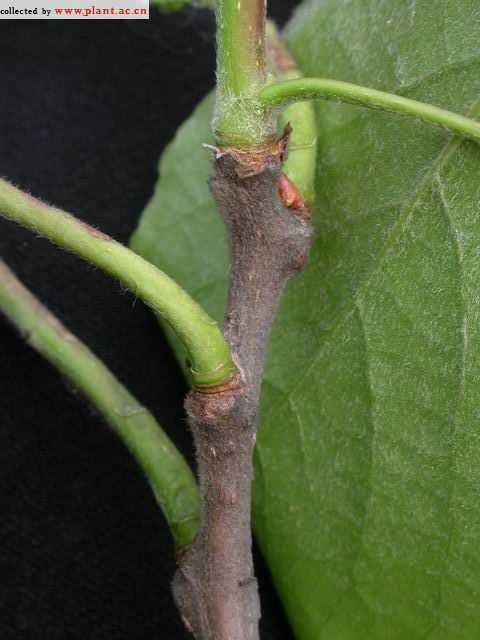
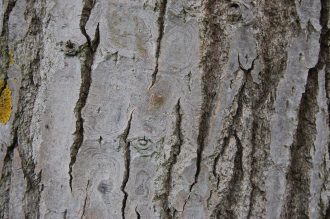
2.30.2柳属SalixL.
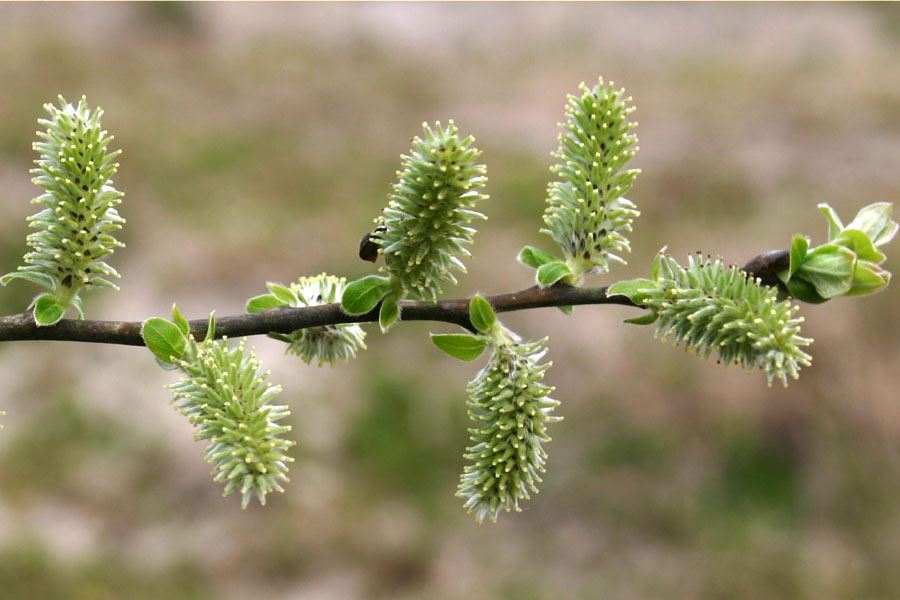
乔木成灌木。芽鳞1,无顶芽。叶互生,稀对生。花序直立,苞片全缘,花基部具腺体1~2。
约350种,主产北半球。我国约有260种,各地均产。
分种检索表
1.乔木……………………………………………………………………………………………2
1.灌木;雄花序粗大,密被白色光泽绢毛………………………………………………银芽柳
2.枝条直立或斜伸;苞片卵形;雌花有2枚腺体…………………………………………旱柳
2.枝条下垂;苞片卵状披针形;雌花仅有1枚腺体………………………………………垂柳
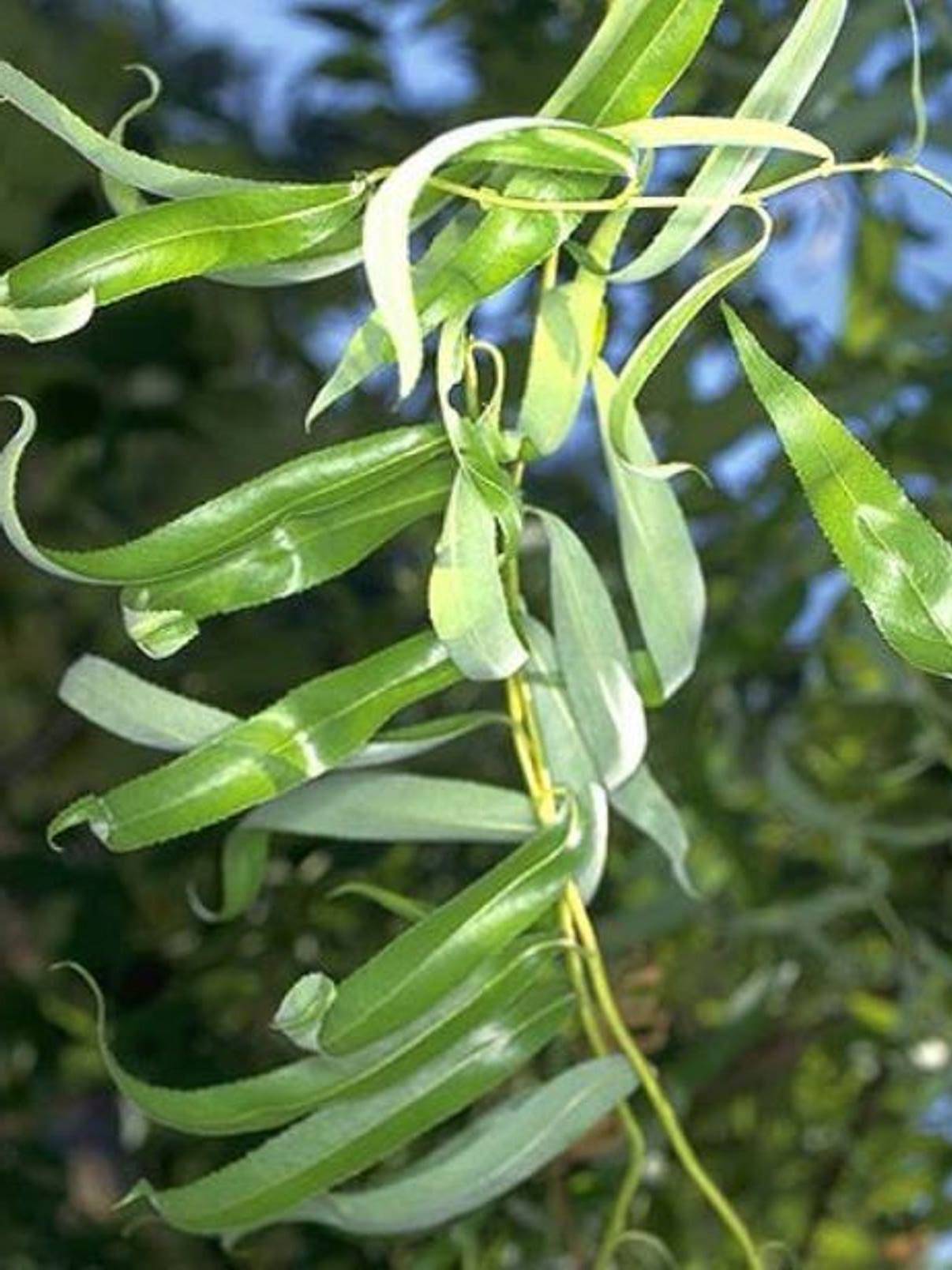
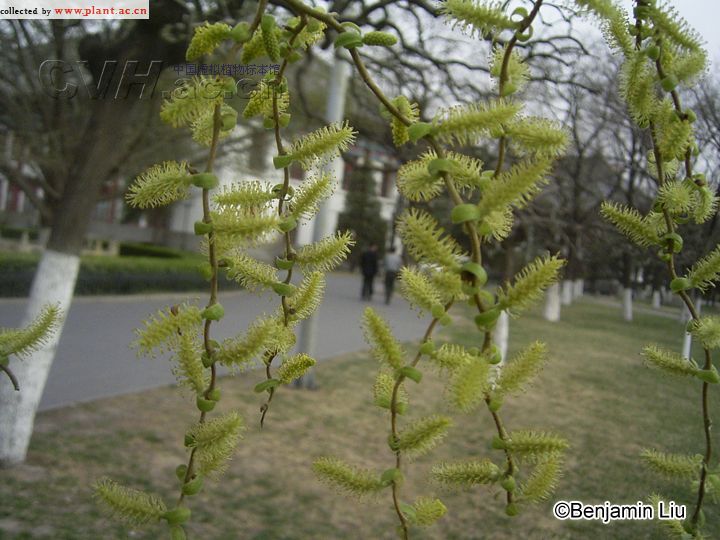
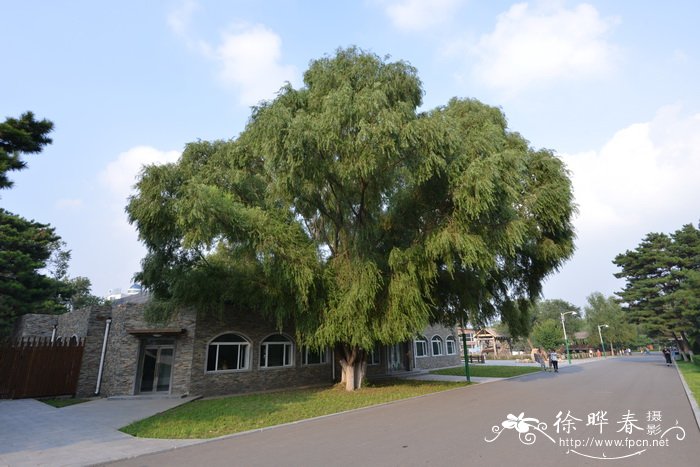
1.旱柳(柳树、立柳)Salix matsudana Koidz.
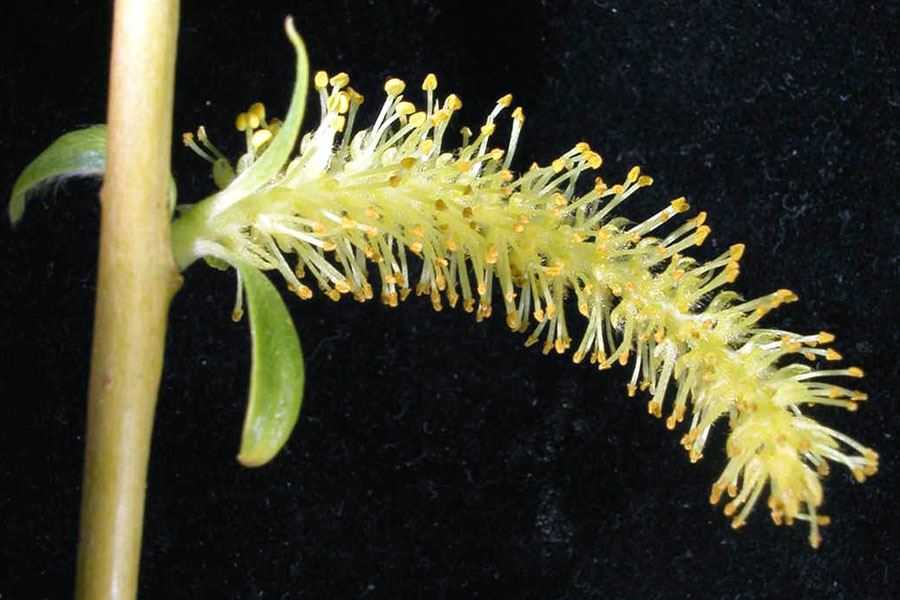
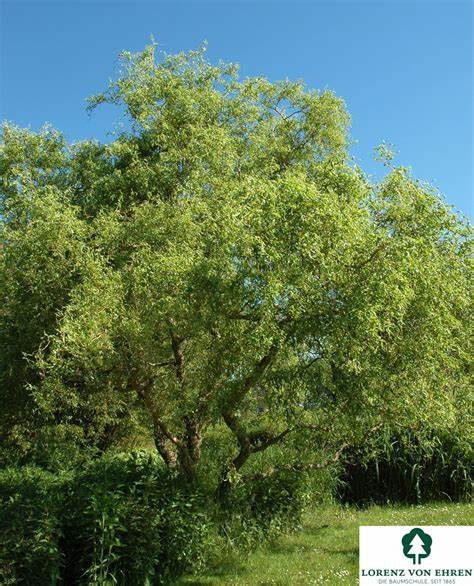
【形态】:乔木,高达20m,树冠卵圆形。树皮灰黑色,纵列。枝条直伸或斜展。叶披针形或狭披针形,长5~250px,先端渐尖,基部楔形,缘具细锯齿,下面微被白粉;叶柄短,长2~4mm。雌、雄花各具2个腺体。花期2~3月,果期4月。。
【品种】:
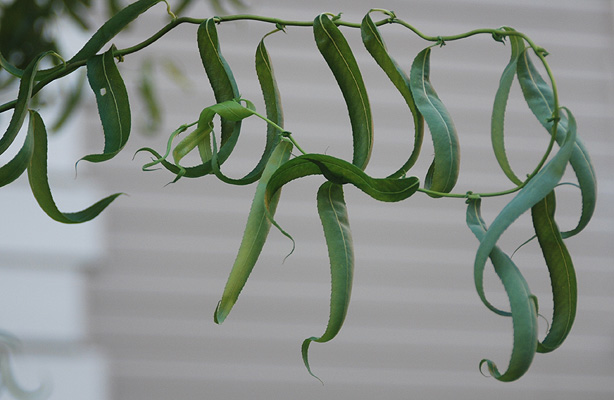
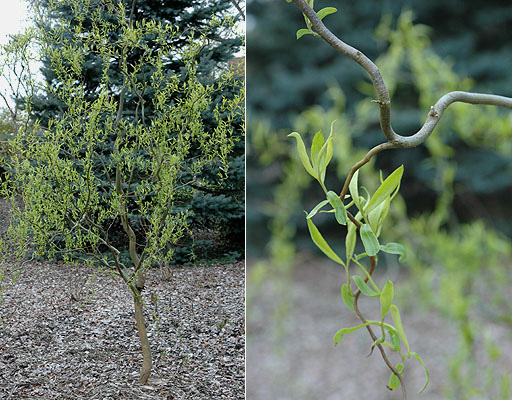
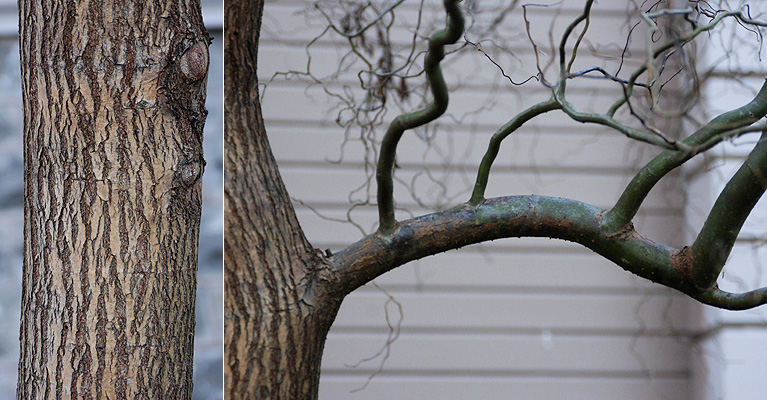
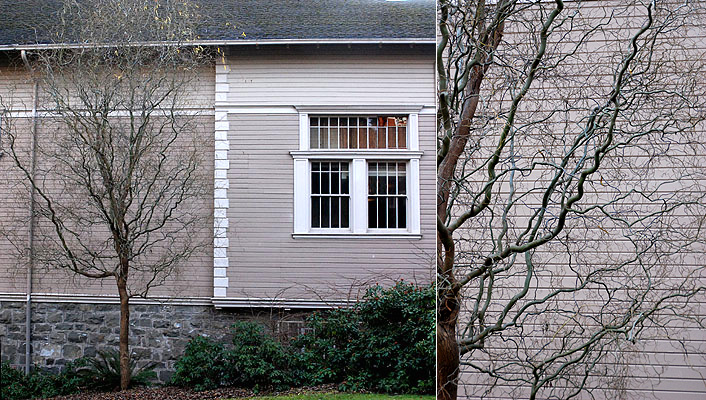
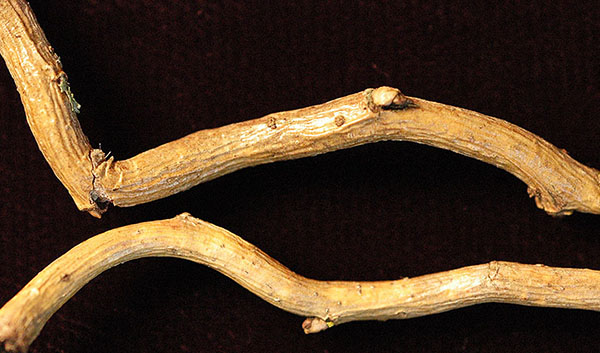
(1)龙爪柳CV.Tortuosa,枝条扭曲向上,如游龙,
各地常见栽培观赏。树体较小,易衰老,寿命短。
(2)馒头柳CV.Pendula,分枝密,端梢整齐,形成半圆形树冠,状如馒头。
【分布】:中国分布甚广,从东北、华北、西北至淮河流域均有分布,以黄河流域为分布中心,是北方平原地区最常见的乡土树种。
【习性】:喜光,耐寒性强,耐水湿又耐干旱。对土壤要求不严。萌芽力强,耐修剪;深根性,固土、抗风力强。旱柳树皮在受到水浸时,能很快长出新根悬浮于水中,这是它不怕水淹和扦插易成活的重要原因。
【繁殖】:以扦插繁殖为主,播种亦可。扦插极易成活。
【用途】:柳树历来为我国人民所喜爱,其柔软嫩绿的枝叶,丰满的树冠,都给人以亲切
婀娜之感,是北方园林最常用的庭荫树、行道树。最宜沿河岸及低湿处或草地上栽植。也可作防护林和沙荒造林。庭荫树、行道树最好选用雄株,以避免柳絮(种子)污染。
Salix matsudana is a species of willow native to northeastern China. The species is named in honour of Sadahisa Matsuda, a Japanese botanist. Three varieties are recognized, Salix matsudana var. anshanensis, S. matsudana var. matsudana, and S. matsudana var. pseudomatsudana. The species is widely cultivated in China, and a horticultural variant with twisted twigs, the corkscrew willow, is widely planted.
Salix matsudana 'Tortuosa'
Common name: Corkscrew Willow、Dragon's Claw Willow、Contorted Willow、
Native to (or naturalized in) Oregon: No
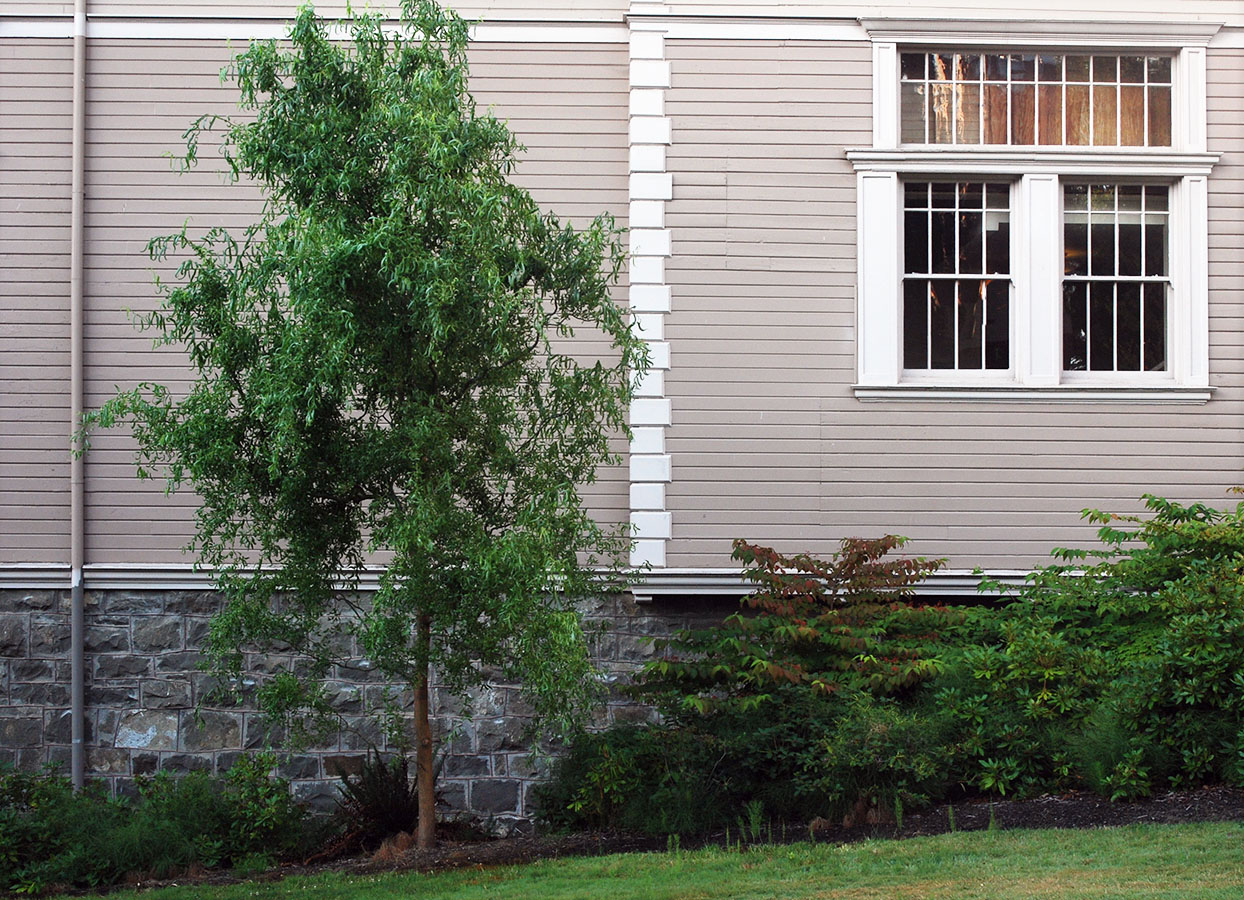
Deciduous tree, 20-30 ft (6-9 m), oval rounded crown, contorted stems, "corkscrew" effect most evident after leaf fall. Leaves alternate, 5-10 cm long, only slightly recurved. A female clone.
Sun. More drought tolerant than most willows. Contortion increases with vigor so pollarding enhances it, leaves conceal contorted branches, thus most effective in winter. Fast growing, but a short life.
The species is native to China, Korea.
The cultivar 'Tortuosa' was introduced into North America in 1923 when Arnold Arboretum received a cutting from China, it was named the next year and entered commerce during the 1930s (Jacobson, 1996). There are at least two other selections with a similar twisted habit:
(a) Salix 'Golden Curls', with weeping, golden, twisted twigs, a hybrid of S. alba 'Tritis' and S. m. 'Tortuosa'.
(b) Salix Scarlet Curls®, it has golden twisted twig, scarlet in the winter, and curly leaves. It may also be a hybrid with 'Tortuosa' as one of it parents.
'Tortuosa': Latin tortuosa means full of crooks or turns.
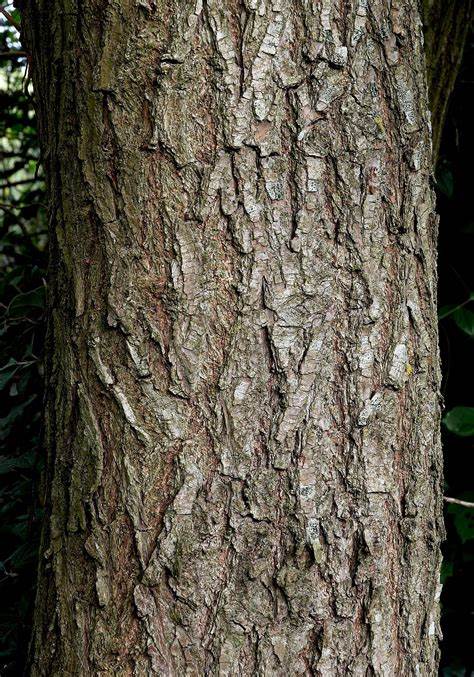
2.垂柳Salix babynica L.
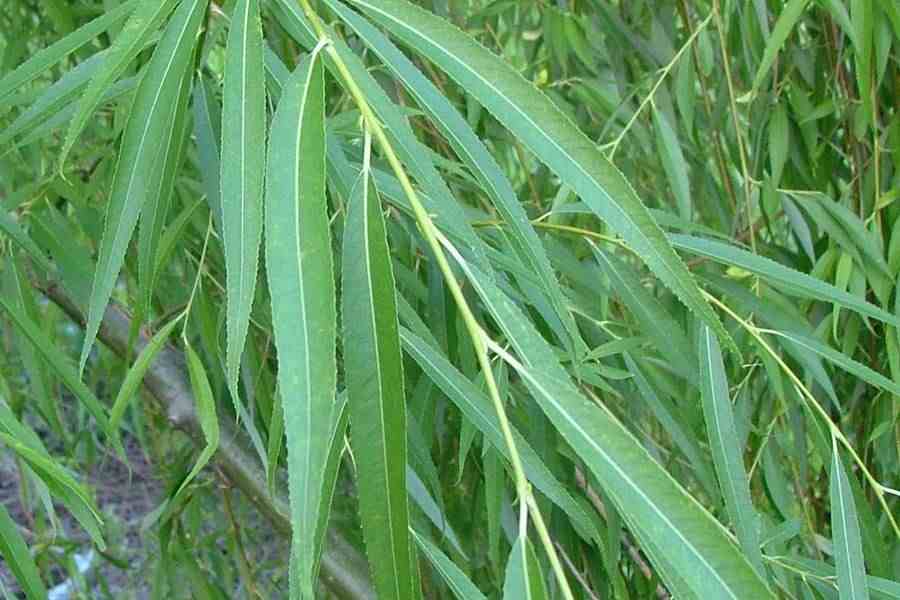
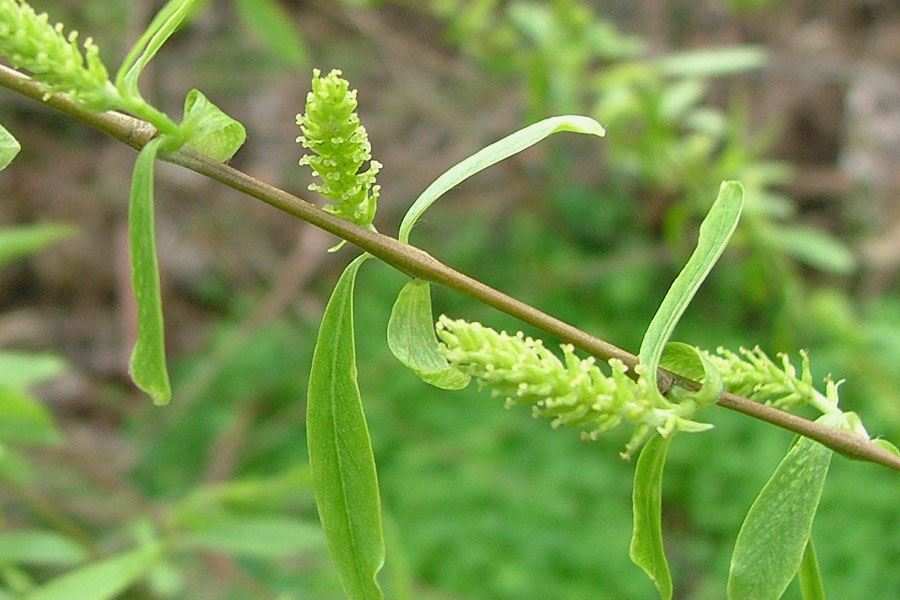
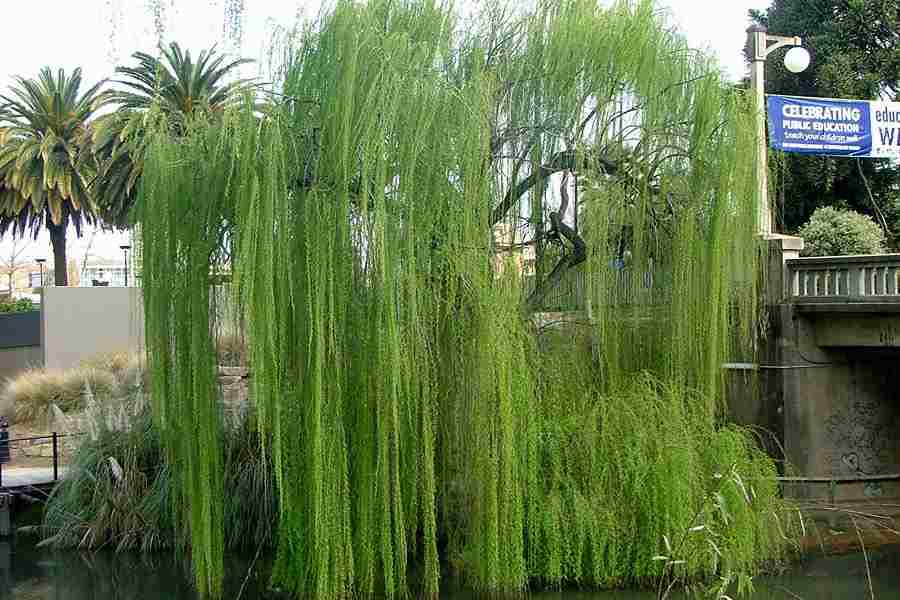
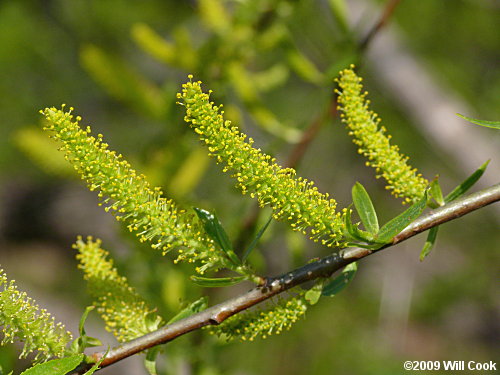
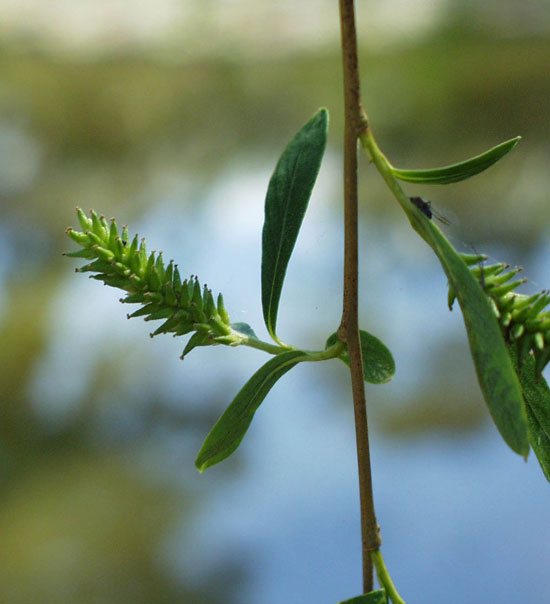
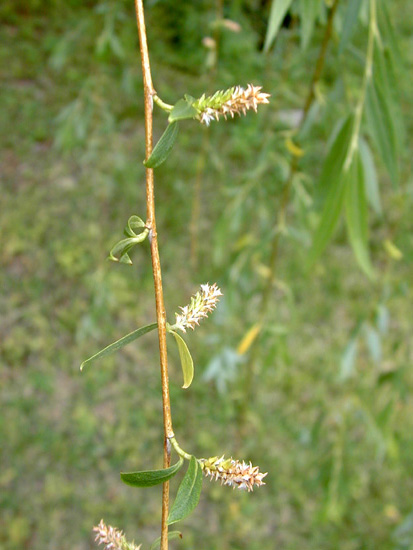
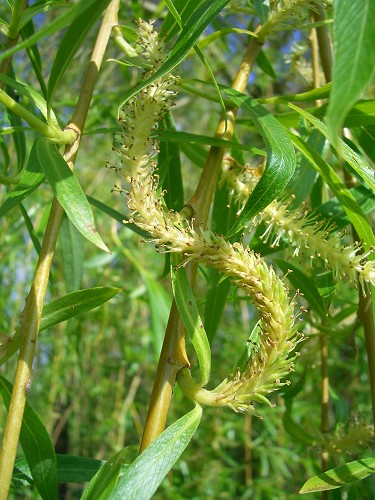
【形态】:乔木,高达18m;树冠倒广卵形。小枝细长下垂。叶狭披针形至线状披针形,长8~400px,有细锯齿,表面绿色,下面有白粉,灰绿色;叶柄长约lcm。苞片卵状椭圆形,雄花具2腺体;雌花仅子房腹面具1腺体。花期2~3月,果期4月。
【分布】:主要分布在长江流域及其以南,华北、东北亦有栽培,是平原水边常见树种。
【习性】:喜光,喜温暖湿润气候及潮湿深厚的酸性及中性土壤。较耐寒,生长迅速,特耐水湿,土壤深厚的高燥地区也可生长。萌芽力强,根系发达。寿命较短,30年后渐趋衰老。
【繁殖】:以扦插为主,亦可用种子繁殖。
【用途】:垂柳枝条细长,柔软下垂,随风飘舞,姿态优美潇洒,植于河岸及湖池边最为理想,柔条依依浮水,别有风致,自古即为重要的庭院观赏树。亦可用作行道树、庭荫树、固岸护堤树及平原造林树种。此外,垂柳对有毒气体抗性较强,并能吸收SO。,故也适用于厂区绿化。
Salix babylonica is a species of willow native to dry areas of northern China, but cultivated for millennia elsewhere in Asia, being traded along the Silk Road to southwest Asia and Europe.
Salix babylonica
Common name: Weeping Willow
Broadleaf, deciduous tree, medium to large in size, usually grows to 30-40 ft (9-12 m) tall with a similar spread. However, the US National Champion in 2018 was 95 ft tall and 93 ft wide (29 × 28 m). The stout trunk has grayish black bark that is irregularly furrowed. The crown is broad and rounded from which thin pendulous branch “weep” toward the ground. These are without hairs except at nodes and reddish- to yellowish-brown in color. The leaves are alternate, simple, linear-lanceolate, 7.5-15 cm (3-6 inches) long and 1.3-2 cm (0.5-0.75 inches) wide, with finely serrate margins and a long tapered to a point (acuminate); light green above and grayish green below, which in fall may turn greenish-yellow or occasionally gold-yellow. The plant is dioecious, male and female catkins, about 2 cm long and 0.5 cm wide, appear on separate trees in early spring.
Full sun to partial shade, best in moist, acidic soil, but also grows in slightly alkaline conditions, adapts to standing water
Salix babylonica is not cold tolerant and is not commonly grown in Europe or in northern North America. Cultivated trees with strongly pendulous branches and branchlets have been identified as S. babylonica, but many are hybrids with S. alba 白柳(S. ×sepulcralis) or S. euxina (S. ×pendulina). Salix ×sepulcralis, with bright yellow branchlets, is the most commonly grown of these hybrids. All reported occurrences of S. babylonica need verification.(www.eFloras.org)
Little is known about the origin of the strongly weeping cultivar of Salix babylonica. It was described by Linnaeus (1737) based on young garden specimens. It is thought to have originated in China, although it no longer occurs in the wild and its origin is uncertain. Selections are thought to have been transported to Europe along the trade route from China. Taxonomic treatments of S. babylonica are variable. Some botanists recognize a single species, including both pendulous and non-pendulous forms, while others recognize four species: S. babylonica, with a weeping habit, S. capitata, S. pseudolasiogyne, and the commonly cultivated S. matsudana, with an erect or spreading habit. Here, S. babylonica is treated in a narrow sense, including only weeping forms. The above is adapted from the Flora of North America (www.eFloras.org); see for details.
babylonica: of Babylon, Linnaeus, who described this species, applied this epithet because of a misunderstanding that this willow was the tree described in the Bible in the opening of Psalm 137, “By the rivers of Babylon, there we sat down, yea, we wept, when we remembered Zion天国. We hanged our harps竖琴 upon the willows in the midst thereof. (King James Version, 1611). However, the trees growing in Babylon along the Euphrates幼发拉底河River in ancient Mesopotamia 美索不达米亚(modern Iraq) are not willows, but the Euphrates poplar Populus euphratica, with willow-like leaves on long, drooping shoots. (Wikipedia)
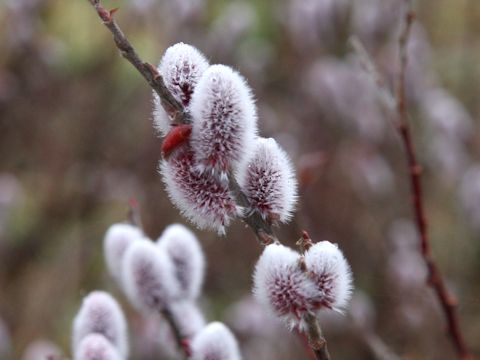
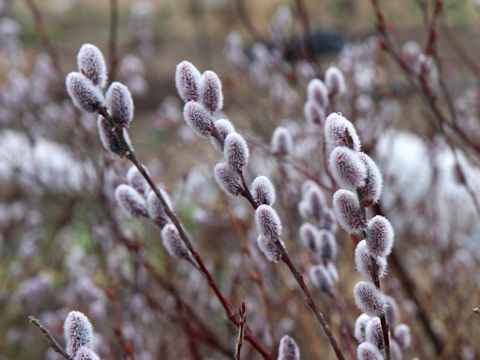
3.银芽柳(棉花柳)Salix leucopithecia Kimura.
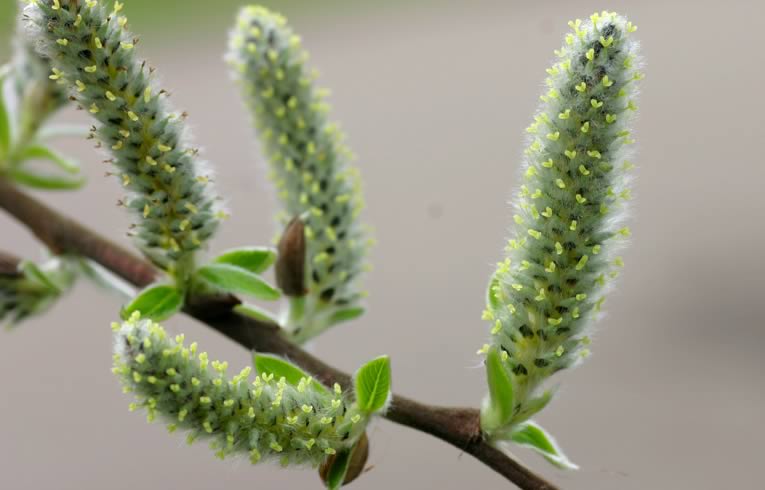
【形态】:灌木,高约2~3m,分枝稀疏。枝条绿褐色,具红晕,幼时有毛,老时脱落。冬芽红紫色,有光泽。叶长椭圆形,缘有细浅齿,表面微皱,深绿色,背面密被白毛,半革质。雄花序椭圆状圆柱形,早春叶前开放,初开时芽鳞疏展,包被于花序基部,红色而有光泽,盛开时花序密被银白色绢毛,颇为美观。
【分布】:原产日本;中国上海、南京、杭州一带有栽培。
【习性】:喜光,喜湿润,较耐寒,北京可露地越冬。
【繁殖】:用扦插法繁殖,栽培后每年需重剪,促使萌发多数长枝条。
【用途】:可植于草地林缘。其花芽萌发成花序时十分美观,供春节前后瓶插观赏。