-
1 主页
-
2 资料
十字花科——CRUCIFERAE
学名已修订,接受名为Brassicaceae。
科特征:
1、一年生、二年生或多年生植物,常具有一种含黑芥子硫苷酸 (Myrosin) 的细胞而产生一种特殊的辛辣气味,多数是草本,很少呈亚灌木状。
植株具有各式的毛,也有无毛的。
根有时膨大成肥厚的块根。
2、茎直立或铺散,有时茎短缩,它的形态在本科中变化较大。
3、叶有二型:基生叶呈旋叠状或莲座状;茎生叶通常互生,有柄或无柄,单叶全缘、有齿或分裂,基部有时抱茎或半抱茎,有时呈各式深浅不等的羽状分裂(如大头羽状分裂)或羽状复叶;通常无托叶。
4、花整齐,两性,少有退化成单性的;
花多数聚集成一总状花序,顶生或腋生,偶有单生的,
萼片4片,分离,排成2轮,直立或开展,有时基部呈囊状;
花瓣4片,分离,成十字形排列,花瓣白色、黄色、粉红色、淡紫色、淡紫红色或紫色,基部有时具爪,
5、果实为长角果 (siliqua) 或短角果 (silicula) ,有翅或无翅,有刺或无刺,或有其他附属物;角果成熟后自下而上成2果瓣开裂,也有成4果瓣开裂的;有的角果成一节一节地横断分裂,每节有1个种子,有的种类果实迟裂或不裂;有的果实变为坚果状;
全世界有300属以上,约3 200种,主要产地为北温带,尤以地中海区域分布较多。我国有95属、425种、124变种和9个变型,全国各地均有分布,以西南、西北、东北高山区及丘陵地带为多,平原及沿海地区较少。
十字花科是一个经济价值较大的科,其中如芸苔属和萝卜属为我国主要的蔬菜和油料作物,或作辛辣调味品;有的种类是重要的药用植物;有的是观赏植物;也有的可用作染料、野菜或饲料。
Brassicaceae or Cruciferae is a medium-sized and economically important family of flowering plants commonly known as the mustards, the crucifers, or the cabbage family. Most are herbaceous plants, while some are shrubs. They have simple alternatingly-set leaves, without stipules, or in leaf rosettes. Their inflorescences are terminal and bractless. Their flowers have four free sepals, four free alternating petals, two shorter free stamens and four longer free stamens. Their fruit has seeds in rows, divided by a thin wall.
Brassicaceae, often called Cruciferae or mustard family, comprise many economically important species that are grown worldwide. They have been traditionally consumed in the human diet as fresh and preserved vegetables, vegetable oils, and condiments, from ancient times to the present time. They represent a monophyletic group distributed all over the world except Antarctica and contain approximately 338 genera and 3709 species (Al-Shehbaz et al., 2006). The Brassicaceae originated in the Eocene in the Irano-Turanian region from where they spread worldwide (Franzke et al., 2011). According Sanskrit records the use of cruciferous crops was documented in India as far back as 3000 BC, while some other ancestral data show that Brassica crops were grown along coastal Europe near to 8000 years ago (Al-Shehbaz, 2011). Nowadays Brassicaceae vegetables are highly diversified in Mediterranean Europe, Asia, and North America .
A key agricultural genus of the Brassicaceae family is the Brassica genus which contains oilseed (canola, mustard) and vegetable (cabbage, broccoli, bok choy) crops with a long history of agricultural usage on all the continents . The most grown and utilized Brassica vegetables include Brassica oleracea and Brassica rapa which are almost completely edible (leaves, inflorescence, root, stem, and seed), while the seeds of Brassica nigra, Brassica carinata, and Brassica juncea are also used as a condiment .
2. 芸苔属——Brassica L.
一年、二年或多年生草木,无毛或有单毛;根细或成块状。基生叶常成莲座状,茎生有柄或抱茎。总状花序伞房状,结果时延长;花中等大,黄色,少数白色;萼片近相等,内轮基部囊状;侧蜜腺柱状,中蜜腺近球形、长圆形或丝状。子房有5-45胚珠。长角果线形或长圆形,圆筒状,少有近压扁,常稍扭曲,喙多为锥状,喙部有1-3种子或无种子;果瓣无毛,有1显明中脉,柱头头状,近2裂;隔膜完全,透明。种子每室1行,球形或少数卵形,棕色,网孔状:子叶对折。
约40种,多分布在地中海地区;我国有14栽培种、11变种及1变型。
1、二年或多年生草本;叶厚,肉质,粉蓝色或蓝绿色;花大,直径1.5-2.5厘米,白色至浅黄色,有长爪。(甘蓝型)(2)
2、花序在花期延长,顶端不成伞房状;花瓣白色或极浅黄色,长达2.5厘米;幼基生叶及心叶无毛。(3)
2、花序在花期短,顶端簇生或成伞房状,长达10厘米;花较小,直径1-1.5厘米,淡黄色;幼基生叶或心叶有少数透明刺毛。(5)
3、花白色和浅黄色;叶片宽卵形,基部有1对叶耳,具长柄;一年生草本,茎不增粗。.............................芥蓝
4、叶大且厚,肉质;部分或全部茎生叶无柄或抱茎;茎不肥厚成块茎.............甘蓝
4、叶较小且薄;茎生叶有细柄;茎在近地面处肥厚成块茎................................擘蓝
5、植株无块根,直根木质化;茎生叶长圆状披针形,有齿或缺刻,但无裂片,多数抱茎或具宽叶柄状基部..................................................欧洲油菜
5、植株有块根,上部有1根颈,下部生根;茎生叶具顶裂片及1或2对小侧裂片,抱茎,叶柄有小裂片..................................................................芜青甘蓝
6、种子不具显明窠孔;长角果不成念珠状;植株无辛辣味(白菜型)。(7)
6、种子具显明窠孔;长角果皱缩或具突出的果瓣及很短的喙;植株有辛辣味。(芥菜型) 。(14)
7、茎生叶有柄,不抱茎,宽卵形、窄长圆形至披形..........................菜苔
8、块根下部生根;二年生草本;茎生叶多具细齿,抱茎,但不成耳状..........芜青
8、无块根。(9)
9、植物具粉霜;基生叶丛不太发育或长存;至少有些茎生叶基部成耳状。(10)
9、植物绿色或稍具粉霜;基生叶丛发育,茎生叶抱茎但不成耳状。(11)
10、茎、叶片、叶柄、花序轴及果瓣均不带紫色.................芸苔(原变种)
10、茎、叶片、叶柄、花序轴及果瓣均带紫色......................紫菜苔
11、基生叶及下部茎生叶的叶柄很宽、扁平,边缘有具缺刻的翅;二年生草本。..............................白菜
11、基生叶及下部茎生叶的叶柄厚,但无显明的翅;二年成一年生草本。(12)
12、茎生叶近圆形或长圆状卵形;长角果短粗,有短粗喙..............................塌棵菜
12、茎生叶倒卵形或椭圆形,基部常扩展;长角果长,有长喙。(13)
13、基生叶有不明显圆齿或全缘,幼时无毛.................................青菜(原变种)
13、基生叶有不明显钝齿或全缘,幼时有单毛...............................油白菜
14、具块茎;基生叶大头羽状浅裂,边缘有不整齐尖齿.......................菜苔
14、无块茎。(15)
15、基生叶大头羽裂,有2-3对裂片或不裂,二者边缘皆有缺刻或牙齿;长角果宽2-3.5毫米。..............芥菜
15、基生叶不分裂,边缘有大小不等的牙齿或重锯齿;长角果宽1-2毫..........苦芥
一、芥蓝Brassica alboglabra L. H. Bailey
注:名称已修订,正名为:白花甘蓝 Brassica oleracea var. albiflora
生活型: 一年生草本;
株: 高0.5-1米,常30-40厘米,无毛,具粉霜;茎直立,有分枝;
叶: 基生叶卵形,长达10厘米,边缘有微小不整齐裂齿,不裂或基部有小裂片,叶柄长3-7厘米;茎生叶卵形或圆卵形,长6-9厘米,边缘波状或有不整齐尖锐齿,基部耳状,沿叶柄下延,有少数显著裂片;茎上部叶长圆形,长8-15厘米,顶端圆钝,不裂,边缘有粗齿,不下延或有显著叶柄;
花: 总状花序长,直立;花白色或淡黄色,直径1.5-2厘米;花梗长1-2厘米,开展或上升;萼片披针形,长4-5毫米,边缘透明;花瓣长圆形,长2-2.5厘米,有显著脉纹,顶端全缘或微凹,基部成窄爪;
果: 长角果线形,长3-9厘米,顶端骤收缩成长5-10毫米的喙;
种子: 种子凸球形,直径约2毫米,红棕色,有微小窝点;
Brassica oleracea is a plant species that includes many common cultivars, such as cabbage, broccoli(西兰花), cauliflower(菜花), kale(羽衣甘蓝), Brussels sprouts(芽甘蓝), collard greens(羽衣甘蓝), Savoy cabbage(皱叶甘蓝 ), kohlrabi(大头菜), and gai lan. In its uncultivated form, it is called wild cabbage and is native to coastal southern and western Europe. A hardy plant in its uncultivated form, its high tolerance for salt and lime, and its intolerance of competition from other plants, typically restrict its natural occurrence to limestone sea cliffs, like the chalk cliffs on both sides of the English Channel, and the windswept coast on the western side of the Isle of Wight. Genetic analysis of nine wild populations on the French Atlantic coast indicated their common feral野生的 origin, deriving from domesticated plants escaped from fields and gardens.
Brassica oleracea
Common Name(s): BroccoliBrussels SproutsKohlrabiSea CabbageSilverwhipsSprouting BroccoliTronchuda CabbageWild CabbageWild Mustard
Description
Ornamental cabbage is the wild ancestor of a group of annual cool weather vegetable plants including kale, collards, broccoli, cauliflower, and kohlrabi. Ornamental cabbage is in the Brassicaceae (mustard) family. The genus name Brassica is Latin for cabbage, while oleracea means vegetable/herb. These plants are grown for their edible leaves. In its native habitat, it can be found growing along coastlines on rocky sea cliffs in Western Europe.
It can grow in a wide range of conditions, however, and will perform at its best when located in full sun in nitrogen-rich, alkaline soil with good drainage. After flowering, cut out the flowering stems when the flowers show signs of forming seed pods. That will conserve the plant’s energy or resources for additional leafing up. Propagate by seed or stem cuttings.
The foliage of ornamental cabbage is fleshier and thicker than other Brassica species. That gives it an edge in difficult growing conditions, allowing the foliage to store water and nutrients. It forms a loose head of large green or blue-green leaves that are edible. They can be boiled or steamed until tender.
Ornamental cabbage will grow in a container and is as at home in a meadow or pollinator garden as it is in an edible garden. It can be used in a border or a mass planting.
Insects, Diseases, and Other Plant Problems: Enlargement of the thyroid gland can occur if consumed in large quantities. In locations where full sun is not provided, downy mildew can form. Some pests affecting this plant include slugs, snails, aphids, and white caterpillars.


二、甘蓝 (Brassica oleracea)
Brassica oleracea var. capitata Linnaeus
俗名:椰菜、洋白菜、圆白菜、高丽菜、包菜、包心菜、莲花菜、皱叶甘蓝


三、芜青(Brassica rapa)
Brassica rapa (Rapifera Group)
Common Name(s): Turnips
生活型: 二年生草本;
株: 高达100厘米;块根肉质,球形、扁圆形或长圆形,外皮白色、黄色或红色,根肉质白色或黄色,无辣味;茎直立,有分枝,下部稍有毛,上部无毛;
根: 块根肉质,球形、扁圆形或长圆形,外皮白、黄或红色,根肉白或黄色;
茎: 茎直立,有分枝,下部稍有毛,上部无毛;
叶: 基生叶大头羽裂或成复叶,长20-34厘米,顶裂片或小叶大,边缘波状或浅裂,侧裂片或小叶约5对,向下渐小,散生刺毛,叶柄长10-16厘米,有小裂片;中部及上部茎生叶长圆状披针形,长3-12厘米,无毛,被粉霜,基部宽心形,半抱茎至抱茎;
花: 总状花序顶生;萼片长圆形,长4-6毫米;花瓣亮黄色,倒披针形,长4-8毫米,基部爪短;
果: 长角果线形,长3.5-8厘米,果瓣具1显明中脉;喙长10-20毫米;果梗长达3厘米;
种子: 种子球形,直径约1.8毫米,浅黄棕色,近种脐处黑色,有细网状窠穴;
Description
Turnips are a root vegetable in the mustard family and are grown as an edible food crop for both their green tops and the root. They can be grown in spring or fall but are the best tasting as a fall crop. Seeds can be sown mid-summer for a fall crop. The root itself comes in various colors from yellow to white with or without red or purple at the top. They can also be round or flattish. Young leaves are great in a salad or older leaves can be sautéed. The genus name Brassica is Latin for cabbage.
Grow this plant in fertile, moist well-drained soil in full sun and water as needed to keep the soil lightly moist. They germinate quickly and mature in about 8 weeks. Turnip roots taste the best if grown in moist conditions and are picked young, before the diameter reaches 2". They are also sweeter after a light fall frost or planted as a mid-summer crop.
Insufficient water, lack of fertilizer or delayed harvesting can cause the plant to become woody. The best flavor is acquired when the soil is kept moist. Insufficient water, lack of fertilizer or delayed harvesting can cause the plant to become woody.
Problems, Pests and Diseases: Insects that can be found include aphids, whiteflies, flea beetles, and caterpillars such as cabbage loopers, cutworms, and beet army worms. Slugs and snails may also be a problem. Diseases include club root, white rust, leaf spot, and rots such as damping off and bacterial soft rot.
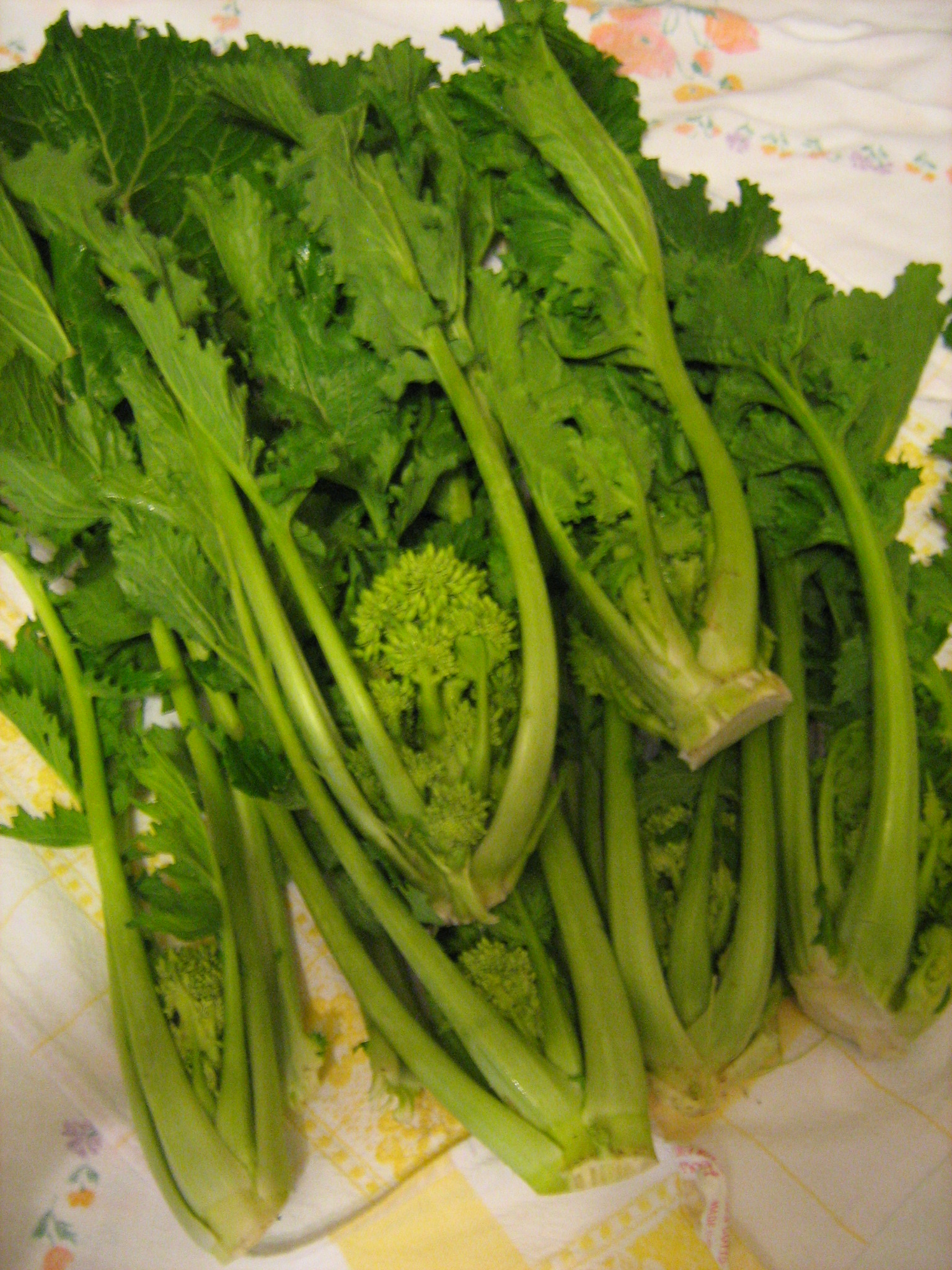


四、芸薹 Brassica rapa var. oleifera
俗名:油菜、芸苔
中文名(Chinese Name):油菜花
学名(Scientific Name):Brassica rapa var. oleifera DC.
英文名(English Common Name):turnip rape
别名(Chinese Common Name):芸薹
生活型: 二年生草本;
株: 高达90厘米;
茎: 茎直立,微被粉霜;
叶: 基生叶大头羽裂,顶裂片圆形或卵形,有不整齐缺齿,侧裂片1至数对,卵形,叶柄宽,长2-6厘米,基部抱茎;下部茎生叶羽状半裂,长6-10厘米,基部抱茎,有硬毛及缘毛;上部茎生叶长圆状倒卵形、长圆形或长圆状披针形,长2.5-8(-15)厘米,基部心形,两侧有垂耳,全缘或有波状细齿;
花: 总状花序伞房状;萼片长圆形,长3-5毫米,直立开展;花瓣鲜黄色,倒卵形,长7-9毫米;
果: 长角果线形,长3-8厘米;果瓣凸起,有中脉及网纹,喙直立,长0.9-2.4厘米;种子球形,紫褐色;


五、白菜 Brassica rapa var. glabra
生活型: 二年生草本;
株: 高达60厘米;
茎: 茎短,着生多数叶;
枝: 常无毛;
叶: 基生叶多数,大形,倒卵状长圆形至宽倒卵形,长30-60厘米,宽不及长的一半,顶端圆钝,边缘皱缩,波状,有时具不显明牙齿,中脉白色,很宽,有多数粗壮侧脉;叶柄白色,扁平,长5-9厘米,宽2-8厘米,边缘有具缺刻的宽薄翅;上部茎生叶长圆状卵形、长圆披针形至长披针形,长2.5-7厘米,顶端圆钝至短急尖,全缘或有裂齿,有柄或抱茎,有粉霜;
花: 萼片长圆形或卵状披针形,长4-5毫米,直立;花瓣鲜黄色,倒卵形,长7-8毫米;
果: 长角果长3-6厘米,喙长0.4-1厘米;种子球形,径1-1.5毫米,棕色;
种子: 种子球形,直径1-1.5毫米,棕色;
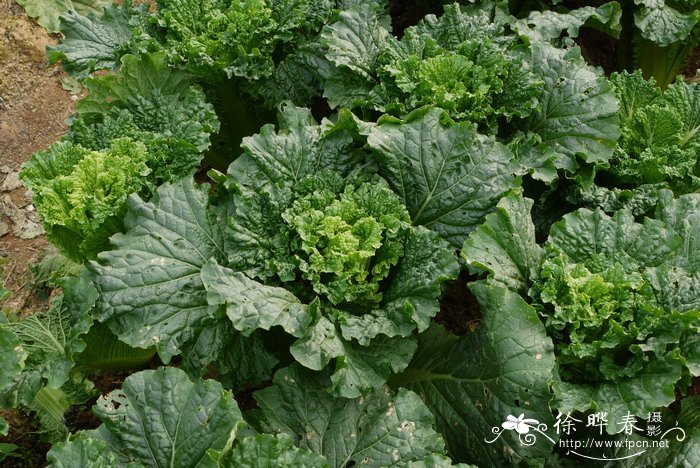


六、青菜(Brassica rapa var. chinensis)
青菜
又名大叶青,宽帮青菜。产地四川,质地坚实、叶大柄厚、口感苦涩、钝厚、耐寒、产量高。青菜中含多种营养素,富含维生素C。青菜种子含油量达35~50%,其菜籽油含有丰富的脂肪酸和多种维生素,营养价值高,不但是良好的食用植物油,而且在工业上也有广泛用途。
青菜用于腌制泡菜、酸菜鱼、闻名天下,还可晒为霉干菜。炖汤清五脏六腑湿热干火。炒青菜用干的辣椒炝炒口感清脆又营养,经济实惠,普遍食用。


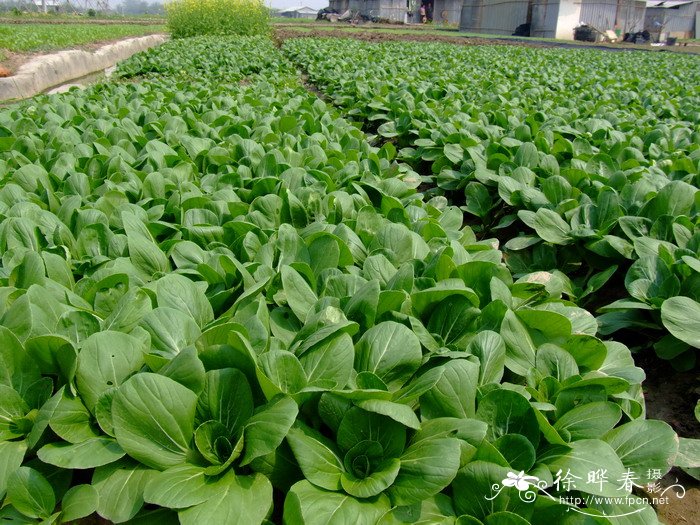
七、油白菜 (Brassica chinensis var. oleifera)
油菜
油菜,又叫油白菜,苦菜,原产我国,其茎颜色深绿,帮如白菜,属十字花科白菜变种,花朵为黄色。农艺学上将植物中种子含油的多个物种统称油菜。一般生长在气候相对湿润的地方,譬如中国南方。油菜也有许多用处,比如油菜花在含苞未放的时候可以食用;油菜花盛开时也是一道亮丽的风景线(中国陕西的汉中市就有一片油菜花观赏旅游区);花朵凋谢后,油菜籽可以榨油。


八、芥菜 (Brassica juncea)


九、菜苔


十、苔菜


6. 萝卜属——Raphanus L.
一年或多年生草本,有时具肉质根;茎直立,常有单毛。叶大头羽状半裂,上部多具单齿。总状花序伞房状;无苞片;花大,白色或紫色;萼片直立,长圆形,近相等,内轮基部稍成囊状;花瓣倒卵形,常有紫色脉纹,具长爪;侧蜜腺微小,凹陷,中蜜腺近球形或柄状;子房钻状,2节,具2-21胚珠,柱头头状。长角果圆筒形,下节极短,无种子,上节伸长,在相当种子间处稍缢缩,顶端成1细喙,成熟时裂成含1种子的节,或裂成几个不开裂的部分。种子1行,球形或卵形,棕色;子叶对折。
约8种,多在地中海地区;我国有2种及2变种。
本属模式种:萝卜 Raphanus sativus L.


