-
1 主页
-
2 教学
茄科——SOLANACEAE
一年生至多年生草本、半灌木、灌木或小乔木;直立、匍匐、扶升或攀援;有时具皮刺,稀具棘刺。单叶全缘、不分裂或分裂,有时为羽状复叶,互生或在开花枝段上大小不等的二叶双生;无托叶。花单生,簇生或为蝎尾式、伞房式、伞状式、总状式、圆锥式聚伞花序,稀为总状花序;顶生、枝腋或叶腋生、或者腋外生;两性或稀杂性,辐射对称或稍微两侧对称,通常5基数、稀4基数。花萼通常具5牙齿、5中裂或5深裂,稀具2、3、4至10牙齿或裂片,极稀截形而无裂片,裂片在花蕾中镊合状、外向镊合状、内向镊合状或覆瓦状排列、或者不闭合,花后几乎不增大或极度增大,果时宿存,稀自近基部周裂而仅基部宿存;花冠具短筒或长筒,辐状、漏斗状、高脚碟状、钟状或坛状,檐部5(稀4-7或10)浅裂、中裂或深裂,裂片大小相等或不相等,在花蕾中覆瓦状、镊合状、内向镊合状排列或折合而旋转;雄蕊与花冠裂片同数而互生,伸出或不伸出于花冠,同形或异形(即花丝不等长或花药大小或形状相异)、有时其中1枚较短而不育或退化,插生于花冠筒上,花丝丝状或在基部扩展,花药基底着生或背面着生、直立或向内弓曲、有时靠合或合生成管状而围绕花柱,药室2,纵缝开裂或顶孔开裂;子房通常由2枚心皮合生而成,2室、有时1室或有不完全的假隔膜而在下部分隔成4室、稀3-5(-6 )室,2心皮不位于正中线上而偏斜,花柱细瘦,具头状或2浅裂的柱头;中轴胎座;胚珠多数、稀少数至1枚,倒生、弯生或横生。果实为多汁浆果或干浆果,或者为蒴果。种子圆盘形或肾脏形;胚乳丰富、肉质;胚弯曲成钩状、环状或螺旋状卷曲、位于周边而埋藏于胚乳中,或直而位于中轴位上。
约30属3000种,广泛分布于全世界温带及热带地区,美洲热带种类最为丰富。我国产24属105种,35变种。
The Solanaceae, or nightshades, are a family of flowering plants that ranges from annual and perennial herbs to vines, lianas(藤本植物), epiphytes(附生植物), shrubs, and trees, and includes a number of agricultural crops, medicinal plants, spices(香料、调味品), weeds, and ornamentals. Many members of the family contain potent alkaloids, and some are highly toxic, but many—including tomatoes, potatoes, eggplant, bell and chili peppers—are used as food. The family belongs to the order Solanales, in the asterid group and class Magnoliopsida. The Solanaceae consists of about 98 genera and some 2,700 species, with a great diversity of habitats, morphology and ecology.
一、辣椒属——Capsicum L.
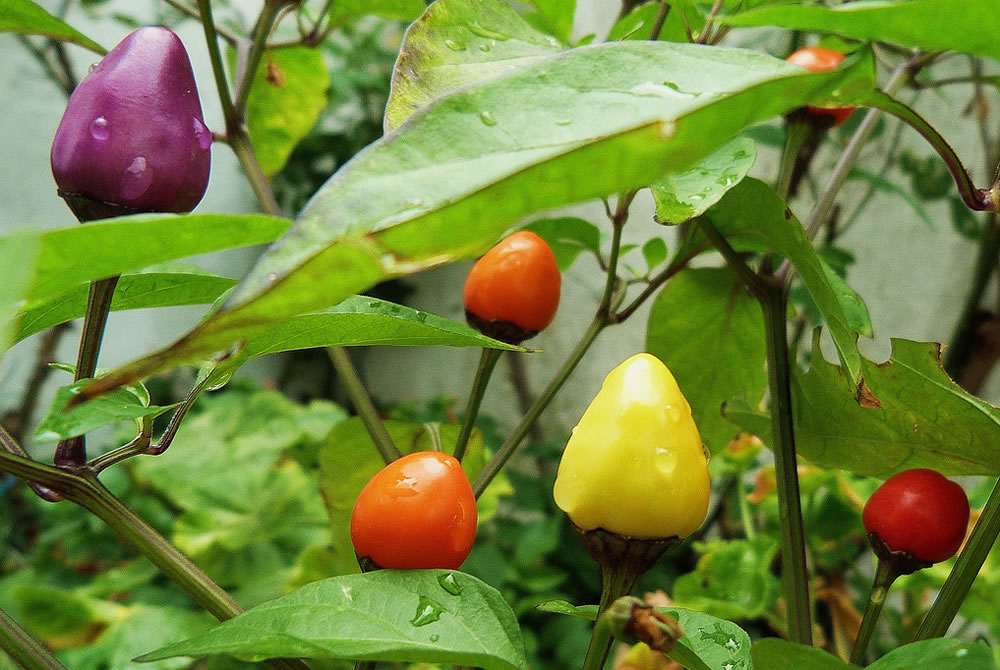
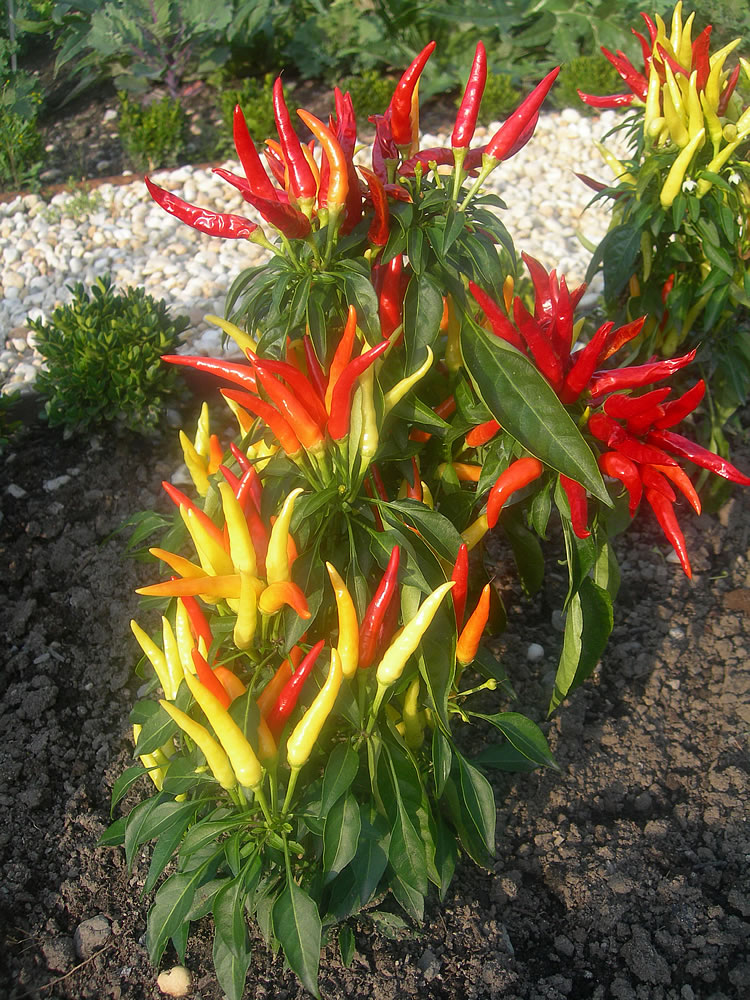
灌木、半灌木或一年生;多分枝。单叶互生,全缘或浅波状。花单生、双生或有时数朵簇生于枝腋、或者有时因节间缩短而生于近叶腋;花梗直立或俯垂。花萼阔钟状至杯状,有5(-7)小齿,果时稍增大宿存;花冠辐状,5中裂,裂片镊合状排列;雄蕊5,贴生于花冠筒基部,花丝丝状,花药并行,纵缝裂开;子房2(稀3)室,花柱细长,冠以近头状的不明显2(-3 )裂的柱头,胚珠多数;花盘不显著。果实俯垂或直立,浆果无汁,果皮肉质或近革质。种子扁圆盘形,胚极弯曲。
约20余种,主要分布南美洲;我国栽培和野生2种。
1.辣椒(通称)牛角椒、长辣椒
1a. 辣椒(原变种)
var. annuum
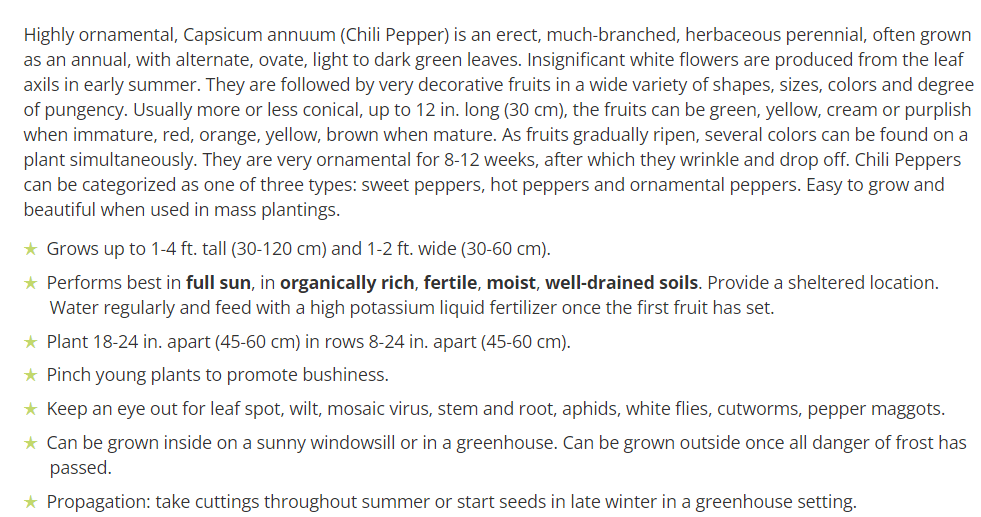
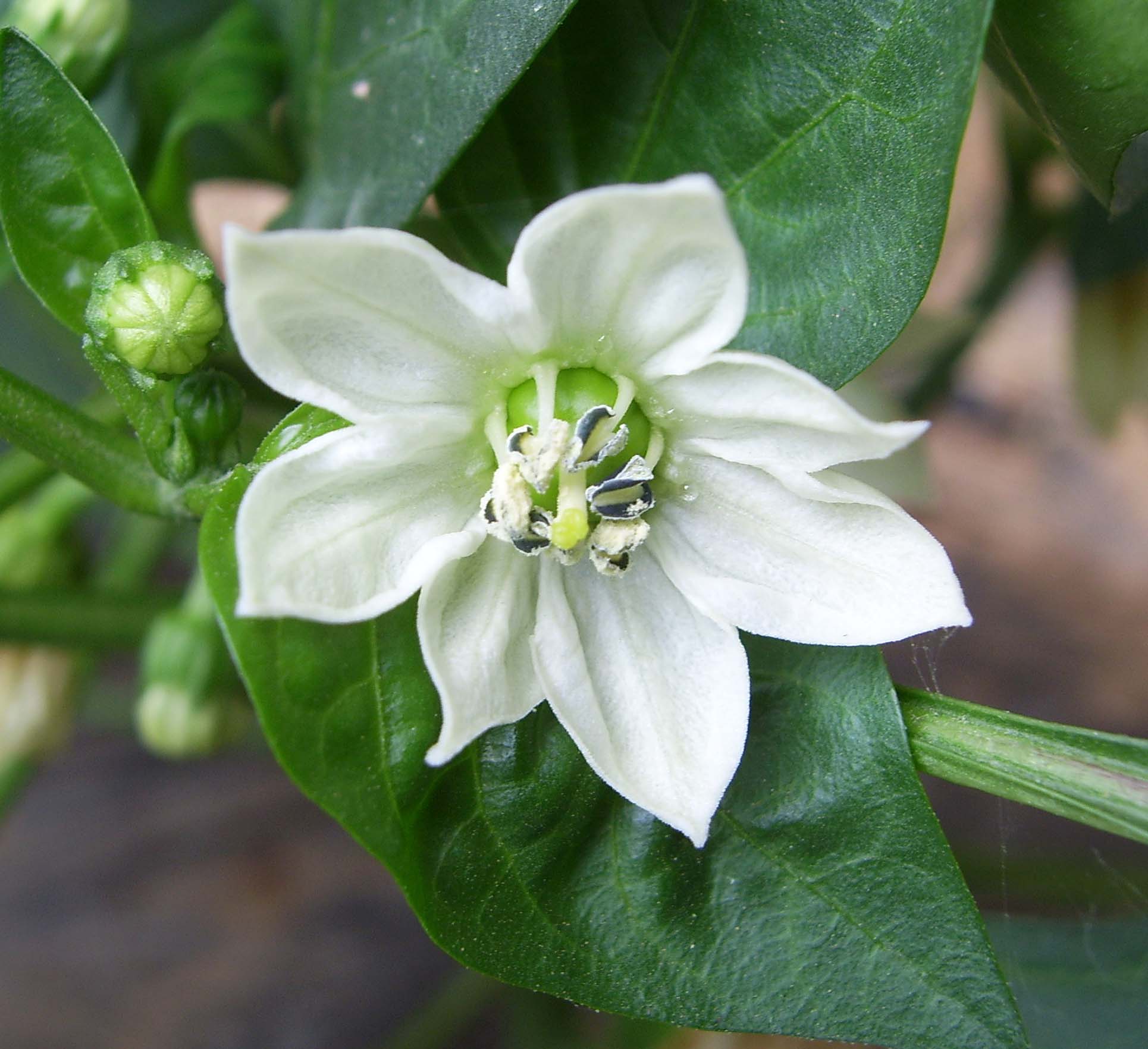
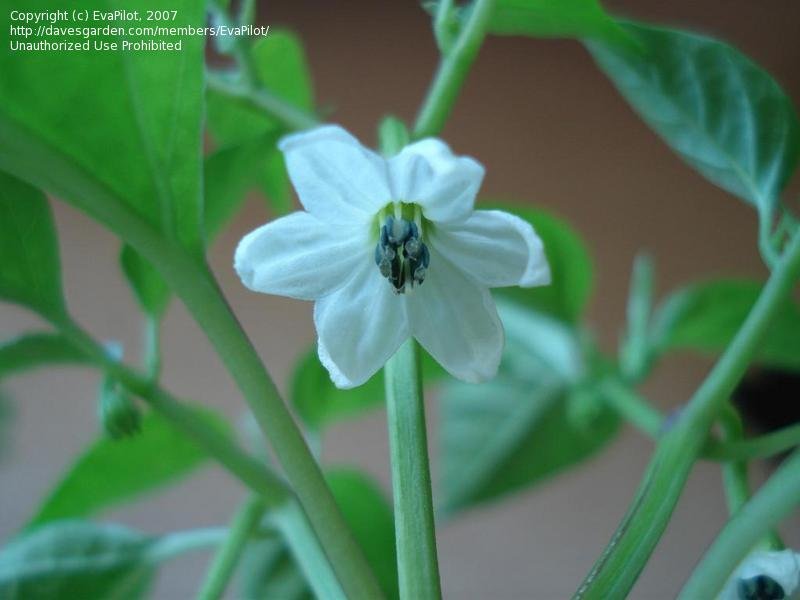
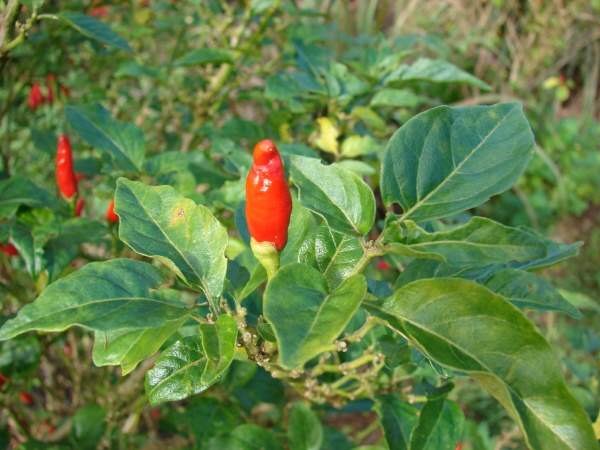
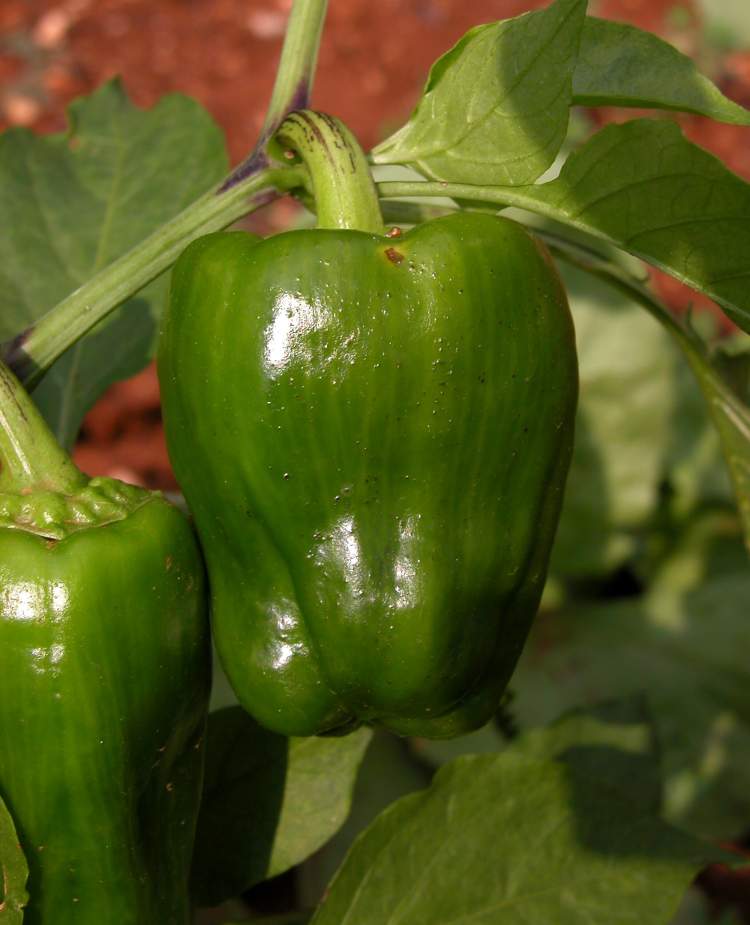
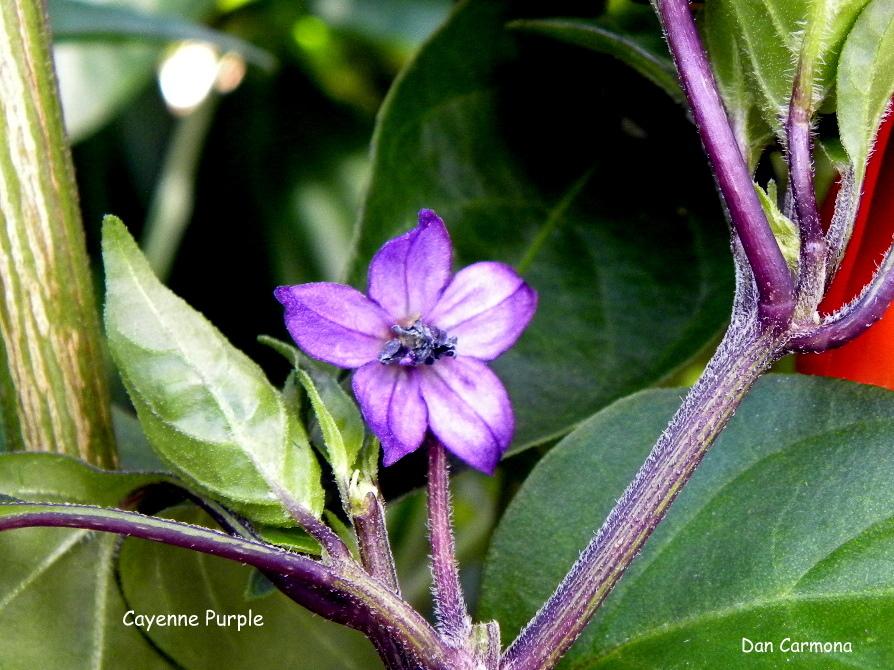
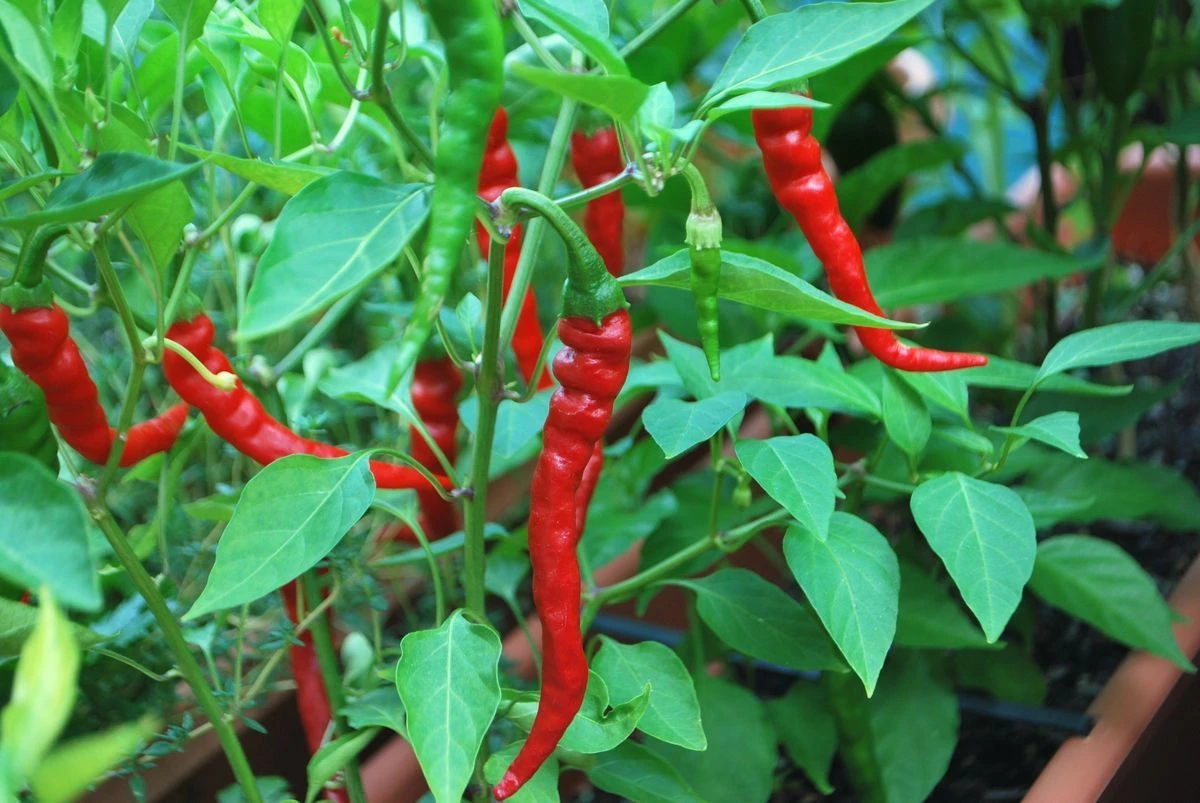
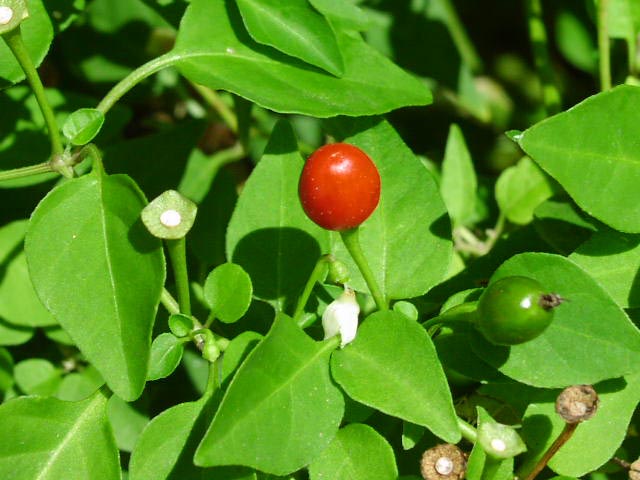
一年生或有限多年生植物;高40-80厘米。茎近无毛或微生柔毛,分枝稍之字形折曲。叶互生,枝顶端节不伸长而成双生或簇生状,矩圆状卵形、卵形或卵状披针形,长4-13厘米,宽1.5-4厘米,全缘,顶端短渐尖或急尖,基部狭楔形;叶柄长4-7厘米。花单生,俯垂;花萼杯状,不显著5齿;花冠白色,裂片卵形;花药灰紫色。果梗较粗壮,俯垂;果实长指状,顶端渐尖且常弯曲,未成熟时绿色,成熟后成红色、橙色或紫红色,味辣。种子扁肾形,长3-5毫米,淡黄色。花果期5-11月。
本种原来的分布区在墨西哥到哥仑比亚;现在世界各国普遍栽培。我国已有数百年栽培历史,为重要的蔬菜和调味品,种子油可食用、果亦有驱虫和发汗之药效。由于长期人工栽培、杂交育种,品种繁多,我国也不下数十个品种。
Capsicum annuum is a species of the plant genus Capsicum native to southern North America, the Caribbean, and northern South America. This species is the most common and extensively cultivated of the five domesticated capsicums. The species encompasses a wide variety of shapes and sizes of peppers, both mild and hot, such as bell peppers, jalapeños, New Mexico chile, and cayenne peppers. Cultivars descended from the wild American bird pepper are still found in warmer regions of the Americas. In the past, some woody forms of this species have been called C. frutescens, but the features that were used to distinguish those forms appear in many populations of C. annuum and are not consistently recognizable features in C. frutescens species.

二、曼陀罗属——Datura L.
草本、半灌木、灌木或小乔木;茎直立,二歧分枝。单叶互生,有叶柄。花大型,常单生于枝分叉间或叶腋,直立、斜升或俯垂。花萼长管状,筒部5棱形或圆筒状,贴近于花冠筒或膨胀而不贴于花冠筒,5浅裂或稀同时在一侧深裂,花后自基部稍上处环状断裂而仅基部宿存部分扩大或者自基部全部脱落;花冠长漏斗状或高脚碟状,白色、黄色或淡紫色,筒部长,檐部具折襞,5浅裂,裂片顶端常渐尖或稀在2裂片间亦有1长尖头而呈10角形,在蕾中折合而旋转;雄蕊5,花丝下部贴于花冠筒内而上部分离,不伸出或稍伸出花冠筒,花药纵缝裂开;子房2室,每个室由于从背缝线伸出的假隔膜而再分成2室则成不完全4室,花柱丝状,柱头膨大,2浅裂。蒴果、规则或不规则4瓣裂,或者浆果状,表面生硬针刺或无针刺而光滑。种子多数,扁肾形或近圆形;胚极弯曲。
约16种,多数分布于热带和亚热带地区,少数分布于温带。我国4种,南北各省(区)分布,野生或栽培。该属植物是提取莨菪碱和东莨菪碱的资源植物。
1. 曼陀罗(通称) 枫茄花(上海);狗核桃(云南);万桃花(福建);洋金花(山东);野麻子、醉心花(江苏);闹羊花(广东);赛斯哈塔肯(维吾尔族语);沙斯哈多那(哈萨克族语);土木特张姑(内蒙)
Darura stramonium L.
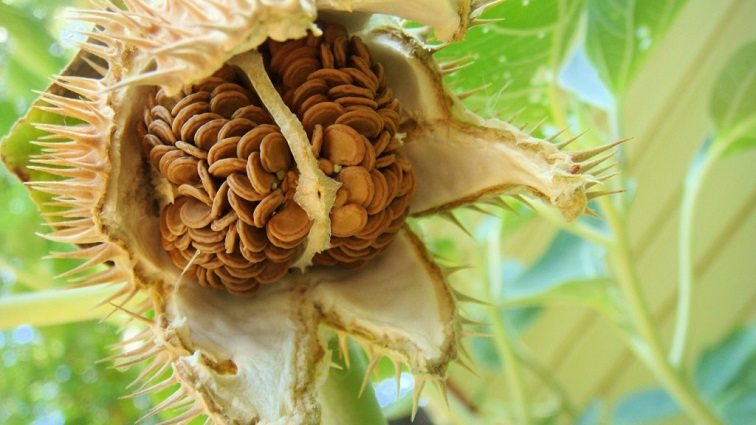
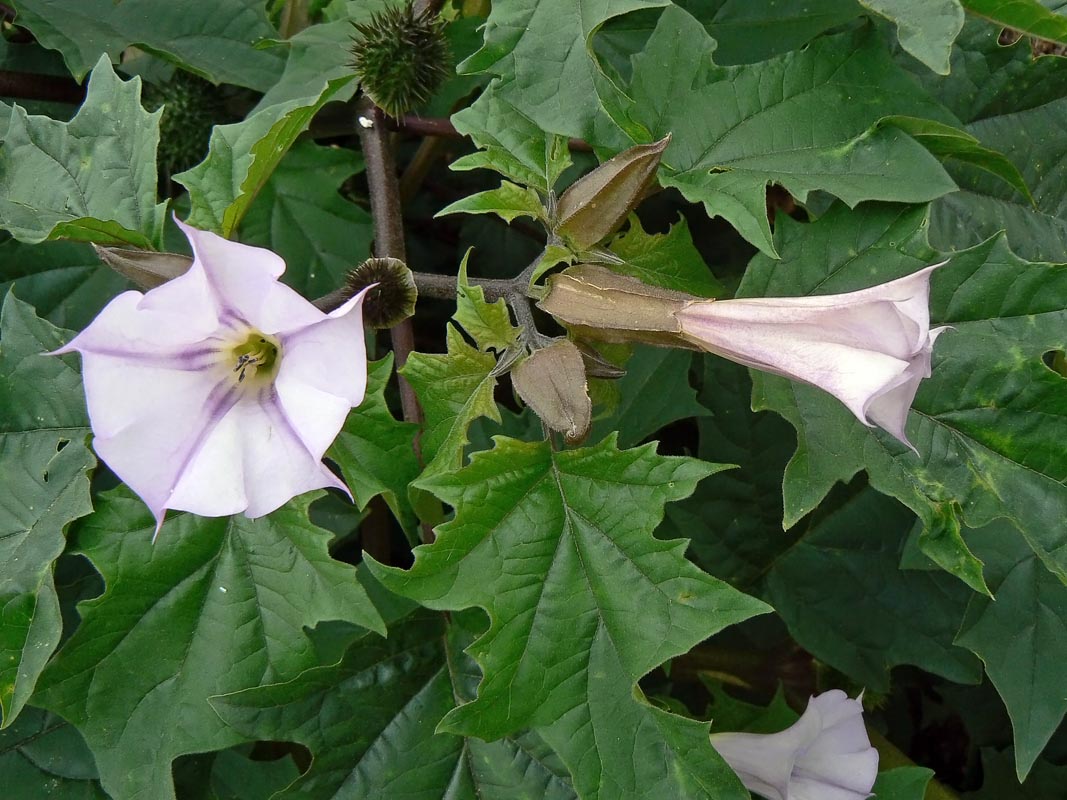
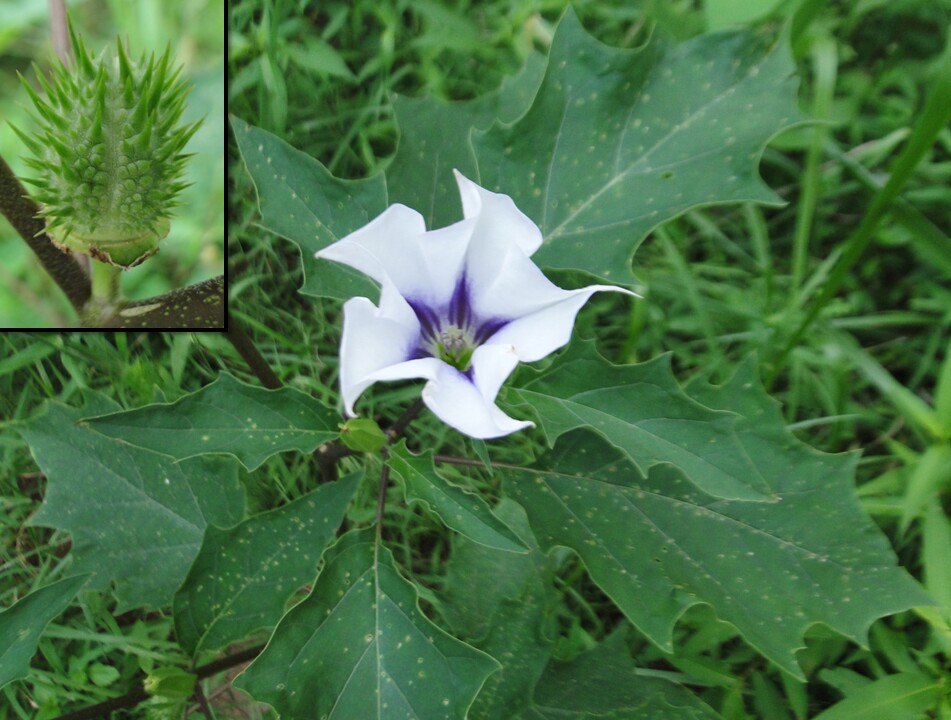
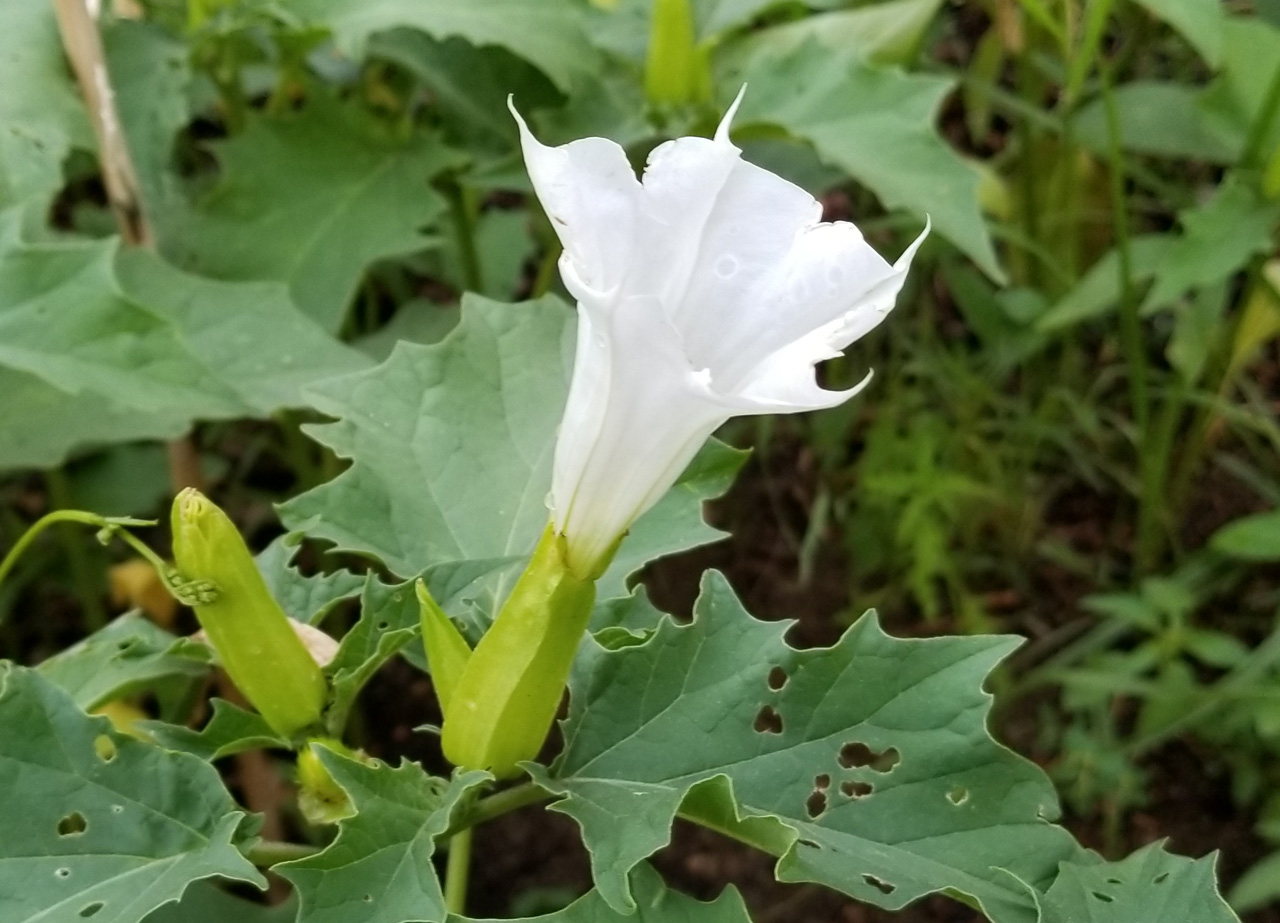
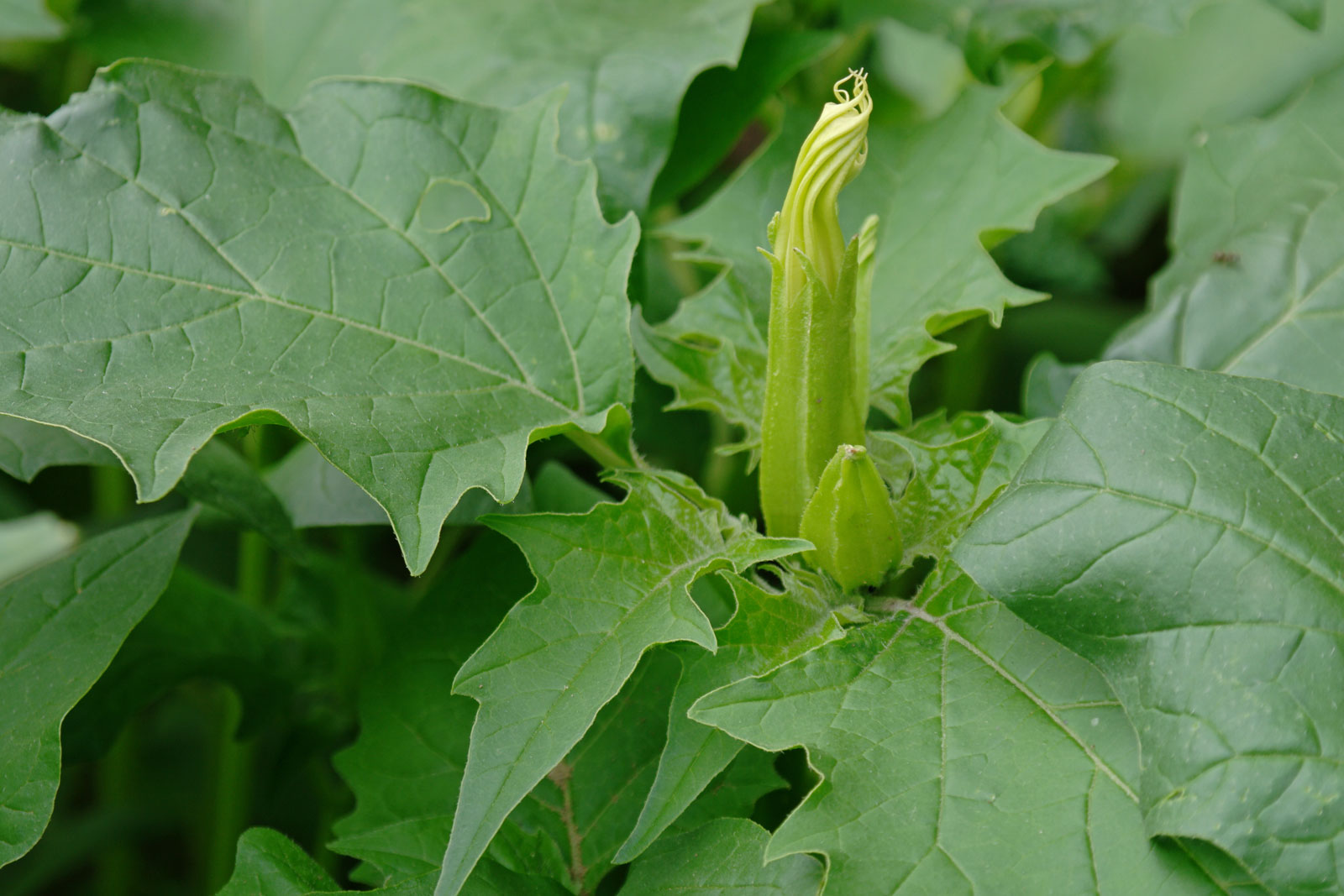
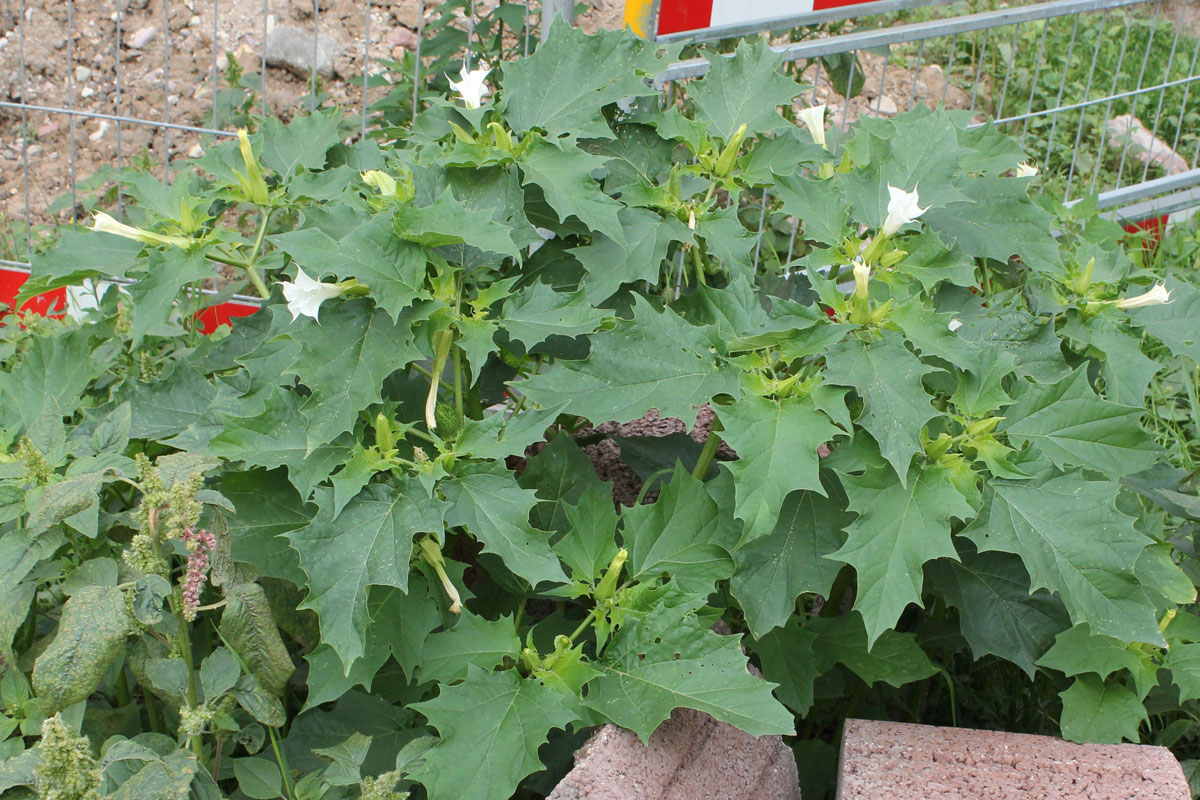
草本或半灌木状,高0.5-1.5米,全体近于平滑或在幼嫩部分被短柔毛。茎粗壮,圆柱状,淡绿色或带紫色,下部木质化。叶广卵形,顶端渐尖,基部不对称楔形,边缘有不规则波状浅裂,裂片顶端急尖,有时亦有波状牙齿,侧脉每边3-5条,直达裂片顶端,长8-17厘米,宽4-12厘米;叶柄长3-5厘米。花单生于枝叉间或叶腋,直立,有短梗;花萼筒状,长4-5厘米,筒部有5棱角,两棱间稍向内陷,基部稍膨大,顶端紧围花冠筒,5浅裂,裂片三角形,花后自近基部断裂,宿存部分随果实而增大并向外反折;花冠漏斗状,下半部带绿色,上部白色或淡紫色,檐部5浅裂,裂片有短尖头,长6-10厘米,檐部直径3-5厘米;雄蕊不伸出花冠,花丝长约3厘米,花药长约4毫米;子房密生柔针毛,花柱长约6厘米。蒴果直立生,卵状,长3-4.5厘米,直径2-4厘米,表面生有坚硬针刺或有时无刺而近平滑,成熟后淡黄色,规则4瓣裂。种子卵圆形,稍扁,长约4毫米,黑色。花期6-10月,果期7-11月。
广布于世界各大洲;我国各省区都有分布。常生于住宅旁、路边或草地上,也有作药用或观赏而栽培。全株有毒!含莨菪碱,药用,有镇痉、镇静、镇痛、麻醉的功能。种子油可制肥皂和掺合油漆用。
Datura stramonium, known by the common names thorn apple, jimsonweed, devil's snare(陷阱,罗网; 诱惑), or devil's trumpet, is a species of flowering plant in the nightshade family Solanaceae. Its likely origin was in Central America, and it has been introduced in many world regions. It is an aggressive invasive weed in temperate climates across the world. D. stramonium has frequently been employed in traditional medicine to treat a variety of ailments(疾病(尤指慢性病)). It has also been used as a hallucinogen(迷幻剂;), taken entheogenically to cause intense, sacred or occult(超自然的; 神秘的) visions. It is unlikely ever to become a major drug of abuse owing to effects upon both mind and body frequently perceived subjectively as being highly unpleasant, giving rise to a state of profound and long-lasting disorientation or delirium with a potentially fatal outcome. It contains tropane alkaloids which are responsible for the psychoactive effects, and may be severely toxic.
Datura stramonium is an anticholinergic plant that contains two main toxic alkaloids, atropine and scopolamine which are toxic if ingested and may be fatal if ingested by humans and other animals.
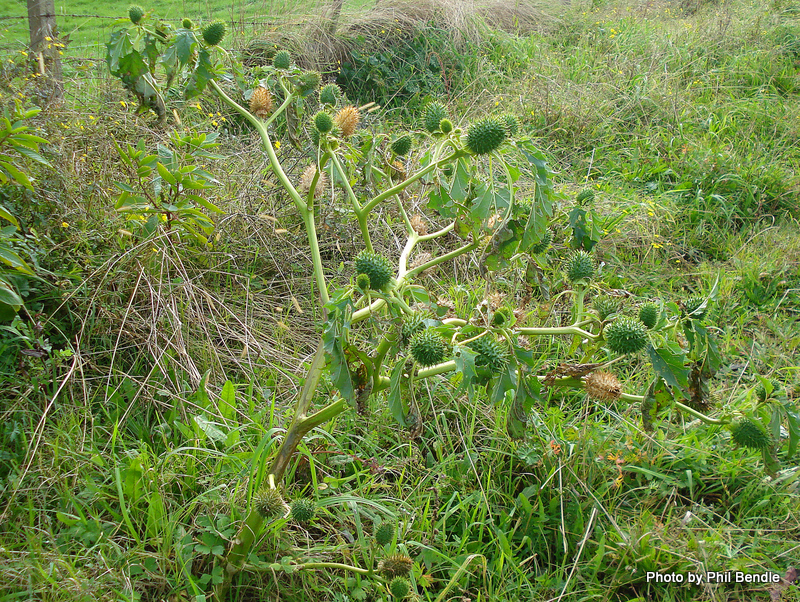
Datura stramonium it is believed to have originated in the Americas but is now found around the world. In New Zealand, Datura stramonium is an annual weed of gardens, roadsides and other waste or cultivated land. It is a foul-smelling, erect, annual, freely branching herb that forms a bush up to >150 cm tall.
The pinnate venated leaves are very broad and coarsely toothed and are up to 20cm long. The upper surface of the leaves is green with undersides a paler green.
Wide, white, long funnel-shaped flowers (>9 cm long) are produced throughout summer. Some plants produce flowers with purple or lilac centres and these are referred to as Datura stramonium var. chalybaea (syn. D. stramonium var. tatula). The flowers first grow upright, and later incline downwards. The flowers open at night, emitting an intense night fragrance, which attracts night-flying moths.
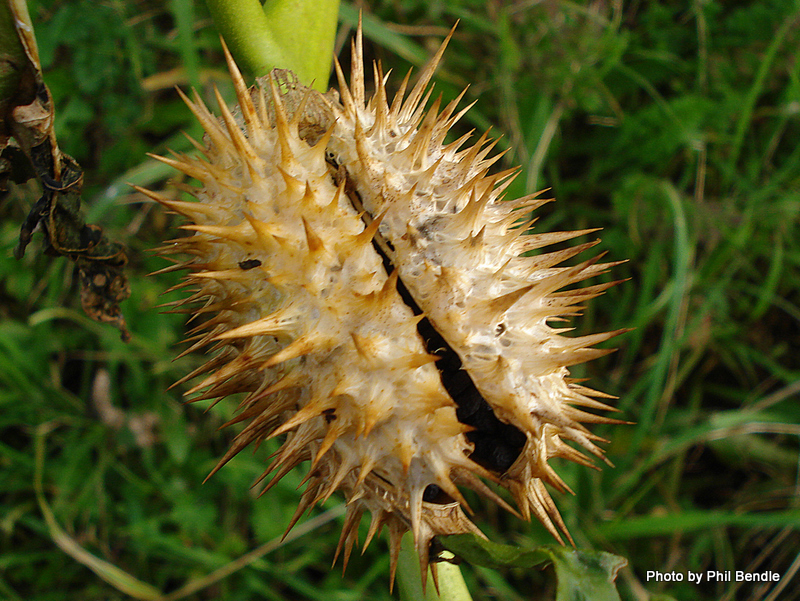
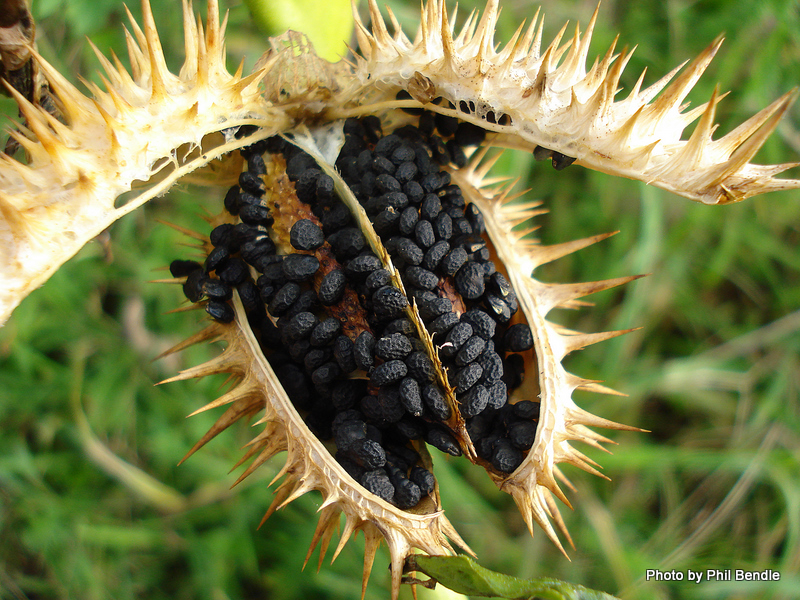
The egg-shaped seed capsule is 3–8 cm in diameter and are either covered with spines or are bald. The plants producing the bald capsules are referred to as D. stramonium var. inermis. At maturity, the fruit splits into four chambers, each with dozens of small, black seeds. The seeds are dispersed by gravity but are also spread when the fruits spines are caught in the hair of animals and carried to other areas. The seeds have hibernation capabilities and can last for years in the soil

三、枸杞属——Lycium L.
灌木,通常有棘刺或稀无刺。单叶互生或因侧枝极度缩短而数枚簇生,条状圆柱形或扁平,全缘,有叶柄或近于无柄。花有梗,单生于叶腋或簇生于极度缩短的侧枝上;花萼钟状,具不等大的2-5萼齿或裂片,在花蕾中镊合状排列,花后不甚增大,宿存;花冠漏斗状、稀筒状或近钟状,檐部5裂或稀4裂,裂片在花蕾中覆瓦状排列,基部有显著的耳片或耳片不明显,筒常在喉部扩大;雄蕊5,着生于花冠筒的中部或中部之下,伸出或不伸出于花冠,花丝基部稍上处有一圈绒毛到无毛,花药长椭圆形,药室平行,纵缝裂开;子房2室,花柱丝状,柱头2浅裂,胚珠多数或少数。浆果,具肉质的果皮。种子多数或由于不发育仅有少数,扁平,种皮骨质,密布网纹状凹穴;胚弯曲成大于半圆的环,位于周边,子叶半圆棒状。
约80种,主要分布在南美洲,少数种类分布于欧亚大陆温带;我国产7种3变种,主要分布于北部。
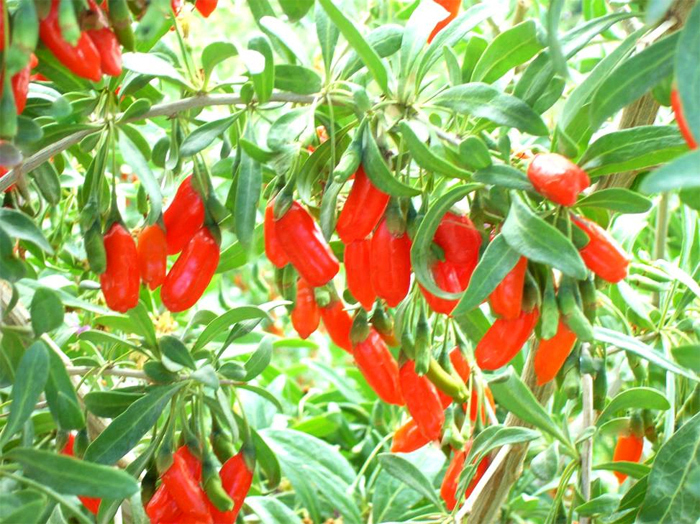
6. 枸杞 (神农本草经) 枸杞菜(广东、广西、江西);红珠仔刺(福建);牛吉力(浙江);狗牙子(四川);狗牙根(陕西);狗奶子(江苏、安徽、山东) 图版3: 1-4
Lycium chinense Mill.
6a.枸杞(原变种)
var. chinense
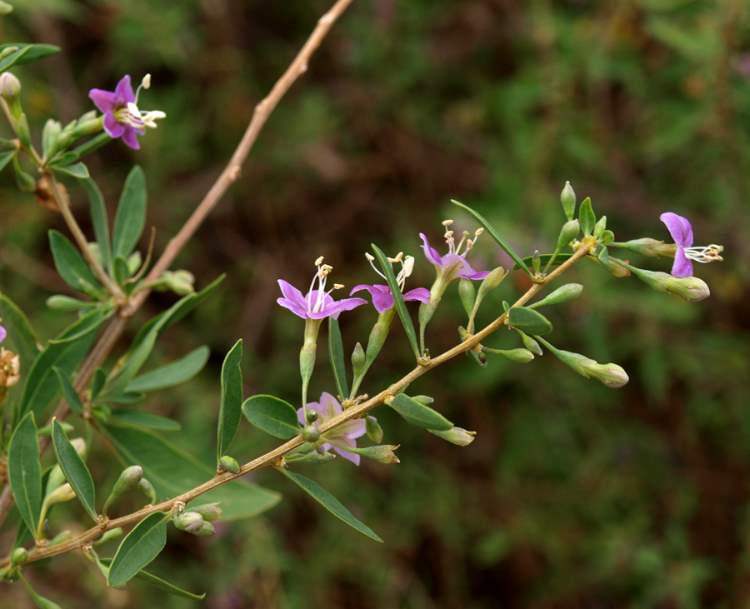
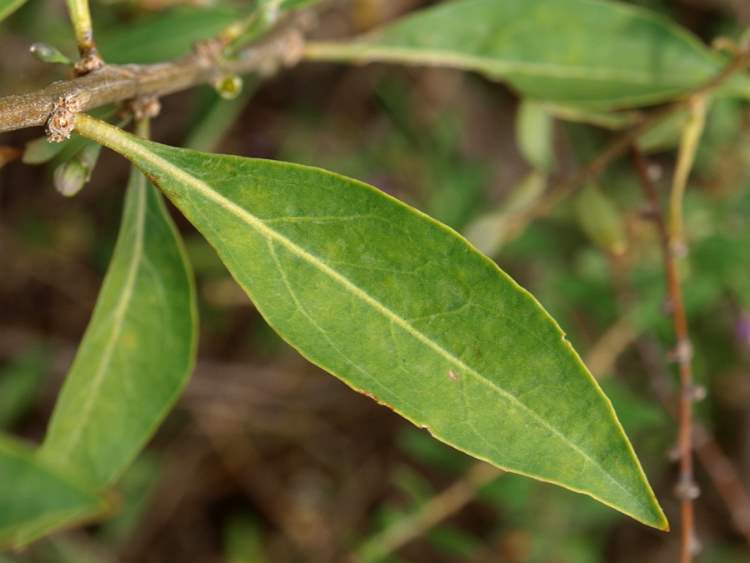
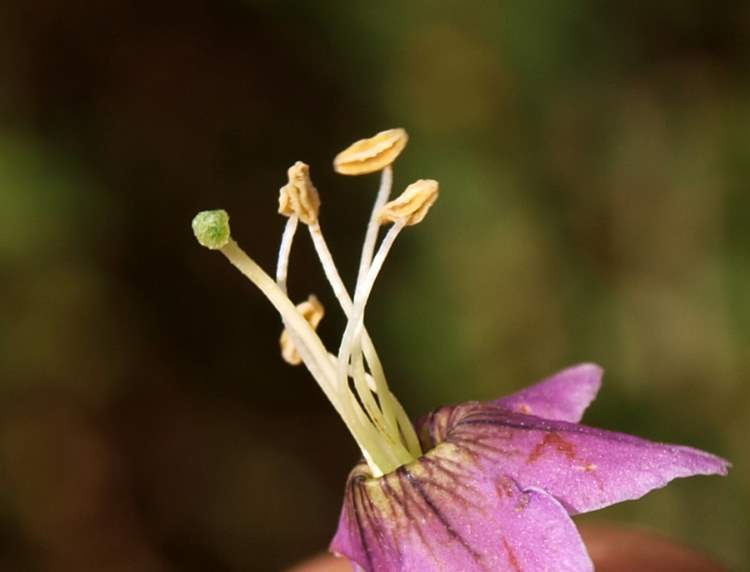
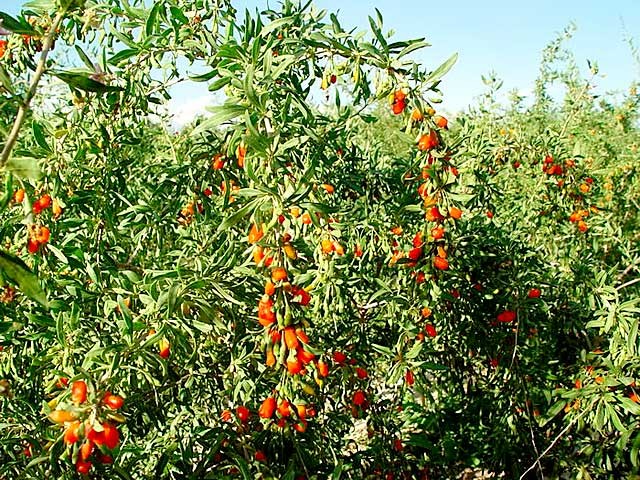
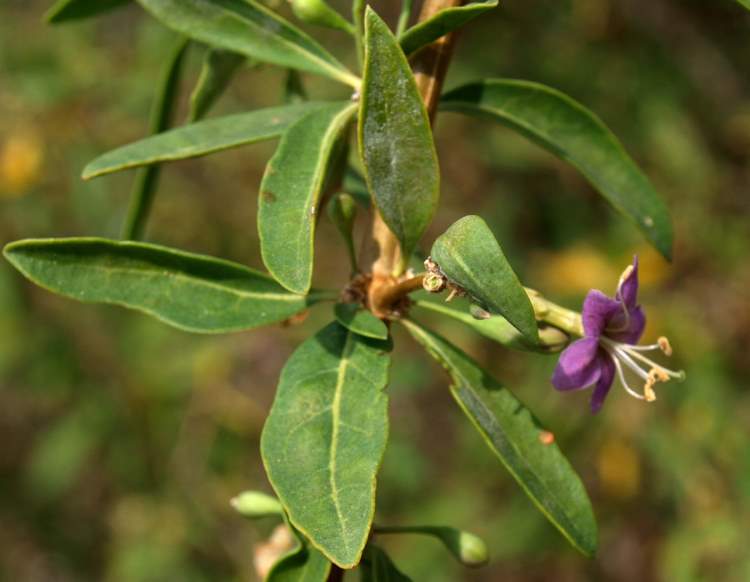
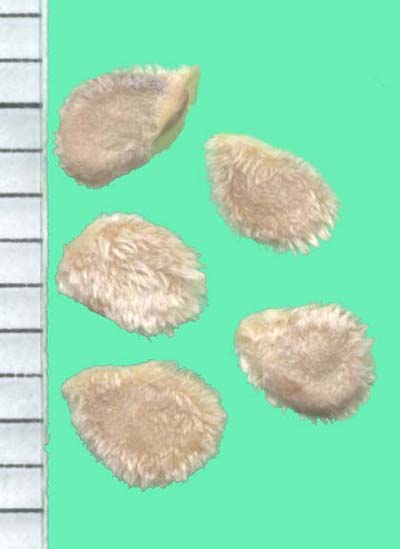
多分枝灌木,高0.5-1米,栽培时可达2米多;枝条细弱,弓状弯曲或俯垂,淡灰色,有纵条纹,棘刺长0.5-2厘米,生叶和花的棘刺较长,小枝顶端锐尖成棘刺状。叶纸质或栽培者质稍厚,单叶互生或2-4枚簇生,卵形、卵状菱形、长椭圆形、卵状披针形,顶端急尖,基部楔形,长1.5-5厘米,宽0.5-2.5厘米,栽培者较大,可长达10厘米以上,宽达4厘米;叶柄长0.4-1厘米。花在长枝上单生或双生于叶腋,在短枝上则同叶簇生;花梗长1-2厘米,向顶端渐增粗。花萼长3-4毫米,通常3中裂或4-5齿裂,裂片多少有缘毛;花冠漏斗状,长9-12毫米,淡紫色,筒部向上骤然扩大,稍短于或近等于檐部裂片,5深裂,裂片卵形,顶端圆钝,平展或稍向外反曲,边缘有缘毛,基部耳显著;雄蕊较花冠稍短,或因花冠裂片外展而伸出花冠,花丝在近基部处密生一圈绒毛并交织成椭圆状的毛丛,与毛丛等高处的花冠筒内壁亦密生一环绒毛;花柱稍伸出雄蕊,上端弓弯,柱头绿色。浆果红色,卵状,栽培者可成长矩圆状或长椭圆状,顶端尖或钝,长7-15毫米,栽培者长可达2.2厘米,直径5-8毫米。种子扁肾脏形,长2.5-3毫米,黄色。花果期6-11月。
分布于我国东北、河北、山西、陕西、甘肃南部以及西南、华’中、华南和华东各省区;朝鲜,日本,欧洲有栽培或逸为野生。常生于山坡、荒地、丘陵地、盐碱地、路旁及村边宅旁。在我国除普遍野生外,各地也有作药用、蔬菜或绿化栽培。
果实(中药称枸杞子),药用功能与宁夏枸杞同;根皮(中药称地骨皮),有解热止咳之效用;嫩叶可作蔬菜;种子油可制润滑油或食用油;由于它耐干旱,可生长在沙地,因此可作为水土保持的灌木。
Lycium chinense is one of two species of boxthorn(枸杞) shrub in the family Solanaceae. Along with Lycium barbarum, it produces the goji berry. Two varieties are recognized, L. chinense var. chinense and L. chinense var. potaninii. It is also known as Chinese boxthorn, Chinese matrimony-vine, Chinese teaplant, Chinese wolfberry, wolfberry, and Chinese desert-thorn.
Lycium chinense, commonly called Chinese matrimony vine, Chinese boxthorn, Goji berry and Chinese wolfberry, is a vine-like, multi-stemmed, deciduous shrub with sprawling branches that typically grows to 3-6' (sometimes to 12') tall. Occasional thorns appear on the stems. It is native to slopes, roadsides, disturbed areas and wastelands in southern China. Ovate, rhombic, elliptic or lanceolate leaves (to 1-3" long) are bright green. Small, tubular, pale purple to lavender flowers bloom in spring on stalks rising from the leaf axils. Bright red berries (Goji berries) are about 7/8" long and mature in fall. Ripe berries are edible (sweet licorice flavor). Berries (fresh or dried), young shoots and leaves are used in oriental cooking. Berries are used to make an herbal tea. Berries are dried for herbal use (China reportedly produces over 5 million kilograms of dried fruit per year). This is a long time medicinal plant (leaves, roots and berries) in China.
Genus name comes from the Greek lykion, a thorny tree from Lycia, a south-west region of Asia Minor, that was used medicinally.
Specific epithet means Chinese.



四、番茄属——Lycopersicon Mill.
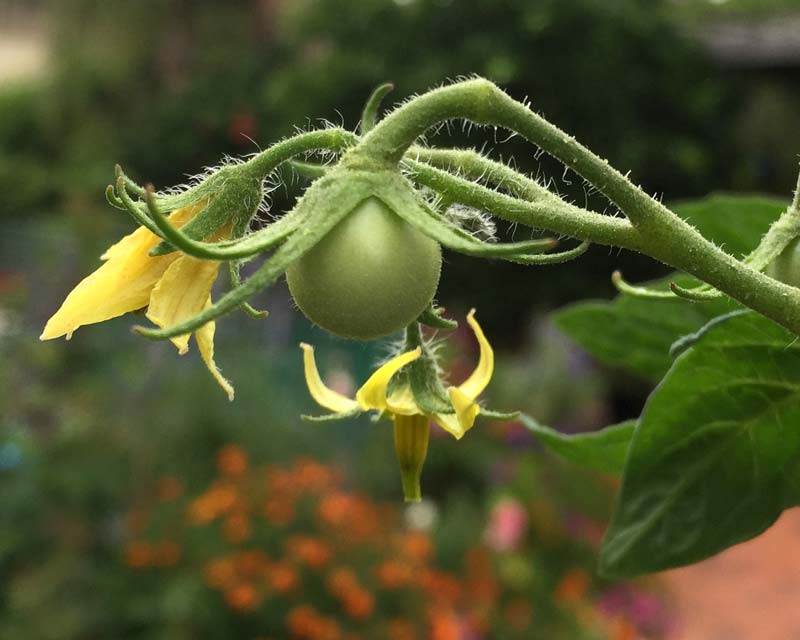
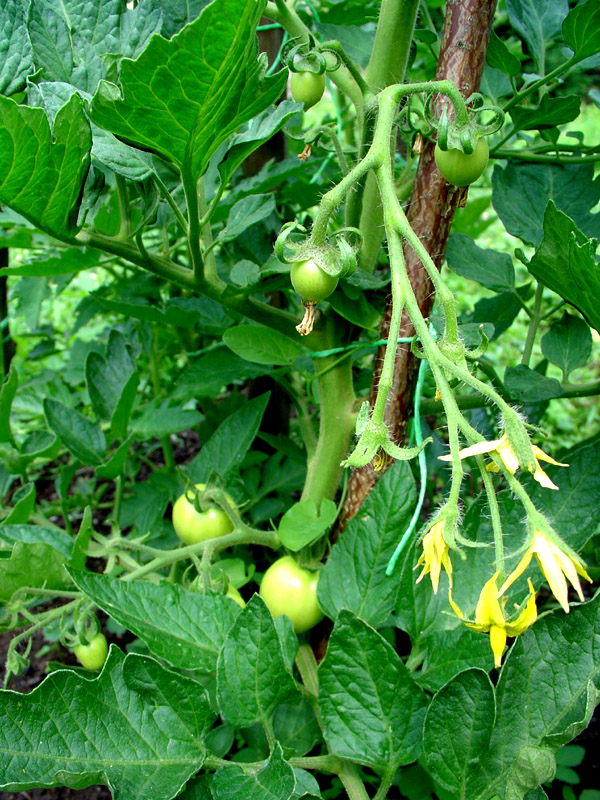
一年生或多年生草本、或为亚灌木。茎直立或平卧。羽状复叶,小叶极不等大,有锯齿或分裂。圆锥式聚伞花序,腋外生。花萼辐状,有5-6裂片,果时不增大或稍增大,开展;花冠辐状,筒部短,檐部有折襞,5-6裂;雄蕊5-6枚,插生于花冠喉部,花丝极短,花药伸长,向顶端渐尖,靠合成圆锥状,药室平行,自顶端之下向基部纵缝裂开;花盘不显著;子房2-3室,花柱具稍头状的柱头,胚珠多数。浆果多汁,扁球状或近球状,种子扁圆形,胚极弯曲。
6种,产于南美洲,世界各地广泛栽培。我国栽培1种。
1. 番茄(通称)蕃柿、西红柿
Lycopersicon esculentum Mill.
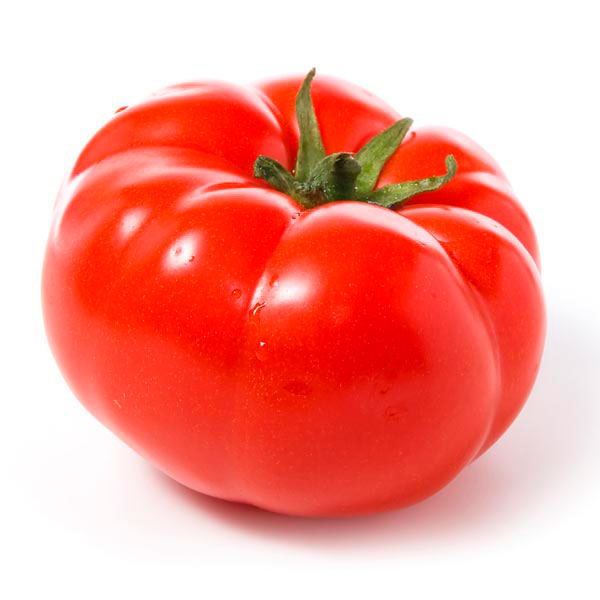
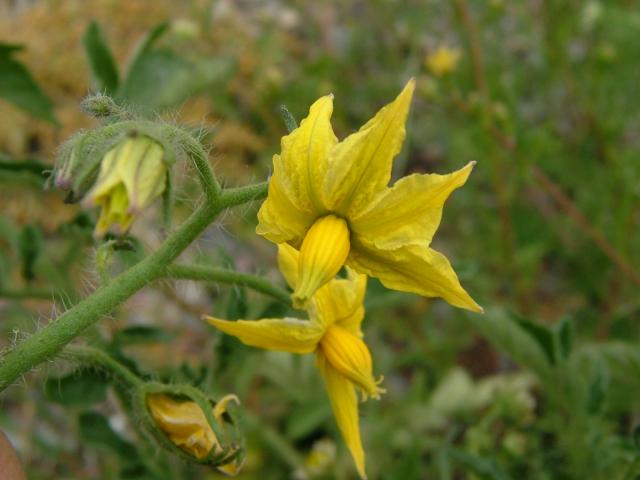
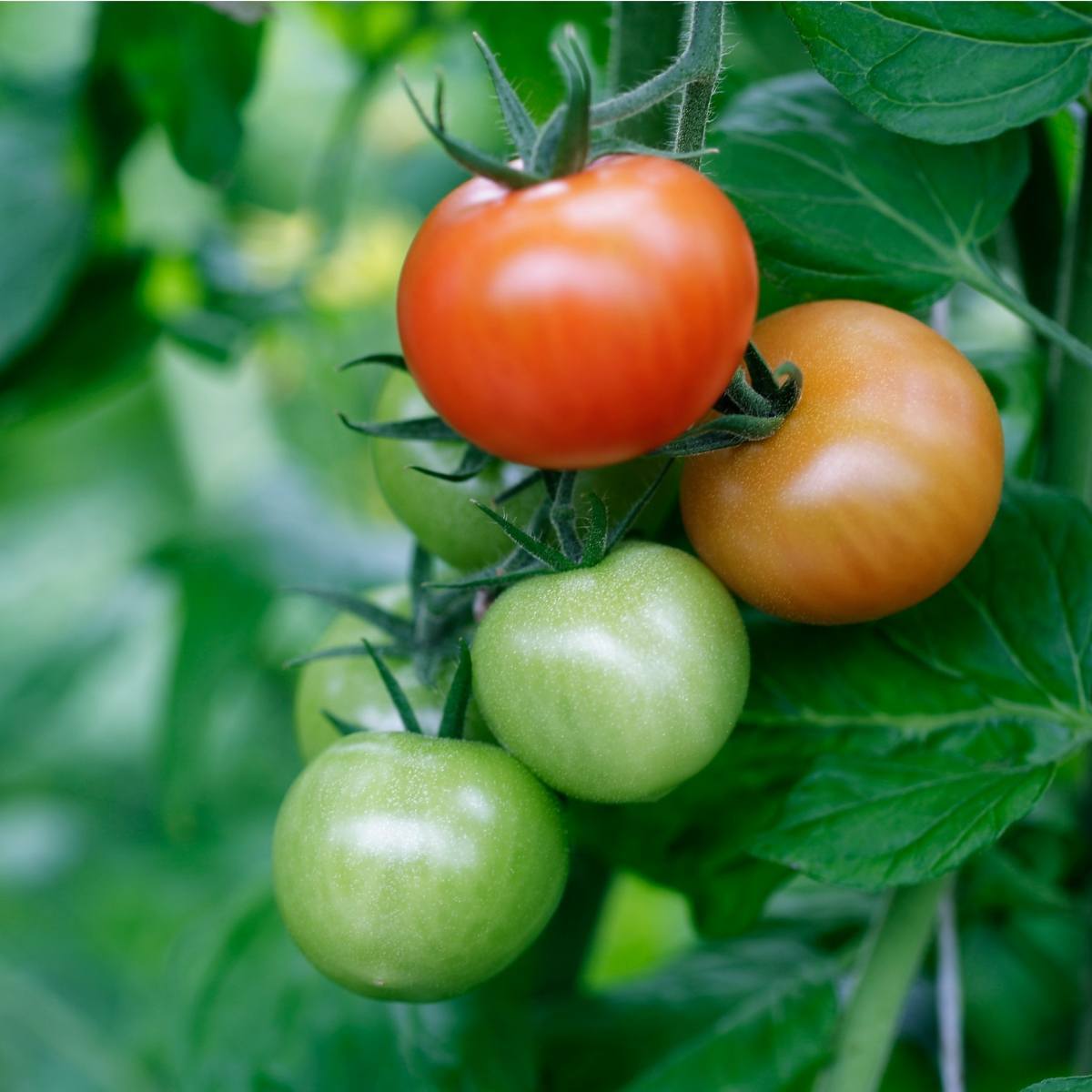
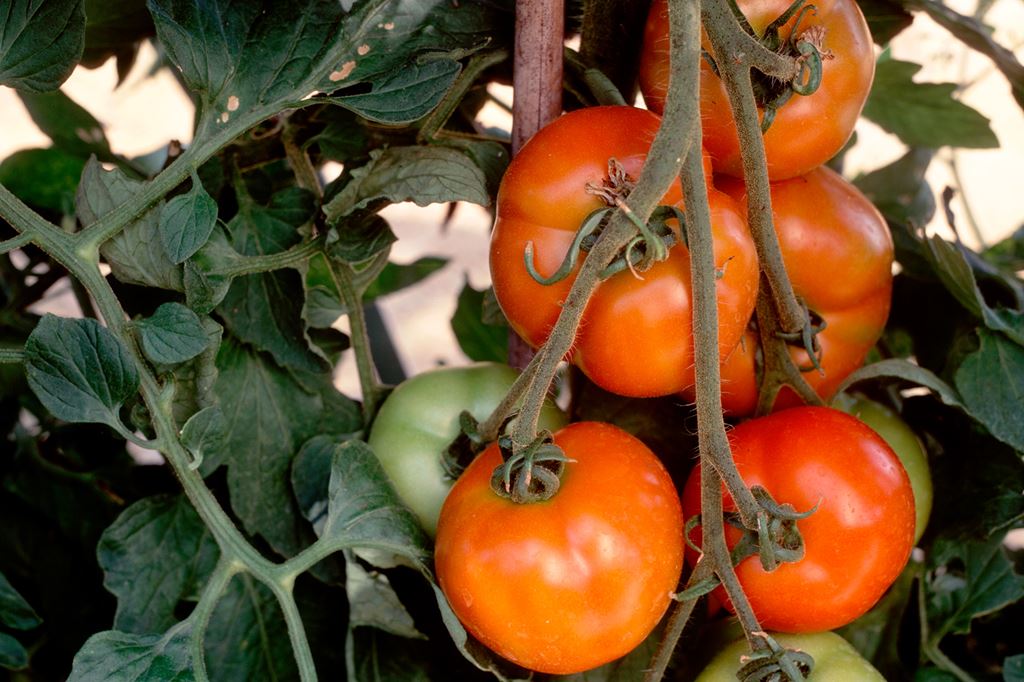
体高0.6-2米,全体生粘质腺毛,有强烈气味。茎易倒伏。叶羽状复叶或羽状深裂,长10-40厘米,小叶极不规则,大小不等,常5-9枚,卵形或矩圆形,长5-7厘米,边缘有不规则锯齿或裂片。花序总梗长2-5厘米,常3-7朵花;花梗长1-1.5厘米;花萼辐状,裂片披针形,果时宿存;花冠辐状,直径约2厘米,黄色。浆果扁球状或近球状,肉质而多汁液,桔黄色或鲜红色,光滑;种子黄色。花果期夏秋季。
原产南美洲;我国南北广泛栽培。果实为盛夏的蔬菜和水果。
The tomato is the edible berry of the plant Solanum lycopersicum, commonly known as the tomato plant. The species originated in western South America and Central America. The Mexican Nahuatl word tomatl gave rise to the Spanish word tomate, from which the English word tomato derived. Its domestication and use as a cultivated food may have originated with the indigenous peoples of Mexico. The Aztecs used tomatoes in their cooking at the time of the Spanish conquest of the Aztec Empire, and after the Spanish encountered the tomato for the first time after their contact with the Aztecs, they brought the plant to Europe, in a widespread transfer of plants known as the Columbian exchange. From there, the tomato was introduced to other parts of the European-colonized world during the 16th century.



五、烟草属——Nicotiana L.
一年生草本、亚灌木或灌木,常有腺毛。叶互生,有叶柄或无柄,叶片不分裂,全缘或稀波状。花序顶生,圆锥式或总状式聚伞花序,或者单生;花有苞片或无苞片。花萼整齐或不整齐,卵状或筒状钟形,5裂,果时常宿存并稍增大,不完全或完全包围果实;花冠整齐或稍不整齐,筒状、漏斗状或高脚碟状,筒部伸长或稍宽,檐5裂至几乎全缘,在花蕾中卷折状或稀覆瓦状,开花时直立、开展或外弯;雄蕊5,插生在花冠筒中部以下,不伸出或伸出花冠,不等长或近等长,花丝丝状,花药纵缝裂开;花盘环状;子房2室,花柱具2裂柱头。蒴果2裂至中部或近基部。种子多数,扁压状,胚几乎通直或多少弓曲,子叶半棒状。
全世界约60种,分布于南美洲,北美洲和大洋洲。我国栽培4种。
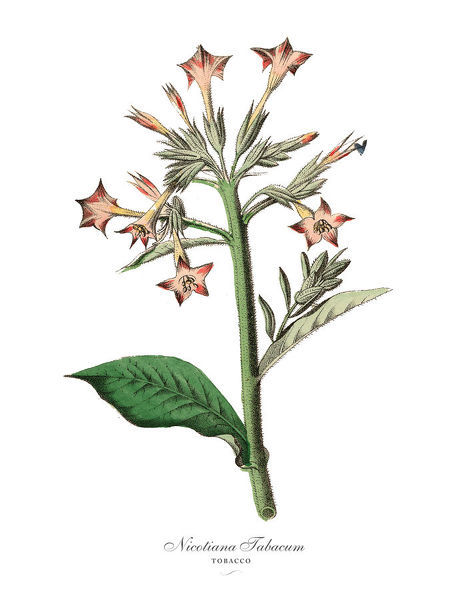
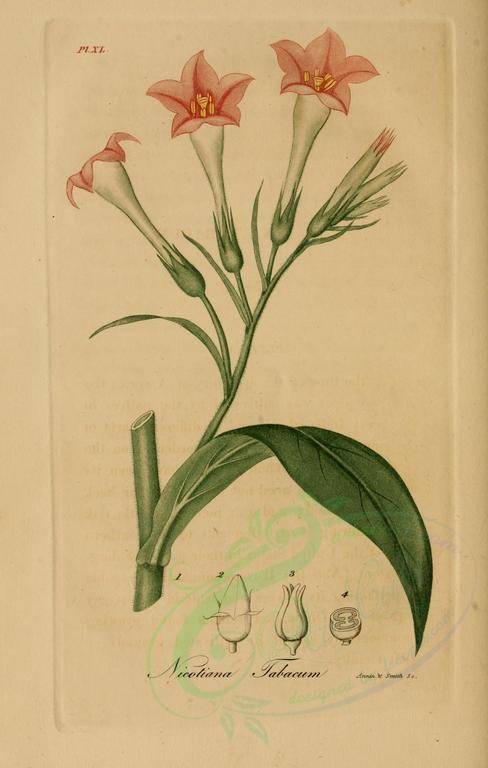
1.烟草(食用本草)烟叶(北方)图版39
Nicotiana tabacum L.
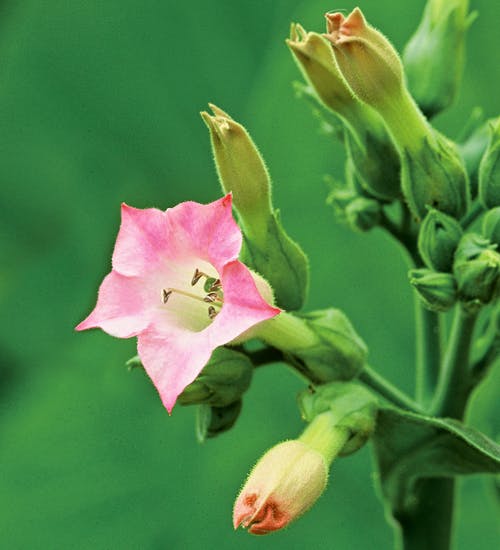
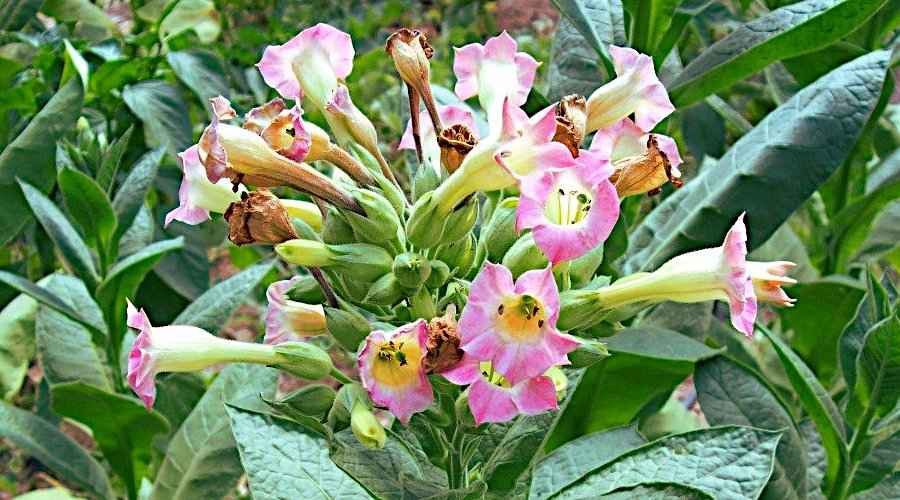
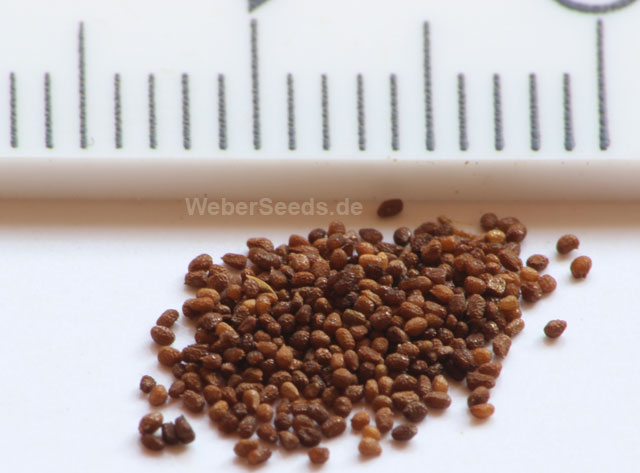
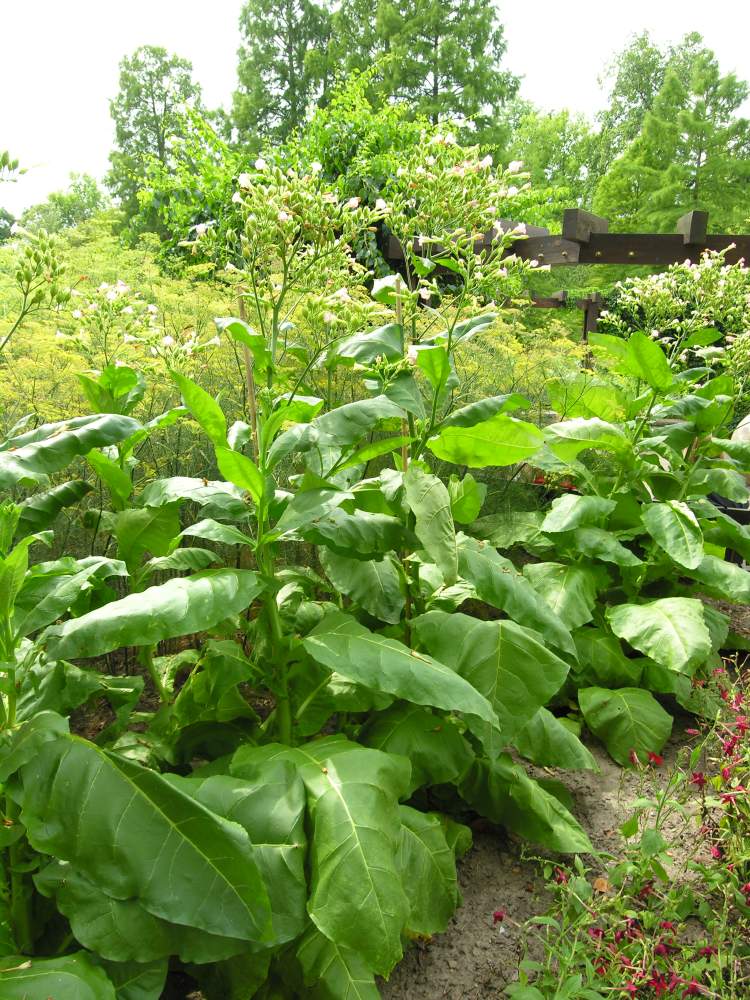
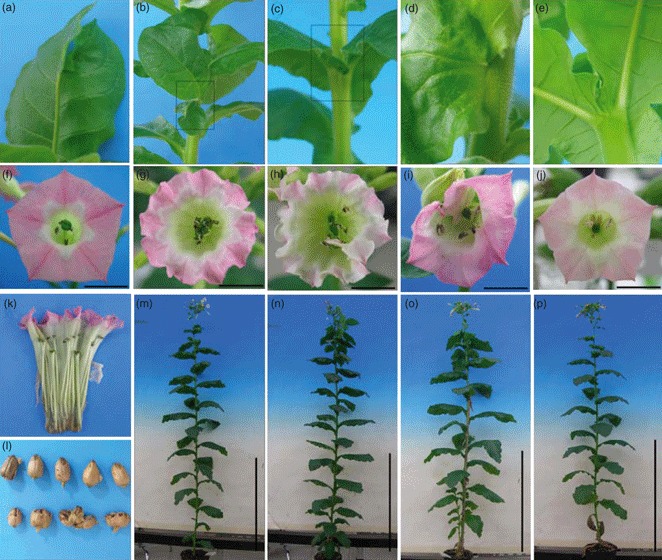
一年生或有限多年生草本,全体被腺毛;根粗壮。茎高0.7-2米,基部稍木质化。叶矩圆状披针形、披针形、矩圆形或卵形,顶端渐尖,基部渐狭至茎成耳状而半抱茎,长10-30(-70)厘米,宽8-15(-30)厘米,柄不明显或成翅状柄。花序顶生,圆锥状,多花;花梗长5-20毫米。花萼筒状或筒状钟形,长20-25毫米,裂片三角状披针形,长短不等;花冠漏斗状,淡红色,筒部色更淡,稍弓曲,长3.5-5厘米,檐部宽1-1.5厘米,裂片急尖;雄蕊中1枚显著较其余4枚短,不伸出花冠喉部,花丝基部有毛。蒴果卵状或矩圆状,长约等于宿存萼。种子圆形或宽矩圆形,径约0.5毫米,褐色。夏秋季开花结果。
原产南美洲。我国南北各省区广为栽培。作烟草工业的原料;全株也可作农药杀虫剂;亦可药用,作麻醉、发汗、镇静和催吐剂。
Nicotiana tabacum, or cultivated tobacco, is an annually grown herbaceous plant of the Nicotiana genus. The plant is tropical in origin, is commonly grown throughout the world, and is often found in cultivation. It grows to heights between 1 and 2 meters. Research is ongoing into its ancestry among wild Nicotiana species, but it is believed to be a hybrid of Nicotiana sylvestris, Nicotiana tomentosiformis, and possibly Nicotiana otophora. It is the most commonly grown of all plants in the genus Nicotiana, the plants' leaves commercially grown to be processed into tobacco.
Nicotiana tabacum
Common Name(s): Tobacco
This plant has high severity poison characteristics.
Description
Annual or tender perennial with flowers that are fragrant when open at night. They can have a spindly growth habit. Needs consistently moist, organically rich, well-drained soils in full sun to part shade. Does best with some afternoon shade in hot summer climates. It has mostly been replaced by shorter varieties that open during the day and have no fragrance.
Poison Part:
Flowers
Leaves



六、茄属——Solanum L.
草本,亚灌木,灌木至小乔木,有时为藤本。无刺或有刺,无毛或被单毛,腺毛,树枝状毛,星状毛及具柄星状毛。叶互生,稀双生,全缘,波状或作各种分裂,稀为复叶。花组成顶生,侧生,腋生,假腋生,腋外生或对叶生的聚伞花序;蝎尾状、伞状聚伞花序;或聚伞式圆锥花序;少数为单生。花两性,全部能孕或仅在花序下部的为能孕花,上部的雌蕊退化而趋于雄性;萼通常4-5裂,稀在果时增大,但不包被果实;花冠星状辐形,星形或漏斗状辐形,多半白色,有时为青紫色,稀红紫色或黄色,开放前常折叠,(4) -5浅裂,半裂,深裂或几不裂;花冠筒短;雄蕊(4)(S. procumbens Lour.为4枚)-5枚,着生于花冠筒喉部,花丝短,间或其中一枚较长,常较花药短至数倍,稀有较花药为长,无毛或在内侧具尖的多细胞的长毛,花药内向,长椭圆形,椭圆形或卵状椭圆形,顶端延长或不延长成尖头,通常贴合成一圆筒,顶孔开裂,孔向外或向上稀向内;子房2室,胚珠多数,花柱单一,直或微弯,被毛或无毛,柱头钝圆,极少数为2浅裂。浆果或大或小,多半为近球状,椭圆状,稀扁圆状至倒梨状,黑色,黄色,橙色至殊红色,果内石细胞粒存在或不存;种子近卵形至肾形,通常两侧压扁,外面具网纹状凹穴。
约2000余种,分布于全世界热带及亚热带,少数达到温带地区,主要产南美洲的热带。我国有39种,14变种。
1. 茄(南方草木状,开宝本草) 矮瓜(广东广州);吊菜子(梅县);茄子(通称);落苏(江苏南部),紫茄,茄子,白茄。
Solanum melongena L.
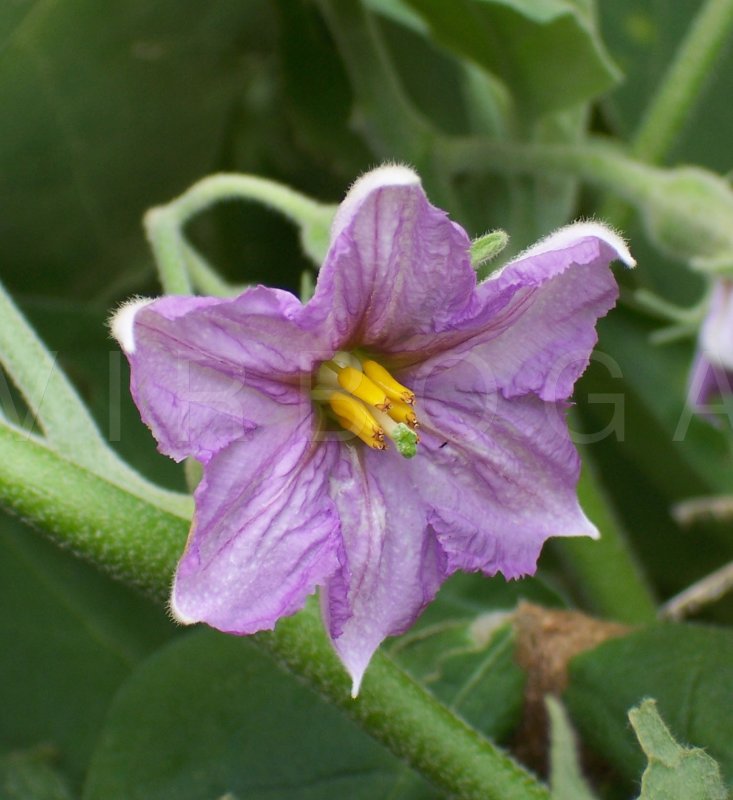
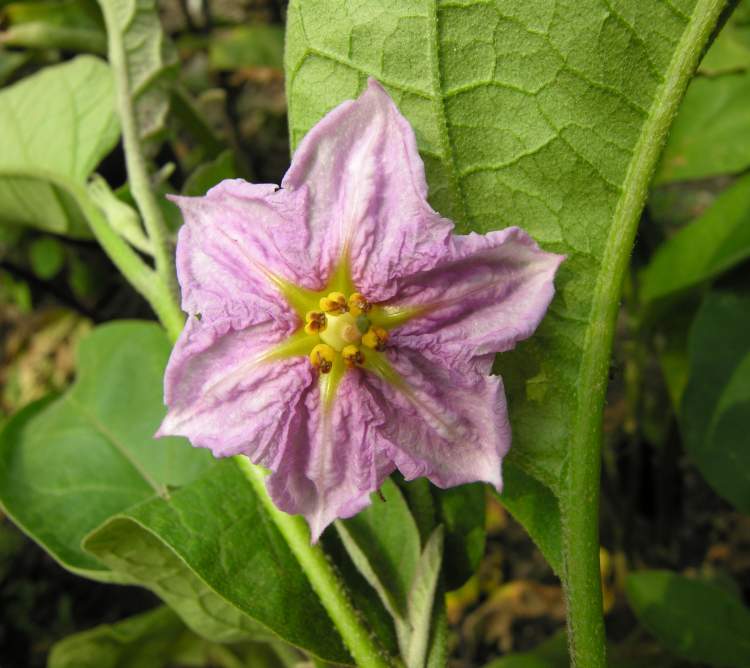
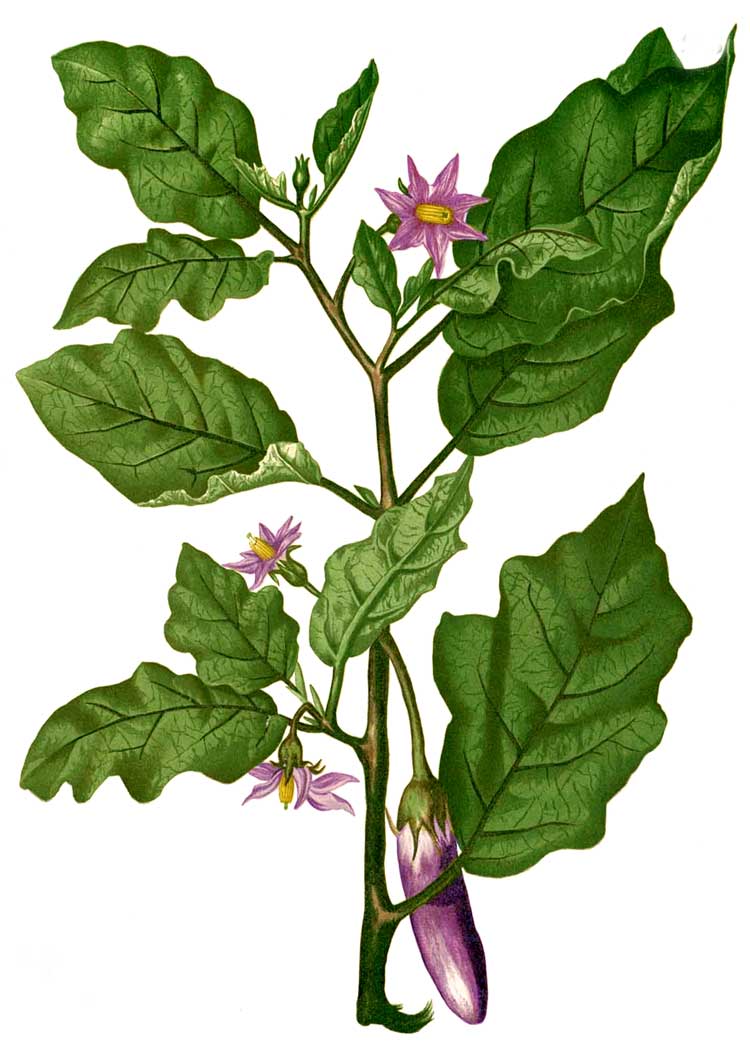
直立分枝草本至亚灌木,高可达1米,小枝,叶柄及花梗均被6-8-(10)分枝,平贴或具短柄的星状绒毛,小枝多为紫色(野生的往往有皮刺),渐老则毛被逐渐脱落。叶大,卵形至长圆状卵形,长8-18厘米或更长,宽5-11厘米或更宽,先端钝,基部不相等,边缘浅波状或深波状圆裂,上面被3-7-(8)分枝短而平贴的星状绒毛,下面密被7-8分枝较长而平贴的星状绒毛,侧脉每边4-5条,在上面疏被星状绒毛,在下面则较密,中脉的毛被与侧脉的相同(野生种的中脉及侧脉在两面均具小皮刺),叶柄长约2-4.5厘米(野生的具皮刺)。能孕花单生,花柄长约1-1.8厘米,毛被较密,花后常下垂,不孕花蝎尾状与能孕花并出;萼近钟形,直径约2.5厘米或稍大,外面密被与花梗相似的星状绒毛及小皮刺,皮刺长约3毫米,萼裂片披针形,先端锐尖,内面疏被星状绒毛,花冠辐状,外面星状毛被较密,内面仅裂片先端疏被星状绒毛,花冠筒长约2毫米,冠檐长约2.1厘米,裂片三角形,长约1厘米;花丝长约2.5毫米,花药长约7.5毫米;子房圆形,顶端密被星状毛,花柱长4-7毫米,中部以下被星状绒毛,柱头浅裂。果的形状大小变异极大。
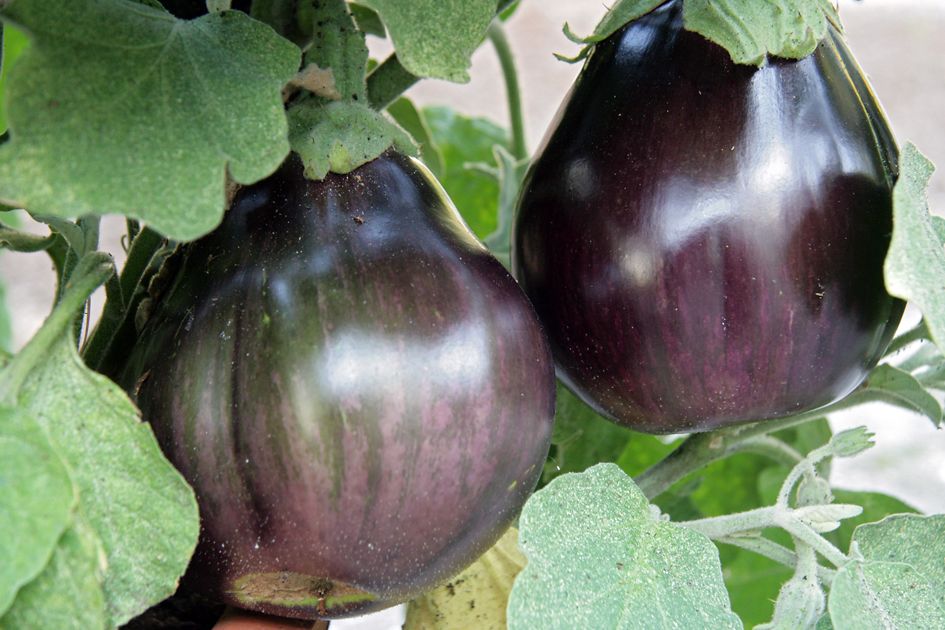
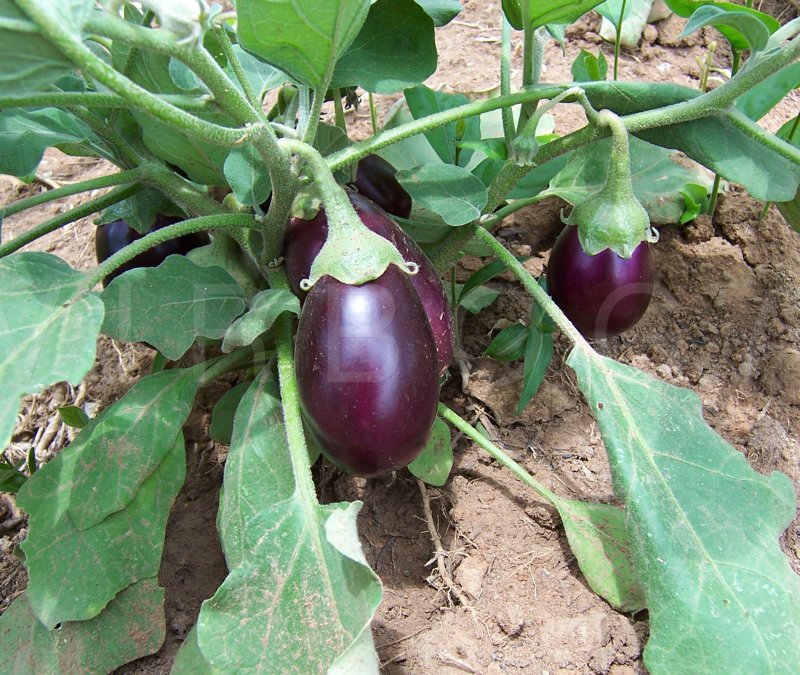
本种因经长期栽培而变异极大,花的颜色及花的各部数目均有出入,一般有白花,紫花,5-6-7数。果的形状有长或圆,颜色有白、红、紫等,一般栽培供食用的有长形及圆形(var. esculentum Nees),但一种长形基部弯扭的为 var. serpentinum Bailey.
Solanum melongena
Common Name(s): Aubergine、Brinjal、Eggplant、Mad Apple、Raging Apple
This plant has high severity poison characteristics.
Description
Eggplant is an annual or short-lived perennial plant that is very sensitive to cold temperatures. It grows fastest when the temperature ranges between 70 and 85 degrees. It produces an edible shiny glossy fruit. The plant may grow 2 to 4 feet tall and is multi-branched. The leaves and stems have star-shaped hairs, and the small violet flowers are also star-shaped. Eggplant or Aubergine is a member of the Solanaceae or nightshade family which also includes tomatoes, potatoes, and peppers. It is grown primarily as a food crop.
This species is native to South Central China, Laos, Myanmar, Thailand, and Vietnam. The plant is grown as a perennial in South Asia. It is now cultivated worldwide. In North Carolina, eggplant is considered an annual.
The genus name, Solanum, is from the Latin word solamen, which means "comforting or soothing." The species name, melongena, references the fruits melon shape. Another source states that the species name, melongena, has origins from the Italian name "melanzane," which is derived from "mela insane" or "mad apple."
The eggplant grows best in full sun. It prefers moist, well-drained, fertile, sandy, and loamy soils with a pH range of 5.5 to 6.8. It is propagated by seeds and germination occurs in 8 -12 days. The fruits may be harvested in about 105-133 days. The plant's flowers attract bumblebees.
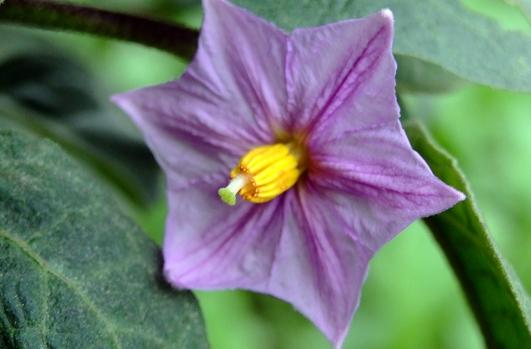
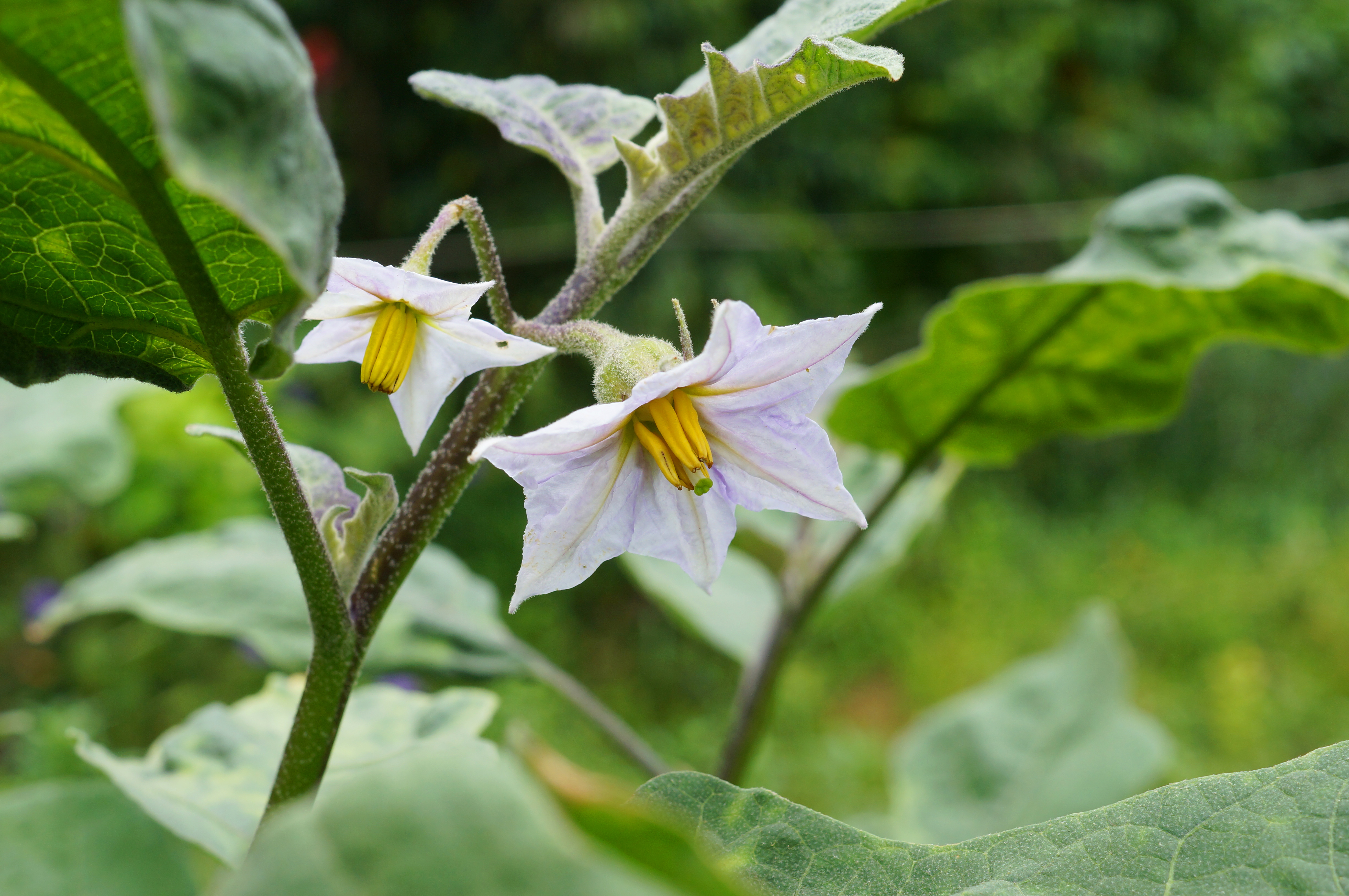
The leaves and stems are covered with star-shaped hairs and sometimes prickles. The flowers are solitary, star-shaped, and usually violet in color. The fruit is a large fleshy smooth berry. The fruit color varies from white, green, or purple to black depending on the cultivar. The fruit has many pale brown kidney-shaped seeds.
If you consider growing eggplant in your vegetable garden, caution should be taken to protect children and pets.
The fruits and seeds are edible; however, the remainder of the plant is poisonous. The fruits should not be consumed raw. Preferably, they should be baked, stewed, or fried. The flowers, leaves, and roots of the plant are toxic and should not be consumed. They contain alkaloids that include solanine. Ingestion may cause throat burning, nausea, vomiting, and irregular heart rhythms which may be fatal.
Seasons of Interest:
Bloom: Summer Fruits: Summer, Fall
Quick ID Hints:
star-shaped hair on the leaves and stems
star-shaped violet flowers
large fleshy, shiny, glossy fruits varying in color depending on the cultivar
Insects, Diseases, and Other Plant Problems: Flea beetles, tomato hornworms, Colorado potato beetles, and cutworms are potential pests. Verticillium wilt can occur. It is best prevented by planting disease-resistant cultivars and rotation of crops.
Poison Severity:High
Poison Symptoms:
If the leaves, flowers, stems, or roots are ingested, throat burning, nausea, vomiting, and irregular heart rhythm can occur which may be fatal.
Poison Toxic Principle:Alkaloids including solanine
Causes Contact Dermatitis:No
Poison Part:Flowers、Leaves、Roots、Stems