2.68木犀科Oleaceae
乔木或灌木。叶有单叶或复叶,对生,无托叶。花两性,稀单性;花萼、花瓣4裂;雄蕊2个,着生花冠筒上;子房上位,2心皮2室。蒴果、浆果、核果或翅果。
约29属600余种,分布于温带至热带。我国12属200种,南北各地均有分布。
分属检索表
1.翅果或蒴果……………………………………………………………………………………2
1.核果或浆果……………………………………………………………………………………5
2.翅果……………………………………………………………………………………………3
2.蒴果……………………………………………………………………………………………4
3.果周围有翅;单叶………………………………………………………………………雪柳属
3.果体倒披针形,顶端有长翅;复叶,小叶具齿………………………………………白蜡属
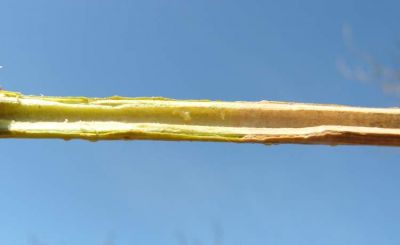
4.枝中空或具片状髓;花黄色,先叶开放,花冠裂片长于花冠筒……………………连翘属
4.枝实心,花紫、红或白色,花冠裂片短于花冠筒……………………………………丁香属
5.浆果………………………………………………………………………………………茉莉属
5.核果……………………………………………………………………………………………6
6.花冠裂片4~6,细长,线形,仅基部联合…………………………………………流苏树属
6.花冠裂片4,短,有长短不等的花冠筒………………………………………………………7
7.圆锥花序或总状花序,顶生……………………………………………………………女贞属
7.花簇生或为短的圆锥花序,腋生………………………………………………………木犀属
2.68.1木犀属Osmanthus ur.
常绿。叶对生;花芳香,两性或单性,雌雄异株或雄花、两性花异株,簇生叶腋或组成
聚伞花序,有时成总状花序或圆锥花序;萼杯状,4齿裂;花冠白、黄至橙黄色,钟形或管状钟形,4裂;雄蕊2,很少4枚,花丝短;子房2室,每室有胚珠2颗。核果,种子1。
约40余种,分布于亚洲、美洲。我国有27种,产长江以南各省区。
1.桂花(木犀、岩桂)Osmanthus fragrans ur.
通用名:木犀
俗名:丹桂、刺桂、桂花、四季桂、银桂、桂、彩桂
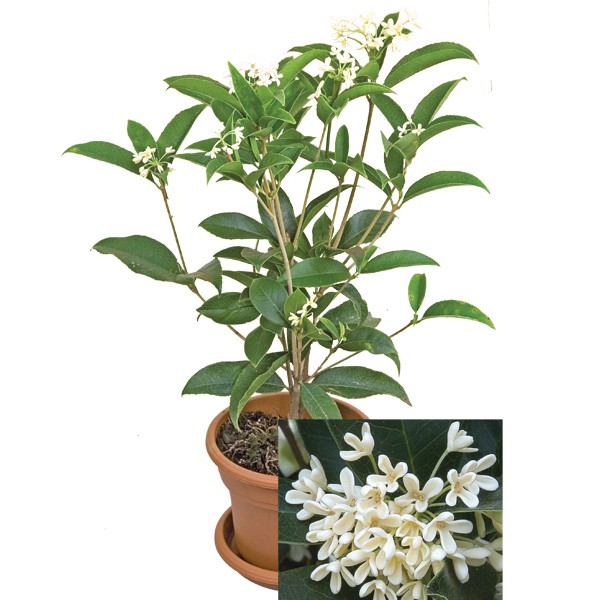
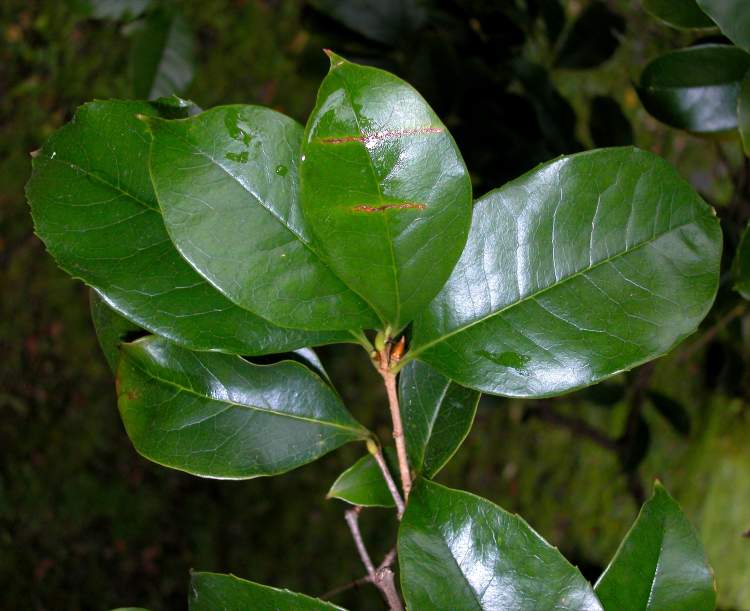
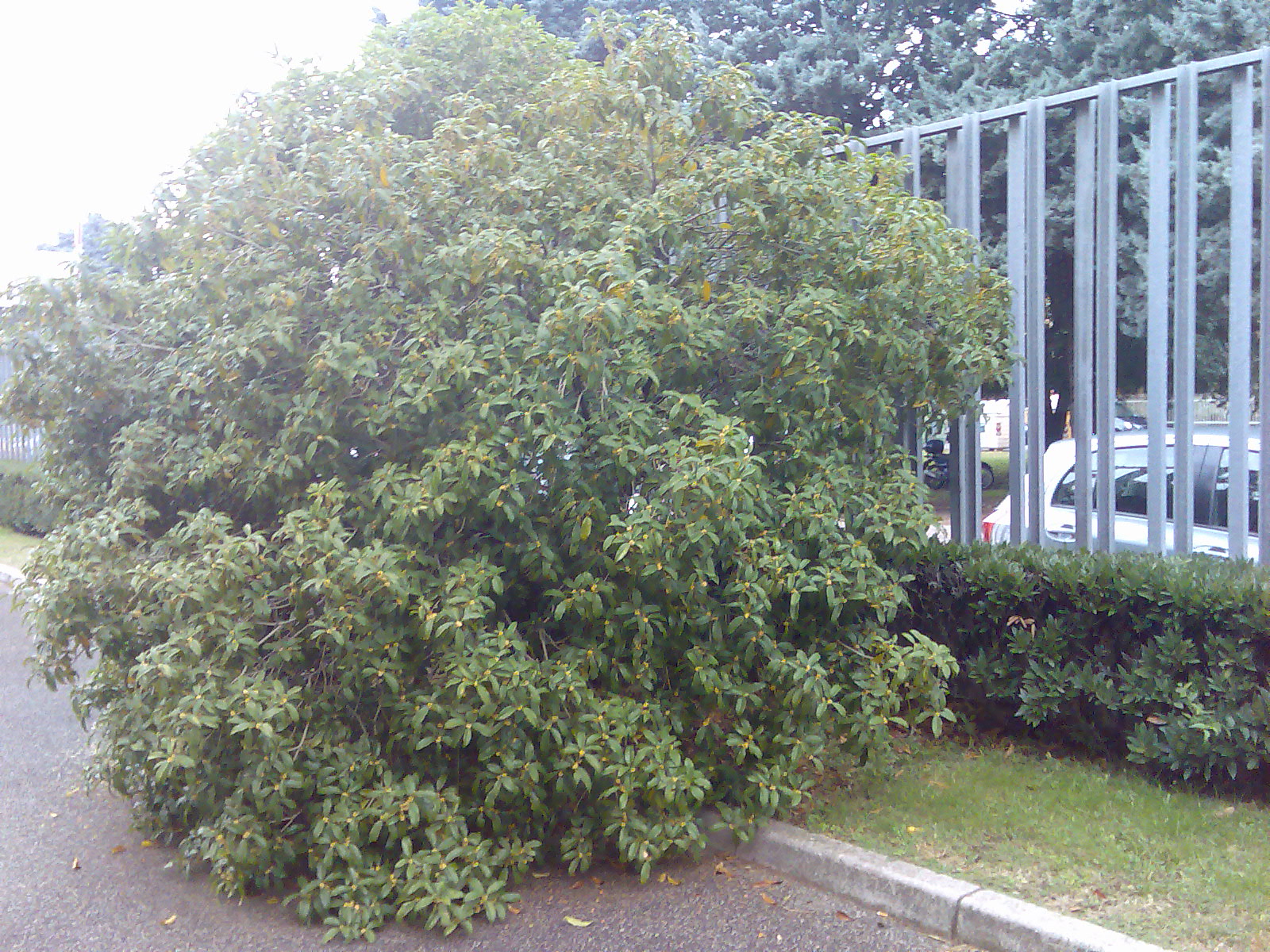
【形态】:乔木常呈灌木状,分枝性强,尤幼年明显,树冠圆球形。树皮粗糙,灰色不裂。芽叠生。
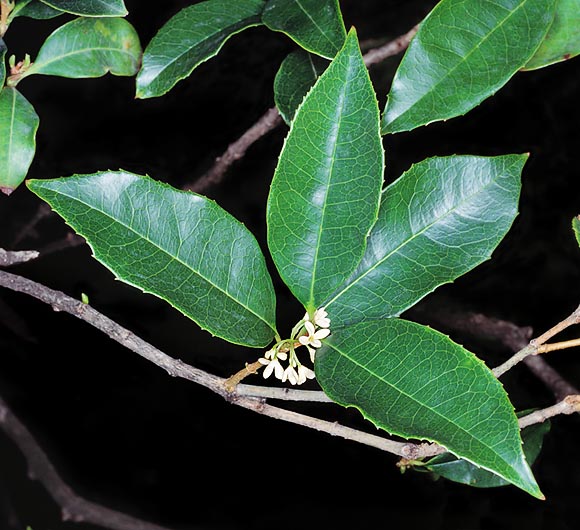
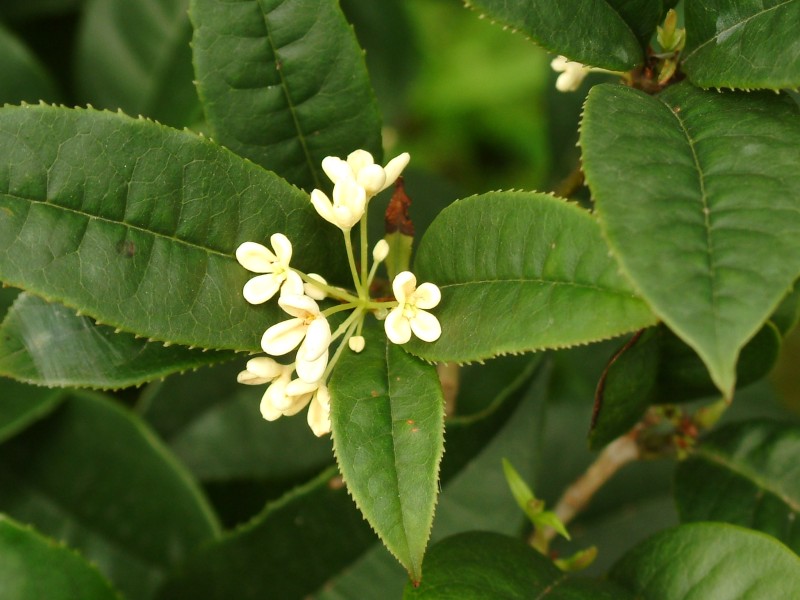
叶革质对生,多长椭圆形,长5~300px,端尖,基楔形,全缘或上半部有细锯齿。
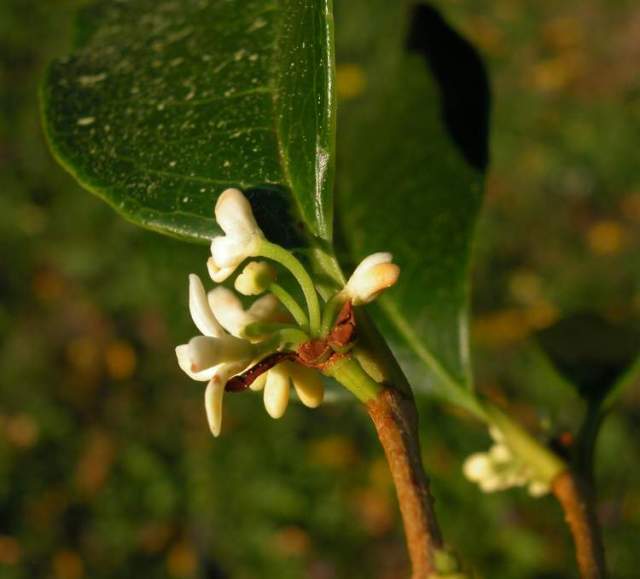
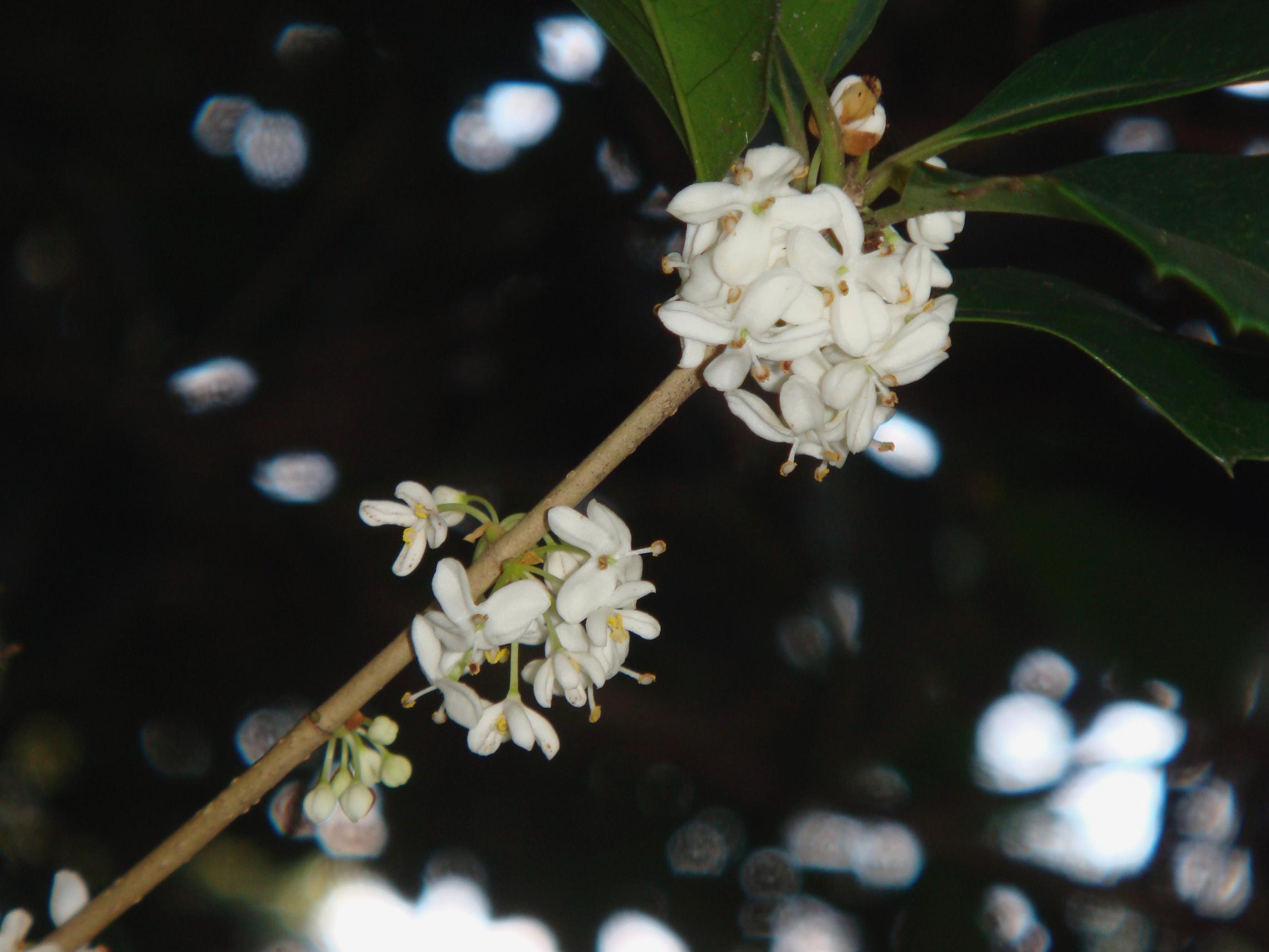
花小,簇生叶腋或聚伞状;多着生于当年枝,2、3年生枝上亦有,花冠裂至基部,有乳白、黄、橙红等色,香气极浓。
核果椭圆形,紫黑色。花期9~10月,翌年4~5月果熟。
Osmanthus fragrans, variously known as sweet osmanthus, sweet olive, tea olive, and fragrant olive, is a species native to Asia from the Himalayas through South China to Taiwan, southern Japan and Southeast Asia as far south as Cambodia and Thailand.
Osmanthus fragrans
Common Name(s): Fragrant Tea Olive、Sweet Osmanthus、Tea Olive
Description:
Fragrant tea olive is a broadleaf evergreen shrub with a dense habit in the Oleaceae (olive) family and native to Asia. This plant typically grows to a height of 10 to 20 feet and has extremely fragrant flowers that appear in the spring and sporadically (偶发地,零星地;)in the fall. The scientific name comes from the Greek words for fragrant (osme) and flower (anthos).
Plant this shrub in full sun to partial shade and in moist soils with good drainage. In southern climates afternoon shade is a must. Heavy clay soils are tolerated. Once established this plant is drought tolerant but be sure to supply supplemental watering in hot dry months. It responds well to pruning for shape, to be pruned into a tree or even espalier(墙树,墙式树木;). If you are in a cooler climate this plant can be grown in containers that are overwintered indoors or as a houseplant.
Plant it as a large specimen for open or lawn areas, use it as a screen or hedge plant, or place it at the back of a perennial border. It works well in Asian, country, or cottage gardens. Placing it near pathways, patios(露台,平台), or entrances ensures you can enjoy the delightful fragrance.
Insects, Diseases, and Other Plant Problems: Watch for aphids and scale. It is frost sensitive, and injury will affect flowering the following fall.


【分布】:产河北、甘肃及陕西,南至云南、福建、广东等地。日本、朝鲜也有。
【习性】:喜光;喜温暖,耐寒;抗旱;花期怕干旱风。生长较慢。
【繁殖】:播种、扦插、嫁接繁殖。
【用途】:流苏树花密优美、花形奇特、秀丽可爱,花期可达20天左右,是优美的观赏树种。栽植于安静休息区,或以常绿树衬托列植,都十分相宜。嫩叶代茶。
2.68.3女贞属Ligustrum L.
落叶或常绿,灌木或乔木。单叶,对生,全缘。花两性,顶生圆锥花序;花小,白色,花萼钟状,4裂;花冠筒4裂片;雄蕊2,着生于花冠筒上。核果浆果状,黑色或蓝黑色。中国是女贞属的分布中心,约38种,而全世界约50种。
分种检索表
1.小枝和花轴无毛……………………………………………………………………………女贞
1.小枝和花轴有柔毛或短粗毛………………………………………………………………2
2.花冠筒较裂片稍短或近等长…………………………………………………………………3
2.花冠筒较裂片长2~3倍………………………………………………………………水蜡树
3.常绿,小枝疏生短粗毛………………………………………………………………日本女贞
3.落叶或半常绿,小枝密生短柔毛……………………………………………………………4
4.花有柄;叶下面中脉有毛;花期早………………………………………………………小蜡
4.花无柄;叶下面无毛;花期晚………………………………………………………小叶女贞
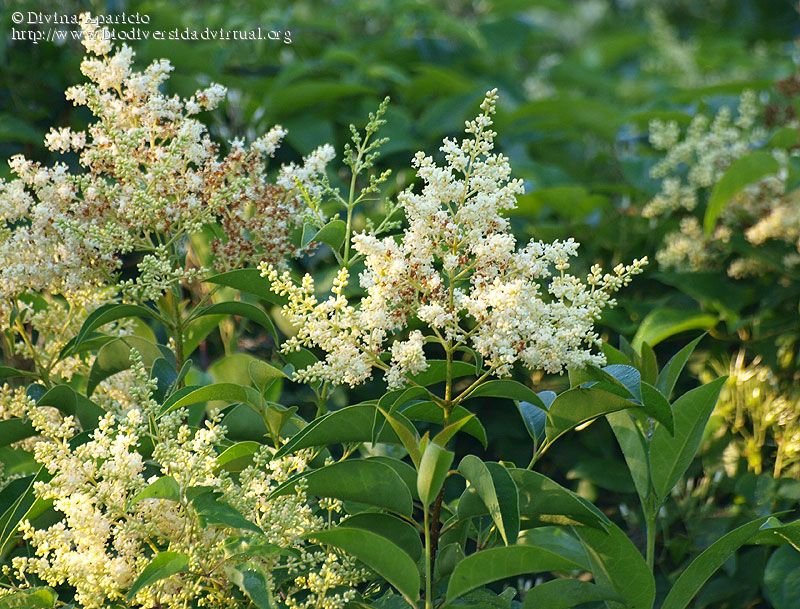
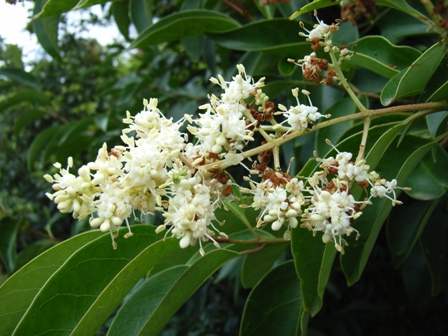
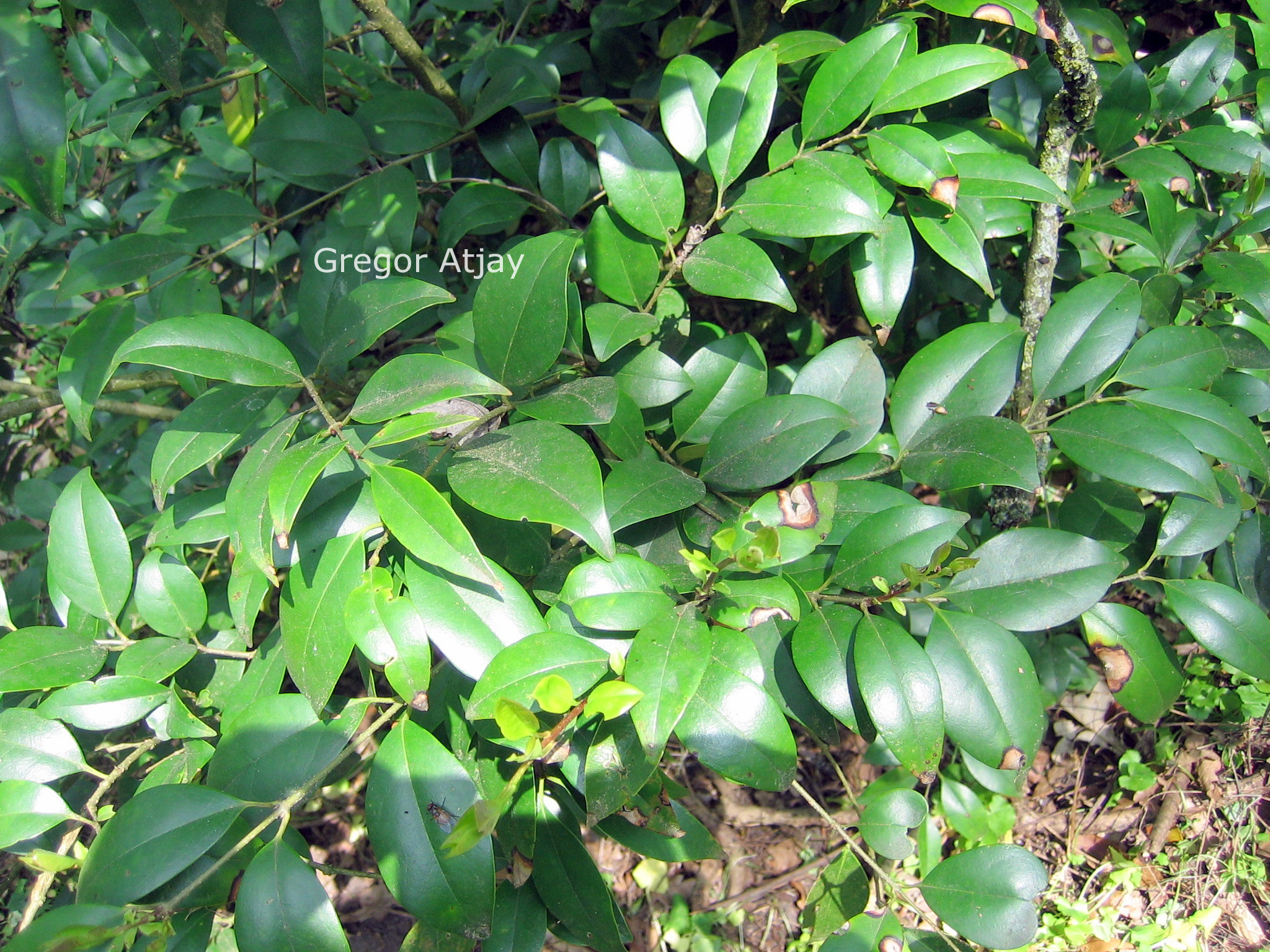
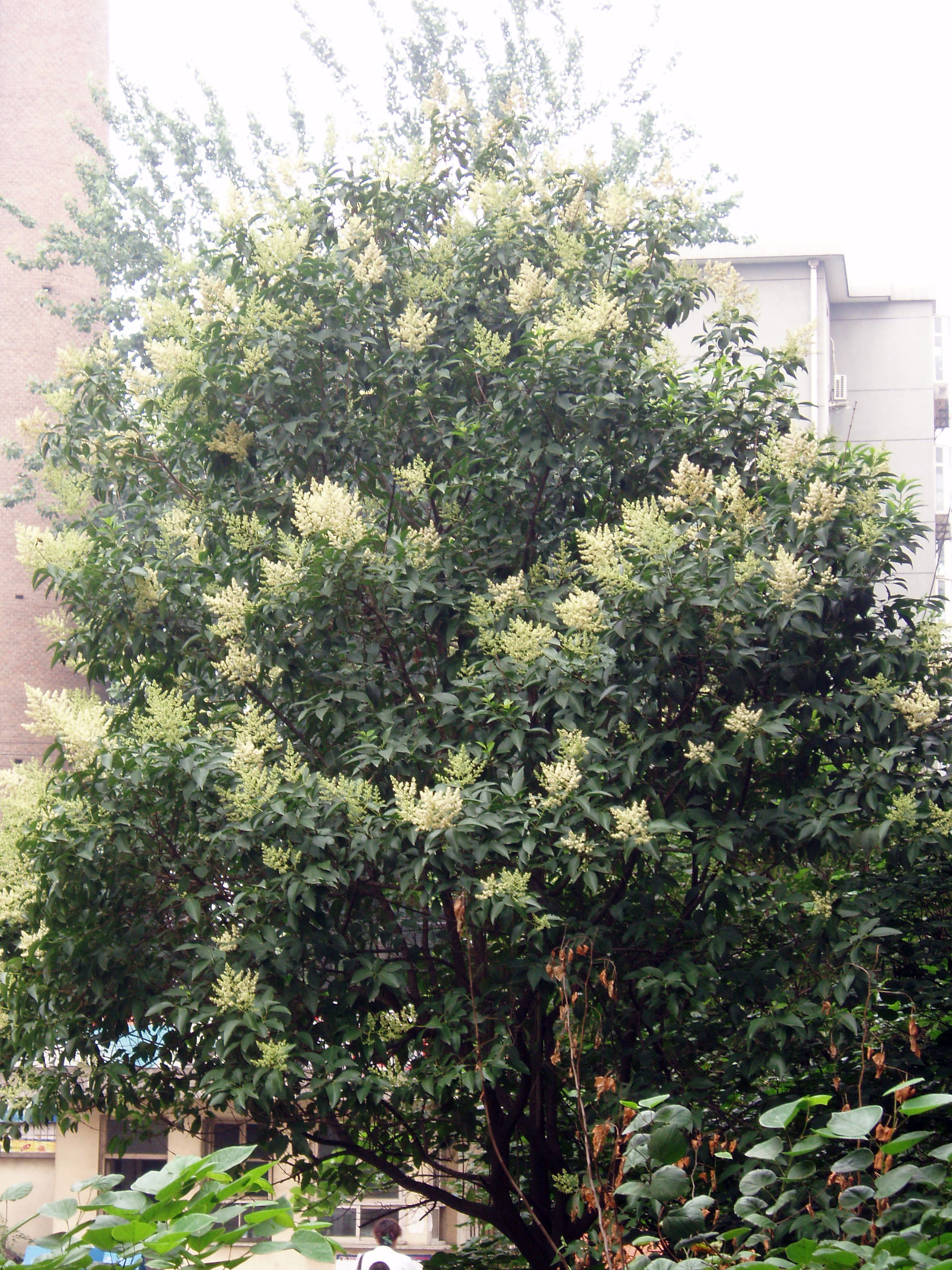
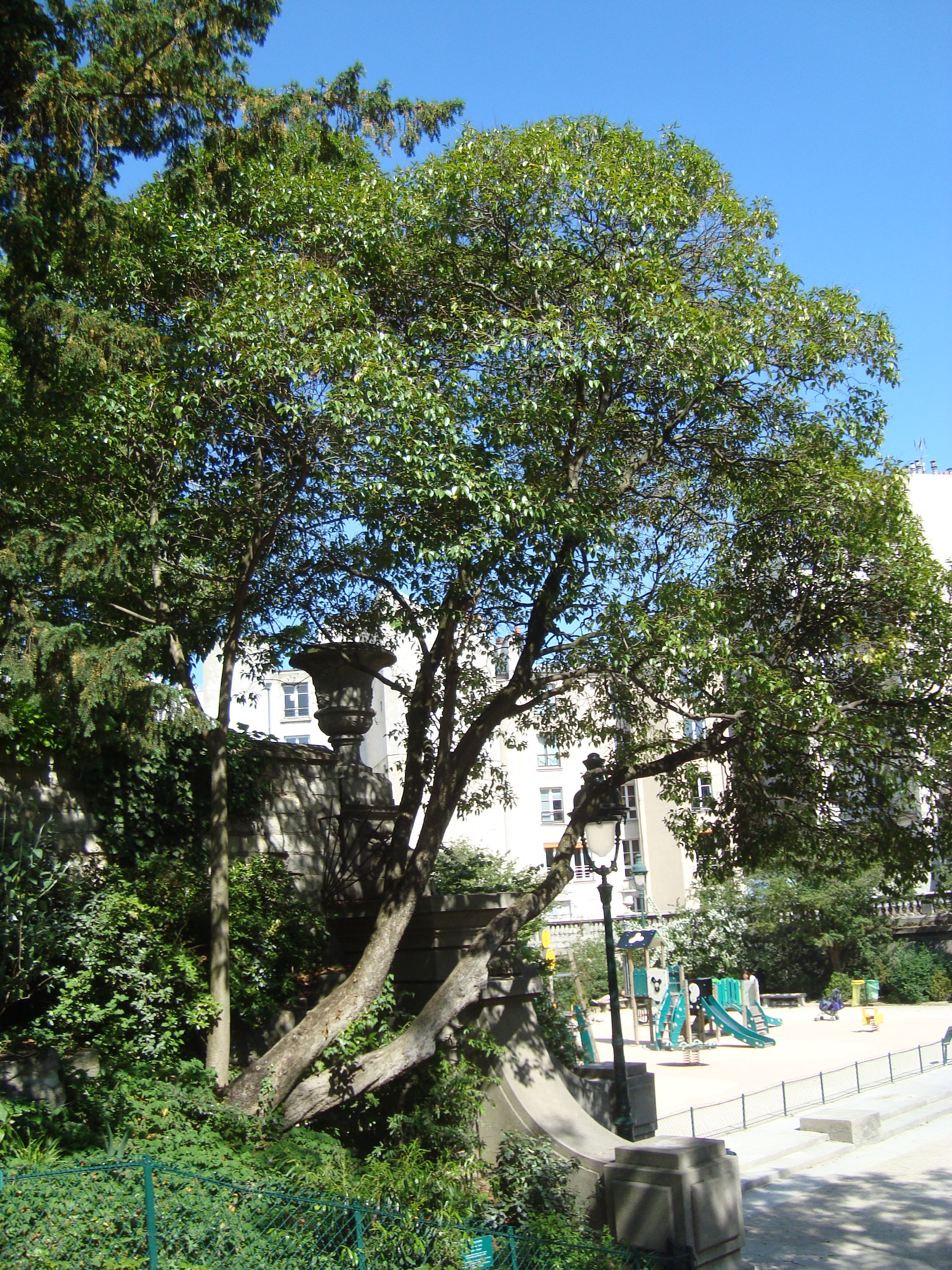
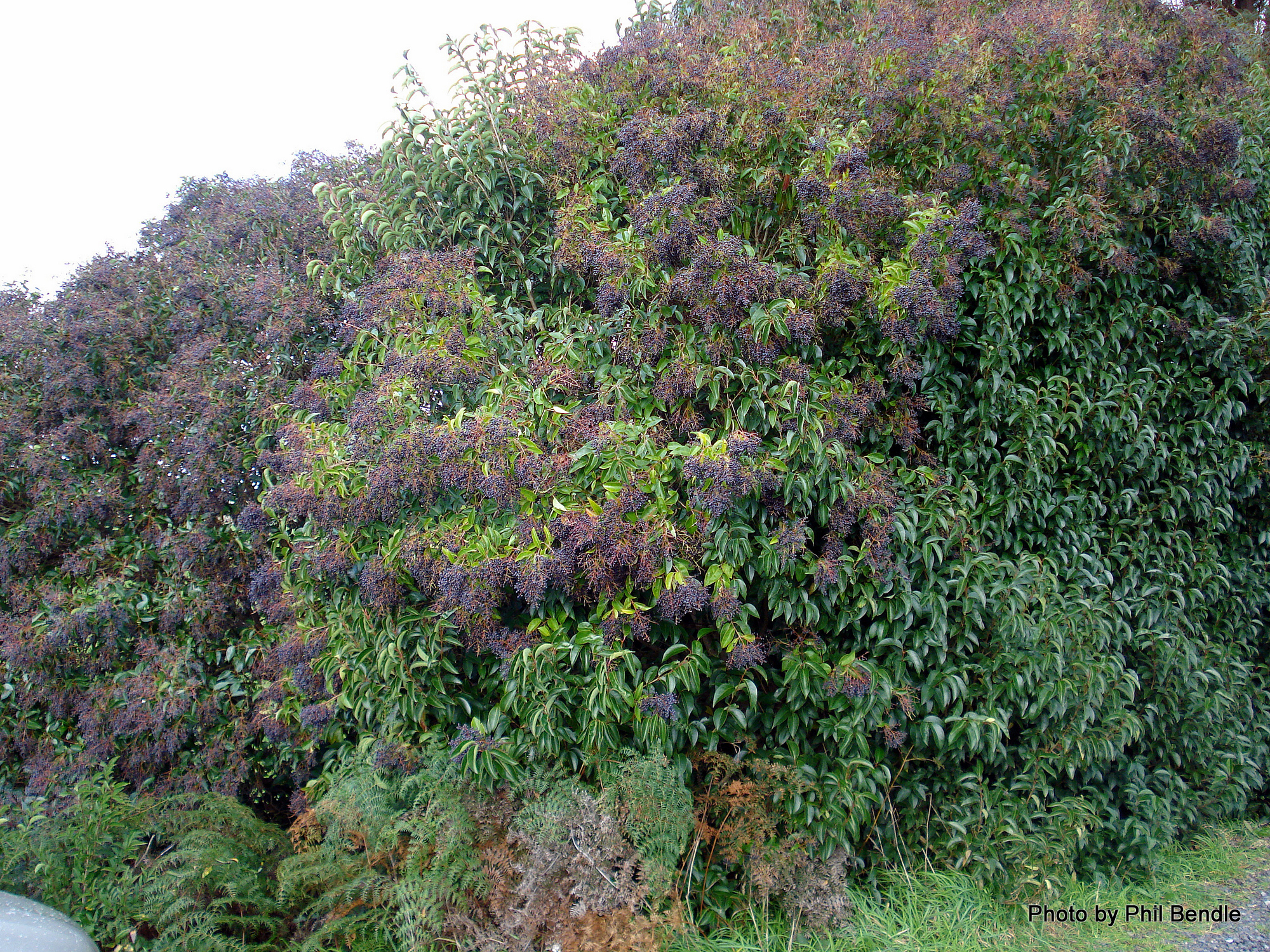
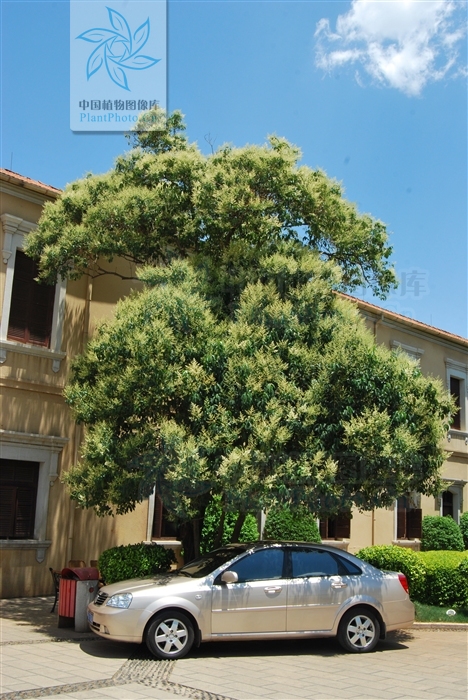
1.女贞(冬青、蜡树、大叶女贞、落叶女贞)Ligustrum lucidum Ait.
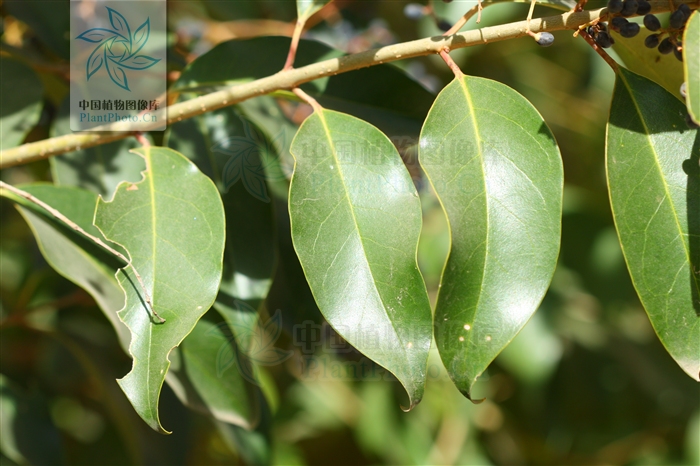
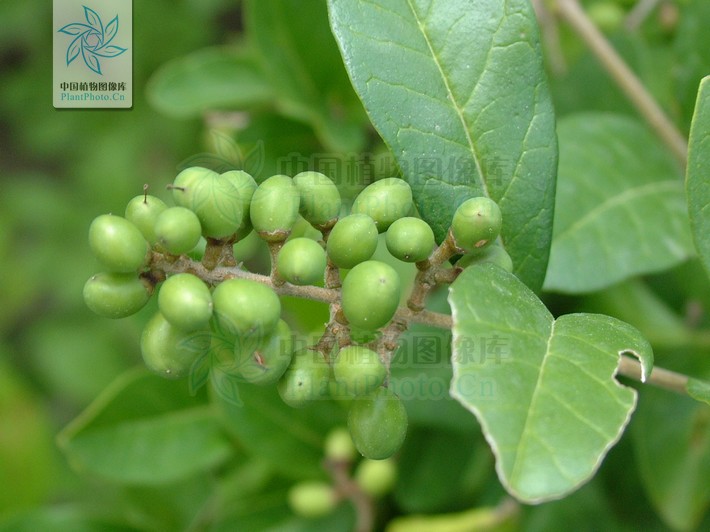
【形态】:常绿乔木,高10m。树皮灰色平滑,枝开展,具皮孔,全株无毛。单叶对生,革质而脆,宽卵形至卵状披针形,长6~300px,宽4~150px,全缘,表面深绿有光泽,侧脉5~8对;叶柄长1.5~50px。圆锥花序顶生,花白色,几无柄,花萼钟形,花冠裂片与花冠筒近等长,4裂;雄蕊2枚,着生于花冠喉部,花丝与冠檐裂片等长;子房上位,2室,柱头2裂。浆果状核果长圆形,长6~8mm,蓝黑色。花期6~7月,果期10~11月。
【分布】:产长江流域及以南各省区。甘肃南部及华北南部多有栽培。
【习性】:喜光,稍耐阴;喜温暖湿润气候,稍耐寒;不耐干旱瘠薄,适应性强。根系发达,生长快,萌芽力强,耐修剪。抗氯气、二氧化硫和氟化氢。
【繁殖】:播种、扦插繁殖。
【用途】:女贞枝叶清秀,终年常绿,夏日满树白花,又适应城市气候环境,是长江流域常见的绿化树种。常栽于庭园观赏,广泛栽植于街坊、宅院,或作园路树,或修剪作绿篱用;可作为工矿区的抗污染树种。果、树皮、根、叶人药;木材可为细木工用材。
Ligustrum lucidum, the broad-leaf privet(女贞), Chinese privet glossy privet, tree privet or wax-leaf privet, is a species of flowering plant in the olive family Oleaceae, native to the southern half of China and naturalized in many places. The name "Chinese privet" is also used for Ligustrum sinense.
Ligustrum lucidum
Common Name(s): Glossy Privet、Tall-glossy Privet、Waxleaf Privet
This plant has medium severity poison characteristics.
This plant is an invasive species in North Carolina
Description
This plant is problematic and alternatives should be considered. Please see the suggestions in the left-hand column.
Glossy privet is an open, leggy, large shrub or small tree in the Oleaceae (olive) family that can grow up to 50' tall.
This shrub is drought-tolerant, is often used as a screening plant, and tolerates severe pruning. It is also tolerant of drought, dry conditions, and alkaline soils. It is not as cold-hardy as Ligustrum japonicum.
This plant blooms in late spring to early summer, 2-3 weeks later than Ligustrum japonicum. Flowers are very pungent(辛辣的; 刺激性的) and may induce asthma(气喘,哮喘;) in some people. Fruits are enjoyed by birds and add to the spread of the plant so prune off flowers before they set fruit.
Quick ID Hints:
Leaves are opposite with an opaque(不透明的; 无光泽的) rim along margins
6-8 lateral veins sunken on the undersurface
Terminal panicles(囊泡) with persistent dark fruit
Insects, Diseases, and Other Plant Problems: Whiteflies, Japanese and ligustrum weevils, white peach scale, and privet rust mites are common insect problems. Anthracnose, twig blight, cankers, powdery mildew, root rot are common disease problems. Susceptible to copper deficiency. It can be weedy in disturbed areas has escaped and naturalized in moist areas and it is considered invasive in California and Florida. The berries produced by this plant are toxic. Dogs can be adversely affected by eating the berries or leaves of privet.

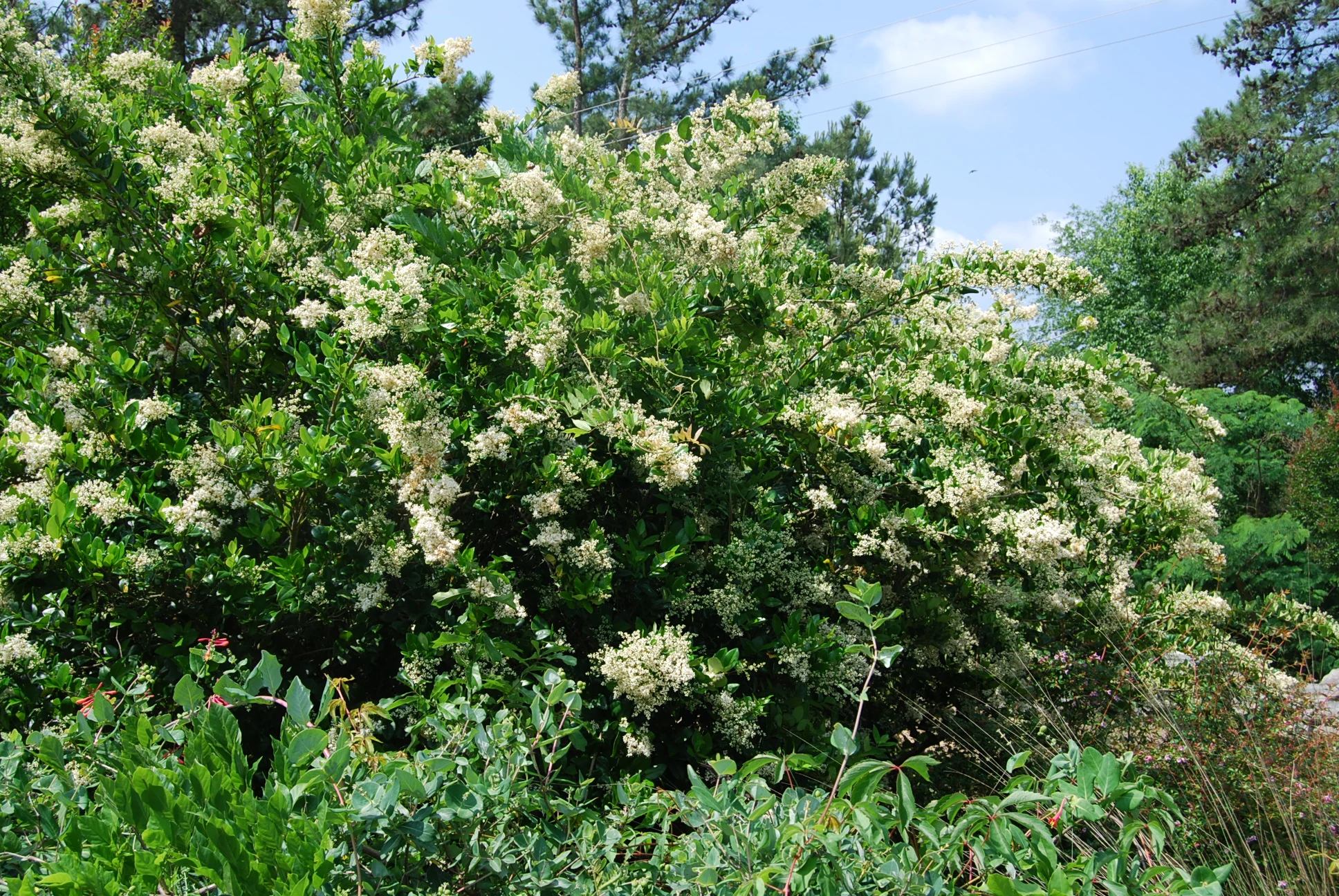
2.日本女贞Ligustrum japonicum Thunb.
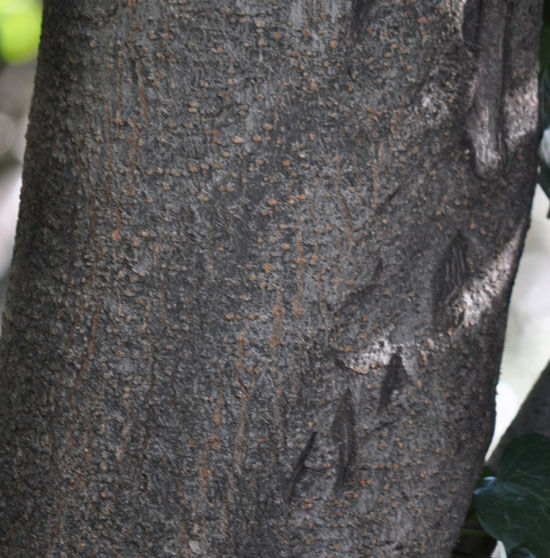
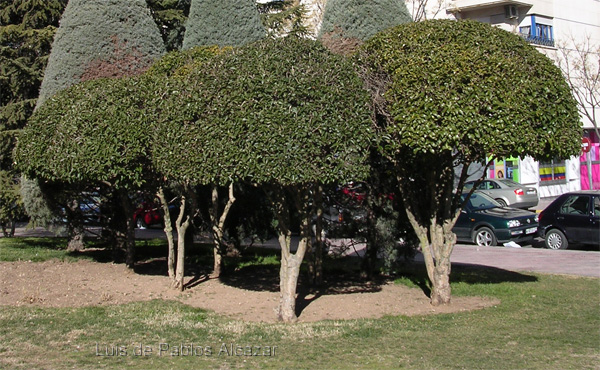
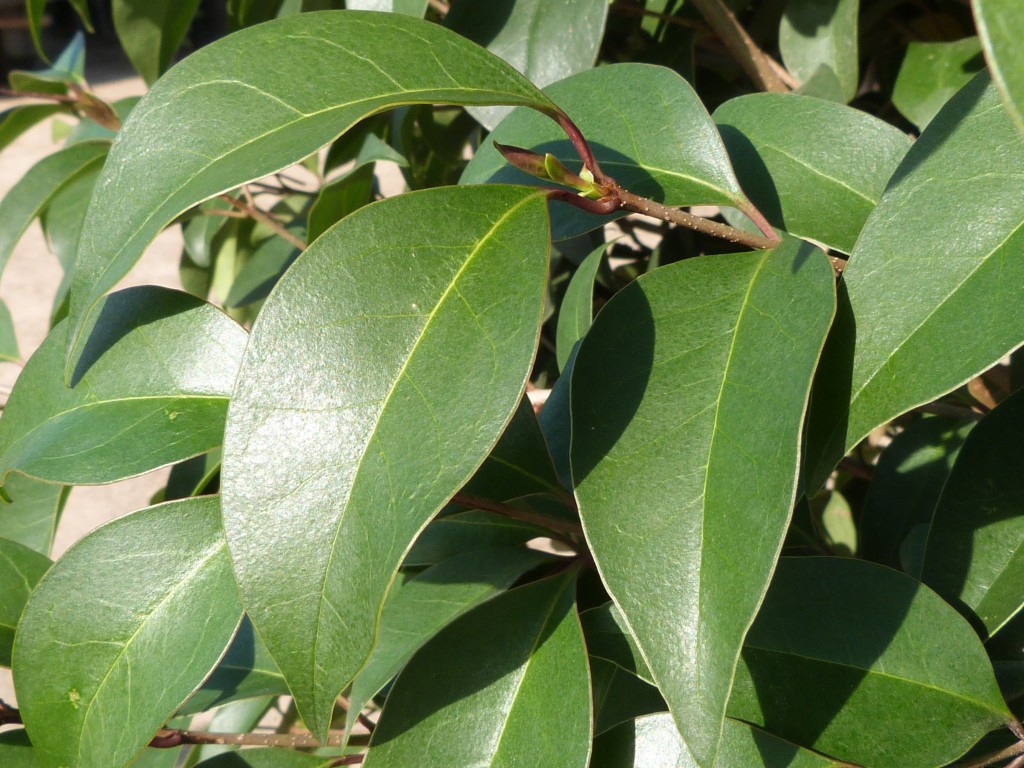
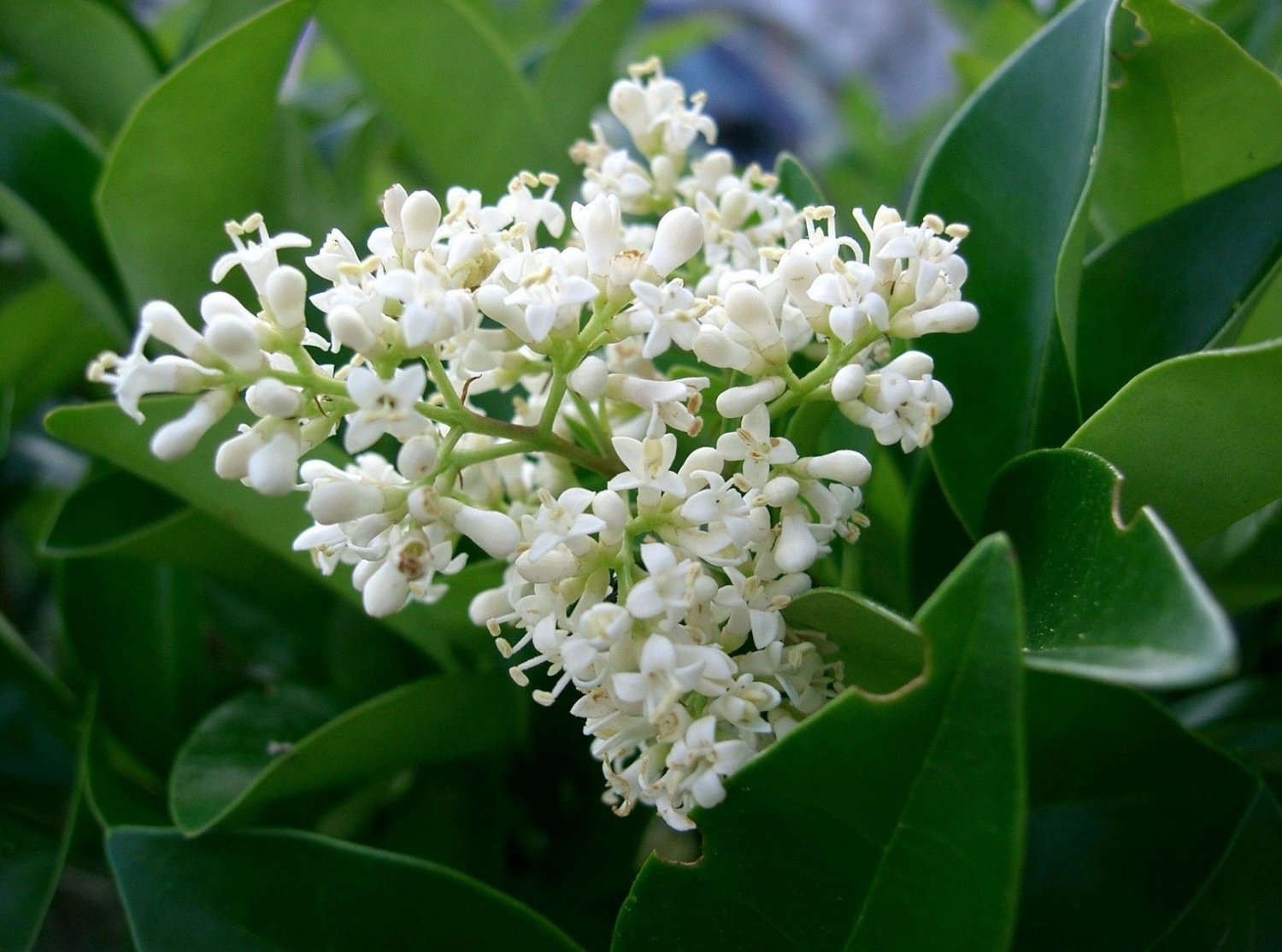
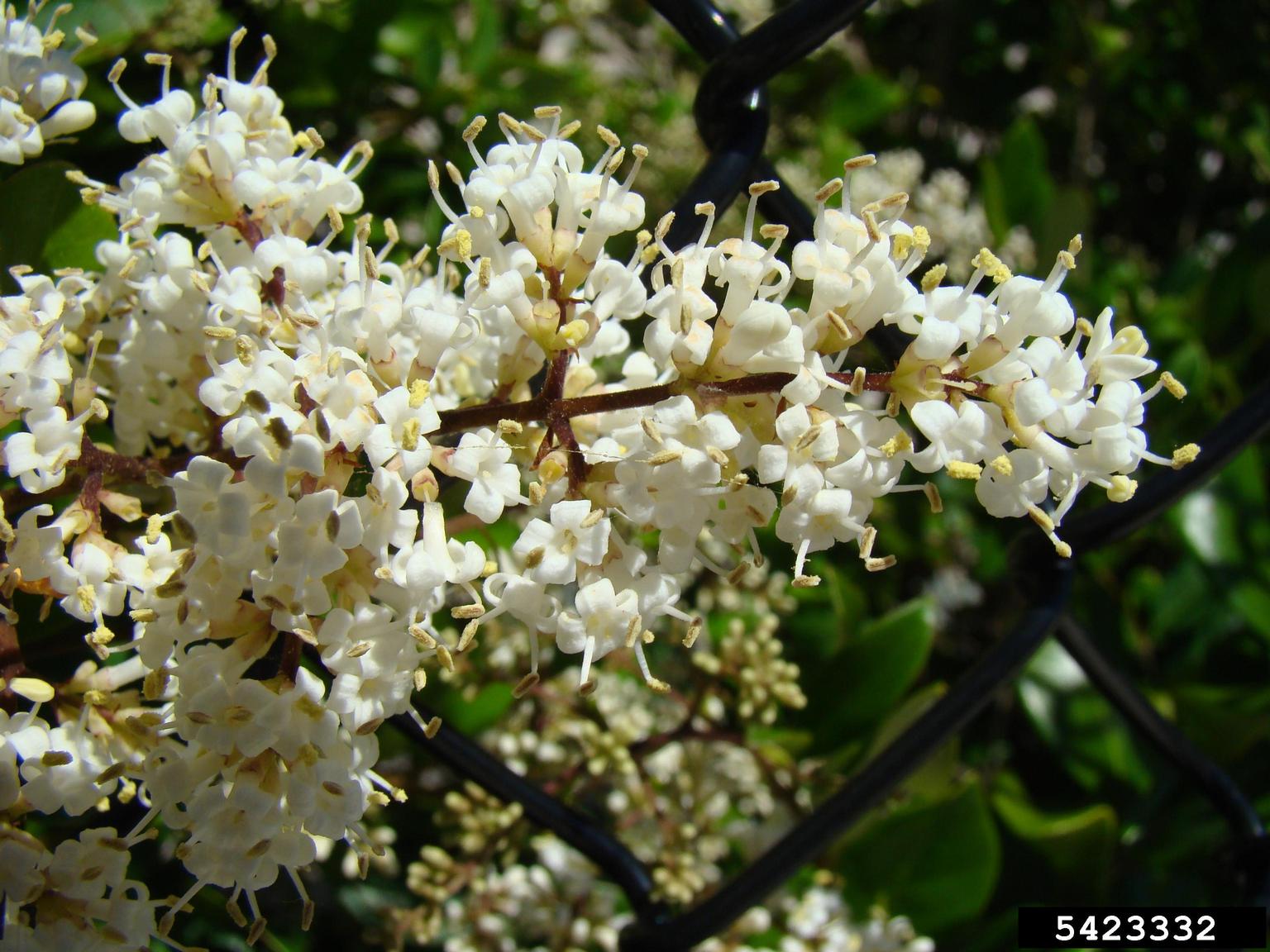
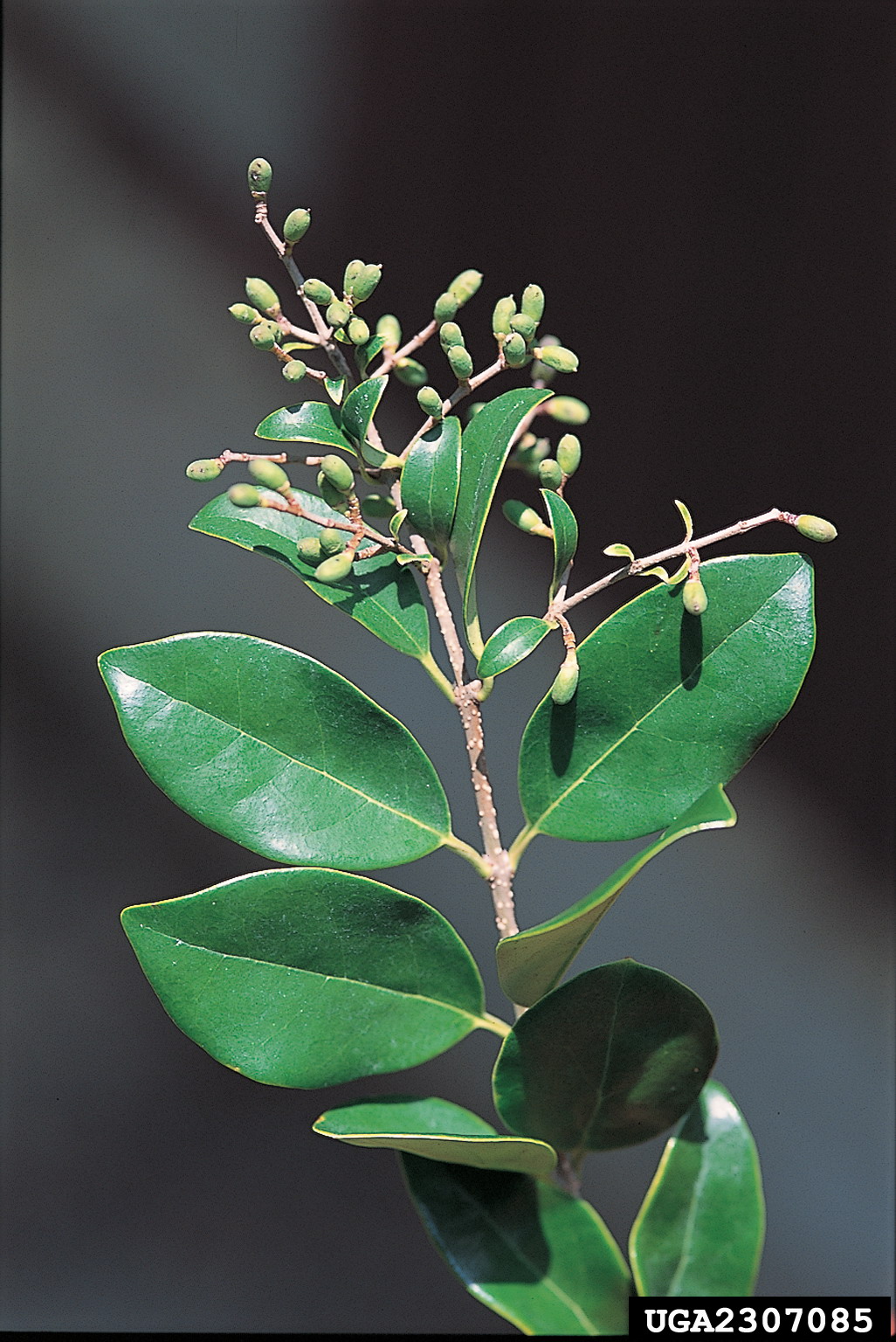
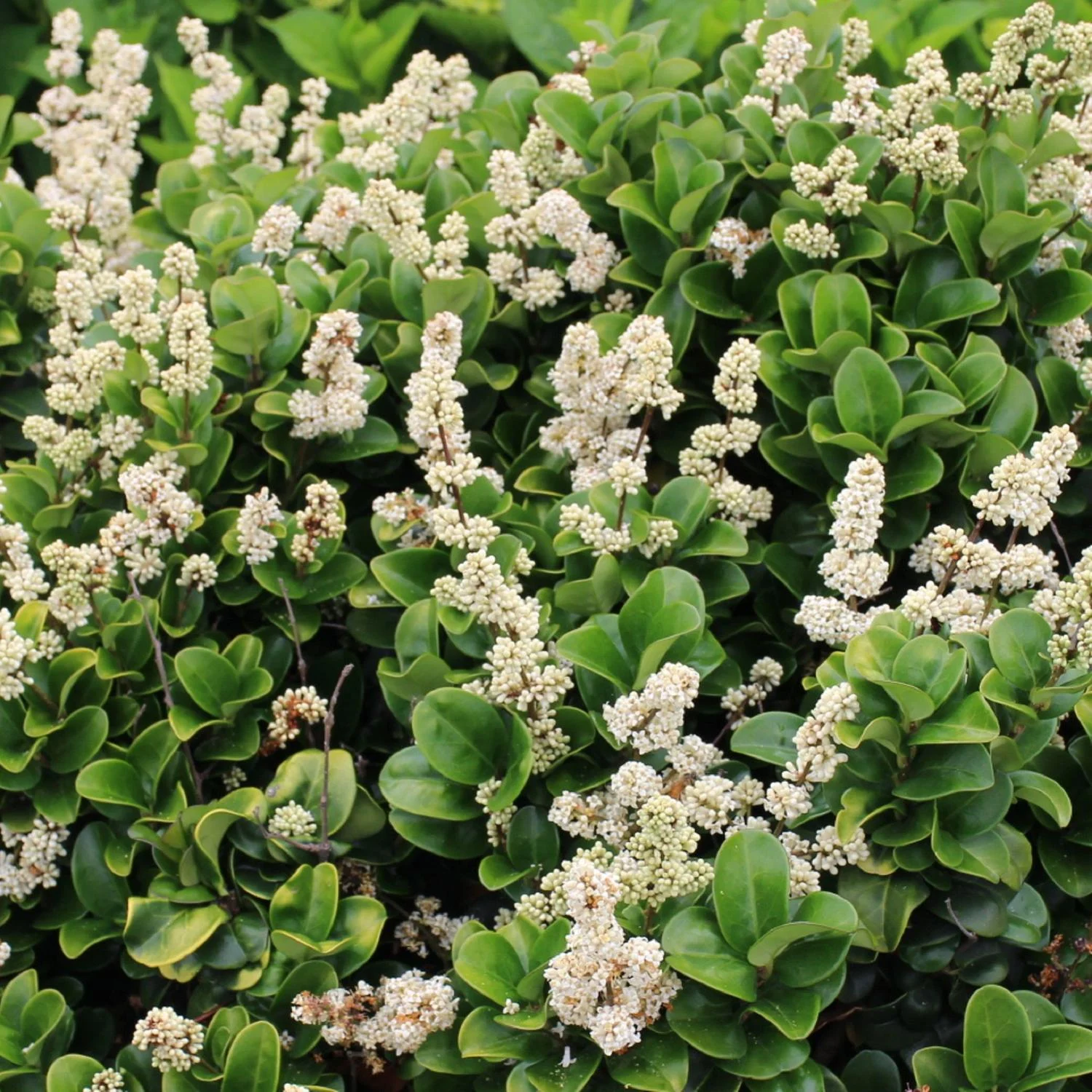
【形态】:常绿灌木或小乔木。嫩枝有柔毛,皮孔明显。叶革质对生,椭圆形或宽卵状椭圆形,长3~200px,宽3~125px,两面无毛,4~7对侧脉两面凸起;叶柄长6~12mm。顶生圆锥花序长8~375px;花梗极短,花萼钟形,先端截形或不规则齿裂,长约为花冠筒的一半;花冠白色,冠筒长3~3.5mm,檐部4裂,裂片长圆形,较冠筒略短或近等长:雄蕊2,伸出花冠筒外。核果椭圆形或长圆形,长7~250px,熟时黑色;种子1。花期6月,果期11月。
【分布】:原产日本。青岛等国内城市有栽培。
【习性】:性喜温暖、潮湿环境。耐盐、抗风、耐旱、耐寒,尚耐阴。
【繁殖】:种子繁殖或扦插繁殖。
【用途】:绿篱、行道树、庭园美化;可单植、列植、丛植。为良好的庭园观赏树种。
Ligustrum japonicum, known as wax-leaf privet or Japanese privet is a species of Ligustrum native to central and southern Japan and Korea. It is widely cultivated in other regions, and is naturalized in California and in the southeastern United States from Texas to Virginia.
Ligustrum japonicum
Common Name(s): AmurCommon Privet、Curlyleaf Ligustrum、Japanese Privet、Privet、Wax-leaf Privet
This plant has medium severity poison characteristics.
This plant is an invasive species in North Carolina
Description
This plant is problematic and alternatives should be considered. Please see the suggestions in the left-hand column.
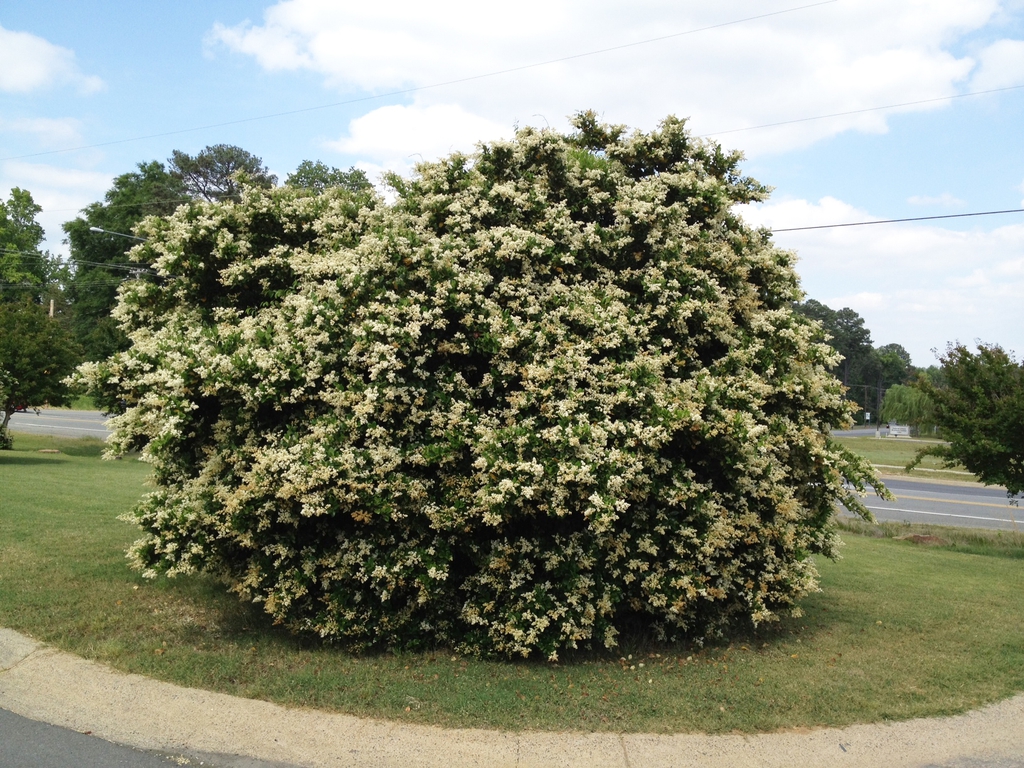
Japanese Privet is a large evergreen shrub or small tree in the Oleaceae (olive) family native to eastern Asia. Japanese privet is weedy in disturbed areas around buildings and has escaped and naturalized in moist areas.
It grows rapidly up to 12 feet tall and 6 feet wide in the sun to partial shade. It is dense and upright, drought and salt spray tolerant, can tolerate being pruned heavily, and grows in a range of soil conditions (except constantly wet). It flowers in late spring with four parted flowers and has an odor that is offensive to many people. It has lustrous, dark green foliage and is frequently planted around buildings and pruned to a "giant meatball" shape or small tree. The bark on the stems has distinct lenicles.
It works in the landscape as an evergreen ornamental shrub, however, it does not work well as a foundation plant. It is tolerant of alkaline soils, pollution, shade, dry conditions, and it is cold hardy.
Quick ID Hints:
Leaves are opposite, evergreen, entire, and coriaceous
4-5 pairs of lateral veins are raised under leaves
Twigs are profusely dotted with large gray lenticels




3.小叶女贞(小白蜡树)Ligustrum quihoui Carr.
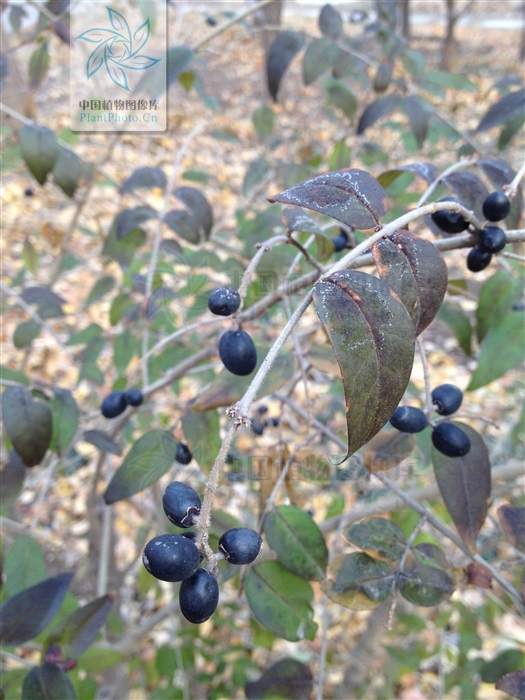
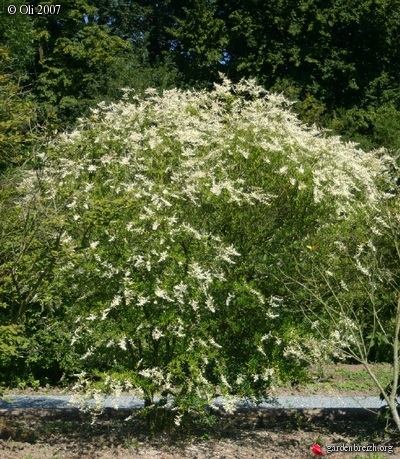
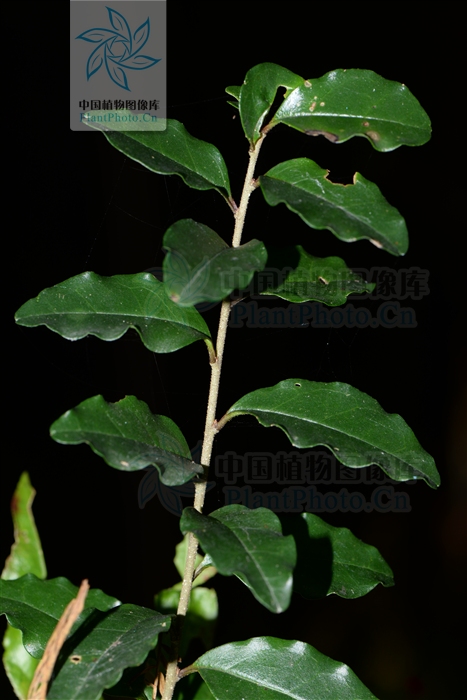
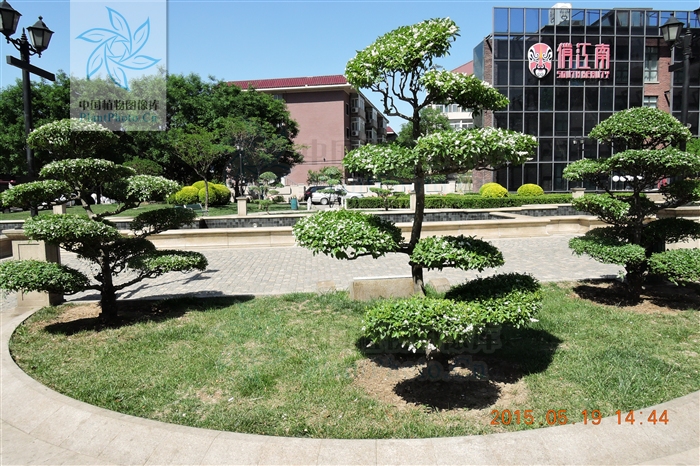
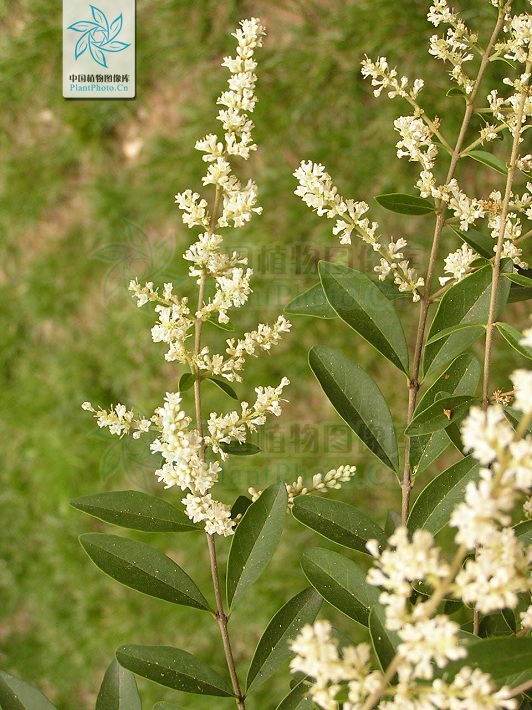
【形态】:半常绿灌木。小枝开展,短柔毛疏生后脱落。叶薄革质,椭圆形或倒卵状长圆形,变化较大,长1.5~125px,先端尖、钝或略呈凹头,基部楔形,全缘略反卷,两面无毛;叶柄长2~4mm,有短柔毛或无毛。顶生圆锥花序,长7~500px,有短柔毛,苞片叶状,向上渐小;花白色,芳香,有短花梗或无梗,花萼钟形4裂;花冠4裂,裂片与花冠筒近等长;雄蕊2外露。核果近球形,径4~175px,熟时紫黑色。花期7~8月,果期1o~11月。蓇葖
【分布】:产中国中部、东部和西南部,分布于陕西、河南、江苏、安徽、浙江、湖北、四川、贵州、云南、西藏等省区。
【习性】:喜光,稍耐阴;较耐寒,北京可露地栽植。对二氧化硫、氯气、氟化氢、氯化氢、二氧化碳等有毒气体抗性均强。性强健,萌枝力强,叶再生能力强,耐修剪。
【繁殖】:播种、扦插繁殖。
【用途】:园林中主要作绿篱栽植;其枝叶紧密、圆整,庭园中常栽植观赏;抗多种有毒气体,是优良的抗污染树种。叶及树皮可药用,治烫伤,并有清热解毒的功效。抗二氧化硫性能较强,可作工矿区绿化树种。
Ligustrum quihoui, or waxyleaf privet, is a shrub native to Korea and China. As with some other members of the genus, L. quihoui is cultivated as an ornamental in many places and has become naturalized and invasive in urban areas and scattered forested locales of the southeastern United States.
A rounded, deciduous bush of thin, diffuse, but elegant habit, 6 to 10 ft high; branches thin, wiry, rather rigid, covered with a darkish minute down when young. Leaves 1 to 11⁄2 in. long, one-third to half as wide, oval or obovate, tapering to a short stalk at the base, often bluntish at the apex, glabrous on both surfaces, but minutely downy on the stalk. Flowers white, fragrant, produced in September and October in slender downy panicles, 4 to 8 in. long, 11⁄2 to 3 in. in diameter. Fruits ovoid, shining, purplish. Bot. Mag., t. 9209.
Native of China; introduced to France about 1862. The habit of flowering so late in the season gives this species a special value in the garden, for it is one of the prettiest and most elegant of privets in bloom. Its flowers do not always open if September be dull and cold, but it deserves to be more extensively grown. The specific name was given in compliment (赞美,恭维; 致意,祝贺)to M. Quihou, once superintendent (主管,负责人)of the Jardin d’Acclimatation at Paris.


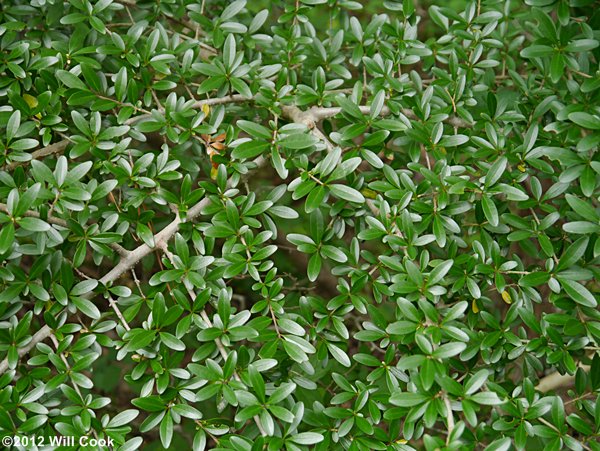

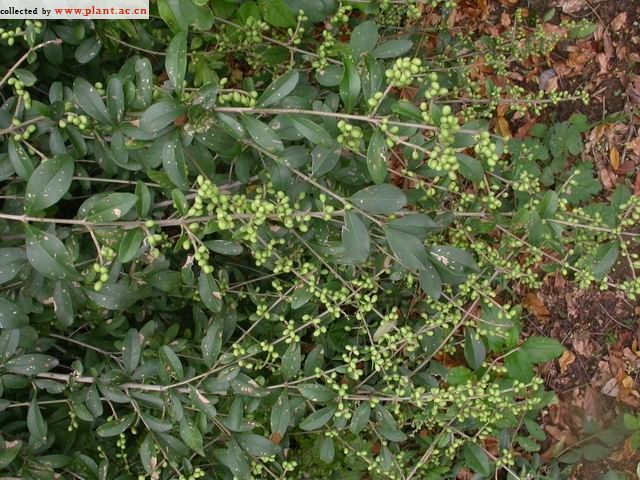
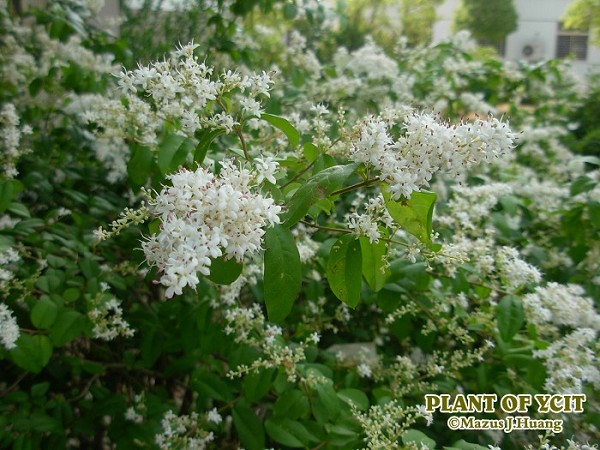
4.小蜡树Ligustrum sinensis ur.
通用名:小蜡(Ligustrum sinense Lour.)
俗名:山指甲、花叶女贞
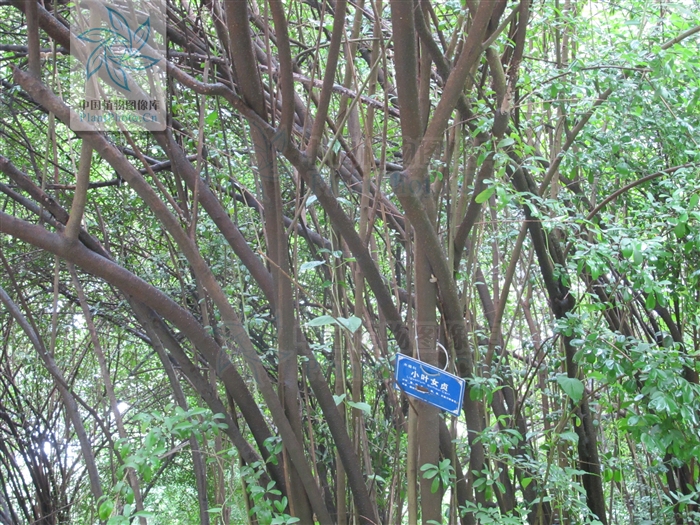
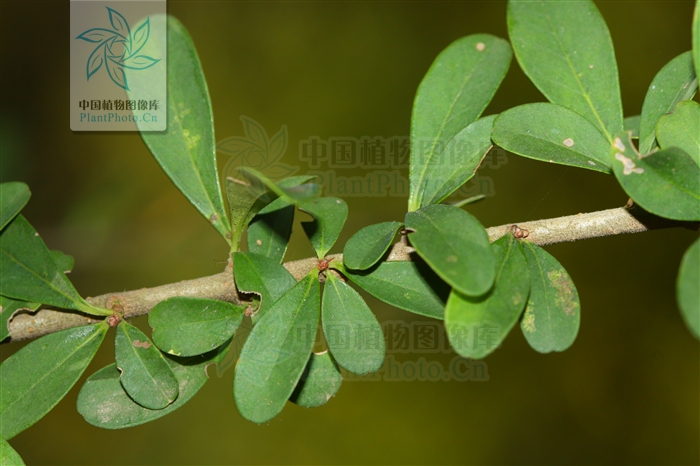
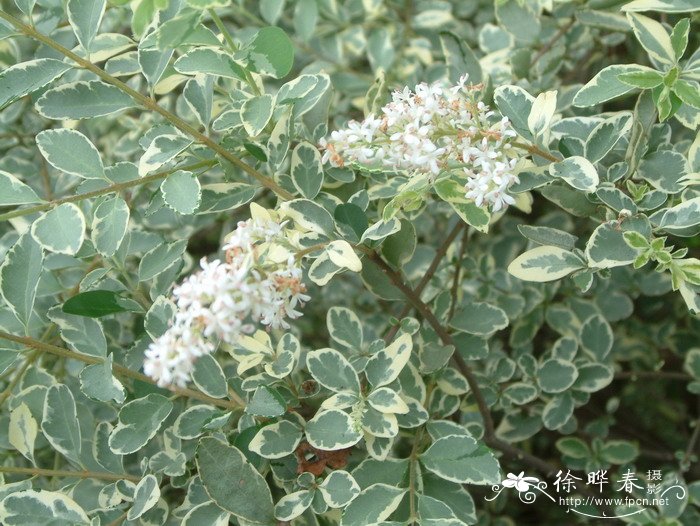
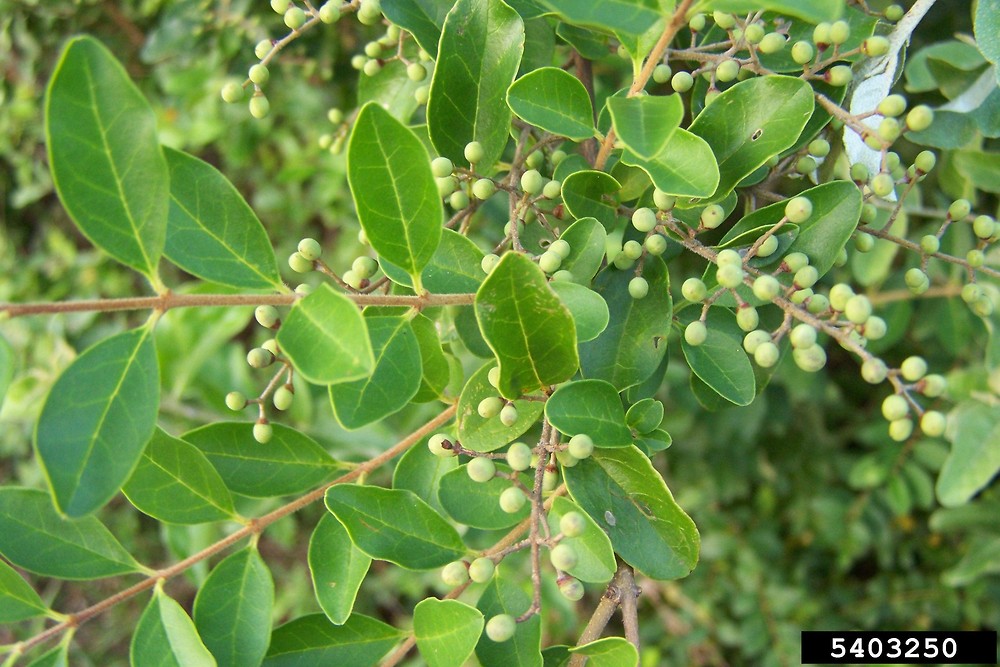
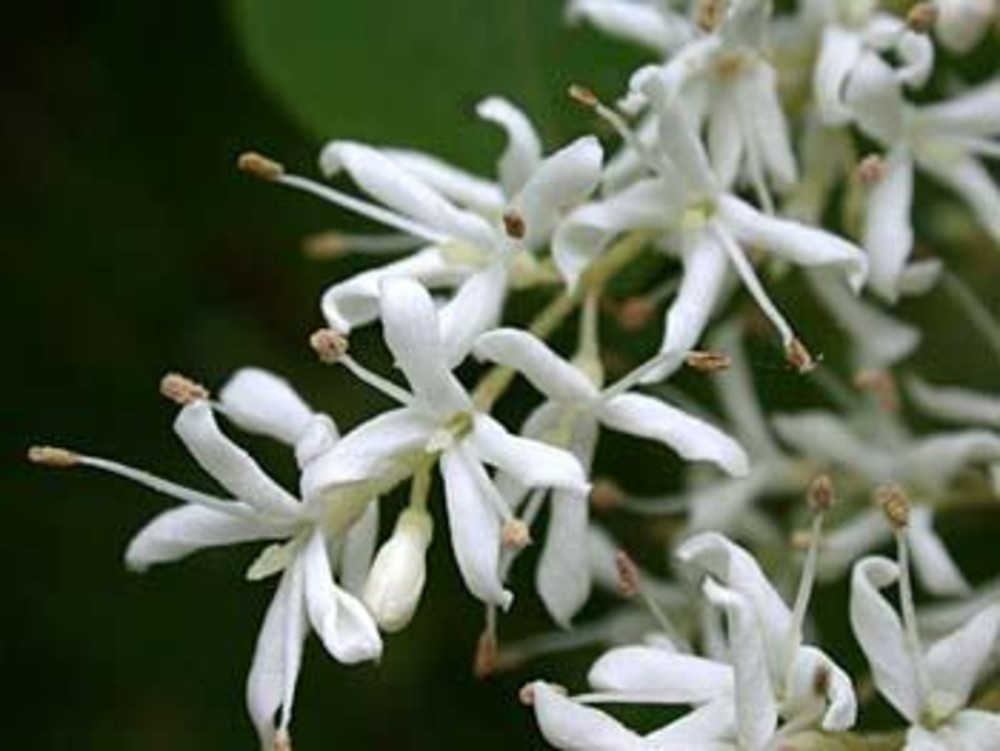
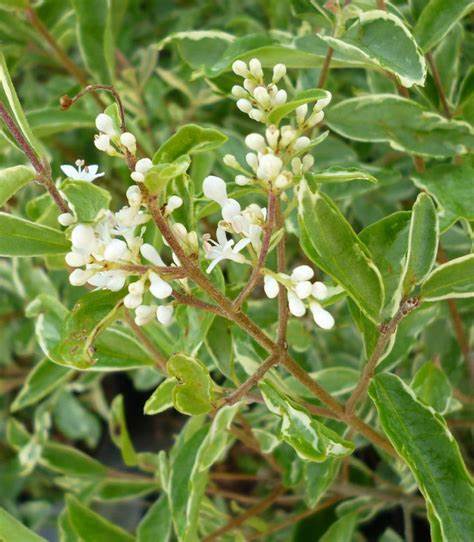
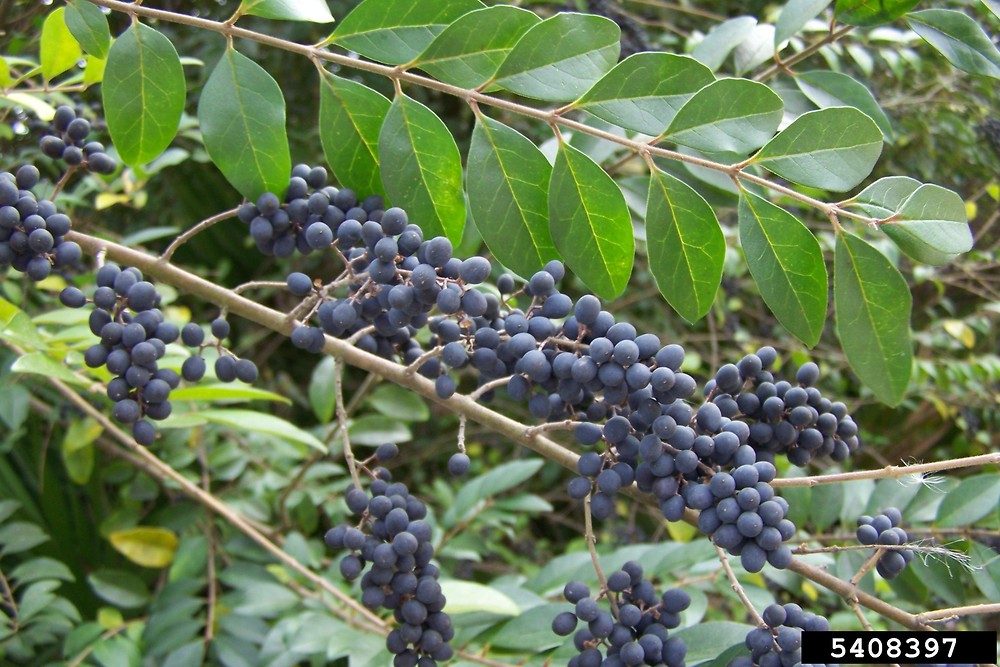
【形态】:半常绿灌木或小乔木,小枝开展,密生短柔毛。叶薄革质椭圆形,长2~175px,宽1~75px,基阔楔形或圆形,叶背、叶柄有短柔毛,特别是背面沿中脉有短柔毛,侧脉近叶缘处连结;叶柄长5mm。圆锥花序长4~250px,顶生或腋生,花序轴有短柔毛;花白色,芳香,花梗细而明显,花冠4裂,裂片长圆形长于筒部;花萼钟形无毛,先端截形或呈浅波状齿;雄蕊2外露。核果近球形,径150px,熟时黑色。花期4~5月,果期9~12月。
【变种】:红药小蜡var.mu1tif1orum Bean.,与原种的主要区别是花药红色。济南、泰安、青岛有栽培。
【分布】:国内分布于长江以南各省区。
【习性】:喜光,稍耐荫;较耐寒,北京小气候良好地区能露地栽植。抗二氧化硫等多种有毒气体。耐修剪。
【繁殖】:播种、扦插繁殖。
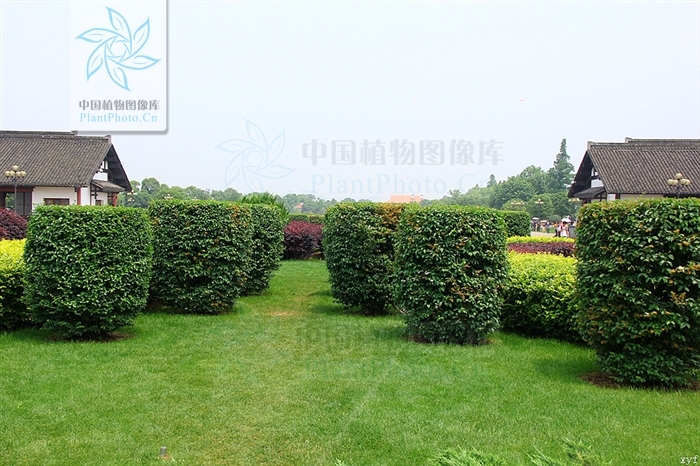
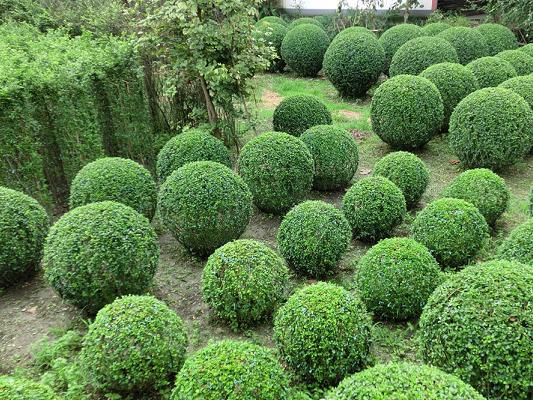
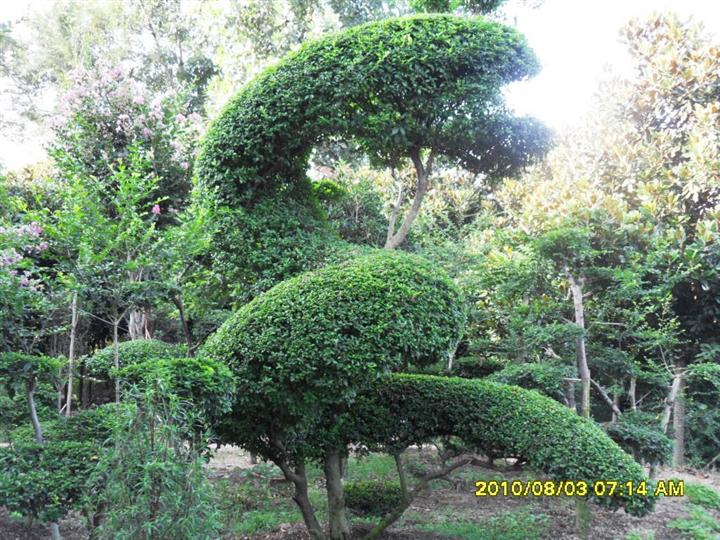
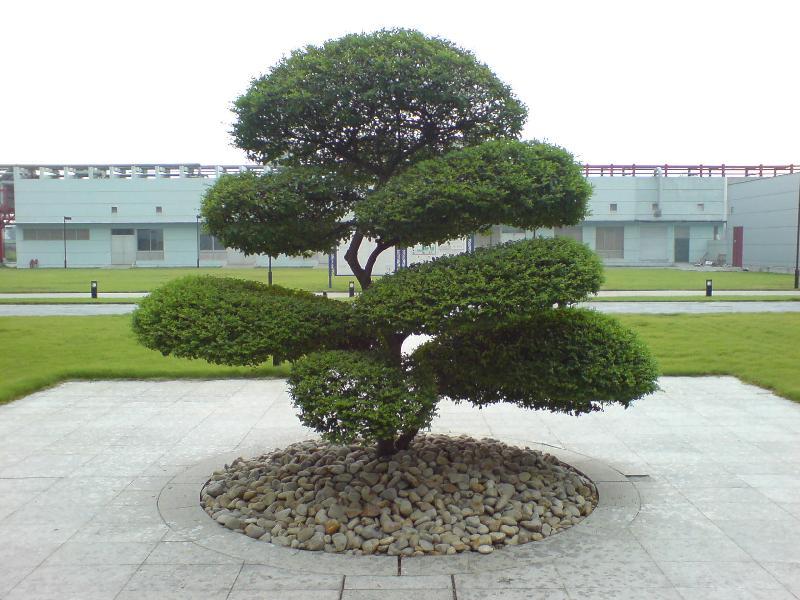
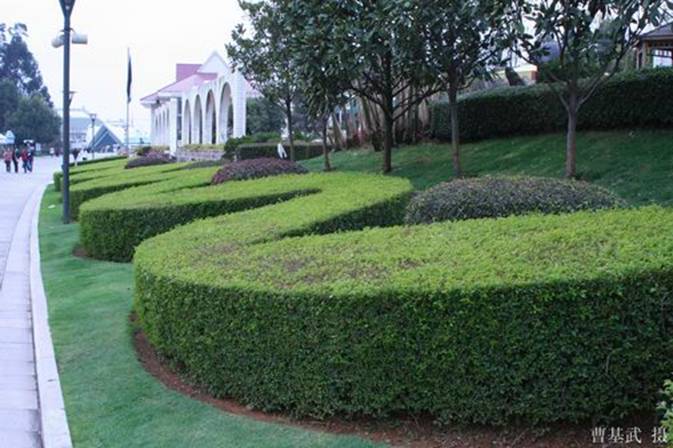
【用途】:常植于庭园观赏,丛植林缘、池边、石旁都可;规则式园林中常可修剪成长、方、圆等几何形体;也常栽植于工矿区;其干老根古,虬曲多姿,宜作树桩盆景;江南常作绿篱应用。嫩叶代茶;茎皮可制人造棉;果可酿酒;树皮和叶药用,有清热降火等功效。
Ligustrum sinense is a species of privet native to China, Taiwan and Vietnam, and naturalized in Réunion, the Andaman Islands, Norfolk Island, Costa Rica, Honduras, Panamá and much of the eastern and southern United States. The name "Chinese privet" may also refer to Ligustrum lucidum.
Ligustrum sinense
Common Name(s): Chinese Privet、Common Privet
This plant has medium severity poison characteristics.
This plant is an invasive species in North Carolina
Description
This plant is problematic and alternatives should be considered. Please see the suggestions in the left-hand column.
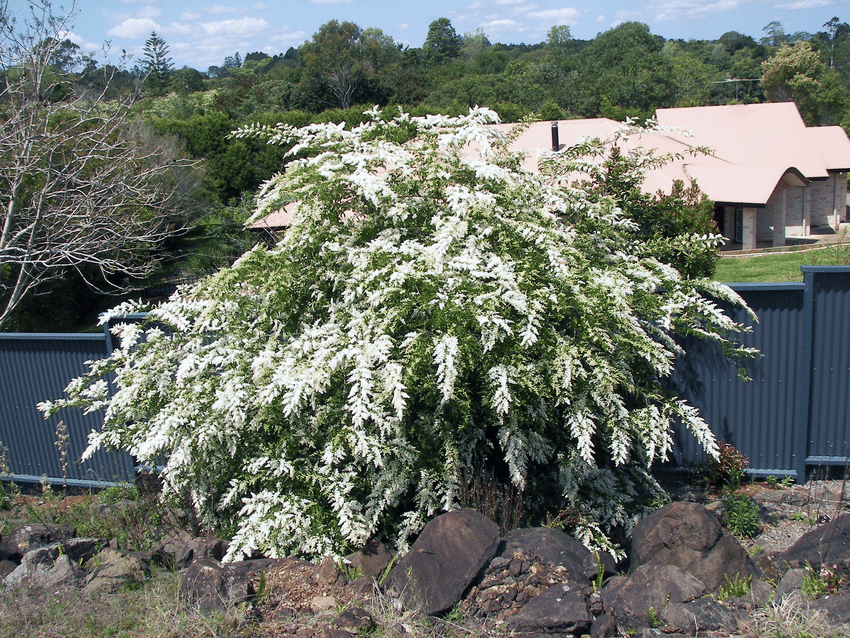
Chinese privet is an evergreen ornamental shrub or small tree in the Oleaceae (olive) family that grows 6 to 13 feet tall. It has become an invasive weed in the southeastern US. It can form an impenetrable thicket and produces toxic berries.
Its fetid flowers bloom in late spring and have an odor that can be offensive to many people. 'Variegatum', a cultivar, has leaves that are bordered in gray to creamy white coloring. Chinese privet may revert to the species, so odd branches need to be removed. It is a fast grower and requires a lot of maintenance. It is alkaline tolerant, pollution tolerant, shade tolerant, and tolerant of poor soils.
Quick ID Hints:
Opposite, elliptic, small leaves are 1-2" long
Insects, Diseases, and Other Plant Problems: Whiteflies, Japanese and ligustrum weevils, white peach scale and privet rust mites are common insect problems. Anthracnose, twig blight, cankers, powdery mildew, root rot are common disease problems. It can be weedy in disturbed areas has escaped and naturalized in moist areas.
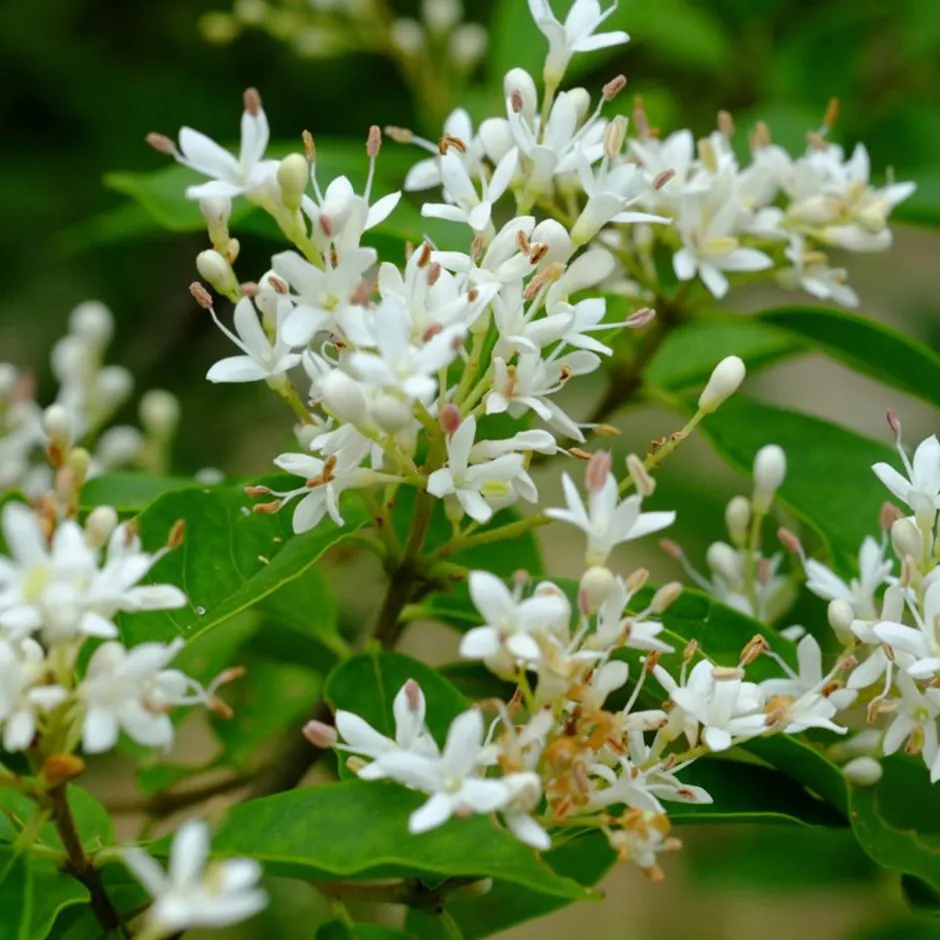

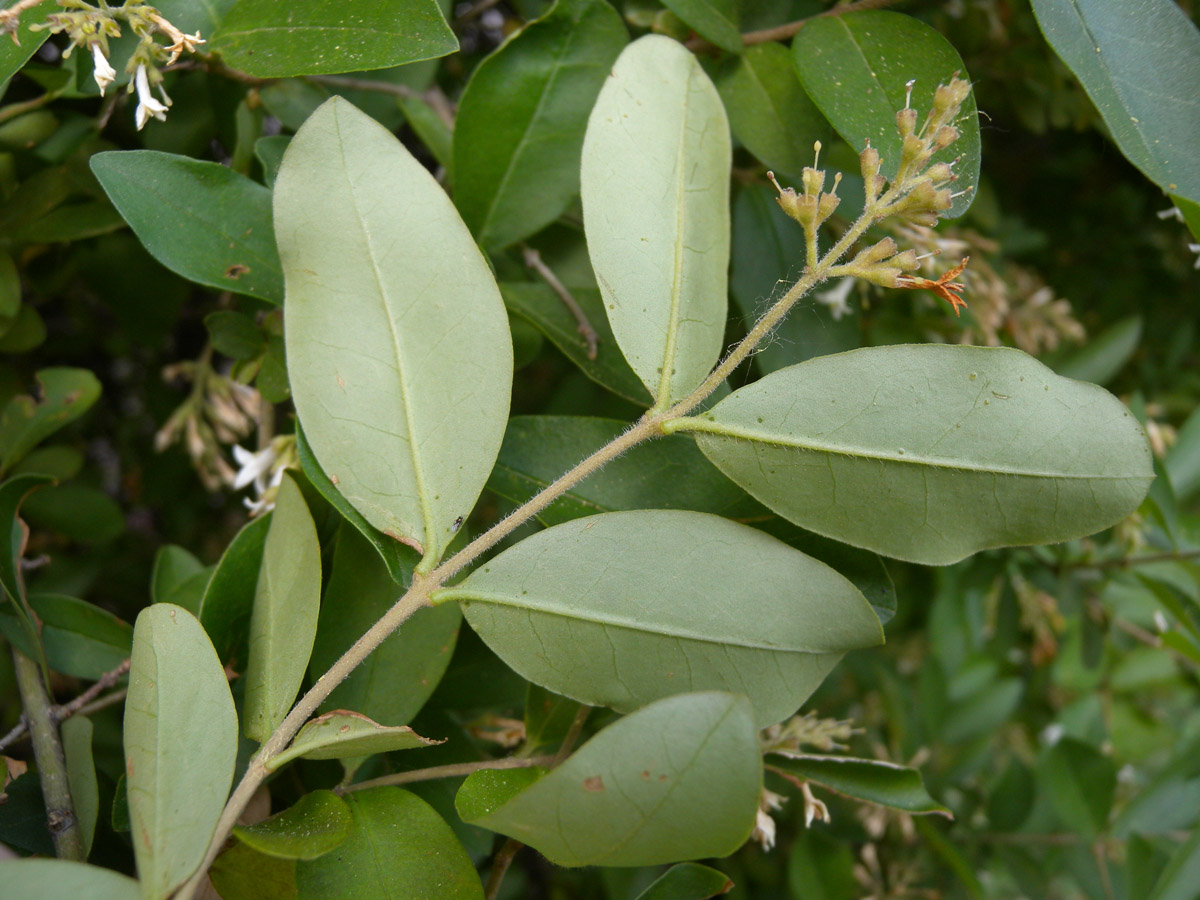
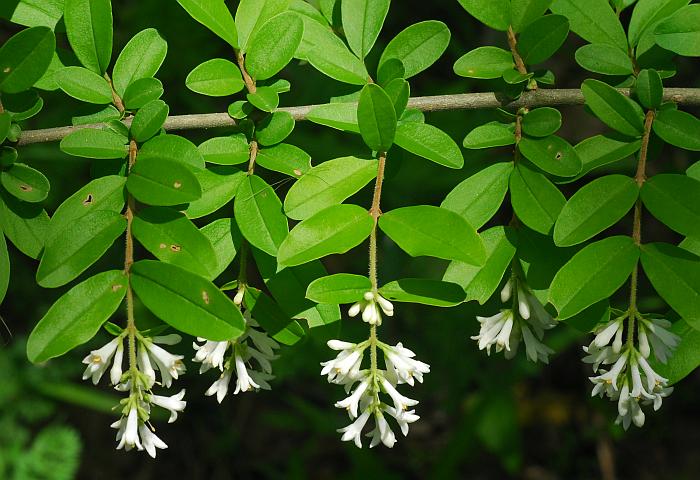
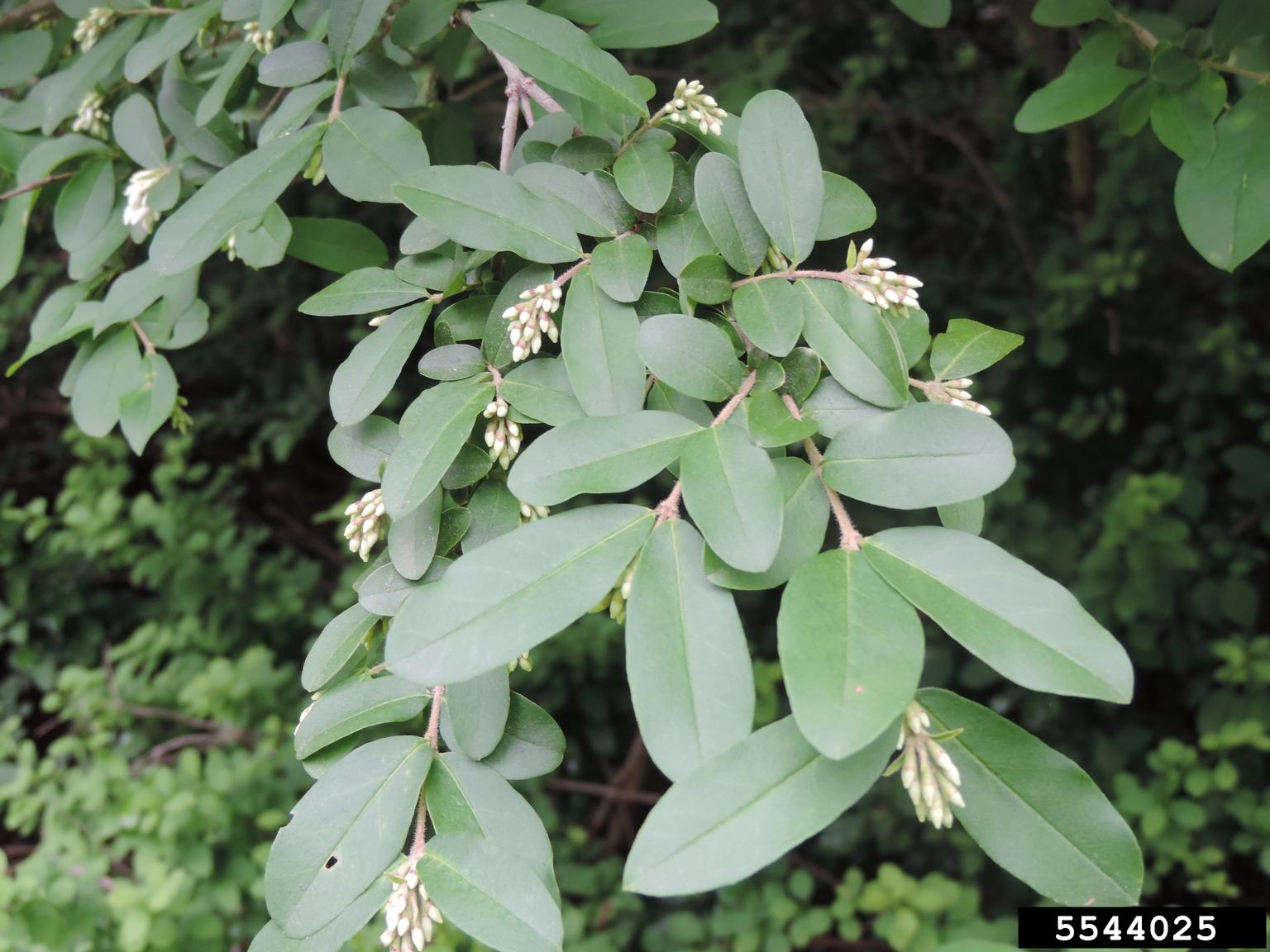
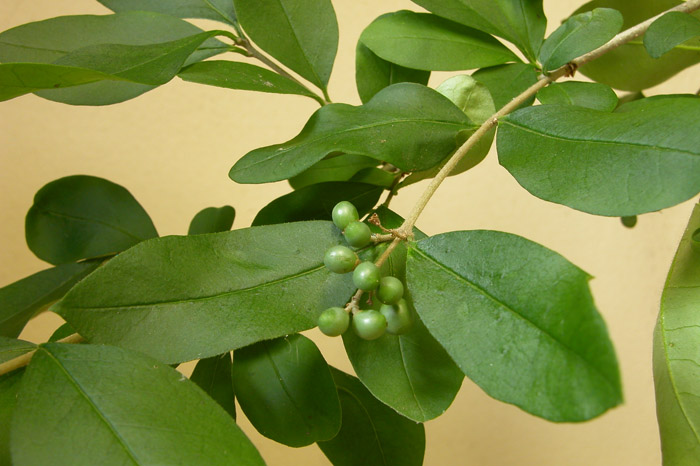
5.水蜡树Ligustrum obtusifolium Sieb.et Zucc.
通用名:水蜡
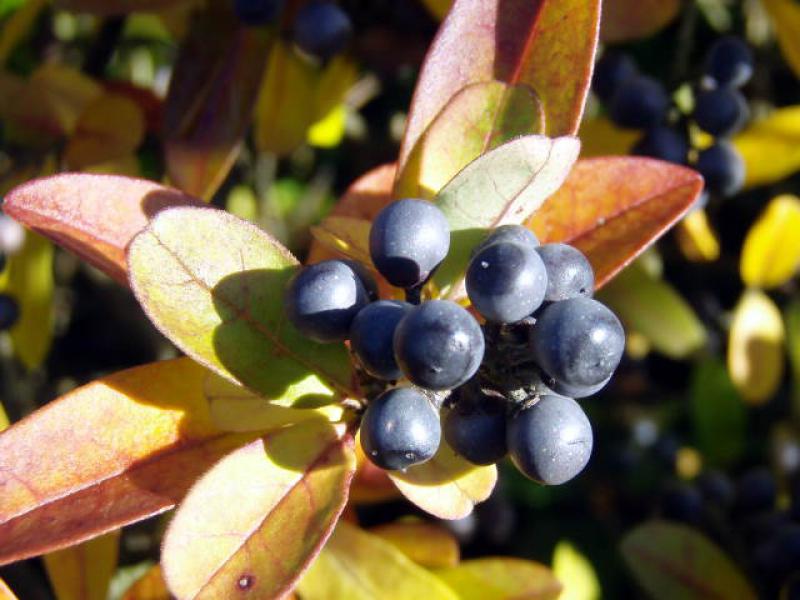
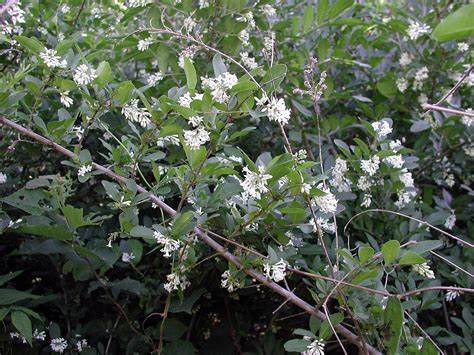
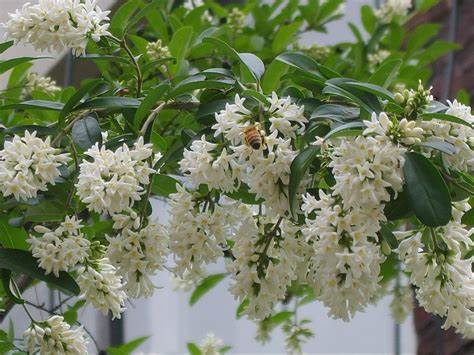
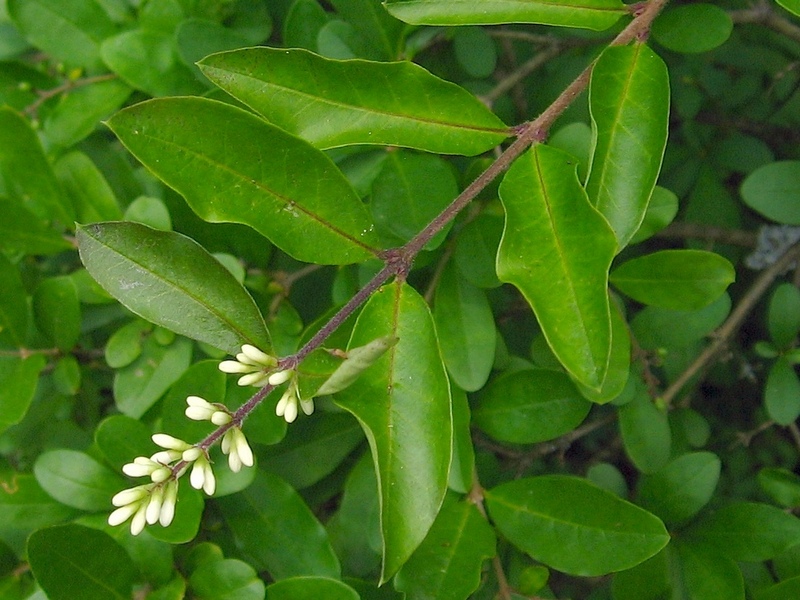
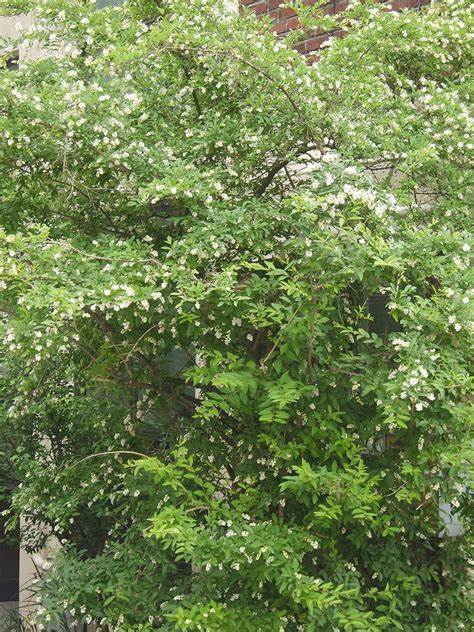
【形态】:落叶灌木,树冠圆球形。树皮暗黑色。多分枝,幼枝有短柔毛。单叶纸质对生,长椭圆形,3~175px,端锐尖或钝,基部楔形,背面有短柔毛,沿中脉较密。叶柄长1~100px,密被短柔毛。顶生圆锥花序短而常下垂,长2.5~75px;花梗及萼片具短柔毛;花白色、芳香,花冠长4~10mm,花冠筒比花冠裂片长2~3倍;花药和花冠裂片近等长。核果宽椭圆形,黑色,稍被蜡状白粉。花期7月。
【分布】:原产中国,山东、河南、河北、江西、湖南、陕西、辽宁等省均有栽培。
【习性】:喜光,稍耐阴;较耐寒,北京可露地栽植。对土壤要求不严,但喜肥沃湿润土壤。生长快,萌芽力强,耐修剪。易移栽,病虫害很少,易于管理。
【繁殖】:播种、扦插繁殖。
【用途】:园林应用可用于风景林、公园、庭院、草地和街道。可丛植、片植或作绿篱。
Ligustrum obtusifolium is a species of privet, native to Japan, Korea and northeastern China. The species is considered invasive in parts of the United States. It has become very common in southern New England, the mid-Atlantic States, and the Great Lakes regions, with scattered occurrences in the South, the Great Plains, and Washington state. With Ligustrum ovalifolium it is a parent of the widespread hybrid Ligustrum × ibolium.
This plant is listed as a noxious weed in one or more Midwestern states outside Missouri and should not be moved or grown under conditions that would involve danger of dissemination.
Culture
Easily grown in average, dry to medium, well-drained soils in full sun to part shade. Tolerant of a wide range of soils, except wet ones. Tolerant of urban conditions. Prune as needed immediately after flowering. If flowering is not a consideration, prune in spring. Hedges are also commonly trimmed 1-2 times in summer. Plants will naturalize by self-seeding in optimum growing conditions, and may form thickets in areas where growth is not controlled.
Noteworthy Characteristics
Ligustrum obtusifolium, commonly called border privet, is a fast-growing, deciduous shrub that typically grows 10-12’ tall but spreads to 15’ wide with dense, often arching, horizontal branching. It is winter hardy to USDA Zone 3, and is perhaps the most commonly grown privet in northern parts of the U. S. Elliptic to oblong-obovate, glossy, dark green leaves (to 2.5” long) have hairy midribs beneath. Leaves may acquire attractive purple tones in fall. Small, tubular, white flowers in nodding panicles (to 1.5” long) bloom at stem tips in June. Flowers are fragrant, but are considered by many to have an unpleasant aroma. Flowers give way to globe-shaped drupes which ripen to dull black in fall and persist into winter.
Genus name comes from the Latin word for privet
Specific epithet means blunt(钝的,不锋利的; 直率的; 呆板的)-leaved.

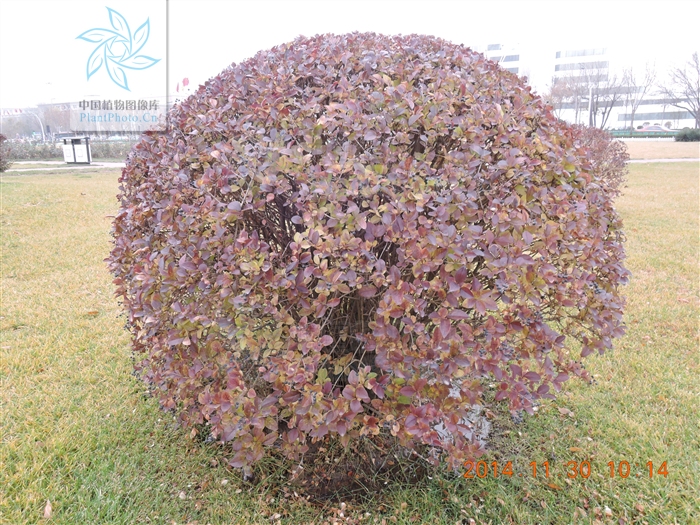
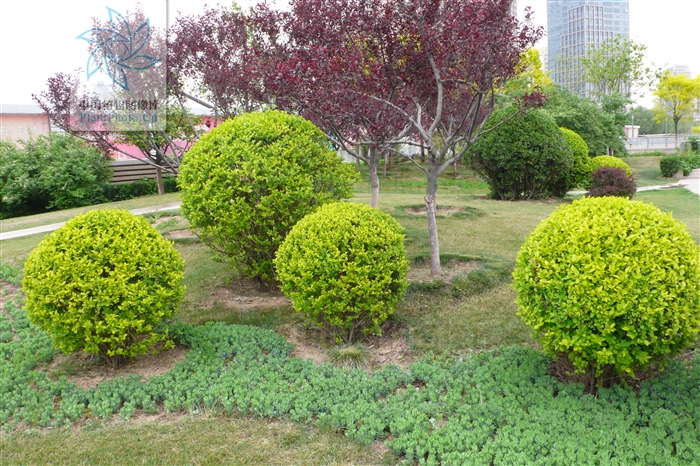
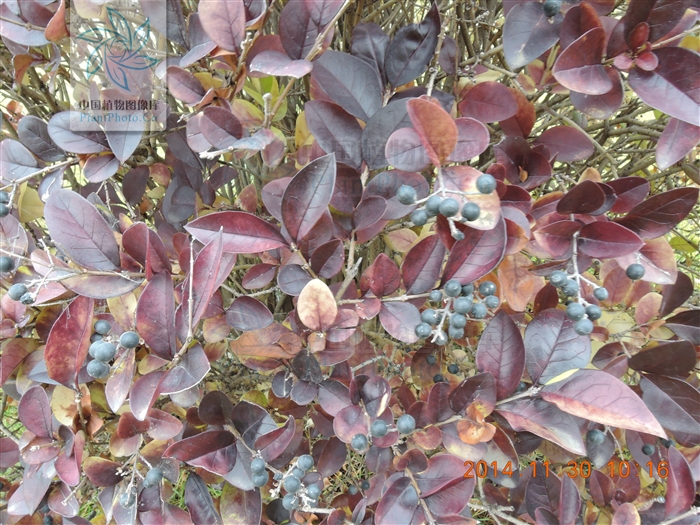
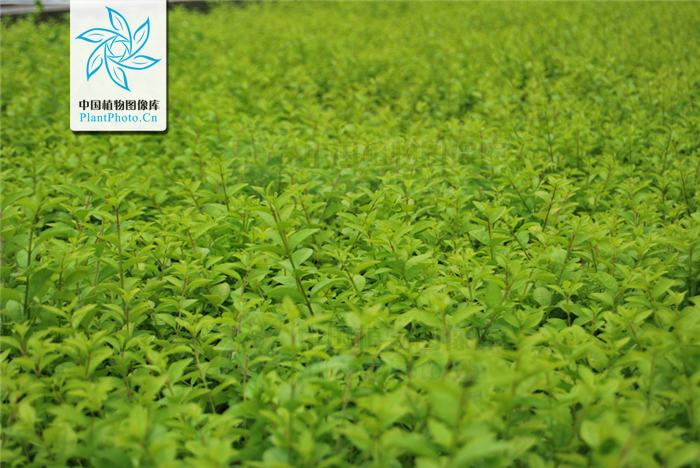
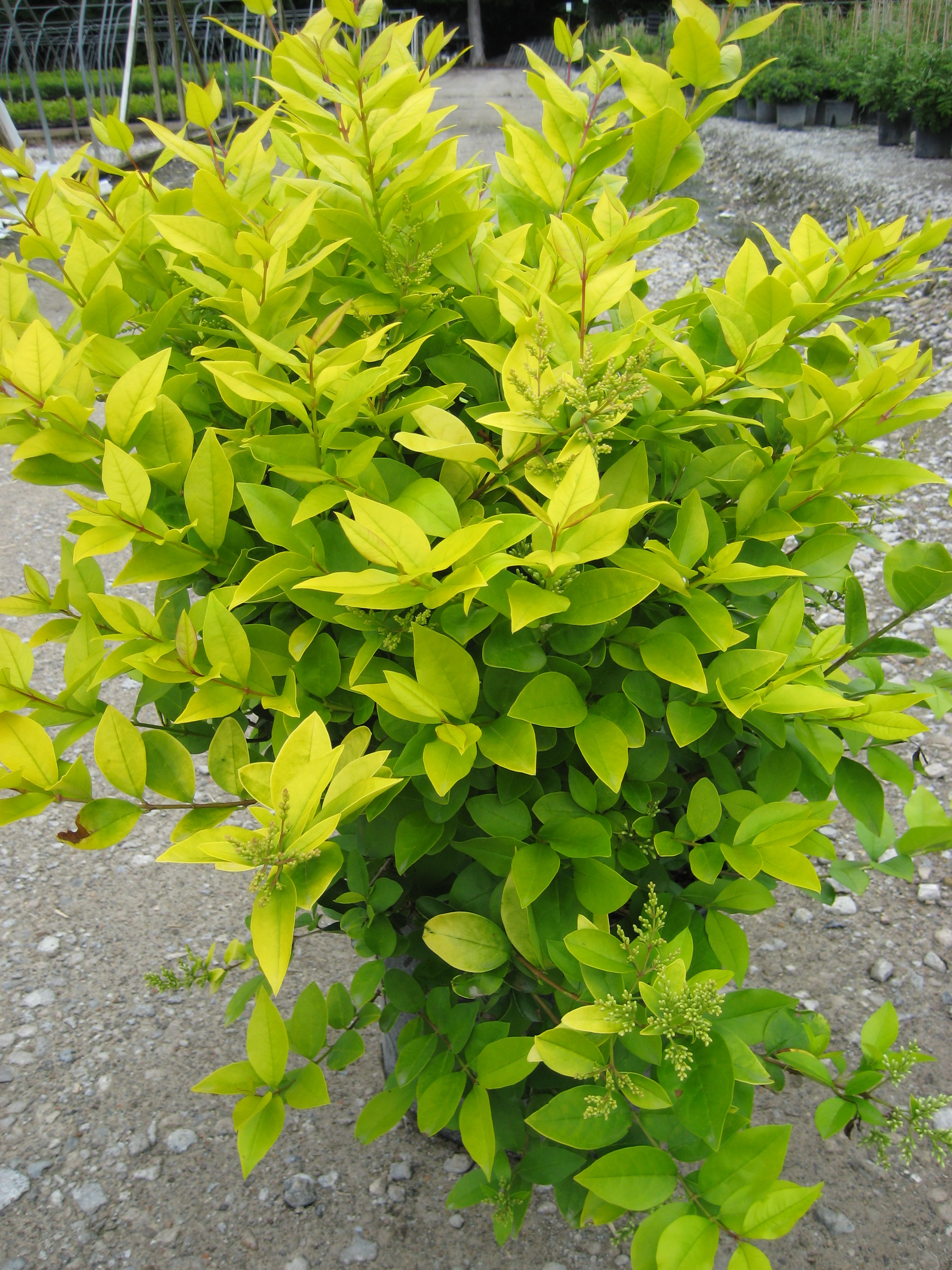
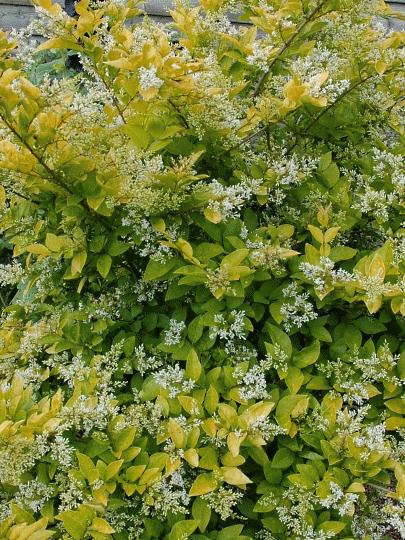
6.金叶女贞Ligustrum X vicaryi Hort.
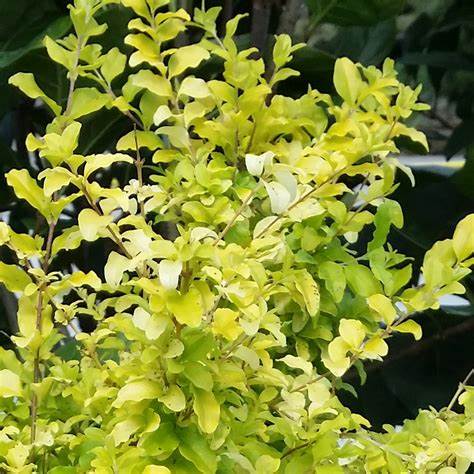
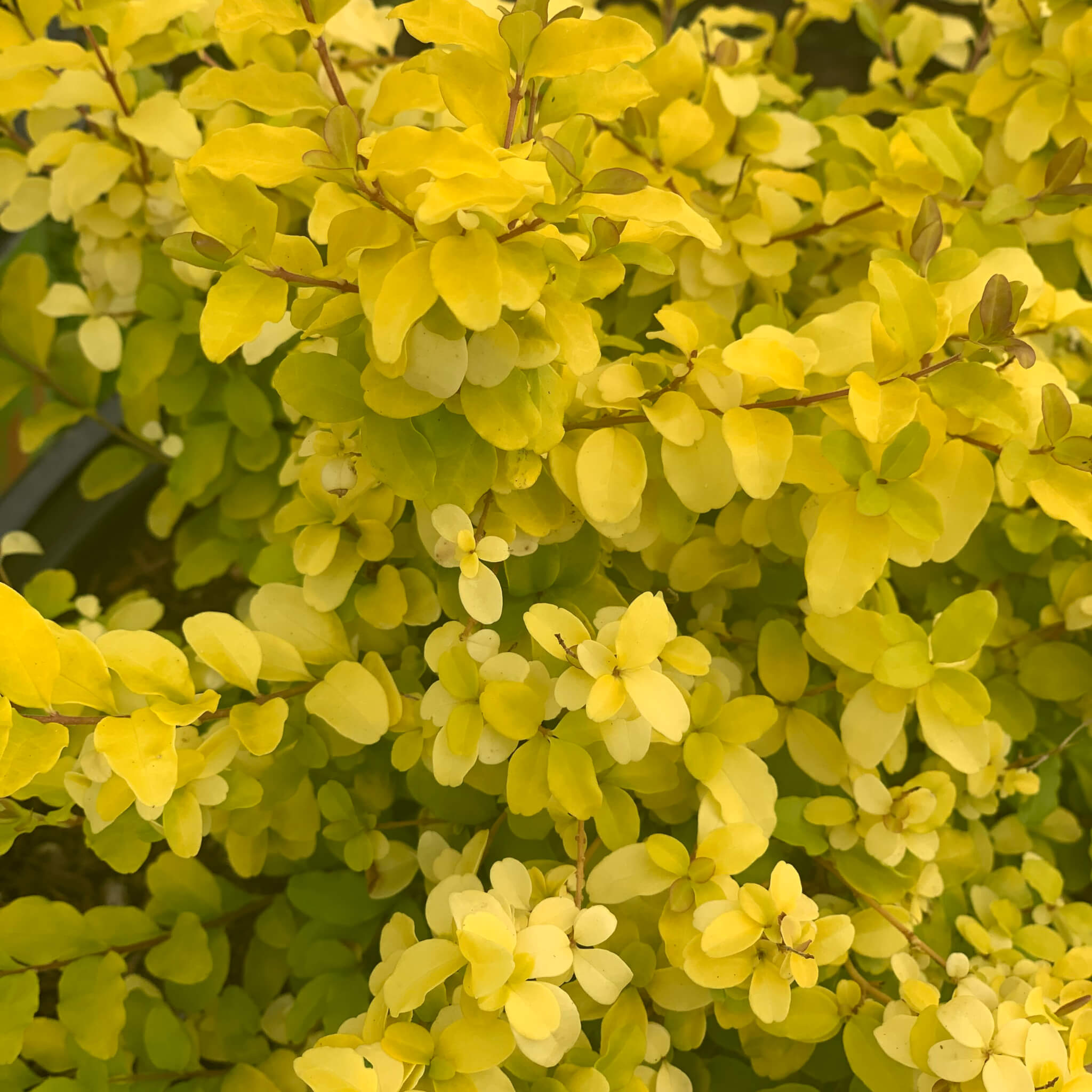
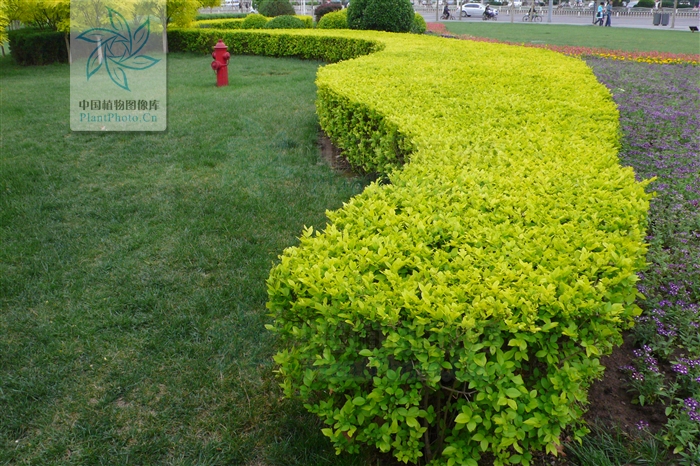
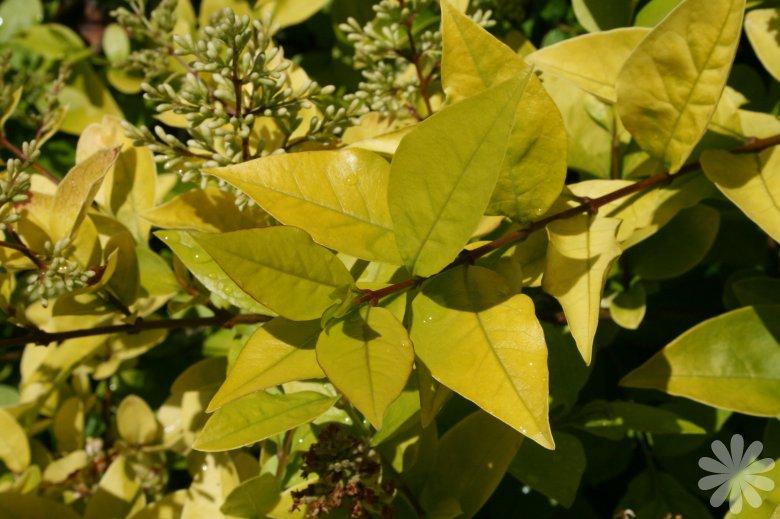
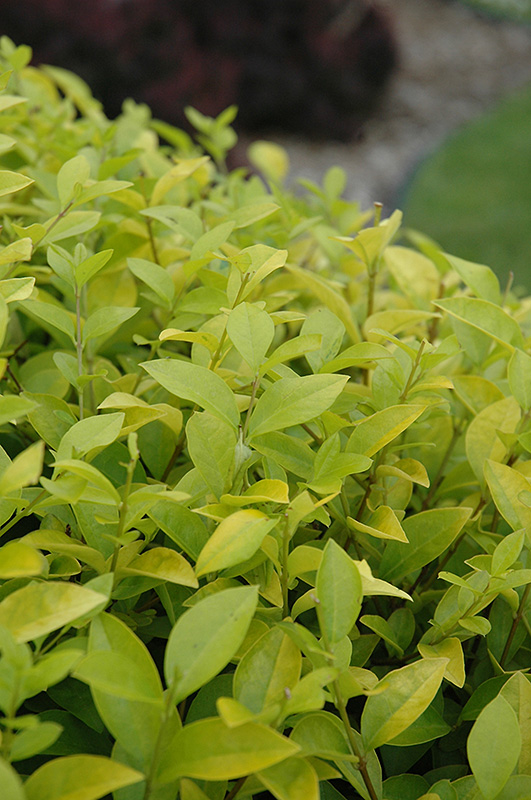
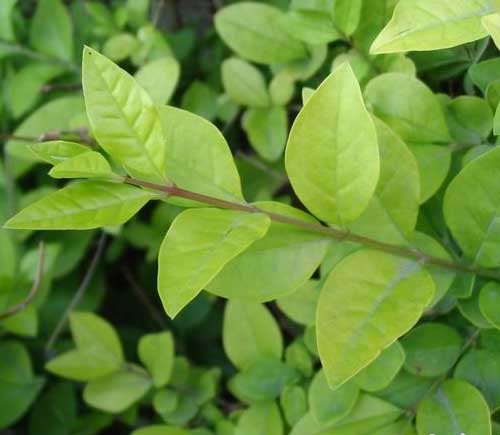
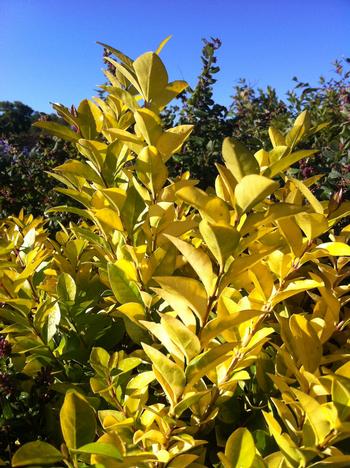
【形态】:落叶或半常绿灌木。叶色金黄,单叶对生,叶薄革质,常椭圆形,端锐尖或钝,基部圆形或阔楔形。圆锥花序,花梗明显,裂片镊合状排列,花冠筒比花冠裂片短,花白色。核果阔椭圆形,紫黑色。花期6月,果期10月。
【分布】:金叶女贞是由加州金边女贞与欧洲女贞杂交育成的。
【习性】:性喜光,喜温暖,耐阴性较差,耐寒力中等,适应性强,对土壤要求不严,萌芽力强。对二氧化硫、氯气抗性较强。
【繁殖】:多采用无性繁殖方式进行繁殖,于5~7月进行。
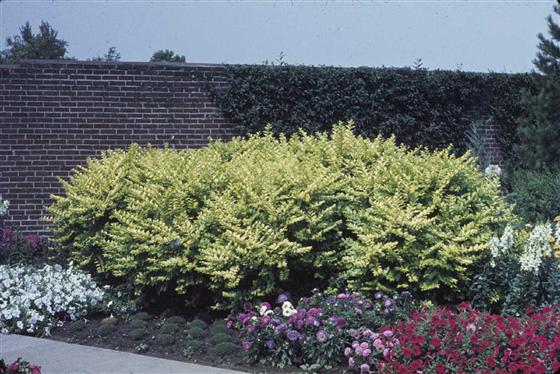
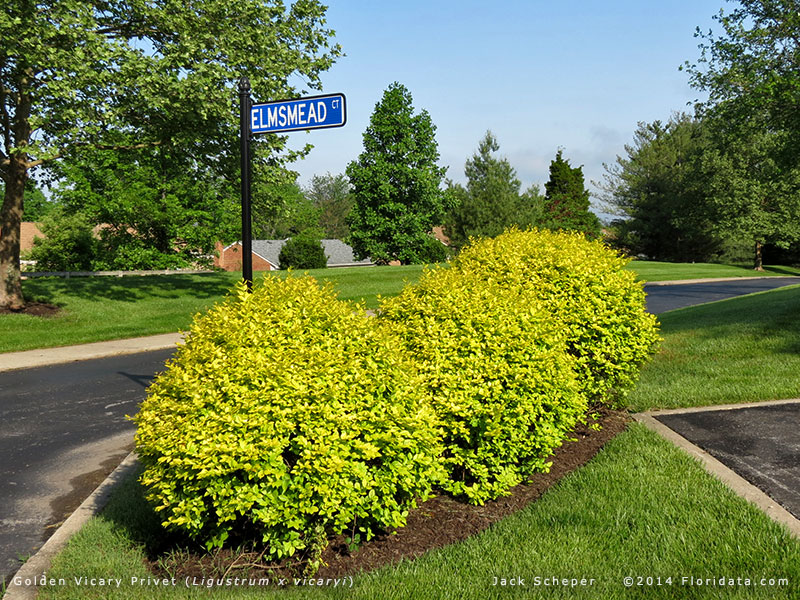
【用途】:金叶女贞叶色金黄,尤其在春秋两季色泽更加璀璨亮丽。大量应用在园林绿化中,主要用来组成案和建造绿篱。
Ligustrum x vicaryi
Common Name(s): Golden Privet、Vicary Golden Privet、Vicary Privet
Description
Golden privet is a deciduous sterile(不生育的) hybrid in the Oleaceae (olive) family with golden-yellow foliage. The genus name Ligustrum comes from the Latin word for privet. It is the first non-invasive privet It will grow up to 12 feet high and 10 feet wide to provide a privacy screen or hedge.
Plant it in full sun to partial shade in dry to moist soil. It is tolerant of a variety of soil types and is resistant to drought and deer damage. The leaves change from yellow to chartreuse to reddish in the fall. In the late spring creamy white tubular flowers appear and have a fragrance but not necessarily a pleasant one. The blue-black fruits remain on the plant.
Use this shrub as a specimen as an informal screen or hedge or in a shrub border. If it is a hedge be sure to let it keep more of its natural shape as the newer leaves retain the most vibrant yellow color that can be removed with hedge trimmers.

2.68.4茉莉属Jasminum L.
常绿或落叶。单叶或奇数羽状复叶对生,全缘。花两性,顶生或腋生的聚伞、伞房花序,稀单生;花冠高脚碟状;雄蕊2,内藏。浆果。约300种,分布于东半球热带、亚热带地区。我国44种,广布西南、东部及中南部。
分种检索表
1.单叶…………………………………………………………………………………………茉莉
1.奇数羽状复叶或3出复叶……………………………………………………………………2
2.叶对生…………………………………………………………………………………………3
2.叶互生;萼齿线形,与萼筒近等长……………………………………………………探春花
3.落叶,先花后叶;花径2~62.5px,花冠裂片较筒部为短…………………………迎春花
3.常绿;花径3.5~100px,花冠裂片较筒部为长……………………………………云南黄馨
1.茉莉花Jasminum sambac(L.)Aiton.
俗名:茉莉
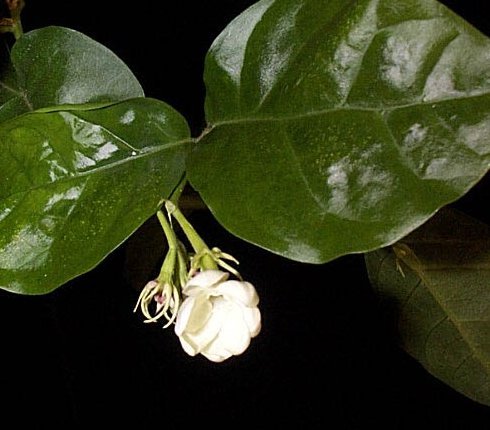
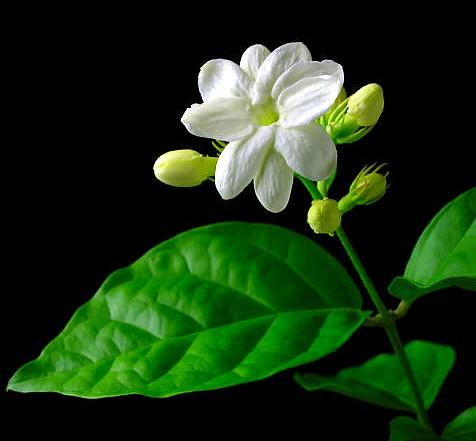
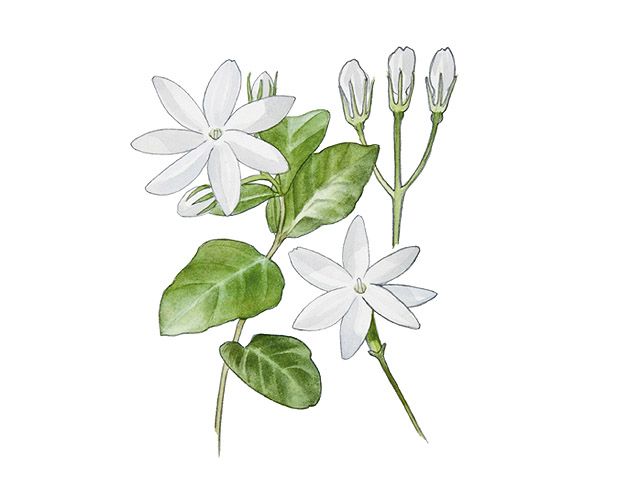
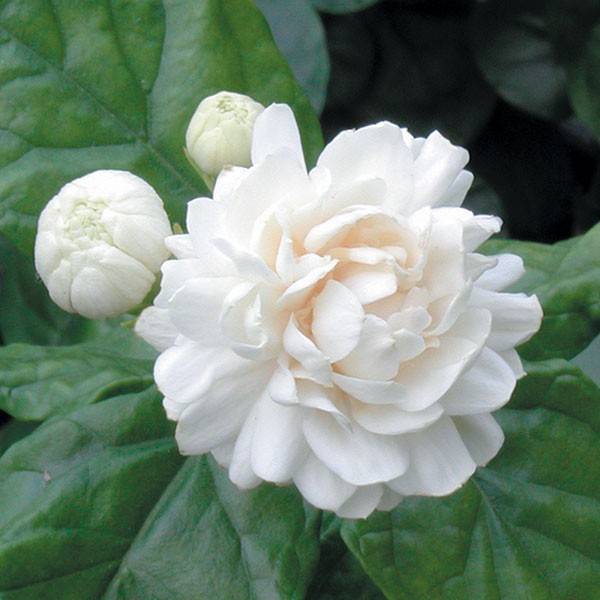
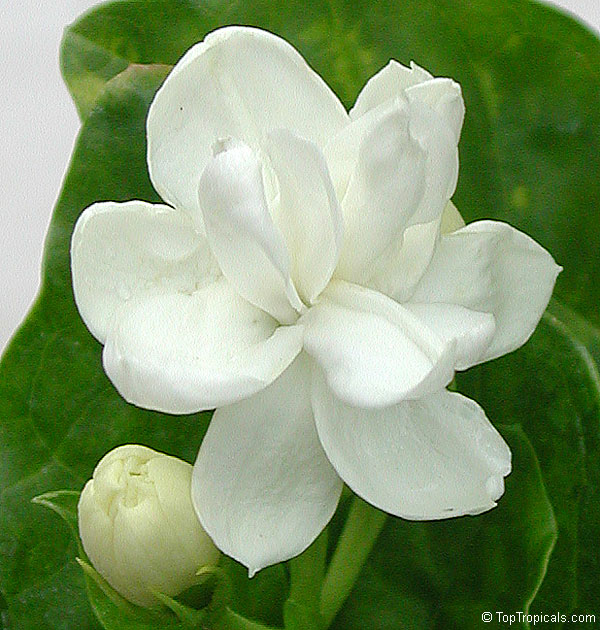
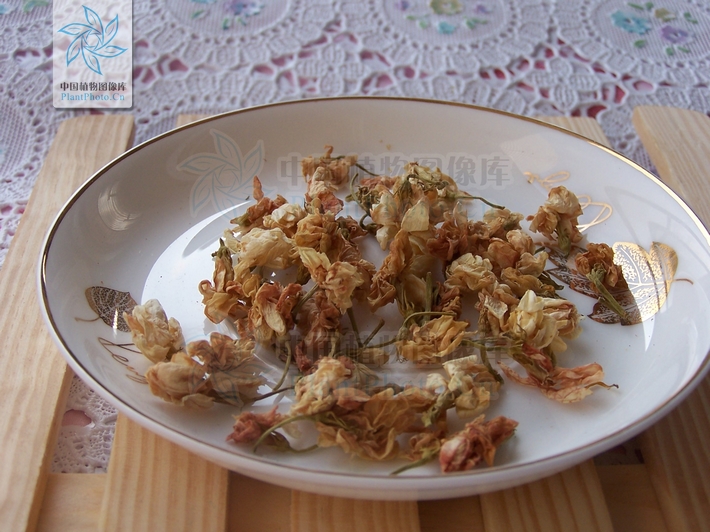
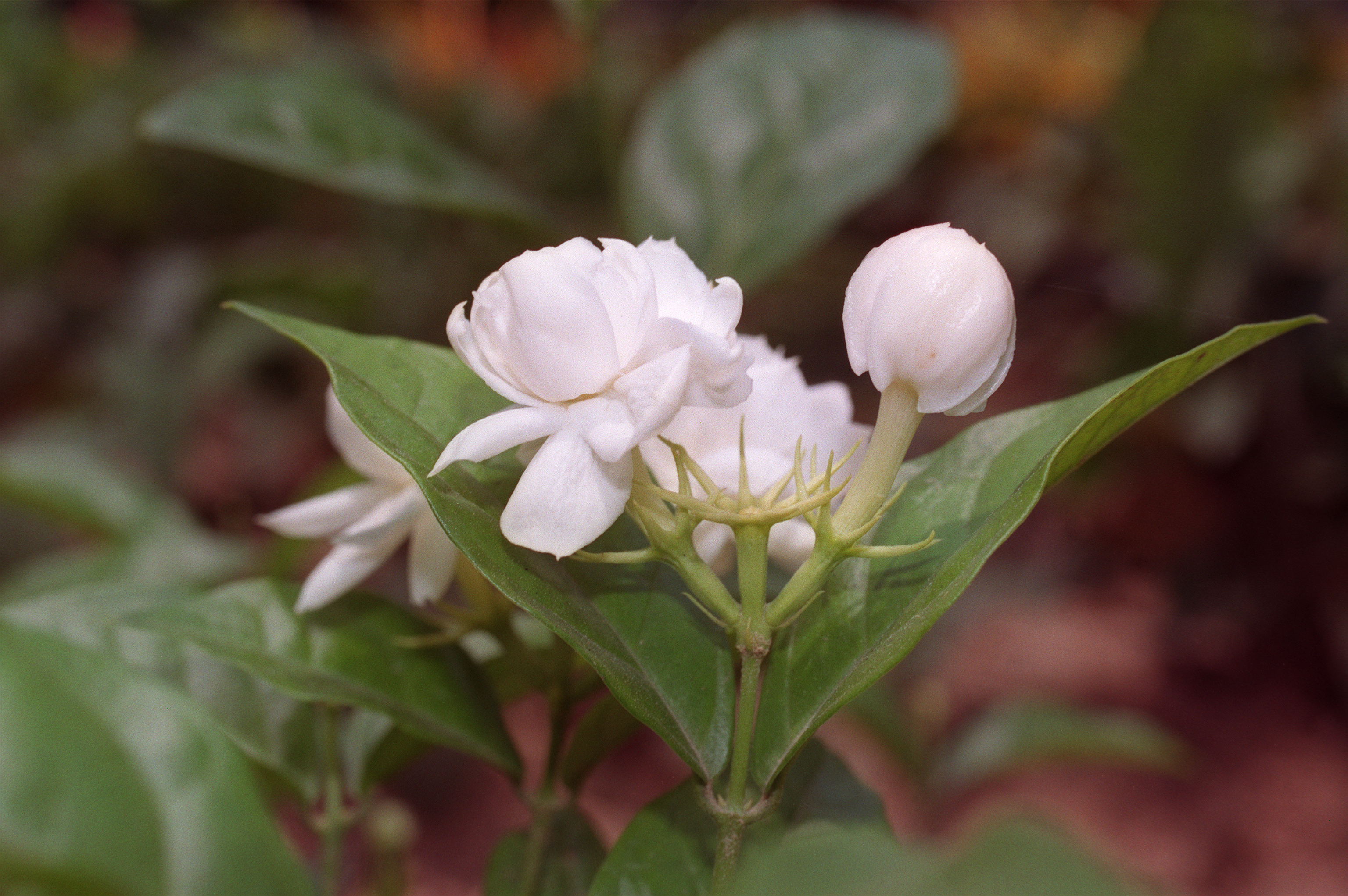
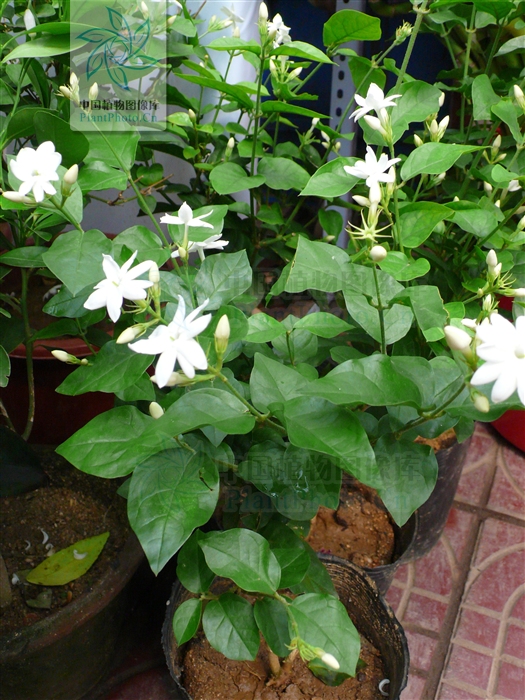
【形态】:常绿灌木,略呈藤本状。幼枝圆柱形,单叶对生,纸质光亮,卵形全缘,长2.5~225px,宽3~125px,顶端具小凸尖,背面脉腋间有浅黄色簇毛,叶面微皱;叶柄短有柔毛,有关节。顶生聚伞花序有花3~9朵,花冠白色,极芳香,常重瓣;花萼钟状,裂片线形;花梗较粗壮被柔毛;冠筒长30px;雄蕊2,内藏。花后不结实。大多数品种的花期6~10月。
【分布】:原产印度、伊朗、阿拉伯。我国多在长江流域以南栽培。
【习性】:性喜温暖湿润,在通风良好、涝,不耐碱土。
【繁殖】:扦插、压条、分株均可。半阴环境生长最好。喜肥,不耐干旱,但也伯渍
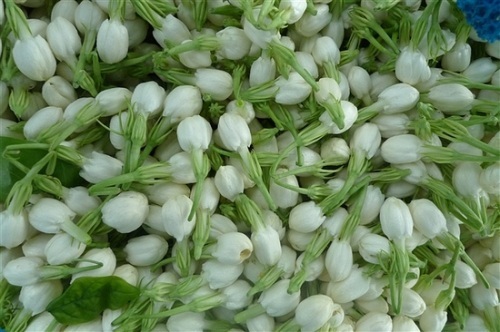
【用途】:茉莉为常见的香花树种,可作树丛、树群之下木,也有作花篱植于路旁,效果极好。长江以北多盆栽观赏。花朵常作襟花佩带,还可熏制茉莉花茶和提制茉莉花油。
Jasminum sambac (Arabian jasmine or Sambac jasmine) is a species of jasmine(茉莉; 茉莉香料;) native to tropical Asia, from the Indian subcontinent to Southeast Asia. It is cultivated in many places, especially across much of South and Southeast Asia. It is naturalised in many scattered locales: Mauritius, Madagascar, the Maldives, Christmas Island, Chiapas, Central America, southern Florida, the Bahamas, Cuba, Hispaniola, Jamaica, Puerto Rico, and the Lesser Antilles.
Jasminum sambac is a small shrub or vine growing up to 0.5 to 3 m (1.6 to 9.8 ft) in height. It is widely cultivated for its attractive and sweetly fragrant flowers. The flowers may be used as a fragrant ingredient in perfumes and jasmine tea. It is the national flower of the Philippines, where it is known as sampaguita,as well as being one of the three national flowers of Indonesia, where it is known as melati putih.
Jasminum sambac is a small shrub native to Bhutan and India and widely cultivated for its very fragrant and showy flowers. It is an environmental and garden weed and has a climbing growth habit that can smother other plants. Currently, this species is listed as invasive in Cuba and Hawaii and Florida in the USA.

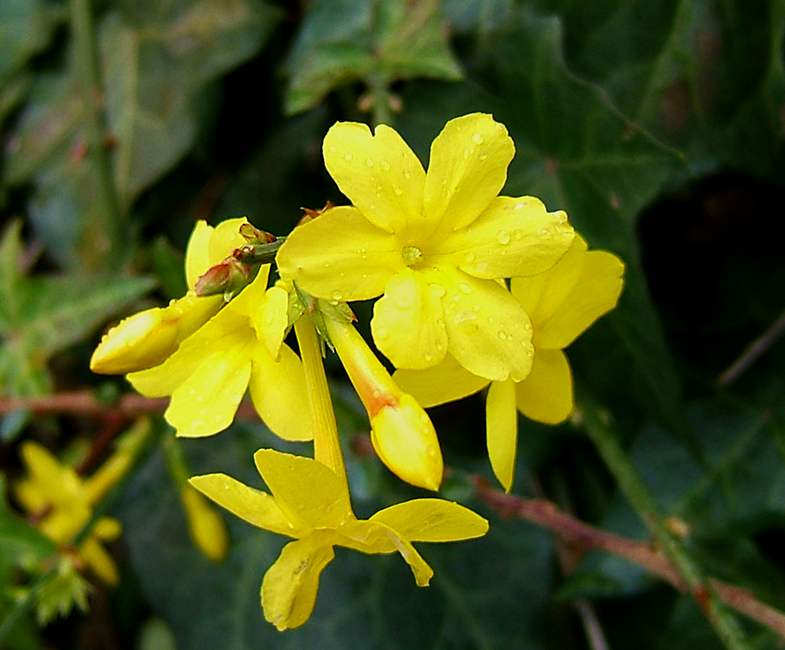
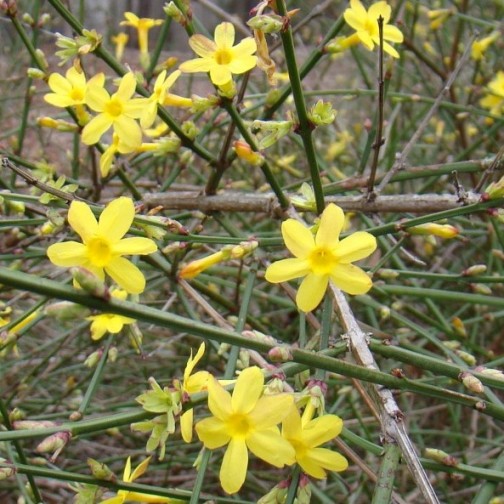
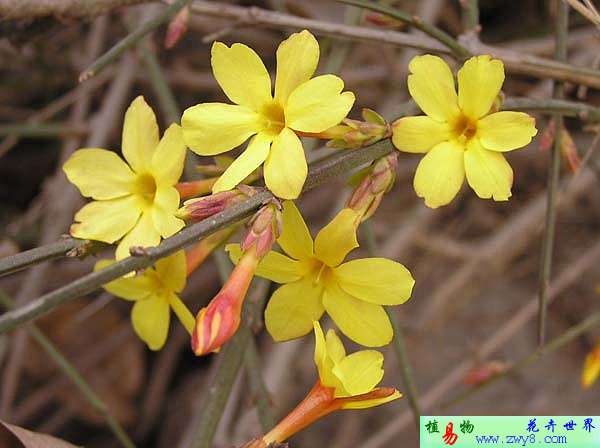
2.迎春Jasminum nudiflorum Lindl.
通用名:迎春花
俗名:迎春
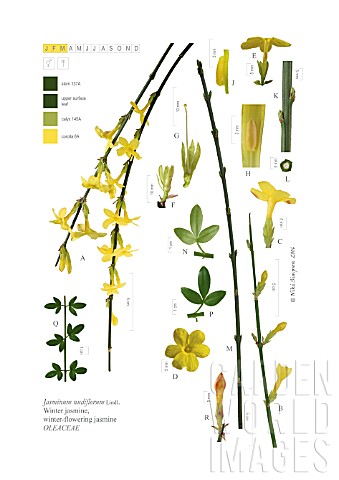
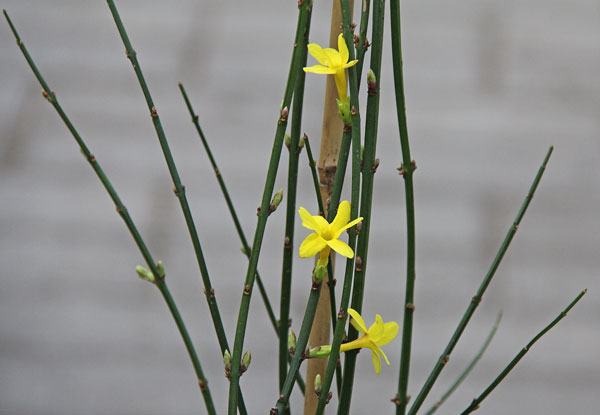
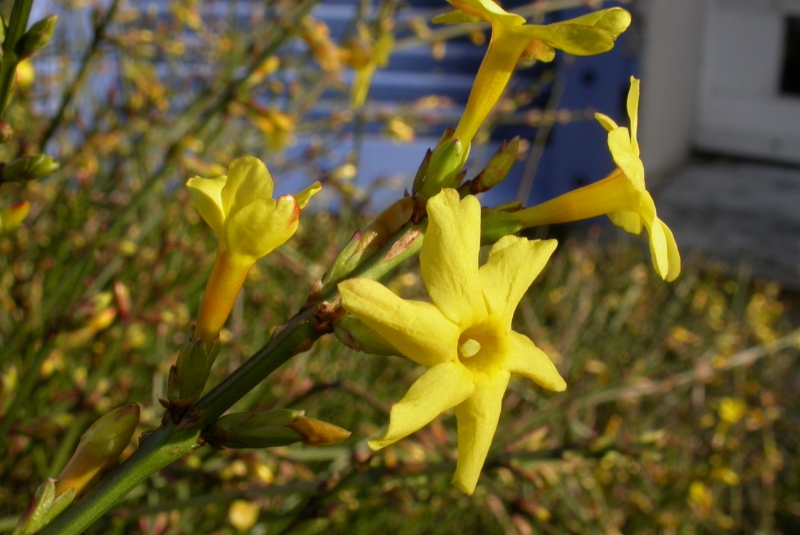
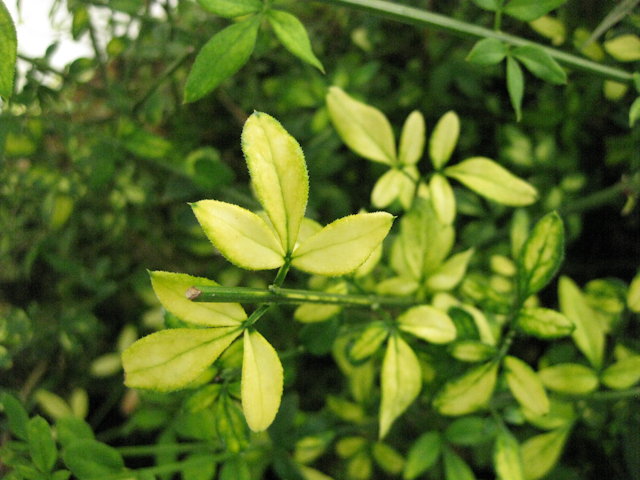
【形态】:落叶灌木。枝细长拱形,直立或弯垂,绿色无毛,幼枝四棱。叶对生,小叶3,长0.5~62.5px,宽0.5~25px,卵形至长圆状卵形,缘有短睫毛,表面有基部突起的短刺毛;顶生小叶近无柄,侧生小叶无柄。花单生于2年生枝的叶腋,先叶开放,苞片小,叶状狭窄;花萼5~6裂,裂片长圆状披针形,先端急尖,与萼筒等长或较长;花冠高脚碟状,黄色,直径2~62.5px,常6裂,约为花冠筒长一半;雄蕊2枚内藏,花药长圆形,近基部背生;子房2室,花柱丝状。浆果椭圆形。通常不结果。花期2~4月。
【分布】:分布于甘肃、陕西、四川、云南、西藏等省区。
【习性】:性喜光,稍耐阴;较耐寒,北京可露地栽培;喜湿润,也耐干旱,怕涝;对土壤要求不严,耐碱,除洼地外均可栽植。根部萌发力很强,枝端着地部分也极易生根。
【繁殖】:栽培的迎春很少结果,繁殖多用扦插、压条、分株法。
【用途】:迎春植株铺散,枝条鲜绿,冬季绿枝婆婆,早春黄花可爱。宜植于池畔、路旁、山坡、窗下墙边,或作花篱、地被,观赏效果极好。也可盆栽、插瓶。花、叶、嫩枝均可入药。
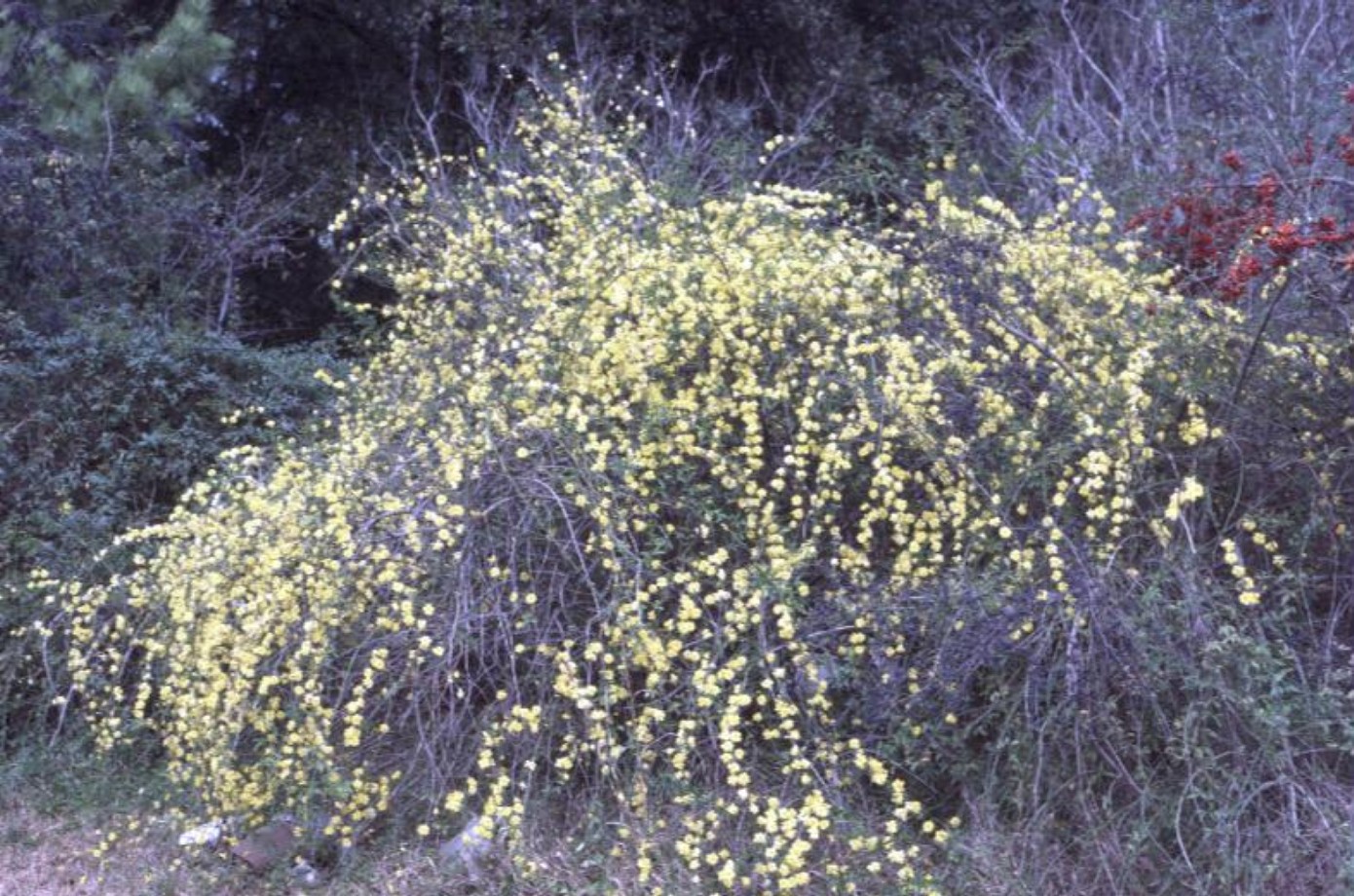
Jasminum nudiflorum, the winter jasmine, is a slender, deciduous shrub native to China. The flower's blossoming peaks right after winter, which is why it is also named Yingchun in Chinese, which means "the flower that welcomes Spring". It is widely cultivated as an ornamental and is reportedly naturalized in France and in scattered locations in the United States.
Jasminum nudiflorum
Common Name(s): Winter Jasmine
Description
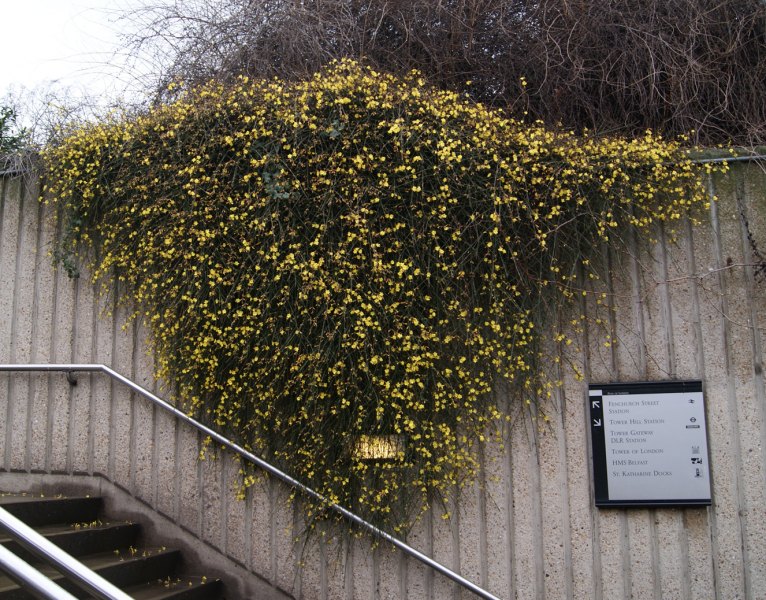
Winter jasmine is a dense, fountain-like, semi-evergreen shrub that grows up to 5 feet. This plant has irregular blooming in late winter/early spring. It is easily separated from J. floridum because leaves are opposite. Foliage will abscise(切除被切除) and stems will die in severe winters. This plant roots easily where arching branches touch soil. The cane-like, rapid growth creates colonies that look messy(凌乱的) if unpruned, and can rejuvenate(使变得年轻,使恢复活力;) by severe pruning after flowering. This plant is used on slopes, in raised planters, in foundations, as specimens, and on overhanging walls. Less fertile soil can inhibit invasive spread when used as ground cover. Winter Jasmine is drought tolerant, is tolerant of partial shade, does well in sterile soils (good in clear-cut areas), is seldom damaged by deer, and is pest and disease resistant. In China, this plant is often called "Yingchun" which means "flower that welcomes spring".
Play Value: Wildlife Enhancement
Seed: Berry
Quick ID Hints:
Semi-evergreen shrub with arching, green, quadrangular stems.
Leaves are opposite and ternately compound.
Has yellow, salverform(高脚碟状的;) flowers in late winter.

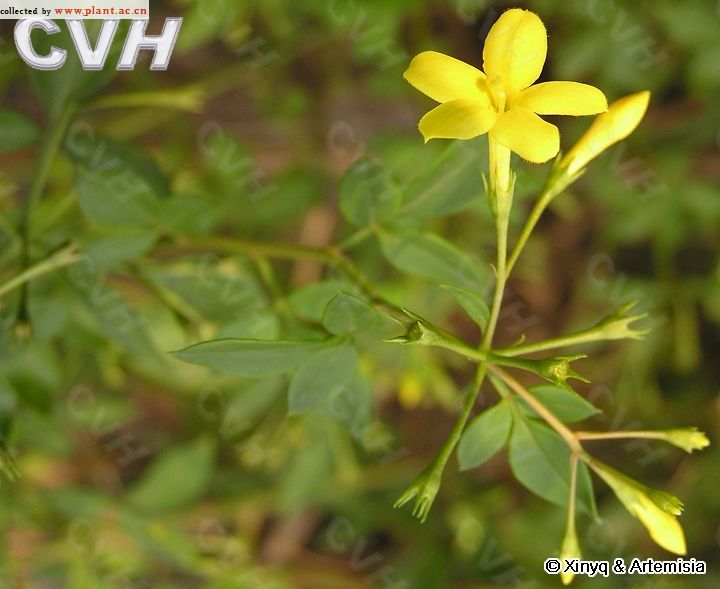
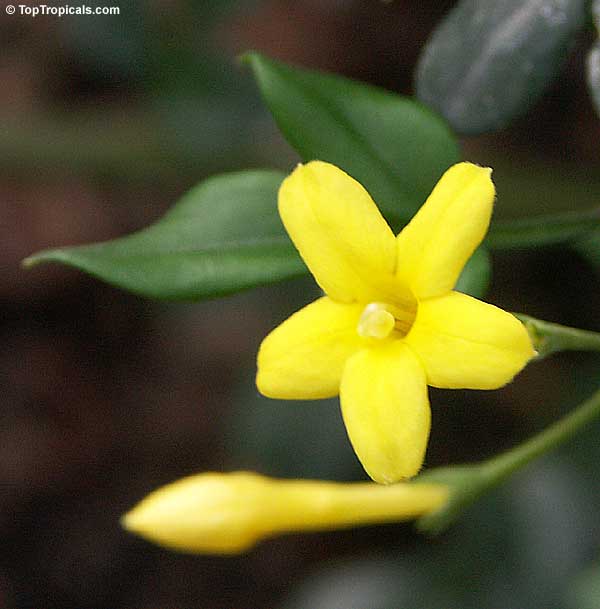
3.野迎春Jasminum mesnyi Hance.
俗名:云南黄素馨、云南黄馨、云南迎春、南迎春
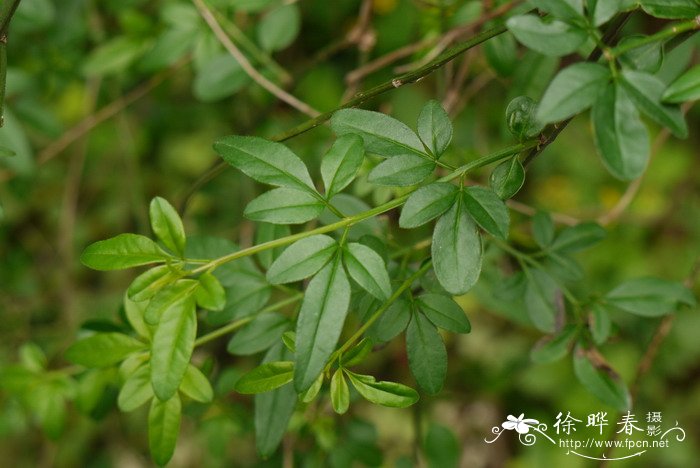
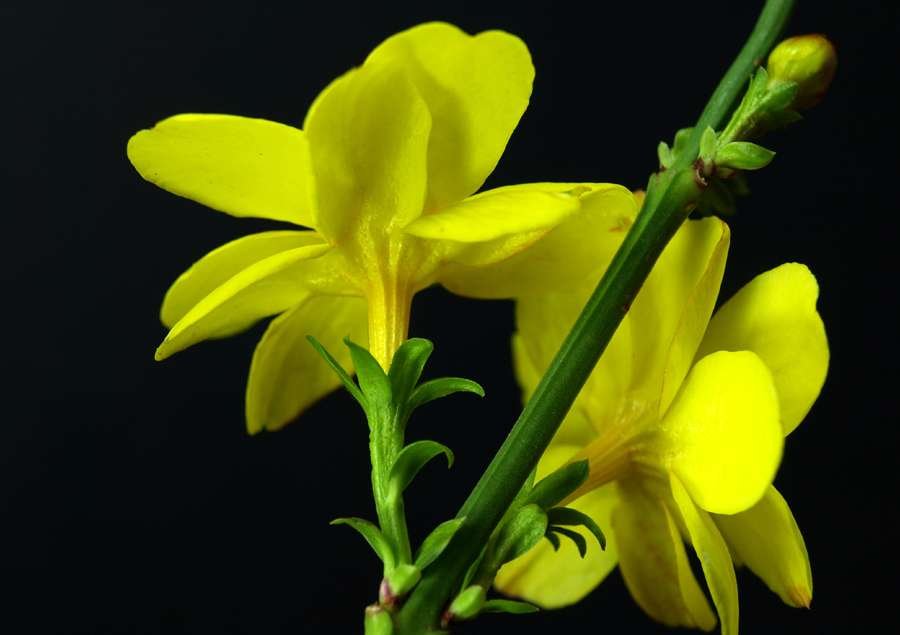
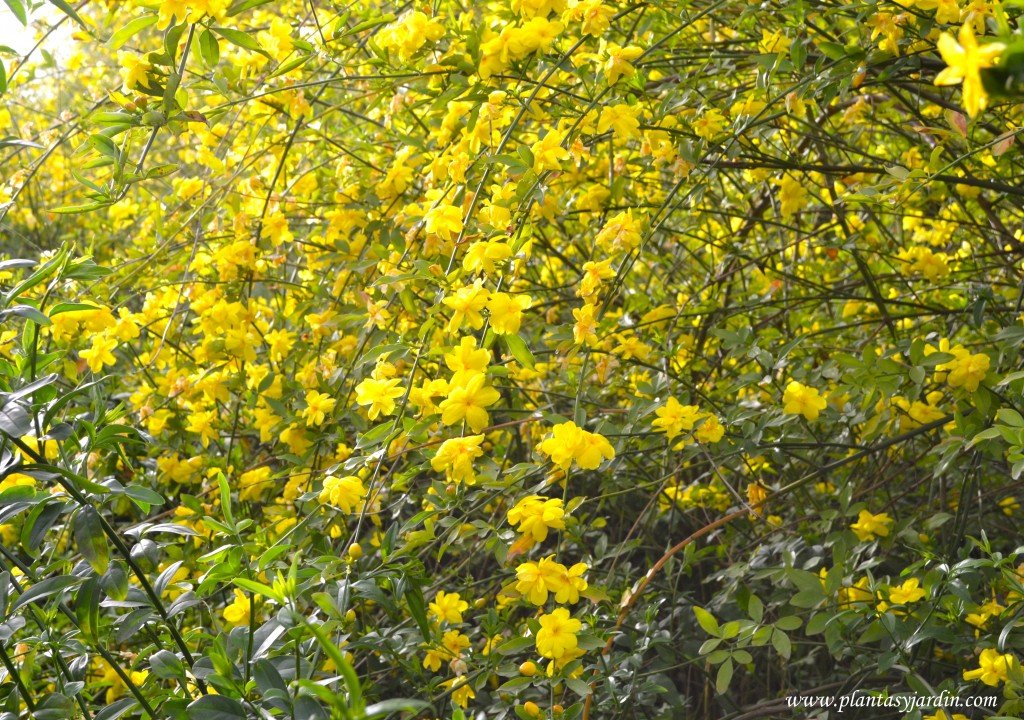
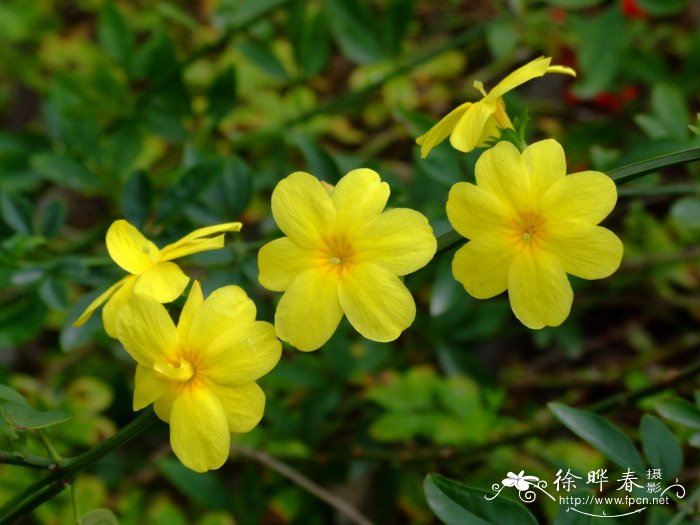
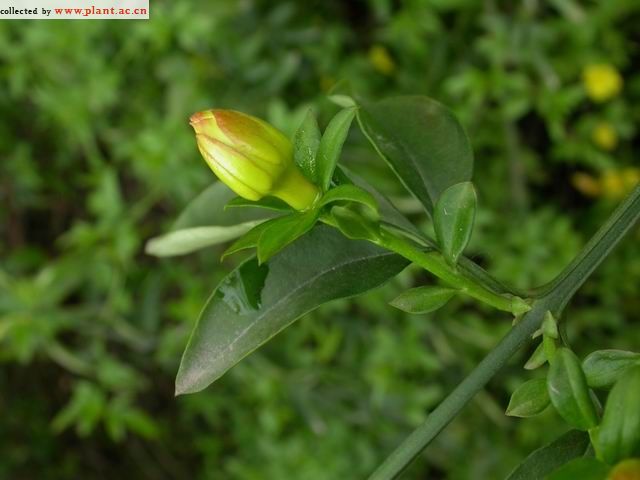
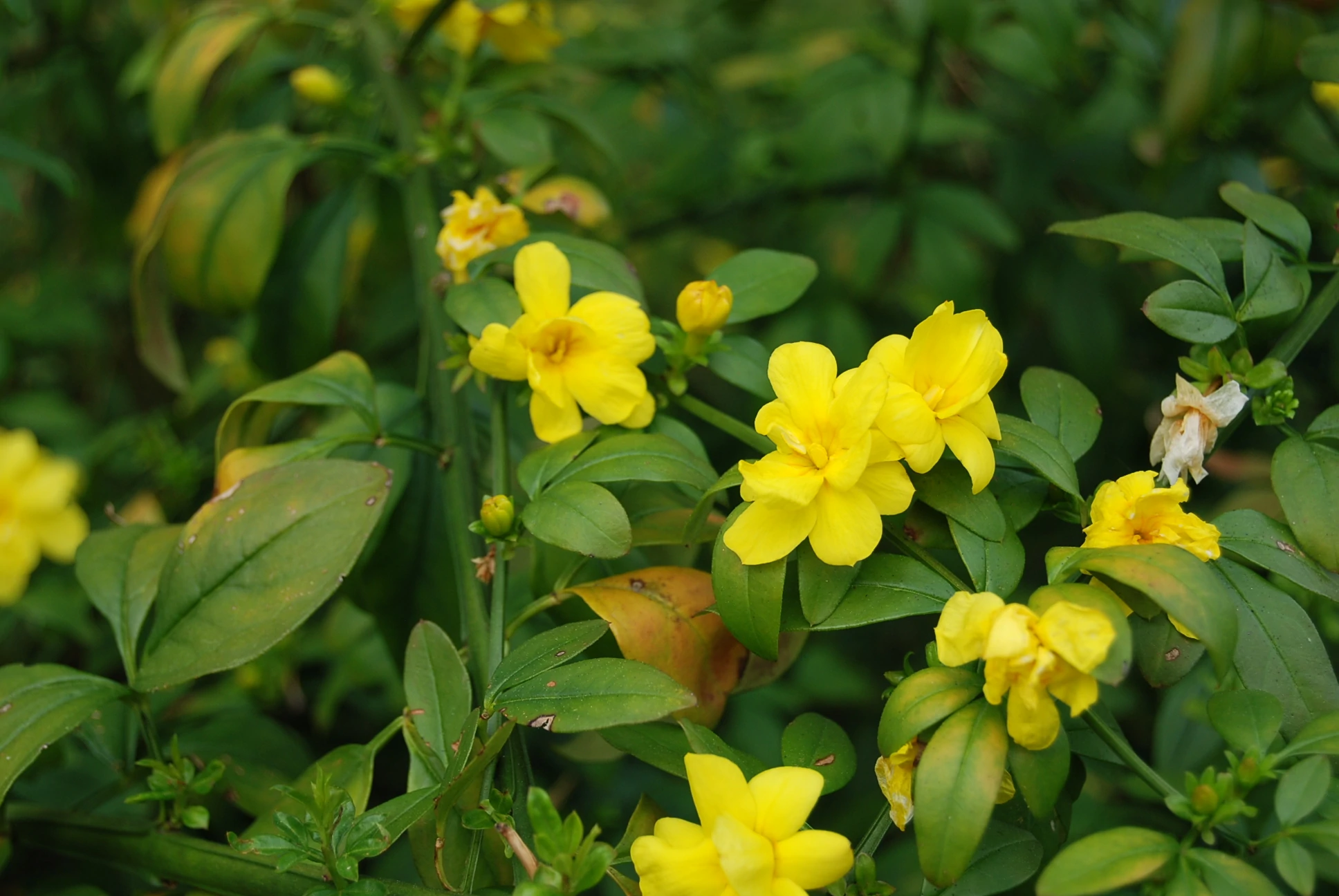
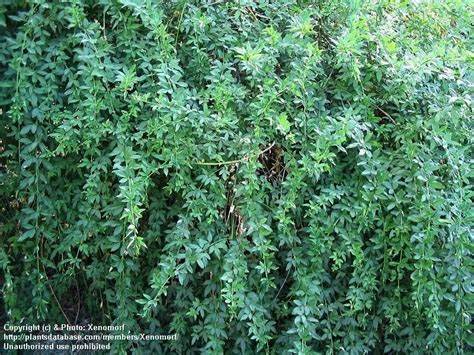
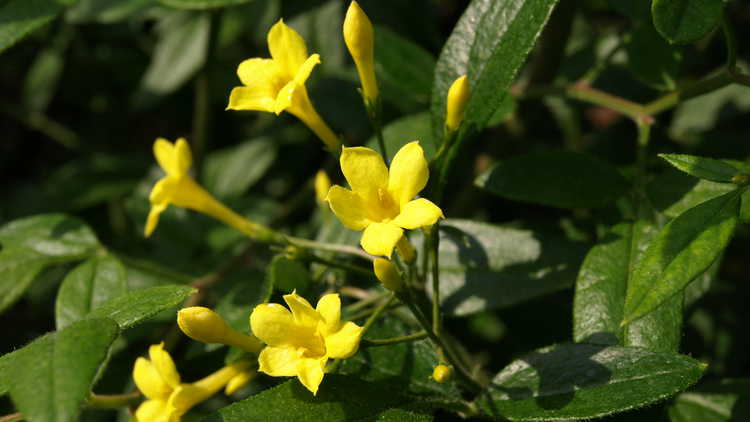
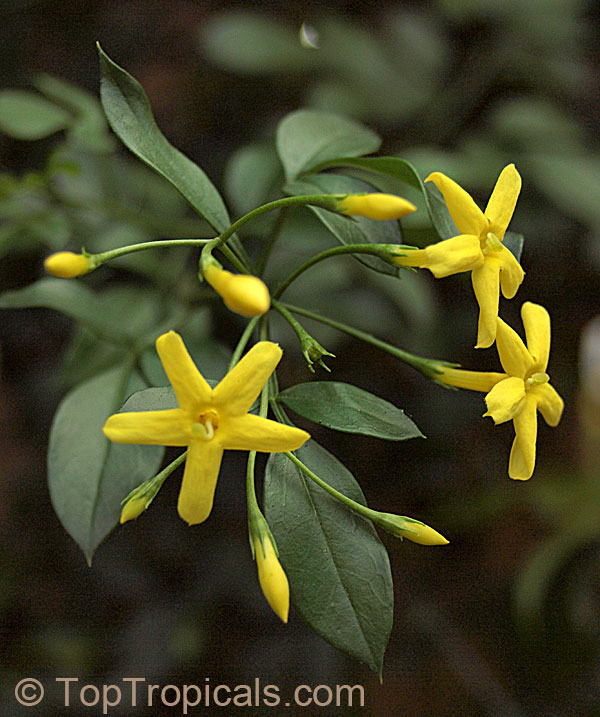
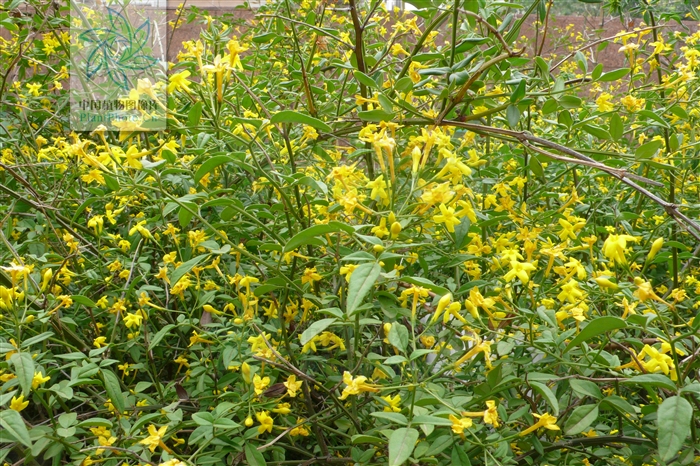
【形态】:常绿灌木,高可达3m;树形圆整。枝细长拱形,柔软下垂,绿色,有四棱。叶对生,小叶3,纸质,叶面光滑。花单生于具总苞状单叶的小枝顶端;萼片叶状,披针形;花冠黄色,径3~100px,裂片6或稍多,成半重瓣,较花冠筒长。花期4月,延续时间长。
【分布】:原产云南,南方庭园中颇常见。
【习性】:耐寒性不强,北方常温室盆栽。
【繁殖】:繁殖方法同迎春。
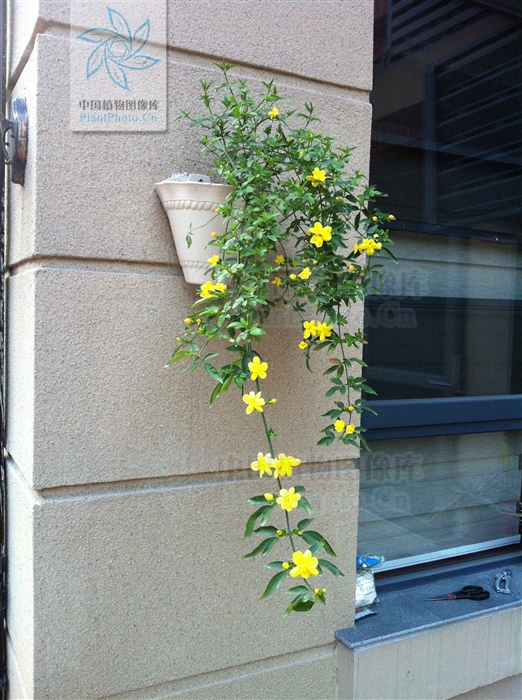
【用途】:云南素馨枝条细长拱形,四季常青,春季黄花绿叶相衬,艳丽可爱。最宜植于水边驳岸,细枝拱形下垂水面,倒影清晰,还可遮蔽驳岸平直呆板等不足之处;植于路缘、坡地及石隙等处均极优美;温室盆栽常编扎成各种形状观赏。
Jasminum mesnyi, the primrose jasmine or Japanese jasmine, is a species of flowering plant in the family Oleaceae, native to Vietnam and southern China (Guizhou, Sichuan, Yunnan). It is also reportedly naturalized in Mexico, Honduras and parts of the southern United States (Florida, Georgia, Alabama, Louisiana, Texas, Arizona).
Jasminum mesnyi is a scrambling evergreen shrub growing to 3 m (10 ft) tall by 1–2 m (3–7 ft) wide, with fragrant yellow flowers in spring and summer. The form usually found in cultivation has semi-double flowers.It is not frost-hardy. With suitable support it can be grown as a slender climber, though in confined spaces it will require regular pruning.
Jasminum mesnyi has gained the Royal Horticultural Society's Award of Garden Merit.
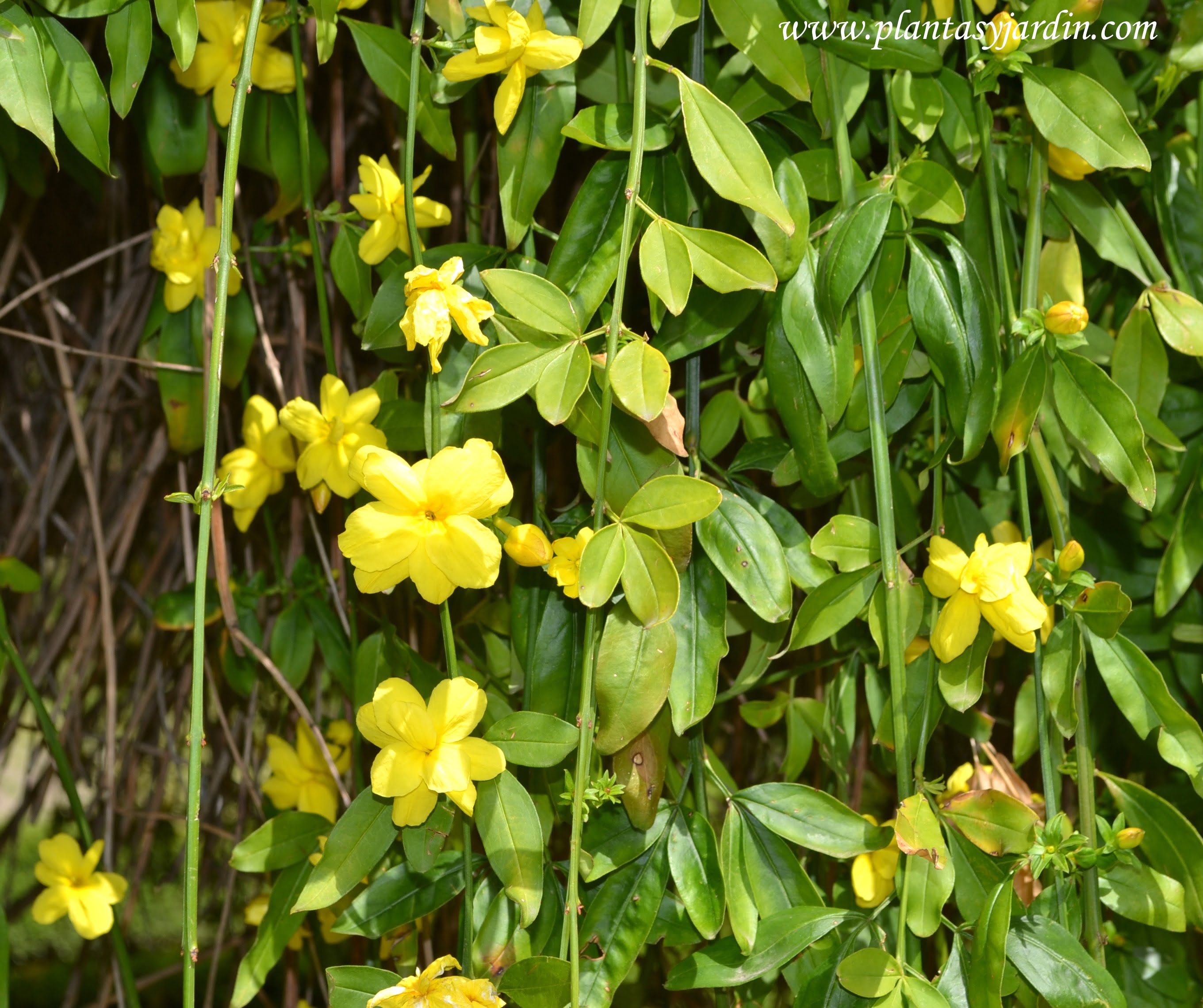
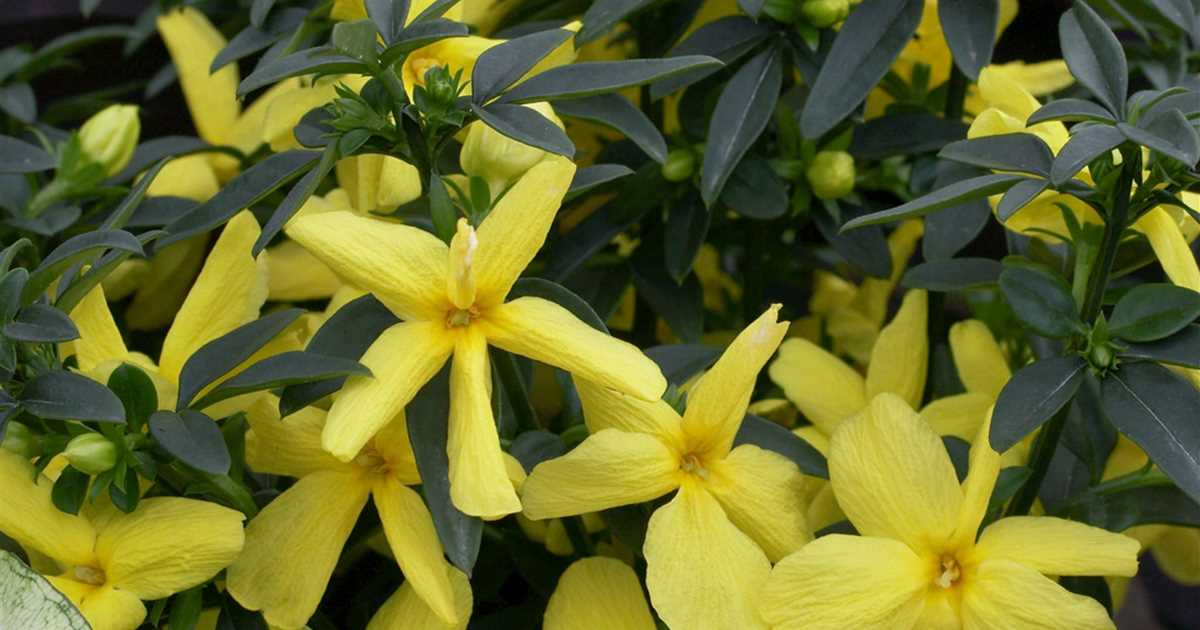

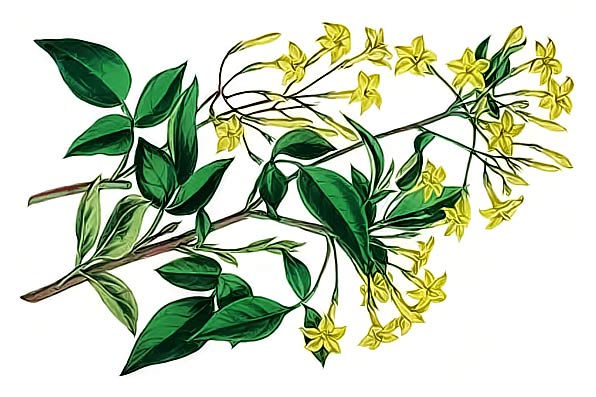
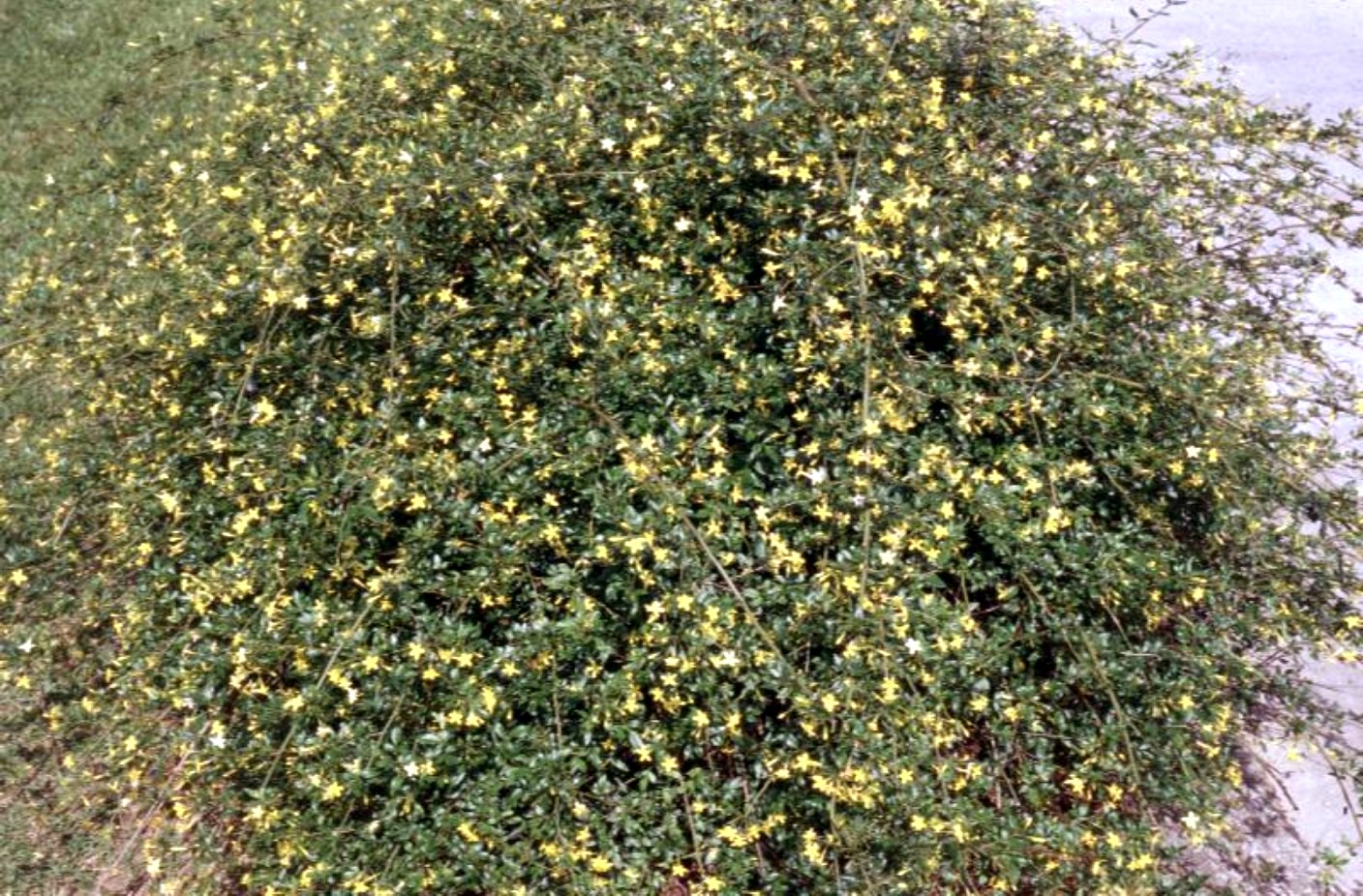
4.探春(迎夏)Jasminum floridum Bunge.
修改后:
探春花Chrysojasminum floridum (Bunge) Banfi(探春花属)
俗名:迎夏、黄素馨、黄素馨、甘肃矮探春
【形态】:半常绿灌木。幼枝绿色,光滑有4棱。叶互生,小叶常为3,偶有5或单叶,卵状长圆形,长1~87.5px,宽0.5~50px,边缘反卷,无毛;叶柄长125px,顶生小叶有短柄,侧生小叶近无柄。聚伞花序顶生,花萼钟形,裂片5,线形,与萼筒等长;花冠黄色,近漏斗状,裂片5,卵形,长约为花冠筒长度的1/2,冠筒长1~37.5px;雄蕊2,花丝短,
【习性】:喜光,喜潮湿土壤。
【繁殖】:一般用播种繁殖。可作其他丁香的乔化砧。
【用途】:暴马丁香花期较晚,在丁香专类园中,可起到延长花期作用。花可提取芳香
油,也是蜜源植物。青海省乐都县瞿昙寺内的一棵暴马丁香,相传是明洪武年间栽植,距今已有600多年的历史,被当地人称为“西海菩提树”,是佛门吉祥光盛的象征。
Flowering Jasmine is a showy, semi-evergreen shrub that grows up to 5' and is dense and fountain-like. This plant blooms in early summer and sporadically into fall. It is easily separated from J. nudiflorum because leaves are alternate. Jasminum floridum roots easily where arching branches touch the soil.
Chrysojasminum floridum
Common Name(s): Flowering Jasmine、Showy Jasmine
Previously known as: Jasminum floridum
Description
Flowering Jasmine is a showy, semi-evergreen shrub that grows up to 5' and is dense and fountain-like. This plant blooms in early summer and sporadically into fall. It is easily separated from J. nudiflorum because leaves are alternate. Jasminum floridum roots easily where arching branches touch the soil. Its cane-like growth can rapidly create colonies, which can cause the plant to look messy if not pruned. It is commonly planted on slopes, in raised planters, in foundations, as a specimen, and on overhanging walls. This plant is drought-tolerant, tolerant of partial shade, does well in sterile soils (good in clear-cut areas), has a rapid growth rate, and has no serious pest or disease problems. Its form is a mass of slender, arching green stems, haystack, and weeping.
Quick ID Hints:
Semi-evergreen shrub with arching, quadrangular stems
Leaves are alternate and ternately compound.
Yellow, 5-lobed flowers in the late spring and persist into fall.
2.68.5丁香属Syringa L.
落叶灌木或小乔木。顶芽常缺。叶对生,全缘或罕为羽状裂。花两性,顶生或侧生圆锥花序。萼钟形,4裂,宿存。花冠漏斗状,具4裂片。雄蕊2。蒴果长圆形。
约28种,我国24种,以秦岭地区为其分布中心。
原产我国,主要分布在亚洲温带地区及欧洲东南部。
分种检索表
1.花冠筒不长,花丝明显长出花冠筒…………………………………………………暴马丁香
1.花冠筒甚长于花萼,花药为花冠筒所包藏…………………………………………………2
2.叶小,阔卵形,背(至少基部)具毛;花长lcm,径175px;果具疣点………小叶丁香
2.叶广卵形,花径12 cm;果多无疣点…………………………………………………紫丁香
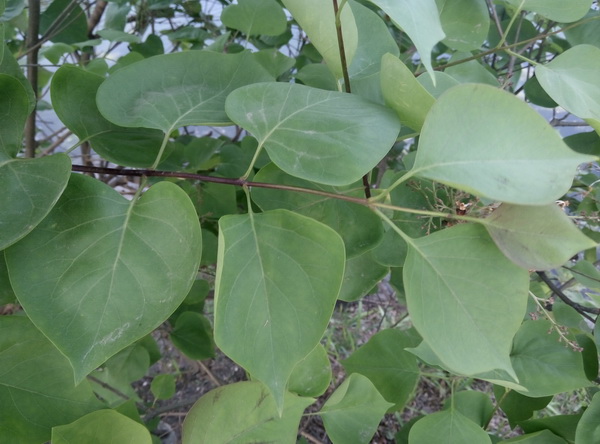
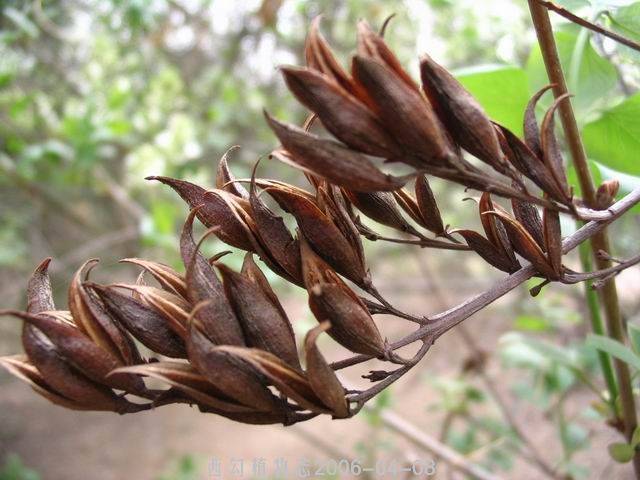
1.紫丁香Syringa oblata Lindl.
俗名:白丁香、毛紫丁香、华北紫丁香
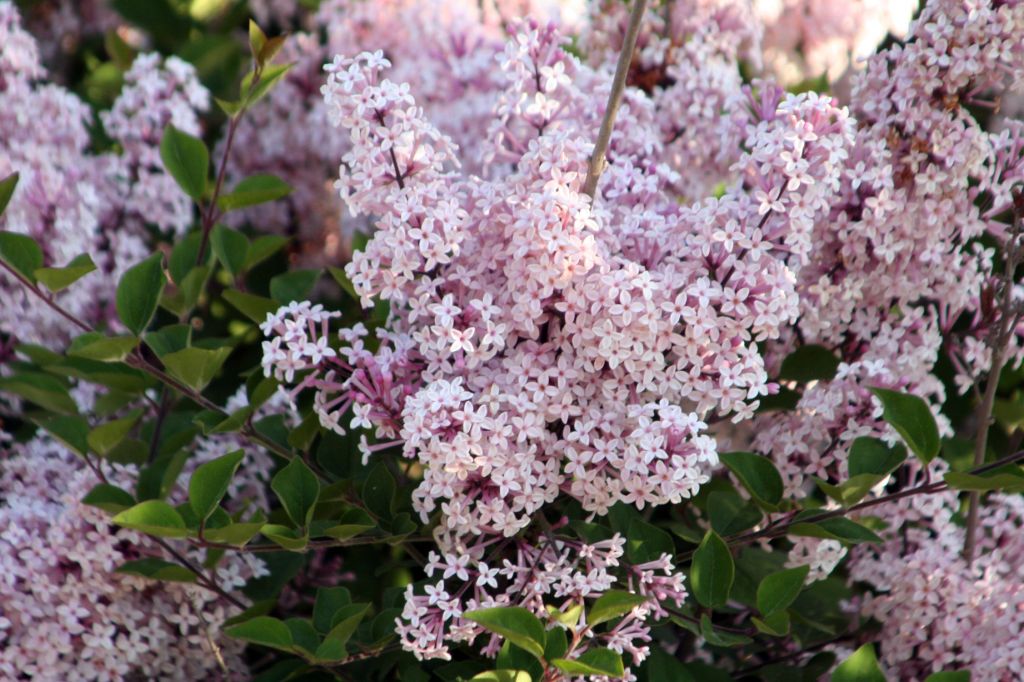
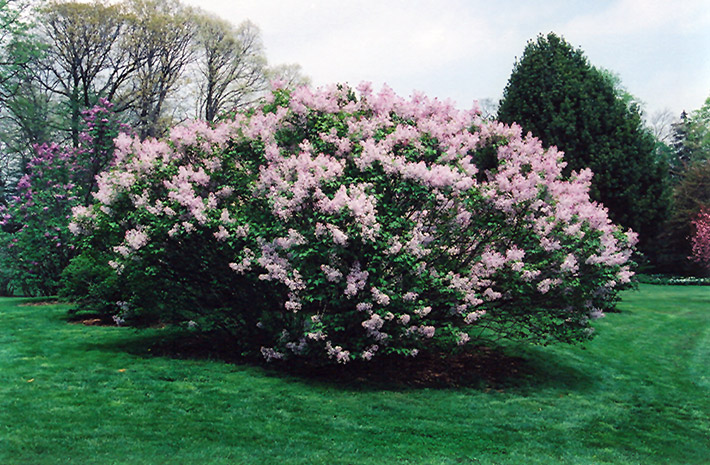
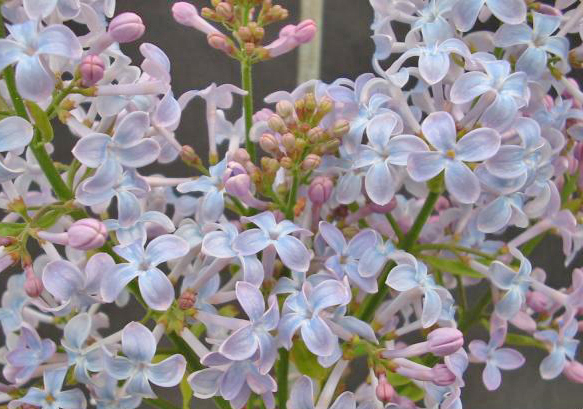
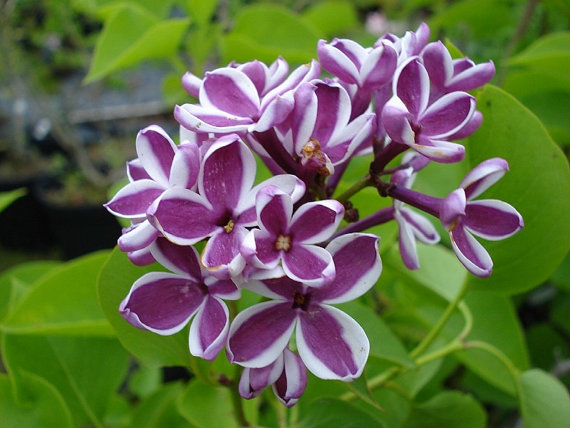
【形态】:落叶灌木或小乔木,高可达4~5m。树皮灰褐色,有沟裂。枝条粗壮,无毛。单叶对生,叶阔卵形,基部心形,全缘,通常宽大于长,宽5~cm。圆锥花序,花序发自侧芽,长6~375px;花萼钟状,有4齿;花冠紫色、蓝紫色或淡粉红色,端4裂开展,花筒长1~37.5px,芳香。蒴果长圆形,顶端尖,平滑,黄褐色,背裂。花期4月,果8~9月成熟。
【变种】:
(1)白丁香var.alba Rehd.,花白色,叶片较小,叶背微有柔毛。香气浓。
(2)紫萼丁香(毛紫丁香)var.giraldii Rehd.,叶先端长渐尖,叶背有柔毛,花序轴和花萼蓝紫色。
(3)湖北紫丁香var.hupehensis Pamp,叶卵形,基部楔形,花紫色;仅产湖北。
(4)佛手丁香var.plena Hort.,花白色,重瓣。
【分布】:原产中国华北地区。
【习性】:喜光,稍耐阴;耐寒,耐旱,适应性强;喜湿润肥沃排水良好的土壤,忌涝;不耐高温。萌芽力强,抗污染性强,也具有滞粉尘的能力,分泌的丁香酚能杀灭细菌。
【繁殖】:繁殖可用播种、分株、压条、嫁接、扦插等方法。
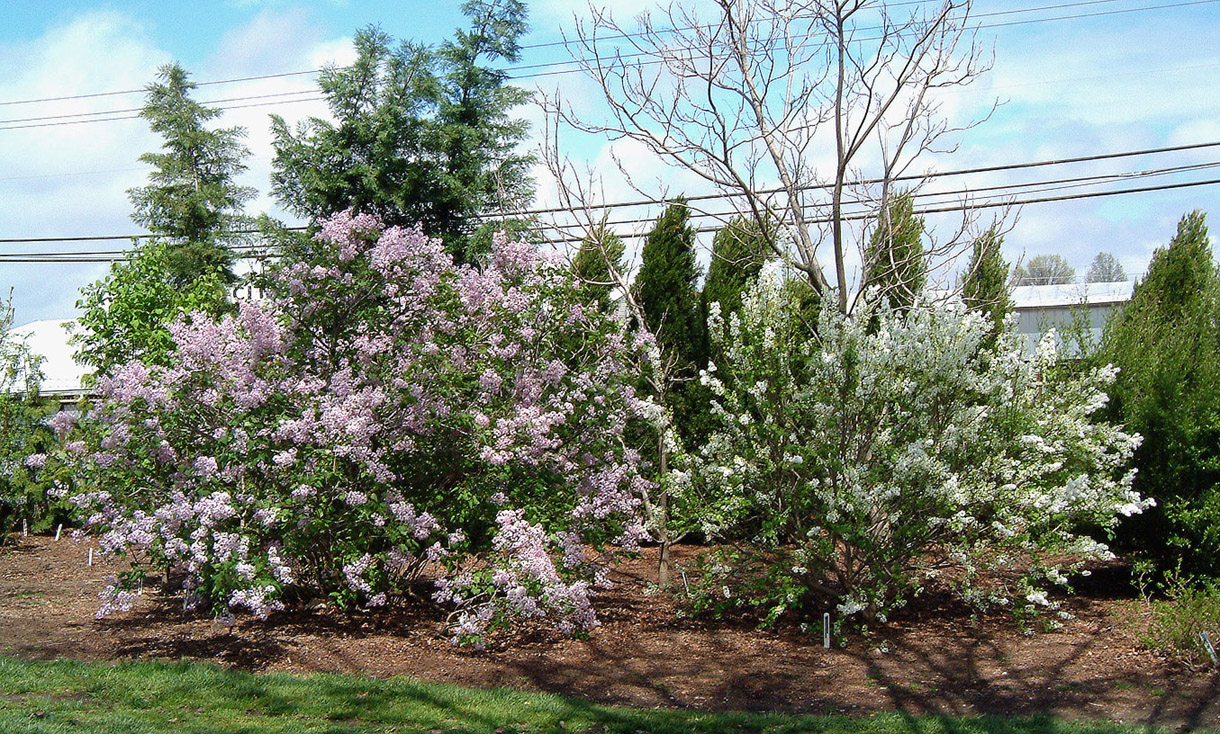
【用途】:丁香是中国特有的名贵花木,已有1000多年的栽培历史。宋代周师厚在《洛阳花木记》(1082年)中,就已有丁香的栽培繁殖是“接种俱可”的记载。由于抗污染性强,并能分泌丁香酚杀菌,宜广植于庭园、厂矿、居民区等绿地中;也可多种丁香配植成专类园,形成美丽、清雅、芳香,花开不绝的景观。丁香是西宁、呼和浩特、哈尔滨、石嘴山等市的市花。
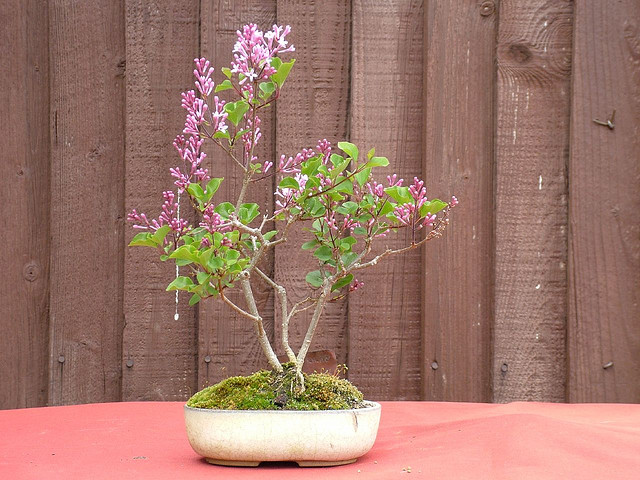
Syringa oblata is a species in the genus Syringa, in the family Oleaceae. It is also known as early blooming lilac or broadleaf lilac.
Syringa oblata
Common Name(s): Broadleaf Lilac、Early Lilac、Korean Lilac
Previously known as: Syringa affinis、Syringa chinensis、Syringa giraldii
Description
Early Lilac is a flowering tree in the olive family. It is hardy, preferring hot summers and cold winters. Flower buds are susceptible to frost injury in early spring. Good air circulation is needed. This is best planted near a patio or walkway where the fragrance can be enjoyed.
Syringa oblata grows best in moist, fertile, well-drained soils where the pH hovers between slightly acidic and slightly alkaline.
Removing the spent blooms before they set seed will give you more blooms the next year.
Insects, Diseases and Other Plant Problems: Powdery mildew can be an issue on the foliage in late summer. Leaf spot may also appear. Aphids, caterpillars, borers, and scale are insects that may damage this plant.
Native of N. China; introduced by Robert Fortune from a garden in Shanghai in 1856. It is very closely allied to S. vulgaris, but is easily distinguished by the wider leaves and by flowering about a fortnight earlier. My experience of it is that it is the most unsatisfactory of all the lilacs except S. reticulata var. mandshurica. It is excited into growth by mild weather in early spring, only to have its young leaves and flowers destroyed by later frost. Probably in higher localities it may succeed better, for the shrub itself is perfectly hardy, and in climates with a much harder but more settled winter than ours flowers abundantly. The leaves turn red in autumn.
This is the species which is one parent of the early hybrids S. × hyacinthiflora. In addition to the original introduction, which is widely cultivated in N. China, other varieties have been introduced.
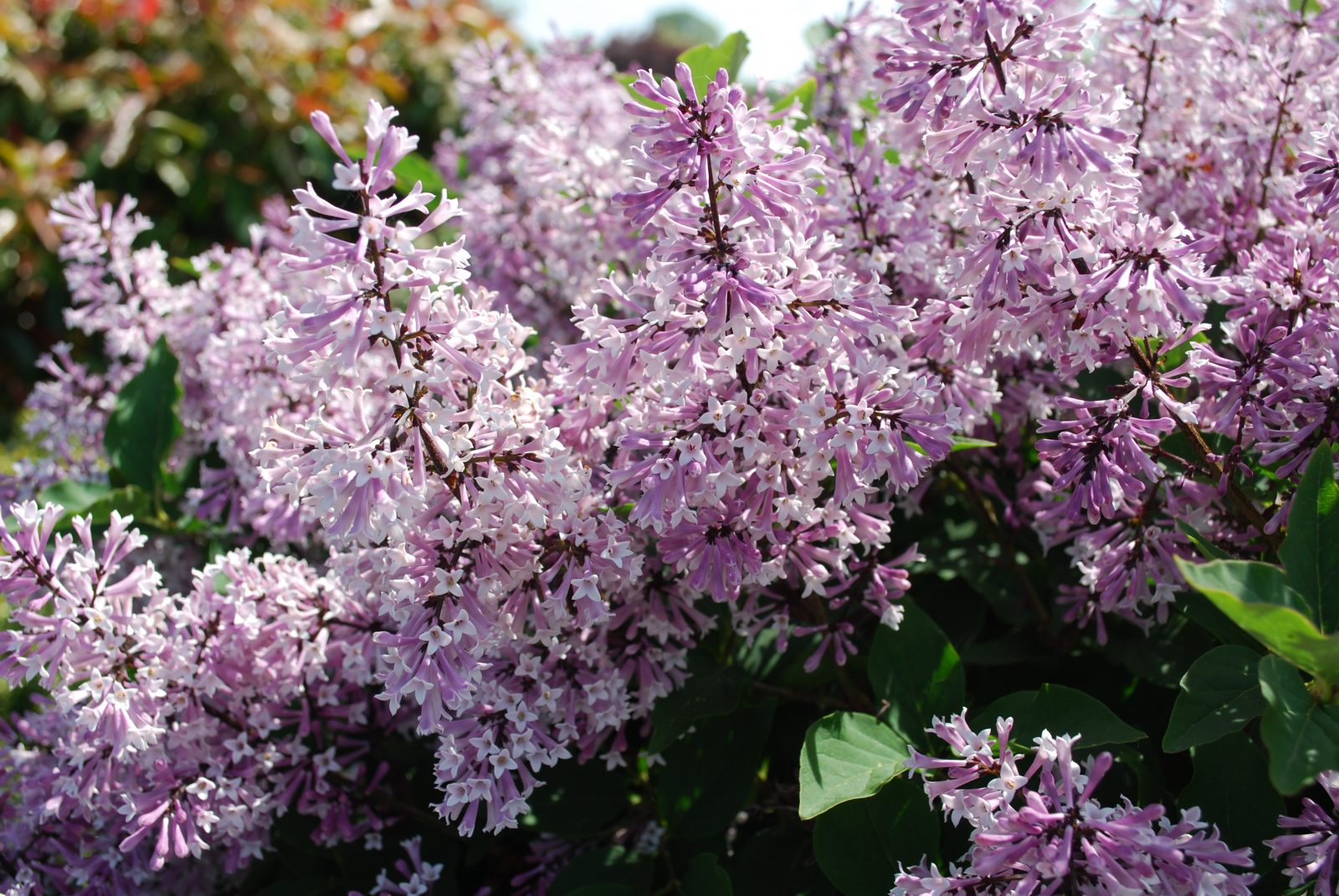
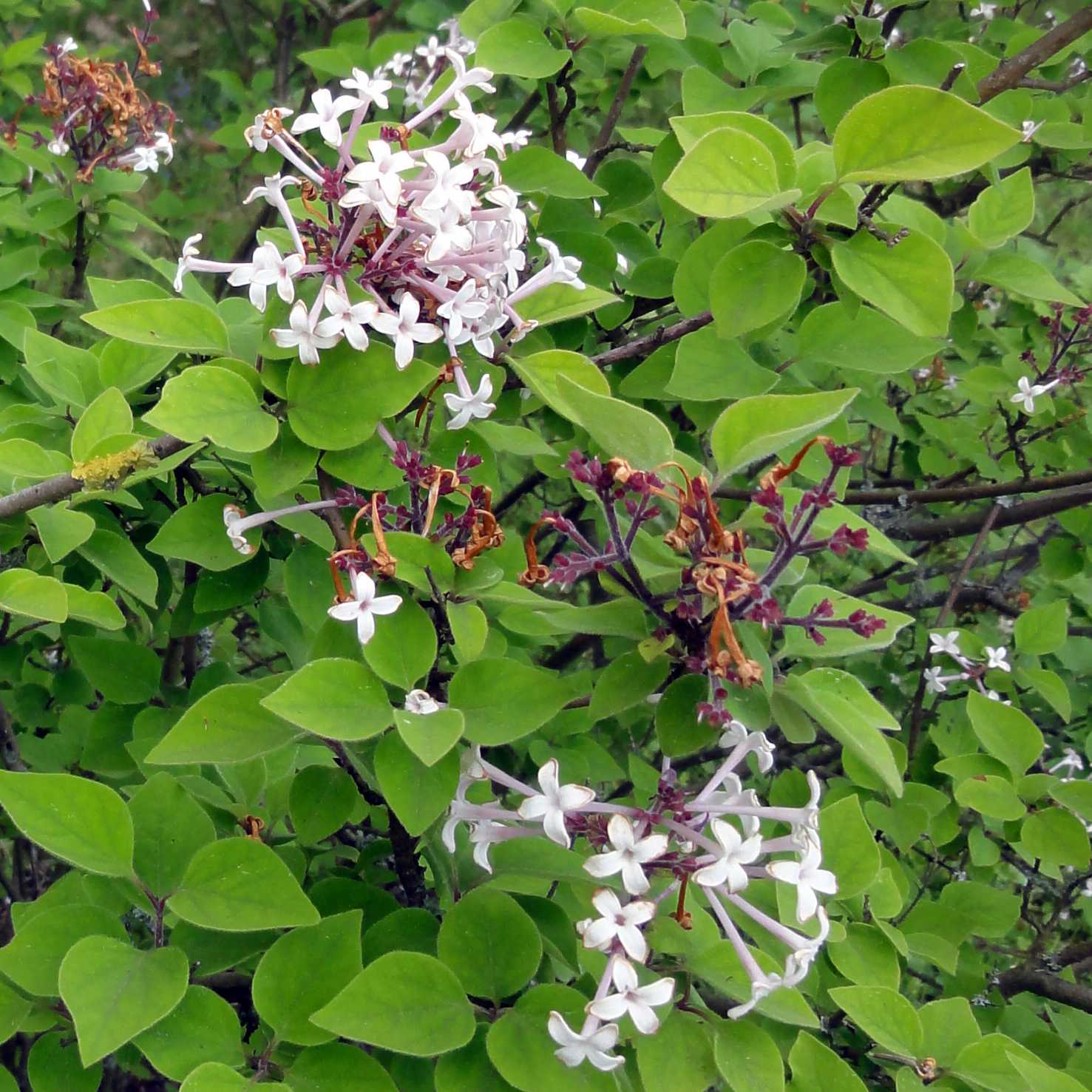
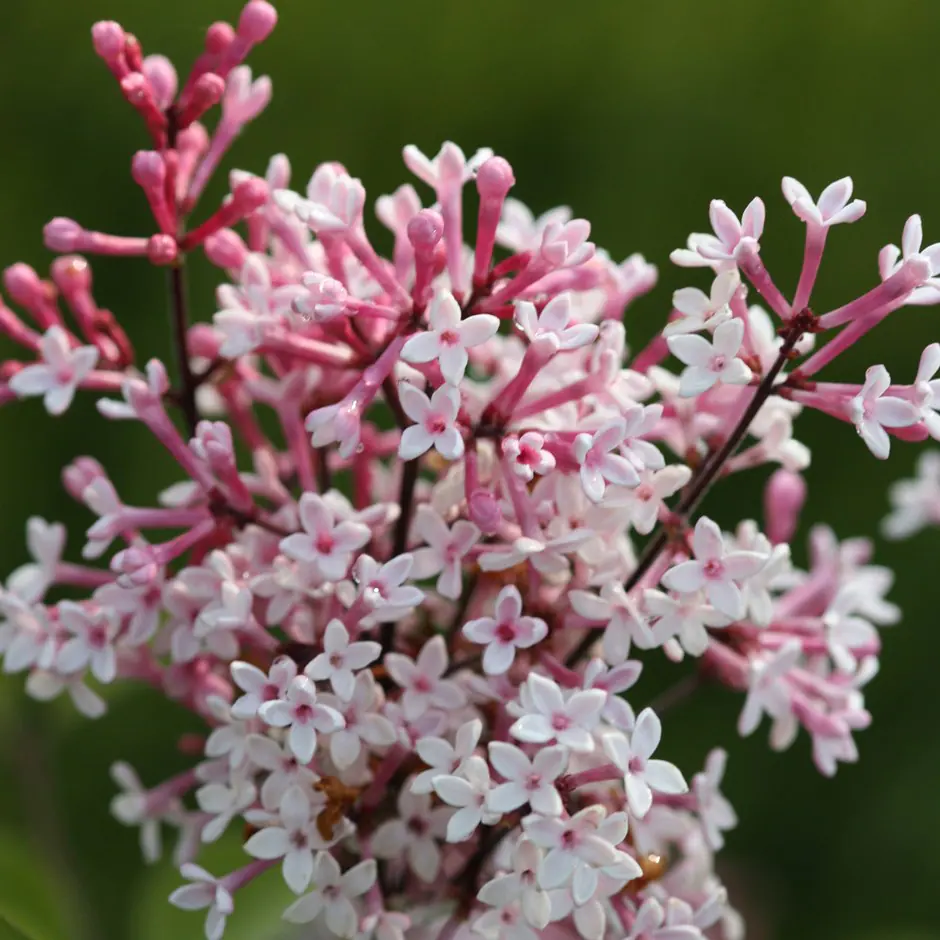
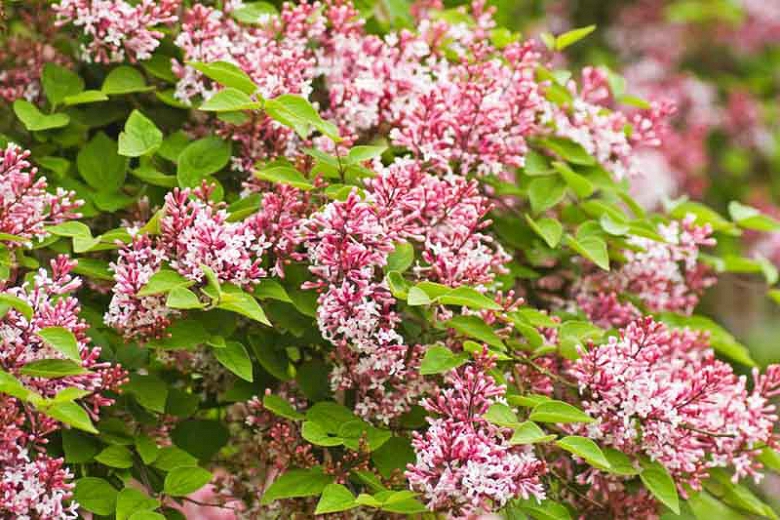
2.小叶丁香(四季丁香、绣球丁香)Syringa microphylla Diels.
修改后:
小叶巧玲花Syringa pubescens subsp. microphylla (Diels)M.C.Chang & X.L.Chen
俗名:四季丁香、小叶丁香
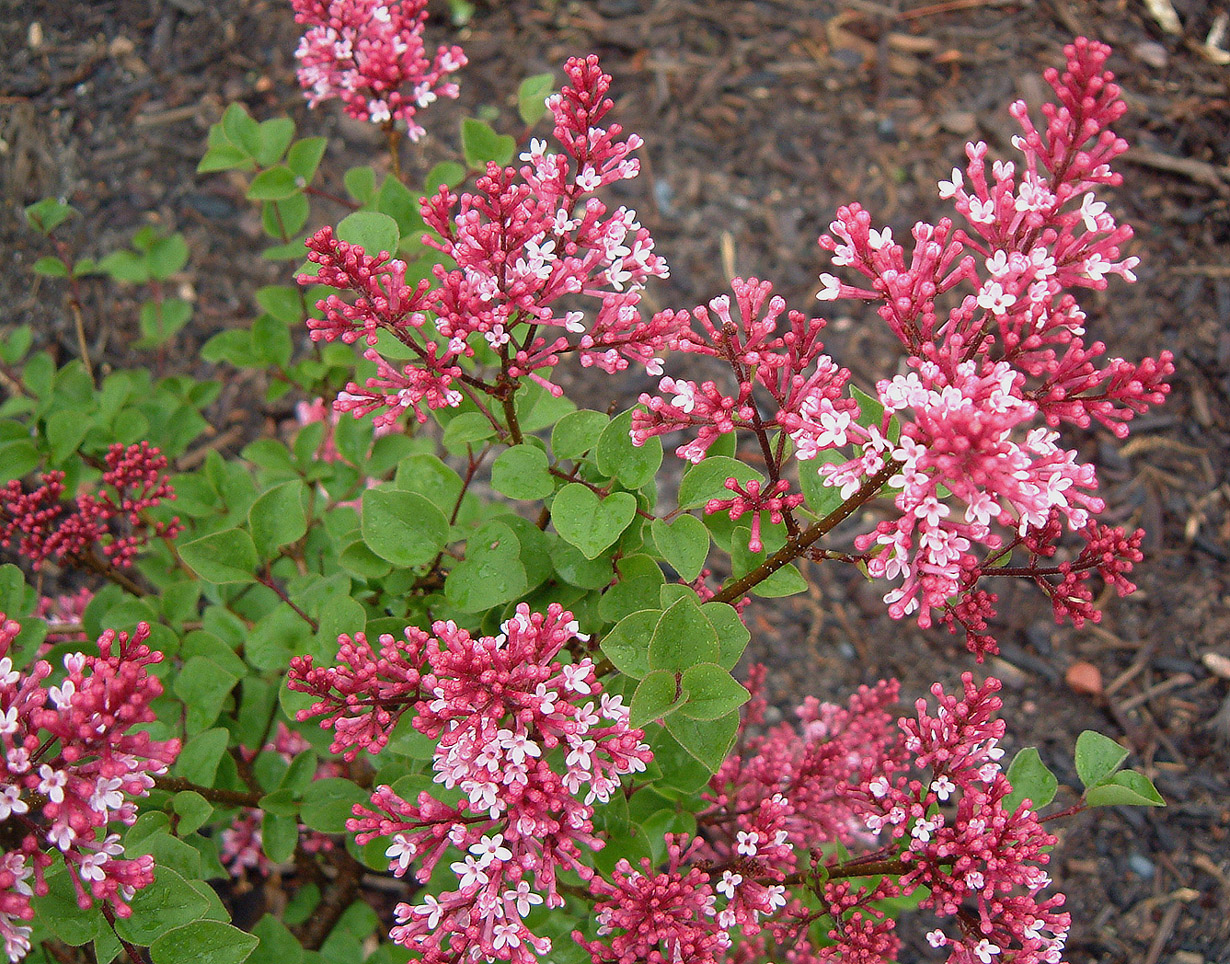
【形态】:落叶灌木,高约2.5m。幼枝灰褐色,被柔毛。叶卵形或椭圆状卵形,全缘,有缘毛。圆锥花序紧密,淡紫色或紫红色。花期4月下旬至5月上旬;秋季7月下旬至8月上旬。
【分布】:产中国河北、河南、陕西、陕西等省。
【习性】:喜阳,喜土层厚、湿润、排水良好的土壤,也能耐寒、耐旱。
【用途】:枝条柔细,树姿优美,花色鲜艳,一年二度开花,为园林中的优良的花灌木。
Syringa pubescens is a species of flowering plant in the lilac genus of the family Oleaceae, native to Korea and China.
A deciduous shrub or small tree, 12 to 15 ft high, forming a rounded head of branches; young shoots glabrous. Leaves 1 to 21⁄2 in. long, 3⁄4 to 11⁄2 in. wide, broadly ovate, sometimes roundish, tapered abruptly at the apex to a short point, rounded or broadly wedge-shaped at the base, dull green and glabrous above, pale and with a little scattered down beneath, most abundant on the midrib; stalk 1⁄4 to 1⁄2 in. long. Flowers fragrant, pale lilac or nearly white, produced along with the young leaves during early May in leafless panicles from one or both of the terminal buds of last year’s shoots. The panicles are 3 to 5 in. long, 2 to 3 in. wide, the corolla-tube slender, 1⁄2 in. long; lobes 1⁄8 in. long, the incurving of the margins making them cupped. Calyx very short, with triangular lobes. Series Pubescentes. Bot. Mag., t. 7064.
Native of N. China; introduced by Dr Bretschneider in 1881. It is only a second-rate lilac in this country, owing to the frequent injury of the young growths and panicles by late frost. In the United States, where the summer heat is greater, and the seasons better defined, it is very beautiful. The confusion in the naming of this shrub and S. villosa is alluded to under that species.



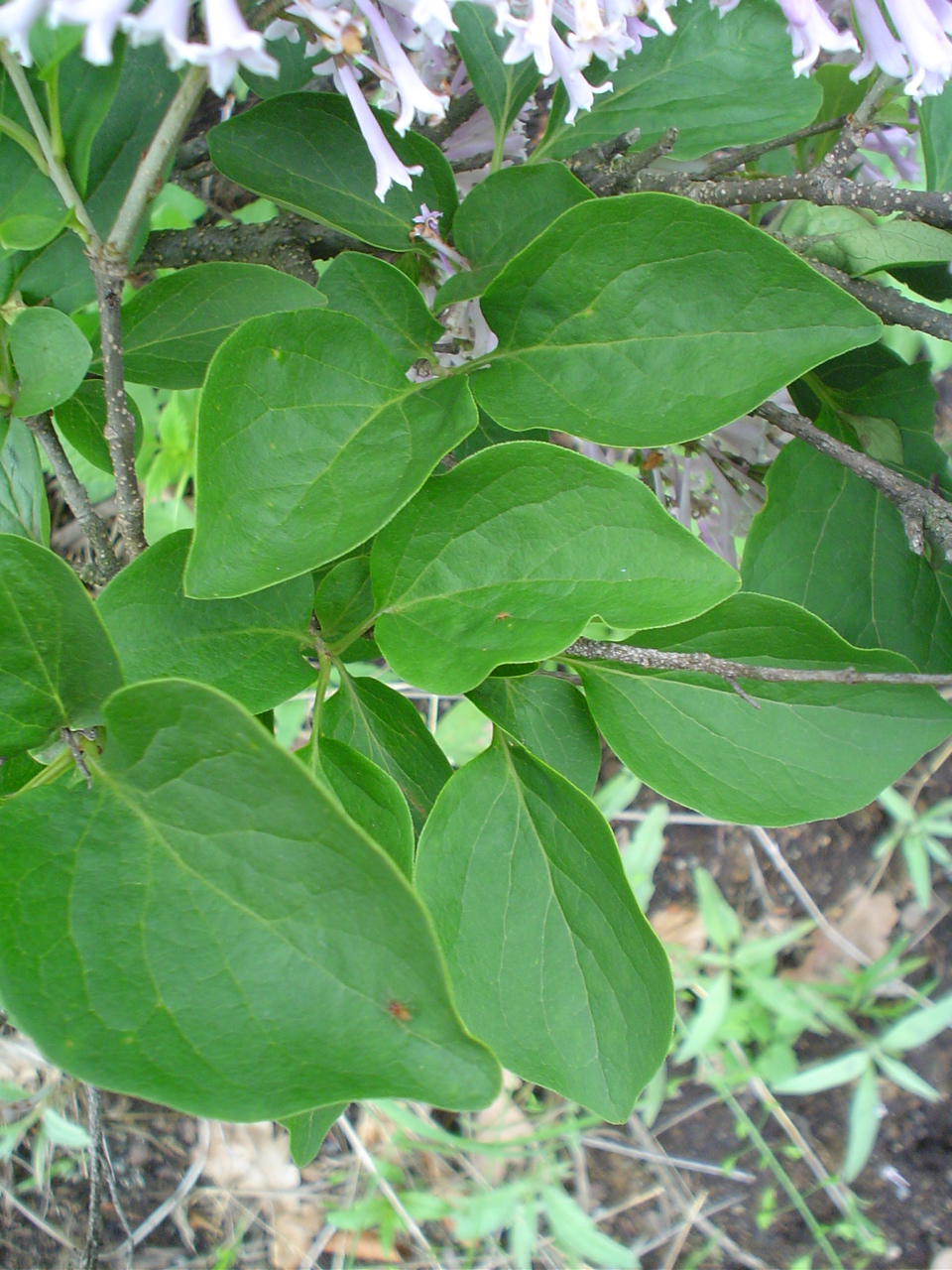
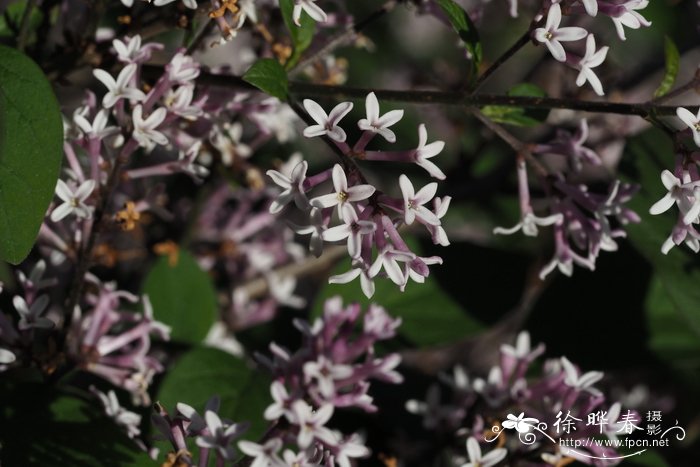
3.暴马丁香(暴马子、白丁香、荷花丁香)
Syringa reticulata subsp. amurensis (Ruprecht) P. S. Green & M. C. Chang
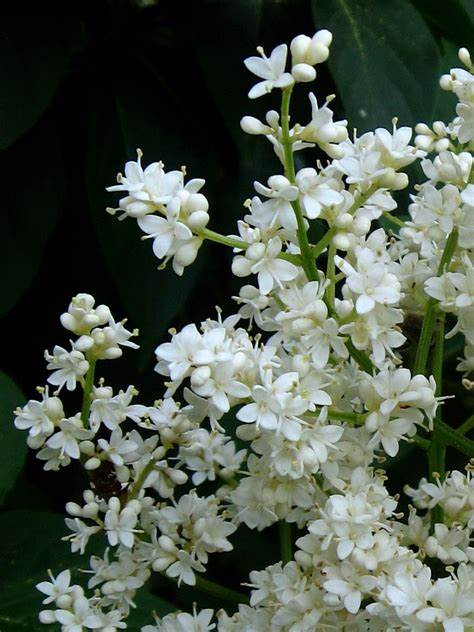
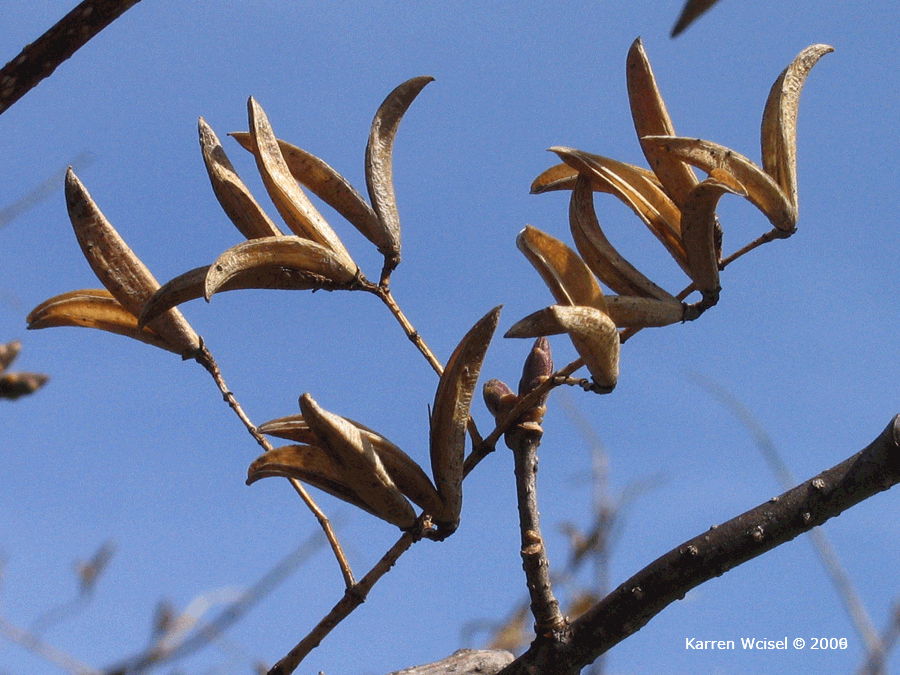
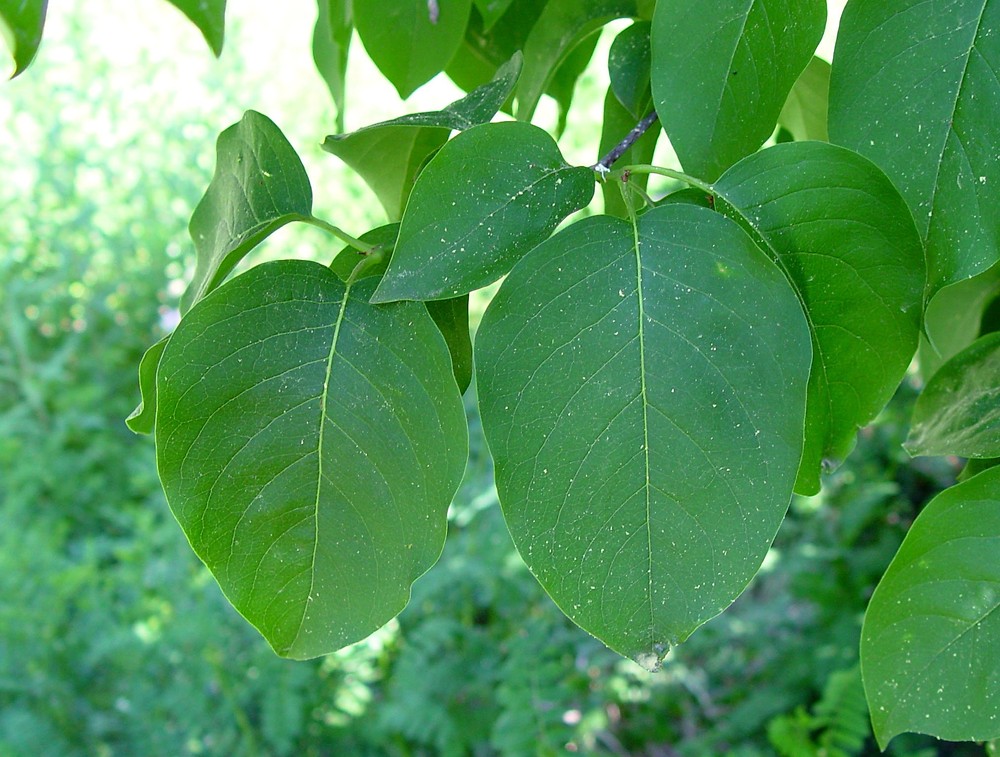
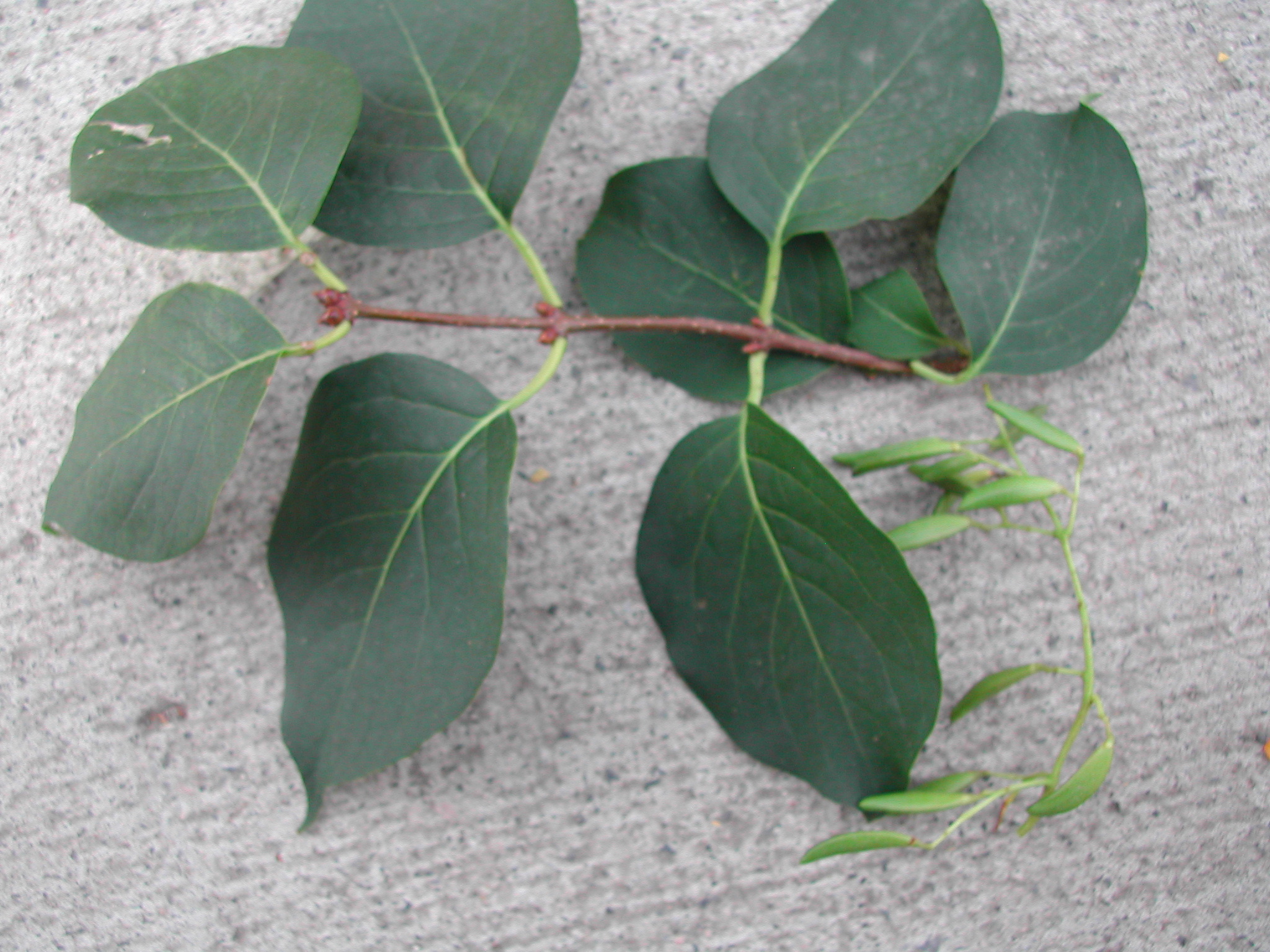
【形态】:落叶灌木或小乔木。枝上皮孔显著。单叶对生,厚纸质,宽卵形至椭圆状卵形,长5~c-m,端短尾尖至尾状渐尖或锐尖,基通常圆形或截形,叶面网脉明显凹下而在背面隆起;叶柄长1~62.5px,无毛。圆锥花序大而疏散,长~375px;花冠白色,筒短;花丝细长,雄蕊几乎为花冠裂片2倍长。蒴果矩圆形,先端钝。花期5月底至6月。
【习性】:喜光,喜潮湿土壤。
【繁殖】:一般用播种繁殖。可作其他丁香的乔化砧。
【用途】:暴马丁香花期较晚,在丁香专类园中,可起到延长花期作用。花可提取芳香油,也是蜜源植物。青海省乐都县瞿昙寺内的一棵暴马丁香,相传是明洪武年间栽植,距今已有600多年的历史,被当地人称为“西海菩提树”,是佛门吉祥光盛的象征。
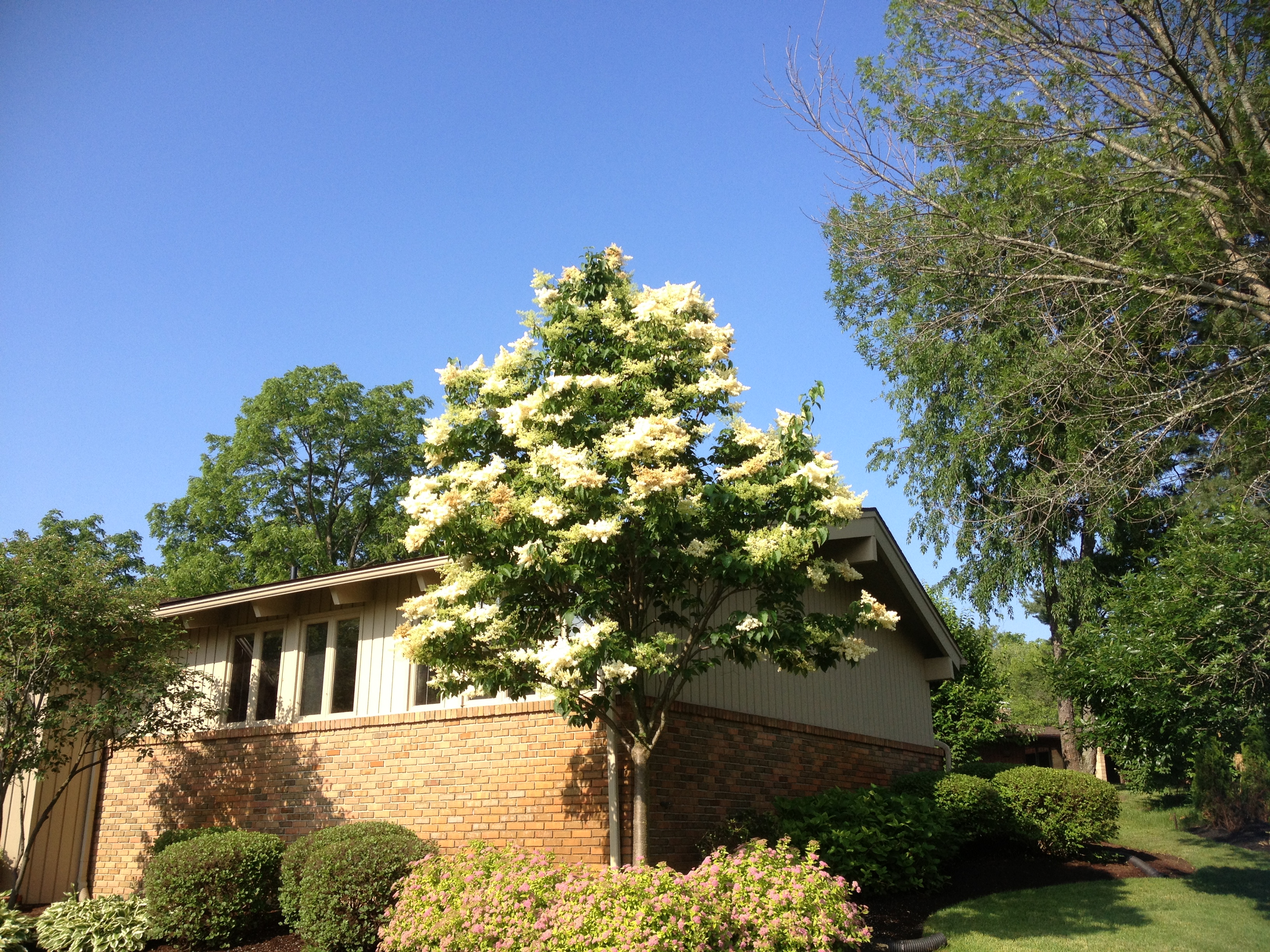
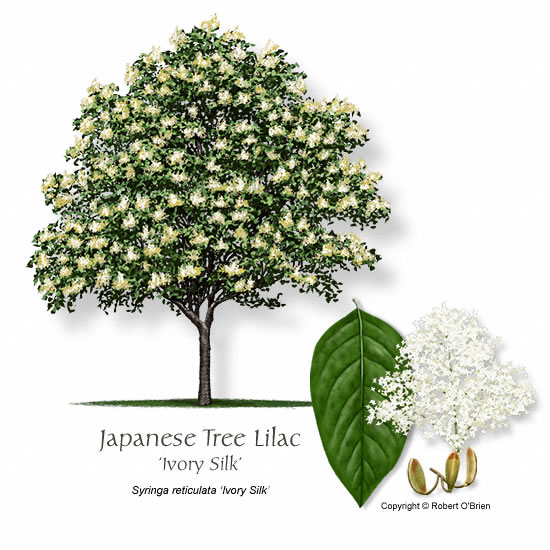
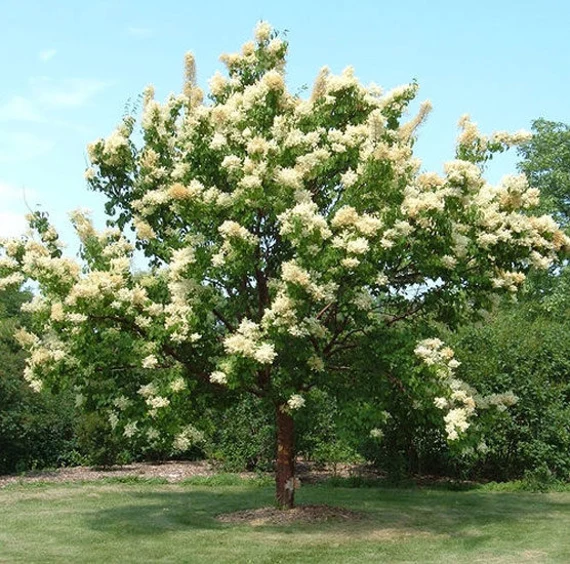
Syringa reticulata, the Japanese tree lilac. is a species of flowering plant in the family Oleaceae native to eastern Asia, which is grown as an ornamental in Europe and North America.
Syringa reticulata subsp. amurensis
Common Name(s): Amur(阿穆尔河(即黑龙江)) Lilac、Amur Tree Lilac、Manchurian(中国东北人; 满族人) Lilac
Description
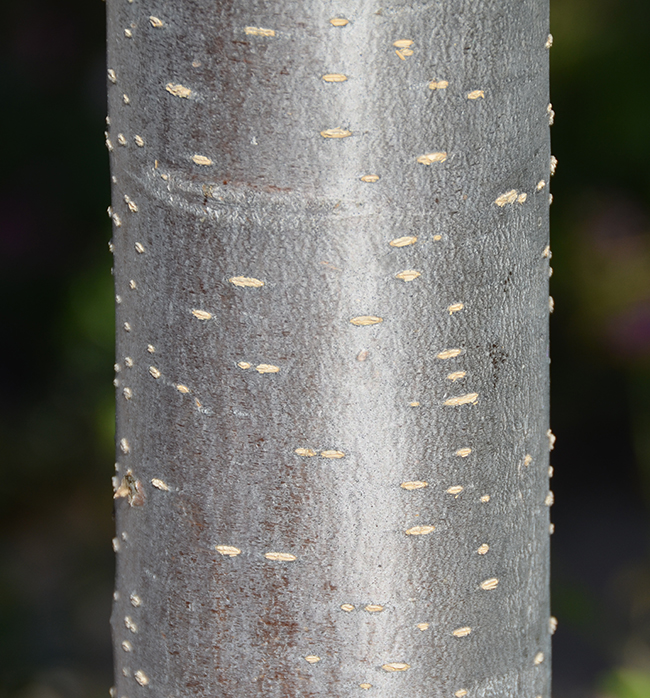
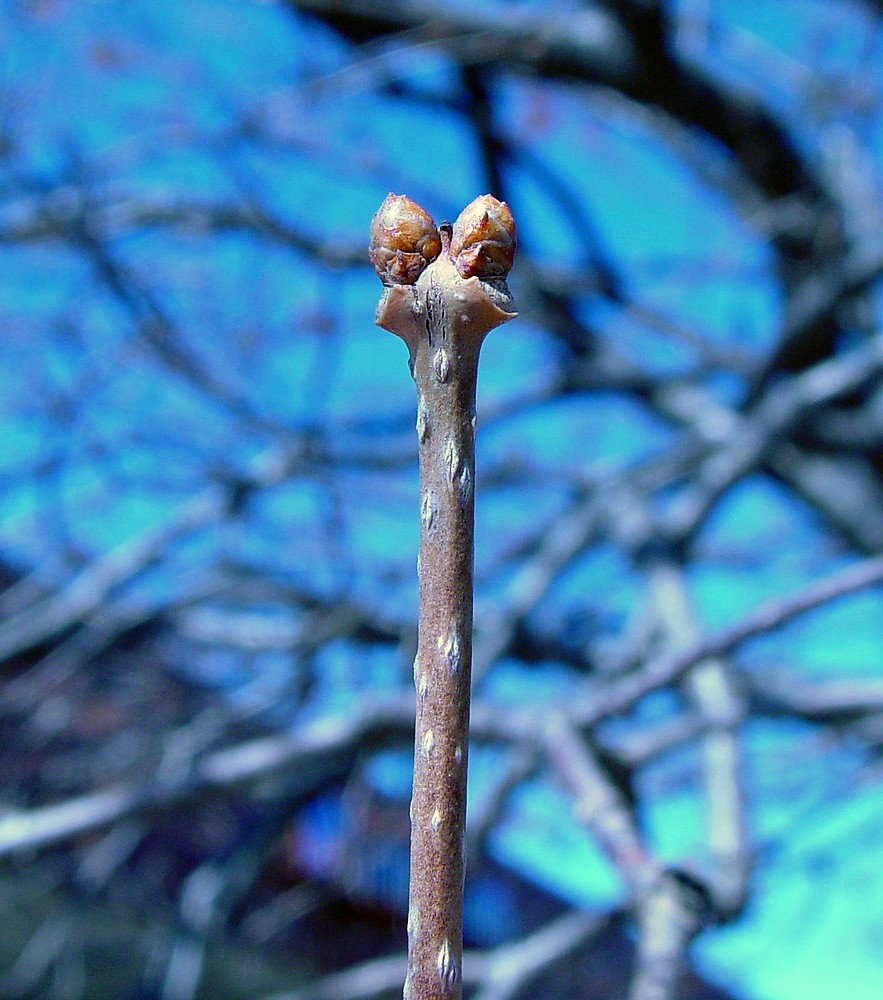
Amur lilac can be grown either as a large shrub or a small tree. It has a glossy bark that peels on younger branches. It is highly similar to the Japanese Tree Lilac (Syringa reticulata subsp. reticulata) but the bark of the Japanese Tree Lilac is slightly more reddish and a darker brown. Amur lilac is also more rounded and broader than Japanese Tree Lilac, which is larger and has a more tree-like habit.
Although adaptable to soil ph, it prefers soil in a neutral range, slightly acidic to slightly alkaline. Best flower production, as well as disease resistance, is achieved by planting it in full sun, with well-drained soil and good air circulation. It blooms in late spring to early summer.


2.68.6连翘属Forsythia Vah1.
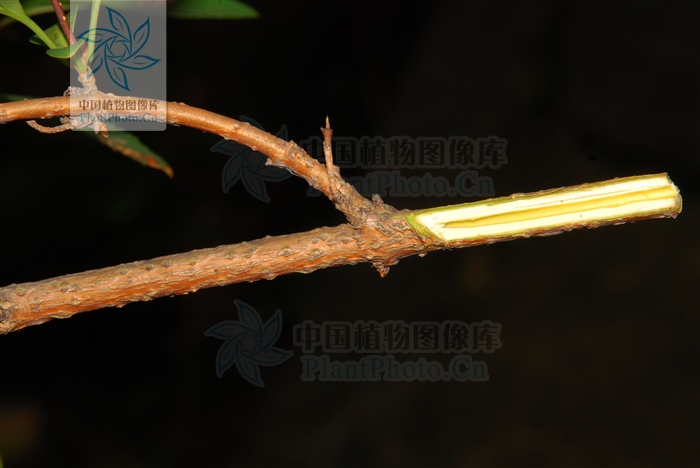
灌木。枝髓部中空或呈薄片状。叶对生,单叶或羽状3出复叶,全缘或3裂。先叶开花,1~3(5)朵生于叶腋;萼4深裂;花冠黄色,深4裂,裂片狭长圆形或椭圆形;雄蕊2;子房2室,柱头2裂。蒴果卵圆形;种子有狭翅。7种,分布于欧洲至日本。我国4种,产西北至东北和东部。
分种检索表
1.节间中空;叶卵形,常3裂或呈羽状3出复叶…………………………………………连翘
1.节间具片状髓;单叶,椭圆状披针形;枝直立………………………………………金钟花
1.连翘(挂拉鞭、黄寿丹、黄花杆)Forsythia suspense(Thunb.)Vahl.
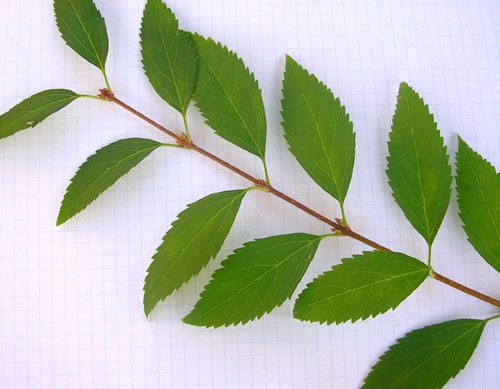
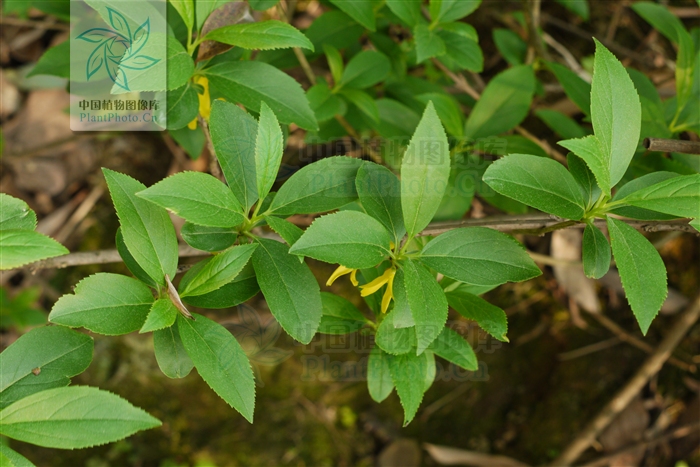
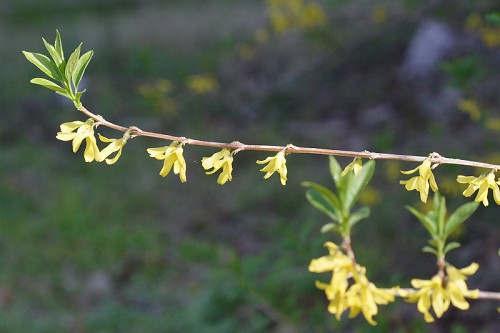
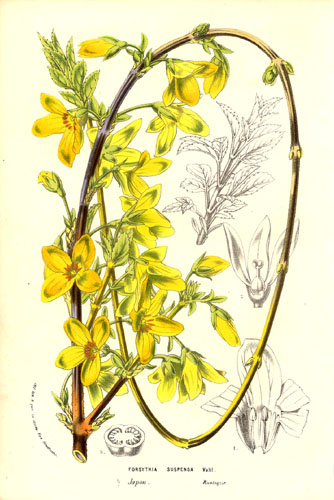
【形态】:落叶丛生灌木。枝开展,拱形下垂,小枝黄褐色无毛,稍四棱,枝中空。单叶对生,卵形至椭圆状卵形,长3~7(10)cm,宽1.5~100px。无毛,先端急尖,基部圆形至宽楔形,少数叶3裂或成羽状3出复叶,叶缘有粗锯齿。花单生或数朵簇生于叶腋,先叶开放;花冠黄色钟状,4裂,裂片长于花冠筒。蒴果卵圆形,长约50px,先端有长喙,基部略狭,表面散生瘤点。花期3~5月,果期7~8月。
【变种】:(1)垂枝连翘var.sieboldii Zabel,花冠裂片较宽,扁平,微开展。
(2)三叶连翘vat.fortunei Rehd.,叶或3裂。花冠裂片窄,常扭曲。枝较细而下垂,通常可匍匐地面,而在枝稍生根。叶通常为3小
【分布】:产我国北部、中部及东北各省;现各地有栽培。
【习性】:喜光,有一定程度的耐阴性;耐寒;耐干旱瘠薄,怕涝;不择土壤。抗病虫害能力强。连翘有两种花,一种花的雌蕊长于雄蕊,另一种花的雄蕊长于雌蕊,两种花不在同一植株上生长。连翘有自花授粉不亲合的现象,而且不与同一类型的花受精。
【繁殖】:用扦插、压条、分株、播种繁殖,以扦插为主。
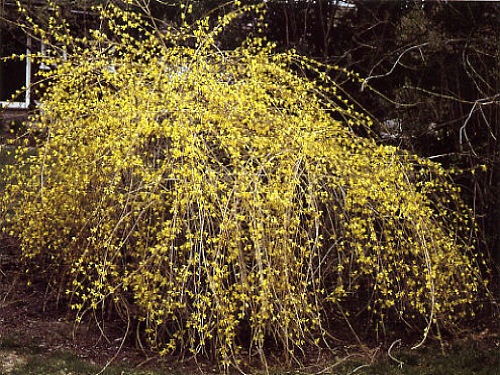
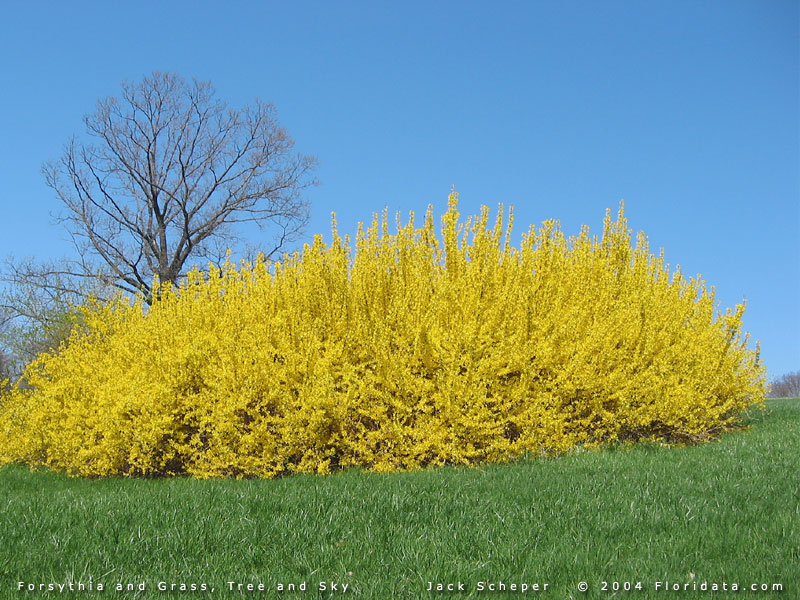
【用途】:连翘枝条拱形开展,早春花先叶开放,满枝金黄,艳丽可爱,是北方常见优良的早春观花灌木。宜丛植于草坪、角隅、岩石假山下、路缘、转角处,阶336连翘前、篱下及作基础种植,或作花篱等用;以常绿树作背景,与榆叶梅、绣线菊等配植,更能显出金黄夺目之色彩;大面积群植于向阳坡地、森林公园,则效果也佳。其根系发达,有护堤岸之作用。
Forsythia suspensa, commonly known as weeping forsythia or golden-bell, is a species of flowering plant in the family Oleaceae, it is native to China.
Forsythia suspensa
Common Name(s): Weeping Forsythia(连翘属植物;)
Description
Drought tolerant; stems that touch the ground form roots. These plants are occasionally damaged by deer. This plant was named after a Scottish botanist named William Forsythia.
Noteworthy Characteristics
Forsythia suspensa, commonly called weeping forsythia, is an upright, arching, deciduous shrub most noted for its weeping habit. As a shrub, it typically grows 6-10' tall and as wide, but weeping branches may be trained on a support structure to grow somewhat taller as a woody vine. Golden 4-petaled flowers appear in profusion before the foliage in late winter to early spring. One of the earliest blooming shrubs... a true harbinger of spring. Opposite, serrate, ovate, simple to trifoliate, medium green leaves (to 4" long). No appreciable fall color. This species is native to China and is one of the parents of the popular Forsythia x intermedia hybrids.
Genus name honors William Forsyth (1737-1804), Scottish superintendent of the Royal Gardens of Kensington Palace (肯辛顿宫;)and author, among other works, of A Treatise on the Culture and Management of Fruit Trees which in its day was probably the most widely read work on the subject.
Specific epithet means hanging.


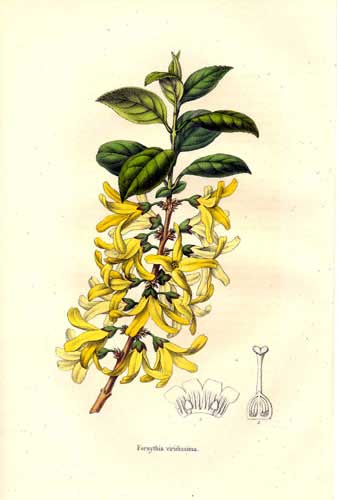
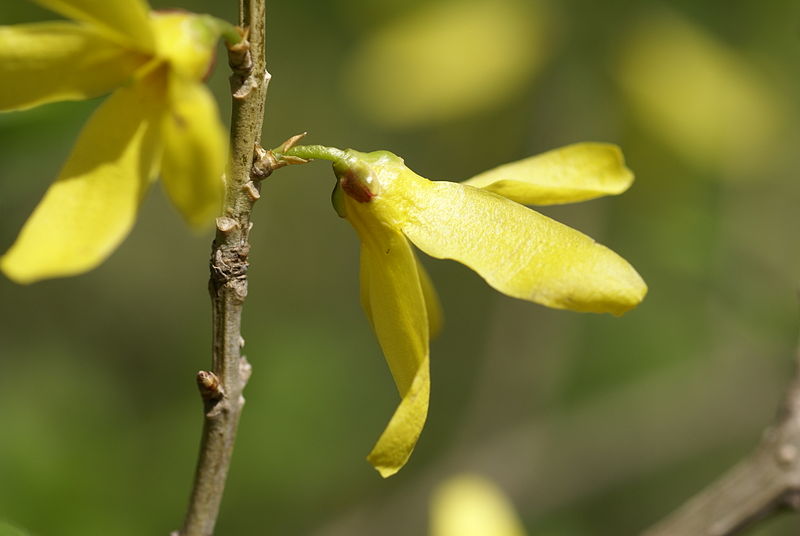
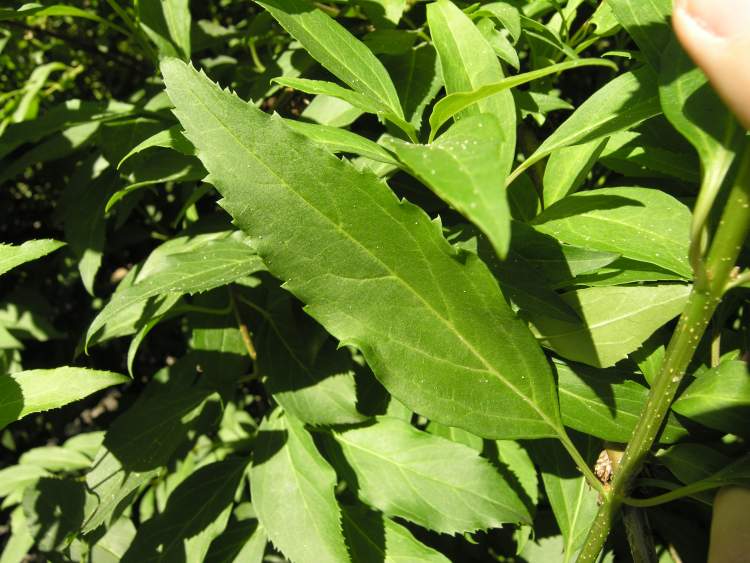
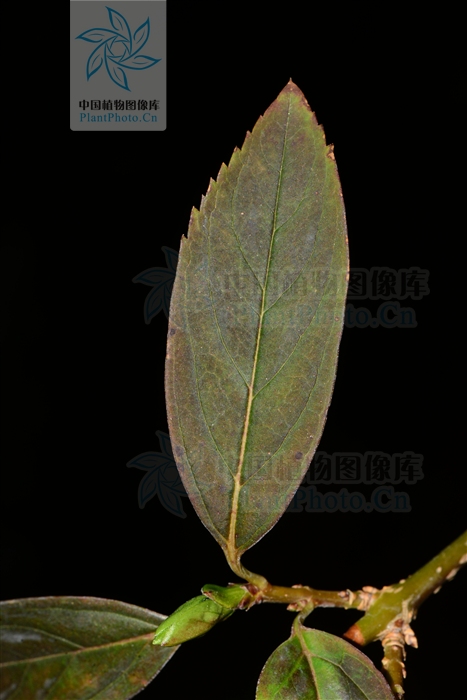
2.金钟花(单叶连翘)Forsythia viridissima Lind1.
【形态】:落叶灌木。树皮淡黄褐色。小枝呈四棱形,片状髓。叶长圆状披针形,长3.5~250px,宽1.5~87.5px,先端急尖,基部楔形,上半部有粗锯齿或近全缘,两面无毛。花深黄色钟状,先叶开放,1~3花腋生;萼4裂;花冠4裂,裂片狭长圆形,长为冠筒的2倍;雄蕊2枚,着生于冠筒基部,与筒部近等长;雌蕊柱头2裂。蒴果卵形,先端有长喙,基部稍圆;种子狭长圆形,有翅。花期3月下旬至4月,果期7~8月。
【分布】:分布于江苏、安徽、浙江、江西、福建、湖北、湖南、云南。
【繁殖】:用压条和插条繁殖。
【用途】:同连翘。
Forsythia viridissima
Common Name(s): Easter tree、Greenstem Forsythia
Description
Greenstem Forsythia is a deciduous shrub in the Oleaceae family that is native to Asia. It is widely used for its early yellow flowers which provide needed relief from winter. It will grow to 10 feet tall and wide with arching stems. The plant takes well to pruning after flowering and can be cut to the ground for rejuvenation.
Plant in average garden soil in full sun for best blooming. It is tolerant of a variety of soils. Use in a shrub border, as an accent or foundation plantings.


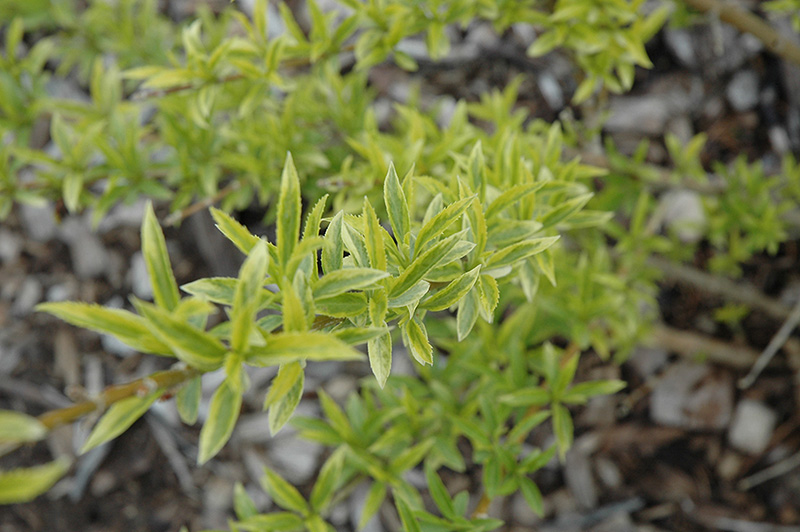
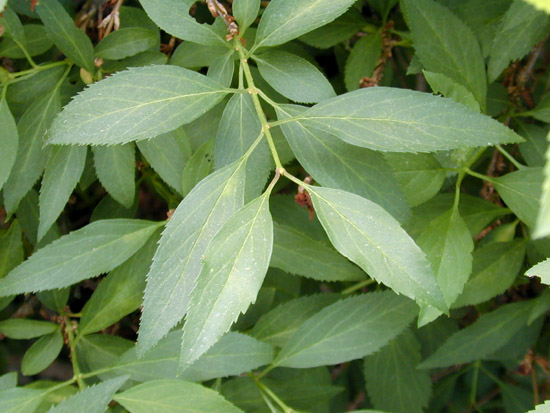
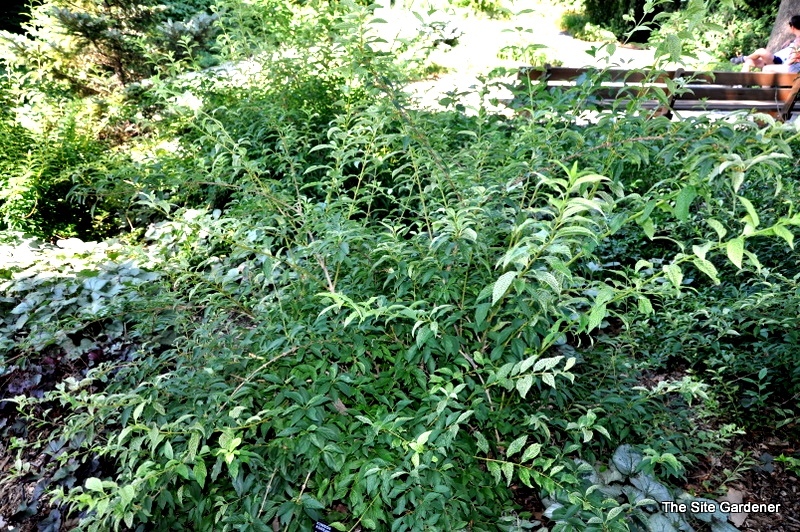

2.68.7雪柳属Fontanesia Labi11.
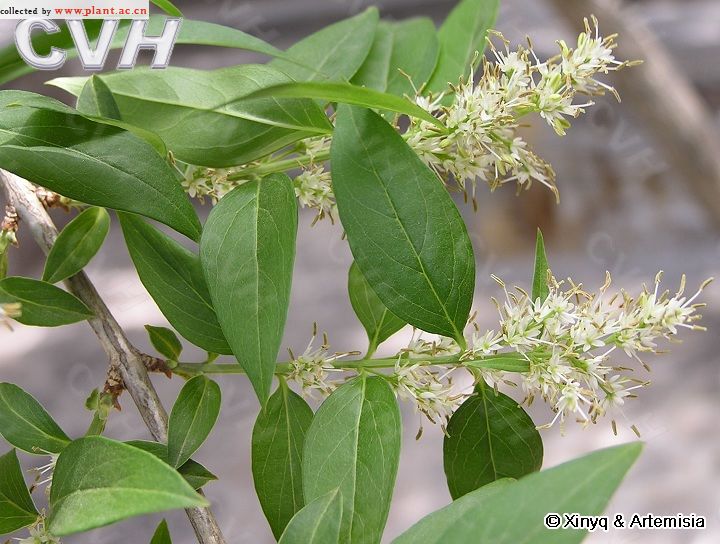
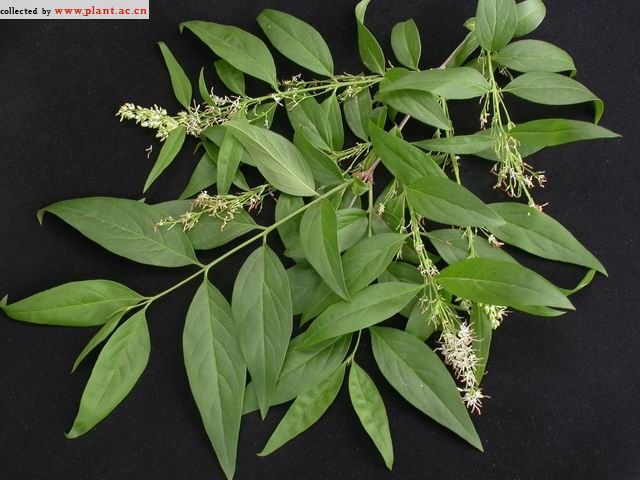
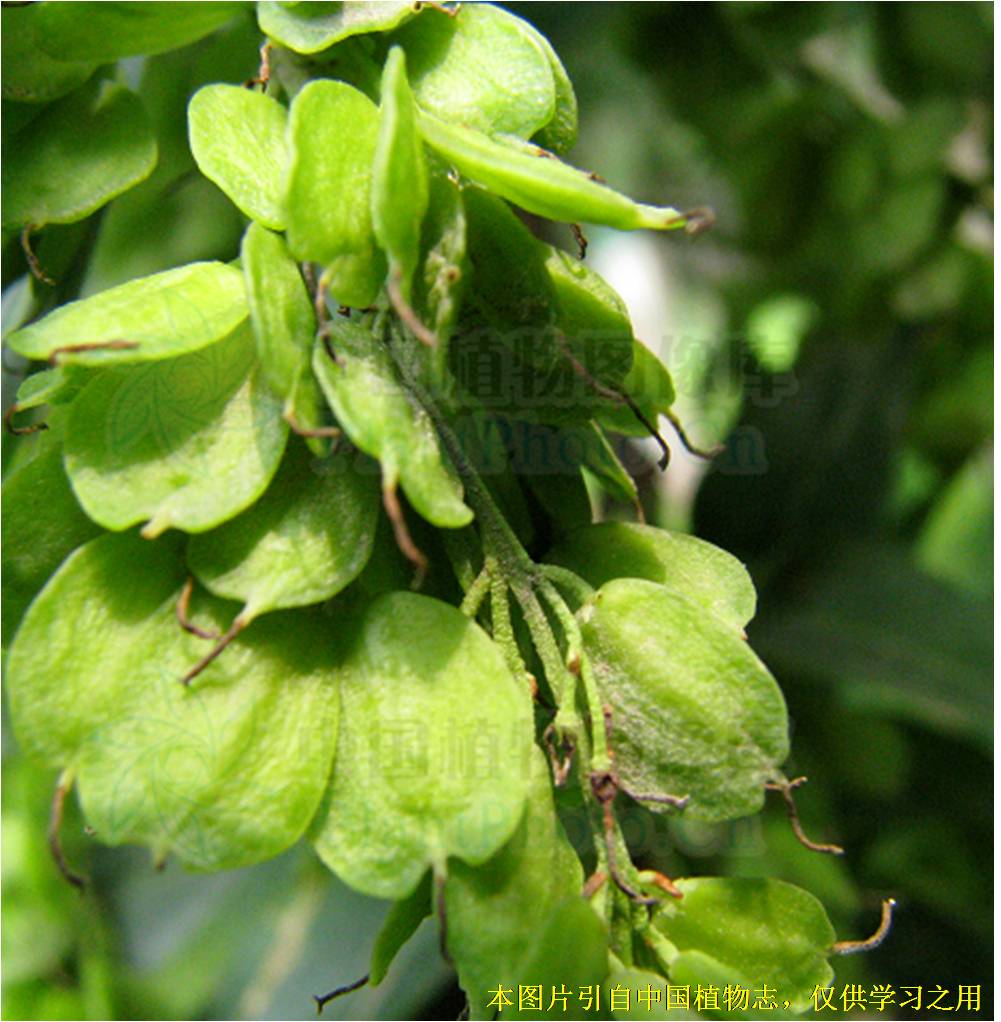
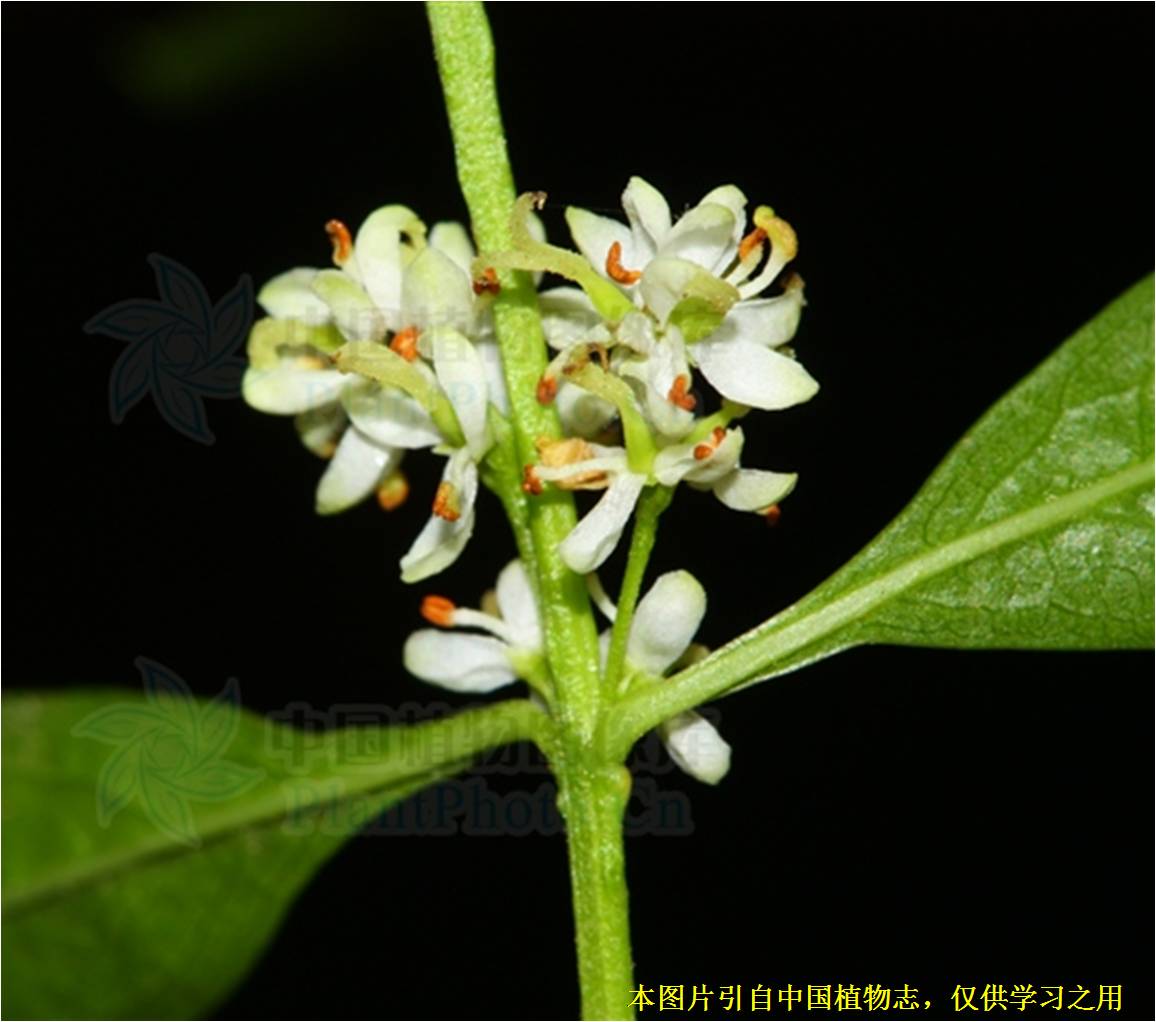
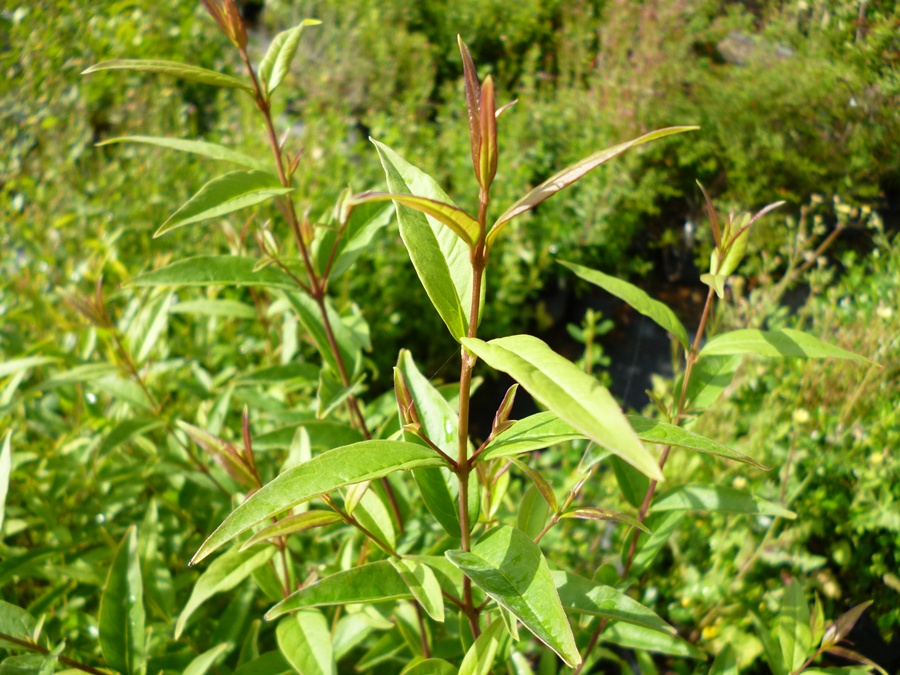
落叶灌木。小枝四棱形。单叶对生。两性花小,组成具叶的圆锥花序;萼4裂;花瓣4,基部合生;雄蕊2,花丝伸出花冠外;子房上位2室,柱头2裂。翅果阔椭圆形或卵形扁平。2种,我国1种。
Fontanesia is a genus of flowering plants in the family Oleaceae, usually treated as comprising a single species Fontanesia phillyreoides, though some authors split this into two species. It is native to southern Europe, southwestern Asia and eastern Asia, with two well-separated populations.
雪柳Fontanesia fortunei Carr.
Fontanesia phillyreoides subsp. fortunei (Carriere) Yaltirik
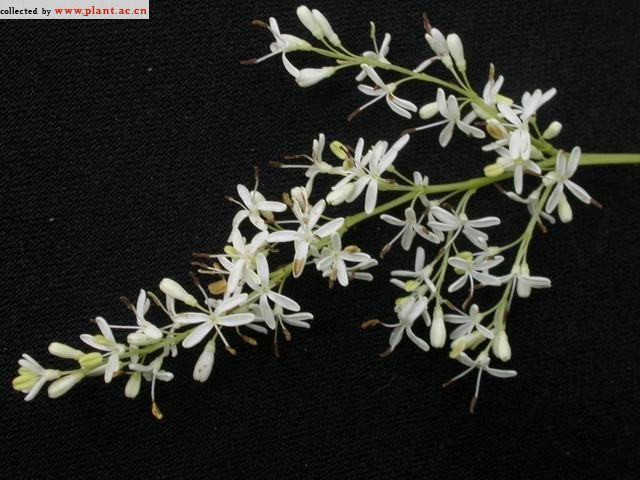
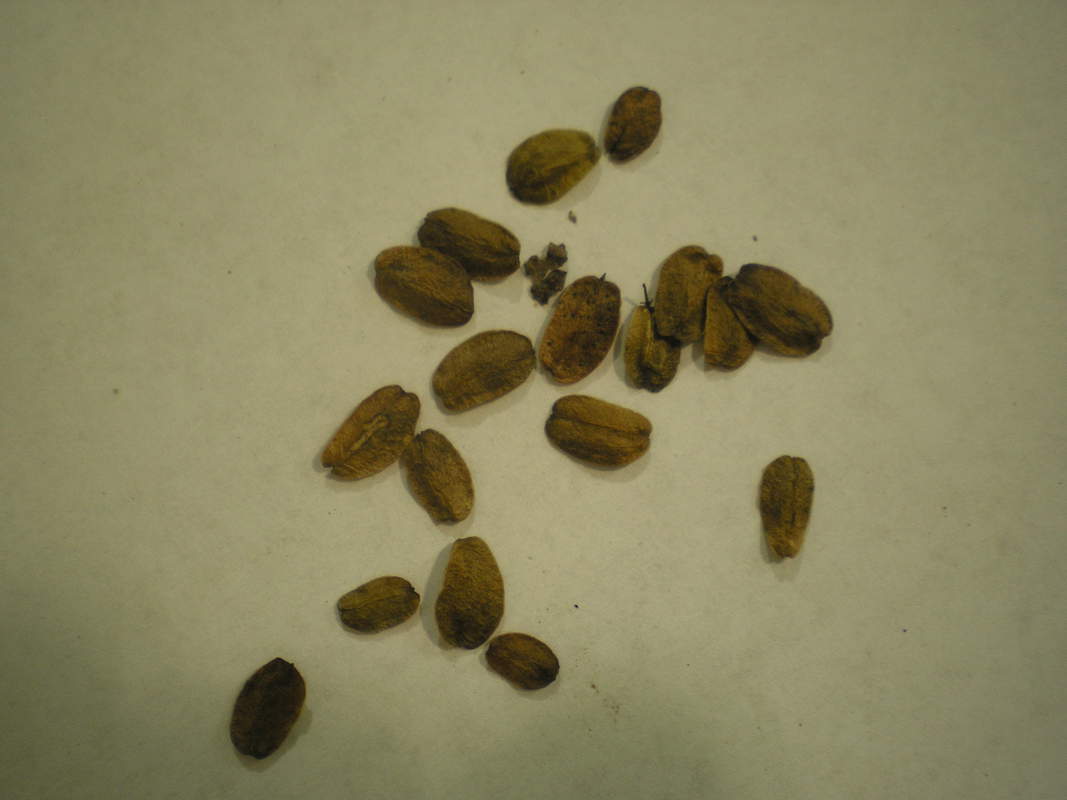
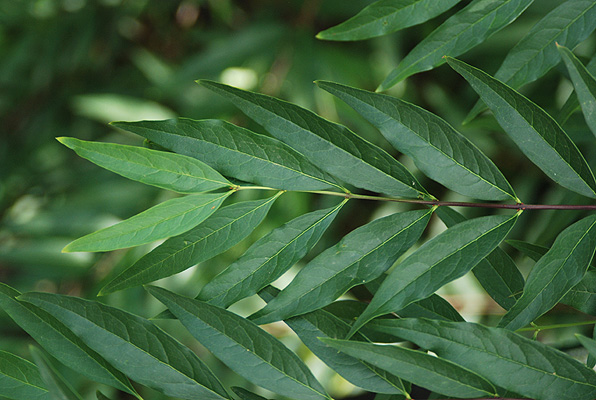
【形态】:落叶灌木,高5m。树皮灰黄色。小枝四棱形细长。单叶对生,叶披针形或卵状披针形,长3~300px,宽1~50px,全缘无毛。花绿白色微香,腋生总状花序或顶生圆锥花序;萼小,4裂;花冠4深裂,裂片卵状披针形,冠筒短。翅果扁平,卵形或倒卵形,长6~8mm,先端凹陷,花柱宿存周围有翅。花期5~6月,果期9~10月。蓇葖
【分布】:分布于我国中部至东部,尤以江苏、浙江一带最为普遍。
【习性】:性喜光,而稍耐阴;喜温暖,也较耐寒;喜肥沃、排水良好之土壤。
【繁殖】:播种、扦插繁殖。
【用途】:雪柳枝条稠密柔软,叶细如柳,晚春白花满树,宛如积雪,颇为美观。可丛植于庭园观赏;群植于森林公园;散植于溪谷沟边。目前多栽培作自然式绿篱或防风林之下木,以及作隔尘林带等用。也是良好的蜜源植物。
Fontanesia philliraeoides subsp. fortunei
Common name: Fontanesia
Family: Oleaceae
Genus: Fontanesia
Type: Broadleaf
Native to (or naturalized in) Oregon: No
Broadleaf deciduous shrub, upright, to 10 ft (3 m) tall. Branches tetragonal (four angles and four sides四角形的;) in cross section. Leaves opposite, lanceolate, 3–12 cm long and 8–26 mm wide, apex long acuminate, margin usually entire, bright green above, persist into winter. Flowers white, 4-petaled, 2 stamen, in clusters 2–6 cm long. Fruit a thin, flat samara(翼果).
Sun to partial shade. Any well-drained soil.
Hardy to USDA Zone 6. Native to China.
Fontanesia: for Rene Louiche Desfontaines (1750-1833), French botanist.(植物学家勒内·路易什·德斯方丹)
philliraeoides: presumably referring to a likeness to the genus Phillyrea(总序桂属) in the Oleaceae.
(改变世界茶叶历史的人——罗伯特•福琼)
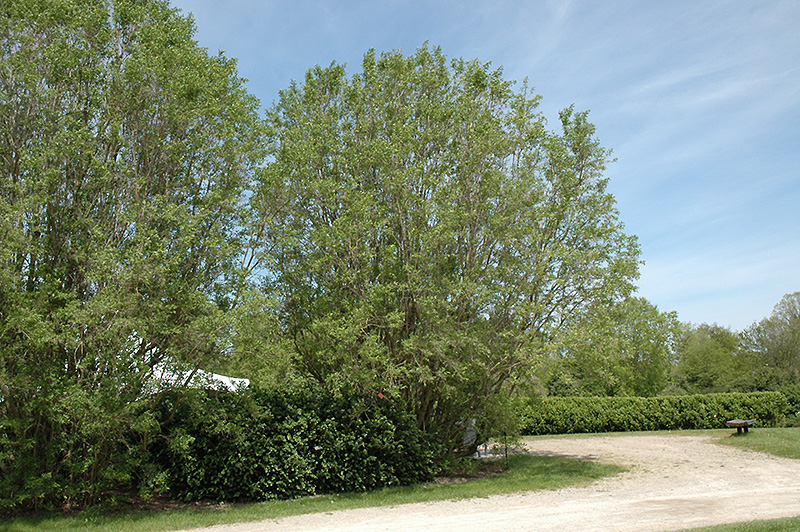
Salem, Oregon, Bush Prairie Park, near the service road entrance to the Willamette University stadium.
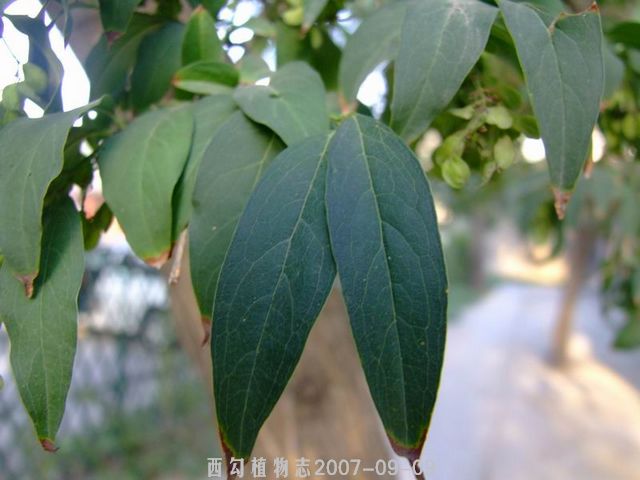
2.68.8白蜡属Fraxinus L.
乔木。奇数羽状复叶对生,常有锯齿。花杂性或单性,雌雄异株,排成圆锥花序或总状花序,有时近簇生;萼小,4齿裂或无萼;花冠缺或存在,通常深裂,裂片2~4;雄蕊2;子房2室,柱头2裂。翅果不开裂,翅在果顶伸长;种子单生,扁平,长圆形。
约70种,主要分布于温带地区。我国有20余种,各地均有分布。
Fraxinus梣属, commonly called ash, is a genus of flowering plants in the olive and lilac family, Oleaceae. It contains 45–65 species of usually medium to large trees, mostly deciduous, though a number of subtropical species are evergreen. The genus is widespread across much of Europe, Asia, and North America.
分种检索表
1.花簇生,杂性…………………………………………………………………………湖北白蜡
1.圆锥花序,花单性……………………………………………………………….…………..2
2.花序生于当年生枝顶或叶腋,叶后开放………………………………………………白蜡树
2.花序生于2年生枝侧,先叶开放……………………………………………………………3
3.小叶7~13,无小叶柄,小叶基部密生黄褐色绒毛…………………………………水曲柳
3.小叶3~7(9),多少具小叶柄,小叶基部不生黄褐色绒毛………………………………4
4.小叶通常7枚,披针形至卵状长椭圆形,长8~350px;翅果长3~150px…………洋白蜡
4.小叶3~7,通常5,椭圆形至卵形,长3~200px;翅果长2~75px………………绒毛白蜡
1.白蜡树(青榔木、白荆树)Fraxinus chinensis Roxb.
俗名:白蜡杆、小叶白蜡、速生白蜡、新疆小叶白蜡、云南梣、尖叶梣、川梣、绒毛梣
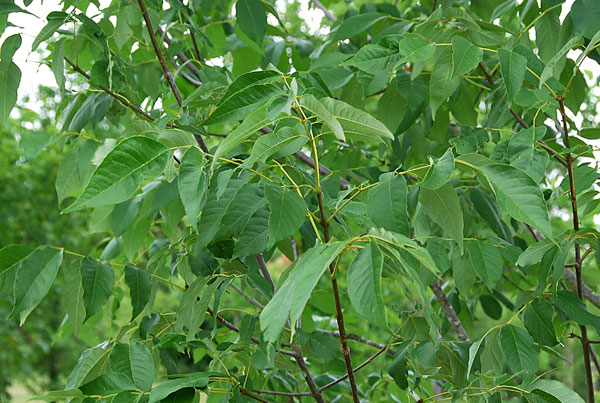
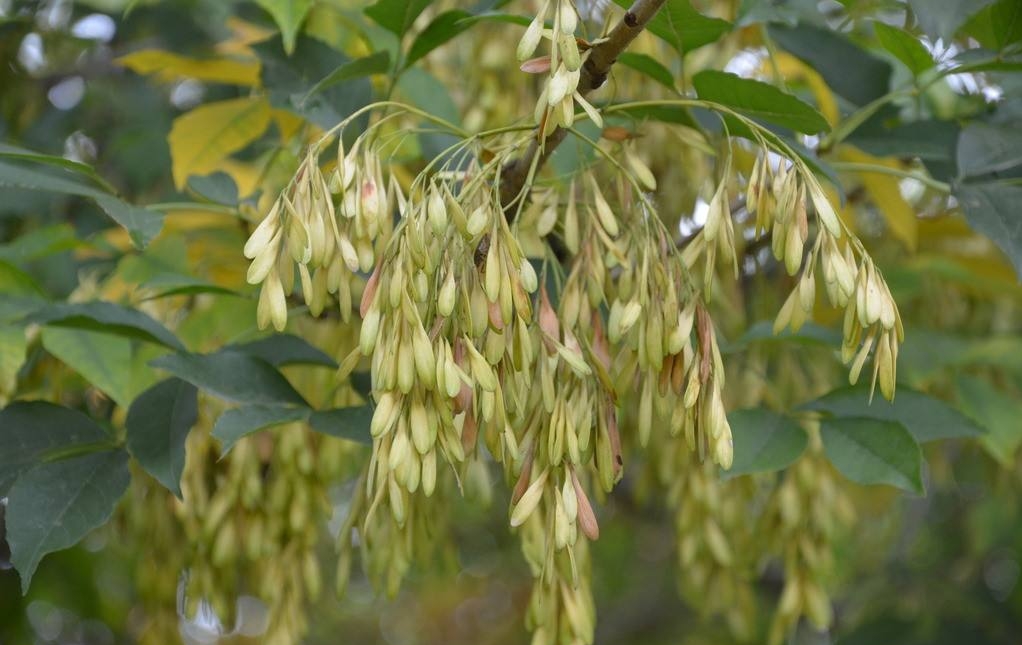
【形态】:落叶乔木。冬芽卵圆形黑褐色,小枝灰褐色无毛有皮孔。奇数羽状复叶对生,小叶5~9片,通常7片,近革质,椭圆形或椭圆状卵形,长3.5~cm,宽1.5~125px,具不整齐锯齿或波状,背面无毛或沿脉被短柔毛;无或有短柄。圆锥花序生于当年生枝上,长10~375px;雌雄异株,雄花密集,雌花疏离;总花梗无毛;花萼钟状,不规则分裂;无花瓣。雄蕊2枚;花柱棍棒状,柱头2裂。翅果扁,倒披针形,长75px。花期4月,果期8~9月。
【分布】:自东北经黄河流域、长江流域南达广东、广西、福建均有分布。
【习性】:喜光,稍耐阴;喜温暖湿润气候,颇耐寒;喜湿耐涝,也耐干旱;对土壤要求不严。抗烟尘,对二氧化硫、氯、氟化氢有较强抗性。萌芽、萌蘖力均强,耐修剪;寿命长。
【繁殖】:播种或扦插繁殖。
【用途】:白蜡树形体端正,树干通直,枝叶繁茂而鲜绿,秋叶橙黄,是优良的行道树和遮阴树。其又耐水湿,抗烟尘,可用于湖岸绿化和工矿区绿化。
Fraxinus chinensis, the Chinese ash, is a species of flowering trees. Its leaves are used in traditional Chinese medicine for dysentery(痢疾; 脏毒) disorders. Fraxinus chinensis is dioecious(雌雄异体的), with male and female flowers produced on separate individuals.
Chinese Ash (Fraxinus chinensis Roxb) is a deciduous tree of the family Luteoceridae, with grayish-brown, longitudinally split bark. Bud is broadly ovate or conical圆锥 (形)的, brown pubescent思春期的,有软毛的; or glandular腺(状)的, hairy. Branchlets are yellow-brown, coarse, glabrous无毛的,光洁的; or sparsely pubescent, soon bald秃顶的,无毛的;, lenticels皮孔 small, inconspicuous不明显的,不显著的. Terminal leaflets are subequal to lateral leaflets or slightly larger, apex acute to acuminate, base obtuse)不鲜明的; 钝角的; or cuneate楔形的, leaf margin evenly serrate, glabrous above, glabrous below or sometimes white pubescent on both sides along midrib, midrib flat above, persistent calyx花萼 appressed紧贴的,紧靠的 to base of nut, often opening deeply parted on one side.
Chinese ash is mostly cultivated, and chinese ash has a long history of cultivation and is widely distributed. Chinese ash is also found at an altitude of 800-1600 m mountain forest. Plant germination force is strong, the material is straight, the growth is rapid, soft and tough, for the preparation of various appliances; Bark is also used medicinally.
Morphological characteristics of Chinese ash
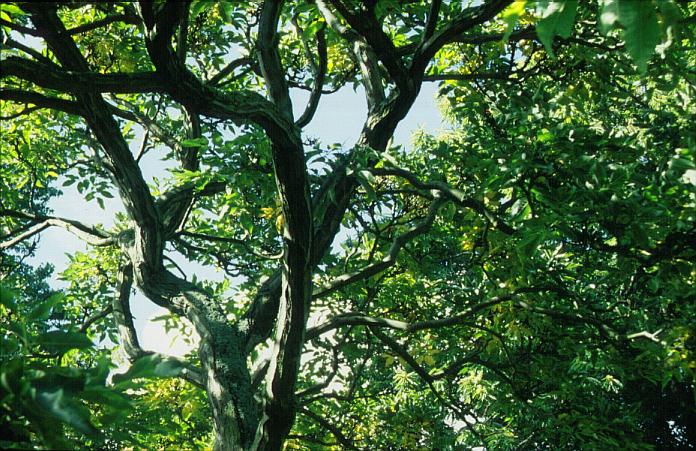
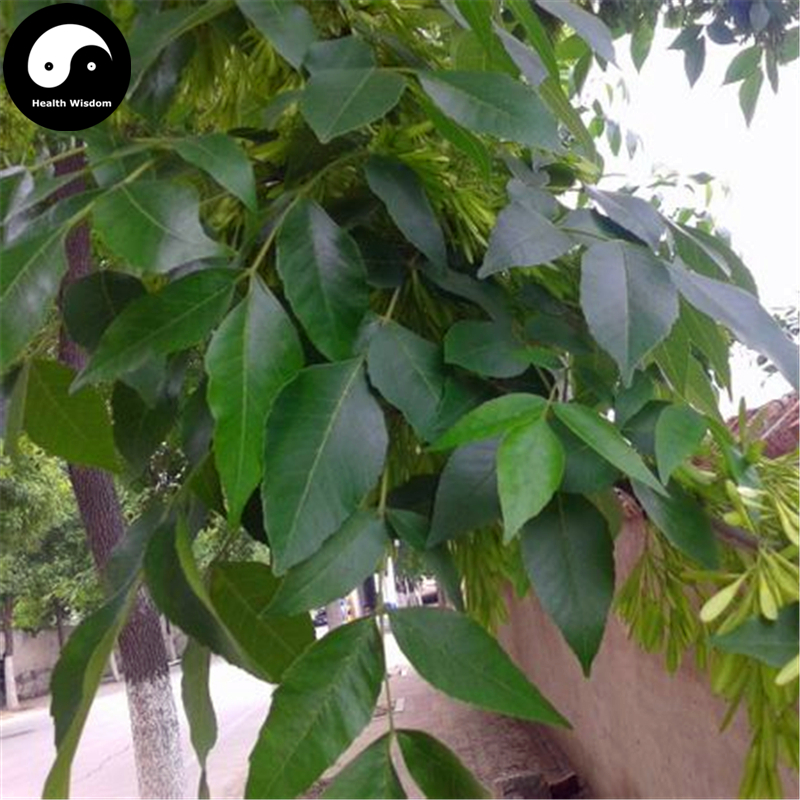
Chinese ash is a deciduous tree, 10-12 m tall; Bark is grayish brown, longitudinal split. Bud is broadly ovate or conical, brown pubescent or glandular hairy. Branchlets are yellow-brown, coarse, glabrous or sparsely pubescent, soon bald, lenticels small, inconspicuous.
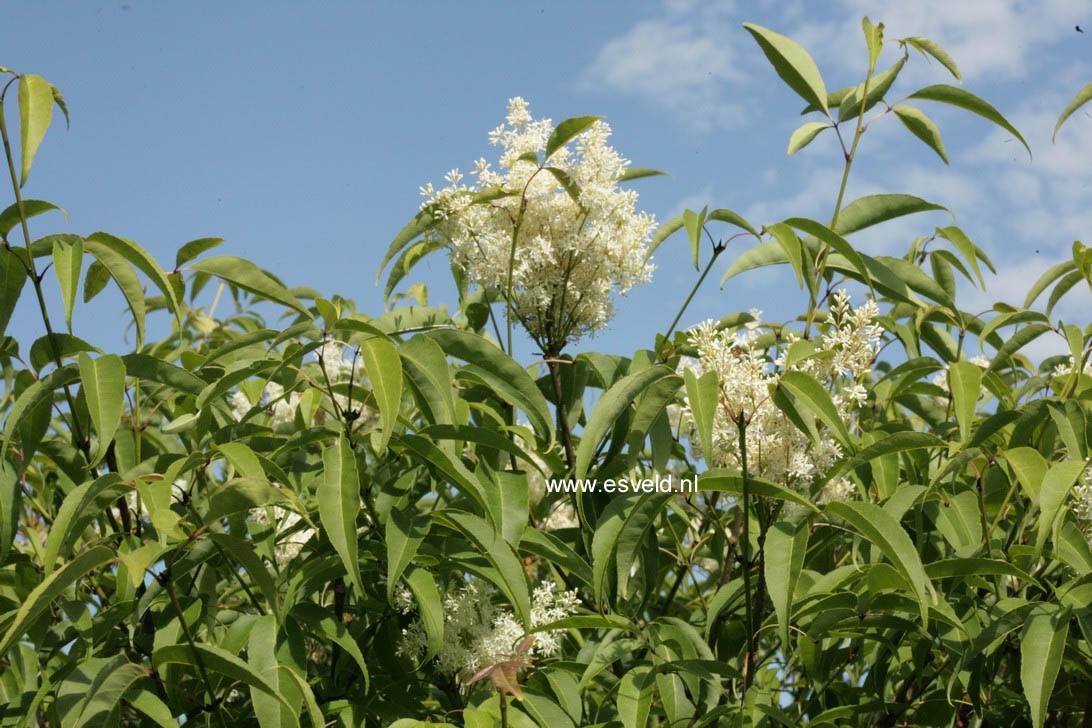
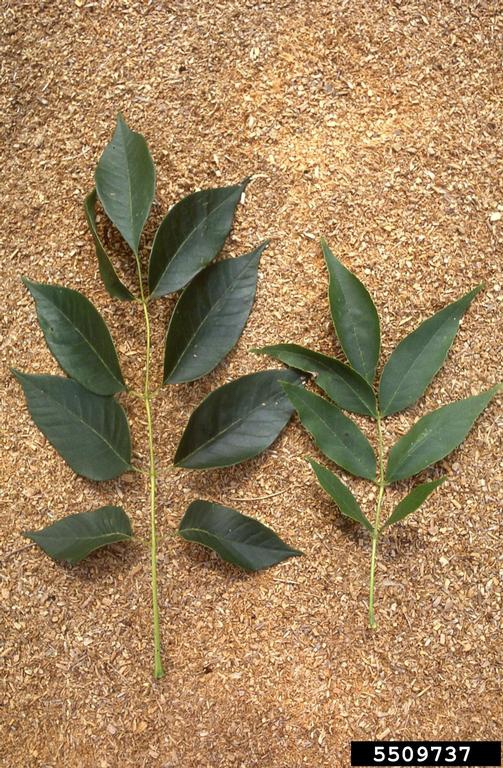
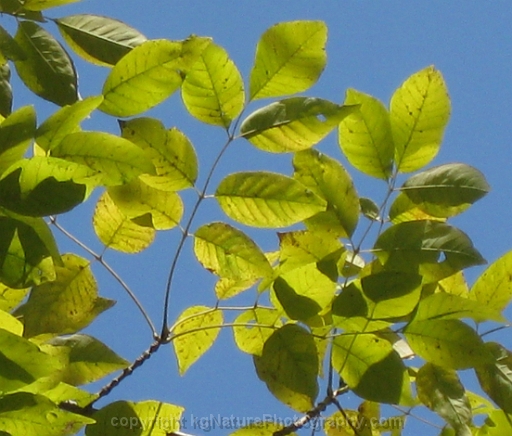
Pinnately compound leaves of Chinese ash are 15-25 cm long; Petiole is 4-6 cm long, base not thickened; Leaf axis is straight, mask shallow trench, sparsely pubescent at first, then bald net; Chinese ash has 5-7 lobules小叶的, hard paper, ovate, oblong to lanceolate, oval 3-10 cm long and 2-4 cm wide, apical lobule and lateral lobule nearly as large or larger, apex sharp pointed to acuminate, base obtuse or cuneate, margin regular blade, glabrous above, glabrous or sometimes under the long white pilose on both sides along the midrib, midrib in the flat above, lateral veins 8-10 on, raised below, fine veins in two sides convex, obvious net knot; Petioles of Chinese ash are 3-5 mm long.
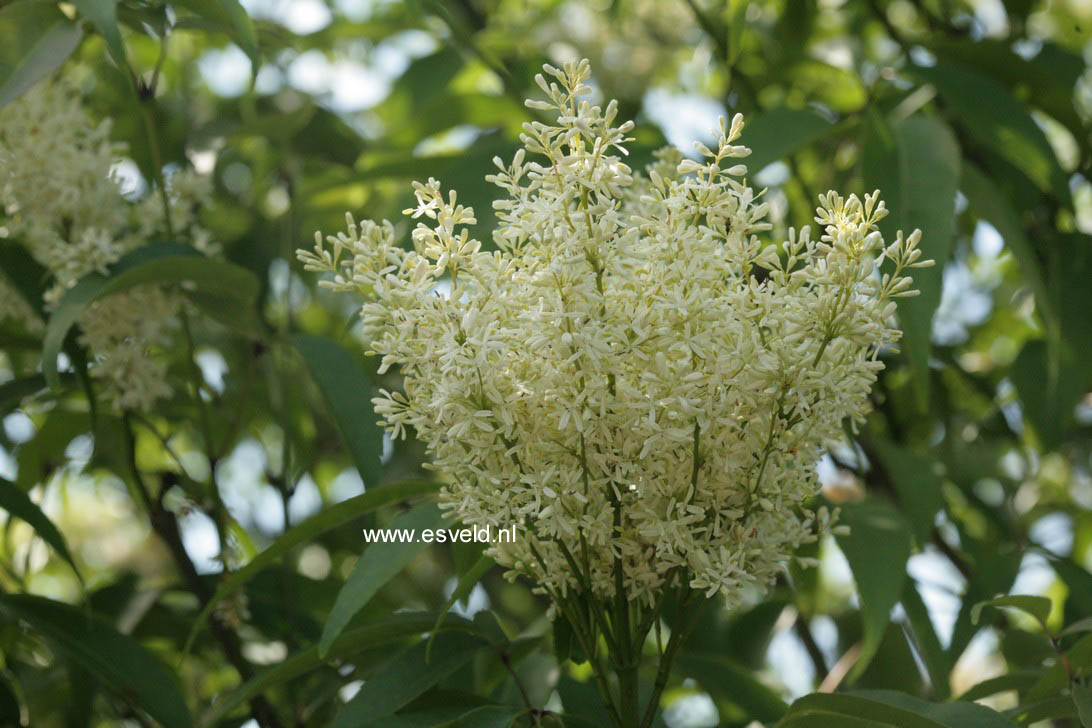
Panicles of Chinese ash are terminal or axillary branch tips, 8-10 cm long; Pedicels are 2 -- 4 cm long, glabrous or pilose, smooth, lenticellata; flowers are dioecious; Male flowers are dense, calyx small, campanulate, ca. 1 mm long, corolla absent, anthers and filaments subequal; Female flowers are scattered, calyx large, barrel-shaped, 2-3 mm long, 4-lobed, style slender, stigma 2-lobed.
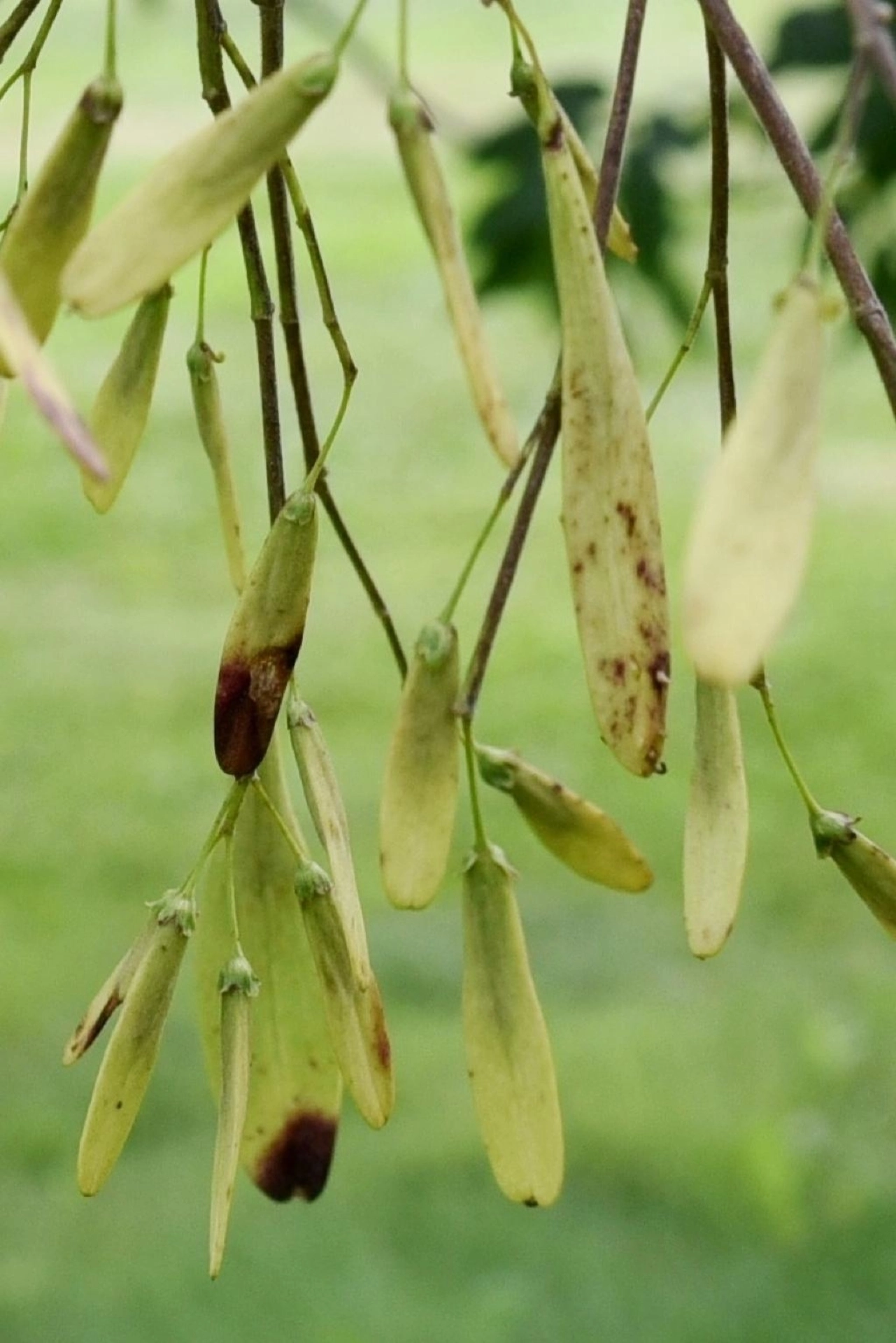
Samara of Chinese ash is spatulates, 3-4 cm long and 4-6 mm wide, widest in the upper middle, apex acute, often plowshare shaped, tapering at the base, wings spreading downward to the middle of the nut, nut cylindrical, ca. 1.5 cm long; Persistent calyx appressed to the base of the nut, often opening deeply parted on one side.
Ecological habits of Chinese ash
Chinese Ash is a positive tree species, which likes light and has strong adaptability to soil. It can grow in acid soil, neutral soil and calcareous soil. It is tolerant to mild salinity盐分 and alkali, and likes moist, fertile, sandy and loamy soil. Chinese ash was born at an altitude of 800-1600 meters in mountain forest.
Distribution region of Chinese ash
Chinese ash is produced in the provinces and regions of north and south China. Most of them are cultivated.Vietnam, North Korea also have distribution. Chinese Ash was introduced into India, Japan, Europe and the United States by the late 18th century at the latest.



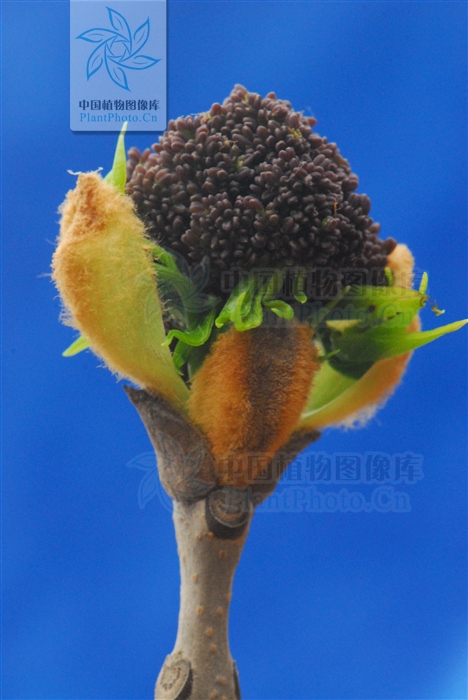
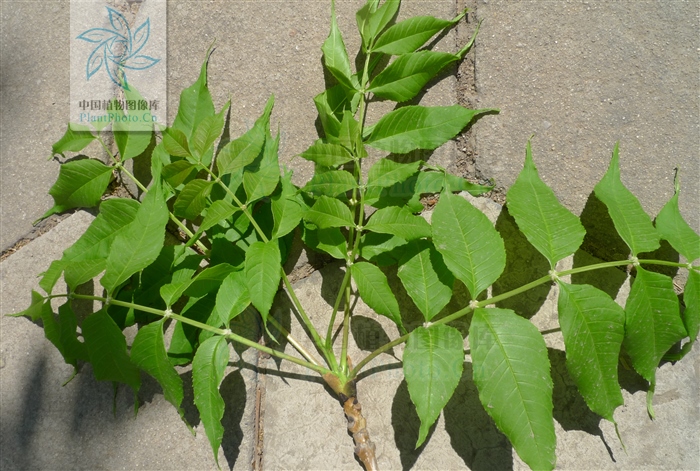
2.水曲柳(满洲白蜡)Fraxinus mandshurica Rupr.
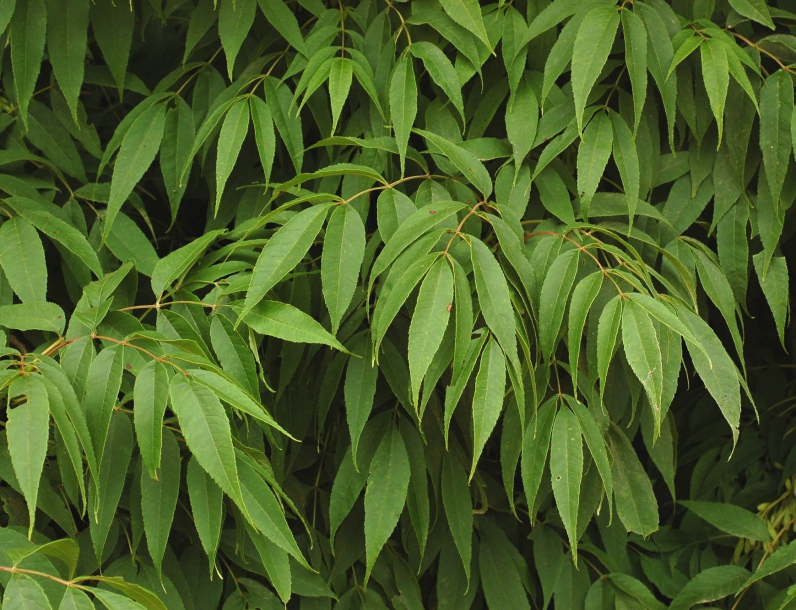
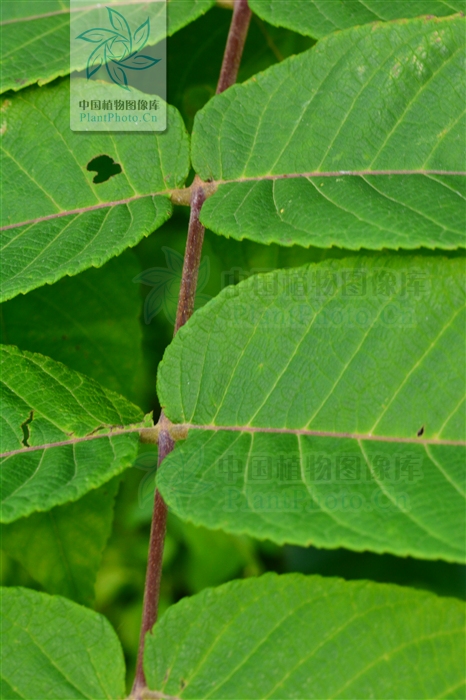
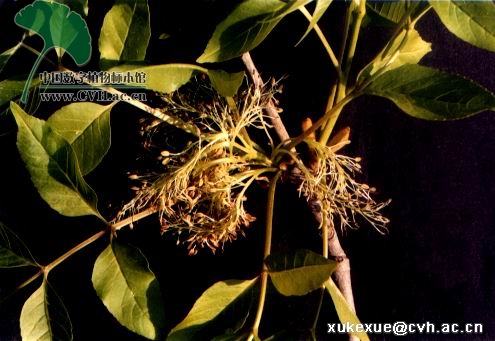
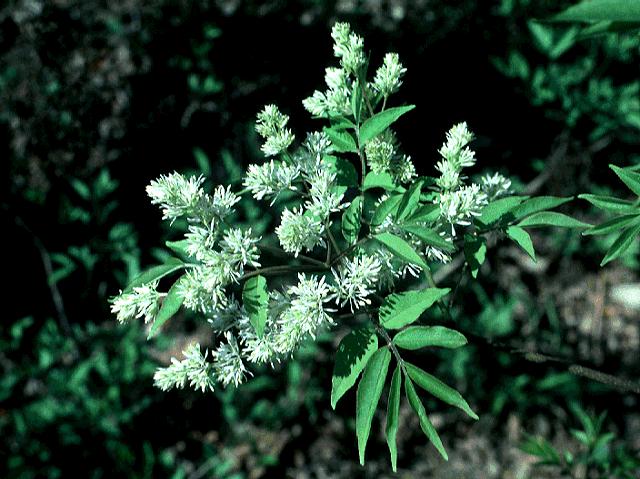
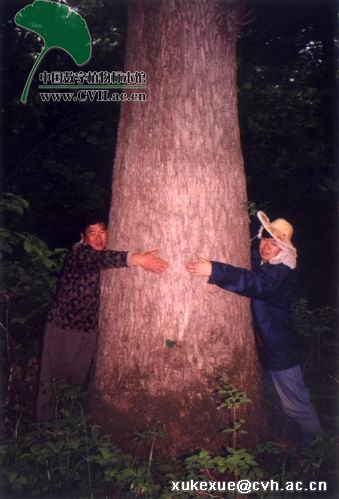
【形态】:大乔木。树皮灰褐色剥裂。鳞芽黑褐色;小枝近四棱形平滑无毛,灰绿色,具褐色皮孔。叶轴具狭翅有沟槽,小叶近革质,7~11片,近无柄,卵状长圆形或椭圆状披针形,缘具锐锯齿,背面沿中脉密生黄褐色柔毛。圆锥花序侧生于2年生枝上,长15~500px,花轴具狭翅无毛,花单性异株,花梗纤细无毛,无花被;雄花雄蕊2;雌花具败育雄蕊2,柱头2裂。翅果扭曲,长圆状披针形扁平,长3~87.5px。花期5月,果期8~9月。
【分布】:分布于东北、华北,以小兴安岭为最多。朝鲜、日本、俄罗斯也有。
【习性】:喜光,幼时稍能耐阴;耐-40℃的严寒;喜潮湿但不耐水涝;喜肥,稍耐盐碱。主根浅、侧根发达,萌蘖性强,生长较快,寿命较长。
【繁殖】:用播种、扦插、萌蘖等法繁殖。
【用途】:同白蜡。其材质好,是经济价值高的优良用材树种。
Fraxinus mandshurica, the Manchurian ash, is a species of Fraxinus native to northeastern Asia in northern China, Korea, Japan and southeastern Russia.
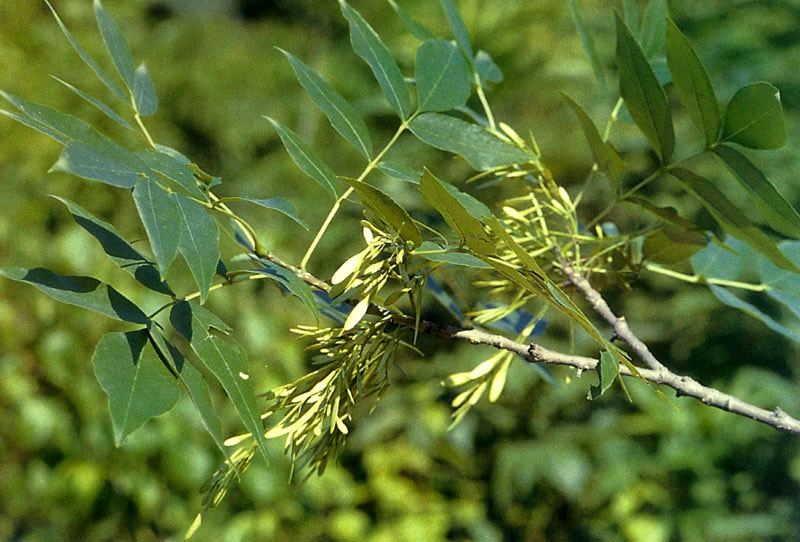
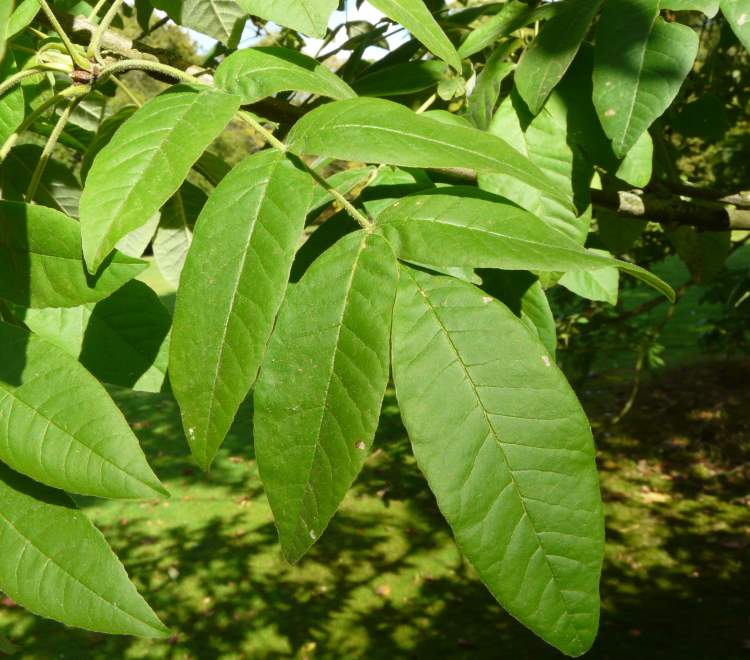
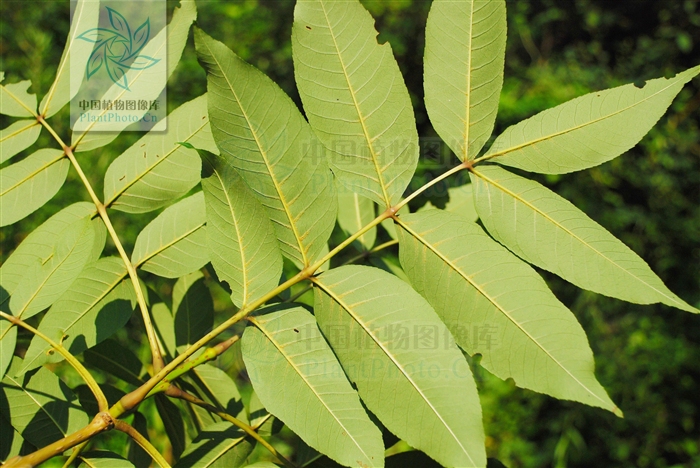
A fine tree often 100 ft high; young shoots glabrous, greyish. Leaves 8 to 15 in. long; leaflets stalkless, or nearly so, usually nine or eleven, sometimes seven or thirteen, oval or oblong-lanceolate, 2 to 41⁄2 in. long, 1 to 2 in. wide, tapered to the base, slender-pointed, sharply (occasionally doubly) toothed, dull green and with scattered bristles above, paler beneath, and more conspicuously bristly, especially on the midrib and veins; main leaf-stalk winged above, the two wings forming a deep groove沟,槽 with tufts一簇 of brown down where the leaflets join.
Native of Japan and the adjacent parts of the Asiatic mainland; introduced to Kew from St Petersburg in 1882. It is one of the greatest failures among ashes on account of its suspectibility to injury by spring frost. Its broadly winged fruits, which Sargent says are borne on the previous year’s wood in great clusters, have not been produced in Britain. It is a valuable tree in the Far East, and attains to noble dimensions there. The leaf is distinct in the conspicuous sunken veins above, correspondingly prominent beneath. Closely allied to F. nigra.
Noteworthy Characteristics
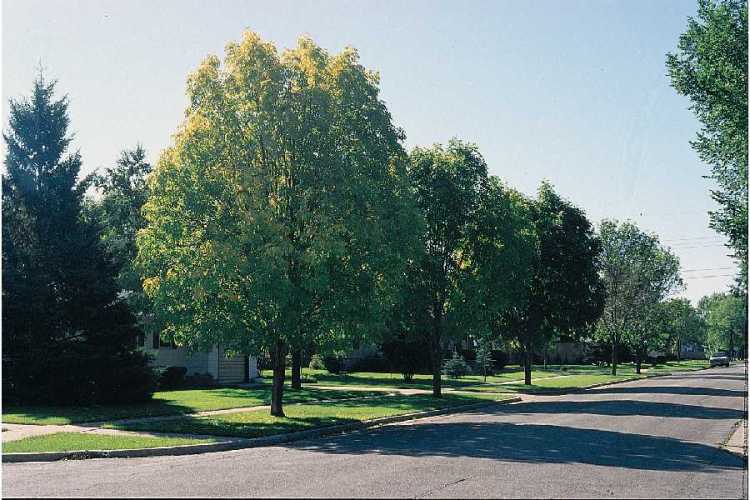
Fraxinus mandshurica, commonly called Manchurian ash, is a medium to large deciduous tree that typically grows to 40-50' (less frequently to 100') tall with a dense, oval to rounded crown. It is native to wooded slopes and open valleys of northeast Asia and Japan. Pinnate compound leaves grow to 10-15" long, each leaf having up to 11 nearly stalkless, coarsely-toothed, lance-shaped leaflets (3-5" long). Leaflets are matt green above and downy on both sides, with distinctive sunken veins. Attractive yellow fall color. Non-showy, apetalous, greenish-yellow flowers in compact panicles begin bloom in spring before the leaves emerge. This tree is sometimes dioecious. Female flowers give way to winged samaras (1-2" long) which mature in August-October in drooping clusters. Manchurian ash is similar in appearance to Fraxinus nigra (black ash), and was once designated as a subspecies (Fraxinus nigra subsp. mandshurica).
Genus name is the classical Latin name for ash trees.
Specific epithet means of Manchuria.满洲



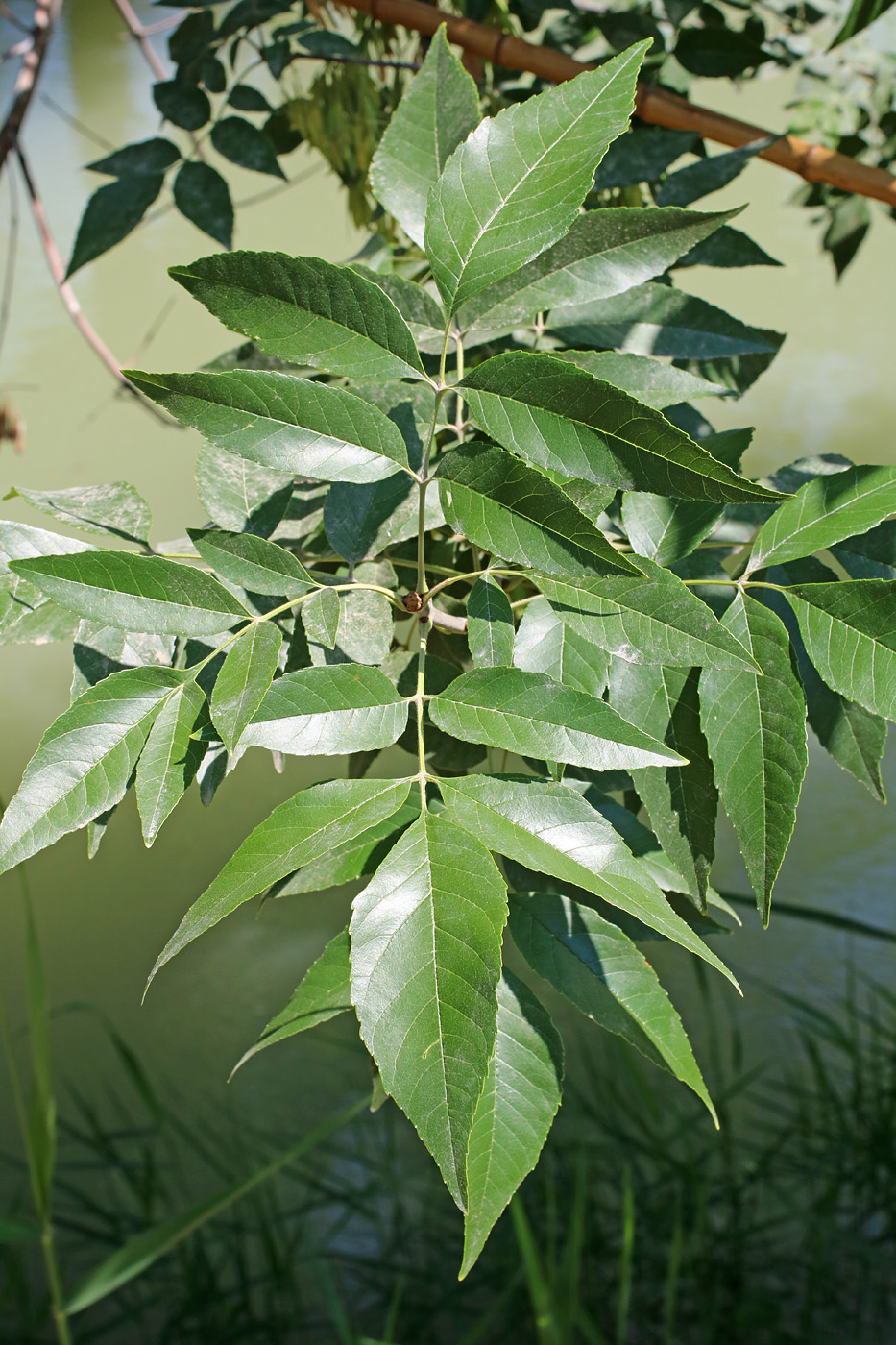
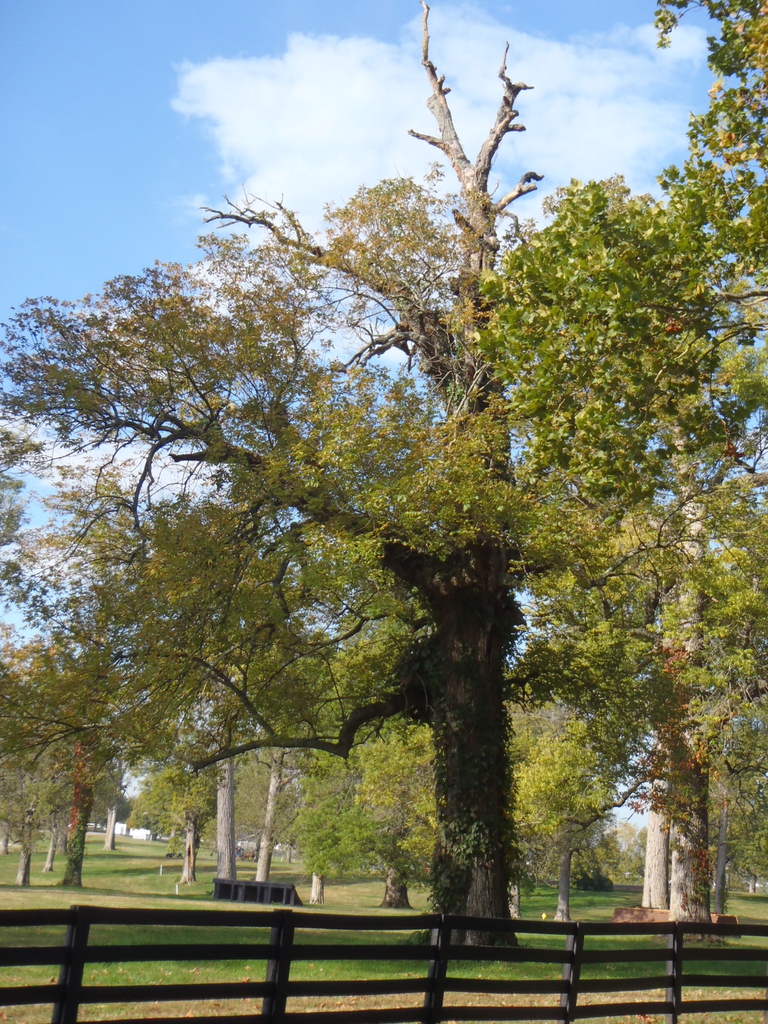
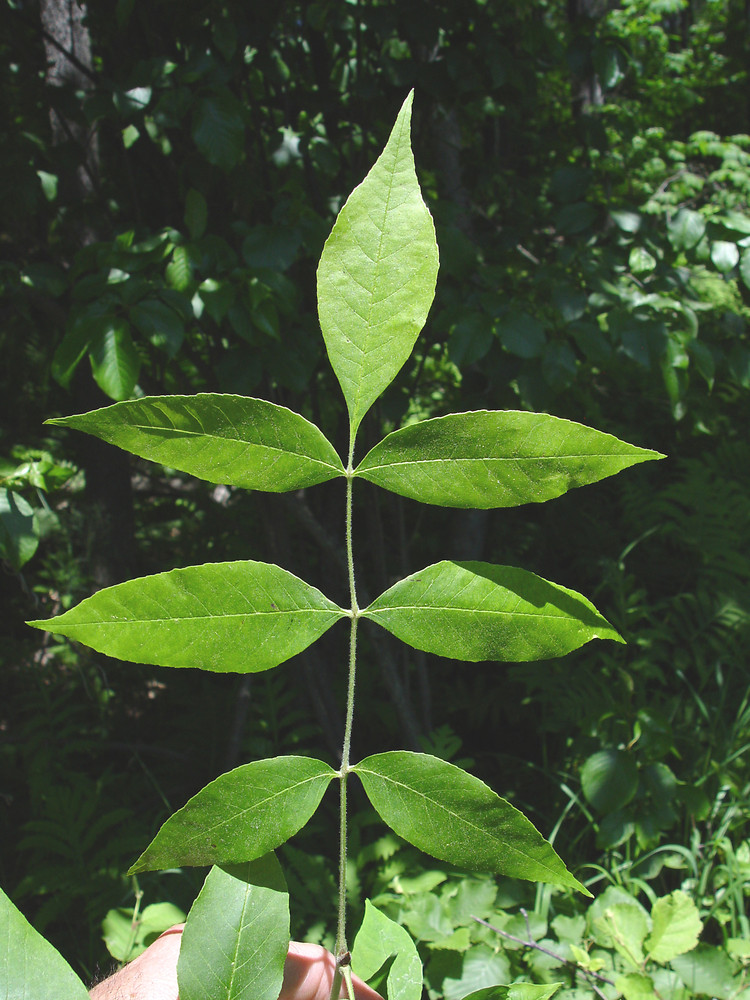
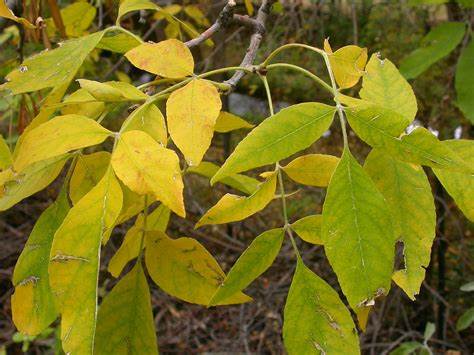
3.洋白蜡Fraxinus pennusyivanica Marsh.
修改后:美国红梣
俗名:洋白蜡、毛白蜡、宾夕法尼亚梣、宾州梣
【形态】:落叶乔木。小叶披针形或披针状卵形至长圆形或椭圆形,下面无乳头状突起;小叶柄短,长仅3~6mm。圆锥花序侧生于2年生小枝上,花单性异株,无花瓣。翅果,长3~150px,果翅下延达果体1/2以上。
【习性】:阳性,耐寒,耐低湿。
【用途】:作防护林、行道树或庭园绿化用树种。
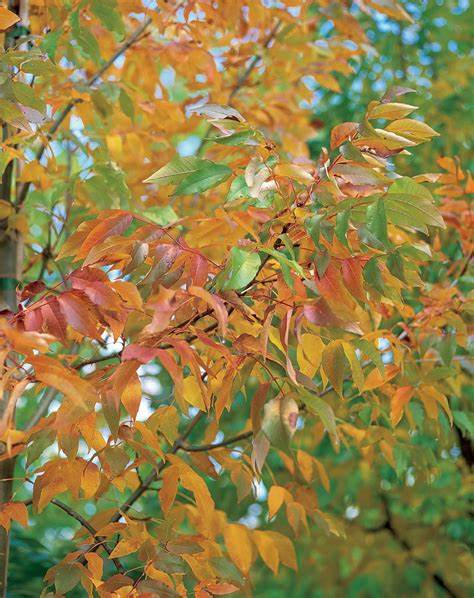
Fraxinus pennsylvanica, the green ash or red ash, is a species of ash native to eastern and central North America, from Nova Scotia west to southeastern Alberta and eastern Colorado, south to northern Florida, and southwest to Oklahoma and eastern Texas. It has spread and become naturalized in much of the western United States and also in Europe from Spain to Russia.
Fraxinus pennsylvanica
Common Name(s): Green Ash、Red Ash、Water Ash
Description
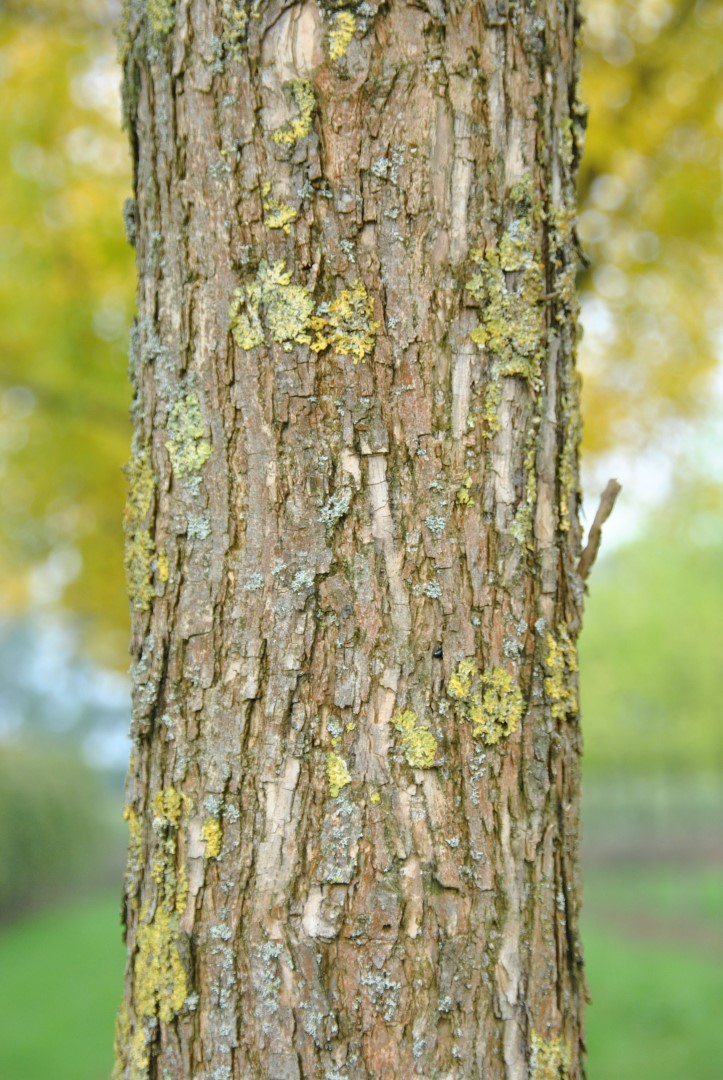
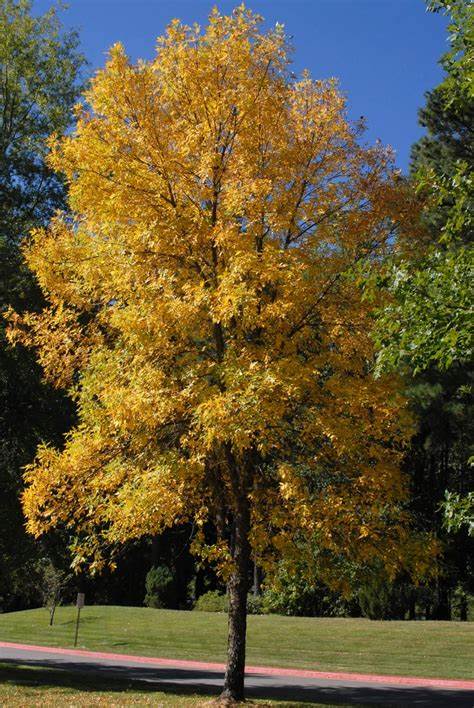
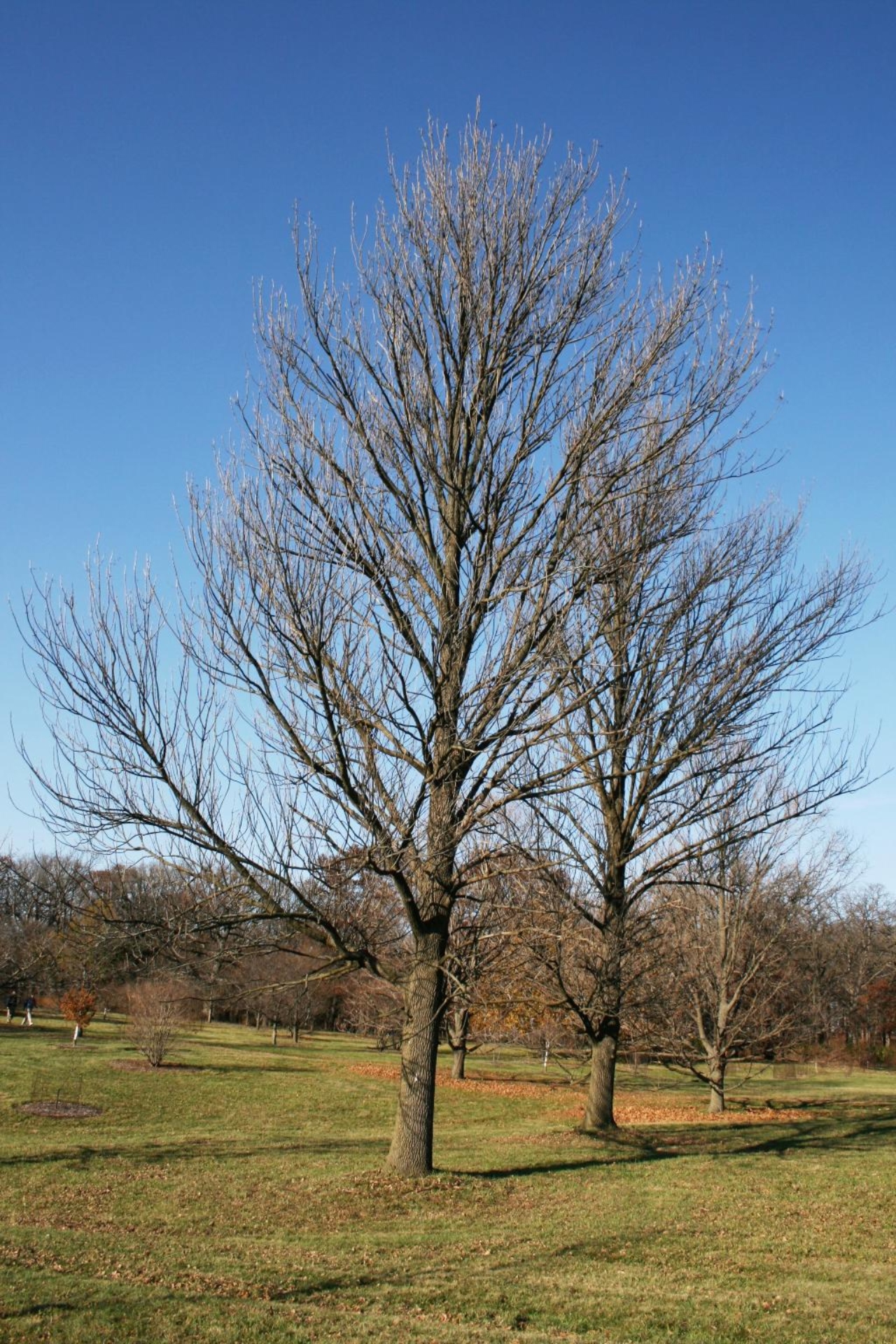
Green Ash is a deciduous tree that may grows to 65 feet and occasionally to 120 feet tall with a trunk 2 to 3/1/2 feet across. Young trees, which have soft silky hairs covering twigs细枝,嫩枝, the undersides of leaves and leaf stalks, are commonly known as Red Ash. Mature trees with smooth leaves and branches are known as Green Ash.
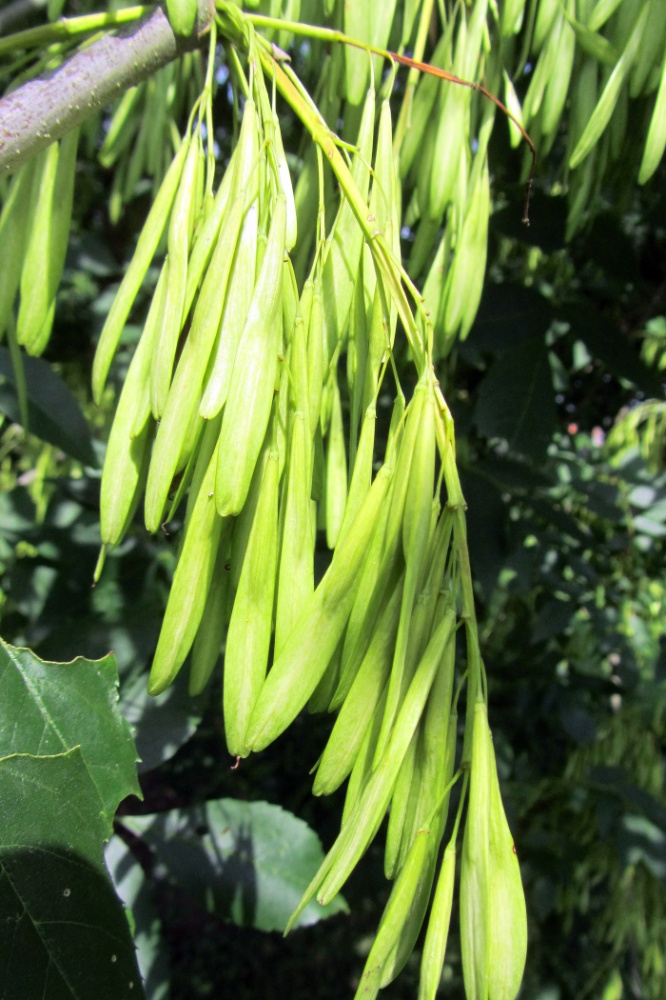
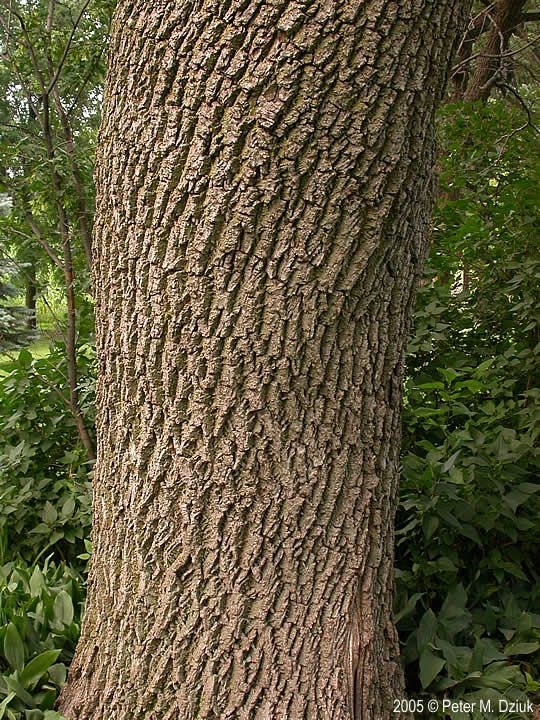
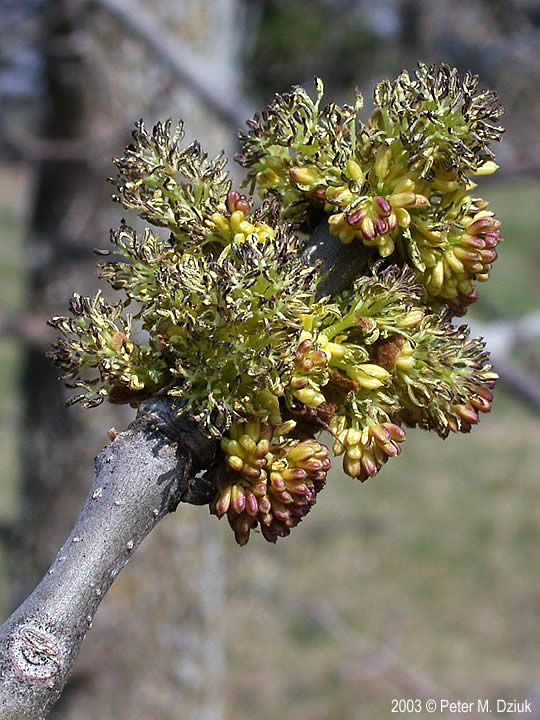
The leaves are opposite and pinnately compound with 7 to 9 leaflets. The bark is gray-brown with shallow furrows and crisscrossing ridges which form x-patterns. Small, light green to purple flowers, with no petals, mature in loose panicles圆锥花序; in early spring. The female tree produces a single-winged, dry, flattened samara with a slender, thin seed cavity that matures in the fall. These can be numerous and can make a mess脏乱; 困境; 不整洁; 粪便; when they fall to the ground. Male trees are usually preferred in the home landscape because they do not produce fruit.
This plant is the most widely distributed of all the ash tree species, transplants well and grows in a variety of locations and soils. They are also very adaptable as they tolerate drought, wind, moderate salt, and alkaline soil. It is often found in bottom lands and swamps, especially along brown water rivers and low ground of the Piedmont and lower North Carolina mountains, but rarely on mesic upland disturbed sites
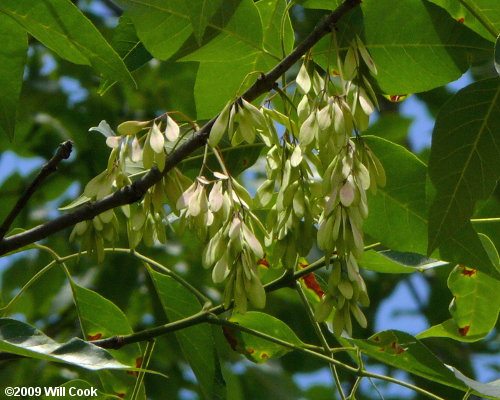
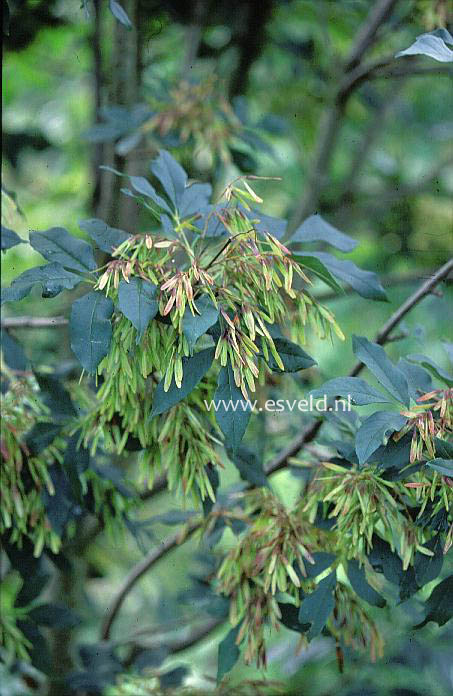
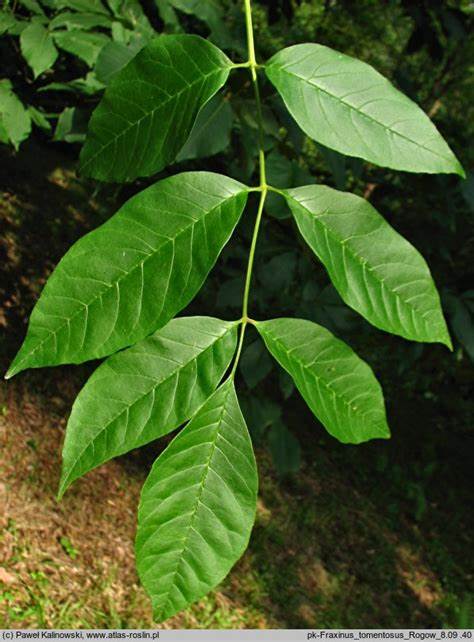
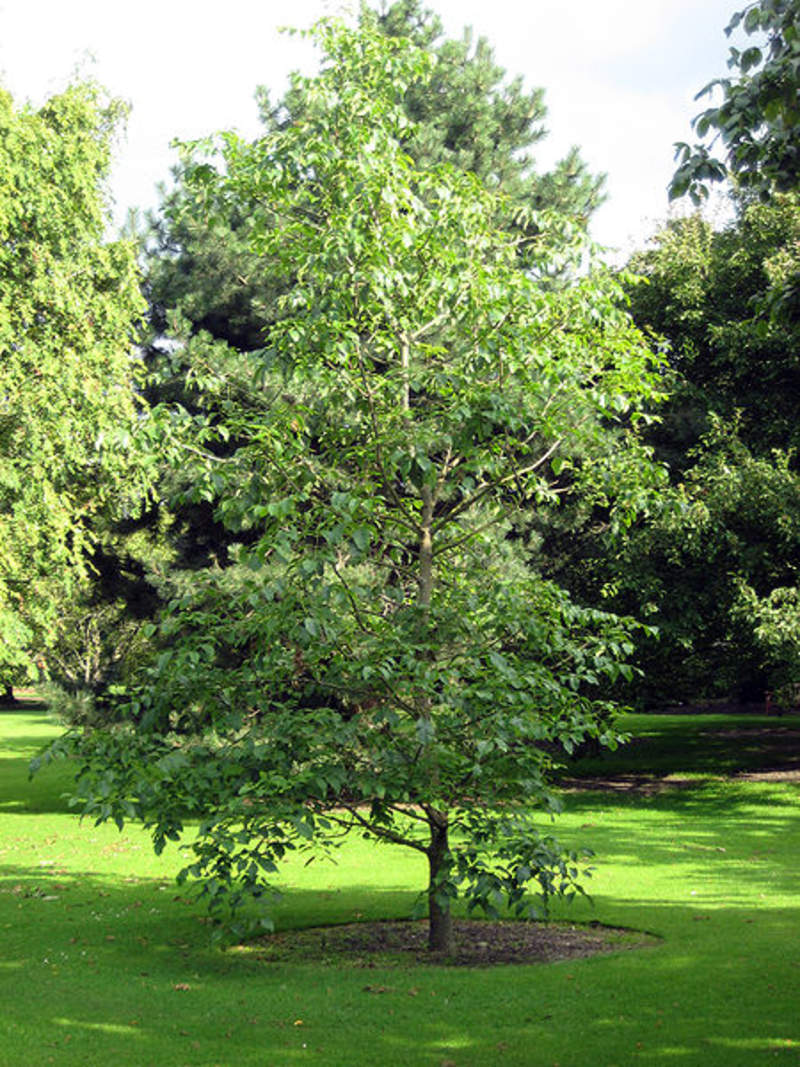
4.绒毛白蜡(津白腊)Fraxinus velutina Torr.
(Fraxinus tomentosa F. Michx.)
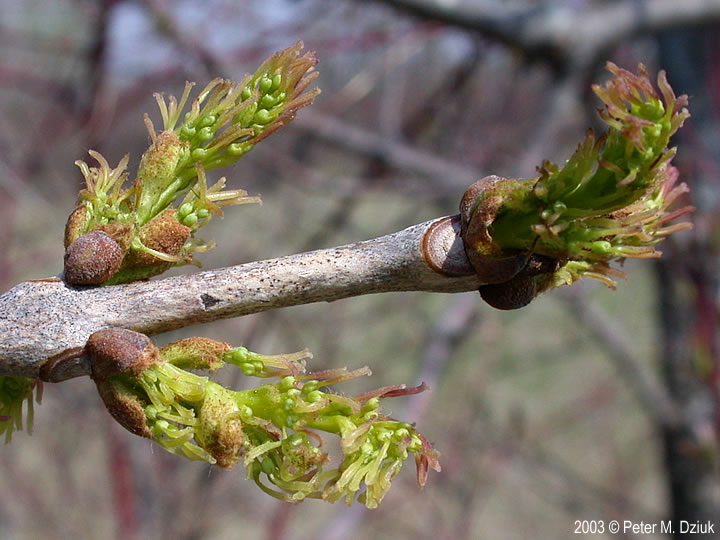
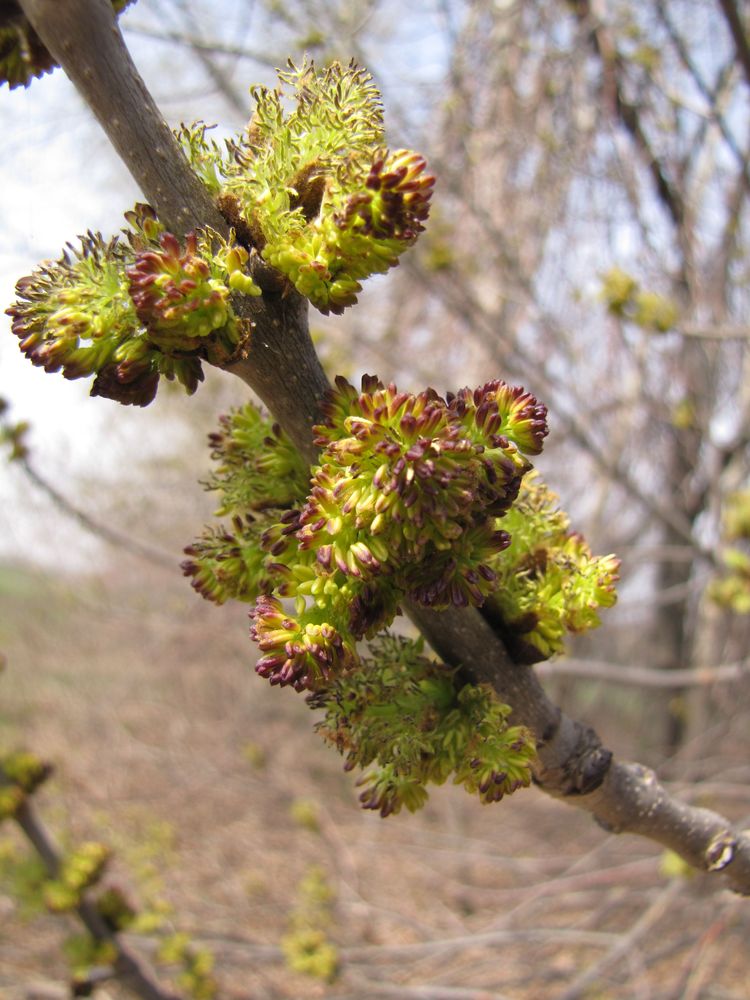
【形态】:为落叶乔木,高可达10m。小枝密被短柔毛,树皮暗灰色光滑。雌雄异株,花杂性,圆锥花序侧生于2年枝上,先开花后展叶。翅果,长3~112.5px,含1种子,成熟时黄褐色。5月开花,9~10月果实成熟。
【分布】:原产北美,我国长江下游、内蒙古、辽宁均有栽培。
【习性】:喜光,对气候、土壤要求不严,耐寒,耐干旱,耐水湿,耐盐碱。深根树种,侧根发达,生长较迅速,少病虫害,抗风,抗烟尘。
【繁殖】:扦插或播种繁殖,采后即播或早春播。
【用途】:生长较迅速,少病虫害,抗风,抗烟尘,材质优良。可营造防护林,可供沙荒、盐碱地造林,也是北方四旁绿化的主要树种之一。是沿海城市绿化的优良树种。
Fraxinus profunda, the pumpkin南瓜 ash, is a species of Fraxinus native to eastern North America, primarily in the United States, with a scattered distribution on the Atlantic coastal plain and interior lowland river valleys from southern Maryland northwest to Indiana, southeast to northern Florida, and southwest to southeastern Missouri to Louisiana, and also locally in the extreme south of Canada in Essex County, Ontario. The pumpkin ash tree is native to swampland areas. It is a tree that is very important environmentally and economically. Currently, Fraxinus profunda is threatened by the emerald祖母绿; 绿宝石,翡翠 ash borer钻蛀虫; 镗孔刀具; 钎which is threatening all species of ash trees in North America. The fruits of the pumpkin ash tree are also the largest of all ash trees in eastern North America.
A tree 50 to occasionally well over 100 ft high; young shoots, leaf-stalks and flower-stalks conspicuously downy. Leaves 10 to 18 in. long, composed of usually seven, sometimes nine, leaflets which are oblong-lanceolate or ovate, rounded or broadly wedge-shaped at the base, slender-pointed, inconspicuously or not at all toothed, 3 to 9 in. long, 11⁄2 to 31⁄2 in. wide, nearly glabrous above but softly downy beneath, especially near the midrib and veins; stalk of lower leaflets up to 1⁄4 in. long; main-stalk round, not winged. Flowers produced during April on slender axillary panicles up to 5 in. long, the most noticeable feature of which are the cup-shaped calyces, 1⁄8 in. long and unusually large for an ash; petals absent. Fruits 21⁄2 in. long, 3⁄8 in. wide, often notched at the end.
Native of the E. United States from New York to Florida; introduced to Kew from the Arnold Arboretum in 1912. This fine tree is most closely akin to the red ash, but it has larger keys and leaflets, is more conspicuously downy, and the calyx, as noted above, is larger. The popular name of pumpkin ash is said to have been given to the tree because it is ‘swell-butted’, which means, presumably, that adult trees show pumpkin-shaped swellings near the base of the trunk.
The taxonomic status of this ash is uncertain. It is reported to be hexaploid (2n = 138) and is perhaps a true-breeding derivative from a cross between F. pennsylvanica (2n = 46) and a tetraploid form of F. americana (2n = 92). There are other possibilities, but there seems little doubt that the characteristics of the pumpkin ash are attributable to polyploidy, whether or not hybridity is also involved
5.湖北白蜡(对节白蜡)Fraxinus hupehensis Chu,Shang et Su.
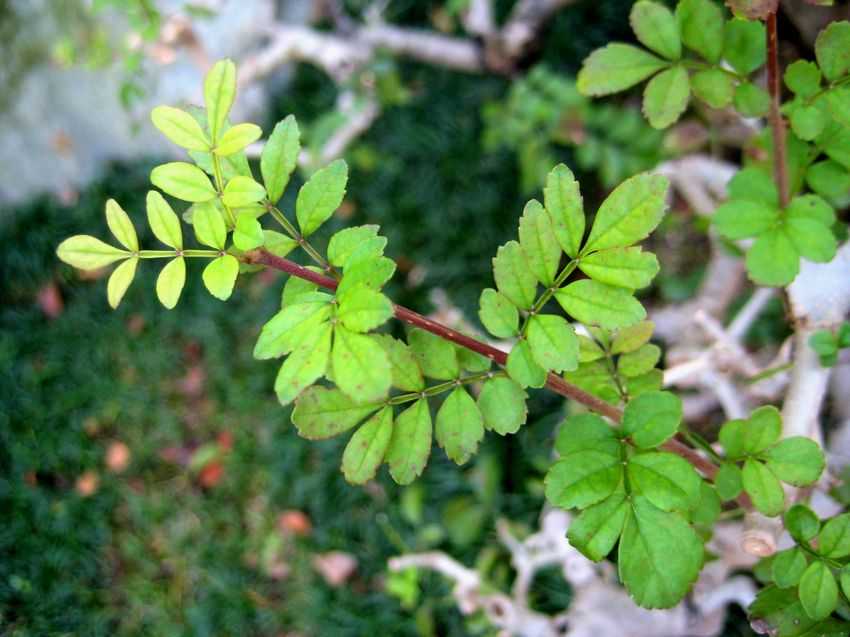
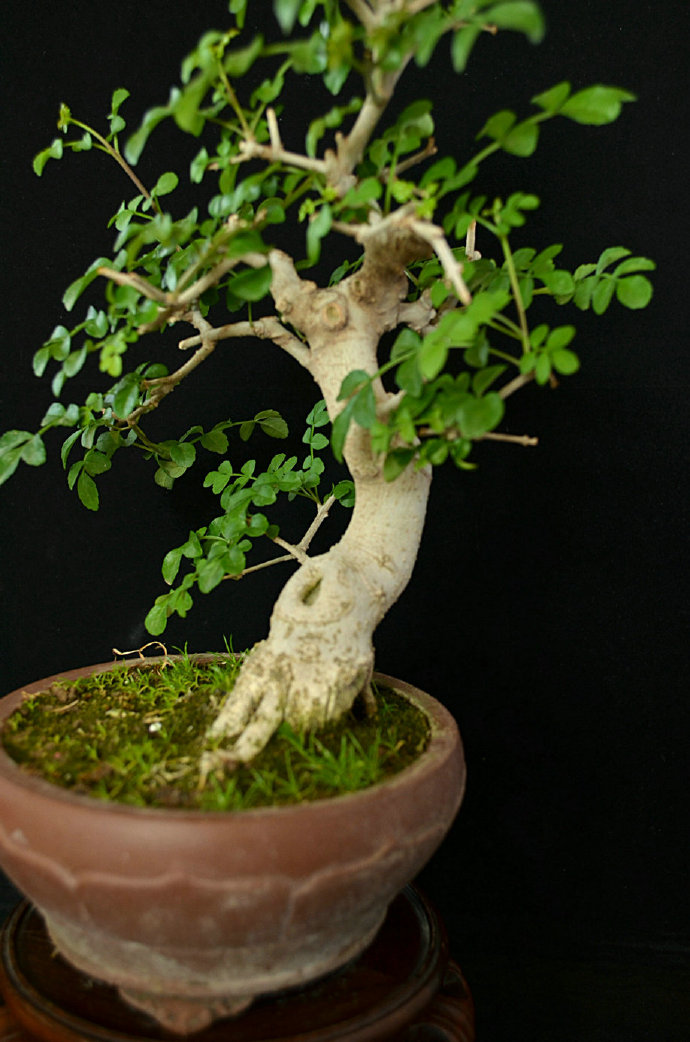
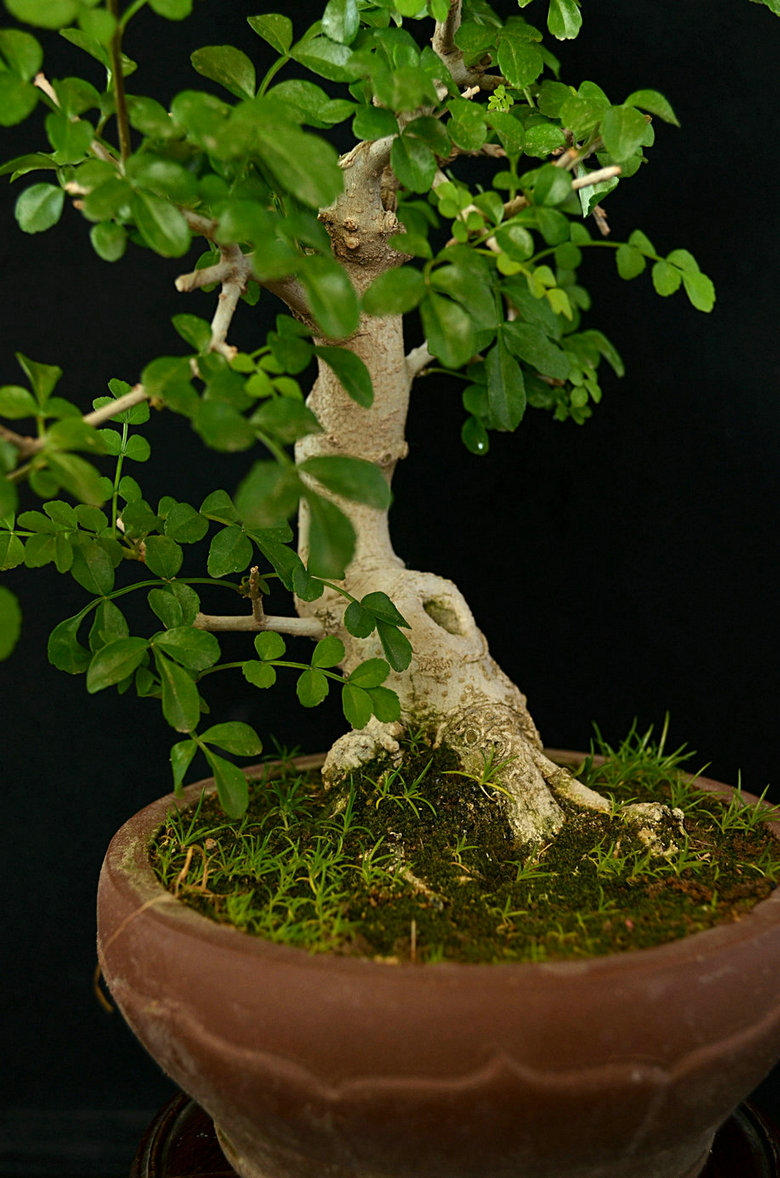
通用名:湖北梣 Fraxinus hubeiensis S.Z.Qu, C.B.Shang & P.L.Su
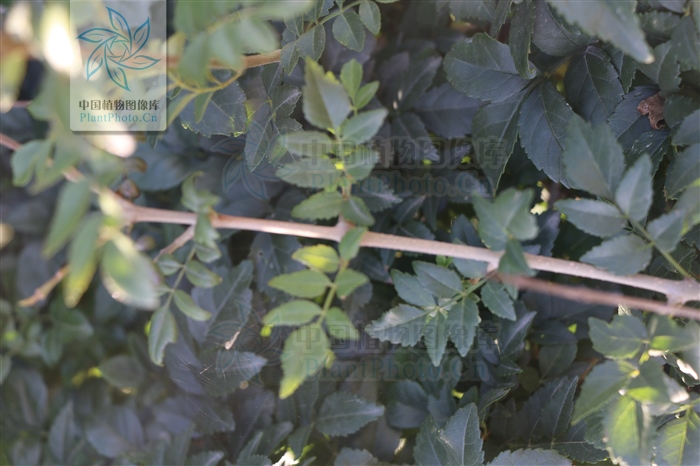
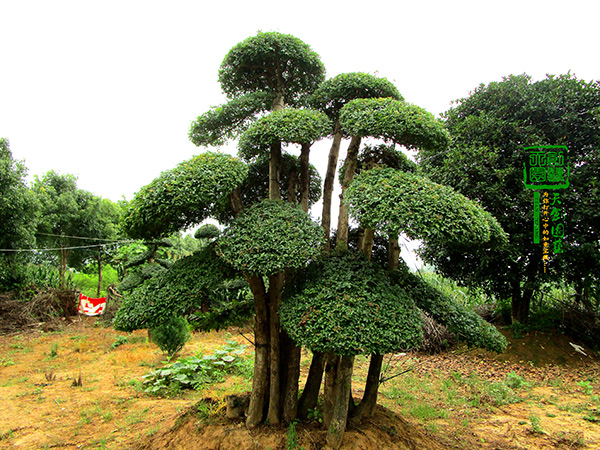
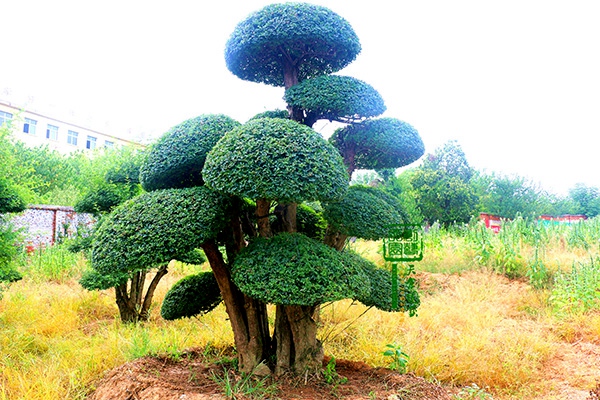
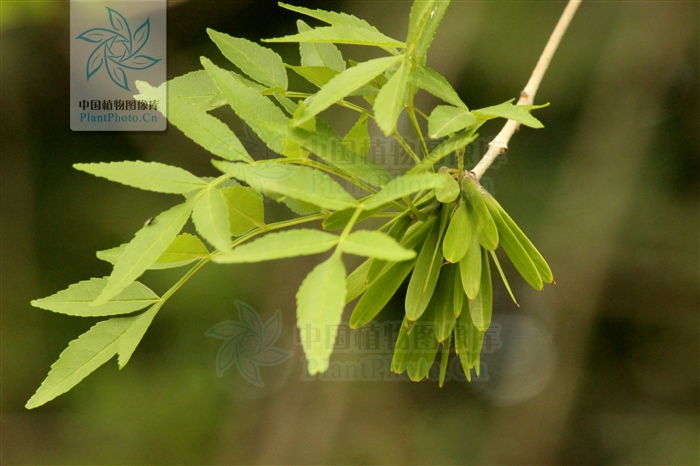
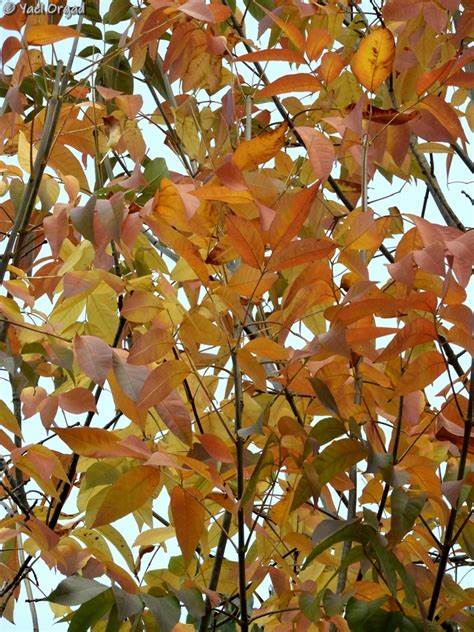
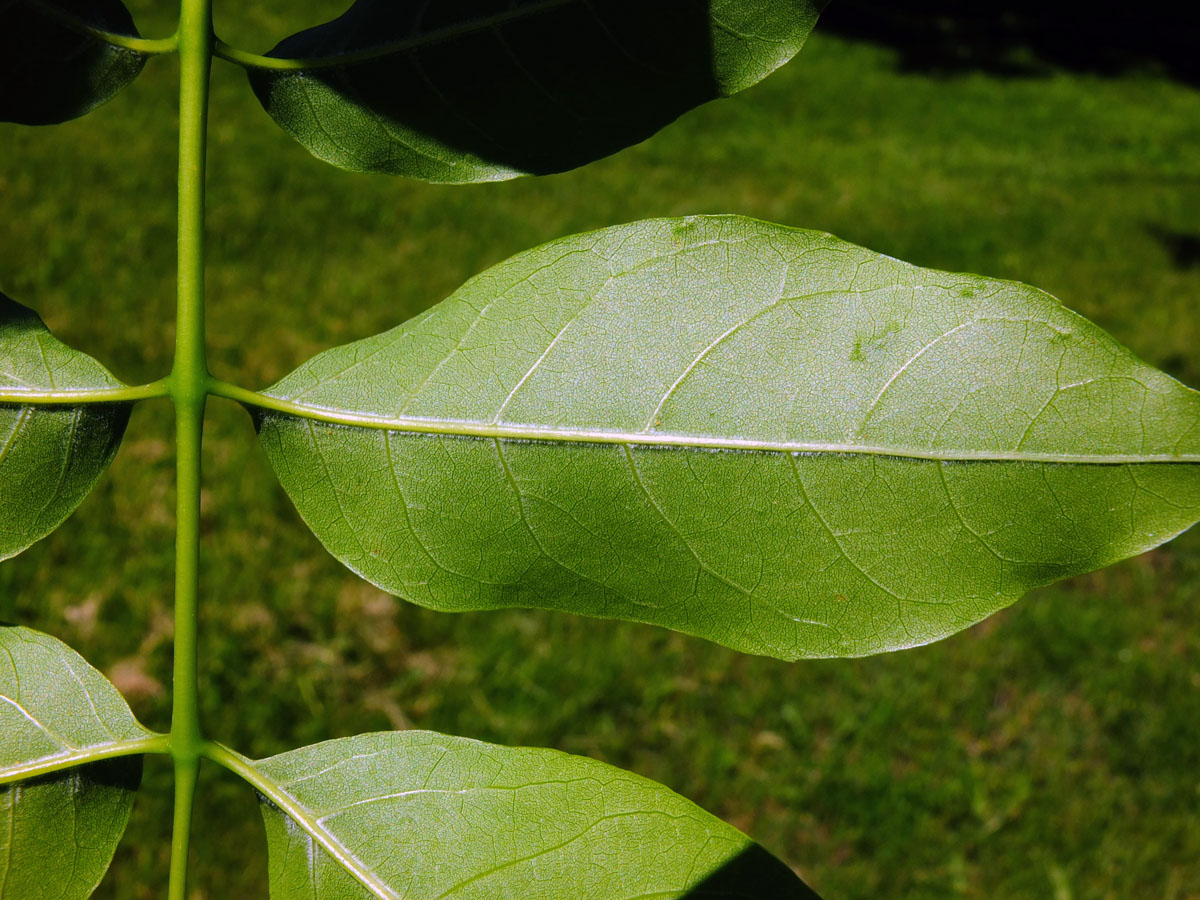
【形态】:落叶乔木,高达20m。树皮深灰色,老时纵裂。枝近无毛,侧生小枝常呈棘刺状。奇数羽状复叶,长7~375px,小叶7~9(II)枚,革质,叶轴具狭翅,小叶着生处有关节, 披针形至卵状披针形。花簇生,花杂性,有苞片和花萼,但无花冠;雄蕊2枚,花丝细长;柱头棒状,花药长2mm,先端2裂。翅果,倒披针形,长4~125px,先端尖,花萼宿存,浅皿状。花期3月,果熟9月。
【分布】:中国特有种。仅分布于湖北,生于海拔600m以下的低山丘陵。
【习性】:喜光,对气候、土壤要求不严,耐寒,耐干旱。抗污染,病虫害少。
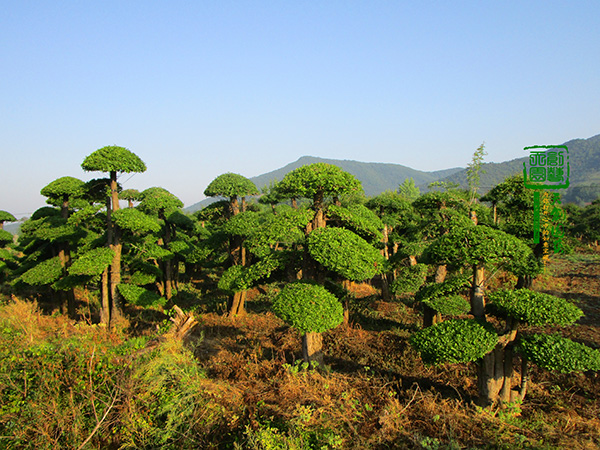
【用途】:对节白蜡树叶色苍翠,叶形细小、秀丽,造型优美,枝叶稠密,庄重典雅,为园林绿地高级应用树种。
Fraxinus hubeiensis is a species of ash native to Hubei province in China. The species was first described in an obscure paper in 1979 with the name Fraxinus hubeiensis. The description was republished the following year later in a more widely distributed journal, spelled Fraxinus hupehensis. The latter is now considered a spelling variant, with Fraxinus hubeiensis the correct spelling.