跨文化交际(23242英语/翻译专业)

要文静范京晶高安阳

目录

  • 1 Culture
    • 1.1 Course introduction
    • 1.2 Case Study
      • 1.2.1 Shanxi Pasta Culture
    • 1.3 Culture
      • 1.3.1 Cultural Confidence
    • 1.4 Differences between Chinese culture and western culture
  • 2 Communication
    • 2.1 Comunication
      • 2.1.1 10 Barriers to Effective Communication
    • 2.2 Case study
  • 3 Intercultural Communication
    • 3.1 Intercultural Communication
    • 3.2 Case study
  • 4 Hofstede’s Culture
    • 4.1 Individualism and Collectivism
    • 4.2 Power distance
    • 4.3 Uncertainty Avoidance
    • 4.4 Anna and King
    • 4.5 Let's deal with China - Intercultural communication
    • 4.6 masculinity ve femininity
  • 5 Kluckhohn and Strodtbeck’s Model
    • 5.1 Case study
    • 5.2 Man and Nature
  • 6 Cultural Connotation in Language
    • 6.1 作业视频分析与展播
    • 6.2 Language and Culture
    • 6.3 Case study
  • 7 Norms of social Interaction
    • 7.1 Verbal communication
    • 7.2 Addressing
    • 7.3 Gratitude
    • 7.4 Taboos
    • 7.5 Case study
  • 8 Non-verbal Communication
    • 8.1 Case Study
    • 8.2 Nonverbal language
    • 8.3 How to Read Body Language
  • 9 Ethnocentrism and Stereotypes
    • 9.1 Case study
    • 9.2 Ethnocentrism
    • 9.3 Race discrimination
    • 9.4 Stereotypes
  • 10 Acculturation and Identity
    • 10.1 Acculturation
    • 10.2 Identity
    • 10.3 Case study
  • 11 Culture Shock
    • 11.1 Case study
    • 11.2 Culture shock
    • 11.3 Ethnocentrism
    • 11.4 Reverse Culture Shock
  • 12 Education
    • 12.1 Chinese education
    • 12.2 Western education
    • 12.3 Case Study
  • 13 Hall’s Culture Context Model
    • 13.1 Case study
    • 13.2 low context and High context
    • 13.3 Compliment
    • 13.4 Face-Negotiation Theory
  • 14 Family and Gender
    • 14.1 Case study
    • 14.2 Gender
    • 14.3 Wedding and Funeral customs
  • 15 Intercultural business
    • 15.1 Case study
    • 15.2 Business Negotiation
  • 16 Globalization
    • 16.1 Economic Globalization
    • 16.2 Political Globalization
    • 16.3 Cultural Globalization
  • 17 参考章节Customs and Festivals
    • 17.1 Chinese festivals
    • 17.2 Western festivals
    • 17.3 Chinese cuisine
    • 17.4 Western cuisine
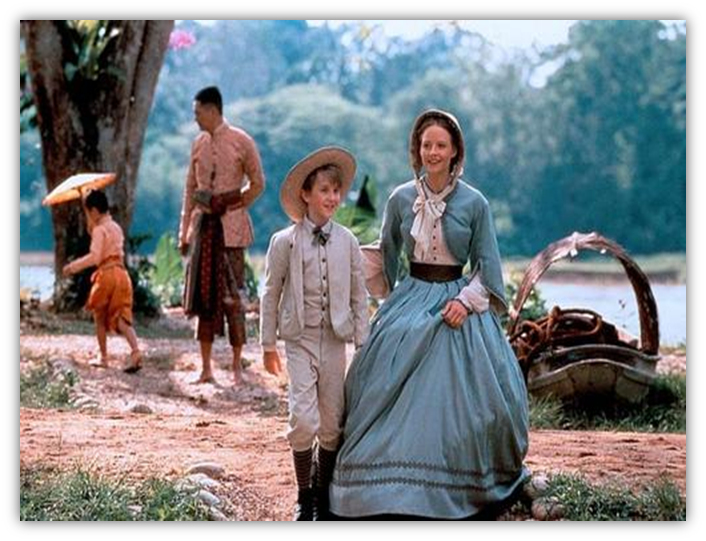
Anna and King

Movie ANNA And King


Anna and the King of Siam is a 1946 dramafilm directed by John Cromwell.This film depicts a true story of a womanwho challenged the heart of a king and inspired the destiny of a nation. Whenan English  schoolteacher Anna LenoBowens, arrives  in the exotic land ofSiam to educate the fifty-eight children of King Mongkut, her Western sensibilities clash withthe ruler’s Eastern way. If she has preconceived notions about the East, theking has similar notions about the west.


1.After watching  the selected scenes, can you describe the status of women in Siam?

2.Why did Anna refuse to live in the palace?

3.Could you explain what different viewpoints the prince and Louis hold?