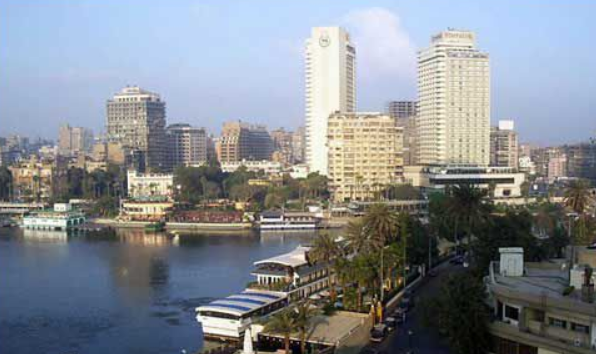
Naguib Mahfouz was born on the 11th Dec. 1911 in an old quarter of Cairo, the youngest son of a merchant. He studied philosophy(哲学)at King Faud I (now Cairo) University, graduating in 1934. He worked in university administration(行政部门) and then in 1939 he worked for the Ministry of Islamic Affairs. He was later Head of the State Cinema Organization at the Ministry of Culture(文化部). He also worked as a journalist(记者).Although widely translated, his works are not available in most Middle Eastern countries because of his support of Sadat’s Camp David initiative. In 1994 he survived an assassination(暗杀) attempt by Islamic extremists(极端主义分子). He is married, has two daughters and lives in Cairo.
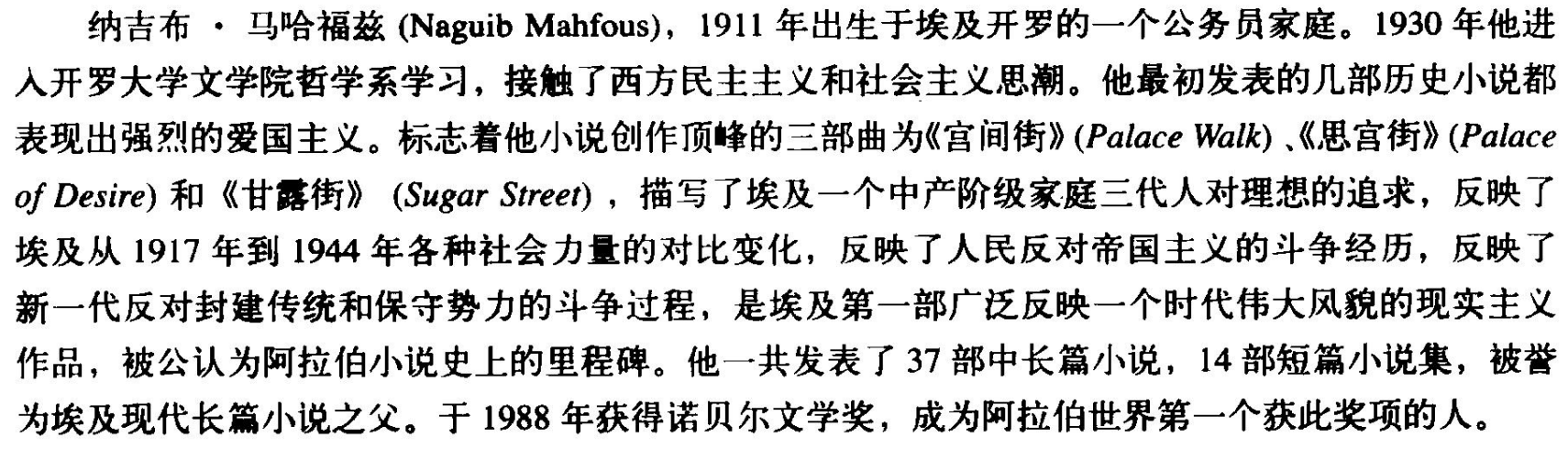
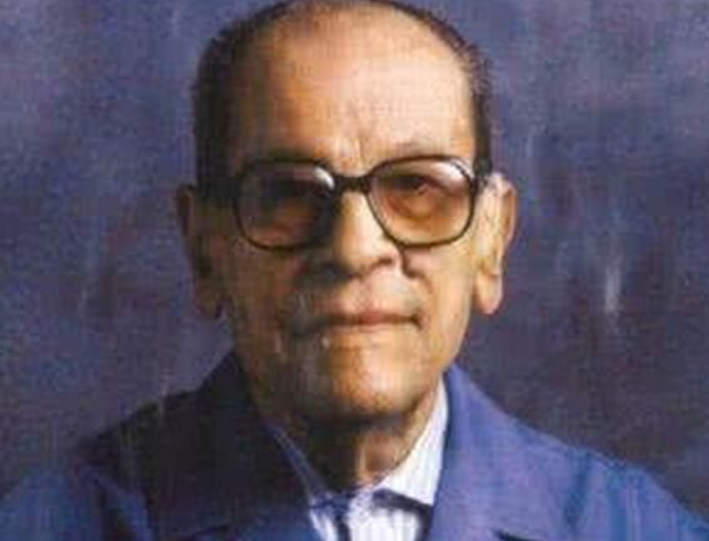
Naguib Mahfouz was the first Arab to win the Nobel prize for literature, in 1988. He has been described as “a Dickens(迪更斯1812-1870, 英国著名现实主义小说家)of the Cairo cafés” and “the Balzac(巴尔扎克1799-1850, 法国小说家) of Egypt".
He is now the author of no fewer than 30 novels, more than 100 short stories, and more than 200 articles. Half of his novels have been made into films which have circulated (流通;传播)throughout the Arabic-speaking world.
Mahfouz began writing when he was 17. His first novel was published in 1939 and ten more were written before the Egyptian Revolution of July 1952, when he stopped writing for several years. One novel was republished in 1953, however, and the appearance of The Cairo Trilogy(三部曲) in 1957 made him famous throughout the Arab world as a depictor(描写者) of traditional urban(城市的) life. The Cairo Trilogy (published 1955-1957) is a tale of the lives of a Muslim family and spans(跨过) the first half of the 20th century. Each book in the trilogy was named after a subur.
The picture of the world as it emerges(出现) from the bulk (大量) of Mahfouz’s work is very gloomy(暗淡的;阴沉的;令人沮丧的) indeed, though not completely disappointing. It shows that the author’s social utopia (乌托邦;理想国)is far from being realized.
Mahfouz seems to conceive o f(构思;想象) time as a force of oppression. His novels have consistently shown time as the carrier of change, and change as a very painful process, and very often time is not content until it has dealt his heroes the final blow of death.
To sum up, in Mahfouz’s dark description of the world there are only two bright spots(点). These consist of man's continuing struggle for equality on the one hand and the promise of scientific progress on the other; meanwhile, life is a tragedy.