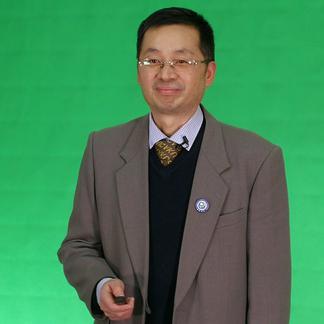
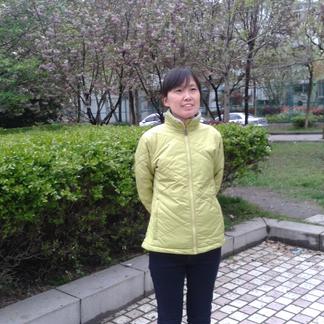
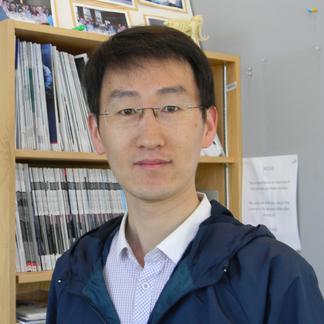
个人介绍
Animal Biotechnology(动物生物技术)

主讲教师:Fangxiong Shi(石放雄),Dagan Mao(茆达干),Quanwei Wei(魏全伟),Zengpeng Lv(吕增鹏)

教师团队:共4

  • Shi Fangxiong(石放雄)
  • Mao Dagan(茆达干)
  • Wei Quanwei(魏全伟)
  • Lv Zengpeng(吕增鹏)
学校: Nanjing Agricultural University(南京农业大学)
开课院系: College of Animal Science and Technology(动物科技学院)
课程英文名称: Animal Biotechnology
Introduction (课程介绍)
        Animal biology technology(动物生物技术) is a highly practical course gradually developed based on new animal breeding techniques. An applied course based on the relevant knowledge of animal reproduction and livestock breeding is a further sublimation of the theoretical knowledge of animal reproduction and livestock breeding. It is the most active research in modern animal science or animal science One of the disciplines. As a course that combines theory and practice, it requires a combination of theoretical teaching and explanation of the mechanism of basic technology. Mainly cultivate students' ability to choose and apply independent thinking and comparative methodology.

        In the long-term teaching practice, we have established a combination of "New Technology of Animal Reproduction" and "Molecular Biology Course" to promote students' understanding and application of new breeding techniques and basic technical contents of molecular biology.

        The main lecturer has rich experience in curriculum teaching, proficient in teaching English, and fluently communicate with foreign students in English. The curriculum is designed for international students. At the same time, in the teaching and scientific research process, Shi Fangxiong, Mao Dadan, Wei Quanwei have all studied in the United States. Chinese master and doctoral students are also welcome to choose courses and communicate together.

        Since the enrollment in Jiangsu Provincial Cultivation Course in 2019, Animal Biotechnology, an English course for international students, has 2 class hours / week. There are 22 students in 2019 and 2020. Most of them are international doctoral and master students. About one-third of Chinese students choose this course. It also strengthened the exchanges between international students and Chinese students. We have also relied on the School Academic Affairs Office Curriculum Center to establish a website for the course and strengthened interaction with students.

Teaching Team(教师团队)

Shi Fangxiong(石放雄)

职称:教授

单位:南京农业大学

部门:动物科技学院

职位:南农大动物繁育研究所所长
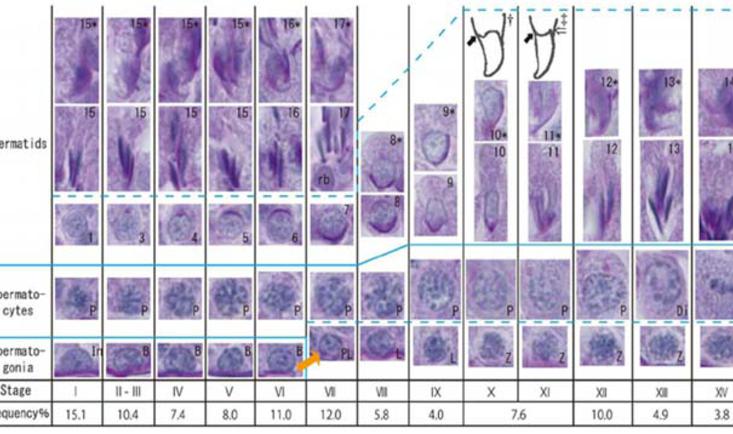
Mao Dagan(茆达干)

职称:教授

单位:南京农业大学

部门:动物科技学院

Wei Quanwei(魏全伟)

职称:讲师

单位:南京农业大学

部门:动物科技学院

Lv Zengpeng(吕增鹏)

职称:讲师

单位:南京农业大学

部门:动物科技学院

Teaching Methods(教学方法)

Teaching method: Multimedia teaching is mainly used, combining wonderful and intuitive pictures, videos, animations, discussions, etc. In addition, through the special lectures, classroom questions, discussions, student narration, etc. we try to cultivate students' ability to think independently. Integrating theory with practice, we encourage students to enter the laboratory and learn related skills, stimulate students' curiosity, and achieve the interaction of "teaching" and "learning". The course is easy to understand and grasp the principles of appropriate depth and widening of breadth, and try to integrate with the hot topics of today's society. According to the characteristics of the "technical case" courses, combined with the technical advantages of media and other video software, our course PPT and videos are convenient for after-class review. Before and after class, we also communicate with students in WeChat group to ensure the smooth progress of the course.

Assessment method: Based on the syllabus and teaching content, the students' ability to use the knowledge they have learned to analyze and solve problems are appropriately assessed. Any of questions, discussions, small assignments, and student narratives are also used as the assessment goals (30% -40%) . To cultivate students' ability to use knowledge and creative thinking in a comprehensive way, the course is based on the topics of interest to students writing essays as the final grade.

Developing a teaching plan before the start of the course, students are allowed to clarify the course arrangement. To establish a course WeChat group and we notify all students to join the group. As an important way to answer questions, issue notices in time, and communicate with students, a welcome introduction is given to introduce the course,  teaching objectives, contents and requirements of the course. At the same time, according to the progress of the course log, the content of the courseware PPT, electronic materials and other content are sent to the WeChat group for students to preview in advance and take the class with questions.

Based on the subject content related to animal production that they are interested in, the students are problem-oriented and integrated the flipped classroom with online teaching. Adopt diversified teaching evaluation methods, interspersed with questions and discussions in the classroom teaching, and at the same time combine the questions raised by the students to carry out the course teaching, and strengthen the process assessment.


Teaching Conditions(教学条件)

Based on "Editor Jiang Siwen, Liu Zhonghua, Xu Rifu, Deputy Editor-in-Chief Shi Fangxiong," Animal Biotechnology "(11th Five-Year Plan Textbook for General Higher Education), Science Press (2009) Textbook: This textbook systematically describes The basic principles and methods of genetic improvement of livestock and poultry, the general laws of animal reproductive physiology and its species characteristics, the theoretical basis and operation techniques of modern reproduction technology, the concept of livestock and poultry fertility and the basic way to improve fertility. Genetic breeding improvement Some of the main contents include: genetic material basis, basic laws of inheritance, variation, inheritance of quantitative traits, gene frequency and genotype frequency, selection, selection, variety and breeding, crossbreeding, variety breeding, etc. Reproduction technology part Including animal reproductive physiology, artificial insemination, embryo transfer, in vitro fertilization, sex identification, cloning, transgenesis, stem cell culture, etc. Supplemented by the textbooks "Applied animal reproduction" and "Molecular Biology", we recommend the mooc course "Animal Reproduction" to Chinese universities Study ", and at the same time improve the self-edited textbook system.

Based on the syllabus and teaching content, with the goal of improving students' ability to use the knowledge they have learned to analyze and solve problems, combined with classroom questioning, discussion, small assignments, student storytelling and other assessments, problem-oriented, fusion flip classroom and online teaching . Adopt diversified teaching evaluation methods to strengthen process assessment. Teaching through classroom tests, unit assignments and tests, timely detection of learning effects. Give full play to the advantages of information technology, communicate with students through WeChat, E-mail and other platforms in a timely manner, and at the same time equipped with postgraduate teaching assistants to answer questions such as hot spots in the preface, truly realize the interaction between teaching and learning, and extend the time and space for students .

The course was adopted by the school's National School of Education as a full English construction course in 2010. At that time, it received a construction fund of 30,000 yuan and was approved. International students choose courses every year. After entering Jiangsu Province in 2019, they are also open to some Chinese students. Teacher Cheng Weihua of the Chinese Academy of Education has repeatedly pointed out that the dean of the college Mao Shengyong provided us the cost of going to the college video hall to record the video of the course. Our own teaching funds also provide some funds for copying and purchasing related academic materials.


Teaching Effect(教学效果)

The course has been open for 10 years in a row. Combining with the cutting-edge biotechnology of the current reproductive direction, it uses a variety of teaching methods to start teaching, and has achieved good results in the education of foreign students. I am satisfied with my overall completion. According to my experience in studying abroad, I believe that the exchange of friendship is the first. Lectures made by making friends are easy to gain cognition and understanding. One of the international students who graduated this year told me when they handed in the course thesis that they must wear a degree uniform and go to my office to take pictures with me. Several international students thought that my class was well done and recommended to my friends to come to my laboratory for a doctorate.

Professor Zhuge Ronghua from the Massachusetts University School of Medicine visited our laboratory many times. When he visited, we asked him about PPT modification and lectures about our courses. He praised our courseware and made many suggestions.

Professor Kuzuyoshi Taya, Tokyo University of Agriculture and Technology, Japan, and a visiting professor in our school often visit our school. We also obtained some courseware materials from him, and he also gave us a lot of guidance.

References(参考教材)

References:

1) Shi Fangxiong (Associate Editor). "Animal Biotechnology" (Eleventh Five-Year Plan Textbook for General Higher Education), edited by Jiang Siwen, Science Press, Beijing, 2009.

2) "Animal Reproduction"

3) "Molecular Biology"

Webpage 

Course webpage content and usage description, etc .: All courses should complete webpage construction, course webpage should provide course introduction, syllabus, teaching plan, teaching team, teaching plans and exercises, practice (experiment, practice, internship ) Guidance, references and other materials, as well as all courseware and at least 2/3 of the lecture video)

Relying on the school affairs office of the school, the course website has been established:

Teaching videos: Resolution: 1280 * 720P; stream: 1080 MB; frame rate: 12 fps; some videos have been uploaded, but the videos directly communicated to students during class also need to be supplemented and updated on time.


教学资源
课程章节 | 文件类型   | 修改时间 | 大小 | 备注
1.2 课程入门视频(Video introduction)
视频
.mp4
2020-05-11 876.72MB
1.3 前言(Preface PPT)
文档
.ppt
2020-05-11 3.66MB
2.1 第一单元PPT( Basic and Male)
文档
.ppt
2020-05-11 2.64MB
3.1 第二单元PPT(Female)
文档
.ppt
2020-05-11 450.50KB
4.1 第三单元PPT(Techniques about  estrus and ovulation control)
文档
.ppt
2020-05-11 21.32MB
5.1 第四单元PPT(pregancy detection)
文档
.ppt
2020-05-11 2.71MB
6.1 第五单元PPT(Superovulation)
文档
.ppt
2020-05-11 33.35MB
7.1 第六单元PPT(DNA)
文档
.ppt
2020-05-11 867.00KB
8.1 第七单元PPT(Protein)
文档
.ppt
2020-05-11 974.00KB
9.1 第八单元PPT(PCR)
文档
.ppt
2020-05-11 1.76MB
10.1 第九单元PPT(Immunofluorescence)
文档
.ppt
2020-05-11 4.37MB
11.1 第十单元PPT(Western Blot)
文档
.ppt
2020-05-11 978.00KB
12.1 第十一单元PPT(Transgenic Animals)
文档
.ppt
2020-05-11 13.88MB
13.1 第十二单元PPT(poultry transgenic)
文档
.ppt
2020-05-11 3.34MB
14.1 第十三单元PPT(Stem Cells)
文档
.ppt
2020-05-11 3.96MB
提示框
提示框
确定要报名此课程吗?
确定取消

京ICP备10040544号-2

京公网安备 11010802021885号