
Scientific method refers to a body of techniques for investigating phenomena,acquiring new knowledge, or correcting and integrating previous knowledge.To be termed scientific,a method of inquiry must be based on gathering empirical and measurable evidence subject to specific principles of reasoning.
科学方法指的是检查自然现象、获得新知识、或修正与整合先前已得的知识,所使用的一套技术。为了合乎科学精神,这方法必须建立于,按照明确的推理原则,收集可观察、可经验、可测量的证据之上。
Oxford English Dictionary:"a method of procedure that has characterized natural science since the 17th century,consisting in systematic observation,measurement,and experiment,and the formulation,testing and modification of hypotheses."(梅里亚姆-韦伯斯特辞典:科学方法是一种有系统地寻求知识的程序,涉及了以下三个步骤:问题的认知与表述、通过观察和实验收集数据、假说的构成与测试。)
Four Essential Elements of a Scientific Method:
一、Characterizations:observations,definitions,and measurements of the subject of inquiry.New theories are sometimes developed after realizing certainterms have not been sufficiently clearly defined.For example, Albert Einstein's first paper onrelativity begins by defining simultaneity and the means for determining length.These ideas were skipped over by Isaac Newton with,"I do not define time,space,place and motion,as being well known to all".
二、Hypotheses:theoretical,hypothetical explanations of observations and measurements of the subject.
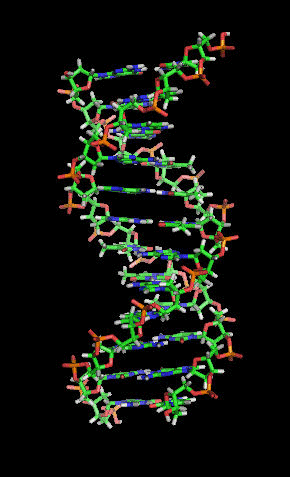
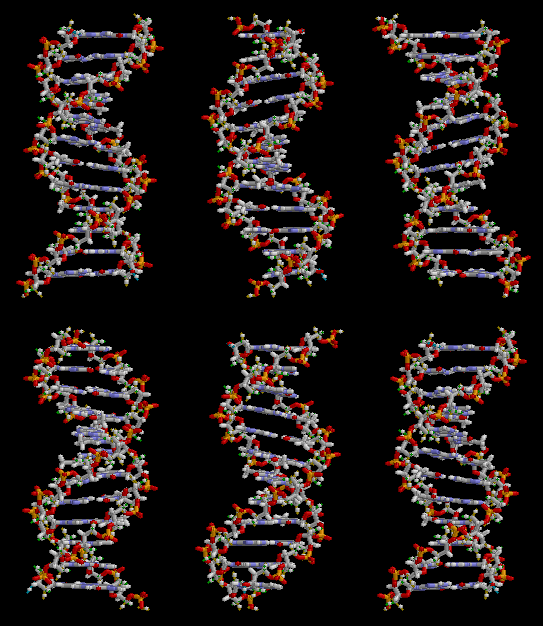 Linus Pauling proposed that DNA might be a triple helix. When Watson and Crick learned of Pauling's hypothesis,they understood from existing data that Pauling was wrong.
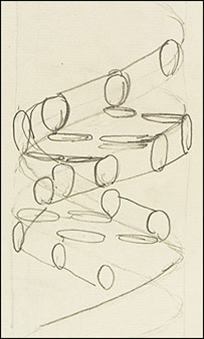 克里克所画DNA结构草图
James D. Watson and Francis Crick co-originators of the double-helix model

三、Predictions:reasoning including logical deduction from the hypothesis or theory.
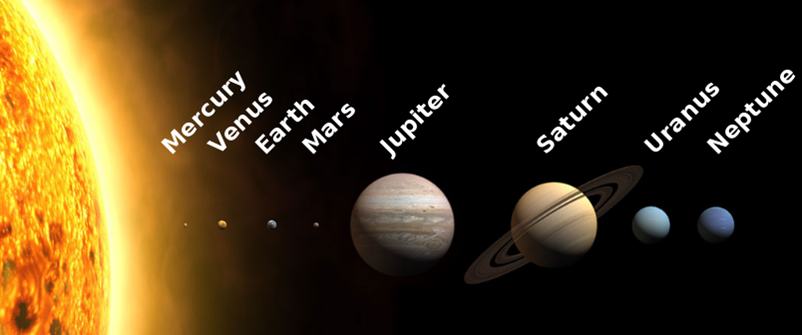
牛顿力学的辉煌时刻:预言海王星的存在。
1888年,赫兹发现电磁波,用实验证实麦克斯韦的光的电磁说。
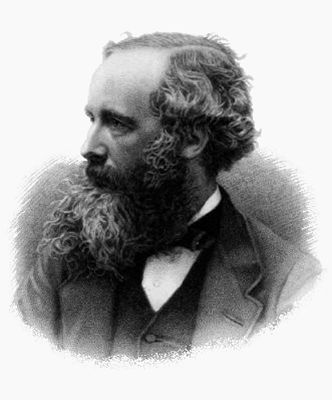
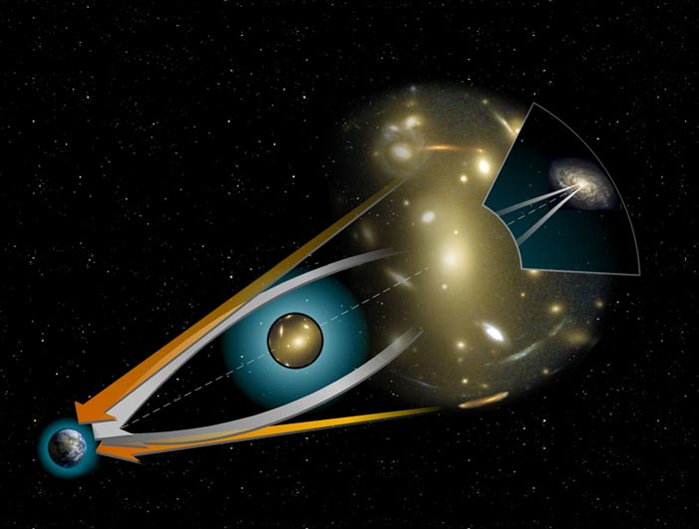
弯曲的光线:
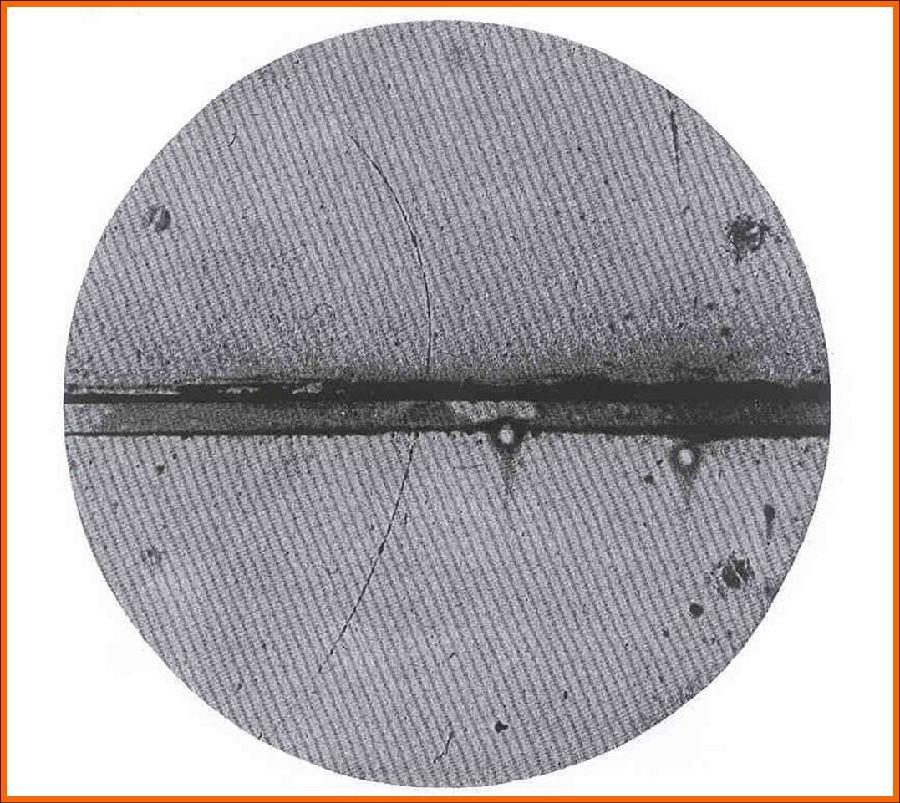
+e:Positron Discovered in 1932:
四、Experiments:tests of all of the above.Each element of a scientific methodis subject to peer review(1665)for possible mistakes.In this sense,it is not a mindless set of standards and procedures to follow,but is rather an ongoing cycle,constantly developing more useful,accurate and comprehensive models and methods.

